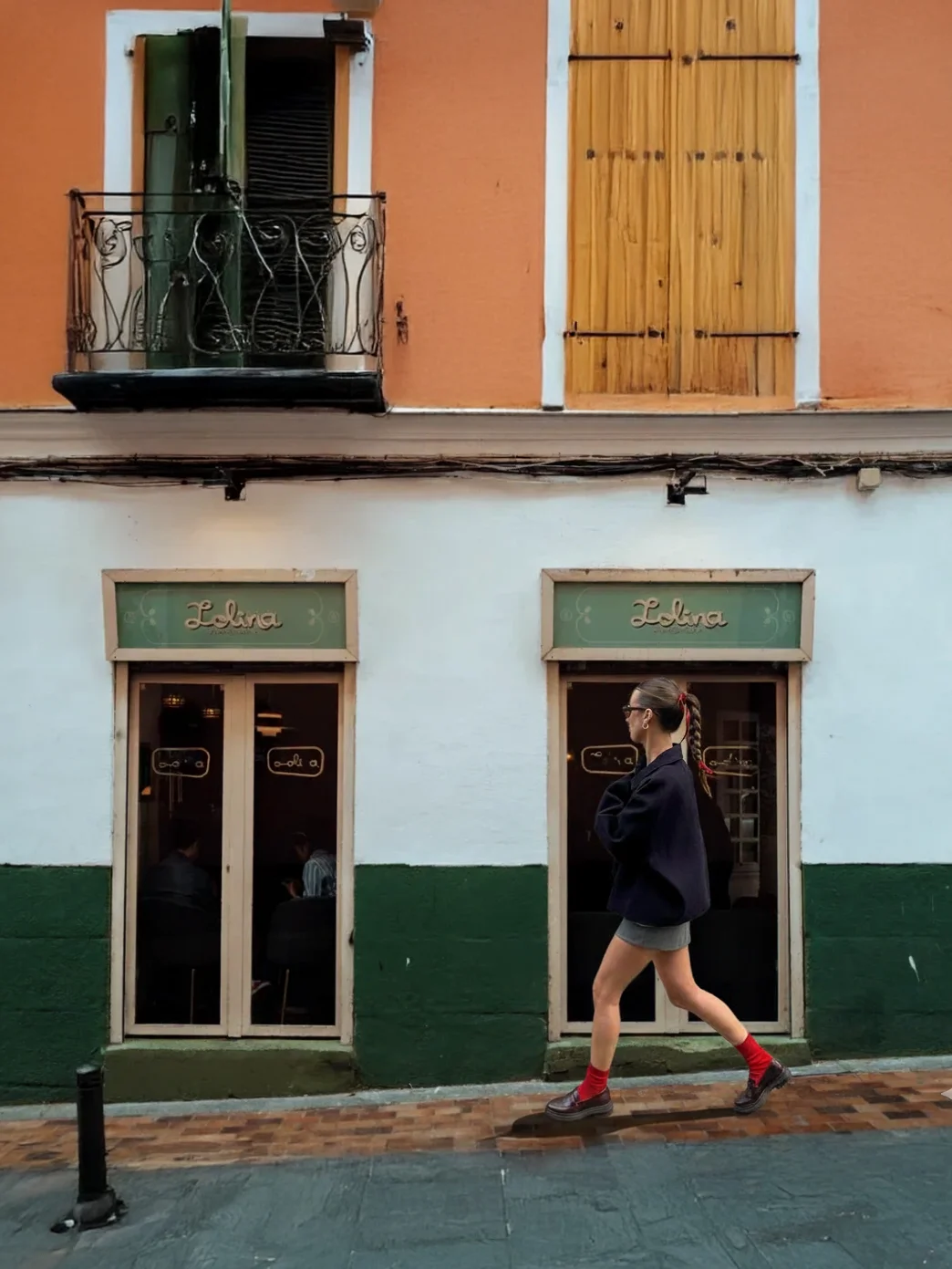
Why the Barrio de Malasaña Stands Out in Madrid
A neighbourhood built by artistas
In Malasaña Madrid, the creative pulse is obvious: vintage racks on Calle Velarde, murals off Calle de la Palma, and bar chatter that runs late. The Bario sits just north of Gran Vía, between Chueca and Chamberí, and it skews youthful without losing edge.
Expect packed terrazas, record shops, and cafés where a laptop won’t get you side-eyed. This district is messy in the right ways—el Dos de Mayo fills nightly, la fiesta lingers, and weekdays still feel alive.
Everyday prices locals actually pay
-
Cortado at Café de la Luz: €2.50 (good seats, warm lighting)
-
Craft beer at Fábrica Maravillas: €4–5
-
Vintage jacket on Velarde: €20–30
Malasaña rewards wanderers: short walks, quick bites, and plenty of corners to post up and work without killing your budget.

Where Is El Barrio de las Malasaña and What’s It Known For?
A Charming Neighbourhood in the Heart of the City
If you’re circling Malasaña Madrid on your map, look just north of Gran Vía, squeezed between Chamberí and Chueca, with La Latina a short walk downhill. Malasaña is one of those places that’s both central and a little scrappy — a charming neighbourhood where history and hipster coffee live side by side.
Locals still remember la movida madrileña of the 1980s, when el barrio became the cradle of underground music, art, and nightlife that reshaped Spain’s capital.
The Streets You’ll Want to Visit
This neighbourhood is known for small plazas, lively streets, and characters you won’t soon forget.
En el barrio, you’ll still hear stories of Manuela Malasaña, the young seamstress who became a symbol of Madrid’s resistance. Her name lives on in de Malasaña cafés, murals, and metro stations.
-
Plaza del dos de Mayo – the beating heart of el barrio, full of bars and benches (€2–3 caña).
-
Calle de San Andrés – indie boutiques, second-hand shops, and late-night snacks.
-
Calle Espíritu Santo – where you go to shop for vintage or catch a gig.
-
Conde Duque Cultural Center – free galleries and regular music events.

Why El Barrio Still Feels Different
This part of the city has a reputation as Madrid’s “Brooklyn.” It’s youthful, creative, sometimes noisy, but rarely dull.
Compared to Lavapiés (aunque grittier and cheaper) or Chueca (sleeker and upscale), en Malasaña you’ll find a balance: student energy, good coffee, and nightlife that never seems to quit.
| Neighbourhood | Average Rent (1BR) | Vibe | Food & Drink | Walkability |
|---|---|---|---|---|
| Lavapiés | €850–1,000 | Multicultural, gritty | Global eats under €12 | 10/10 |
| Malasaña | €1,100–1,300 | Hipster, bohemian | Brunch & craft beer | 9/10 |
| Chueca | €1,200–1,500 | Stylish, LGBTQ+ | High-end tapas | 9/10 |
Why you Shouldn’t Miss Malasaña
El barrio de las Malasaña may not be polished, but that’s the point. It’s where Spanish counterculture was born, where art and music spill into the streets, and where the story of Manuela Malasaña still echoes.
If you want a slice of Madrid that’s both history lesson and late-night adventure, this is the charming neighbourhood you can’t afford to miss on your next visit.

The Vibe of Malasaña: Always Awake, Always Creative
From Morning Coffee to Plaza del Dos de Mayo Nights
Walk en Malasaña any day and you’ll feel the rhythm immediately. Mornings start with cortados and croissants at HanSo Café (€2.50–3.50), afternoons drift into vintage shops on Calle Velarde or trendy boutiques near Calle Espíritu Santo, and evenings end with cañas at bars around Plaza del Dos de Mayo. Malasaña es a place where young people, students, and artists mix with expats and remote workers who need both WiFi and stimulation.
Why El Barrio Fills With Energy Every Day
This district of Madrid carries a reputation for creative hustle. Urban art covers entire facades, and restaurants double as late-night jam spots.
You’ll see plenty of Spanish friends sharing vermouth in bars, de los skaters carving lines near de San Vicente Ferrer, and coworking laptops glowing in old apartments.

Daily life snapshots:
-
Morning: strong coffee, €2.50–3.00, at Toma Café.
-
Afternoon: browse de Malasaña vintage racks for jackets (€25–40).
-
Evening: tapas en el barrio de Malasaña — croquetas at Casa Julio (€8–10).
-
Late night: cocktails at 1862 Dry Bar, around €10.
Safety and Livability En Malasaña
While Madrid locals will tell you Malasaña can be noisy, especially around bars and restaurants, it remains a safe, walkable base. Side streets like de San Andrés or de San Vicente Ferrer buzz with activity until late, but crime rates are low compared to many European capitals. If you’re noise-sensitive, bring earplugs; if you’re seeking stimulation, the hum is part of the charm.
Why This Atmosphere Works for Visitors and Nomads
For short-term travelers, the constant buzz means you’ll never miss a plan. For nomads, the same energy that fills el barrio fuels productivity: coffee shops by day, creative artists and bars by night.
Unlike quieter corners of Madrid, Malasaña offers variety that makes every visit feel plugged into the pulse of the city.

Food & Drink in Malasaña: From Brunch to Tapas to Craft Beer
Delicious Food and Everyday Favorites in Madrid
Eating en el corazón de Madrid means that Malasaña doesn’t mess around when it comes to variety. Here you’ll find brunch spots that double as laptop-friendly hangouts, restaurants turning out classic Spanish plates like tortilla de patatas, and bars de copas where the only rule is “one more round.”
The mix is equal parts casual and inventive—perfect if you want delicious food without stiff formality.

Brunch & Early Hours Around the District
Malasaña is the district where mornings feel slow but rewarding.
-
Federal – Big windows, solid WiFi, and brunch plates around €12–15.
-
La Bicicleta – A favorite for remote workers; order the shakshuka and settle in (€13–14).
Tapas Bars That Still Feel Local
If you visit Malasaña and skip tapas, you’re missing the point.
-
Casa Julio – Famous for croquetas (€1.50 each), always busy.
-
Bodega de la Ardosa – Vermouth on tap, wooden counters, and a proper tortilla de patatas (€3.50 a slice).

-
Los Chuchis – A cozy corner en el barrio with seasonal menus that lean modern.
Trendy Bites and Fusion Restaurants
For something lighter or global, Malasaña delivers:
-
Superchulo – Vegan-friendly bowls and pizzas, around €12–16.
-
Ojalá – Creative Mediterranean plates and quirky basement sand floor, mains €15–20.
Bars, Pubs, and Drinks That Define Malasaña
After sundown, el barrio fills with music and laughter. Bars de copas and pubs are everywhere, and the energy pulls you in.
-
Fábrica Maravillas – Craft beer brewed on-site (€5–6 a pint).
-
1862 Dry Bar – Elegant cocktails served with care (€10–12).
-
Tempo Club – Live music sessions, tickets usually €8–12.
A Cultural Link With the Barrio de las Letras
There’s a throughline of culture here that connects Malasaña to the Barrio de las Letras: the love of conversation, drink, and experiment.
While de los streets in Letras carry literary history, Malasaña spins its identity around hip counterculture, Spanish rhythms, and open-ended nights that just don’t want to end.
Cuisine in Malasaña is as much about atmosphere as it is about what’s on the plate. It’s the kind of place where meals stretch into hours, and where a quick tapa easily turns into another round. Perfect for blending a workday with a little local discovery.
Want to cook at home instead? RentRemote remote-friendly apartments in Madrid come with full kitchens near local markets.

See Barrio De Las Letras homes
Things to Do in Malasaña Madrid
Culture and Fun in the Heart de Madrid
Beyond its cafes and clubs, Malasaña is a district stacked with culture and quirks. The streets are stitched with urban art, thrift racks, and music spots where Spanish rhythms mix with indie guitars.
This part de Madrid is less about polished attractions and more about the energy you find when you explore on foot. Prices are friendly enough to make wandering part of your daily plan.
Vintage Shops Worth Exploring de San Vicente Ferrer
Some of the best hunting grounds for secondhand treasures sit along de San Vicente Ferrer and its side streets.
-
Magpie Vintage – Leather jackets and retro denim, most pieces €30–50.
-
El Templo de Susu – A Malasaña staple with racks that son full of ‘70s and ‘80s looks, from €15 upward.
-
Ropero – Located in Centro. Small but packed with quirky finds, often under €20.
Street Art and Urban Murals de los Calles
Malasaña wears its urban art proudly. De los alleys near Calle Espíritu Santo are covered in rotating murals, and even shop shutters double as canvases.
Local artists leave their mark after dark, which means every return visit feels like a new exhibition

Cultural Landmarks Around Plaza del Dos de Mayo
The square is the living room of Malasaña. During the day you’ll see families, in the evening it’s buzzing with fun and chatter.
For a dose of history, walk a few blocks to El Museo del Romanticismo, tucked in a restored building from the 18th century.
Entry is around €3, and it’s a quiet break from the surrounding bustle.
Music, Arts, and Indie Clubs de San Bernardo
Malasaña thrives on creativity, and the venues prove it.
-
Sala Maravillas – Legendary for live bands, tickets €10–15.
-
Teatro Alfil – Comedy and small theatre performances, tickets from €12.
-
El Intruso – A blend of DJ sets and jazz sessions, drinks €6–10.
Por Último: Why It’s Always Worth a Wander
Malasaña son the streets you walk without a plan. Between the thrift racks, de la murals, and indie clubs, this is where Spanish counterculture still beats strongest.
Think of it as an open-air gallery and a stage rolled into one—always shifting, always worth the explore.

Living and Working in Malasaña as a Digital Nomad
Why Malasaña Works as a Base
Choosing Malasaña as your base de Madrid comes with a trade-off: it’s buzzing, central, and endlessly stimulating, but quieter corners are scarce.
Rents hover around €1,100–€1,300 for a one-bedroom flat, which is higher than Lavapiés but often less than Chueca.
The apartments son typically older with quirky layouts, but when a renovated unit pops up, it disappears fast.

Coworking Spots and Cafés With WiFi
Working en el corazón de la ciudad is easier here than in many parts of Madrid. Spaces double as social hubs, which makes them great for productivity and meeting other nomads.
-
La Bicicleta – Work-friendly tables, strong WiFi, drinks €3–5.
-
Espacio Geranios – Creative coworking with events, day pass €15.
-
Toma Café 2 (nearby Conde Duque) – Specialty brews, WiFi that doesn’t drop, flat whites €3.50.
The Pros and Cons de la Vida Here
Pros:
-
Central, walkable, and well-connected by metro.
-
Endless bars and coffee spots where locals and nomads cross paths.
-
Creative energy: murals, pop-ups, and indie music everywhere.
Cons:
-
Noise, especially around el Plaza del Dos de Mayo.
-
Flats son smaller, and outdoor space is rare.
-
Higher rents than Lavapiés, even if cheaper than Chueca.
What the Numbers Say
| Area | Avg. Rent (1BR) | Vibe | Walkability |
|---|---|---|---|
| Lavapiés | €850–1,000 | Gritty, multicultural | 10/10 |
| Malasaña | €1,100–1,300 | Creative, youthful | 9/10 |
| Chueca | €1,200–1,500 | Stylish, upscale | 9/10 |
| Malasaña works best for digital nomads who thrive on buzz, de la energy of the streets, and a sense that every day could bring something unexpected. |
If you prefer silence, look elsewhere. If you crave stimulation, this is where you’ll want to stay.
Looking for a ready-to-work rental? RentRemote’s Madrid apartments include ergonomic desks, dual-screen monitors, and super fast WiFi set up, all ready for you to plug and play.

Comparing Malasaña With Other Madrid Areas
How to Choose la Zona That Fits You
When you’re in Madrid, deciding where to base yourself usually comes down to personality and budget. Some travelers want grit, some want sleek, and others can’t resist the pull of el creative energy that pulses through Malasaña.
Each area offers something distinct, and costs vary more than you might expect.
Malasaña: Creative Energy in the Center de Madrid
-
Average rent: €1,100–1,300 for a one-bedroom.
-
Vibe: Indie shops, vintage finds, and constant buzz.
-
What to expect: Crowded squares, murals on nearly every corner, and a steady flow of students and freelancers.

Lavapiés: Multicultural Edge de la Ciudad
-
Average rent: €850–1,000.
-
Vibe: Diverse, raw, and always full of surprises.
-
What to expect: La mezcla of Bangladeshi, Moroccan, and Spanish influences; cheaper meals and apartments than most central districts.
Chueca: Stylish and Inclusive en el Centro
-
Average rent: €1,200–1,500.
-
Vibe: Polished, fashionable, and LGBTQ+ friendly.
-
What to expect: Rooftop cocktails, high-end dining, and la reputation of being one of the trendiest parts of Madrid.
Quick Comparison Table
| Area | Avg. Rent (1BR) | Vibe | Best For |
|---|---|---|---|
| Malasaña | €1,100–1,300 | Creative, youthful | Freelancers, artists, short-term visitors |
| Lavapiés | €850–1,000 | Multicultural, gritty | Budget-conscious nomads, explorers |
| Chueca | €1,200–1,500 | Stylish, upscale | LGBTQ+ travelers, luxury-seekers |
Why the Choice Matters
These districts son only a short walk apart, but the difference in vibe and price is noticeable. Malasaña suits those who want energy and creative outlets, Lavapiés attracts those after affordability and grit, while Chueca shines if you want sleek and stylish.
Not sure which neighborhood fits you? Compare Madrid areas in RentRemote’s Madrid neighborhood guide before you book.

Practical Tips: Getting Around & Daily Life in Malasaña
Metro Stops That Keep You Moving en la Ciudad
Malasaña is better connected than most parts of Madrid. You’ve got Tribunal (Line 1 and 10), Noviciado (Line 2), and San Bernardo (Line 2 and 4), all within easy reach.
Expect tickets around €1.50–2 for a single ride, or grab a 10-journey pass for €12.20 if you’re here longer. Having these three lines at hand means you can be across el centro in minutes.
Why Walkability Matters en el Centro
The real beauty of Malasaña is that you rarely need the metro. Most of la action sits within a 15-minute walk: Gran Vía, Chueca, and even Sol are close enough to reach on foot.
Streets are narrow and lively, so good shoes matter more than train schedules.
Green Escapes and Quiet Corners de la Zona
Even in a buzzing part of Madrid, you’ll find small breaks from the noise.
-
Plaza del Dos de Mayo – social hub where el benches are always full of chatter.
-
Conde Duque gardens – shaded paths and casual hangouts, free entry.
-
Templo de Debod – technically just outside Malasaña, but worth the 10-minute walk for sunset views.
Daily Conveniences That Make Life Easy
Malasaña works well for both short trips and longer stays because the basics are right outside your door.
-
Supermarkets like DIA and Carrefour Express – budget groceries for €30–40 a week.
-
Laundromats on Calle de San Bernardo – around €5 a wash.
-
Local eateries – casual menus del día from €12–14.
Malasaña is practical, central, and lively. Between the metro stops, walkability, and daily conveniences, it’s easy to settle into routines de la vida without giving up the buzz of being in el core of Madrid. Perfect if you want comfort without losing connection to the city’s energy.

Is Malasaña the Right Base for You?
Malasaña runs on youthful energy and creative momentum. Days lean into coffee and vintage finds; evenings carry music and chatter; the streets rarely sit still.
Best for: digital nomads, short-term visitors, students, and creatives who want a central base with constant stimulus.
Less ideal for: families with kids, luxury-first travelers, or anyone who needs guaranteed quiet after dark.
If you thrive on buzz and variety, choose it. If you recharge in silence, look elsewhere.