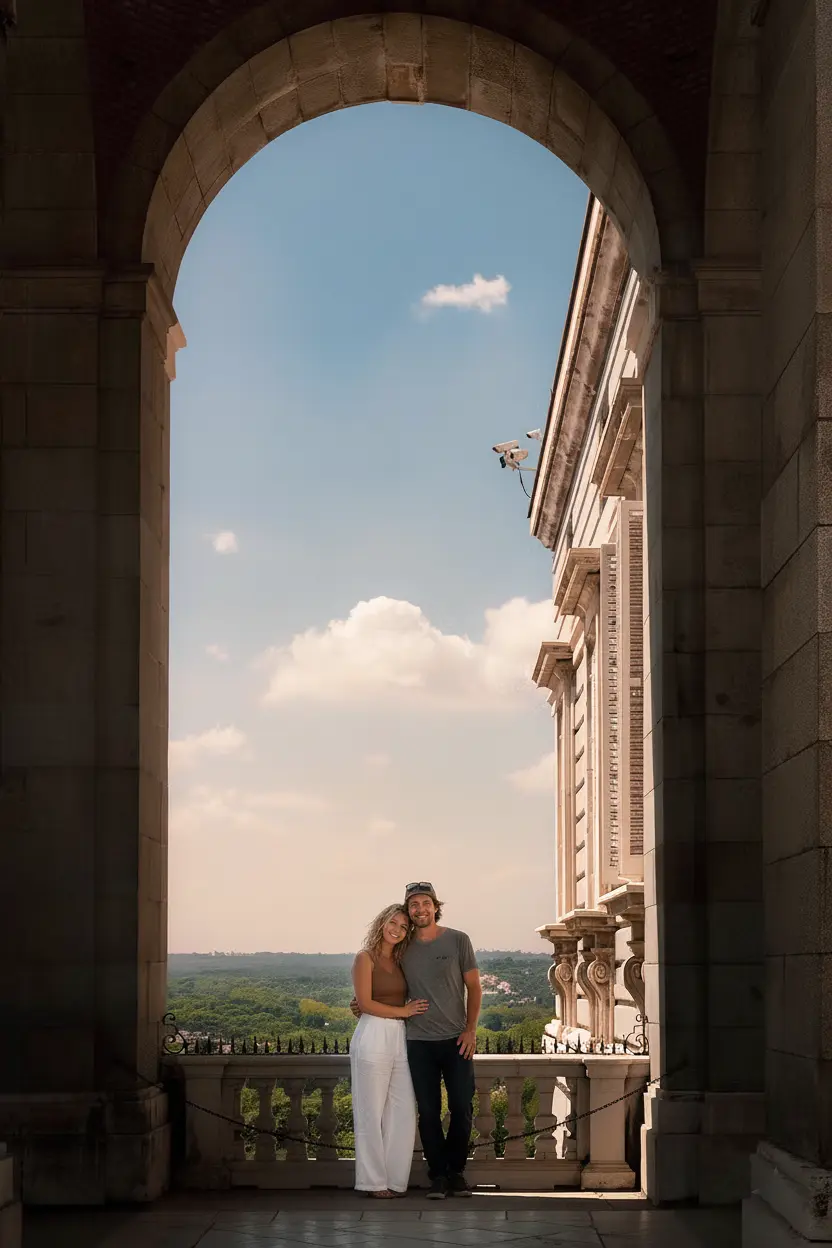
Madrid proves that visiting a capital city doesn’t have to mean breaking your budget. Compared with other major cities in Western Europe, the Spanish capital offers a refreshing balance of affordability and atmosphere. From free museum hours to affordable tapas bars, the city rewards travelers who explore like locals rather than tourists.
Despite its royal palaces and designer districts, daily life here stays accessible. Metro rides cost about €1.50, hearty lunches average €12, and you can still find clean hostel beds for under €30 a night. The combination of walkable streets, open plazas, and free attractions makes Madrid one of Europe’s most cost-effective big cities for culture lovers and budget-conscious travelers alike.
What makes Madrid affordable:
-
Public transport: Cheap, efficient, and covers nearly every district.
-
Food: Tapas bars, markets, and menú del día deals everywhere.
-
Attractions: Dozens of sights with free or discounted entry.
-
Accommodation: Budget-friendly hostels and Airbnbs, especially off season.

City Center or Beyond: How Location Impacts the Madrid Cost
Finding affordable accommodation in Madrid depends heavily on where you stay. The madrid cost of living in the core area—around Gran Vía, Puerta del Sol, and Plaza Mayor—is higher, but it puts you right in the middle of the action. Venture a few metro stops away, and prices begin to soften while still offering quick access to the city’s landmarks and nightlife.
Staying in Madrid’s City Center
For travelers who want everything within walking distance, Madrid’s city center is hard to beat. This is where most budget travelers begin their search, drawn by the energy of central Madrid and its iconic squares. You’ll pay a little more for the convenience, but the atmosphere makes up for it.
-
Budget hotels: Start around €75 per night near Gran Vía or Sol; €100+ gives you modern comfort and air conditioning.
-
Vacation rentals: Range from €80–€140 per night, ideal for couples or long stays. Look around La Latina or Malasaña for stylish, compact apartments with full kitchens.
-
Private rooms: Around €100–€180 in boutique hostels—great for travelers who prefer quiet nights.
-
Budget hostels: Expect €20–€45 for a dorm bed at social hubs like The Hat Madrid or Cats Hostel Madrid Sol.
Affordable Alternatives Just Beyond the Center
Step just outside the central ring and you’ll notice how quickly your nightly rate drops. Neighborhoods like Chamberí, Lavapiés, and Atocha combine character and affordability, all within 15 minutes of the city center by metro.
-
Cheaper accommodations: €60–€90 in smaller hotels or vacation rentals.
-
Hostels with local charm: Way Hostel and Ok Hostel Madrid offer community events, kitchens, and walking tours—ideal for saving money and meeting other travelers.
-
Family-friendly rentals: RentRemote apartments near Retiro or Delicias provide space and comfort for longer stays.
When to Book for the Best Madrid Cost
Accommodation prices rise during peak season (summer) and drop noticeably in winter or shoulder months. Booking at least six weeks ahead usually secures better rates, especially in central Madrid. Staying flexible—checking both hotels and vacation rentals—helps balance comfort and cost.
Quick tip: Don’t rule out university areas like Moncloa or Argüelles. They’re quiet at night, well-connected by metro, and often feature affordable hotels that cater to students and long-term visitors.
Madrid’s compact layout and reliable metro network mean you don’t need to sacrifice convenience for price. Whether you stay near the city center or a few stops beyond, you’ll find options that fit your travel budget and keep the Madrid cost comfortably low.

Average Daily Budget for Travelers: What Budget Travelers Spend
Understanding Madrid’s average daily travel costs helps set realistic expectations before you land. The Spanish capital offers exceptional value compared with most of Western Europe—its mix of budget friendly accommodations, inexpensive food, and low-cost attractions makes it a comfortable city even for budget conscious travelers.
Breaking Down the Daily Travel Budget
Your total travel costs depend on how you like to spend. A budget traveler eating locally and using the metro can easily enjoy Madrid for less than €80 per day, while mid-range visitors might spend double for extra comfort and dining.
-
Budget travelers: €45–€80/day (hostel dorm + metro + tapas).
-
Mid-range travelers: €160–€275/day (3-star hotel + restaurants + taxis).
-
Luxury travelers: €390+/day (5-star hotel + fine dining + shows).
-
Average visitor: around $188 (€162) per day, including food and transport.
A reasonable travel budget for two people on a one-week trip is roughly $2,637 (€2,268), still far below similar stays in London or Paris.
How to Lower Your Daily Madrid Cost
Saving money in Madrid isn’t about cutting corners—it’s about timing and choices.
-
Eat your main meal at lunch. Many restaurants offer fixed-price menú del día between €10–€15.
-
Use public transport. A metro ride costs €1.50; tourist passes give unlimited rides and reduce travel costs.
-
Book early for accommodation. Prices rise on weekends and during festivals.
-
Walk and explore. The compact city layout lets you enjoy multiple attractions without spending a cent.
Comparing Madrid to Other European Cities
For perspective, Madrid’s average daily travel costs are:
-
~20% lower than Paris
-
~15% lower than London
-
~10% cheaper than Barcelona
-
But slightly higher than Eastern European cities like Kraków or Prague
It’s a sweet spot for travelers who want the culture and comfort of a major capital without luxury-level pricing.
Madrid rewards careful planning and spontaneity alike. Whether you’re on a shoestring budget or simply looking for budget friendly ways to experience the city, there’s plenty of room between value and indulgence.

Getting Around Affordably: Average Daily Travel Costs
Madrid’s transport network is one of the most efficient in Europe—and it’s a big reason the madrid cost stays manageable for budget conscious visitors. The Madrid Metro, buses, and suburban trains connect nearly every corner of the Spanish capital, offering easy access to all major attractions. For a city this size, getting around is remarkably affordable, and smart use of public transportation can help you save money every single day.
Madrid Metro and Local Transportation
The Madrid Metro is clean, safe, and extensive, reaching even the airport. A single ticket costs around €1.50, while the average price for a full day of local transportation hovers near €18.
-
Tourist Travel Pass: Ideal for visitors staying several days, this card gives unlimited rides across metro, bus, and light rail networks—perfect for budget friendly itineraries.
-
Airport access: Line 8 connects Madrid-Barajas Airport to the city center in about 30 minutes, a cost effective option compared with a €26 taxi.
-
Buses and light rail: Frequent, punctual, and included in the tourist travel pass, which keeps your travel budget predictable.
-
Rideshares: Uber and Cabify can be cheaper than taxis, especially during off season periods when demand drops.
Transportation Tips to Save Money
Most travelers mix walking, metro rides, and buses throughout the day. Distances between multiple attractions are shorter than you’d think, and some of Madrid’s most famous landmarks—like Puerta del Sol, Plaza Mayor, or the Royal Palace—are within walking distance of each other.
Smart transport habits for budget travelers:
-
Combine walking with metro rides to save money and explore hidden neighborhoods.
-
Buy multi-day passes in advance to lock in reasonable prices.
-
Travel outside peak season to avoid crowds and occasional fare hikes.
-
If staying long-term, get a rechargeable Metro T-Card for public transportation discounts.
Madrid’s public transportation system makes the Spanish capital one of Europe’s most accessible big cities. Whether you’re crossing from Retiro to Casa de Campo or catching a late bus from Atocha, getting around is simple, quick, and kind to your wallet—a real win for budget conscious travelers planning to visit Madrid without the extra cost of taxis.

Where to Stay: Budget-Friendly Accommodations and Exclusive Deals
Accommodation in Madrid can fit nearly any travel budget—especially if you know where to look. From budget friendly hostels in the city center to vacation rentals in leafy districts like Chamberí or La Latina, the Spanish capital rewards those who plan ahead. Average hotel prices hover around €75–€100 per night, but rates drop significantly during the off season, often revealing exclusive deals that feel like hidden finds.
Hostels and Affordable Hotels
For solo travelers or social explorers, Madrid’s budget friendly accommodations come with real character.
-
Cats Hostel Madrid Sol and The Hat Madrid: dorm beds from €25–€30 with free walking tours and tapas nights.
-
Way Hostel: known for its cozy lounge, ideal for digital nomads on short stays.
-
Budget hotels near Gran Vía or Atocha average €90–€120 per night, offering more privacy and better soundproofing for remote work.
Vacation Rentals and Longer Stays
If you’re staying a week or more, vacation rentals can be a cost effective option. Apartments in Malasaña or La Latina average €90–€140 per night and include amenities that help budget conscious visitors cut costs—like full kitchens and washers.
Many hosts offer cheaper accommodations for off-season stays or monthly bookings.
RentRemote Apartments: Comfort for Remote Workers
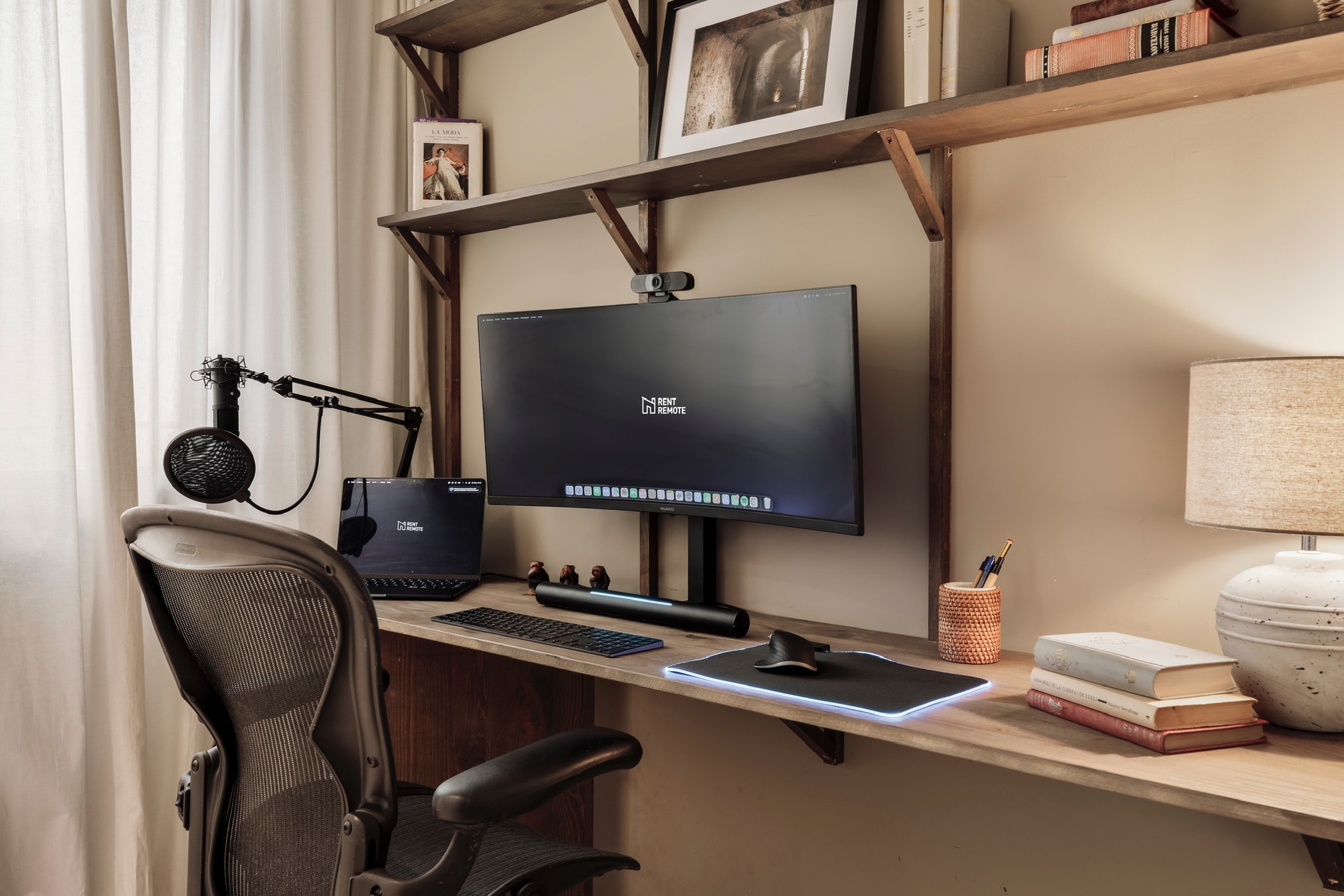
For travelers who want the flexibility of a budget friendly stay without losing the comforts of home, RentRemote offers a curated selection of fully furnished apartments in Madrid. Each property includes a proper workstation—ergonomic chair, wide monitor, and high speed reliable Wi-Fi—so you can balance sightseeing with productivity. RentRemote’s listings combine premium comfort with transparent pricing, perfect for anyone seeking long-stay convenience in central Madrid or nearby creative neighborhoods.
Whether you prefer a social hostel, a quiet hotel, or a fully equipped apartment that feels like your own office away from home, Madrid makes it easy to live well without overspending.
Explore RentRemote’s fully furnished apartments in Madrid — built for work, urban exploration, and getting through a work day without the discomfort of bad workstations.
Eating and Drinking: Tapas Bars, Cheap Eats, and Free Tapas Culture
Madrid’s dining scene makes travelers feel like locals within hours. Here, you don’t chase cheap eats—they find you. Every corner of the city hides small kitchens, tapas bars, and markets serving local specialties at prices that make you smile.
Tapas Bars and Everyday Dining
In Madrid, food is a social rhythm. Order a drink and watch a small plate appear beside it—free tapas that turn a simple pit stop into dinner.
Typical costs:
-
Beer or wine with tapa: €3–€5
-
Full tapas meal with drinks: €12–€18
-
Menú del día (fixed lunch): €10–€15
Neighborhoods like La Latina and Malasaña stay lively from noon to midnight. Try:
-
Casa Labra near Puerta del Sol – famous for cod croquettes and a standing-room buzz.
-
El Tigre on Calle de las Infantas – plates stacked high with every round.
-
Taberna Tempranillo in Cava Baja – small, modern, and still an affordable option for jamón ibérico and wine.
Markets and Local Favorites — From Mercado de San Miguel to Everyday Kitchens
No trip to Madrid is complete without stepping inside Mercado de San Miguel, the city’s most photogenic food hall. Housed under wrought-iron arches near Plaza Mayor, it blends gourmet design with street-market energy—ideal for travelers tasting their way through Madrid without sitting down for hours.
Typical costs range €5–€8 per plate, but the variety makes it worth a stop even for budget conscious travelers.
Don’t miss:
-
Fresh oysters and cava at Daniel Sorlut’s counter
-
Mini paellas and tortilla española from the hot stalls
-
Artisan churros and local specialties like callos a la madrileña (tripe stew) or croquetas de jamón
For a less-crowded, more budget friendly option, head to Antón Martín Market or San Ildefonso, where stallholders cook local dishes for around €6–€10 a portion. It’s the same authenticity, just fewer cameras.

Other markets to explore for sightseeing and lunch spots.
-
Mercado de San Ildefonso – a mix of street-food stalls and craft beer stands, popular with locals.
-
Antón Martín Market – the city’s best blend of global eats and budget friendly options.
Pack a picnic with olives, cheese, and bread, and head to Retiro Park for lunch under the trees—classic traveler move that costs under €10.
Travelers staying at social hostels like The Hat Madrid often organize group dinners or market meet-ups—a fun way to sample cheap eats and swap itinerary tips. These community spaces blur the line between accommodation and food tour, giving you a taste of daily life most visitors miss.
Sweet Treats and Local Bars
No day ends without churros. Chocolatería San Ginés has poured hot chocolate thick enough to stand a spoon since 1894. Expect €6 for pure happiness. Afterward, drift toward Plaza de Santa Ana, where local bars pour vermouth over ice and slide out one last tapa—often on the house.
Madrid’s food culture isn’t built around luxury; it’s built around belonging. Between the markets that hum all afternoon and the tapas bars that never seem to close, the city turns eating into a kind of sightseeing. Every stop adds another flavor, another story, and another reason you’ll remember this trip as much by what you tasted as by what you saw. Even major museums nearby offer free entry hours—so your appetite, not your wallet, sets the limit.
Sightseeing on a Shoestring: Free Attractions and Low-Cost Activities
Exploring Madrid doesn’t have to drain your wallet. This is a city built for wandering, where palaces, plazas, and entire museums open their doors for little—or nothing—at all. For travelers who prefer experiences over expenses, the Spanish capital is a dream: full of free attractions, easy-to-reach parks, and low cost activities that fill every hour.
Historic Landmarks That Offer Free Entry
Some of Madrid’s most major attractions welcome visitors without tickets if you time it right.
-
Royal Palace: Entry €12; free entry for EU residents and students Mon–Thu from 5–7 p.m. (Apr–Sep). Even if you skip the inside, the Sabatini Gardens outside are free and full of views.
-
Prado Museum (Museo Nacional del Prado): General admission €15, but offer free entry from 6–8 p.m. daily and Sundays 5–7 p.m.—perfect for evening art strolls.
-
Reina Sofía Museum: Home to Picasso’s Guernica; free Mon–Sat after 7 p.m.
-
Thyssen-Bornemisza: Discounts for combined passes—ideal if you’re museum-hopping.
These time slots make cultural sightseeing possible on almost any travel budget.
Parks, Plazas, and Everyday Escapes: From Retiro Park to Casa de Campo

When you need fresh air, Madrid’s parks and squares double as open-air museums.
-
Retiro Park: The centerpiece of green Madrid; see the Crystal Palace and the boating lake for free.
-
Casa de Campo: Larger than Central Park—rent a rowboat or bike for €10–€15, or just picnic by the lake.
-
Plaza Mayor: Street artists and cafés under 17th-century arches.
-
Puerta del Sol: A people-watching magnet, especially at sunset.
-
Templo de Debod: The best spot for sunset photos—and completely free.
Every neighborhood has its own rhythm, but the trick is to slow down, walk, and look up. Even the most crowded squares reveal quieter corners if you linger long enough.
Free Walking Tours and Local Insights
To get your bearings, join a free walking tour led by university students or history buffs—many start daily at Puerta del Sol or Plaza Mayor. The guides work for tips, so you pay what you can afford.
Other tour operators run themed walks—from Civil War stories to street art trails—usually €15–€25 for two hours. They’re an easy way to meet people while keeping things affordable.
If you prefer exploring solo, download the municipal audio tours from Madrid Destino’s website—they’re free and include insider context for the major attractions.
Madrid proves that low cost activities don’t mean low value. Between its museums with free entry, vast parks, and spirited guides leading free walking tours, the city gives travelers something rare: the freedom to explore deeply, at their own pace, without watching the clock—or the bill.
Cultural Highlights Without the Price Tag: Flamenco Shows and Local Life
Madrid’s culture spills into its streets. You don’t need a thick wallet or a VIP ticket to find it—just a good pair of shoes and a little curiosity. From soulful flamenco shows to open-air festivals and late-night plazas, the city’s spirit is easy to find and surprisingly easy on the wallet.
Catch a Flamenco Show Without the Tourist Prices

Flamenco in Madrid ranges from grand theaters to small basement tablaos, but the most memorable performances are often the cheapest. A few euros buy you a night of rhythm and emotion that feels nothing like a packaged tour.
Affordable flamenco experiences:
-
La Taberna de Mister Pinkleton – near the historic center, €20–€25, live guitar and dance every evening.
-
Essential Flamenco – small stage off Gran Vía, €25 tickets, no microphones, pure sound.
-
Candela in Lavapiés – late shows and local crowds, drinks from €5.
-
Café Ziryab – neighborhood favorite for intimate sets, €18–€22.
-
Open-air flamenco shows during San Isidro Festival (May) or Veranos de la Villa (July–Aug) – many are free.
For travelers chasing authentic rhythm, these are some of Madrid’s best low cost activities.
Explore Everyday Culture Around the Plazas
Madrid’s plazas turn into living rooms once the sun goes down. Around Plaza de Santa Ana, buskers and comedians fill the corners, and bars spill onto the pavements with cheap vermouth and tapas. Expect drinks at €3–€4 and enough street energy to last the night.
Where to soak up the vibe:
-
Plaza Mayor – historic architecture and constant performers.
-
Plaza de Santa Ana – nightlife core, open terraces, and live jazz in summer.
-
Huertas Street – poetry plaques on the ground and small stages on weekends.
-
Casa de Campo – weekend fairs, pop-up concerts, and cycling paths; bike rentals from €10/hour.
These spots blend sightseeing with social life—exactly why travelers come back.
Join the Locals, Not the Crowds
Madrid rewards participation over observation. Many neighborhoods host free events and casual gatherings where everyone’s welcome.
Ways to dive in:
-
Watch open-mic nights at El Intruso (€5 entry).
-
Join sketching groups meeting in Retiro Park or the historic center—free, just bring paper.
-
Check hostel noticeboards (there are many hostels downtown) for film nights, language swaps, or museum meetups.
-
Visit neighborhood art galleries like Espacio Solo or La Casa Encendida, where entry is often free.
Culture That Doesn’t Feel Expensive
For all its artistry, Madrid stays grounded. The city’s rich history plays out in public spaces and street corners, not just behind museum walls. Even cultural events carry affordable prices or donation-based entry. You’ll leave with full days, new friends, and the feeling that “Madrid is expensive” is mostly a rumor whispered by people who never stayed long enough to look around.

When to Visit Madrid: Peak Season, Off Season, and Shoulder Season Insights
Madrid is a year-round city—each season offers its own rhythm, from summer fiestas to crisp winter strolls. Knowing when to plan your trip helps you enjoy the best weather, smaller crowds, and affordable prices on flights and stays.
Summer Peak Season: Energy and Higher Costs
From June to August, Madrid bursts with life—and heat. Outdoor terraces open until 2 a.m., street festivals fill every barrio, and the nightlife barely stops. But this peak season also brings higher airfares and hotel rates that climb 20–30 percent above average.
Tips for peak months:
-
Book affordable hotels at least six weeks ahead.
-
Choose rooms with air-conditioning—temperatures often pass 35 °C.
-
Visit parks early morning or after sunset; afternoons are for siestas.
-
Expect lively festivals like Veranos de la Villa with free concerts and outdoor cinema nights.
Shoulder Season: Fewer Crowds, Better Value
Spring (April–May) and autumn (September–October) are the city’s sweet spots. Temperatures hover around 20 °C, terraces reopen, and museums feel calm again. This shoulder season offers the best balance of comfort and cost—perfect for budget conscious travelers who still want full schedules.

Good choices during shoulder months:
-
Explore art museums or the historic center mid-week for fewer crowds.
-
Book short-term rentals or boutique stays with affordable options (€90–€120 per night).
-
Join local events like Fiestas de San Isidro in May or autumn film festivals.
-
Expect airfare dips of 10–15 percent compared to summer.
Off Season: Cozy, Cheaper, and Surprisingly Fun
Winter (November–March) transforms Madrid into a quieter, cozier version of itself. Daytime highs sit around 10–15 °C, and this off season is when locals reclaim the streets. Travelers find affordable prices across the board—accommodation rates drop by as much as 25 percent, and restaurant reservations are instant.
Why it’s worth it:
-
Warm up with hot chocolate and churros after evening walks.
-
Visit indoor landmarks like the Prado or Royal Palace without queues.
-
Take advantage of cultural events such as the January Rebajas sales for shopping deals.
Madrid never truly sleeps, but its pace and pricing shift with the season. Choose summer for energy, spring and autumn for comfort, or winter for intimacy—and you’ll find that each version of the city rewards travelers who match its rhythm.
Looking to spend the winter or spring in Spain? Explore fully furnished apartments in Spain curated for digital nomads and remote workers.
Madrid vs Other Major Cities: Affordable, Central, and Rich in Culture
Among Europe’s major cities, Madrid holds an unusual position—it feels like a metropolitan city, but spends like a smaller one. Visitors expecting London- or Paris-level prices are often surprised by how far their euros stretch here. With its rich history, famous landmarks, and neighborhood culture that doesn’t depend on luxury, Madrid proves that capital-city life can still come at reasonable prices.
How Madrid Compares to Other European Cities
Travelers who’ve done the circuit—Paris, Rome, Berlin, Lisbon—often find Madrid one of the most balanced stops for both value and experience. Compared with other major cities, daily costs here feel refreshingly down-to-earth. You’ll still find elegance and culture, but at reasonable prices that make long stays more appealing.
| Category | Madrid | Other Major Cities (Average) | Traveler Insight |
|---|---|---|---|
| Accommodation | Mid-range hotels around €120/night | Paris ~€200, Amsterdam ~€160 | Stylish comfort without the premium price tag. |
| Dining | Three-course meals €25–€30; lunches under €15 | London ~€45 for dinner | You can dine well daily, not just on special nights. |
| Attractions | Many museums and galleries offer free entry windows | Paid-only in most cities | Madrid’s cultural access remains exceptional. |
| Public Spaces | Parks, plazas, and cultural venues are open year-round | Often seasonal or ticketed | Outdoor life feels spontaneous and inclusive. |
| In short, Madrid delivers the European capital experience without the sting of the "expensive" label—proof that comfort, culture, and character don’t have to come at capital-city prices. |
What Makes Madrid Feel More Accessible
Madrid’s design favors exploration on foot. The historic center connects easily to cultural districts, meaning less spent on transit and more time among locals. Affordable attractions and community-run events fill gaps that other cities cover with paid tours.

Budget-conscious travelers appreciate:
-
Art institutions like Prado, Reina Sofía, and Thyssen with multi-museum passes under €30.
-
Street music and open-air exhibitions in Retiro and Malasaña—entire evenings for the price of a drink.
-
Walkable routes linking famous landmarks such as the Royal Palace, Plaza de Oriente, and Gran Vía.
Even coffee culture is democratic here—espresso and tostada for €3 instead of €6 elsewhere in Western Europe.
Why Madrid Wins for Long Stays
For remote workers and slow travelers, the city’s balance of affordability and culture stands out. Rent is roughly 30% lower than in Paris or Amsterdam, and the food scene caters to all budgets—from taverns in Lavapiés to Michelin stars in Salamanca. Internet speeds, workspace cafés, and safety make long stays smoother and cheaper than most alternatives.
At its heart, Madrid’s appeal lies in what doesn’t change: a walkable center steeped in rich history, locals who value conversation over commerce, and a rhythm that invites you to stay longer than you planned. It’s not just an affordable capital—it’s an easy one to fall in love with.
Visiting Madrid Without the "Madrid=Expensive" Myth
For many first-time visitors, Madrid feels like Europe’s secret bargain. Despite its status as a city filled with famous landmarks, royal palaces, and art that rivals any capital, the Spanish capital stays grounded. Between affordable prices, welcoming locals, and a rhythm built for walkers, it’s proof that you don’t have to overspend to experience the good life.
For budget conscious travelers, the key is knowing when and how to explore. The Spanish capital rewards curiosity—whether you’re catching a street performance in Casa de Campo, walking through the Prado’s marble halls, or watching the skyline fade from Plaza de Oriente.
Madrid may be a big city, but it carries a soul that still feels personal. And while the question “Is Madrid expensive” floats around travel forums, the truth is simple: few European capitals deliver as much beauty, opportunity, and community for so little. Explore Madrid's neighborhoods, from Bica to Chiado on RentRemote's digital nomad neighborhood guides to learn more about Madrid's many hotspots for creatives and remote workers.