Lukas
Tech & Digital Nomad Cultural Editor ·
Planning your stay in Madrid isn’t just about finding a place to sleep—it’s about choosing how you want to experience the city. From waking up steps away from Puerta del Sol to spending evenings hopping between tapas bars in La Latina or strolling through the cultural streets of Barrio de las Letras, your accommodation shapes everything.
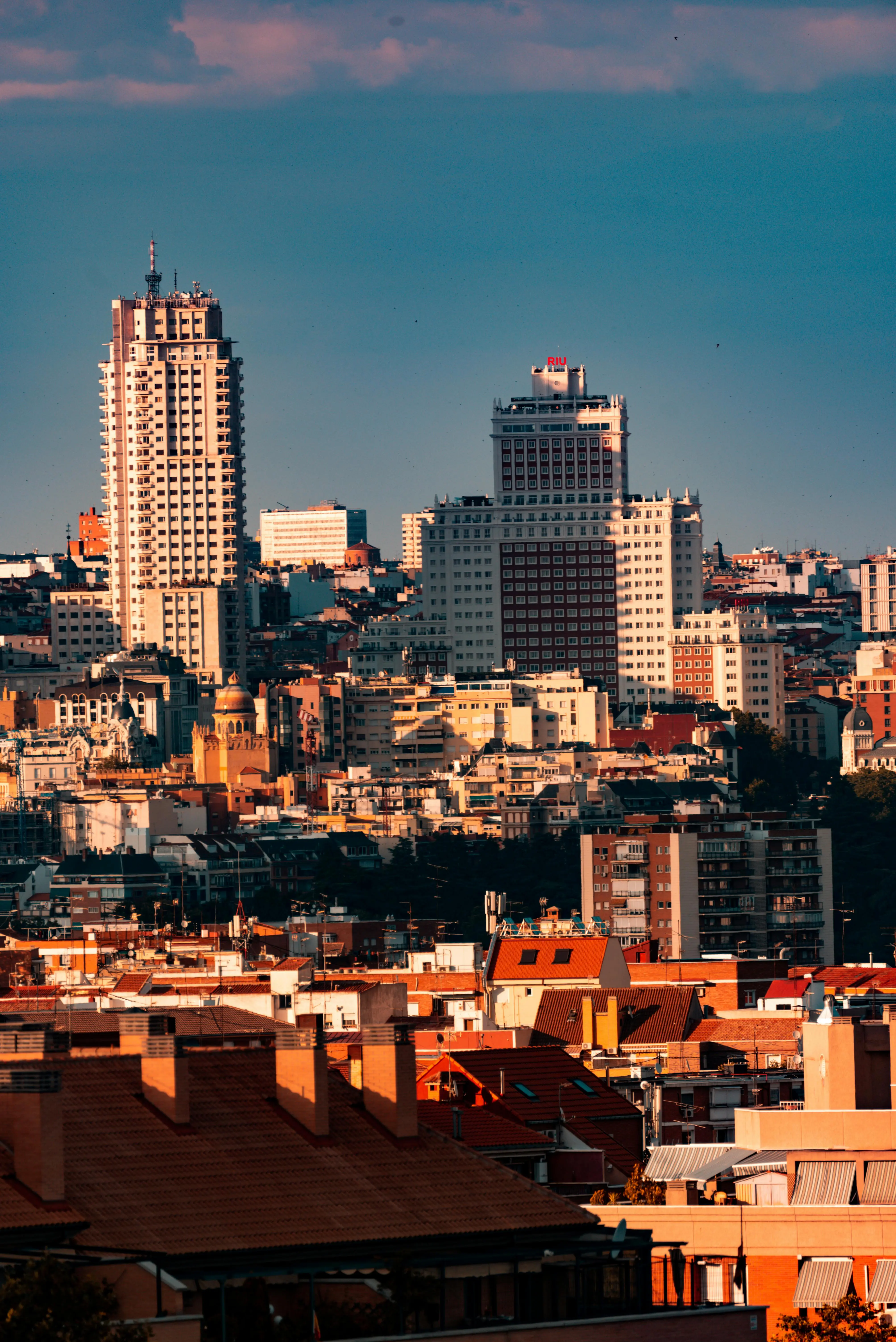
A hotel gives you structure, service, and convenience—think clean rooms, helpful staff, and a central location near landmarks like the Royal Palace or Plaza Mayor. On the other hand, apartment rentals offer more space, privacy, and the flexibility to live like a local—ideal if you want a slower, more immersive stay in Madrid.
Before you book, here’s what to consider:
Length of stay: quick city break or extended stay Madrid experience
Budget: nightly rates vs cost per person in apartment rentals
Location: city center, historic center, or other neighborhoods
Lifestyle: hotel comfort vs home-like flexibility
Access: proximity to metro stops, walking distance to main attractions
Choosing between a hotel and an apartment in this Madrid destination comes down to how you want your next trip to feel—fast-paced and serviced, or relaxed and local.
Hotel vs Apartment in Madrid: What’s the Real Difference?
Choosing between a hotel vs apartment in Madrid comes down to how you plan to use your time in the city. Are you here for a quick, well-serviced stay near Puerta del Sol, or are you settling into a rhythm—working mornings, exploring La Latina, and living more like a local?
Madrid is compact, walkable, and layered with neighborhoods—from the historic center near Plaza Mayor to quieter pockets near Atocha train station—so both hotels and apartment rentals can offer a central location. But the experience they deliver is completely different.
What You Get with a Madrid Hotel
A madrid hotel is built for convenience. You check in, drop your bags, and everything else is handled.
Hotel rooms and layouts: from standard rooms with twin beds to upgraded suites, though space is often limited in the city center
Service and support: 24/7 hotel staff, daily housekeeping, and immediate help if anything breaks
Top locations: many hotels sit steps from Plaza del Sol, Royal Palace, and major metro stop connections
Consistent experience: clean rooms, reliable WiFi, and amenities like breakfast or gyms
Local examples worth considering:
Hotel Europa — a classic choice right by Puerta del Sol, known for its perfect location and proximity to tapas bars and walking tours
Radisson Blu Madrid Prado — across from the Prado Museum and near Retiro Park, ideal if you want a quieter but still central Madrid feel
ByPillow Citadel — a budget-friendly option with a good location near the city center
Hotels are especially useful in your first few days in Madrid—when you need stability, easy check-in during early hours, and quick access to the main tourist attractions.
What You Get with Apartment Rentals
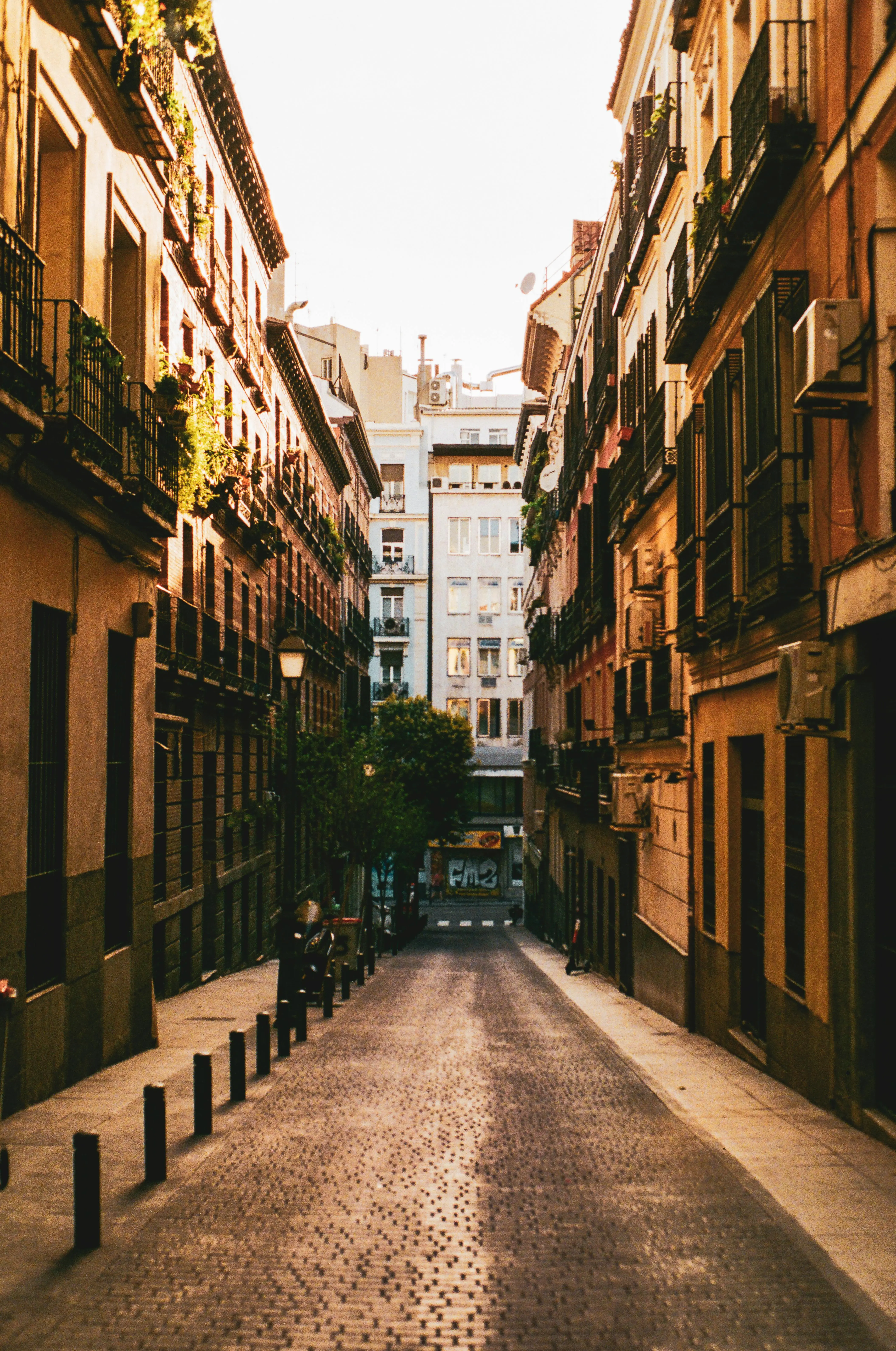
Apartment rentals shift your experience from visiting Madrid to actually living in it.
More space and layout flexibility: one bedroom setups, sofa bed options, and separate living areas
Work-friendly environments: room to set up a proper laptop space, unlike compact hotel rooms
Privacy and independence: no fixed schedules, no interruptions from hotel staff
Local immersion: staying on a side street in Barrio de las Letras or near Calle de las Huertas feels entirely different from a hotel lobby
Popular apartment-style stays include:
Palacio Conde Miranda — serviced apartments in the historic center, steps from Plaza Mayor
Numa Sol — modern, design-forward units near Plaza del Sol with kitchen setups
Casa Malasaña — spacious apartments in one of Madrid’s most creative areas, close to great restaurants and nightlife
However, it’s worth noting:
You’ll often deal with a rental agency or host instead of dedicated hotel staff
Deposits are common and sometimes non-refundable
Maintenance issues may not be resolved as quickly as in a hotel
Key Trade-Offs to Know Before You Book
The decision isn’t about which is better—it’s about what fits your stay Madrid style.
Hotels: better for short stays, structure, and immediate support
Apartment rentals: better for longer stays, flexibility, and more space
Two hotel rooms vs one apartment: apartments often win for groups or longer stays
Location parity: both can offer a central location, but apartments often place you deeper into local neighborhoods
Madrid makes both options viable thanks to its density and transport system—but your choice determines whether your experience feels like a visit… or a temporary lifestyle.
Cost Breakdown: Hotels vs Apartment Rentals in Central Madrid
Price is often the tipping point when deciding between a hotel vs apartment in Madrid—but the real difference shows up once you factor in length of stay, group size, and how you actually use the space.
Madrid is relatively affordable compared to other major cities, but costs vary depending on whether you stay in the city center, near Puerta del Sol, or in slightly quieter other neighborhoods like Chamberí or Malasaña.
Average Prices Across Central Madrid
In central madrid, both options sit closer in price than most travelers expect:
Madrid hotel rates:
Mid-range hotels: $160–$250 per night
Boutique hotels near Plaza del Sol or Royal Palace trend higher
Apartment rentals:
Average around $227 per night
Prices vary based on size, amenities, and proximity to the historic center
For example:
Staying near Plaza Mayor or Barrio de las Letras will typically cost more due to the perfect location and walking distance to main tourist attractions
Areas closer to Atocha train station or the northern edge of Malasaña can offer better value while still maintaining easy access to the center
When Apartment Rentals Become More Cost-Effective
The longer you stay in Madrid, the more apartment rentals start to outperform hotels.
Groups or families:
Booking two hotel rooms quickly becomes more expensive than a single apartment with a sofa bed or multiple bedroomsLonger stays:
Weekly or monthly rates reduce significantly for short term apartment rentalsDaily living savings:
Cooking meals instead of eating out at great restaurants every night lowers overall spend
This is especially relevant in neighborhoods like La Latina, where local markets like Mercado de la Cebada make it easy to shop and live more like a resident.
Hidden Costs and What to Watch For
The headline price doesn’t always tell the full story.
Hotels:
Usually include cleaning, amenities, and support
Flexible cancellation policies
No deposits required
Apartment rentals:
Deposits often required (sometimes non-refundable)
Cleaning fees may be added
Service quality depends on the rental agency
It’s also worth noting that short term rentals in some parts of Madrid have contributed to rising rents and occasional noise complaints in residential buildings—something to consider if you’re planning a longer stay.
Hotel vs Apartment Cost Comparison
Factor | Hotel | Apartment Rentals |
|---|---|---|
Nightly Rate | Higher per room | Better value per group |
Cleaning | Included | Sometimes extra |
Deposit | Rare | Common |
Space | Limited | More space |
Flexibility | High | Medium |
Ultimately, the best value depends on how you plan your next trip. If you're moving quickly between walking tours, museums like the Prado Museum, and late nights in tapas bars, a hotel may justify its price. But if you're settling into a routine—even for a couple of weeks—apartment rentals offer a smarter balance of cost, comfort, and control.
If you're planning to stay longer or want better value per square meter, exploring fully furnished apartments in Madrid can give you a clearer picture of what your budget actually unlocks in different neighborhoods.
Best Areas to Stay in Madrid: Barrio de las Letras, La Latina, and More
Where you choose to stay in Madrid shapes your entire experience. The city is highly walkable, and most neighborhoods in the historic center are within walking distance of major landmarks—but each area offers a completely different rhythm.
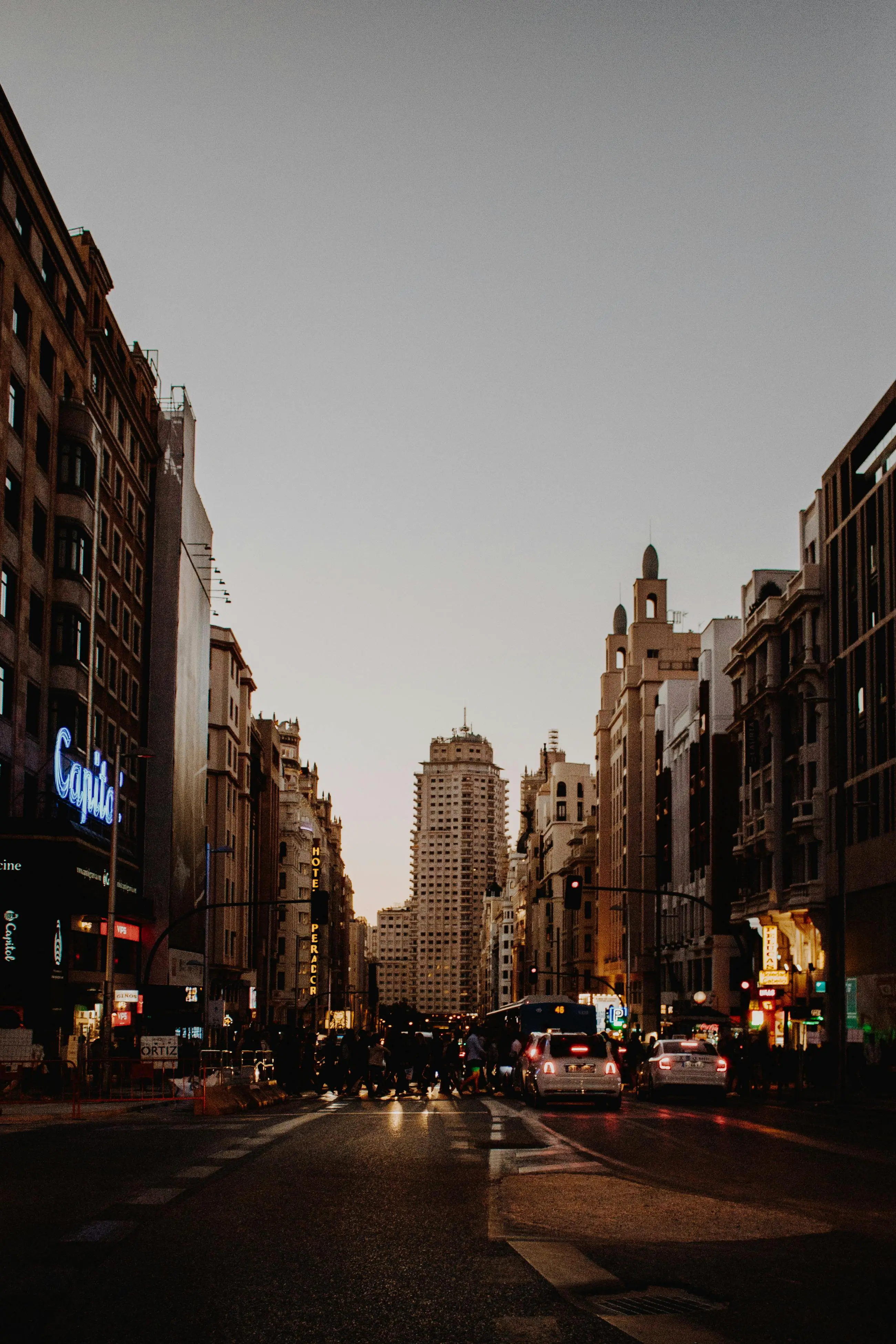
See Barrio De Las Letras homes
Barrio de las Letras: Culture, Cafés, and Walkable Living
Barrio de las Letras is one of the most balanced areas to stay in Madrid—central, cultural, and easy to navigate.
Known for its literary history, with quotes from famous writers embedded into the streets
Steps from the Prado Museum, Museo del Prado, and Reina Sofía
Anchored by Calle de las Huertas and Plaza Santa Ana, both lined with good restaurants and lively tapas bars
Ideal for those who want a great location with a mix of work-friendly cafés and nightlife
You’re also within a short walk of Retiro Park, making it one of the few areas where you can balance city life with green space.
La Latina: Tapas, Nightlife, and Historic Charm
La Latina offers a completely different vibe—more social, more local, and full of character.
Famous for its vibrant food scene and tapas bars, especially along Cava Baja
Home to narrow streets, open plazas, and outdoor terraces that stay busy late into the night
Close to the Royal Palace and Plaza Mayor, all within easy walking distance
Local highlights include Mercado de la Cebada, where you can shop fresh produce or grab casual bites
This area is perfect if you want your evenings to feel spontaneous—ideal for self guided tapas tours or joining guided tapas tours with other travelers.
Puerta del Sol and Plaza Mayor: The Most Central Location
If you want to be at the center of everything, Puerta del Sol and Plaza Mayor define the city center experience.
Direct access to multiple metro stop connections
Surrounded by landmarks like Plaza del Sol, the Royal Palace, and major shopping streets
Walking distance to nearly all main tourist attractions
High concentration of both madrid hotel options and apartment rentals
This is the most convenient—but also busiest—area, especially during peak travel seasons.
Other Neighborhoods Worth Considering
Beyond the core tourist zones, Madrid offers other neighborhoods that can better match your lifestyle:
Malasaña: creative, youthful, and known for nightlife, bars, and great food
Chamberí: quieter, more residential, with a strong local feel
Salamanca (Calle Serrano / Calle Ortega): upscale, polished, and ideal for a more refined stay
Areas near Atocha train station: excellent transport links and quick access to the Prado Museum and beyond
Each area offers a different version of Madrid—whether you want energy, calm, or something in between.
Neighborhood Comparison
Area | Vibe | Best For | Key Highlights |
|---|---|---|---|
Barrio de las Letras | Cultural | Museums + cafés | Prado Museum, Plaza Santa Ana |
La Latina | Social | Food + nightlife | Tapas bars, Mercado de la Cebada |
Puerta del Sol | Central | First-time stays | Plaza Mayor, transport access |
Malasaña | Trendy | Nightlife | Bars, creative scene |
Choosing the right neighborhood isn’t just about proximity—it’s about how you want your stay Madrid experience to feel day to day. Explore La Latina in our neighborhood guide.
Madrid Hotel Options: Boutique Hotels vs Practical Stays for Longer Trips
If you’re planning more than just a quick visit, choosing the right Madrid hotel becomes less about aesthetics—and more about how well it supports your daily routine. For digital nomads and remote workers, the gap between boutique hotels and practical hotel options becomes very real after a few days.
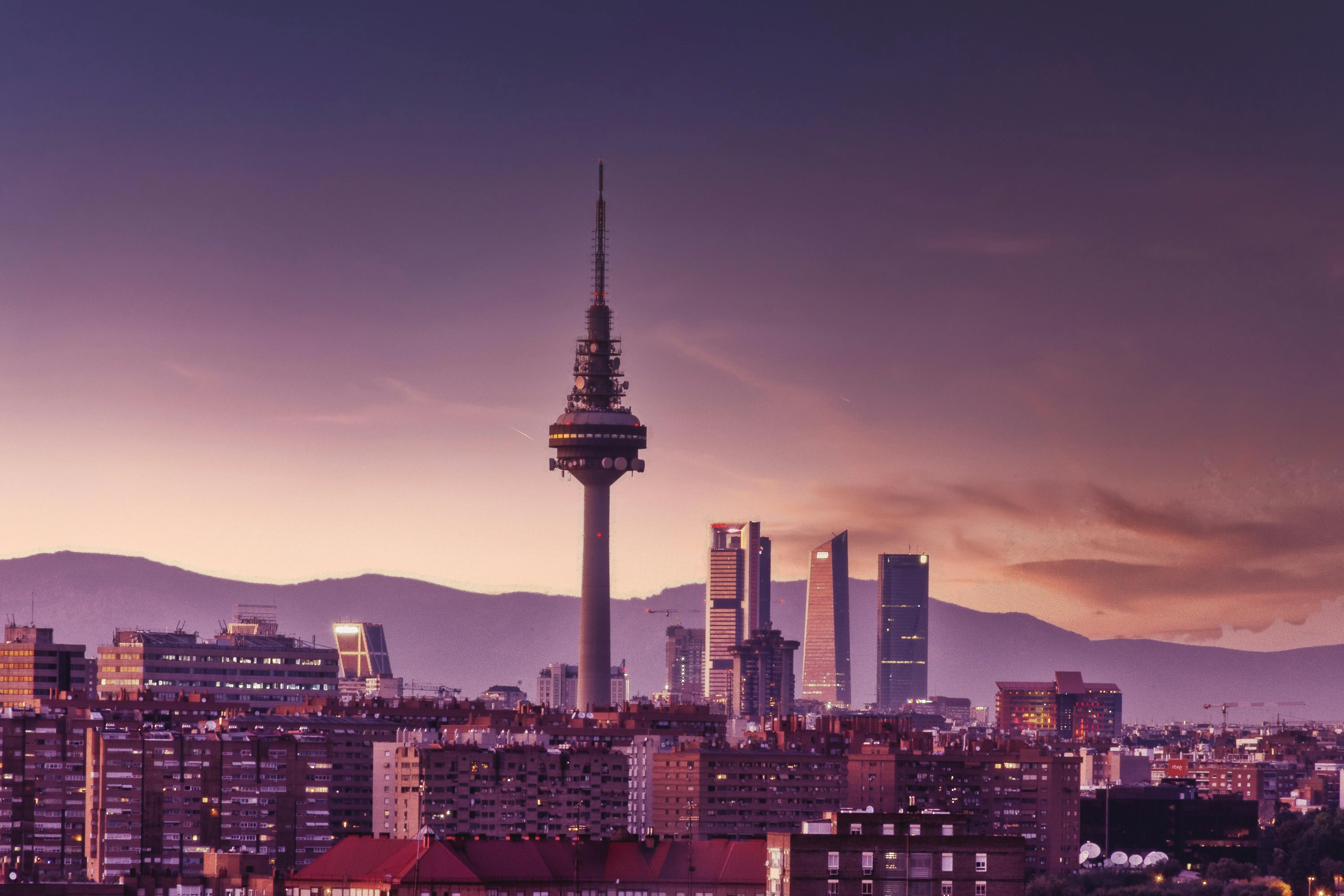
Boutique Hotels: Style, Experience, and Short-Term Comfort
Madrid does boutique hotels exceptionally well. You’ll find beautifully designed spaces tucked into the historic center, especially around Barrio de las Letras and Puerta del Sol.
Carefully curated interiors, often in restored buildings
Prime central location near landmarks like the Royal Palace and Plaza Mayor
Walkable access to tapas bars, cafés, and walking tours
High-touch service from hotel staff and concierge teams
Examples worth noting:
Boutique stays near Calle de las Huertas—perfect for culture and nightlife
Hotels around Plaza Santa Ana, surrounded by good restaurants and late-night energy
These are ideal if your priority is experience—design, ambiance, and being right in the middle of the city. But for longer stays, that experience starts to wear thin.
Practical Hotel Options: Functional but Limiting
Standard hotel rooms and even upgraded suites are designed for short stays—not for living and working.
Here’s where the limitations show up:
Limited workspace: working from a small desk or bedside table quickly becomes uncomfortable
Compact layouts: even with upgraded rooms, you’re still dealing with one main space
No separation: no distinction between work, sleep, and downtime
Repetitive routine: eating out daily instead of having the option to cook
Higher long-term cost: booking a madrid hotel for multiple weeks adds up fast
Even when booking two hotel rooms or requesting separate hotel rooms, you’re still sacrificing flow and functionality—especially if you’re taking calls, working across time zones, or trying to maintain productivity.
Why Hotels Fall Short for Digital Nomads
Madrid is a city where you’ll want to settle into a rhythm—morning coffee, focused work sessions, evening walks through Plaza del Sol, and spontaneous dinners in La Latina.
But hotels aren’t built for that lifestyle.
No real extra space to decompress after work
Limited privacy for calls or meetings
No flexibility to structure your day around your schedule
Dependence on hotel services instead of autonomy
For remote workers, these small frictions compound quickly—turning a great location into a less sustainable setup.
The Alternative: Apartment Living Designed for Work and Life
This is where the shift toward apartment rentals becomes obvious—especially for mid to long-term stays.
Instead of adapting your routine to a hotel, you shape your environment around how you work and live:
Separate areas for work, rest, and daily life
Proper desks, reliable WiFi, and ergonomic setups
Kitchens for balanced routines (not just eating out near great restaurants)
A quieter, more residential feel—even within the city center
For digital nomads looking for a seamless setup, platforms like RentRemote simplify the process—offering curated spaces that are already optimized for productivity, without the uncertainty of dealing with a typical rental agency.
If you’re planning to stay in Madrid beyond a few days, the difference is clear: hotels are great for arriving—but apartments are what make staying sustainable.
Why Apartment Rentals Offer More Space and Flexibility
For anyone planning to stay in Madrid beyond a few days, the biggest shift happens when space starts to matter. What feels fine in a hotel for two nights quickly becomes limiting when you’re working, resting, and living in the same room.
Apartment rentals change that dynamic completely.
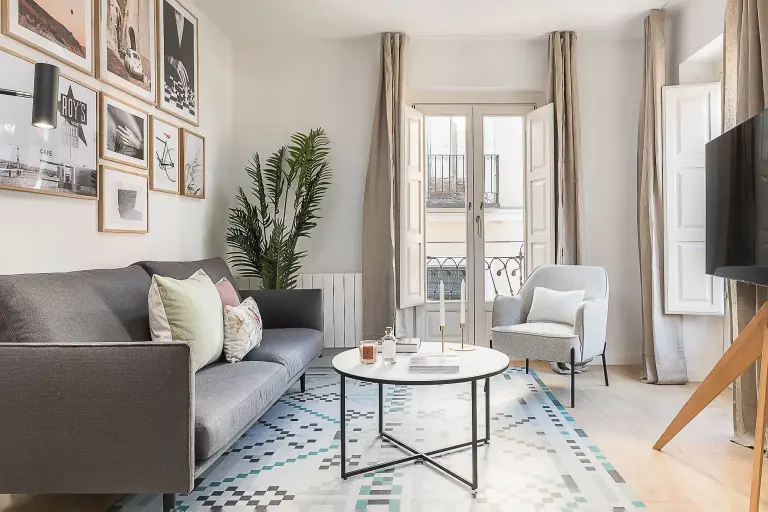
More Space That Actually Supports Your Routine
The most immediate difference is more space—not just in size, but in how it’s used.
Separate living and sleeping areas instead of a single room
Options like a one bedroom layout or additional sleeping setups with a sofa bed
Room to move between work and downtime without feeling confined
A setup that feels closer to a real home than a temporary stay
Compared to standard hotel rooms, this extra space makes a noticeable difference after just a few days—especially if you’re balancing work calls and city exploration.
Built for Longer Stays, Not Just Short Visits
Apartment rentals are designed for people who want to settle into a rhythm.
Flexibility to cook instead of relying on good restaurants every night
Freedom to structure your day without interruptions from hotel staff
Better cost efficiency when compared to booking a Madrid hotel long-term
In neighborhoods like La Latina, you can start your day at Mercado de la Cebada, work from your apartment, and end the evening exploring tapas bars just steps away. That kind of flow is hard to replicate in a hotel.
A More Local Way to Experience Madrid
Staying in an apartment places you directly into the fabric of the city.
Living on a side street in Barrio de las Letras, near Calle de las Huertas, instead of a tourist-heavy block
Being part of the neighborhood’s daily rhythm rather than passing through it
Easier access to local cafés, bakeries, and quieter corners of the historic center
This is where Madrid starts to feel less like a destination and more like a place you temporarily belong.
What to Consider Before Booking an Apartment
Apartment rentals aren’t without trade-offs, and it’s worth noting a few realities:
Many require a deposit, often handled through a rental agency
Service levels can vary compared to hotels with full-time staff
Some older buildings in the historic center may not have elevators
That said, the benefits usually outweigh the downsides for longer stays—especially if your priority is comfort and independence.
A Smarter Setup for Remote Work
For digital nomads, the difference isn’t just comfort—it’s productivity.
Dedicated workspaces instead of improvised setups
Reliable WiFi for calls and deep work
A clear separation between work and rest
Instead of adapting to a hotel environment, you’re choosing a space designed to support how you actually live and work.
Getting Around Madrid: Transport, Walking Distance, and Accessibility
One of the biggest advantages of choosing between a hotel or apartment in Madrid is that—logistically—both work. The city is compact, well-connected, and designed for movement, whether you’re commuting to a café workspace or heading out for evening plans.
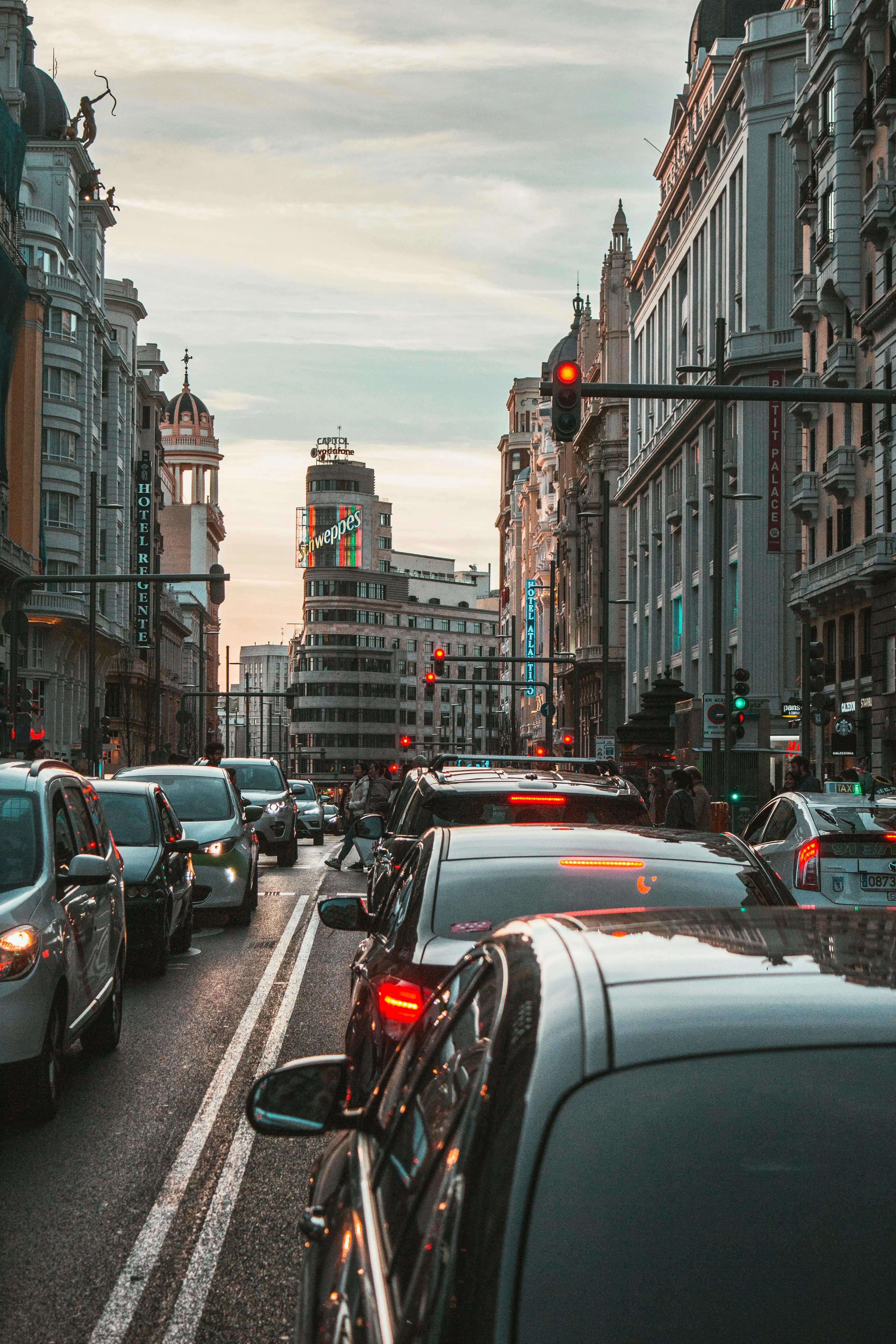
Public Transport and Train Station Connectivity
Madrid’s transport system is one of the most efficient in Europe, making it easy to move between the city center and surrounding districts.
Multiple metro stop connections across all central areas
Fast links from Atocha train station to other parts of Spain
Reliable connections from any train station into the historic core
Easy day trips to places like Valle de los Caidos, especially if you’re staying longer
If you’re planning your routes in advance, it’s worth checking the latest public transport fares and schedules to optimize your daily routine.
Walkability and Daily Movement
Madrid is a city best experienced on foot.
Most central areas are within a short walk of key landmarks
Easy to combine errands, cafés, and sightseeing in one route
Ideal for spontaneous exploring between work sessions
For example:
Walk from the Prado Museum to Retiro Park in minutes
Move between neighborhoods without needing transport during the day
Join local walking tours to get familiar with the city layout early on
This level of accessibility makes both hotels and apartment rentals viable—but your exact location still defines your daily efficiency.
Choosing a Base with Great Access
When deciding where to base yourself, accessibility matters more than the type of stay.
Look for:
Direct proximity to a metro stop
Easy routes to coworking cafés or meeting spots
Close access to a train station if you plan to travel frequently
A side street location that balances quiet with connectivity
Areas near the northern edge of central districts often offer a good balance—slightly less crowded but still well connected.
What Travelers Say (and What to Ignore)
If you start to browse forums, you’ll notice a mix of opinions about where to stay and how to get around.
Many destination forums related stories focus heavily on tourist convenience
Some Madrid recent conversations overemphasize staying directly in the busiest zones
Others warn about transport—but in reality, Madrid is extremely easy to navigate
It’s worth filtering out outdated or overly cautious advice—especially when it borders on irrelevant or even inappropriate content that doesn’t reflect the current experience of the city.
Ultimately, Madrid’s infrastructure makes both hotels and apartments workable—but choosing the right location will determine how smoothly your days flow, especially if you’re balancing work and exploration.
Hotel vs Apartment in Madrid: How to Choose for Your Stay
At this point, the decision between a hotel vs apartment in Madrid isn’t about features—it’s about fit. The right choice depends on how you plan to structure your days, especially if you’re balancing work with exploring the Madrid destination.
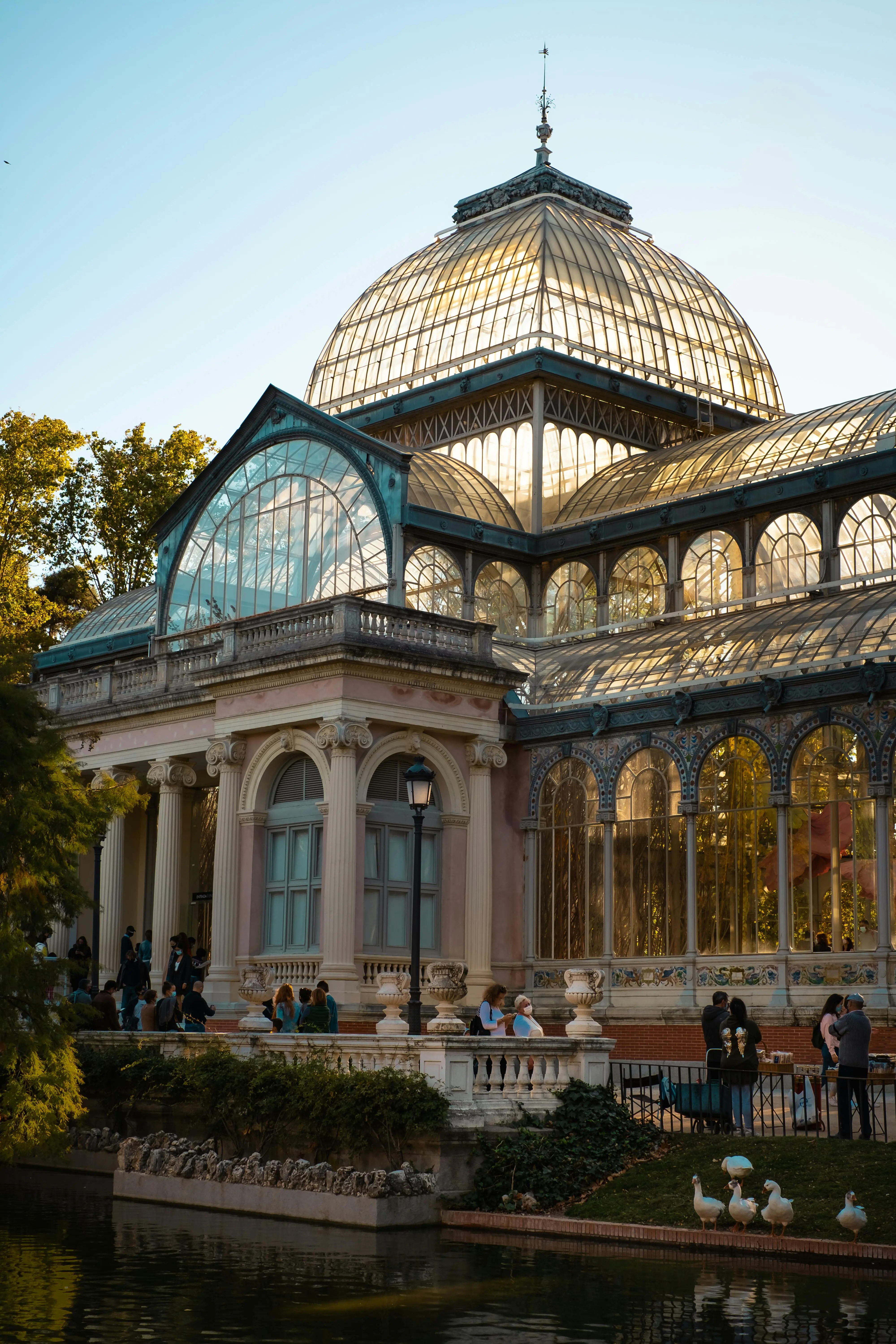
Choose a Hotel If You Want Simplicity and Structure
A Madrid hotel still makes sense in specific scenarios—particularly when convenience outweighs flexibility.
You’ll benefit most from hotel options if:
You’re staying for just a few days and arriving during early hours
You want immediate support from hotel staff and helpful staff on-site
You prefer predictable setups like standard rooms or hotel rooms with clean rooms and minimal setup
You’re planning full days around main tourist attractions, walking tours, or tight schedules
In areas near Puerta del Sol, you’ll find options like Hotel Europa, known for its perfect location and easy access to everything. It’s a strong example of how hotels prioritize convenience over long-term comfort.
Hotels also work if you’re comparing two hotel rooms or even separate hotel rooms for short stays—but that logic starts to break down as your stay extends.
Choose Apartment Rentals If You’re Staying Longer or Working Remotely
For anything beyond a short visit, apartment rentals align far better with how people actually live and work in Madrid.
They’re the better fit if:
You’re planning to stay in Madrid for multiple weeks
You need a layout like a one bedroom or space that includes a sofa bed
You want a quieter base on a side street instead of high-traffic areas
You value autonomy over interaction with a rental agency or hotel front desk
Look for features like:
A private terrace for breaks between work sessions
Proximity to areas with good restaurants and a strong food scene
Easy movement via a nearby metro stop with great access across the city
In upscale areas near Calle Serrano or Calle Ortega, apartment rentals often feel closer to a residential lifestyle—especially compared to hotels clustered in denser tourist zones.
When the Decision Becomes Obvious
There’s a clear tipping point where one option starts to outperform the other.
If your trip revolves around schedules, bookings, and short stays → hotel
If your days involve work blocks, flexibility, and routine → apartment rentals
This is especially true in cities like Madrid, where even areas near the western border or quieter zones still offer strong connectivity and livability.
What Real Travelers Get Wrong
If you browse forums, you’ll notice patterns in destination forums related stories and even Madrid recent conversations:
Over-prioritizing “being in the center” without considering daily workflow
Assuming hotels are always easier, even for longer stays
Following outdated advice that doesn’t reflect how people actually stay Madrid today
Some discussions even drift into irrelevant or inappropriate content, making it harder to separate useful insights from noise.
A better approach is to use updated Madrid guides, check latest public transport fares, and think about how your day-to-day will actually function—not just where the map says you are.
At a certain point, the choice becomes less about accommodation—and more about whether you want your next trip to feel like a visit… or a temporary lifestyle in Madrid.
Making the Right Choice for Your Stay in Madrid
Choosing between a hotel vs apartment in Madrid ultimately comes down to how you want your time in the city to feel. Both options work—but they lead to very different day-to-day experiences.
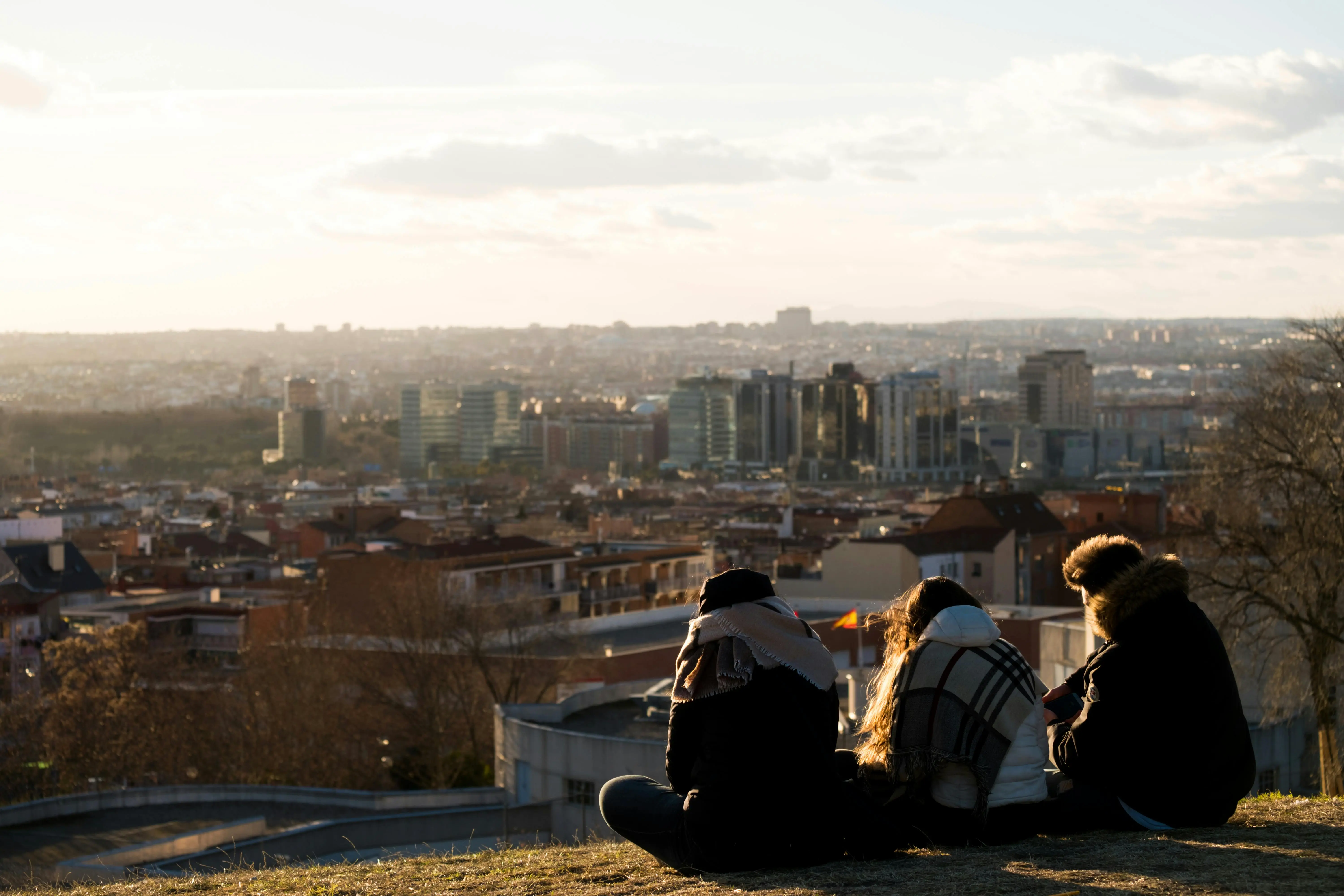
Hotels still serve a purpose. If your priority is simplicity, fast check-in during early hours, and being close to main tourist attractions, a well-placed Madrid hotel delivers. You’ll have clean rooms, consistent service, and direct access to central areas near Puerta del Sol or along routes connecting to a major train station. For short visits, that structure can make everything easier.
But as your stay extends, the limitations of hotel rooms become harder to ignore. Working from compact layouts, rotating between cafés, and relying entirely on eating out isn’t always sustainable—especially in a city where daily life is meant to be enjoyed at a slower pace.
That’s where apartment rentals shift the experience. With the right setup, you’re no longer adapting to your accommodation—you’re using it as a base to build a routine. Whether that’s starting your morning before heading toward Retiro Park, stepping out for great food, or taking a midweek break to explore places like Valle de los Caidos, the flexibility changes how you experience the Madrid destination.
If you’re planning to stay in Madrid longer—or want a setup that actually supports remote work—the difference becomes clear over time. Explore fully furnished apartments across Spain to find a setup that fits your stay in Madrid and beyond.