
When autumn arrives in Lisbon Portugal, the pace shifts. Days stay around 18°C, evenings turn cooler, and light rain refreshes the air. Locals linger over espresso, roasted chestnuts fill the streets with warmth, and trams glide through quieter neighborhoods.
This is when Lisbon weather makes wandering easy. It’s shoulder season—calmer, more affordable, and full of small rewards: open museum spaces, easy dinner reservations, and just enough sunshine to enjoy the city without the crowds.
By mid-month, the first Christmas markets brighten Rossio Square and Baixa, while the sound of Fado drifts from Alfama’s taverns.
For travelers planning what things to do in Lisbon in November, think simple and local—tiled terraces, hidden gems like Miradouro de Santa Luzia, and evenings that highlight the city’s rich history over a delicious meal or a quiet riverside walk.

Why November Is a Great Month to Visit Lisbon Portugal
Between the long days of summer and the quiet of winter, November offers a rare calm. It’s the moment when visiting Lisbon feels local again—where conversation replaces queues and travelers see Portugal at its gentlest pace.
Here’s what makes it a rewarding time to go:
-
Comfortable weather: Daytime highs hover near 18 °C, with mild breezes that make walking pleasant. A light jacket is enough for riverside evenings, and brief rain showers often clear to reveal crisp views.
-
Space to explore: Attractions reopen to breathing room—no waiting at viewpoints like Miradouro de Santa Luzia or along Alfama’s narrow lanes. It’s the right season to slow down and explore the sights that feel rushed mid-year.
-
Better value: Accommodation rates fall 15–25 %, and flexible rentals mean you can save money or stay longer without compromise.
-
Authentic rhythm: Residents reclaim cafés and weekend markets, giving visitors a clearer sense of daily patterns. It’s also a good note for planners—November marks the start of Christmas décor but not yet the crowds.
-
Golden glow: Lower light softens tiled façades and river reflections, making even a casual day trip through Belém or Graça feel cinematic.
November is a great month to see Lisbon without rush or routine. Rain becomes part of the city’s charm, tempering the air and slowing the pace. Each pause at a café, each tram ride through damp streets, reminds you that discovery here isn’t about doing more—it’s about seeing clearly.

Seasonal Highlights and Events in November
When Lisbon cools, it doesn’t slow down. November blends global tech, art, and music with early Christmas markets that brighten the city centre long before winter officially begins. For those planning what to visit, this month connects innovation with intimacy: big stages balanced by small corners worth discovering.
Web Summit: Lisbon’s Global Stage
Early November belongs to the Web Summit, a world-class tech conference that brings tens of thousands of entrepreneurs and creatives to Parque das Nações.
Where: MEO Arena, near the waterfront.
Why go: It’s Europe’s most influential event of its kind—where Portugal meets the world in panels on AI, design, and sustainability.
Local pulse: Even if you skip the sessions, explore cafés like 8a Graça or Copenhagen Coffee Lab, which turn into unofficial networking hubs.
Note: Accommodation prices rise slightly this week; book early if your trip overlaps the summit dates.
LEFFEST: Lisbon & Sintra Film Festival
Mid-month, screens replace spreadsheets. The Lisbon & Sintra Film Festival (LEFFEST) transforms venues across the capital and nearby town of Sintra into temples of storytelling.

Venues: Culturgest, Cinema Ideal, Centro Cultural de Belém, and select theaters in Sintra.
Why go: It’s ideal for rainy days—films, photography, and art installations unfold inside beautifully restored buildings.
Highlight: Free director talks on Portuguese cinema at Museu do Oriente.
With fewer crowds and thoughtful programming, it’s one of the most cultural sights in November.
Super Bock em Stock: Music on Every Corner
For two days, Avenida da Liberdade becomes a living playlist. Dozens of venues—from theaters to cellars—host live sets that ripple through the streets.
When: Usually mid-November.
Sound: Jazz, indie rock, and Fado-fusion echo through iconic clubs like Hot Clube de Portugal.
Afterhours: End the night at Foxtrot Bar for a quiet cocktail or head toward Principe Real’s rooftops for a view of the glowing skyline.
It’s the most fun way to see how music carries through Lisbon’s layered season.
St. Martin’s Day: Wine, Fire & Chestnuts
On November 11, the city smells of roasted chestnuts and sweet wine. St. Martin’s Day (Dia de São Martinho) marks the start of winter—a celebration of warmth, food, and firelight.
Tradition: Bonfires, free tastings of jeropiga, and chestnuts wrapped in newspaper.
Where to go: Alfama’s small squares, Campo de Ourique Market, or the waterfront stalls in Belém.
Why go: It’s an open-air festival of generosity—no tickets, no lines, just stories and laughter shared under the glow of streetlamps.
The First Christmas Markets: Lisbon Lights Up

By late November, the first Christmas markets arrive with cinnamon-scented air and glowing façades.
-
Rossio Square: Opens earliest with wooden stalls and gifts handmade across Portugal.
-
Wonderland Lisboa** (Parque Eduardo VII):** Ice rink, Ferris wheel, and pop-up dining with dishes built on fresh ingredients.
-
Praça do Comércio: Grand sights—a Christmas tree towering over the Tagus, live concerts, and stalls that last into December.
Even on damp evenings, umbrellas weave between booths, and laughter carries across the square.
Note: Bring cash for small artisans and head there after sunset—the lights reflect beautifully on wet tiles.
Everyday Culture: Between the Festivals
Between marquee events, Lisbon’s hidden gems keep creative momentum. LX Factory showcases emerging designers, MAAT hosts architecture and art retrospectives, and the National Tile Museum traces Portugal’s rich history through color and clay.
If you crave something hands-on, take a cooking class in Mouraria or join a walking tour through Graça once the rain clears. And yes—seek live Fado at Mesa de Frades for a quiet finale to your day.
November bridges tourism and community: festivals fade into conversations, cafés fill again, and the season feels both cinematic and sincere. Whether you’re watching a premiere, skating at the fair, or sipping new wine by the river, this is Lisbon in its best rhythm—authentic, grounded, and effortlessly memorable.
Top Attractions and Hidden Gems to Explore
November gives you Lisbon at half speed—in the best way. Between rainy days and bursts of sun, the city opens up without the usual crowds. Viewpoints are quieter, trams easier to board, and museum halls feel almost private. This is the time to see how daily life unfolds across neighborhoods, from hilltop castles to riverside warehouses.
Here are a few places that show Lisbon Portugal’s rich history and creative rhythm, all easy to reach within the city centre.
Miradouro de Santa Luzia: The View That Stops Time
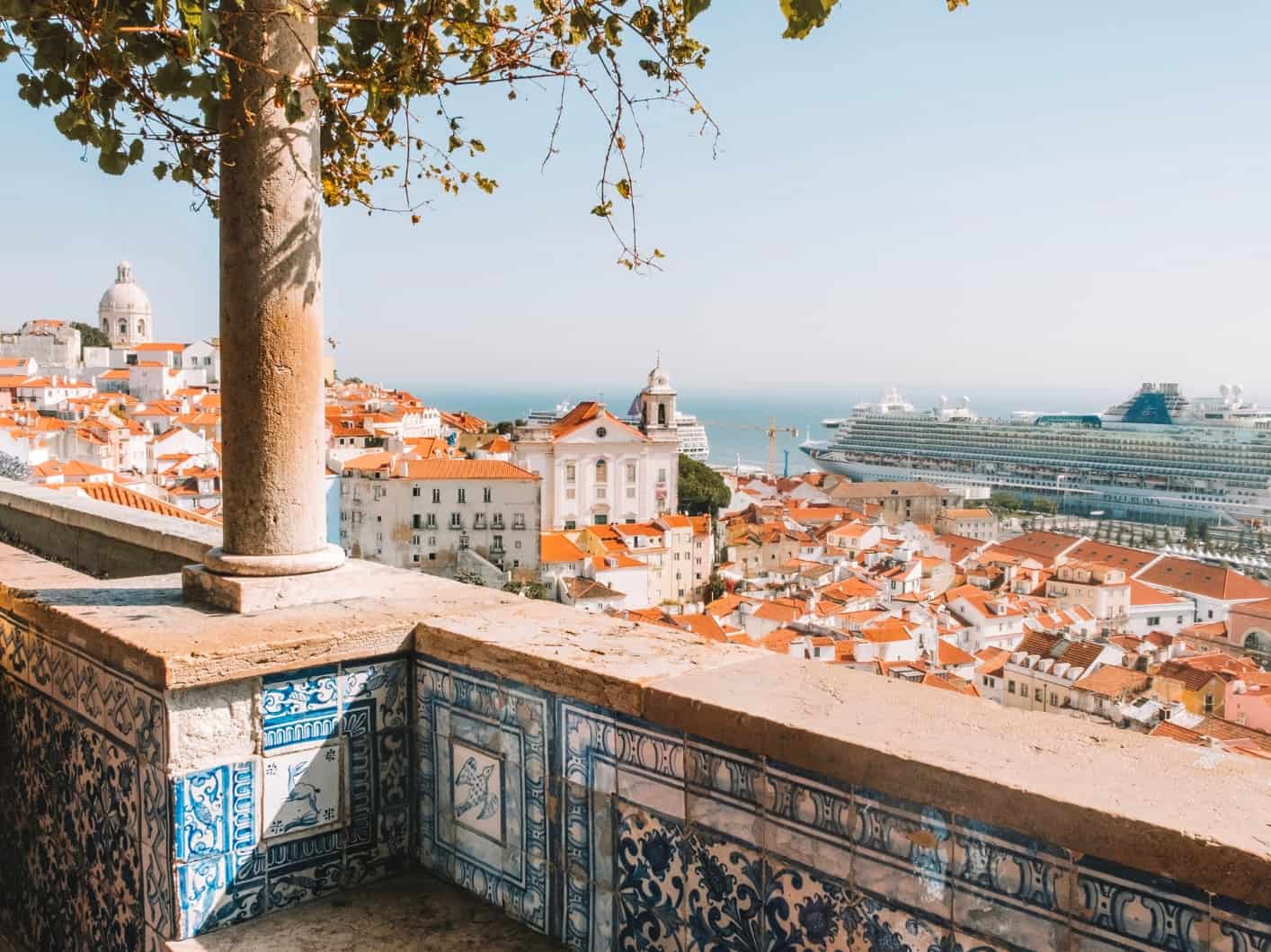
Miradouro de Santa Luzia is just a great spot for a Lisbon sunset, this terrace in Alfama overlooks the river and the pastel rooftops that make Lisbon Portugal famous. Musicians often play soft Fado while locals sip espresso under the pergolas.
Go for: Morning light and quiet sketches before it gets busy.
Nearby: The Tile Museum gift shop and quiet cafés serving fresh ingredients pastries.
São Jorge Castle: Layers of Lisbon’s Past
Perched above Alfama, São Jorge Castle offers panoramic views stretching across the Tagus. Inside, archaeological ruins and towers whisper the story of Moorish rule and royal feasts.
What to know:
-
Arrive early to explore the ramparts without crowds.
-
The peacocks in the gardens are part of the castle’s charm.
-
Tickets are cheaper online, and November queues are short.
This is one of those landmarks where you feel the world’s history overlapping in real time.
Bairro Alto: Nightlife Meets Nostalgia
By day, quiet alleys and independent boutiques. By night, candlelit taverns and bars pulsing with music. Bairro Alto is where students, artists, and travelers cross paths—proof that Lisbon’s life doesn’t fade with the season.
Try:
-
Tasca do Chico for live Fado and sardines on toast.
-
Park Bar rooftop for skyline cocktails after dusk.
-
Rua da Atalaia for late night laughter and street art.
Even if you’re not drinking, it’s worth a stroll for the atmosphere alone.
LX Factory — Creativity in a Converted Warehouse
Housed in a 19th-century industrial complex near Alcântara, LX Factory is a haven for designers, remote workers, and weekend wanderers.
Highlights:
-
Ler Devagar bookstore with its flying bike sculpture and antique press machines.

-
Sunday market for artisan shopping and vintage finds.
-
Cantina for a cozy delicious meal with wood-fired bread and seasonal dishes.
On rainy days, it’s the ultimate indoor escape—half art museum, half café crawl.
Lisbon Oceanarium: Underwater Calm
When the weather turns unpredictable, head indoors to one of Europe’s largest attractions. The Lisbon Oceanarium houses sharks, rays, and coral reefs in a single vast central tank designed to feel like open sea.
Insider note:
-
Perfect for visitors traveling with families or needing a quiet day trip that still inspires wonder.
-
Grab a tram or train from the city centre—easy, quick, and scenic along the river.
It’s one of those rare places where the world’s silence feels intentional.
Where to Wander Next
For travelers who want to explore beyond the postcard views, take the train west to Belém for riverside landmarks or wander through the quiet lanes of Graça to find tilework and small workshops. Every neighborhood has something fantastic to uncover, and with fewer visitors, you’ll rarely find the streets too busy to enjoy.
As rainy days come and go, the rhythm of Lisbon Portugal slows just enough to notice its hidden gems—the courtyards, studios, and viewpoints that often go unseen in summer. Give yourself space to pause between stops; in this season, the best discoveries appear when you’re not rushing to find them.
Thinking of ways to stay back in Lisbon for longer? Check out RentRemote's fully furnished apartments in Lisbon curated for digital nomads who want to live where the culture is at while getting a full day's work done without a hiccup.

Food, Wine & Cozy Nights Out
November turns Lisbon into a city built for appetite. The weather cools just enough for comfort food, and local kitchens shift toward stews, soups, and baked dishes that define Portugal’s colder months. With fewer crowds and shorter waits, it’s easier to find a table at the taverns and wine bars that locals love.
This is the time to eat like a Lisboner—unhurried, generous, and always fresh. From classic codfish and duck rice to natural wines and late-night Fado, here’s where to eat, drink, and unwind while visiting Lisbon in the off-season.
Comfort Dishes Worth the Trip
-
Caldo Verde & Feijoada: Traditional soups thick with cabbage and beans—perfect on cool evenings. Find them at Tasca do Zé dos Cornos near Martim Moniz.
-
Arroz de Pato: Duck rice baked until the edges crisp. Pair it with a house vinho tinto for instant warmth.
-
Bacalhau à Brás: Salted cod tossed with eggs, potatoes, and parsley; a dish you’ll see in every town from Graça to Belém.

Each plate is generous, reasonably priced, and made with fresh ingredients. November’s slower rhythm also means more free tables at beloved spots like Taberna da Rua das Flores—no queues, no rush, just flavor.
Sweet Stops & Small Pleasures
Lisbon’s bakeries double as history lessons.
-
Manteigaria for still-warm pastéis de nata.
-
Fábrica da Nata for custard tarts with a sprinkle of cinnamon.
-
Vegan Nata Chiado for espresso strong enough to hold its own against the rain.
If you’re the type who likes to spend money on edible souvenirs, November brings seasonal treats: fig-filled pastries, chestnut cakes, and local wines perfect for gifting after your trip.
Wine Bars & Evening Hangouts
Cozy evenings mean candlelight and conversation.
-
By the Wine: Serves Setúbal muscat and small plates for those who want refinement without fuss.
-
Senhor Uva: Natural-wine bistro mixing world flavors with Portuguese produce.
-
Ginjinha Sem Rival: The oldest spot to taste Lisbon’s cherry liqueur for a euro; quick, local, unforgettable.

Prefer something slower? Try a rooftop glass at Topo Chiado—one of the few places open year-round with heating lamps and an unbeatable skyline view.
Live Fado & Late-Night Atmosphere
November’s quieter nights are made for music.
-
Mesa de Frades in Alfama hosts soulful Fado dinners that feel more like gatherings than performances.
-
Clube de Fado offers polished shows in vaulted stone halls.
There’s no stage you’ll see twice the same way. Each singer bends emotion differently, and each night the crowd joins in softly—a fantastic memory you’ll carry far beyond Europe.
Markets & Street Flavor
If you prefer movement over meals, stroll through:
-
Time Out Market: Dozens of stalls where top chefs cook shoulder-to-shoulder.
-
Mercado de Campo de Ourique: Local produce, handmade crafts, and holiday shopping that begins before December.
-
Mercado de Arroios: Everyday prices, vibrant streets, and one of the best places to see how Lisbon’s life unfolds off the postcard.
Grab a bag of roasted chestnuts from a vendor outside—it’s the taste of the season in every crunch.
From codfish stews to candlelit Fado, Lisbon Portugal’s food scene in November offers warmth without pretense. You’ll eat well, spend little, and experience a flavor of Lisbon that’s equal parts comfort and creativity. Explore some Lisbon's most exciting neighborhoods for travelers - other digital nomads love Belem and Bairro Alto.

Day Trips from Lisbon: Castles, Coastlines & Calm
A short day trip from the capital changes the scenery fast. Within an hour, you can trade Lisbon’s tiled streets for mountain views in Sintra or the ocean breeze of Cascais. November’s mild weather, lighter crowds, and reliable trains make it easy to explore Portugal beyond the city between workdays—without needing elaborate plans.
Sintra & Pena Palace: A Hilltop Dream

Mist hugs the treetops as Pena Palace appears above Sintra like something drawn from a storybook.
-
Start early: Breakfast at Café Saudade before catching the 8:11 a.m. train from Rossio Station.
-
Eat later: Try tapas at Tascantiga after walking the forest path between the palace and the Moorish Castle.
-
Don’t miss: The underground wells of Quinta da Regaleira and the panoramic terrace at Seteais Palace.
-
Local Tip: Book the combo pass online—some include free access to Sintra’s municipal museum.
Cool mornings, quiet gardens, and castle towers fading into fog make this day trip feel like stepping into another century.
Cascais: Seaside Charm with Energy to Spare

Just 40 minutes west, Cascais delivers ocean breeze and village ease.
-
See: The cliffs of Boca do Inferno and the modern Casa das Histórias Paula Rego gallery.
-
Eat: Rooftop lunch at House of Wonders, where vegan plates meet sea views.
-
Wander: From Praia da Rainha to Marina de Cascais, passing small stalls that make November shopping a pleasure.
-
Local Tip: Bring a windbreaker—the Atlantic air can surprise even in mild weather.
The pace is unhurried, the food simple, and the energy quietly fantastic.
Évora: Ancient Stones and Slow Rhythms

Two hours east by bus, Évora trades sea breeze for stone cloisters and olive groves.
-
Visit: The Roman Temple of Diana, the Chapel of Bones, and Enoteca Cartuxa for regional wine flights.
-
Taste: Almond sweets at Pão de Rala, a former convent bakery still run by nuns.
-
Tour: Half-day vineyard visits leave from Praça do Giraldo—bookable on most travel apps.
-
Local Tip: Expect calm streets after midday; cafés reopen around 4 p.m., perfect for espresso and a short rest.
Here, history hums instead of shouts, offering a fantastic pause before returning west.
Óbidos: Medieval Walls and Chocolate Wine

An hour north, Óbidos wraps its white houses and flowers inside stone battlements.
-
Walk: The ramparts for free views across the countryside.
-
Taste: Ginjinha served in chocolate cups, sold at A Nova Casa de Ramiro.
-
Browse: Livraria de Santiago, a chapel turned bookshop filled with travel journals and art prints—perfect for early shopping.
-
Local Tip: Catch the late-morning bus from Rodoviária do Oeste; arriving by 11 a.m. means you’ll have the alleys to yourself.
Small, photogenic, and full of gentle fun, it’s the easiest medieval fix from the capital.
From Sintra’s misty ridges to Cascais’s ocean air, Évora’s quiet cloisters, and Óbidos’s walled lanes, each escape shows a different side of Portugal. Distances are short, trains and buses are reliable, and November weather keeps walking pleasant. It’s an easy way to step out of the city for a day and return feeling like you’ve seen more than one version of Lisbon’s story.
The Start of the Christmas Season
By late November, Lisbon Portugal trades its autumn haze for a soft holiday glow. The evenings stay mild, the air smells of cinnamon and pine, and the Christmas markets return—each square glowing brighter than the last. It’s a fantastic moment to see the capital between winter calm and festive buzz.
Rossio & Baixa: Lights, Crafts, and Cheer
This historic district becomes the heart of celebration. Wooden stalls line the plaza selling wool scarves, handmade candles, and azulejo-patterned ornaments.
-
What to expect: Early-season shopping that starts mid-month and runs through December.
-
Eat: Grilled chouriço sandwiches and cups of mulled wine served from copper pots.
-
See: The giant tree at Praça Dom Pedro IV, visible from every tour tram passing through Baixa.
-
Note: It’s the best place for inexpensive souvenirs—bring small coins; card readers are rare.
Wonderland Lisboa: Family Fun in the Park

Parque Eduardo VII hosts the city’s largest Christmas fair, complete with an ice rink, Ferris wheel, and food pavilions.
-
Why go: It’s pure fun—music, laughter, and a skyline view that feels almost Alpine.
-
Try: Portuguese doughnuts stuffed with chocolate or custard, fresh from the fryer.
-
Do: Warm up with spiced tea at Delta Coffee House before exploring nearby sights like Avenida da Liberdade’s light displays.
It’s busy on weekends but entry is free, making it one of the best low-cost evenings of the season.
Praça do Comércio: Riverside Grandeur

Closer to the river, white tents and mirrored lights transform the Praça do Comércio into a postcard. Choirs sing carols, and temporary art installations reflect on the Tagus at sunset.
-
Visit: The art stalls under the arcade for ceramics from northern Portugal.
-
Expect: A relaxed pace; November still means fewer crowds than late December.
-
Local tip substitute: Most stands reopen after midday rain—perfect timing for an unhurried stroll.
Small-Town Markets Beyond the Capital
If you want a quieter mood, hop on a short tour north to Óbidos or south to Setúbal. These town markets focus on local crafts—wicker, lace, and regional sweets—and are ideal day trips during shoulder tourism season.
Dates & times: Most Christmas markets run from mid-November to early January.
Typical hours are 12:00–22:00 (later on Fri–Sat); entry is free, with paid activities (rink, Ferris wheel).
Getting there:
• Rossio/Baixa: Metro Rossio (green) or Restauradores (blue).
• Wonderland Lisboa (Parque Eduardo VII): Metro Parque/Marquês de Pombal (blue).
• Praça do Comércio: Metro Terreiro do Paço (blue).
What to expect: Cash is handy for small stalls; weekday evenings are less busy. In rainy spells, most vendors stay open—bring a compact umbrella.
Typical prices: rink €5–10; Ferris wheel €6–8; mulled wine €3–5; crafts vary.
Between mid-November and early January, Lisbon’s holiday season builds slowly but beautifully. From browsing artisan stalls to skating under the lights or pausing by the river, the city’s celebrations feel authentic—warm, local, and easy to enjoy without the rush of peak December crowds.
Explore remote ready fully furnished apartments in Portugal and look beyond the metropolitan swarm of Lisbon to the balmier shores of Portucale's Atlantic coastline.

Practical Tips for Visiting Lisbon in November
November in Lisbon is a reset button. The weather stays mild, the light softens, and the pace of tourism slows just enough for you to breathe. With fewer lines and calm mornings, this is the best time to visit without rushing from one landmark to another.
Getting Around Easily
Lisbon’s transport network stays sharp through winter, linking every town district by tram, ferry, or metro. It’s compact enough that even first-time visitors can find their way within hours.
Quick options for easy movement:
| Mode | Best For | Local Tip |
|---|---|---|
| Metro | Fastest cross-city travel | Grab a 24-hour Navegante pass—it covers trams and some ferries. |
| Ferry | Scenic cross-river rides | Sit on the right for skyline views at sunset. |
| Taxi / Bolt | After-hours returns or rainy evenings | Still affordable in off-season—confirm fare before boarding. |
| If you’re planning a day trip, leave early for Sintra and the walk up to Pena Palace. The first train gives you time to explore the castle before tour groups arrive—a small win that turns logistics into a great time. |
Smart Ways to Save
Prices dip with the season, and a few smart choices can stretch your budget further.
-
Menus do dia: Two-course lunches with wine for €15 or less.
-
Museum passes: Often include free weekday entry or multi-site discounts.
-
Markets: Bring cash; the charm lies in kiosks that still resist card machines.
-
Tours: Book online to save money and skip same-day queues.
You’ll notice that Portugal is kind to long stays—it rewards those who plan slowly and spend wisely.
What to Pack
Lisbon weather changes quickly, but extremes are rare. Mornings might bring mist, afternoons mild warmth, and evenings a cool drift from the river.
Pack for balance:
-
Light layers and one waterproof jacket for scattered rain.
-
Sturdy shoes for uphill walking—the streets can shine after drizzle.
-
A small pouch for electronics if you explore between cafés.
You can expect more bright days than grey ones; even in January or June, this coastal city holds its mild edge.

When to Slow Down
This is the month to unlearn the hurry. Wander through quiet squares, trade itineraries for detours, and let cafés dictate your course for the day.
Try:
-
Reading inside Bertrand Bookshop, a world record holder for longevity.
-
Sharing tapas and vinho verde at Taberna da Rua das Flores before a late tram home.
-
Watching a film at Cinemateca Portuguesa—its archive is a gem on colder evenings.
Note: Some attractions and galleries close earlier this month; check times the day before your visit.
Why It Works
Traveling in November simply makes Lisbon easier. You’ll spend less time in queues, more time at viewpoints, and your euros go further across cafés and museums. Public transport runs smoothly even on rainy days, and attractions stay comfortably uncrowded.
Combine that with steady Lisbon weather, good food, and flexible prices, and you get a trip that’s relaxed without being quiet — a version of Portugal that still feels local but works perfectly for remote professionals and slow travelers alike.
Lisbon, Portugal in November: A Season That Feels Like Discovery
Late November is when Lisbon Portugal takes a breath. The weather cools just enough for scarves, but the days stay bright enough for wandering. Even after a rainy spell, the cobbles gleam, cafés fill, and the city hums at its own tempo—a reminder that slow travel here isn’t an indulgence; it’s the point.
Book a morning tour that pairs Alfama with Sintra, then use a timed slot for Pena Palace to avoid bottlenecks. Expect ID checks at the gate and a one-way interior route; photos are best from the ramparts. If you want more garden time, return on another day trip and focus solely on Pena Palace park trails.
By now, you realize this isn’t the off-season—it’s Lisbon at ease. The rainy rooftops, the laughter in tram windows, the freedom to explore without a plan—this is the month where everything slows into clarity. November lets you see Lisbon Portugal as it really is: open, cultural, and quietly unforgettable.
