Lukas
Tech & Digital Nomad Cultural Editor ·
Lisbon doesn't reward you for landing in the first apartment you find online — the city works in pockets, and choosing the wrong one means climbing hills you didn't need to climb or spending money on taxis to reach the cafés where you'll actually work. The best neighborhoods in Lisbon blend central accessibility with distinct identities — some lean heavily on historic charm and narrow streets, others on modern infrastructure and flat walkability. Bairro Alto delivers nightlife at the cost of sleep. Chiado puts you at the centre of everything but charges accordingly. Alfama offers old-world atmosphere but tests your tolerance for cobblestone streets and tourist crowds.

This guide covers:
Which Lisbon neighborhoods suit remote work — and which trade-offs come with each
Where to stay in Lisbon if you need quiet versus access to bars and culture
Rent ranges, WiFi reliability, and named cafés where laptops are actually welcome
Transport links that matter — metro lines, train stations, walking distances to the city center
What first-time visitors get wrong about choosing a base in Lisbon
Where to Stay in Lisbon: Picking a Lisbon Neighborhood for First Time Visitors
Lisbon's neighborhoods cater to different lifestyles, and the wrong choice means either compromising on sleep or spending too much time commuting. Chiado and Baixa work if you want everything within walking distance and don't mind paying extra for central location. Bairro Alto suits night owls who thrive in vibrant nightlife but struggle with noise after midnight. Alfama delivers historic architecture and charm but requires stamina for hilly streets and tolerance for tourist traps near major sights. Príncipe Real balances upscale calm with access to good restaurants and wine bars, though rent reflects that. The question is not which area is "best" — it's which trade-offs you're willing to accept.
Lisbon works beautifully for a romantic getaway, with sunset cruises on the Tagus and intimate fado performances in Alfama costing €25-40 per person. Whether you stay in Lisbon for a week or a year, the city offers something for history buffs, foodies, and beach lovers alike.
First time visitors often benefit from booking accommodations near Rossio or Restauradores metro stations for seamless airport connections. Booking where to stay in Lisbon at least two months in advance can save you 20-30% during peak summer season. First time visitors should consider staying in Baixa or Chiado for central access to museums, restaurants, and the iconic yellow trams.
Chiado: Central Location for First-Time Visitors
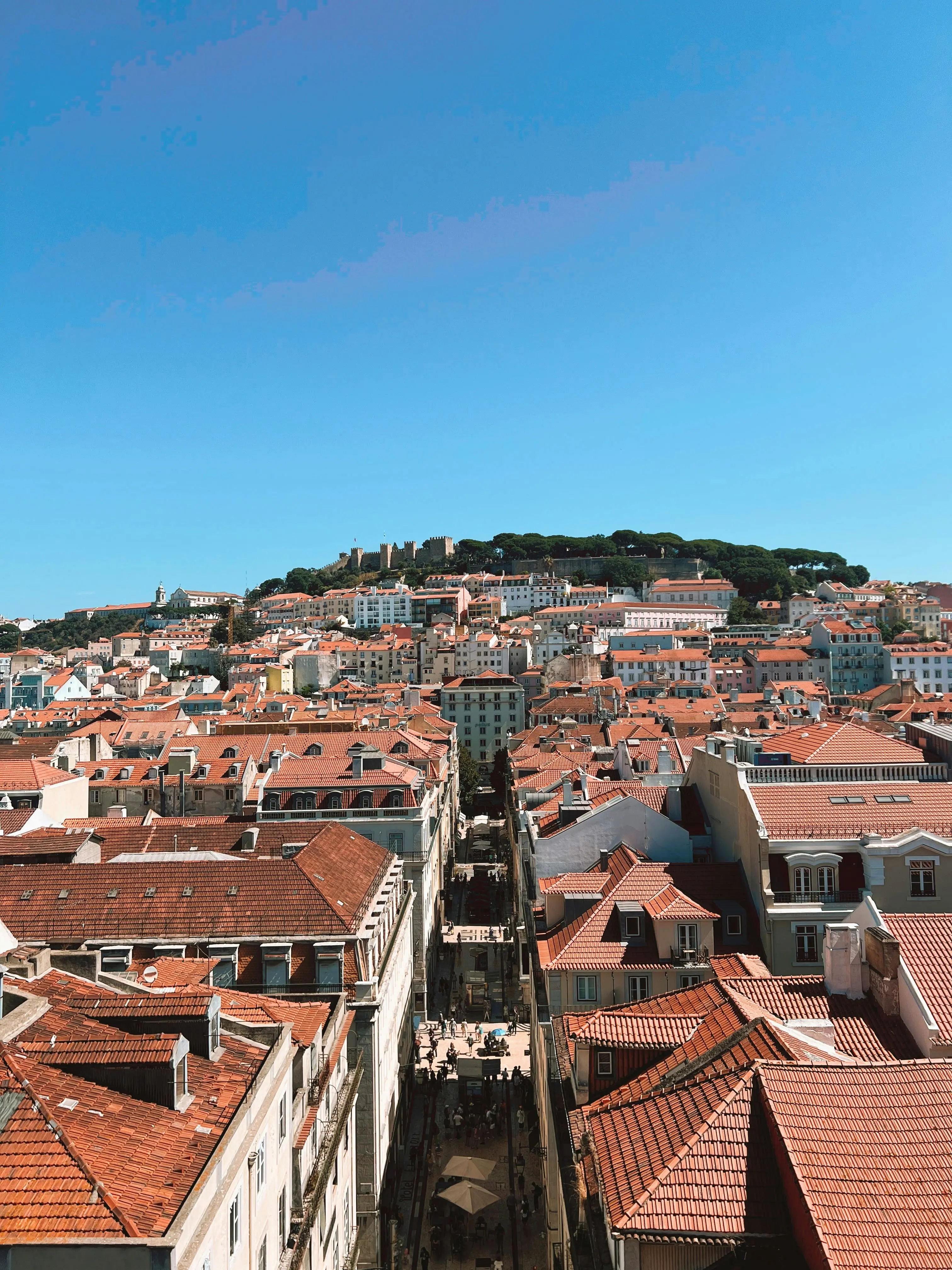
Chiado puts you at the heart of exploring Lisbon — you're a few blocks from Rossio Square, the Tagus River, and nearly every corner that matters for sightseeing — but you pay a premium for that convenience.
Choosing where to stay in Lisbon depends on whether you prioritize nightlife, history, or proximity to the Tagus River.
Studios from €900/month, 1-bed from €1,200/month near Rua Garrett
Hello, Kristof — cortados €1.50, good WiFi, quieter before 11am when the brunch crowd arrives
Ler Devagar — bookstore café, €3 flat whites, avoid weekends if you need focus
Walking distance to Baixa, Bairro Alto, and Rossio train station — under 10 minutes each
Metro access via Baixa-Chiado (Blue and Green lines) — well connected to surrounding neighborhoods
Browse Lisbon homes near this area
Bairro Alto: The Nightlife Hub Where Sleep Is Optional
Bairro Alto works if you want bars and trendy restaurants at your doorstep — but it's loud past 10pm most nights, and the cobblestone streets test your patience with luggage.
Studios from €800/month, 1-bed from €1,100/month on quieter side streets near Rua da Rosa
The Mill — coworking day pass €15, reliable desks, quieter than cafés during peak hours
Park Bar — rooftop bar with views, €6 beers, crowded after 9pm
Natural wine bars and good restaurants on nearly every corner — Taberna Moderna does €12 lunches
Baixa-Chiado metro 5-minute walk — access to two neighborhoods at once
Browse Lisbon homes near this area
Alfama Neighborhood: Historic Charm with Steep Trade-Offs
Alfama is Lisbon's oldest neighborhood, and that comes with narrow streets, winding steps, and crowds near Castelo de São Jorge — it rewards history lovers willing to climb hills daily.
Studios from €700/month, 1-bed from €950/month near Largo das Alcaçarias
Quase Café— €2.50 espresso, vintage sofas, laptops welcome before 2pm
Castelo de São Jorge — 10-minute uphill walk, €10 entry, tourist-heavy after 11am
No metro — tram 28 connects to central Lisbon but gets packed with visitors
Fado houses and Lisbon Cathedral within walking distance, but expect street performers and crowds
Browse Lisbon homes near this area
Príncipe Real: The Upscale Neighborhood with Breathing Room
Príncipe Real delivers calm streets, green spaces, and a residential neighborhood feel — it's where you go when you've visited Lisbon before and want less chaos.
Studios from €1,000/month, 1-bed from €1,400/month near Jardim do Príncipe Real
Heim Café — specialty coffee €3, spacious rooms, power outlets at most tables
Embaixada — concept store with a café, stylish rooms, closes at 8pm
Metro lines (Yellow line at Rato) — 5-minute walk, connects to Baixa and Cais do Sodré
Wine bars like Clube de Jornalistas — €5 glasses, garden seating, local crowd
Once you know which area matches your tolerance for noise and hills, the next step is understanding what the central neighborhoods actually offer beyond the postcards.
Neighborhood | Monthly Rent | Vibe | Best For | Key Advantage |
|---|---|---|---|---|
Chiado | €900–€1,400 | Central, polished, tourist-heavy | First-time visitors who want everything close | Walking distance to major sights and transport |
Bairro Alto | €800–€1,100 | Loud, lively, bar-focused | Night owls who don't need early mornings | Nightlife at your doorstep |
Alfama | €700–€950 | Historic, steep, atmospheric | History lovers with strong legs | Old-world charm and Fado culture |
Príncipe Real | €1,000–€1,400 | Quiet, upscale, green | Remote workers needing calm | Residential feel with metro access |
Baixa | €850–€1,300 | Flat, busy, grid-layout | Less mobile travelers | No hills, central location |
Cais do Sodré | €900–€1,200 | Bohemian, artsy, nightlife | Social nomads who want variety | Time Out Market and riverside |
Browse Lisbon homes near this area
Central Lisbon: Baixa, Chiado, and What First-Time Visitors Should Know
Baixa and Chiado form the historic center of Lisbon, and they're where most first-time visitors stay because the grid layout, flat streets, and proximity to Rossio Square make navigation straightforward. Baixa is Lisbon's modern downtown rebuilt after the 1755 earthquake — it's where you go if you want wide avenues, easy access to train stations, and no hills. Chiado sits just uphill and trades some of that flatness for charm, boutique hotels, and cultural sites like the Elevador de Santa Justa. Both put you within walking distance of the Tagus River, Praça do Comércio, and the city center, but they come with trade-offs — you're sharing the streets with tourists at nearly every corner, and rent reflects the central location.

Baixa: Flat Streets and a Great Location for the Less Mobile
Baixa works because it's flat, organized, and puts you just a few minutes from Rossio train station and metro access — but it feels more functional than atmospheric.
First time visitors will find Baixa's grid layout easy to navigate, unlike the labyrinthine streets of Alfama or Bairro Alto.
Chiado is a refined Lisbon neighborhood known for historic cafés like A Brasileira where writers and artists have gathered since 1905.
Many travelers prefer to stay in Lisbon's Baixa district for easy access to the metro and major attractions like Praça do Comércio.
Studios from €850/month, 1-bed from €1,300/month near Rua Augusta
Copenhagen Coffee Lab — €3 flat whites, ground floor seating, strong WiFi, laptop cutoff at 3pm weekends
Rossio Square (Praça Dom Pedro IV) — central meeting point, street performers, 2-minute walk
Elevador de Santa Justa — €5.30 for the lift, skip the line and walk to Bairro Alto instead
Metro at Rossio (Green line) and Baixa-Chiado (Blue and Green lines) — well connected to other neighborhoods
Finding a Nice Boutique Hotel in Central Lisbon
Chiado costs more than Baixa but delivers historic sites, good restaurants, and a nice boutique hotel scene — it's where you stay if you want charm without committing to Alfama's hills.
Memmo Alfama Hotel — boutique hotel with rooftop pool, rooms from €180/night, views over the Tagus River
The Lumiares Hotel — stylish rooms from €150/night, rooftop bar, convenient location near shopping
Manteigaria — pastel de nata €1.20, best in central Lisbon, always a queue after noon
A Brasileira — historic café, €2 espresso, outdoor seating on Largo do Chiado
Walking distance to Bairro Alto (5 minutes uphill) and Avenida da Liberdade (10 minutes north)
Avenida da Liberdade: Luxury Stores and a Wide Boulevard
Avenida da Liberdade is modeled after the Champs-Élysées — it's where you find luxury brands, upscale hotels, and wider sidewalks, but it lacks the neighbourhood feel of surrounding areas.
Studios from €1,000/month, 1-bed from €1,500/month near Avenida metro station
Delta Coffee House — specialty coffee €3.50, design-focused interior, quieter than Chiado cafés
Metro stations at Avenida, Restauradores, and Marquês de Pombal — access to multiple metro lines
Tivoli Avenida Liberdade — luxury hotel with rooftop bar, rooms from €200/night, outdoor pool
Walking distance to Príncipe Real (10 minutes west) and Rossio Square (10 minutes south)
Cais do Sodré has great restaurants like Ponto Final across the river in Cacilhas, where grilled fish dinners cost €12-18 with Tagus views. Bairro Alto's winding streets climb steeply uphill, making comfortable walking shoes essential for exploring this historic quarter.
If you need nightlife instead of proximity to historic sites, the next set of neighborhoods trades monuments for bars and late-night energy.
Bairro Alto Neighborhoods and Cais do Sodré: Where Lisbon Goes After Dark
Bairro Alto and Cais do Sodré are the two neighborhoods where Lisbon's vibrant nightlife concentrates — Bairro Alto delivers narrow streets packed with wine bars and small restaurants that spill crowds onto cobblestone streets after 10pm, while Cais do Sodré leans bohemian with the Time Out Market, the famous Pink Street, and riverside bars near the Tagus River. If you stay in Lisbon for nightlife, you're choosing between these two — Bairro Alto for density and variety, Cais do Sodré for a slightly more polished scene and easier access to the waterfront. Both are loud. Both require tolerance for crowds. Both are walking distance from central neighborhoods like Chiado and Baixa, which means you can base yourself nearby and walk over when you want the energy without committing to the noise every night.
Cais do Sodré transformed from a red-light district into a trendy Lisbon neighborhood with the Time Out Market and Pink Street nightlife. If you want to stay in Lisbon near vibrant nightlife, Bairro Alto offers dozens of bars and fado houses within walking distance.
Bairro Alto: Vibrant Nightlife Comes with a Noise Tax
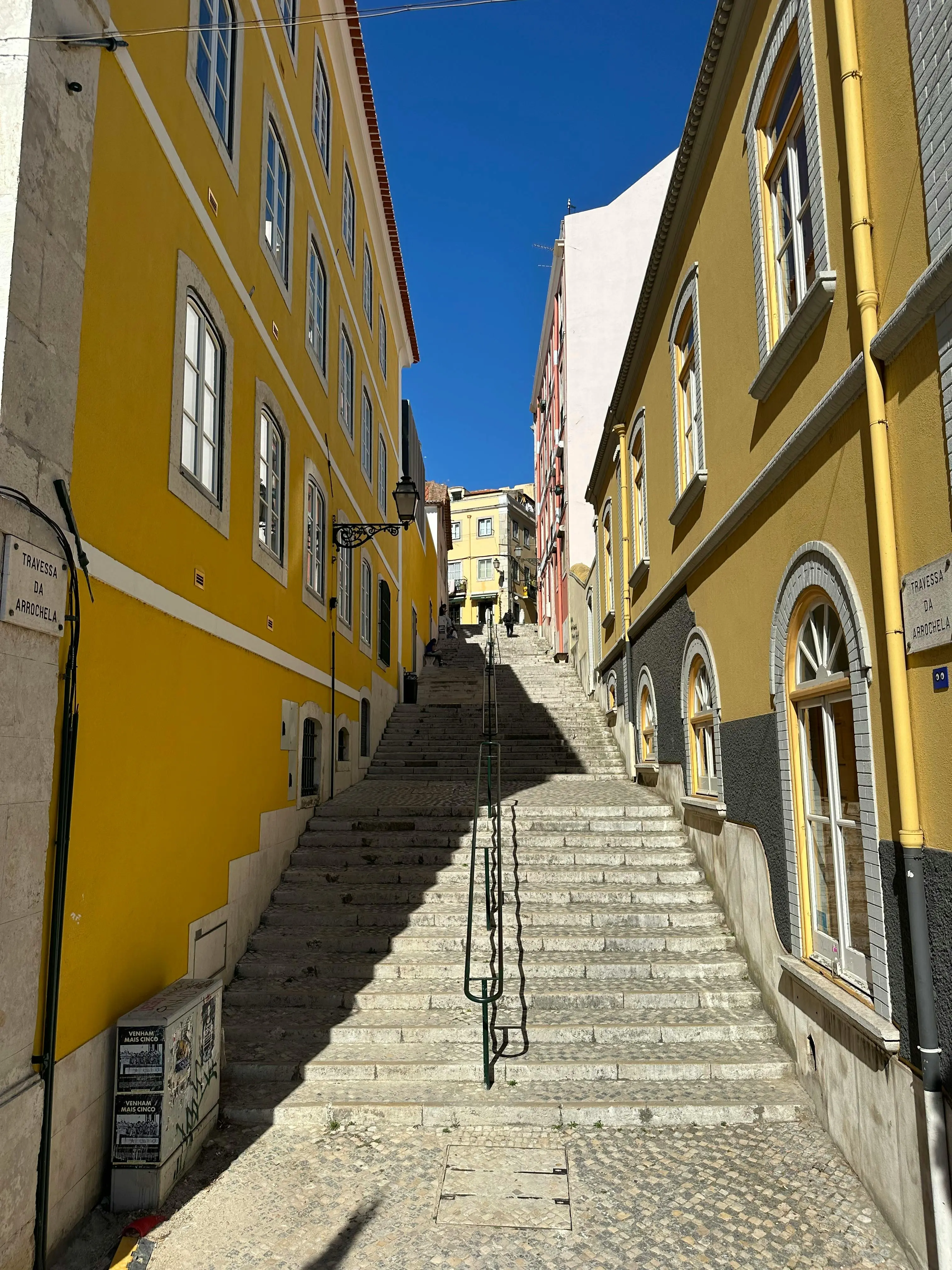
Bairro Alto works if you're part of the nightlife rather than avoiding it — but even interior apartments catch sound from the street, and sleep is negotiable until 2am most nights.
Studios from €800/month, 1-bed from €1,100/month on side streets near Miradouro de São Pedro de Alcântara
Locals & Nomads — natural wine bar, €5 glasses, small plates, local crowd before 9pm
Pavilhão Chinês — cocktail bar €8, eclectic décor, quieter than most Bairro Alto spots
Miradouro de São Pedro de Alcântara — viewpoint overlooking the city, 5-minute walk, crowded at sunset
Metro at Baixa-Chiado (5-minute walk downhill) — connects to Green and Blue lines
Browse Lisbon homes near this area
Cais do Sodré: Pink Street and the Time Out Market
Cais do Sodré is where Lisbon's nightlife hub meets international cuisine and riverside access — it's slightly less residential than Bairro Alto but just as loud on weekends.
Studios from €900/month, 1-bed from €1,200/month near Rua Nova do Carvalho (Pink Street)
Time Out Market — food stalls from €8–€15, chef counters, gets packed after 7pm
Pensão Amor — bar in a former brothel, €7 cocktails, quirky interior, tourist-heavy
Sol e Pesca — tinned fish bar, €4 beers, ground floor seating, opens at 6pm
Metro and train at Cais do Sodré station — connects to Cascais line and Green metro line
Browse Lisbon homes near this area
Where to Work When You Stay in Lisbon's Nightlife Districts
Bairro Alto and Cais do Sodré lack dedicated coworking options within their borders — most remote workers walk to Chiado or Príncipe Real for daytime work and return at night.
Selina Secret Garden — hostel coworking in Cais do Sodré, day pass €10, inconsistent WiFi, better for social work than focus
Café No Chiado — 5-minute walk from Bairro Alto, €2.50 coffee, reliable tables before noon
Wish Slow Coffee House — Príncipe Real, 10-minute walk from Bairro Alto, €3 flat whites, WiFi password on receipt
Second Home Lisboa — coworking in Cais do Sodré, day pass €25, design-heavy space, quieter than cafés
Public transportation from both areas connects to Baixa, Chiado, and surrounding neighborhoods within 10 minutes
Once you've decided whether nightlife matters more than morning quiet, the surrounding neighborhoods offer alternatives that balance access with residential calm.
Each of these neighborhoods has its own charm, from Mouraria's multicultural street food to Graça's quiet residential miradouros. Alfama's winding streets are best explored on foot, revealing hidden viewpoints like Miradouro de Santa Luzia with sweeping river views.
The Saturday organic market at Príncipe Real Garden attracts locals buying fresh produce, cheese, and artisan bread from 9am-2pm. Príncipe Real features elegant 19th-century townhouses, with studio apartments renting for €900-1,400 per month. Explore the neighborhood on our Lisbon neighborhood guide for digital nomads.
Other Neighborhoods: Graça, Mouraria, and Alcântara for Exploring Lisbon Beyond the Center
Graça, Mouraria, and Alcântara sit outside the central tourist loop but stay well connected to the city center through public transportation and short taxi rides. Graça delivers village-like calm with viewpoints like Miradouro da Graça and a close-knit local atmosphere — it's where you go if you want proximity to Alfama's historic sites without the constant crowds. Mouraria blends multicultural energy with cheaper rent and sits just uphill from Rossio train station, though it lacks the polished café scene of Chiado or Príncipe Real. Alcântara works for remote workers who want modern infrastructure, LX Factory's creative hub, and riverside walkways near the Tagus River — but it's farther from Lisbon's major sights and leans more residential. These are the neighborhoods you consider after you've visited Lisbon once and know that staying in the city center isn't the only way to stay in Lisbon effectively.
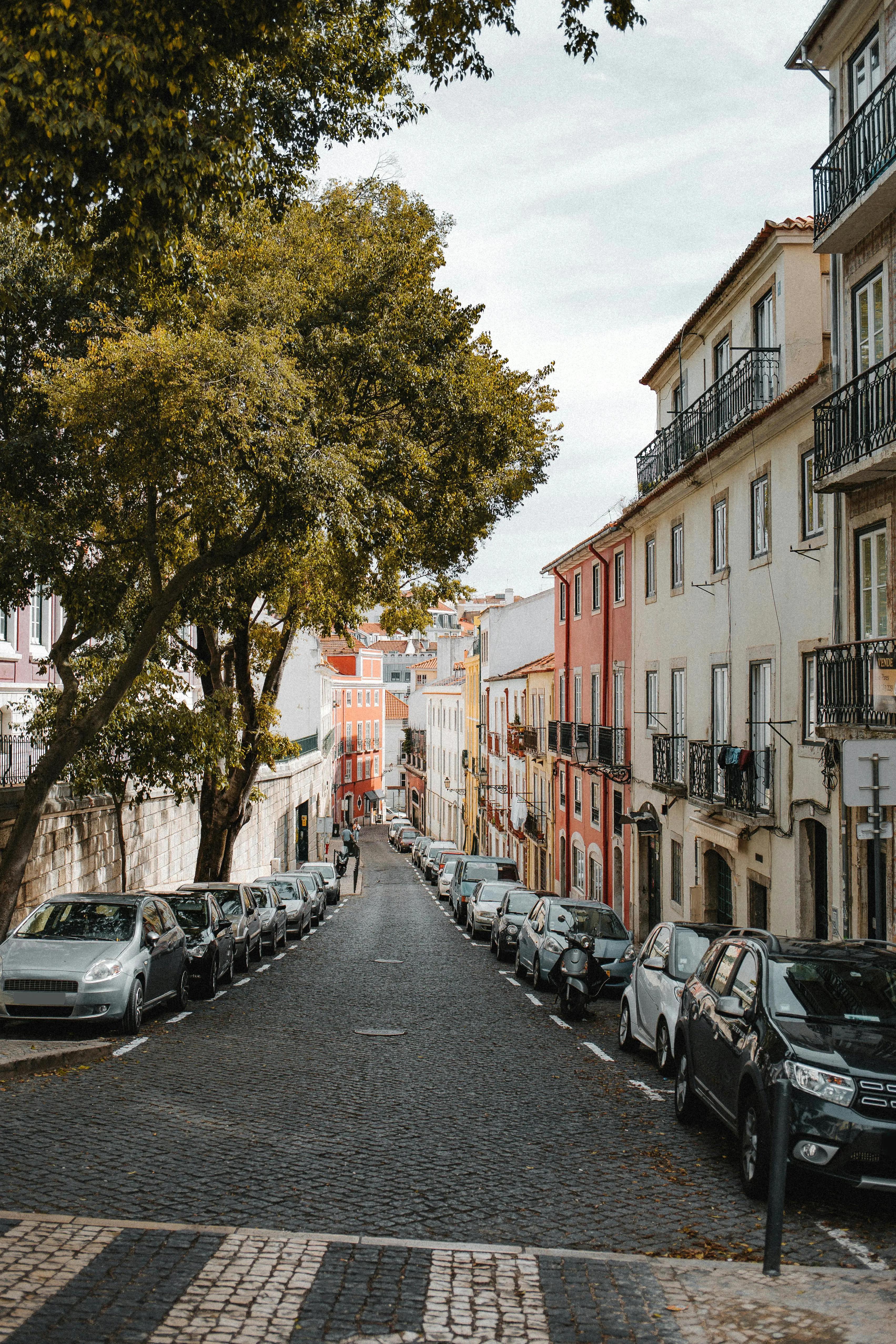
Príncipe Real is an upscale Lisbon neighborhood centered around a beautiful garden and frequented by Lisbon's LGBTQ+ community, can be expensive but worth the culture. Whereas, Budget-conscious digital nomads often stay in Lisbon's Graça or Mouraria neighborhoods where monthly rentals start around €800.
Graça: A Residential Neighborhood with Iconic Viewpoints
Graça offers a local village atmosphere while keeping you just a few minutes from Alfama and the historic center — but the hills are real, and you'll feel them daily.
Studios from €700/month, 1-bed from €950/month near Largo da Graça
Miradouro da Graça — viewpoint overlooking Castelo de São Jorge, €3 beers at the kiosk, sunset crowds
Graça do Vinho — neighbourhood café, €1.50 espresso, no laptop culture but WiFi available
Tram 28 connects to Alfama and Baixa — tourist-heavy but functional transport
Igreja da Graça — church with views, free entry, quieter than the miradouro
Browse Lisbon homes near this area
Mouraria: Multicultural Energy and Budget-Friendly Rent
Mouraria sits between Alfama and central Lisbon — it's less polished than surrounding neighborhoods but delivers cheaper rent and authentic local life with fewer tourists.
Studios from €650/month, 1-bed from €850/month near Largo do Intendente
A Casa das Bifanas — pork sandwich €3, no seating, local institution
Taberna Moderna — small plates €6–€10, natural wine, opens at 7pm
Metro at Martim Moniz (Green line) — 5-minute walk, connects to Rossio and Baixa
Walking distance to Praça da Figueira and Rossio Square — under 10 minutes
Browse Lisbon homes near this area
Alcântara: LX Factory and Modern Living by the River
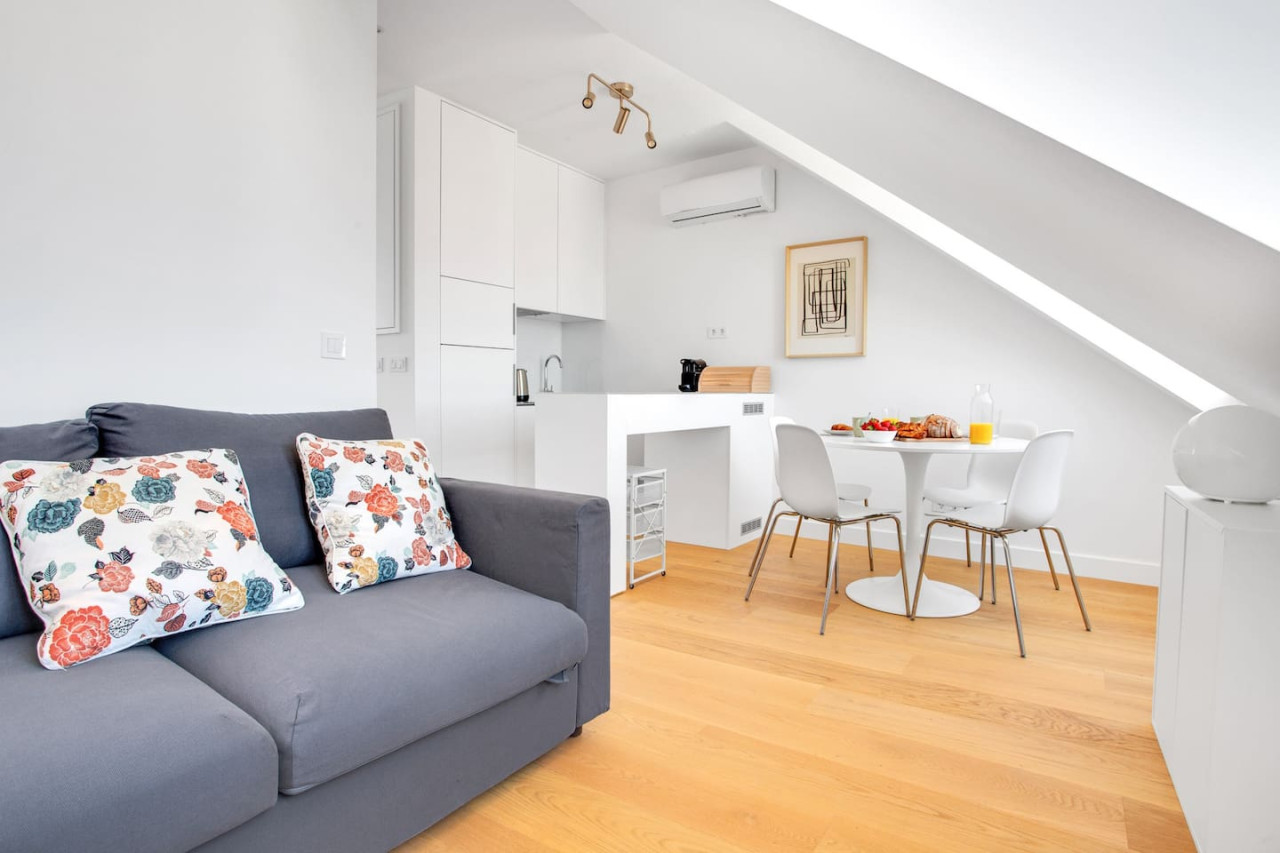
Alcântara delivers modern apartments, the creative energy of LX Factory, and riverside walkways — but you're 15 minutes from the city center, and nightlife here is limited.
Studios from €800/month, 1-bed from €1,100/month near LX Factory
LX Factory — creative hub with cafés, coworking spaces, bookstores, and weekend markets
Ler Devagar — bookstore café inside LX Factory, €3 coffee, Instagram-heavy but functional WiFi
ICON Bar & Rooftop — rooftop bar with river views, €6 beers, local crowd, opens at 6pm
Train stations at Alcântara-Mar and Alcântara-Terra — Cascais line connects to Cais do Sodré in 10 minutes
If you're ready to explore Bairro Alto in our neighbourhood guide, you'll find more detail on specific streets, rent variations, and which parts of the area suit remote work versus nightlife-focused stays. For now, choosing between these options depends on whether you prioritize central access or neighbourhood character — and whether you're willing to trade convenience for a few hundred euros in monthly rent. Browse fully furnished apartments in Lisbon to compare availability and pricing across these areas before committing to one base.
Browse Lisbon homes near this area
Where to Stay in Lisbon: Practical Booking and Budget Considerations
Lisbon's rental market doesn't reward last-minute decisions — summer and September fill up fast, and many landlords require two months' deposit plus proof of income. If you're staying longer than a month, booking direct through local agencies often beats Airbnb pricing, but short-term stays require platform flexibility and realistic budget expectations.
Short-Term Stays: Hotels vs. Serviced Apartments
Hotels work for first-time visitors testing the city before committing to a neighbourhood — serviced apartments make sense if you're staying two weeks or longer and need a kitchen to avoid eating out twice a day.
Memmo Alfama Hotel — nice boutique hotel in Alfama, €180/night, rooftop pool, central location but street noise on weekends
Corpo Santo Lisbon Historical Hotel — boutique hotel in Cais do Sodré, €150/night, stylish rooms, walking distance to Bairro Alto
Serviced apartments in Chiado: €90–€130/night for studios with kitchenette, better value for stays over 7 nights
Martinhal Chiado Family Suites — spacious rooms with sofa bed, €200/night, great location for families, private rooms available
Book 6–8 weeks ahead for summer — May through September sees 30–40% price increases across all neighbourhoods
Monthly Rentals: Deposit Requirements and Lease Terms
Most landlords in central Lisbon want two months upfront — one for deposit, one for first month's rent — and many require a Portuguese tax number (NIF) even for short-term contracts.
Studios in Bairro Alto neighborhoods: €700–€900/month unfurnished, €900–€1,200/month furnished
1-bed apartments in Príncipe Real or Santos: €1,000–€1,400/month, often with 6-month minimum lease
Platforms like Uniplaces and Spotahome cater to remote workers — higher fees but no NIF required
Avoid ground floor apartments on busy streets — tram noise and street performers make focused work difficult
Most leases include water but not electricity — budget €40–€60/month extra for utilities in summer (AC usage)
Neighbourhood Price Differences: Where You Save and Where You Pay
Rent drops €200–€300/month once you move east of Alfama or west of Santos — but you're also adding 20 minutes to your commute and losing walkable access to Lisbon's major sights.
Anjos and Arroios: studios from €600/month, well connected by metro, residential neighborhood vibe
Graça: €650–€850/month for studios, hilly streets but metro lines nearby at Alameda
Alcântara: €800–€1,100/month, modern builds near Tagus River, fewer historic sites
Baixa and Chiado: €1,000–€1,500/month for studios, central neighborhoods with tourist traps on nearly every corner
Bairro Alto: €900–€1,200/month, pay extra for central location, expect nightlife noise Thursday–Saturday
Once you've locked in housing, the next question is how to navigate Lisbon safely and efficiently without burning time on avoidable mistakes.
Safety, Transport, and Navigating Lisbon's Quirks
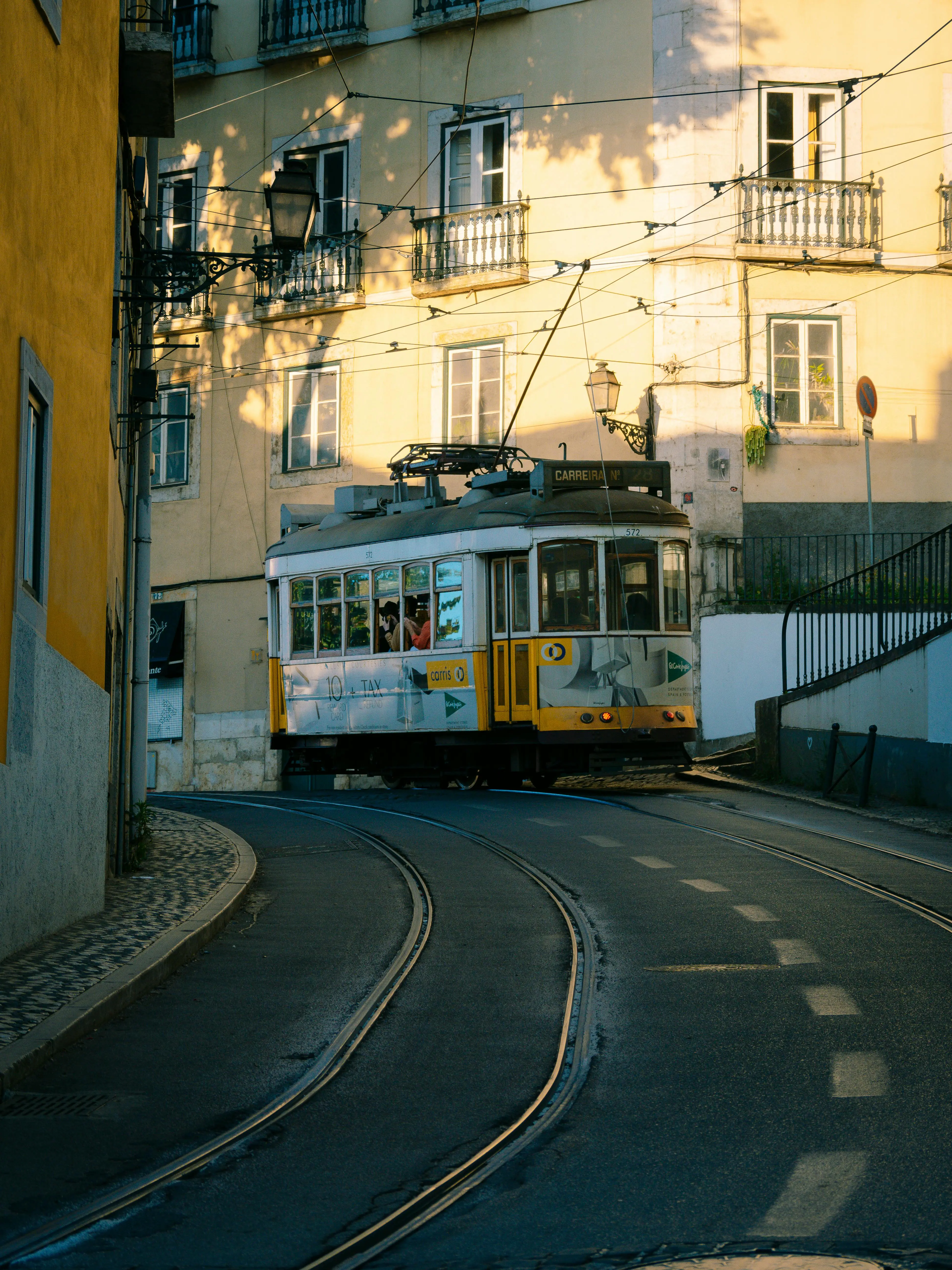
Lisbon is safer than most European capitals, but petty theft targets distracted tourists in Baixa and on Tram 28 — and the city's hills punish poor footwear choices within your first 48 hours. Public transportation works well if you learn which lines connect your neighbourhood to coworking hubs and avoid rush hour on the metro.
No matter where you stay in Lisbon, the metro and tram 28 connect most neighborhoods for just €1.50 per ride.
Safety for Remote Workers: What Actually Matters
Violent crime is rare, but pickpocketing concentrates around Rossio Square, Praça da Figueira, and the Elevador de Santa Justa — keep phones and wallets out of back pockets, especially after dark in Bairro Alto.
Tram 28 is the highest-risk transport for theft — take it once for the experience, then use metro or walk
Bairro Alto after midnight: loud but safe, though solo walkers should avoid empty side streets between Miradouro de São Pedro de Alcântara and Cais do Sodré
Alfama's narrow streets feel sketchy at night but rarely are — locals walk home alone past 2am without issue
Keep laptops in bags, not visible on café tables when you step away — most cafés are safe but opportunistic theft happens
Emergency number: 112 — English-speaking operators available 24/7
Public Transportation: Metro, Trams, and When to Walk
The metro covers central Lisbon efficiently, but many of the best neighborhoods in Lisbon sit between stations — budget 10–15 minutes of walking to reach cafés, coworking spaces, and the historic center from most metro stops.
Metro day pass: €6.50, unlimited rides — worth it if you're exploring lisbon across two neighborhoods in one day
Green Line connects Cais do Sodré, Baixa-Chiado, Rossio, and Martim Moniz — most useful for remote workers
Tram 28 runs Graça → Alfama → Baixa → Estrela — tourists clog it before 11am and after 4pm, locals use it 1–3pm
Walking beats public transportation for trips under 20 minutes in flat areas — Baixa to Cais do Sodré is 12 minutes on foot
Avoid rush hour metro (8–9:30am, 6–7:30pm) if you're carrying a laptop bag — crowded and prime time for pickpockets
Navigating Hills, Cobblestone Streets, and Weather
Lisbon's hilly streets and cobblestone streets destroy running shoes and make wheeled luggage impractical — invest in sturdy footwear with ankle support before your first full day of exploring lisbon.
Alfama neighborhood and Graça involve steep climbs — expect 10–15 minutes uphill from Baixa, even on short distances
Bairro Alto sits atop a steep hill — Elevador da Bica funicular €3.80 one-way, or walk via winding streets in 8 minutes
Summer (June–August): 30–35°C, carry water, avoid midday walks uphill
Winter (December–February): 10–15°C, frequent rain, cobbled streets get slippery — boots over sneakers
Most cafés and coworking spaces have AC, but older apartments in Alfama and Mouraria often don't — ask before booking long-term stays
If you've visited Lisbon before, you'll recognize that the city rewards routine — returning to the same café, the same quieter side street for calls, the same Sunday walk to Miradouro da Graça creates a rhythm that reduces decision fatigue and builds familiarity faster than constantly trying new spots.
Príncipe Real has become a hub for creative professionals, with specialty coffee shops like The Mill and Fabrica Coffee Roasters offering wifi and workspace.
Making the Most of Lisbon: Work, Social Life, and Long-Term Comfort
Lisbon doesn't require you to choose between productivity and social life the way some big city hubs do — but it does require you to pick the right neighbourhood for your work rhythm, because moving later costs time and deposit money you won't get back easily.
Remote workers who stay in Lisbon long-term often join coworking spaces like Second Home or Avila Spaces for €150-250 monthly.
Coworking Spaces and Cafés: Where Laptop Work Actually Happens
Coworking spaces cluster in Príncipe Real, Santos, and Cais do Sodré — cafés tolerate laptops before 1pm but most have a two-drink minimum if you're staying past lunch.
Second Home Lisboa — coworking in Cais do Sodré, €25/day, €200/month hot desk, outdoor pool, design-heavy interiors
Fábrica Coffee Roasters — café in Príncipe Real, €3 flat whites, laptop-friendly until 2pm, strong WiFi
Ler Devagar Chiado — bookstore café, €3.50 coffee, quiet mornings, gets loud with tourists after noon
Most cafés enforce a no-laptop rule during lunch (1–3pm) — plan calls or deep work outside these hours
Social Life and Community: Meetups, Wine Bars, and Avoiding Tourist Traps
Lisbon's remote worker community meets at wine bars in Príncipe Real and Santos, not at the fado restaurants in Alfama that charge €40 for mediocre fish and a forced performance.
Prado Wine Bar — natural wine bar in Baixa, €5 glasses, locals and expats mix, opens at 6pm
Taberna da Rua das Flores — small plates €8–€12, Portuguese wines, no reservations, arrive before 7:30pm or wait
Nomad meetups happen monthly at The Mill in Santos — check online for schedules
Park Bar — rooftop bar in Bairro Alto, €6 beers, sunset views, crowded on weekends
Avoid fado shows on Rua dos Remédios in Alfama unless someone local recommends a specific spot — most are tourist traps charging €25+ cover
Grocery Stores, Markets, and Daily Essentials
Supermarkets cluster in residential neighborhoods — Pingo Doce and Continente cover basics, but fresh produce and fish are better at municipal markets than chain stores.
Mercado da Ribeira — food hall in Cais do Sodré, €12–€18 meals, tourist-heavy but reliable quality
Mercado de Campo de Ourique — local market, produce stalls, €8–€12 lunches, residential neighborhood vibe
Pingo Doce: budget €40–€60/week for groceries if you cook most meals
Celeiro — health food store in Chiado, higher prices but better for dietary restrictions
Pharmacies: Farmácia signs with green cross, no prescription needed for basic meds, English widely spoken
Day Trips and Exploring Beyond Central Lisbon
Sintra, Cascais, and the beaches west of Lisbon make for easy day trips — but they're worth visiting once or twice, not every weekend, unless you're escaping the city permanently.
Sintra: 40-minute train from Rossio train station, €2.30 each way, visit Pena Palace before 10am to avoid crowds
Cascais: 40-minute train from Cais do Sodré, €2.30 each way, beach town with good restaurants and fewer tourists than Sintra
Costa da Caparica: 30-minute bus from Praça de Espanha, beach stretches for 15km, local surf culture
Oceanário de Lisboa — aquarium in Parque das Nações, €22 entry, worthwhile on rainy days
Weekend trips to Porto: 3-hour train, €25–€35 each way, book ahead for cheaper fares
Lisbon works for remote workers who want old world charm without sacrificing modern infrastructure — but it's not the cheapest European base anymore, and it's not the quietest if you're in Bairro Alto or Cais do Sodré. The city rewards people who pick their base carefully and stay long enough to build routines rather than constantly chasing the next trendy neighbourhood. Once you've settled in, exploring lisbon becomes less about ticking off major sights and more about finding your corner bakery, your regular table at a wine bar, and the quieter side street where you take morning calls without tram noise in the background.
Final Thoughts: Who Lisbon Works For and Who Should Look Elsewhere
Lisbon suits remote workers who want walkable European charm without the price tag of Paris or Barcelona — but it's not the best fit if you need absolute silence, year-round beach access, or a city where English is as common as Portuguese in local services. The best neighborhoods in Lisbon deliver historic architecture, reliable WiFi, and wine bars where €5 buys you a seat at the table with locals — but you'll pay for that privilege with higher rent than Porto, steeper hills than Madrid, and summer crowds that turn Baixa into a constant flow of tour groups and street performers.
First-time visitors should test two neighborhoods before committing to a long-term lease — stay a week in Príncipe Real or Santos to experience the balance of central access and neighbourhood calm, then try Graça or Alfama if you want historic charm without the nightlife noise. If you're a history lover, Alfama and Mouraria deliver cobbled streets and proximity to Lisbon Cathedral and Castelo de São Jorge, but they also mean narrow streets, limited coworking spaces, and fewer English-speaking services. If you prioritize convenience over character, Baixa and Chiado offer walking distance to train stations, metro lines, and the Tagus River — but you're also surrounded by tourist traps and paying €200–€400 more per month than surrounding neighborhoods.
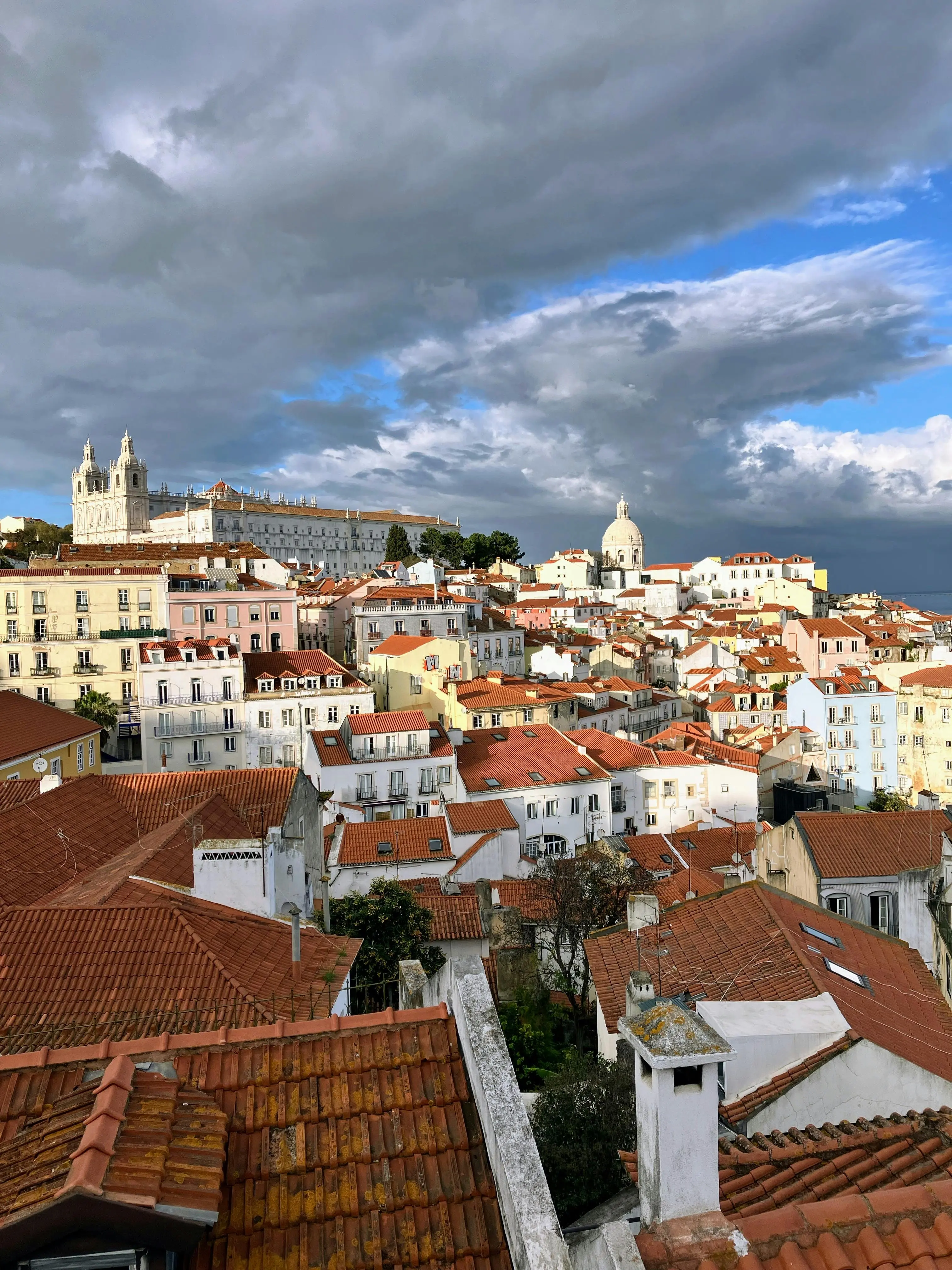
The city's appeal isn't just about trendy restaurants and rooftop bars with views of the Tagus River — it's about finding a rhythm where your work happens in quiet cafés before lunch, your evenings unfold at natural wine bars in Príncipe Real, and your weekends involve a slow walk to Miradouro de São Pedro de Alcântara rather than a rushed checklist of historic sites. Lisbon doesn't reward improvisation the way other cities might — it rewards people who choose their neighbourhood based on whether they need vibrant nightlife or a residential neighborhood where the same faces appear at the bakery every morning.
If you're ready to commit, browse fully furnished apartments in Portugal to compare availability across Lisbon, Porto, and smaller coastal towns before locking in your first month. The right base makes the difference between a productive stay where you build routines and a frustrating month where you're constantly moving to escape noise, tourist crowds, or a lack of good restaurants within walking distance.