Why Belém Still Feels Special
Belém is where Lisbon slows down by the river. This old district, officially Santa Maria de Belém, is known for the Jerónimos Monastery, the riverside tower, and a string of cafés serving the original custard tarts.
For locals, it’s the place to take visiting friends when you want them to understand why the Portuguese golden age of explorers still matters today.
What to Expect in de Belém
Think leafy parks, tiled streets, and the hum of tour groups outside every museum. But look closer—Belém still has quiet corners where you can sip a €2 espresso before wandering toward the monastery.
It’s a mix of grandeur and small comforts, and that’s why nomads often tack on an extra afternoon here.
- Must-try stop: the Pastéis de Belém bakery (€1.30 per tart, still warm from the oven).
Where Is Belém and How Do You Get There?
North Bank Location Along the River Tagus
Belém is located on the western edge of Lisbon, sitting right along the Tagus. This stretch of waterfront is lined with notable monuments, leafy gardens, and the kind of cafés where you can pause for an espresso before heading to your next stop.
It’s one of those corners of Portugal where everyday life and world-class attractions overlap. Walk a few blocks and you’ll pass a monastery, a museum, and a riverside park — all in the same afternoon.
Getting There from Lisbon’s Center
Locals know there are a few easy ways to reach Belém without overthinking transport:
-
Tram 15: Leaves from Praça da Figueira or Praça do Comércio. Expect about 20 minutes and €3 with a Viva Viagem card.
-
Commuter train: On the way to Cascais, about 10 minutes from Cais do Sodré station.
-
Bike ride: The riverside path is flat, breezy, and lined with pop-up cafés.
No matter how you go, the journey gives you riverside views that remind you why Lisbon is still considered one of the most beautiful capitals in the world.
How Much Time to Spend in Belém
This isn’t just a quick photo stop. Most travelers dedicate at least half a day here, often stretching into a full one. Between the Belém Tower, the Jerónimos Monastery, the MAAT museum, and smaller gems tied to Portuguese culture, there’s more to see than you’d think at first glance.
Belém also carries weight as the showcase district of a proud European nation. From the construction of its monumental sites to the diplomatic relations still tied to the Presidential Palace, it’s a neighborhood where the past and present of Portuguese identity stand side by side. If you linger, you’ll see why people often return for a second look.
What Belém Is Known For
Belém Jerónimos – Lisbon’s UNESCO Crown
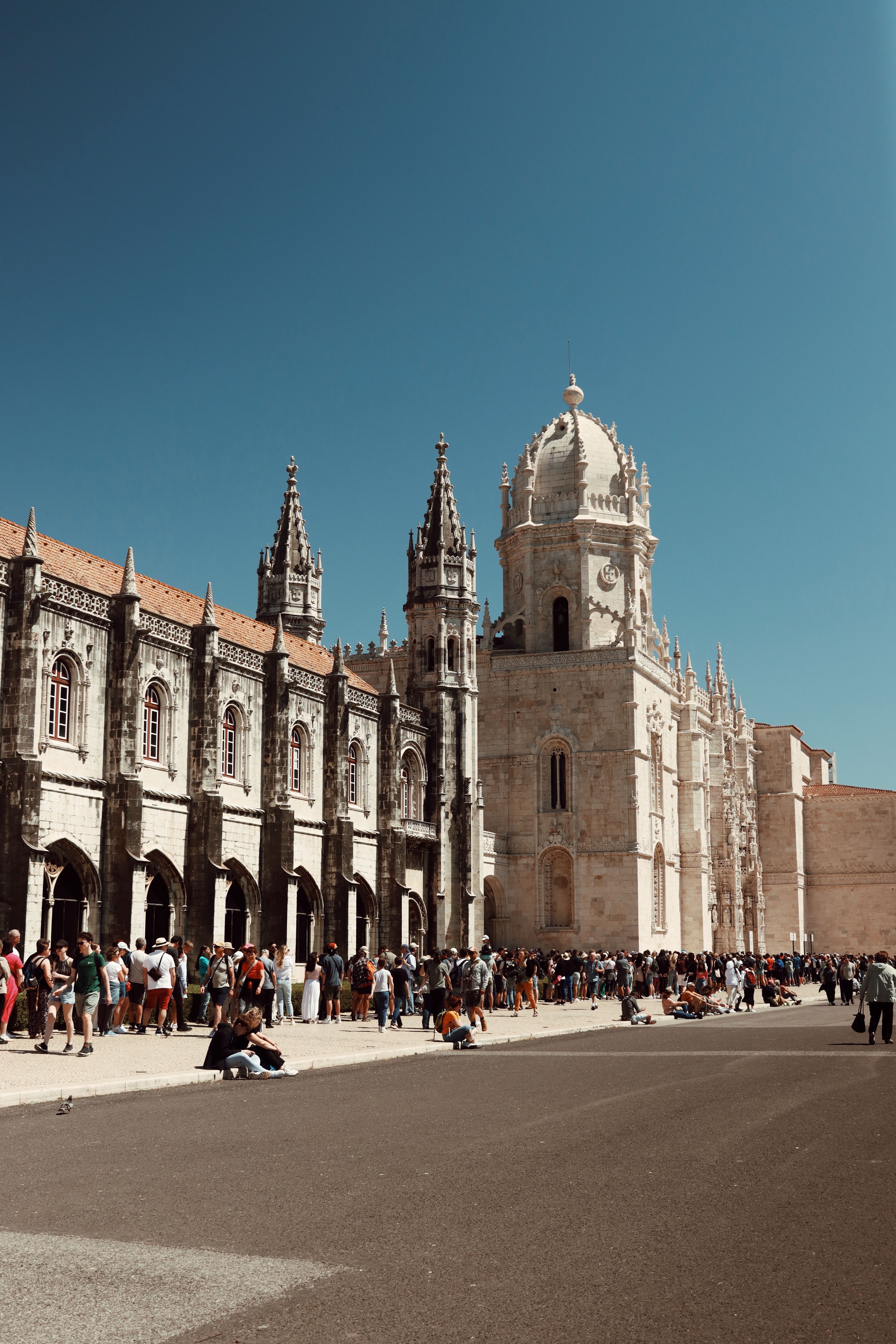
The Jerónimos Monastery, often called Belém Jerónimos, is the showpiece of Portuguese history. Its construction in Manueline style turned a simple church into lacework carved in stone, and inside you’ll find the tomb of Vasco da Gama.
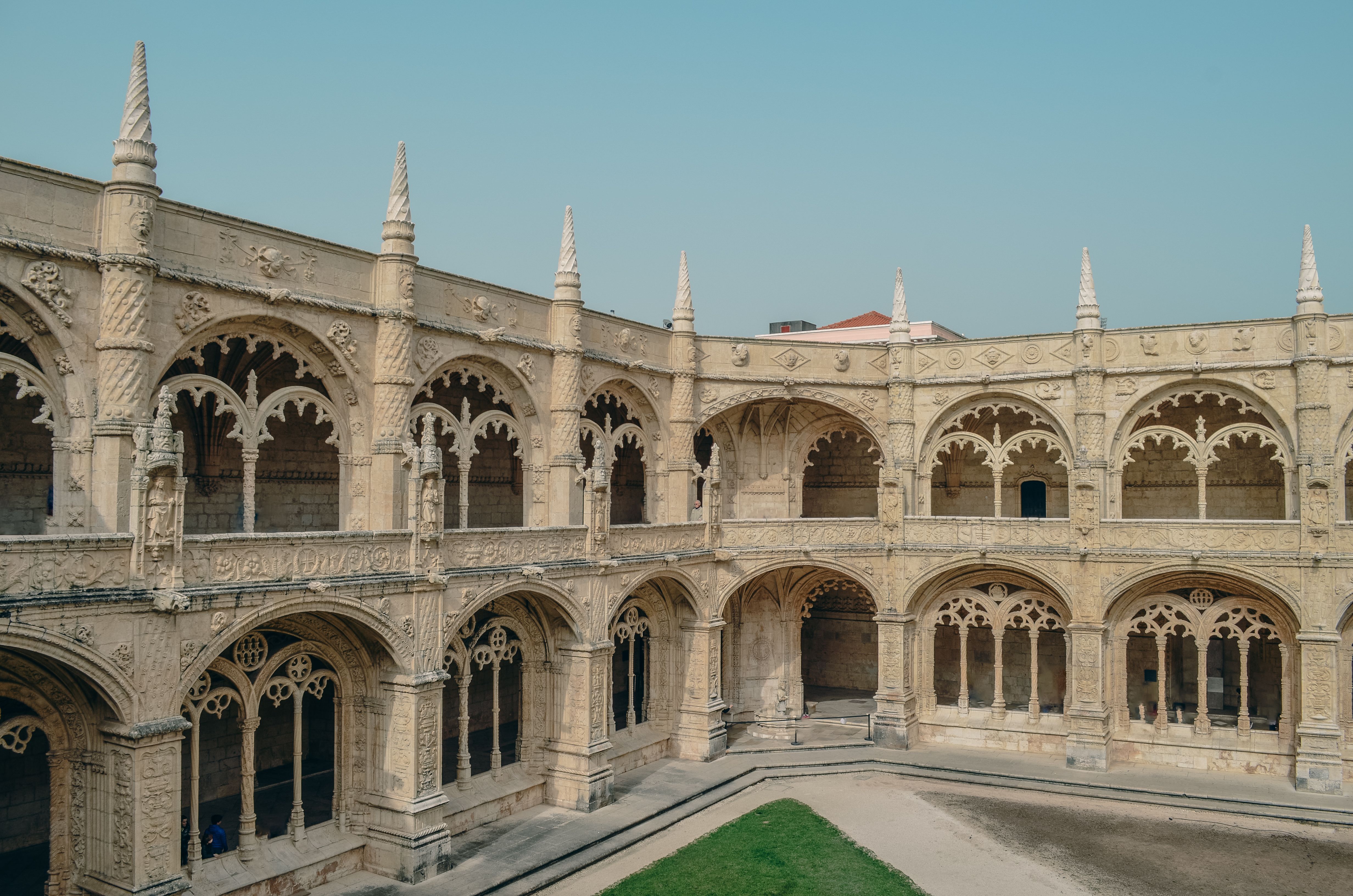
Why locals still come: it’s cooler inside on hot days, and the cloisters are a rare spot of calm in this busy part of Lisbon.
-
Entry: €10–12, queues up to an hour in summer.
-
Best add-on: a stroll through the Praça do Império** gardens** right across the street.
-
Allow at least 1 hour; 2 if you like to linger with your camera.
Belém Tower – Fortress on the Water
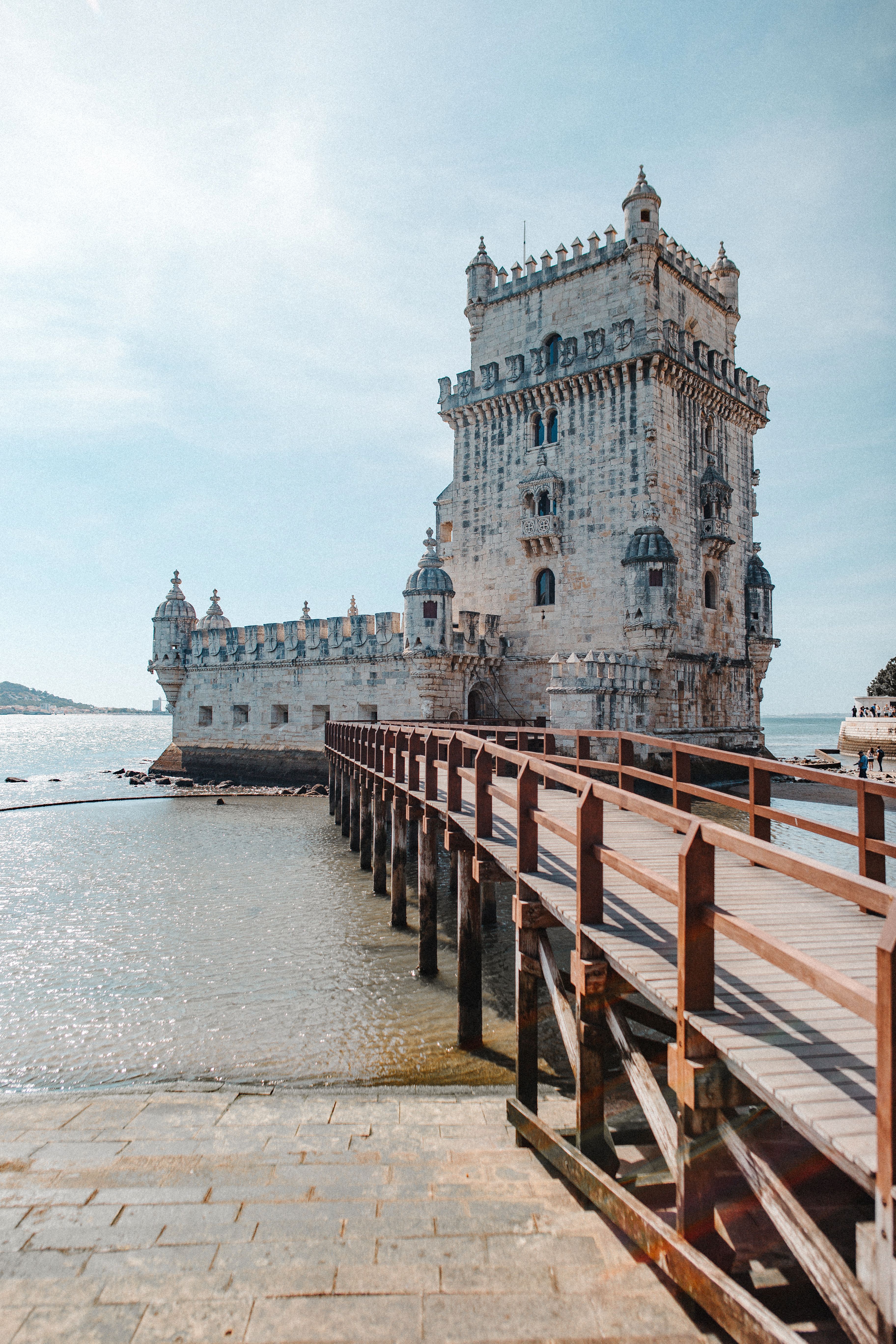
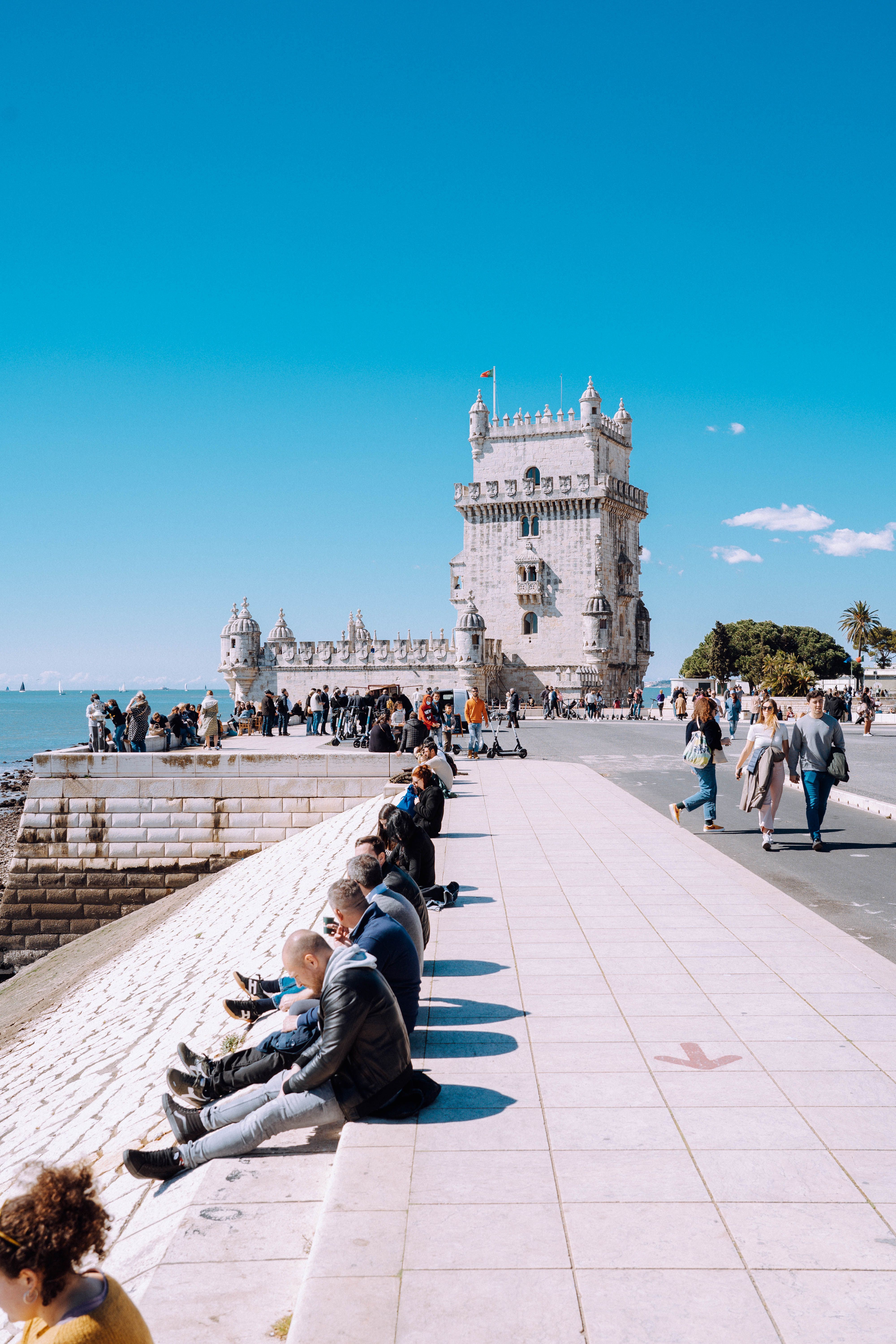
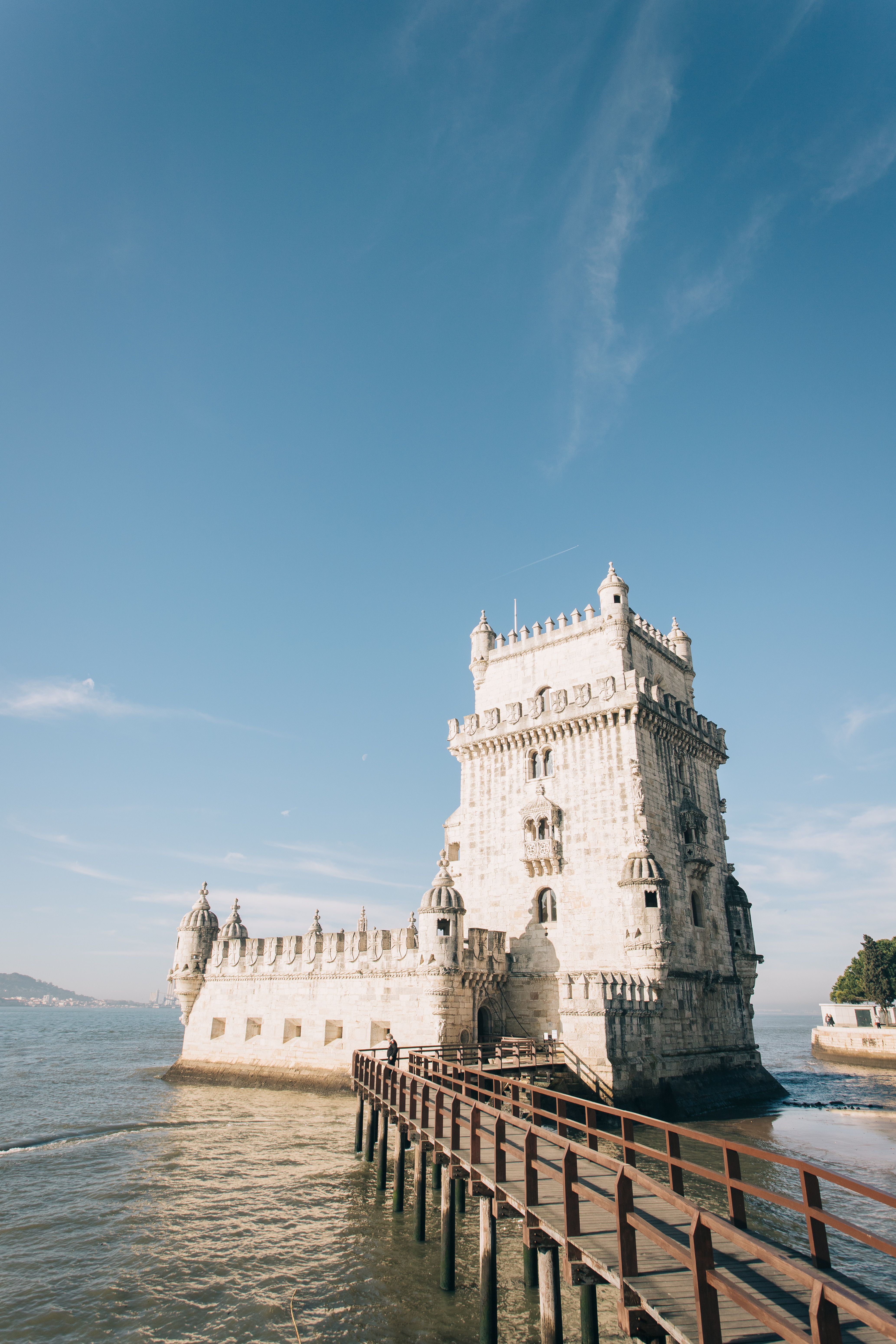
The Belém Tower (or Torre de Belém) is the postcard shot — but it’s also a fortress built to guard the harbor during Portugal’s Age of Discoveries. The site's architecture mixes function with flourish: watchtowers, ropes, even a rhino carved into stone.
Local tip: Skip the climb if the line is long. Spread out on the lawns and let the tower be your backdrop instead.
-
Entry: €6 (free with Lisbon Card)
-
Best light: sunset, when the façade glows gold
Pastéis That Made Belém Famous
For many, Belém is shorthand for the delicious Pastéis de Belém. The bakery at Rua de Belém has baked the same recipe since 1837, and you’ll smell the tarts before you see the line.
What to expect:
-
Price: about €1.30 per tart
-
Best move: order six and eat them still warm, dusted with cinnamon
-
Local habit: take a box to the gardens and share with friends

Belem Palace – Seat of the Portuguese Republic
Painted a soft pink, the Belem Palace is more than eye candy — it’s the official residence of the Portuguese President and a reminder that this area isn’t just about the past.
The palace holds a small museum that explains the presidency and its role in the Portuguese Republic.
Time needed: 30–40 minutes if you step inside; otherwise admire the façade from the street while on your way between the monastery and the waterfront.
Maritime Museum and the Coaches Collection
Two museums stand out in de Belém beyond the obvious landmarks:
- Maritime Museum – The Museu de Marinha has ship models, maps, and even royal barges, all tied to Lisbon’s seafaring legacy. Entry around €6.

- Museu Nacional dos Coches (the Coaches Museum) – gilded ceremonial carriages used for papal visits and parades. Entry €8.
Locals bring kids to the coaches museum because they’re just as fun as a playground, and it’s compact enough to see in under an hour.
Folk Art Museum – A Hidden Side
The Folk Art Museum may not be a headline act, but it gives another layer to Belém’s cultural mix. Small, affordable, and focused on crafts, it’s the kind of place Lisboners duck into on rainy afternoons.
Why It Matters
From the Belém Tower to the Belem Palace, this neighborhood isn’t just a backdrop of notable monuments. It's a district where pastries, politics, and museums all carry historical significance, showing how much of Portuguese identity is literally built into its streets.
Top Attractions Along the Tagus River
The historic parish of Belém, located on the north bank of the Tagus River, is small but dense with history. Here you’ll walk the same route sailors once did, past monuments, churches, and museums that mark Portugal’s Age of Discoveries.
For locals, this isn’t just where you bring out-of-towners — it’s a reminder of how much of the world once passed through Lisbon’s docks.

Belém Tower – The Riverside Fortress
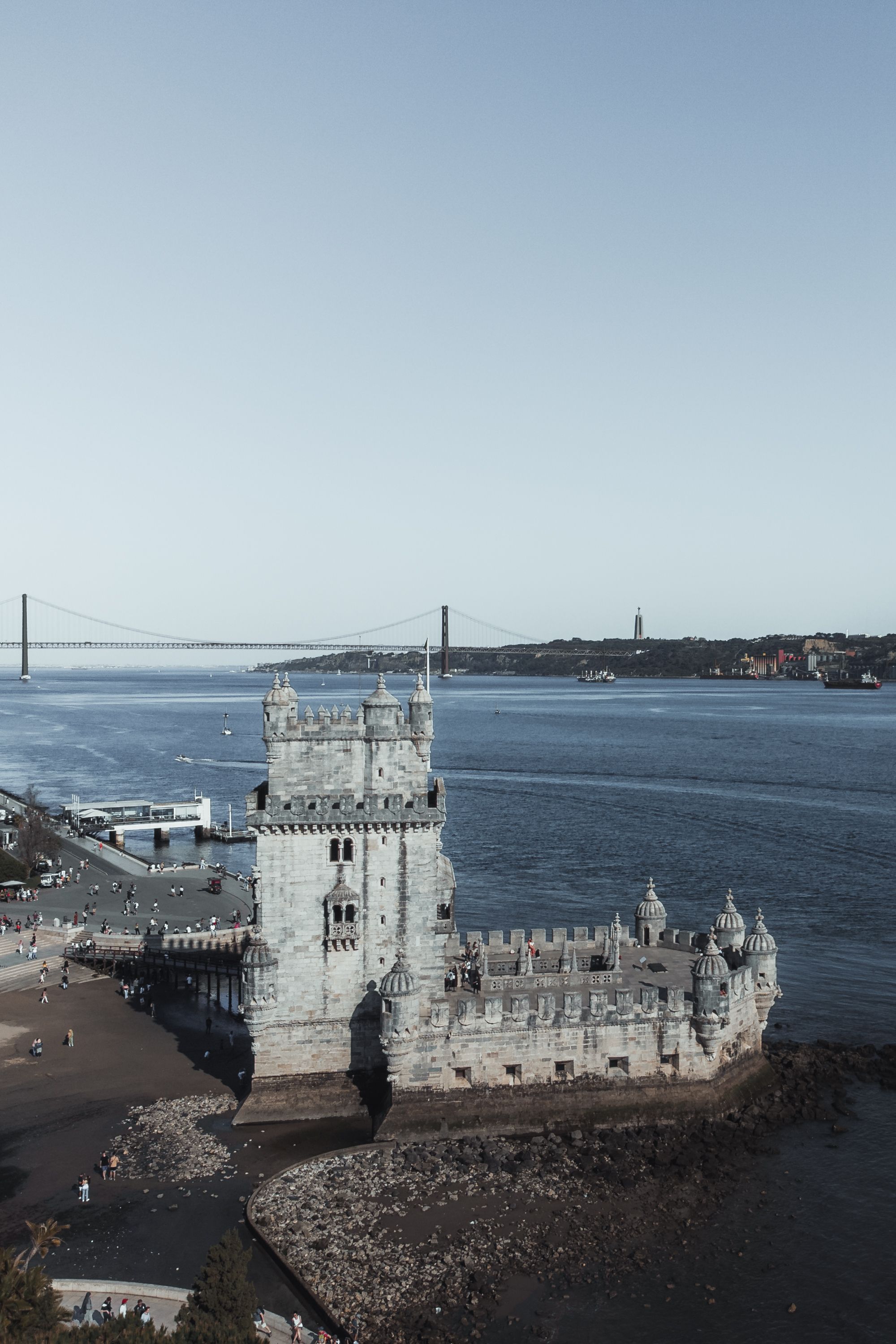
The Torre de Belém was built in the early 1500s to guard Lisbon’s harbor. Its construction turned military stonework into art, layering ropes, seashells, and Moorish arches into a symbol of ambition.
What locals do: skip the climb and sit by the river lawns at sunset. The tower turns gold, the tide rises quietly around its base, and the scene is better than any photo queue.
-
Entry: €6, free with Lisbon Card
-
Time needed: 30–40 minutes if you go inside
-
Best light: sunset on the riverbank
Jerónimos Monastery – Portugal’s Crown Jewel
The Mosteiro dos Jerónimos, or Belém Jerónimos, is the masterpiece of Manueline style. Its cloisters look like lace in stone, carved with corals and ropes from ships. Inside this UNESCO site, you’ll find Vasco da Gama’s tomb and the relics of Saint Vincent.

It’s Lisbon’s most visited church, and the lines prove it. Tourists wait for hours in summer, so buy tickets online and plan around the crowds.
Tip from locals: pair your visit with a walk through the Praça do Império gardens across the street. Bring a sandwich and take ten minutes in the shade before diving back into the bustle.
Monument to the Discoveries – The Padrão dos Descobrimentos
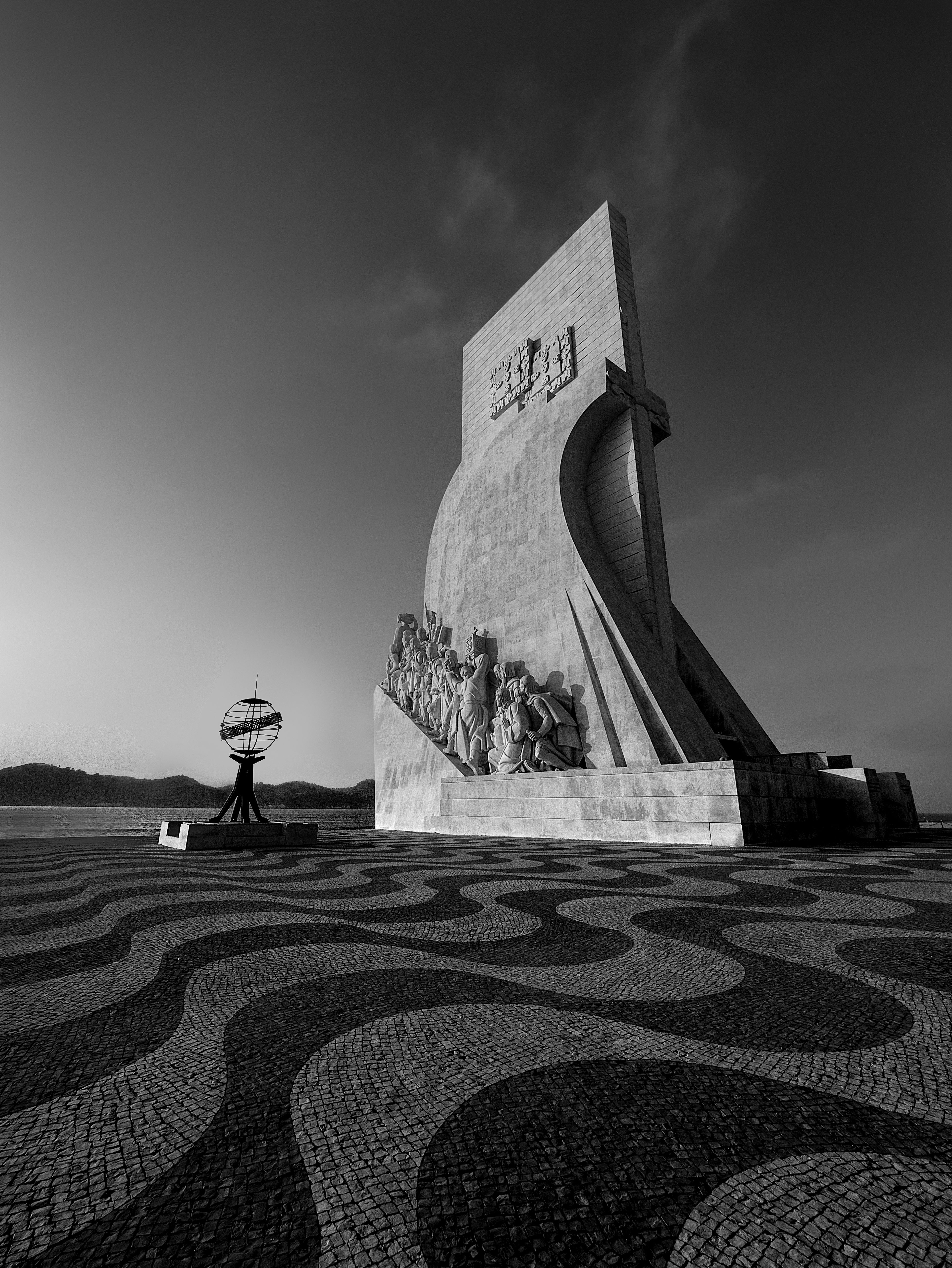
You can’t miss the Padrão dos Descobrimentos: a massive monument shaped like a stone caravel, standing right on the edge of the Tagus River. It was originally built in 1940 for the Portuguese World Exhibition, then rebuilt in stone in the 1960s. From the prow, figures of Prince Henry, King Manuel, and other navigators gaze outward, frozen mid-journey.

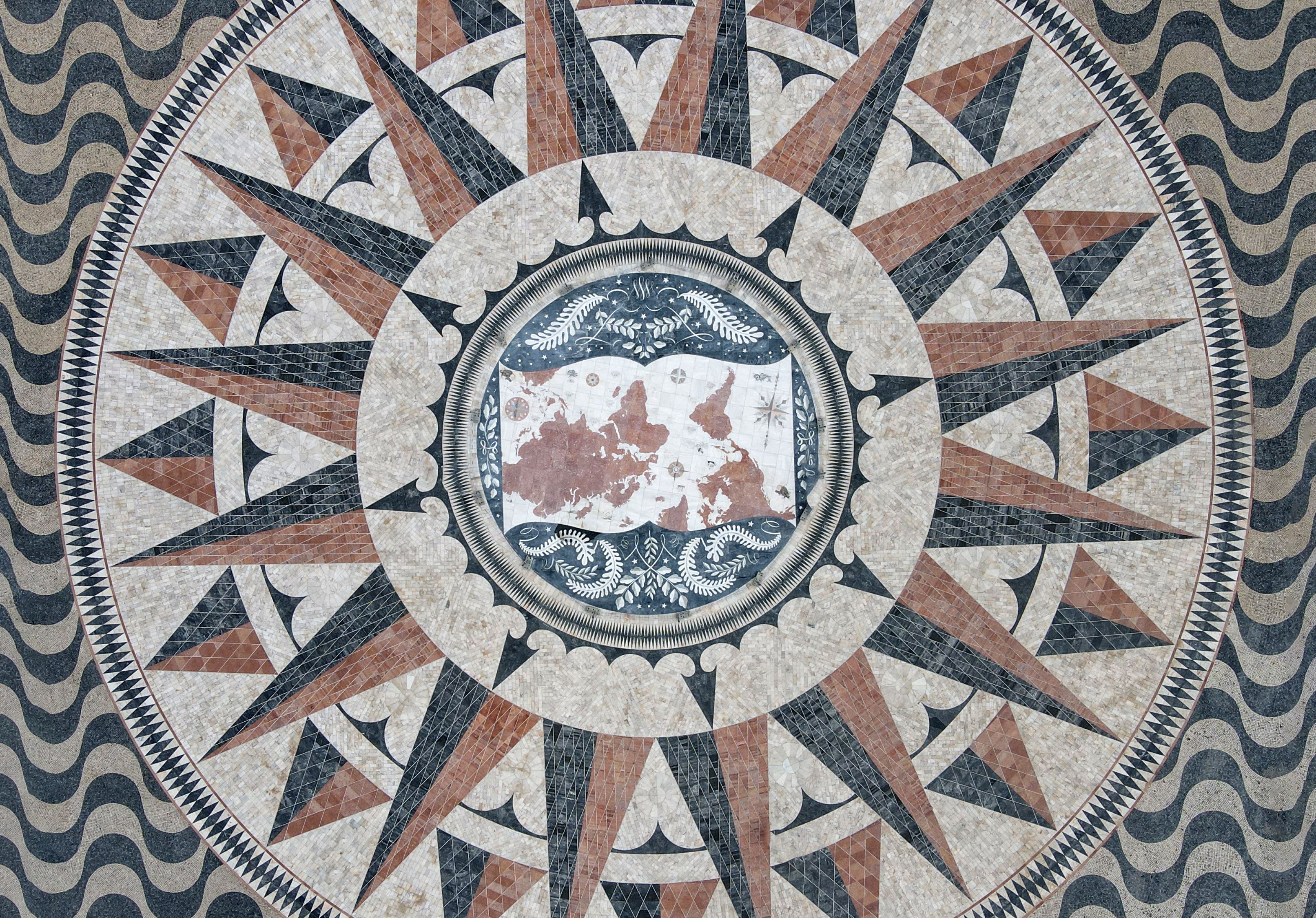
Why locals still come to the Monument to the Discoveries: it’s not just about the climb. The vast compass rose mosaic at the base is where school groups sprawl, guides trace routes of the discoveries, and Lisboners sit on the steps for an ice cream break.
Practical info:
-
Entry: €6 to climb to the terrace; the permanent exhibition adds €2.
-
Best light: late afternoon, when the river reflects orange.
-
Time: 45 minutes–1 hour (longer if you stay for sunset).
Mini itinerary:
-
Morning → Start at Jerónimos Monastery, then cross the Praça do Império gardens.
-
Late morning → Explore the Padrão dos Descobrimentos, climb for views, snap photos of the compass rose.
-
Lunch → Grab a bifana or pastel de bacalhau from food stalls nearby.
-
Afternoon → Walk along the waterfront toward Belém Tower, following the same route explorers once took to sea.
MAAT – Lisbon’s Modern Wave
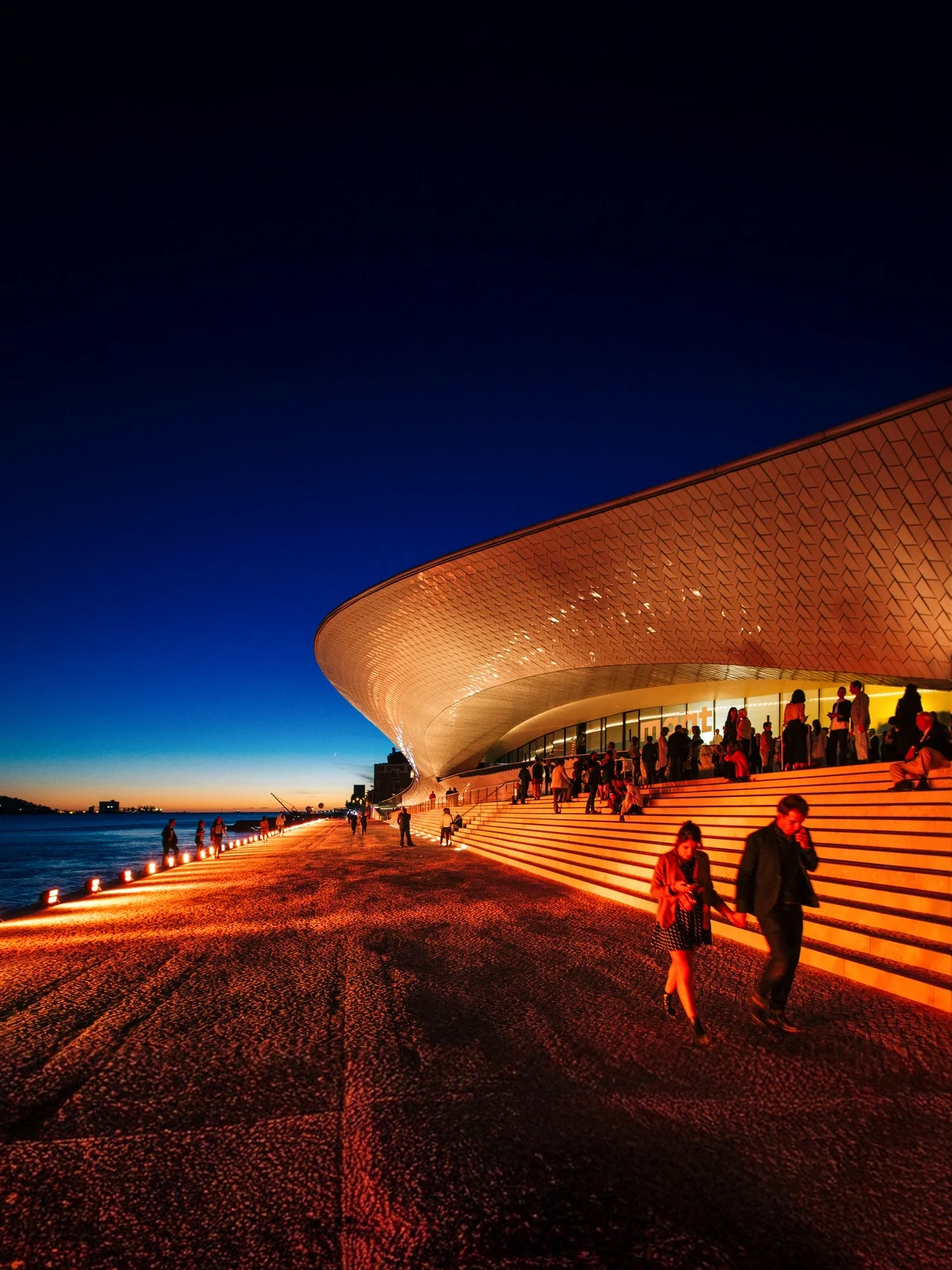
The MAAT (Museum of Art, Architecture and Technology) is Belém’s futuristic curve of white tile. It’s half cultural hub, half riverside hangout. The building’s rooftop is a free public park, and locals use it like one — sitting with a beer while the sun dips behind the bridge.
Inside, rotating shows bring in international art alongside Portuguese design. Tickets are €5–9, but even if you skip the exhibitions, it’s worth climbing the roof for the view.

Coaches Museum – Royal Rides in Gold
The National Coaches Museum is Belém at its quirkiest: rows of gilded carriages used by the royal family of Portugal. Some look like rolling cathedrals, others like stage props. It’s not a long stop — 40 minutes is enough — but it’s a window into the ceremonial pomp of old Lisbon.
Practical note: tickets cost €8. If you’re short on time, it pairs easily with other nearby attractions.
Botanical Garden – A Shady Pause in de Belém
Tucked behind the monastery, the Jardim Botânico Tropical is Belém’s quietest retreat. Once used for colonial research, today it’s a €3 escape full of winding paths, bamboo groves, and rare plants from across Portugal’s former empire. It feels more wild than polished, which is exactly why locals slip in here when the plazas feel like ovens.
You’ll spot tiled pavilions with faded grandeur, a colonial greenhouse, and ponds where turtles sunbathe. It’s not manicured, but it’s atmospheric. For a few euros, it’s one of the best-value breaks in town.
What to know:
-
Entry: €3, open daily.
-
Time: 1–2 hours if you walk the grounds slowly.
-
Atmosphere: less postcard-perfect, more hidden and lived-in.
How to spend a Saturday afternoon here:
-
Midday → After exploring the Mosteiro dos Jerónimos, slip behind it into the Botanical Garden for shade.

-
Early afternoon → Bring a sandwich or pastel from Pastéis de Belém, sit by the pond, and watch the turtles.
-
Add-on → Pop into the nearby Popular Art Museum (cheap, under €5) for crafts from every corner of Portugal.
From the Belém Tower to the Jerónimos Monastery, this stretch of river isn’t just about stone and construction. It’s the story of Portugal’s Age of Discoveries, layered into one walkable district of Lisbon.
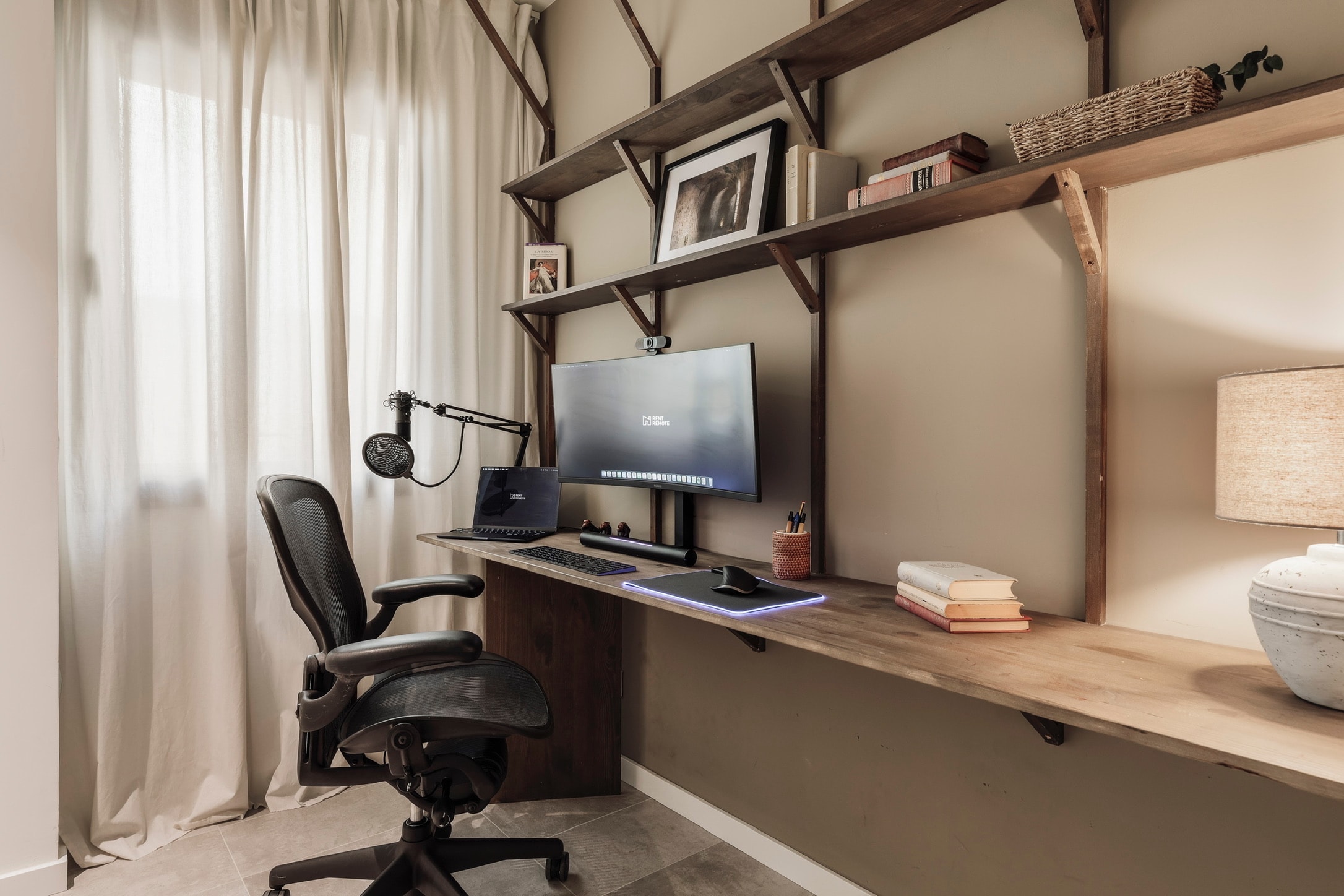
If you find yourself wishing you had more than a day here, RentRemote furnished remote-ready apartments in Lisbon near Belém with proper work setups — so you can balance the monuments with a focused workday.
Food & Drinks: More Than Just Pastéis
Pastéis de Belém and the Famous Custard Tarts
Every food story here starts at Pastéis de Belém, the bakery just across from the monastery. Their famous custard tarts are a flaky pastry miracle: hot from the oven, cinnamon and sugar on the side, and queues that stretch down Rua de Belém. At €1.30 a piece, most locals don’t bother with just one — the box of six is the smarter play.
How to enjoy them like a local:
-
Take your bag to the Jardim do Ultramar or the lawns by the Torre de Belem.
-
Grab a coffee (€2–3) from a kiosk on the way.
-
Claim a bench, unwrap the tarts, and call it breakfast with a view of Lisbon’s most iconic tower.

Riverside Cafés for Midday Breaks
Once the sugar wears off, head toward the waterfront. Around Praça Afonso de Albuquerque, you’ll find cafés that aren’t flashy but get the job done. Daily plates run €8–12, a glass of vinho verde about €3, and soups around €4.
Locals use these spots as a reset: quick meals, no pressure to leave, and quieter than the city center.
Think simple grilled fish or pork bifanas — not Instagram-worthy, but steady fuel before another round of monuments.
Sardines and Summer Taverns
Belém comes alive in June when the festas kick off. Side streets turn into open-air kitchens, and taverns drag out their grills. This isn’t just food; it’s tradition built into the construction of the city itself.

Expect:
-
Sardine platters with bread and salad: €9–12
-
Beer or vinho verde: €2–3
-
Tables crowded with neighbors, music spilling from doorways
For locals, this is as much about the noise and smoke as the sardines. If you want a taste of Lisbon at its rowdiest, this is it.
Modern Bistros and Craft Beer Near Belem Palace
Closer to the Belem Palace, the food scene gets a fresh coat of paint. A new wave of restaurants mixes modern flavors with Portuguese classics:
-
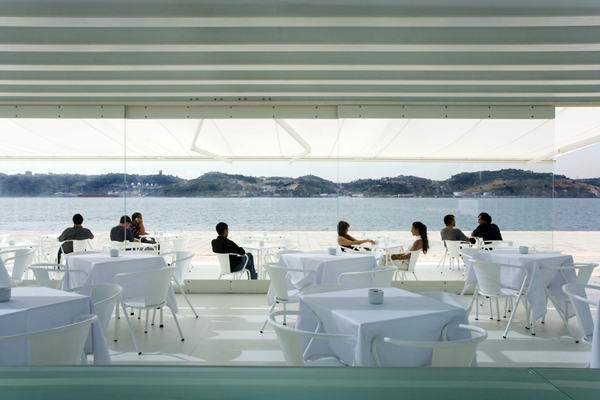
À Margem – minimalist riverside spot, great for octopus carpaccio (€18–20 mains).
-
Dois Reis – craft beer bar pairing IPAs with petiscos.
-
Descobre – tucked inside a converted warehouse, serving seasonal tasting menus from €25.
It’s Belém proving that while the monuments are centuries old, the kitchens keep evolving.
From the custard tarts to smoky sardine grills and sleek riverside bistros, Belém’s food reflects the city itself: tradition layered with reinvention.
And if you find yourself lingering after dessert, RentRemote has Lisbon apartments nearby with proper work setups — making it easy to stretch your pastry run into a proper stay.
Exploring Belém Beyond the Monuments
Belém isn’t only about the monastery or the Torre de Belém. If you give yourself time, you’ll find layers of daily life — shady gardens, riverside paths, street art, and the rhythms of a district that’s very much part of the city, not just its postcard.
Promenades and Street Corners
Belém’s waterfront is wide and easy to cycle. Rent a bike from Biclas Belém (about €10/day) and you’ll glide past the tower, under the 25 de Abril bridge, and straight into Alcântara if you keep going. Along the way you’ll notice murals tucked into warehouses and the occasional statue that locals barely glance at but travelers always stop for.
Belém Palace and the Local Calendar
Near the Belém Palace, the neighborhood feels more lived-in. In summer, outdoor concerts set up in Praça Afonso de Albuquerque — most tickets under €15.
During Santo António festivities, grills line the streets, and restaurants around Rua Vieira Portuense fill with locals who refuse to eat sardines anywhere else.
If you’re hungry after a show: try Pão Pão Queijo Queijo, a sandwich bar beloved by night owls (€6–8 for a stacked bifana).
Parks and Gardens for a Reset
Belém has green patches that work as natural intermissions between museums.
-
Jardim Vasco da Gama – kids’ playground and plenty of benches.
-
Praça do Império gardens – geometric lawns across from the monastery.
-
Jardim do Ultramar – quieter, ideal if you’ve brought pastries to share.
Each garden feels different; together they make Belém easier to enjoy without rushing.
A Mini Afternoon Itinerary
If you’ve already checked off the big sights, try this slower loop:
-
Grab a light lunch at À Margem (modern waterfront café, mains €12–15).
-
Stroll through the Jardim do Ultramar with coffee in hand.
-
Catch a small gallery like Cordoaria Nacional for contemporary shows (€4–5 entry).
-
End at Musa da Bica, a local craft brewery — pints start at €4.
That’s Belém without queues: food, green space, and a bit of culture, all within walking distance of the tower.
Living and Staying in Belém: Is It Right for You?
Belém has a different rhythm than other Lisbon neighborhoods. It’s quieter than Bairro Alto, less hectic than Chiado, and it trades late nights for riverside mornings.
Days can get busy around the Torre de Belém, but evenings calm down quickly, making it one of the easier districts to live and work in without constant background noise.
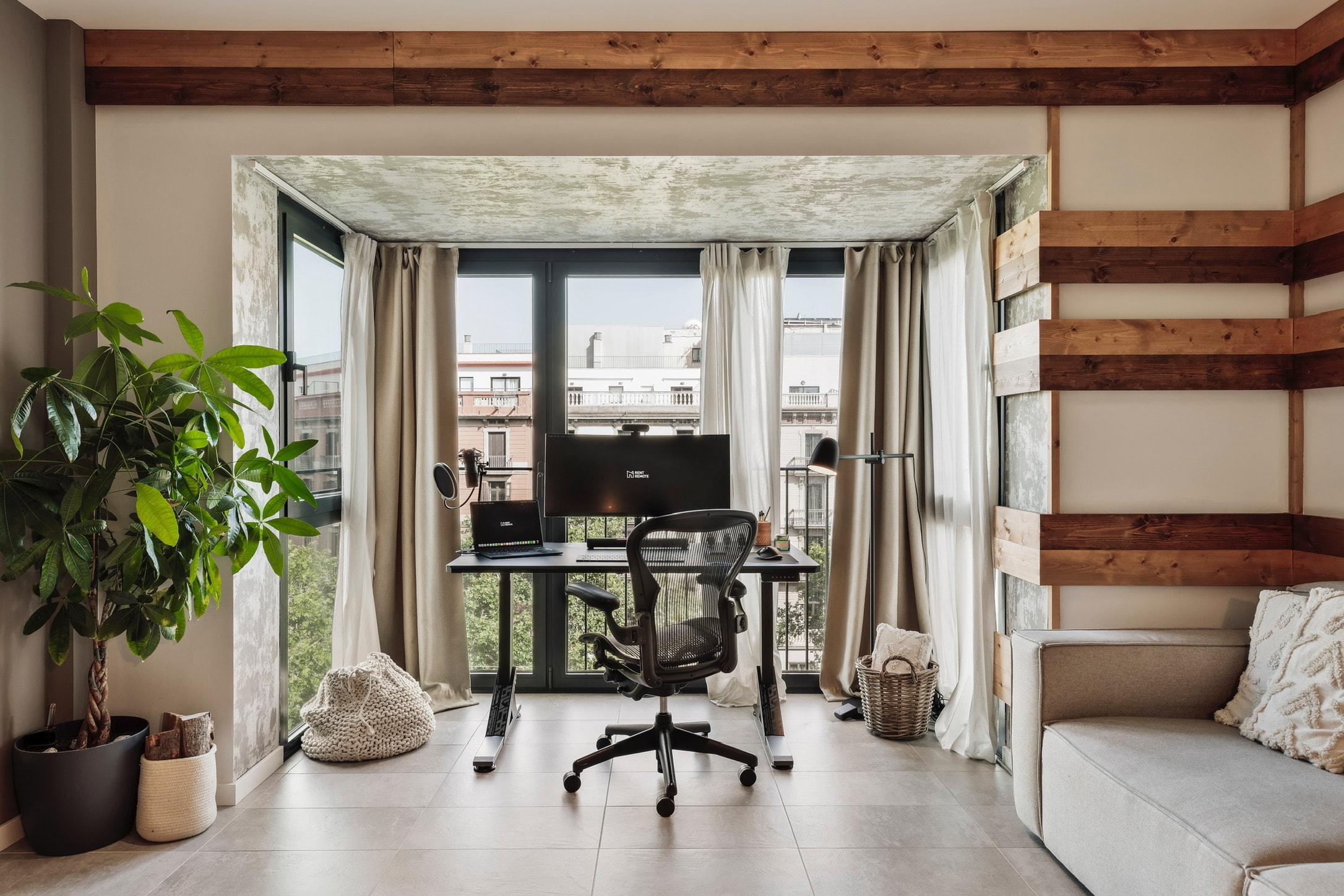
Apartments here were built with more space than in the city’s older quarters, so you’ll often get a little extra room for your desk setup.
Why Stay in Belém
-
Scenic waterfront location, easy tram and train links into the city center
-
Cheaper long-term rents compared to Alfama or Chiado (think €900–1,200/month for a one-bed)
-
More residential feel, fewer tourists once evening rolls around
What to Expect Day to Day
Belém is busy by day. Tour groups cluster around the monastery and the tower, but by 7 pm it feels like a small town.
Nightlife is minimal — you’ll find wine bars and casual cafés, but not much beyond midnight. This suits nomads who want focus time, not distractions.
Digital Nomad Perspective
Coworking options aren’t as dense here as in Cais do Sodré or Baixa, but Wi-Fi cafés do the job if you need a few hours between calls. Some highlights locals rate:
-
Starbucks in Centro Cultural de Belém (predictable, strong internet)
-
À Margem – sleek riverside café, decent coffee, lots of laptop space
-
Cowork Torre Belém - Offers a functional office space with plenty of light and access to nearby public transportation.
Who It Works Best For
Belém is ideal for nomads who:
-
Prefer calmer evenings over constant nightlife
-
Run or cycle for exercise (bike lanes connect straight into the city)
-
Want slightly lower rental costs than Lisbon’s trendier districts
-
Like living near green parks, gardens, and the waterfront
Thinking of basing yourself here? RentRemote’s Lisbon furnished apartments include furnished flats with ergonomic setups, making Belém a comfortable and productive base for longer stays.
Belém vs. Other Lisbon Neighborhoods
Should you make Belém your base or just swing by for the day? It depends on what kind of Lisbon you want. Each neighborhood comes with its own tempo, quirks, and price tag.
Here’s how Belém stacks up against three of the city’s best-known areas.
Belém – Riverside Calm, Big Apartments
Belém moves slower than central Lisbon. Days are lively around the monastery and the Torre de Belém, but by evening the streets empty out. Flats here are usually larger, often built for families, so nomads get more space for a desk setup.
-
Rent: €900–1,200/month for a one-bed
-
Best for: runners, cyclists, nomads who like calm after sightseeing hours
-
Local perk: green parks and waterfront lawns make it easy to unplug
Alfama – Charm Over Convenience
Alfama is the postcard view: tiled facades, tiny taverns, and fado drifting out at night. It’s stunning, but apartments are compact, many built into hillside staircases with patchy Wi-Fi. Carrying groceries here is a workout.
-
Rent: €1,200–1,500/month for renovated one-beds
-
Best for: romantics, photographers, music lovers
-
Local perk: wine bars tucked into alleys where a glass still costs €3–4
Bairro Alto – All About the Night
Bairro Alto sleeps by day and roars by night. Streets fill with music and crowds until sunrise, so working from home can be a challenge. Housing is dense, older stock built without much soundproofing.
-
Rent: €1,000–1,400/month for small flats
-
Best for: party-seekers, short-term stays
-
Local perk: you’re never far from a bar or late-night bifana
Parque das Nações – Futuristic and Functional
Parque das Nações feels like a different city: wide boulevards, coworking hubs, and glass apartments built for modern living. It lacks the old-world character, but you get elevators, gyms, and reliable internet. Read more about this modern neighborhood on RentRemote's Parque das Nações neighborhood guide for digital nomads.
-
Rent: €1,100–1,400/month for one-beds
-
Best for: business-minded nomads, families
-
Local perk: cafés with coworking setups and riverside running paths
Quick Comparison
| Neighborhood | Vibe | Housing Style | Avg. Rent (1-bed) | Best For |
|---|---|---|---|---|
| Belém | Riverside calm, quiet | Larger, family-built flats | €900–1,200 | Nomads who want space & focus |
| Alfama | Old-world charm, fado | Compact hillside homes | €1,200–1,500 | Romantics, music lovers |
| Bairro Alto | Party central, late nights | Older flats, noisy | €1,000–1,400 | Nightlife seekers, short stays |
| Parque das Nações | Modern, business vibe | Glass towers, new builds | €1,100–1,400 | Coworking, families, modern perks |
| Explore RentRemote’s Lisbon neighborhood guides to weigh these areas side by side and find the base that matches your lifestyle. |
Should Belém Be on Your Lisbon List?
Belém is one of those corners of Lisbon that gives you more than you expect. It balances monumental sights like the Torre de Belém with leafy gardens, flaky pastries, and evenings that slow down once the tour buses leave.
For a half-day, it’s an easy win: see the monastery, grab a tart, and catch the sunset from the waterfront. But it also works as a base for longer stays. Apartments here tend to be larger, the neighborhood is calmer than downtown, and there are enough cafés and green spaces to keep workdays focused and weekends relaxed.
Belém isn’t just about ticking boxes on a UNESCO list. It’s about feeling how Lisbon was built on trade, travel, and everyday life that still carries on in its streets.