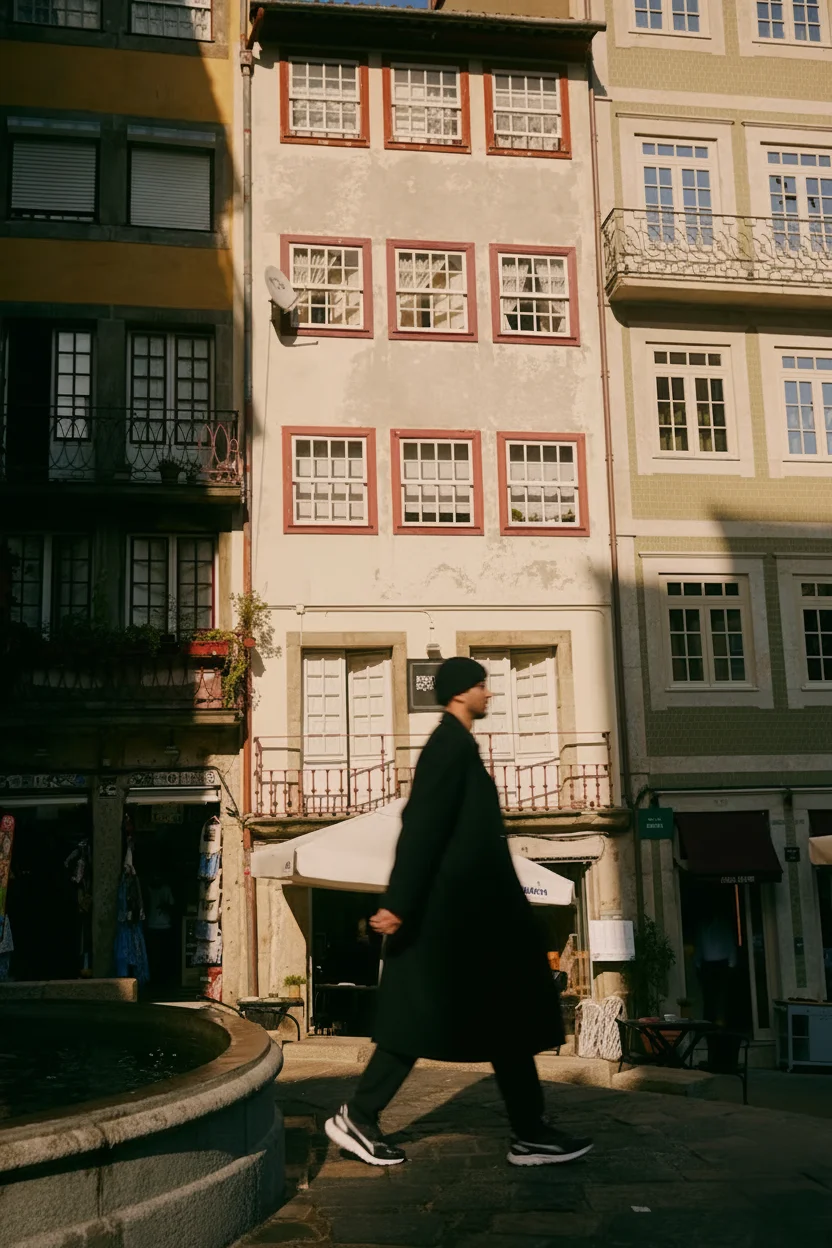
Welcome to Lisbon in February, when the city slows just enough to let you breathe. Days are mild, evenings cool, and the scent of roasted chestnuts still hangs in the air. Locals reclaim their favorite streets, and digital nomads find quiet corners between rain showers and late-afternoon sun.
Here’s what a typical winter day might look like:
-
Morning espresso by the Tagus River
-
A walk through Alfama’s tiled hills
-
Lunch near Praça do Comércio
-
Fado music drifting through Bairro Alto at night
This isn’t high season—it’s the calm between celebrations. The perfect time to visit and explore Lisbon’s culture, history, and rhythm without the rush.

February Weather in Lisbon: Mild Days and Cozy Nights
February in Lisbon is winter at its gentlest. The weather rarely dips below 10°C, the air smells faintly of sea salt, and morning light filters across the tiled rooftops. While northern Europe is still frozen, Lisbon offers soft days for walking, thinking, and working between café stops.
What to expect this month:
-
Average highs around 55°F (13°C) and lows near 46°F (8°C)
-
Occasional rain showers—bring a folding umbrella
-
Plenty of clear afternoons perfect for sunset walks
It’s a quiet, low season for visitors, meaning lower prices and more space in your favorite coworking cafés. Dress in layers, keep a warm coat for evenings, and you’ll find the city’s rhythm perfectly balanced between rest and renewal.
Festivals, Carnival & Special Events in Lisbon In February
February in Lisbon hums with energy long before the tourists return. This is the city’s creative month — when winter’s calm meets the pulse of music, performance, and tradition. Across the streets of Alfama, Bairro Alto, and Baixa, you’ll hear rehearsals, laughter, and drums echoing from old stone walls.
Lisbon Carnival: Color, Humor, and Community
Carnival isn’t just a weekend—it’s a season. By early February, the city’s plazas begin hosting neighborhood rehearsals and themed nights that lead up to the official parade. Praça do Comércio turns into a stage for samba groups, while Avenida da Liberdade fills with costumes and brass bands. Locals love the chaos; visitors love how inclusive it feels.
If you’re up for a cultural day trip, head north to Torres Vedras Carnival, one of Portugal’s most famous celebrations. Its satire-filled floats and cross-dressed matrafonas performers make it a living museum of Portuguese humor. Trains from Lisbon take about an hour — a fun, low-cost winter escape.
Music and Art Festivals in February Lisbon
Beyond Carnival, special events bring warmth to cooler nights.
-
Antena 2 Festival (early February): Concerts highlighting Portuguese orchestras and contemporary composers.
-
ID NoLimits Festival (late February): Lisbon’s avant-garde answer to electronic music, uniting artists from all over Europe.
-
Candlelight Concerts at Altis Grand Hotel: Classical tributes like The Best of ABBA, performed under hundreds of candles.
If you prefer something outdoors, catch the pre-Carnival block parties in Bairro Alto—part impromptu rehearsal, part citywide jam session.

Why February Is the Perfect Cultural Season
Fewer crowds mean front-row views and discounted tickets. Even museums and cultural centers extend hours this month to welcome visitors seeking warmth through art. Digital nomads often plan their trip around these events, breaking work routines for a bit of rhythm and connection.
Lisbon proves that winter doesn’t have to be quiet—it just changes tempo. The drums, lights, and late-night conversations are reminders that this city never really rests, it just improvises.
Looking to balance work and Carnival fun? Explore RentRemote fully furnished apartments in Lisbon near the city center—perfect for a quiet desk by day and samba by night. They come preinstalled with high speed WiFi and access to ergonomic desks and chairs - everything you need to make sure your work gets done as seamlessly as possible before the next Carnival starts.
Explore Lisbon’s Historic Heart: From Praça do Comércio to São Jorge Castle
In February Lisbon, the historic center slows down and feels more intimate. The streets glisten after a drizzle, tiled façades shine under soft sunlight, and café chatter replaces the buzz of peak tourist attractions. This is when the city’s oldest districts—Baixa, Alfama, and Mouraria—open up for unhurried discovery.
Praça do Comércio – Lisbon’s Grand Waterfront Square
Set along the Tagus River, Praça do Comércio (Terreiro do Paço) has anchored Lisbon’s trade and civic life for centuries. Today, it’s the starting point for most walking tours, offering architecture, views, and bites worth lingering over.

Things to do at Praça do Comércio:
-
Martinho da Arcada – Portugal’s oldest café, once frequented by Fernando Pessoa.
-
Museu da Cerveja – relaxed lunch spot with outdoor seating and river views.
-
Arco da Rua Augusta – climb (€3) for great views of the entire city and riverfront.
-
Cais das Colunas – perfect for free sunset photos as ferries cross the Tagus River.
It’s one of Lisbon’s must see squares, and in February, you get it nearly to yourself—a rare luxury in Europe’s westernmost city.
São Jorge Castle, Lisbon’s Hilltop Guardian
Climb through Alfama’s labyrinth of streets to reach São Jorge Castle, the fortress that crowns Lisbon’s skyline. With the crowds gone, you can pause on the ramparts and hear nothing but wind through the pines and the call of seagulls over the Tagus River.
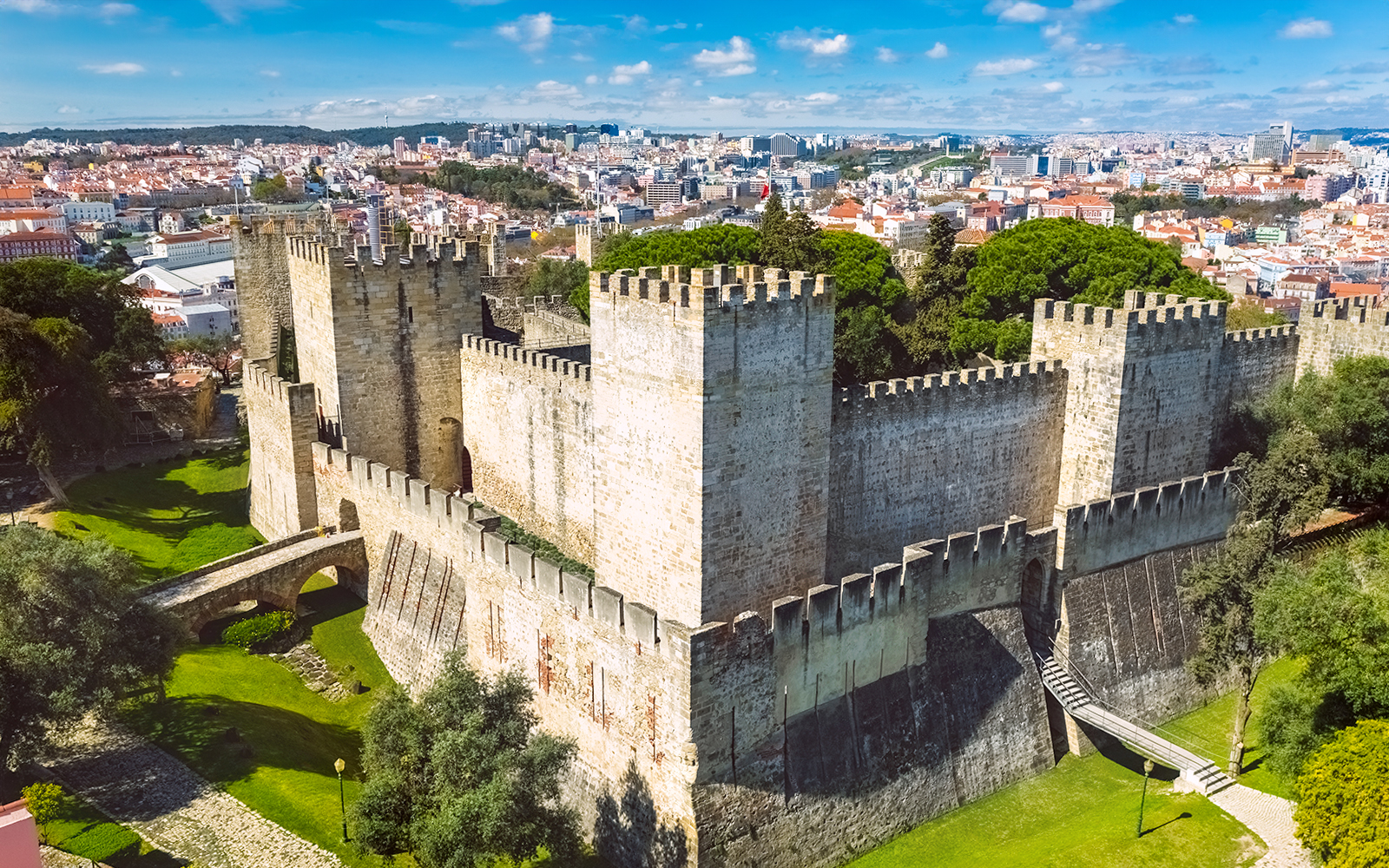
Things to do at São Jorge Castle:
-
Walk the castle ramparts for great views over the whole city.
-
Visit the permanent exhibition for Moorish ceramics and medieval relics.
-
Stop at Mercearia Castelo for espresso and pastel treats above the rooftops.
-
Follow the quiet walking path to Miradouro da Graça for another sunset angle.
Few attractions combine Lisbon’s past and present this seamlessly—the castle’s walls feel alive with every century they’ve seen.
Santa Justa Lift, Iron Elegance Above the Streets
In Baixa, the Santa Justa Lift (Elevador de Santa Justa) rises between old stone buildings, connecting downtown to Bairro Alto. Designed by Raoul Mesnier de Ponsard, a student of Eiffel, it’s both transport and art—an open-air balcony above the city’s daily rhythm.
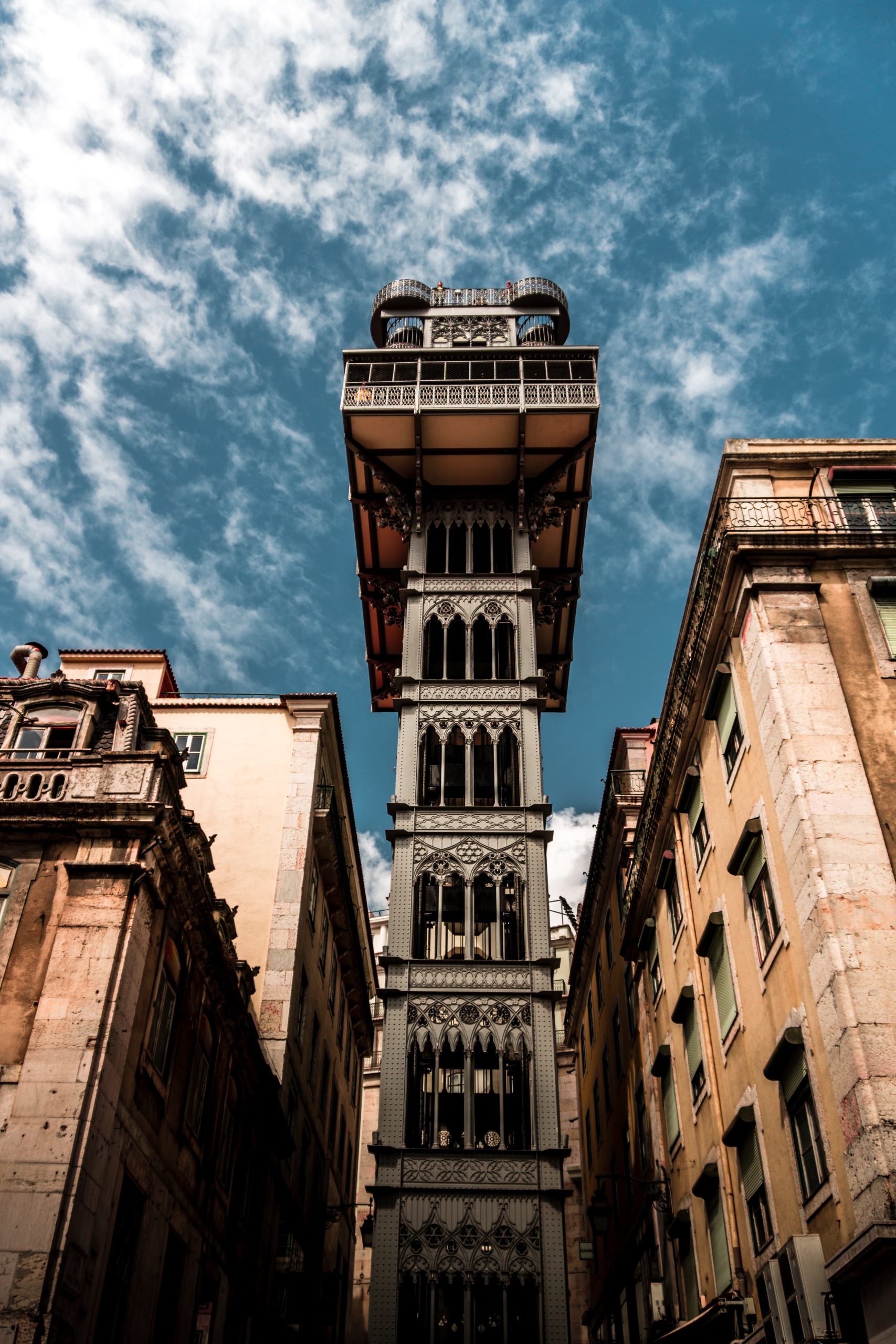
Things to do around Santa Justa Lift:
-
Ride the lift at twilight for cinematic photos of the monuments below.
-
Step into the Convento do Carmo ruins nearby—one of Lisbon’s most peaceful winter sites.
-
Grab a pastel de nata and espresso at Fábrica Lisboa before exploring Chiado.
-
Wander Chiado’s bookshops and boutiques on a self-guided tour back toward Alfama.
Each corner of Lisbon’s old town offers something different: history, flavor, and small moments of calm that feel impossible during high season.
Discover Art, Architecture & Museums Without the Crowds
Winter brings out Lisbon’s quieter side, when you can wander its museums and galleries without queues or noise. February Lisbon is ideal for digital nomads who love slow culture—fewer tourists, discounted tickets, and time to see the city’s creative evolution at your own pace.
National Tile Museum – A Story Told in Azulejos
Housed inside the former Madre de Deus Convent, the National Tile Museum (Museu Nacional do Azulejo) reveals how Portugal’s iconic blue tiles became both art and identity. Its permanent exhibition traces five centuries of craft, from Moorish beginnings to Baroque splendor.
Things to do at the National Tile Museum:
-
Walk through the cloisters lined with 16th-century azulejos depicting Lisbon before the 1755 earthquake.
-
Check out the Grande Panorama de Lisboa, a 23-meter masterpiece showing the entire city in tile form when you visit.
-
Stop by the on-site café for a coffee break among the arches.
-
Drop in on Sunday morning—the entry is free until 2 p.m.
It’s one of Lisbon’s most underrated museums, and in winter, it’s rarely crowded, giving you the luxury of time to linger.
MAAT – Contemporary Art on the Riverfront
Further west in Belém, the MAAT (Museum of Art, Architecture and Technology) celebrates contemporary art in a building shaped like a wave. The museum’s curving roof doubles as a lookout terrace—perfect for a winter sunset when the river glows pink.
Highlights for visitors:
-
Explore rotating exhibits by Portuguese and international artists—many tied to sustainability and design.
-
Step onto the rooftop for one of Lisbon’s great views of the 25 de Abril Bridge.
-
Combine your visit with a riverside walk toward the Jerónimos Monastery or the LX Factory district.
-
Café MAAT offers minimalist interiors and quiet outdoor seating, a nice break between emails.
For nomads interested in creative inspiration, this is where Lisbon feels global—modern, reflective, and refreshingly uncluttered.

National Pantheon – Echoes of Portugal’s History
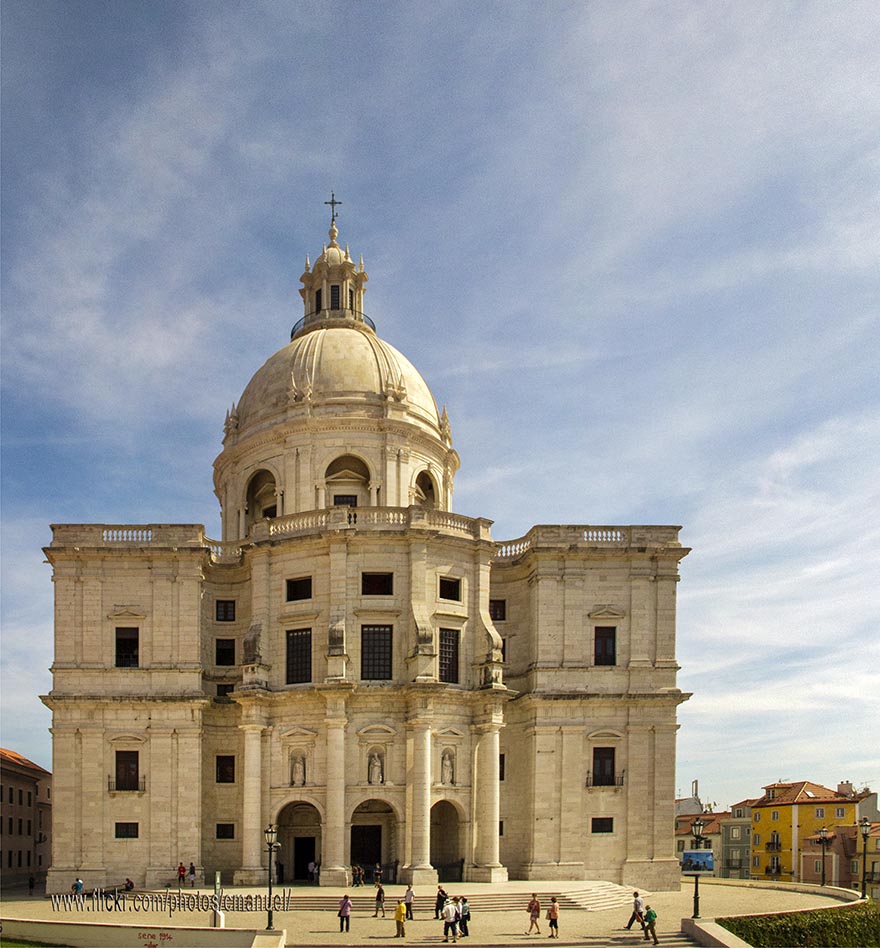
A few metro stops away in Alfama stands the National Pantheon, a marble monument that holds the tombs of Portugal’s greatest explorers, writers, and presidents. Inside, the acoustics amplify every step and whisper, creating an atmosphere both sacred and cinematic.
Things to see inside the National Pantheon:
-
The domed interior, patterned with pink and cream marble.
-
The resting place of Amália Rodrigues—the queen of Fado.
-
A spiral climb to the rooftop terrace for panoramic views of Lisbon’s skyline and harbor.
-
A quiet reading spot for those who work best surrounded by centuries of history.
February’s cool mornings make it the perfect time to visit—no lines, no rush, just perspective on a country that shaped the world through discovery.
Whether you’re hopping between museums or sketching the skyline from a riverside bench, this month invites reflection. Fewer crowds mean more meaning in every space you enter.
Want to base yourself near Lisbon’s cultural quarter? Explore RentRemote apartments close to Belém and Bairro Alto—ideal for workdays that end with a museum walk.
Riverside Walks & Views Along the Tagus River
The Tagus River is Lisbon’s quiet season gift—broad, gleaming, and almost still. In February Lisbon, its promenades belong to locals, couples, and remote workers stretching their legs between calls. It’s a great place to clear your head, catch the light off the water, and rediscover why Lisbon feels bigger than the city’s map suggests.
Miradouro de Santa Luzia – The Classic Lisbon Viewpoint
Few scenes in Europe are as timeless as the view from Miradouro de Santa Luzia. With its tiled benches, arched terraces, and vines curling around columns, it’s the kind of spot you never forget. Come in the morning for mist over Alfama or stay until the sunset when rooftops fade into gold.
What to do at Miradouro de Santa Luzia:
-
Order a coffee at Quiosque das Portas do Sol, right next door, for panoramic great views.
-
Listen to live Fado buskers who perform in soft winter light.
-
Walk five minutes uphill to São Jorge Castle for a different angle of the entire city.
-
Visit nearby Museu de Artes Decorativas for design inspiration and quiet courtyards.
In February, you might have the terrace almost to yourself—a rare moment in Lisbon’s most photographed balcony.
Romantic Walks by the Tagus River
The riverside path stretching from Cais do Sodré to Belém is a living postcard. Couples stroll hand-in-hand past ferry docks and street murals, while cyclists glide past pop-up cafés and local markets.
Ideas for a riverside afternoon:
-
Cais do Sodré to MAAT: a gentle walking route with stops for espresso or vinho verde by the water.
-
Valentine’s Day cruises: small-boat tours offering champagne toasts under the bridge lights.
-
Champalimaud Foundation Garden: minimalist architecture and river views perfect for photos or quiet work breaks.
-
Stop for pastries at Manteigaria, known for the city’s crispiest pastel de nata.
It’s free, scenic, and endlessly adaptable—a fun way to see how locals live with the water rather than around it.
Jardim Botto Machado & Tropical Gardens – Lisbon’s Green Corners
Even in winter, Lisbon’s tropical plants thrive. Between Alfama and Belém, hidden parks bring color to gray days and shade to sunny ones. The Jardim Botto Machado, next to the flea market, offers benches with skyline views, while the Jardim Botânico Tropical near Belém feels like stepping into another region of the world.

Where to slow down:
-
Jardim Botto Machado: ideal for reading or journaling mid-morning; you’ll overlook Alfama’s tiled maze.
-
Jardim Botânico Tropical: palm-lined paths and greenhouses filled with banana leaves and orchids.
-
Jardim da Estrela: slightly inland but worth the detour for pond reflections and tropical plants.
-
Nearby cafés like Pois Café (Alfama) and A Margem (Belém) welcome laptops and conversation.
These gardens prove that Lisbon’s calm isn’t only indoors. Here, productivity and peace share the same bench.
Belém Wonders: Jerónimos Monastery to Belém Tower
Belém holds Lisbon’s maritime soul. Its broad riverfront is where caravels once departed for unknown continents, and where winter sunlight now spills across white stone and palm-lined gardens. In this quieter region, February feels like the pause between journeys—a time to wander, reflect, and reconnect with the country’s long conversation with the sea.

Jerónimos Monastery – Lisbon’s Timeless Masterpiece
Few places in Lisbon match the grace of the Jerónimos Monastery, carved from pale limestone that glows at dusk. Inside, gothic arches open into cloisters where silence lingers, and centuries of artistry meet the Atlantic air.
What to see at the Jerónimos Monastery:
-
The Church of Santa Maria de Belém, final resting place of Vasco da Gama.
-
Ornate columns detailed with ropes, shells, and celestial motifs—symbols of discovery.
-
The Chapterhouse, where sunlight filters across the carved ceiling.
-
Nearby cafés serving espresso and flaky custard pastries fresh from the oven.
This is one of Lisbon’s true must see landmarks, and visiting in February gives you something travelers in summer miss—stillness.
Belém Tower – Stone and Sea
Further west, the Belém Tower (or Torre de Belem) rises beside the river like a sentinel. Built to protect the harbor, it now stands as a reminder of Portugal’s Age of Discovery—an icon both proud and peaceful.
Things to do near Belém Tower:
-
Climb the narrow staircase for terrace views over the water.
-
Walk to the Monument to the Discoveries—its carved explorers looking out toward the world they once mapped.
-
Sit along the embankment in the afternoon light and watch ferries glide past.
-
Visit the small Museu de Marinha nearby for ship models and navigation charts.
The stonework catches fire at sunset, and the wind carries a rhythm that feels almost musical. Few moments feel as complete.
Between the Landmarks – Gardens, Cafés, and Easy Afternoons
Between monastery and tower lies a riverside stretch that rewards dawdling: tree-shaded paths, lawns edged with fountains, and small stalls selling roasted almonds.
Stops worth your time:
-
A Margem Café – minimalist glass pavilion facing the river.
-
Pastelaria Careca – beloved weekend stop for warm croissants.
-
Jardim Vasco da Gama – benches under plane trees, perfect for reading or reflection.
-
MAAT rooftop – a gentle climb for panoramic views of Lisbon’s bridges and skyline.
Belém isn’t a rush of sights—it’s rhythm, air, and continuity. The kind of great time that takes place when you let the week unfold without hurry.

LX Factory & Bairro Alto: Lisbon’s Creative Pulse
Between river and rooftops, Lisbon hums with creative energy. February softens the pace but not the spirit—studios still buzz, cafés fill with sketchbooks and laptops, and live shows spill into the streets by night. This is where the city’s bohemian heart beats loudest, even in winter.
LX Factory – Lisbon’s Industrial Creative Hub
Built inside a 19th-century textile complex, LX Factory has become Lisbon’s blueprint for artistic renewal. Murals climb the brick walls, design shops share courtyards with cafés, and warehouse lights glow long after dark.
Where to go inside LX Factory:
-
Ler Devagar – a soaring bookshop under an old printing press; a great place to spend an hour.
-
Underdogs Gallery – contemporary works from emerging artists across Lisbon’s neighborhoods.
-
Delta Coffee House – take a coffee break by the river at this modern cafe that powers both the resident creatives and new visitors.
LX Factory is more than a stop—it’s proof that creativity never takes a season off.

Do Príncipe Real to Bairro Alto – Bohemian Streets and Late-Night Energy
From Do Príncipe Real’s leafy square, it’s a short walk to Bairro Alto, Lisbon’s after-hours labyrinth. Bars and record stores open late, and laughter echoes through cobbled streets that feel lifted from another era.
Spots worth a wander:
-
Embaixada – a neo-Moorish palace turned design market, ideal for winter browsing.
-
Park Bar – a rooftop terrace above a parking garage, open for cocktails at sunset.
-
A Cevicheria – a Peruvian-Portuguese fusion restaurant where artistry meets flavor.
-
Galeria Zé dos Bois – intimate venue hosting indie shows and art events on Saturday nights.
Come for an evening tour, stay for the people—Lisbon’s creative crowd welcomes conversations that last long past midnight.
Elevador da Bica: The Iconic Ride Through Lisbon’s Artistic Quarter
The Elevador da Bica climbs one of Lisbon’s steepest hills, linking Cais do Sodré’s nightlife with the quieter upper lanes. Painted yellow and splashed with graffiti, it’s a moving postcard of Lisbon’s everyday beauty.
Ways to enjoy the ride:
-
Take the tram uphill, then walk down for photos of murals and balconies.
-
Stop by Noobai Café near the top for coffee and coastal light.
-
Visit nearby ateliers selling ceramics and handmade notebooks.
-
Pause for buskers who turn the lane into an open-air gallery.
Few attractions blend art and motion so perfectly. It’s Lisbon condensed into one slow climb—a brief journey that feels like a story.
Lisbon’s creative pulse doesn’t fade in February; it just plays a different rhythm. Between LX Factory’s workshops and Bairro Alto’s night glow, the city’s imagination keeps working overtime, turning quiet months into inspiration.
Best Day Trips from Lisbon in February
Winter is the perfect time for slow travel—short daylight, mild weather, and fewer crowds mean that short escapes from Lisbon feel unhurried and personal. From coastal towns to royal retreats, these day trips showcase Portugal’s softer side. You’ll trade the city’s noise for seaside air, mossy forests, and cafés where the same locals sit every morning.
| Destination | Travel Time (Train/Car) | Highlights | Ideal For |
|---|---|---|---|
| Sintra | 40 min by train from Rossio | Palaces, gardens, and Quinta da Regaleira | Art lovers, photographers |
| Cascais | 35 min by train from Cais do Sodré | Beaches, coastal walks, harbor cafés | Relaxed seaside day |
| Évora | 1 hr 30 min by car/train | Roman ruins, cathedral, whitewashed lanes | History enthusiasts |
| Each trip offers something different—a new rhythm, a different region, and just enough distance to make you fall in love with Lisbon all over again when you return. |
Sintra & Quinta da Regaleira – Palaces, Forests, and Fairytales
Just 25 kilometers away, Sintra feels like another country. Mist gathers on the hills, moss creeps along palace walls, and the air smells faintly of wet stone and camellias. In February, its cobbled lanes are quiet enough to hear fountains running.

How to spend the day:
-
Visit Quinta da Regaleira, a labyrinth of gardens, wells, and secret tunnels.
-
Stop by Pena Palace, painted in vivid reds and yellows, perched high above the region.
-
Have lunch at Tascantiga, a cozy tavern with traditional tapas.
-
Catch the train back before dusk—it runs roughly every 30 minutes.
Sintra’s magic is its mood: romantic, surreal, and made for those who don’t forget to look twice.
Cascais: Coastal Calm and Creative Cafés
Heading west from Lisbon, Cascais opens to the Atlantic with pastel villas and a calm marina. The walk from Estoril to Cascais is breezy and beautiful even in winter. Fewer visitors mean space to sit by the sea, write, or work between espressos.
How to spend the day:
-
Walk the seaside promenade in the morning, when the light is softest and the weather is just perfect.
-
Visit Casa das Histórias Paula Rego, a small museum dedicated to the Portuguese artist.
-
Try seafood at Mar do Inferno with tables facing the cliffs.
-
Rent a bike or scooter for a tour to Boca do Inferno’s natural arch.
Cascais in February is a gentle kind of freedom—the coastal breeze, the slower stride, and that feeling you might just miss your train on purpose.
Évora: Heritage in the Heart of Portugal
Two hours inland, Évora sits inside medieval walls surrounded by olive groves. It’s a city of scholars and stonemasons, where every afternoon feels suspended in amber light.

What to do on your Évora trip:
-
Visit the Roman Temple and the haunting Chapel of Bones.
-
Wander through Giraldo Square and sip coffee beneath the arcades.
-
Take a guided tours through vineyards nearby for a taste of local wines.
-
Browse handmade cork crafts and ceramics at weekend markets.
The journey there is part of the calm—train windows framing rolling fields and white villages. Other things may change, but Évora keeps its rhythm.
February’s shorter days invite balance: mornings on trains, evenings back in the city, stories written somewhere in between. These day trips remind travelers that even in quiet seasons, Lisbon’s surroundings are full of life.
Looking to plan a winter base for exploring nearby towns? Discover RentRemote fully furnished apartments in Portugal—perfect for nomads who like a little movement between work and wonder.

Where to Eat When Visiting Lisbon in February
February dining in Lisbon feels more intimate—tables near windows, quiet chatter, and kitchens running on slow comfort. With mild weather and fewer visitors, the city’s restaurants turn inward to hearty soups, grilled fish, and long lunches that stretch into the afternoon. You don’t need to spend much money to eat well; the best flavors here come from tradition, not trends.
Alfama: Tradition in Every Bite
In Alfama’s narrow lanes, family-run taverns keep recipes older than the tramlines. The scent of olive oil and garlic fills every corner, and live fado hums softly from behind wooden doors.
What to try:
-
Pois Café – bookshelves, brunch, and a calm morning workspace.
-
Clube de Fado – dinner with music, best enjoyed with grilled cod and red wine.
-
O Cantinho do Aziz – Mozambican curry, warm service, and modest prices.
Each meal feels like part of someone’s story—rich, slow, and made to help you rest between long walks.
Baixa & Chiado: Cafés and Everyday Comforts
Downtown cafés hum with the rhythm of daily life: notebooks, espressos, and steaming bowls of caldo verde. They’re the kind of spots that make you linger longer than planned.
Try these favorites:
-
Café Nicola – old-world charm for breakfast and people-watching.
-
A Padaria Portuguesa – reliable pastries and sandwiches for those looking to save money.
-
Palácio Chiado – modern Portuguese dining that balances price and polish.
These cafés prove that simplicity is still a great place to start any day in Lisbon.
Belém & Alcântara: Riverside Dining and Winter Warmth
Along the riverfront, kitchens glow behind glass walls as steam fogs the windows. Here, seafood defines the season—grilled sardines, octopus salad, and bowls of clam rice that taste like the country’s coastline.
Notable stops:
-
O Navegador – classic dishes, friendly staff, fair portions.
-
A Margem – minimalist design and sea views, popular on lazy Sundays.
It’s where workdays fade into warm plates and late-night conversation.
Príncipe Real: Modern Plates and Cozy Corners
North of downtown, Príncipe Real offers new energy: plant-based cafés, concept bars, and bistros where locals meet between studio sessions.
Go for:
-
The Food Temple – tucked in a small alley, serving seasonal vegan dishes.
-
A Cevicheria – a local favorite blending Peruvian brightness with Portuguese soul.
This neighborhood shows that dining here isn’t about indulgence—it’s about pacing yourself, savoring, and remembering there are always other things to taste tomorrow.
February turns eating into a slow ritual. Between market mornings, long lunches, and wine at twilight, travelers find that food tells Lisbon’s quietest stories. A great time to slow down, meet chefs, and taste the heart of winter.

Why February Is the Best Time to Visit Lisbon
First things first — February slows the tempo. Streets are calm, prices drop, and visitors find space to breathe. It’s a good week to explore without crowds or queues.
Those who come in winter often discover more than sights: a rhythm of small cafés, clear light after rain, and quiet corners made for reflection. The money you save on off-season travel buys extra mornings, longer lunches, and time to rest.
It’s the season to plan slower days, mix work with wander, and simply enjoy a great time without rush. By late February, the air hints at spring—a balance few cities manage. If there’s one thing not to forget, it’s how peaceful Lisbon feels when the world looks the other way.
Discover a slower side of travel—browse RentRemote stays designed for thoughtful workweeks and calm evenings in Portugal.
