
Lisbon has quietly transformed into one of Western Europe’s most desirable capitals for digital nomads, foreign residents, and young families. The Portuguese capital pairs its rich history with cobbled charm, startup energy, and gives newcomers a taste of city life that feels both global and grounded. Over the past few years, its mix of good weather, safety, and affordability has drawn EU citizens and non-EU citizens seeking a softer landing than in other major European cities.
For anyone considering living abroad, this city offers community without chaos—and inspiration without pressure. You’ll hear music from balconies, meet Portuguese nationals who genuinely welcome conversation, and find yourself learning greetings in the Portuguese language before you realize it.
At a glance:
-
Average rent (1-bed): €1,200–€1,600/month
-
Public transport pass: ~€45/month
-
Main areas: Central Lisbon, Alfama, Príncipe Real, Campo de Ourique
-
Good weather days: 280+ a year
-
Widely spoken English, especially in cafes and coworkings

What Expats Love About Life in the Portuguese Capital
Lisbon strikes a rare balance—an energetic vibrant city that still moves at a human pace. It’s an international city where Portuguese people and foreign residents share squares, sunsets, and stories.
It’s easy to live car-free in central Lisbon. Narrow lanes connect markets, coworking spaces, and plazas without the stress of rush-hour traffic.
Why EU citizens and non EU Citizens and Expats Love Lisbon
-
Reliable public transport (metro, trams, buses, ferries)
-
Compact city center filled with cafes and outdoor terraces
-
Plenty of affordable food and fresh food markets
-
Access to beaches within 30 minutes by train
Lisbon’s cultural rhythm is constant but never overwhelming. Street art, festivals, and food pop-ups fill the week, while quiet mornings by the river balance the energy.
Everyday highlights:
-
Cafés where Portuguese nationals and digital nomads mingle
-
Language exchanges that help you learn Portuguese naturally
-
Easy ways to make new friends—meetups, coworking hubs, and park concerts
For many EU citizens, living in Lisbon offers the same creative spark found in major European cities—only with ocean views and warmer smiles.

Cost of Living in Lisbon Compared to Other European Capitals
Portugal’s capital remains one of the most affordable places to settle in Western Europe, though property prices and Lisbon rents have climbed over the past few years. The cost of living still undercuts major European cities, offering the comfort of a fantastic place to live without the stress of sky-high bills.
Average monthly expenses for one person:
| Category | Lisbon (€) | Madrid (€) | Berlin (€) | San Francisco (USD) |
|---|---|---|---|---|
| Rent (1-bedroom) | 1,400 | 1,600 | 1,700 | 3,000 |
| Groceries | 250 | 300 | 320 | 500 |
| Private health insurance | 60 | 90 | 110 | 300 |
| Transport | 45 | 55 | 70 | 130 |
| Utilities & Internet | 120 | 130 | 150 | 250 |
| Cost of living Index | 66 | 73 | 78 | 90 |
| Even as the tourism boom drives demand, everyday life in Lisbon stays manageable if you know where to look. |
Money-saving essentials:
-
Eat at local tascas for affordable food under €10.
-
Shop at open-air fresh food markets like Mercado da Ribeira.
-
Skip taxis—public transportation and trams reach nearly every neighborhood.
-
Choose well-insulated apartments; older homes may lack central heating.
-
Compare private medical insurance options before committing long-term.
For expat life, Lisbon’s balance of comfort, cost, and community makes it a standout among other major European cities. It offers the atmosphere of European capitals with the prices of a seaside town—and that’s rare anywhere in Western Europe.
Finding a Home – Living in Lisbon Long Term
The Lisbon metropolitan area has changed dramatically over the past few years. A steady tourism boom and growing digital nomad arrivals have pushed property prices up, but opportunities remain for those who explore beyond the postcard views of central Lisbon.
Best districts for different lifestyles:
-
Alfama: Steep, historic lanes with traditional charm; ideal for cultural immersion.
-
Príncipe Real: Trendy, green, and social—favored by young people and creative professionals.
-
Campo de Ourique: Family-friendly, quiet, and full of parks—perfect for young families.
-
Parque das Nações: Modern, flat, and efficient; popular with foreign residents working in tech.
-
Graça: Affordable apartments and sweeping views, still within walking distance of the city center.
While Lisbon’s rental demand remains high, patience pays off. Portuguese bureaucracy can slow lease approvals, and you’ll likely need to visit the local tax office or secure documents through a Portuguese company if renting long-term.
Tips for navigating the market:
-
Start your search two to three months before moving.
-
Expect deposits equal to two months’ rent.
-
Work with local agents fluent in English to simplify paperwork.
-
Consider renovated buildings for reliable heating and soundproofing.
Rising property prices haven’t stopped new arrivals—many still find Lisbon more affordable than other European countries. If you plan to stay a few years, renting or buying early can lock in better rates and help you feel at home faster.
Explore fully furnished apartments in Lisbon curated for digital nomads to simplify your move and start your next chapter in comfort.
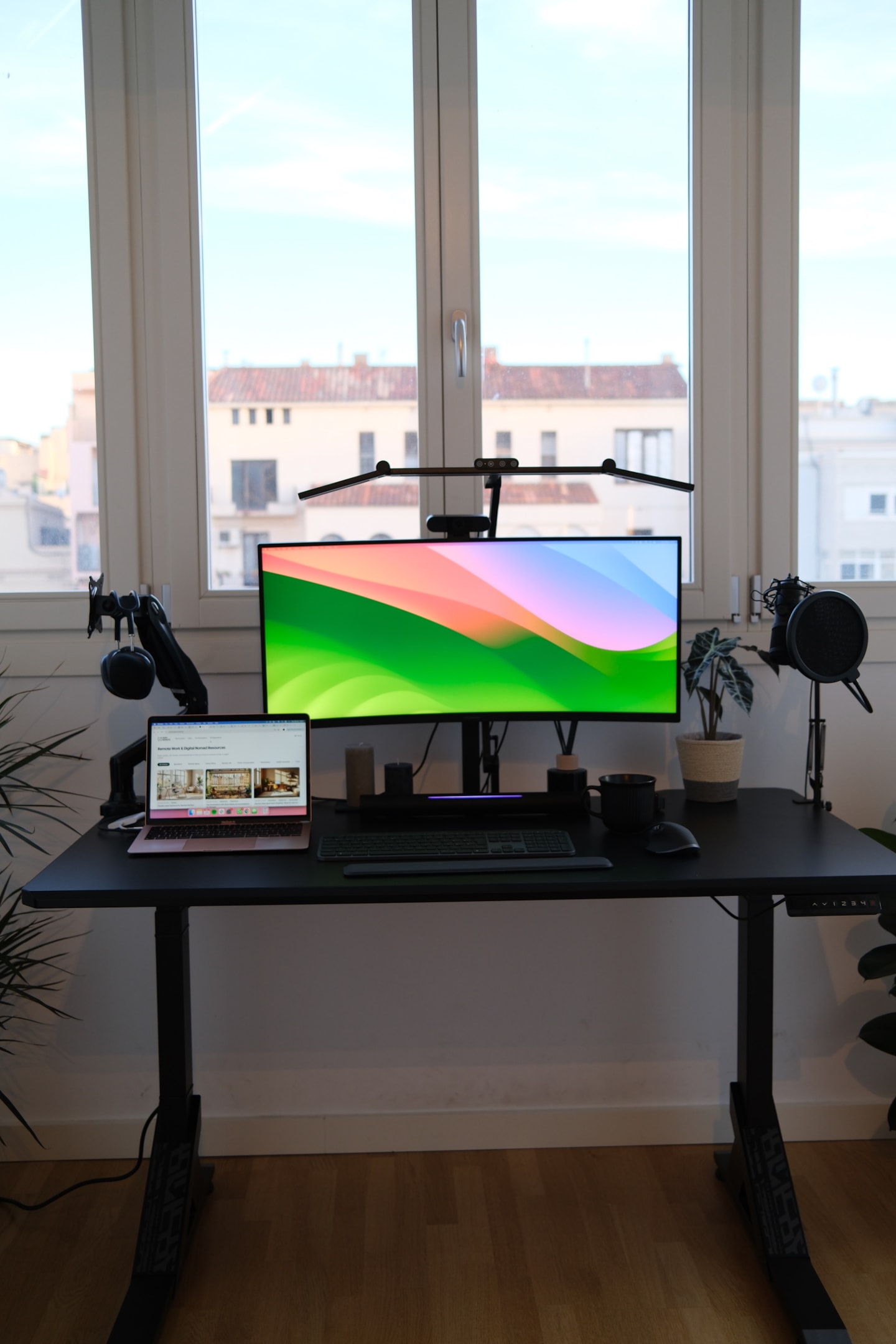
Navigating Expat Life and the Digital Nomad Visa in Portugal’s Capital
Lisbon is a classic example of how European capitals can reinvent themselves for a new generation of digital nomads and non-EU citizens. Its expat community has grown rapidly, supported by flexible visa programs, affordable private health insurance, and a thriving job market shaped by the growing tech scene.
Visa and residency essentials:
-
The Digital Nomad Visa allows remote professionals earning over €3,000 per month to live and work in Portugal’s capital.
-
EU citizens can register residency directly through local offices.
-
Non-EU citizens apply via embassies or consulates before arrival.
-
All residents must register for healthcare, either through the Portuguese government or private medical insurance.
-
Proof of income, Document A, and a valid lease agreement are standard requirements.
Where work and lifestyle meet:
-
Coworking spaces like Heden, Second Home Lisboa, and IDEA Spaces offer modern setups with sea views.
-
The job market favors remote work, tech startups, and English-speaking roles.
-
Meetups and creative hubs make it easy to connect with other digital nomads.
-
Cafés in central Lisbon double as informal offices with strong Wi-Fi.
For many EU citizens and non-EU citizens alike, living in Lisbon offers freedom and structure in equal measure—a place to chase opportunity while enjoying the rhythm of Portugal’s capital.
Learning the Portuguese Language and Making New Friends
The Portuguese language adds depth to expat life and helps transform daily routines into cultural connection. While English is widely spoken, making the effort to learn Portuguese opens doors to friendships and smoother interactions with Portuguese nationals in cafés, coworkings, and local markets.
Where to start learning:
-
Instituto Camões: Offers structured courses for beginners to advanced learners.
-
Portuguese Connection: Small-group classes in central Lisbon with flexible schedules.
-
Online platforms: Babbel, Italki, and Duolingo are great for learning basic Portuguese before arrival.
How to build your circle:
-
Join community meetups for digital nomads and creatives.
-
Attend language exchanges or networking nights—great ways to meet foreign residents and locals alike.
-
Explore coworking spaces where Portuguese nationals collaborate with international teams.
-
Volunteer with local NGOs to practice Portuguese and connect with neighbors.
After just a few weeks, you’ll start using local phrases the same way you would in your own city. Building new friends through shared routines and daily chats quickly turns living in Lisbon into feeling at home.

Education and International Schools in Lisbon
For families living in Lisbon as an expat, education is a key factor when deciding where to settle. The Portuguese capital offers a wide network of international schools that cater to both EU citizens and non-EU citizens, many following the same programs taught across EU countries. Over the past few years, demand has surged as many young families relocate to Portugal’s capital for better work-life balance and reliable schooling.
Top-rated international schools in Lisbon:
-
Carlucci American International School – an American-curriculum institution in Sintra known for strong academics and extracurricular programs.
-
Lycée Français Charles Lepierre – delivers the French national program, conveniently located in central Lisbon.
-
Deutsche Schule Lissabon – one of the oldest international schools in Western Europe, offering a bilingual German-Portuguese education.
-
International Preparatory School – British-style learning environment, small class sizes, and emphasis on creativity.
Why families choose Lisbon for education:
-
Global curricula that align with those in other European countries.
-
Welcoming environment for foreign residents and young families.
-
Schools surrounded by safe neighborhoods and easy public transport access.
-
Balanced tuition costs compared with northern Europe or other European countries.
For parents planning to stay a few years, these international schools offer continuity and community—helping children feel at home while studying in an amazing country rich in culture and opportunity. Explore fully furnished apartments in Portugal near leading schools to simplify your family’s transition.
Getting Around the Portuguese Capital – Public Transport and Connectivity
Lisbon is a very walkable city built on seven hills, where trams climb steep streets and ferries glide across the Tagus. Whether you’re commuting to work or exploring new corners of Portugal’s capital, public transport makes everyday life effortless.
Getting around the city:
-
Metro: Four clean and reliable lines connecting the city center with residential districts and coworking hubs.
-
Trams: The historic Tram 28 winds through Alfama and Graça—one of the best ways to explore Lisbon at street level.
-
Buses and ferries: Affordable and punctual, linking central Lisbon with suburbs across the river.
-
Public transportation passes: Cost around €45 per month and cover all systems.
Connected beyond the city:
-
Tap Portugal and other carriers offer cheap flights to European capitals and other European cities within two to three hours.
-
Trains reach Porto, Madrid, and even Paris for easy weekend escapes.
-
Highways and regional buses connect to other European countries efficiently.
With its compact layout and consistent public transportation, Lisbon rivals major European cities for convenience—only with ocean views and palm-lined stops. For anyone planning to stay long term, the city’s scale and simplicity make daily life feel light.
Challenges of Living in Lisbon
Even the most charming places come with trade-offs, and living in Lisbon is no exception. The city’s character is part of its appeal, but it also means adjusting to quirks that can surprise newcomers.

What takes getting used to:
-
Rising costs: The tourism boom has lifted property prices and pushed Lisbon rents higher than they were a few years ago.
-
Weather and housing: Winters are mild but damp, and older apartments often lack central heating. Pack sweaters—it’s the local solution.
-
Limited green space: Some districts have almost no parks, though Jardim da Estrela and Parque Eduardo VII offer welcome breaks.
-
Pace of paperwork: Portuguese bureaucracy can slow down rentals, visas, or utilities setup. A little patience goes a long way.
-
Earnings gap: Average Portuguese salaries remain lower than in northern Europe or western European cities, so budgeting carefully helps.
Despite these hurdles, living in Lisbon as an expat still feels rewarding. The rhythm of daily life, the warmth of Portuguese nationals, and the sense of safety outweigh the frustrations of red tape or humidity. Those who stay a few years learn that imperfection is simply part of the city’s rhythm—and part of what makes it real.
The cost of living, Portuguese people, and the variety of experiences Lisbon offers makes this vibrant city comparable to cultural heavy hitters like San Francisco and New York. It's a fantastic place to live, work, and bring up a family overall.
Explore Lisbon's best neighborhoods for expat life—start with Graça and Belém on RentRemote's Digital Nomad Neighborhood Guides to Lisbon Portugal.
