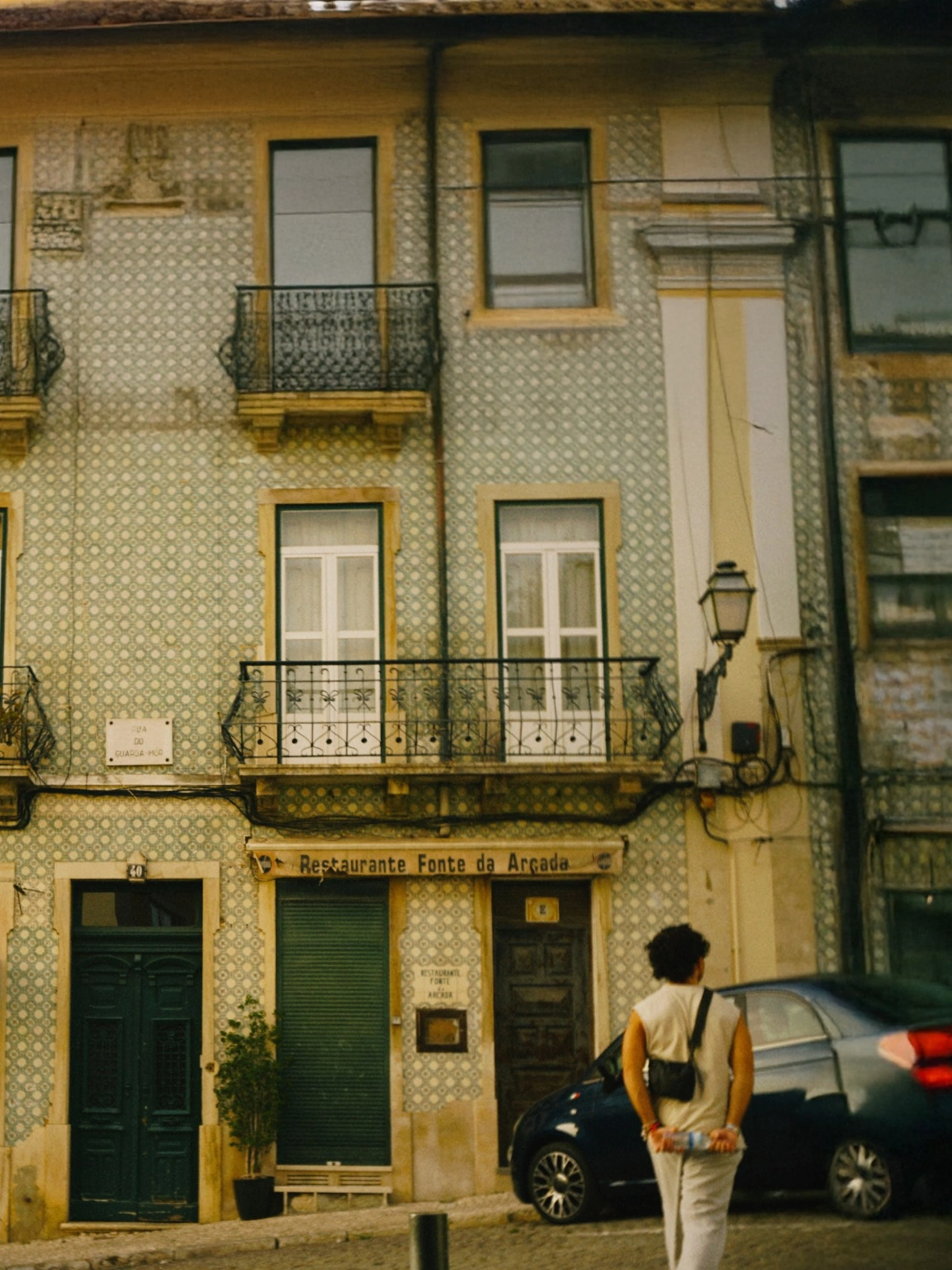
Lisbon isn’t a city you rush. Between the scent of roasted chestnuts, echoing tram bells, and sunlight bouncing off Azulejo tiles, the Portuguese capital asks you to slow down. Deciding how many days to visit Lisbon depends on what kind of traveler you are: a checklist explorer or a café lingerer.
For a first time visitor, three to five days in Lisbon strike the perfect rhythm. You can climb Castelo de São Jorge, glide up the Elevador de Santa Justa, wander the city center markets, and still linger over a pastel de nata beside the Tagus River. Add a day trip to Sintra for palaces and forest air, and you’ll feel how deeply Portuguese history runs through this historic town.
In just a few days, you can:
-
Climb Castelo de São Jorge for sweeping views of the city center.
-
Ride the Elevador de Santa Justa and stroll across Rossio Square.
-
Enjoy coffee and a pastel de nata by the Tagus River.
-
Take a day trip to Sintra to see the bright towers of Pena Palace in the nearby historic town.
Whether you’re mapping out a quick escape or a few extra days working remotely, this Lisbon itinerary reveals how to balance main sights, downtime, and day-trip magic.

How Many Days to Visit Lisbon: The Quick Answer
Three to five days in Lisbon give you the essence without the rush. The city center is compact yet packed with tourist attractions, scenic overlooks, and cafés on every corner.
-
2 Days: Start in Alfama’s maze like streets, visit Lisbon Cathedral, scale Castelo de São Jorge, and toast sunset in Bairro Alto.
-
3 Days: Add Belém, home to the Jerónimos Monastery, Torre de Belém, and the birthplace of pastéis de Belém.
-
5 Days: Work in LX Factory, take a full day trip to Sintra, and explore modern Lisbon along Parque das Nações.
Lisbon’s seven hills can test your legs, but frequent trams and public transportation cards make exploring effortless.
Trip Length at a Glance — 1 to 5 Days Compared
| Stay Length | What You Can Do |
|---|---|
| 1 Day | See the main attractions—Castelo de São Jorge, Lisbon Cathedral, and the Elevador de Santa Justa—but expect a sprint. |
| 2 Days | Focus on Alfama, Baixa, and Belém; climb viewpoints like Miradouro das Portas do Sol, Miradouro de São Pedro, and sample pastéis de Belém. |
| 3 Days | The “sweet spot” for most travelers—add Bairro Alto, Chiado, and the Jerónimos Monastery; take in fado over dinner. |
| 4 Days | Visit museums such as the Gulbenkian Museum or explore creative hubs like LX Factory. Enjoy longer lunches and more coffee shops. |
| 5 Days + | Ideal for slow travel—include day trips to Sintra and Cascais, plus modern areas like Parque das Nações and the Oceanário de Lisboa. |
| Most visitors find 3 to 4 days perfect: enough for all tourist attractions without the rush, yet short enough to leave you wanting a next trip. |

Planning Your Days in Lisbon Itinerary
Think of Lisbon as a layered map of viewpoints, river walks, and creative enclaves. A balanced Lisbon itinerary alternates between headline landmarks and the small joys that make you love Lisbon.
Day 1 – Alfama & Baixa: The Foundations
Begin in Alfama, the oldest neighborhood in town. Enter Lisbon Cathedral at morning light, then climb to Castelo de São Jorge for sweeping views of the entire city. Walk the castle walls, then pause at Miradouro de Santa Luzia—terracotta rooftops, church bells, and fado melodies drift through the air.
Wander downhill toward the Santa Justa Lift on Rua Augusta; ride up for skyline photos. If you have a few hours left, a guided walking tour through Alfama uncovers hidden gems like tile workshops and tucked-away taverns.
Day 2 – Belém & the Maritime Legacy
Board tram 15 using your public transportation pass and glide west to Belém, Lisbon’s showcase of maritime heritage and royal grandeur.
-
Jerónimos Monastery – a dazzling UNESCO World Heritage Site, resting place of Vasco da Gama.
-
Torre de Belém – 16th-century fortress guarding the river mouth.
-
National Palace of Ajuda – crystal chandeliers and royal portraits tell stories of rich history.

Between sites, treat yourself to warm pastéis de Belém and stroll the promenade of colorful buildings by the Tagus River.
Day 3 – Bairro Alto & LX Factory: The Creative Beat
Grab a delicious breakfast at Fauna & Flora, then walk up Praça Luís de Camões into Bairro Alto’s charming streets.
-
Pause at Miradouro São Pedro de Alcântara for a unique perspective across the entire city.
-
Shop at design boutiques or art galleries, then head to LX Factory—industrial chic meets culinary delights.
-
As evening falls, join locals for fado or rooftop drinks; the district’s vibrant nightlife rolls past midnight.
Want exact routes, tram stops, and more cafés? Browse our Lisbon Neighborhood Guide to Bairro Alto and Belém for detailed breakdowns, places to visit, and remote-work picks.

Navigating Lisbon’s City Center
Lisbon’s city center — the twin hearts of Baixa and Chiado — is where royal ambition meets modern Lisbon flair. This is the part of the Portuguese capital where neoclassical façades rise over mosaic pavements, and trams glide past designer boutiques. It’s walkable, photogenic, and full of historical landmarks that reveal centuries of reinvention.
Getting Around Efficiently
Lisbon’s core is compact, so you can cross it in less than half an hour — or spend all day admiring the details.
-
Metro & Trams: Four metro lines link the downtown to nearly every neighborhood. Hop the vintage 28E tram through Alfama or the 15E to Belém for a moving postcard of the main sights.
-
Transit Tips: Public transportation is fast, frequent, and affordable. Use Google Maps for route estimates, but expect charming confusion — side alleys and staircases often lead to hidden gems.
-
Pass Hack: The 24-hour Viva Viagem card or Lisbon Card covers metro, tram, and ferry. Both are great for travelers packing multiple stops into one day trip.
-
Short Hop Options: For scenic shortcuts, tuk-tuks and Ubers are convenient on the steep hills — ideal between viewpoints like São Pedro de Alcântara and Praça Luís de Camões.
What to See in a Few Hours
If you only have a few hours, the city center offers an easy blend of architecture, energy, and flavor.
-
Rossio Square: The true crossroads of Lisbon — patterned pavements, ornate fountains, and coffee counters that hum from morning to midnight. (It's official name is Praça Dom Pedro IV, but Lisbon locals still call it Rossio Square!)
-
Rua Augusta: A pedestrian boulevard of cafés and boutiques leading straight to Praça do Comércio, framed by the Rua Augusta Arch. Climb it for sweeping views of the entire city and the Tagus River.
-
Chiado: Between Praça Luís de Camões and Largo do Carmo, peek into the elegant A Brasileira café and the ruins of the Carmo Convent — haunting reminders of Lisbon’s resilience.

Along the way, stop at Nicolau Lisboa for a delicious breakfast, or head to SEEN Lisboa for sunset cocktails that overlook the rooftops and bridges of modern Lisbon. It’s a short walk between grandeur and intimacy, past tiled façades that make everyone who visits say they love Lisbon.
Where to Stay in Central Lisbon
Base yourself in central Lisbon to minimize travel time and maximize serendipity. Every neighborhood has its mood:
-
Baixa/Chiado: Perfect for first time visitors—close to main attractions and elegant architecture.
-
Bairro Alto: For night owls; bars, music, and Miradouro de São Pedro all within a short walk.
-
Marquês de Pombal: Green avenues and beautiful gardens offer calm after sightseeing.
Most rentals are near public transportation lines and coworking hubs. It’s a great location for digital nomads planning their first trip or scouting their next trip.
Settling in for remote work? Browse RentRemote’s furnished apartments in Lisbon with ergonomic work setups, high-speed Wi-Fi, and river views — perfect for turning your first time visit into your next long-term adventure.
Lisbon’s Best Coffee Shops for a Work Break
Lisbon takes its caffeine as seriously as its sunshine. Across central Lisbon, cafés aren’t just places to sip — they’re where ideas, conversations, and travel plans come to life. For freelancers, writers, and travelers, these coffee shops are more like living rooms with better lighting and stronger espresso.
Nomad Hotspots
-
Copenhagen Coffee Lab** (Praça das Flores)** – Minimalist design, big flavor, and quiet mornings made for deep work sessions. Their flat whites could inspire a novel or two.
-
Wish Slow Coffee House** @ LX Factory** – Industrial chic, fast Wi-Fi, and a steady playlist that keeps productivity humming. A short walk from the Tagus River, it’s a favorite spot for remote teams and creative locals.
-
**Hello, Kristof **(Cais do Sodré) – Bright, calm, and Scandinavian-cool, it’s ideal for writers who prefer oat milk and open tabs filled with Lisbon flight searches.
Local Favorites
-
Quase Café** (Alfama)** – A bohemian gem near Sé Cathedral. Sofas, mismatched furniture, and the aroma of fresh espresso make it perfect for long afternoons.
-
Fábrica Coffee Roasters** (near Avenida da Liberdade)** – High ceilings, steady bustle, and baristas who treat brewing like performance art. A hub for locals commuting via public transportation.
-
Café No Chiado** (Baixa-Chiado)** – Hidden between boutique alleys near Rossio Square, this cozy nook offers single-origin beans and window seats ideal for people-watching.
Beyond the Laptop
If you’re staying longer than a few hours, venture beyond the cafés. Grab a pastel de nata from Manteigaria and stroll down to the waterfront. Watching the light shift over the Tagus River is its own kind of meditation.
And if you’re planning a creative retreat, pair a café morning with an afternoon trip — imagine drafting your next pitch in a sunny corner of Alfama, then catching the train to admire Pena Palace gleaming above Sintra’s forested hills.
Lisbon was built for balance — work, wander, repeat — one espresso at a time.
First Trip Planning Tips
Your first trip to Lisbon can feel like wandering through a living museum — one where streetcars glide past Gothic cathedrals, locals lean from balconies to chat, and the scent of grilled sardines drifts through alleys. The city’s mix of history and hospitality means every corner offers a surprise, from sunlit viewpoints to tucked-away bakeries serving still-warm pastries.
Quick Essentials
-
Pack for the terrain: Comfortable sneakers are non-negotiable. Lisbon’s steep hills are charming but relentless, especially around Alfama and Graça. Expect staircases carved into the slopes and trams that rattle upward at impossible angles.
-
Book ahead: Some tourist attractions sell out fast — secure your tickets online for Castelo de São Jorge and the Jerónimos Monastery to skip long queues under the sun. Both reward early birds with quiet courtyards and skyline views before the crowds arrive.
-
Join a walking tour: The city’s stories are best told aloud. Guides bring humor, drama, and hidden context to Lisbon’s past — from the earthquake of 1755 to fado’s melancholic soul. A good walking tour also introduces shortcuts through Alfama’s winding alleys that even locals forget.
-
Time your visits: Mornings are best for monuments; afternoons suit café-hopping or museum browsing. Save sunset for the miradouros — the viewpoints — when light spills golden over the rooftops.

Eat & Explore
Lisbon is a feast best enjoyed slowly — bite by bite, neighborhood by neighborhood.
Midday – Dive Into Lisbon’s Food Scene
Head to **Mercado da Ribeira **(Time Out Market), the beating heart of modern Portuguese cuisine.
Here, more than 40 stalls bring together the city’s top chefs under one roof.
-
Try creamy seafood rice, tangy octopus salad, or the classic bifana pork sandwich.
-
Pair it all with a glass of crisp vinho verde or a local craft beer.
When you’re done, take a lazy stroll along the Tagus River to walk it off and enjoy buskers performing near Ribeira das Naus.
Evening – Bairro Alto Beats
As twilight settles, climb the charming streets of Bairro Alto, Lisbon’s bohemian quarter.
This hillside maze transforms after dark into a patchwork of tapas bars, tiled façades, and laughter spilling from open windows.

-
Try A Tasca do Chico for raw, emotional fado performances.
-
Or stop at Páginas Tantas, where locals sing and dance until midnight.
The atmosphere is easy, the prices fair, and the music unforgettable.
Late Night – Cais do Sodré Glow
If you’ve still got a few hours of energy, wander down to Cais do Sodré, the city’s nightlife shoreline.
-
Sip riverfront brews at Quimera Brewpub or signature cocktails at Pensão Amor, a retro cabaret lounge with velvet drapes and murals.
-
Catch live DJs near Pink Street or relax at outdoor patios overlooking the Tagus River.
It’s only a short walk back to the metro or tram — but odds are, you’ll linger longer than planned.
Pro Tip for First-Timers
Don’t overplan. Lisbon rewards spontaneity. Between tram rides, impromptu espresso breaks, and views from Miradouro de Santa Luzia, you’ll realize that slowing down is part of the culture. Your first trip is less about seeing everything and more about feeling the rhythm of a city that never truly hurries — and that’s precisely why everyone who visits once plans their next trip before they’ve even left.

What to Expect on Your First Time Visit
Your first time visit to Lisbon is a sensory overload in the best way. Church bells echo through narrow alleys, trams rattle up steep hills, and the scent of espresso mingles with sea air from the Tagus River. Every sound and flavor feels new, yet immediately familiar — a city that greets you like an old friend.
The Daily Pulse
Lisbon has its own tempo — slow mornings, social afternoons, and sleepless nights.
-
Morning: In Alfama, neighbors chat from balconies draped in laundry while the first trams roll past the charming streets. Grab a coffee and watch sunlight climb over terracotta rooftops.
-
Afternoon: Hop on a tram or Uber; public transportation connects every corner, from Príncipe Real’s boutiques to Belém’s monuments. Take detours to miradouros like Miradouro de Santa Luzia or São Pedro de Alcântara for postcard views of the entire city.
-
Evening: As dusk settles, Bairro Alto transforms. Music spills from bars, diners linger over petiscos (Portuguese tapas), and strangers become friends on cobblestones that sparkle under streetlamps. Every night out feels like a small celebration of life.
Need-to-Know Essentials
-
Walkability: The entire city is walkable but layered with surprises — expect hidden staircases, sudden viewpoints, and cafés tucked between azulejo walls.
-
Transit: Public transportation runs late; metro lines operate until 1 a.m., and trams buzz through key districts even past midnight.
-
Navigation: Even locals rely on Google Maps—and sometimes it still sends them down the wrong alley. Embrace getting lost; that’s often how you find the best views and bakeries.
-
City Character: The blend of modern Lisbon and centuries-old architecture makes every trip feel timeless. One minute you’re under gothic arches, the next you’re sipping wine beside futuristic glass towers in Parque das Nações.

Insider Tips for Your First Stay
-
Pack layers: Evenings cool down, especially near the river.
-
Museum Mondays: Many museums close on Mondays — plan your schedule accordingly.
-
Local apps: Bolt and FreeNow complement public transportation for quick late-night rides.
-
Unwritten rule: Always stop for dessert — the pastel de nata counts as breakfast, snack, or nightcap.

Exploring Lisbon's Cultural Side: From Belém to Ancient Monasteries
If Alfama tells Lisbon’s origin story, Belém narrates its glory. Stretched along the Tagus River, this leafy riverside quarter bursts with monasteries, gardens, and monuments that celebrate Portugal’s maritime heritage.
Top Sites in Belém
-
Jerónimos Monastery – a breathtaking UNESCO World Heritage Site, carved like lace and filled with explorers’ tombs, including Vasco da Gama.
-
Torre de Belém – Lisbon’s postcard fortress; climb its spiral stairs for a panorama of the entire city.
-
National Palace of Ajuda – grand staircases, chandeliers, and portraits reflecting centuries of Portuguese history.

Inside Jerónimos Monastery — History & Highlights
No site captures Lisbon’s spirit quite like Jerónimos Monastery. Built from limestone so pale it glows at dusk, it marks the wealth of Portugal’s discovery era.
Spend a few hours exploring its twin cloisters carved with coral motifs, maritime ropes, and royal crests. Step inside the church to find Vasco da Gama’s tomb and the resting place of poet Camões. Upstairs, the refectory houses maps that chart the Portuguese capital’s expansion across oceans. Pair your visit with the Maritime Museum next door or the modern MAAT galleries for a taste of modern Lisbon creativity.

Best Day Trip Options from Lisbon
Once you’ve seen Lisbon’s main attractions, you’ll find that the city’s surroundings offer just as much charm. These quick getaways are easy to reach by public transportation, each revealing a new side of Portugal’s personality — historic, seaside, or futuristic.
1. Cascais — Sun, Surf, and Seaside Energy

Only 40 minutes by train from Cais do Sodré, Cascais is where locals go to breathe salty air and slow down.
-
Beaches: Bask at Praia da Rainha or surf gentle waves at Guincho.
-
Scenic rides: Rent a bike for the coast path to Boca do Inferno, a cliffside blowhole where the Atlantic roars.
-
Food & leisure: Enjoy grilled sea bass or octopus at Mar do Inferno, then end with gelato along the promenade.
Plan an entire day here; the ocean breeze, boardwalk cafés, and art galleries make it hard to leave. Return to Lisbon in time for sunset over the Tagus River.
2. Évora — Ancient Stones and Slow Living

Two hours east by train or car lies Évora, an inland gem and UNESCO World Heritage Site that feels like an open-air museum.
-
History: See the Roman Temple of Diana and the haunting Chapel of Bones.
-
Culture: Wander quiet plazas shaded by olive trees and sip Alentejo wine in family-run taverns.
-
Local flavor: Try lamb stew or migas (garlic bread mash) for lunch before browsing the open market for handmade cork goods.
Évora’s relaxed rhythm pairs perfectly with travelers spending a few extra days in Portugal — it’s an easy escape that deepens your understanding of Portuguese history.
3. Parque das Nações — Lisbon’s New City
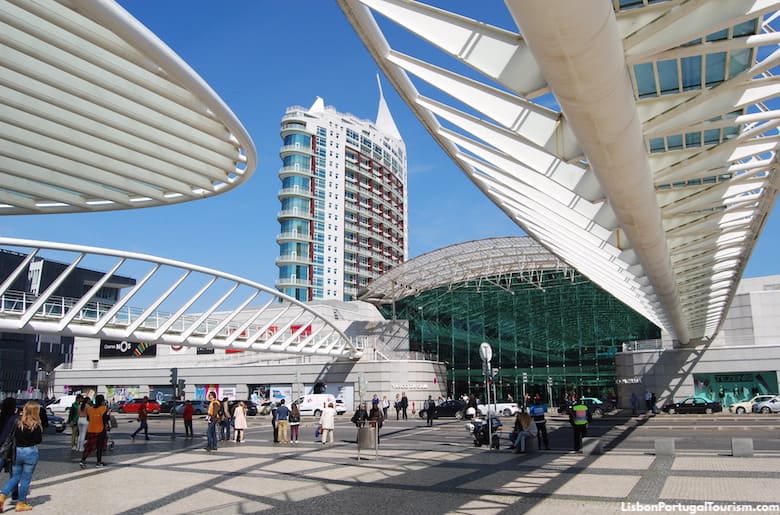
Closer to home, spend half or a full day in Parque das Nações, the new city built for Expo ’98 that redefined modern Lisbon.
-
Highlights: Glide above the waterfront on the cable car, then explore the Oceanário de Lisboa—Europe’s largest aquarium, where glowing jellyfish drift beneath the Vasco da Gama Bridge.
-
Shopping & dining: Grab sushi at Honorato or pastries at Flag Café while overlooking the river.
-
Leisure: Stroll tree-lined promenades or rent a scooter to explore futuristic architecture and murals.
It’s a sleek, design-forward contrast to Alfama’s cobblestone charm—proof that Lisbon looks equally good in glass and steel.
4. Sintra — Palaces, Forests, and Fairy Tales

No list of day trips is complete without Sintra. A 45-minute train ride from Rossio Station, this historic town nestles among misty hills and lush forest trails.
-
Must-Sees: Marvel at the candy-colored Pena Palace, the National Palace, and the cliff-top Moorish Castle.
-
Tips: Go early to beat crowds; public transportation and Uber serve the area, but tuk-tuks make short climbs fun.
-
Extra ideas: Have lunch at Tascantiga or explore Sintra’s beautiful gardens at Quinta da Regaleira before returning at dusk.
Plan an entire day here—Sintra’s palaces and panoramas deserve your full attention.
Make the Most of It
Arrive early; the public transportation from Rossio fills fast. Use Google Maps to time trains, but note that buses up the hill can be packed—grab a tuk-tuk or join a small-group walking tour instead. If you can spare a few extra days, stay overnight for misty sunrise photos and empty palace corridors.
Each of these escapes brings out a different face of Lisbon’s surroundings: Cascais for sea breeze, Évora for ancient calm, Sintra for romance, and Parque das Nações for the sparkle of innovation. Whichever you choose, each trip fits easily into your Lisbon stay — and every return train or tram will have you back in time for dinner by the Tagus River.

The Final Day: Slow Down and Reflect
Use your final day to savour Lisbon’s slower rhythm. Revisit favorite cafés, wander LX Factory’s bookshops, or picnic in Jardim da Estrela among musicians.
Order grilled octopus or bacalhau à Brás—simple Portuguese cuisine that locals swear by—and pair it with vinho verde at sunset. When the light hits the river, you’ll plan your next trip without realizing it. Few cities charm so quietly, yet so completely.
Lisbon’s charm lies in contrasts: tiled nostalgia beside creative ambition, the hum of trams beside the hush of miradouros. Whether you stay three days or ten, the Portuguese capital rewards curiosity and calm. Walk, ride, taste, repeat—and when you leave, the city will already be whispering plans for your last trip and the one after that.
Keen on moving to this part of the world? Check out RentRemote's Portugal apartments curated for digital nomads like us.
Frequently Asked Questions
How long should I stay in Lisbon for a first time visitor?
Three or four days in Lisbon is the sweet spot for first-timers. You’ll have time to explore Alfama’s miradouros, wander through Bairro Alto, and visit Castelo de São Jorge, where ancient castle walls overlook the Portuguese capital. Add a fifth day if you want to slow down and uncover hidden gems or nearby coastal towns.
What are Lisbon’s most popular attractions?
Among the city’s popular attractions, don’t miss the Jerónimos Monastery, a dazzling UNESCO World Heritage Site in Belém; the Lisbon Cathedral; and the elegant Rua Augusta Arch. For art lovers, the Gulbenkian and MAAT art galleries reveal Lisbon’s creative spirit, while historical landmarks like Torre de Belém and the Elevador de Santa Justa connect past and present.
Which day trips are worth adding to my itinerary?
Travelers often visit Sintra for a fairy-tale escape among pine forests and palaces. The colorful Pena Palace and the National Palace both justify an entire day, especially for those who love architecture and gardens. Other favorites include Cascais for beaches and seafood, or Évora for Roman ruins and rich history.
What’s unique about Lisbon’s neighborhoods?
Every district tells a different story. Alfama is the oldest neighborhood, full of colorful buildings and fado bars. Chiado blends classic bookstores with modern boutiques, while Bairro Alto bursts into song each night. Head toward Príncipe Real for leafy squares and tucked-away concept stores — perfect for discovering Lisbon’s quieter side.
Any must-try dishes for food lovers?
Lisbon’s Portuguese cuisine celebrates both land and sea. Try bacalhau à Brás (salted cod scramble), sardines grilled over charcoal, or feijoada, a hearty bean stew. Save room for a pastel de nata — still warm from the oven — and pair it with a bica espresso at one of the city’s corner coffee shops.
Where should I stay for the best experience?
For a great location, base yourself in central Lisbon around Baixa or Chiado, close to the main sights and historical landmarks. If you prefer greenery, Marquês de Pombal offers access to beautiful gardens and quieter streets. Many rentals sit within a short walk of cafés, markets, and tram stops, making it easy to explore the entire city.
How can I make the most of my visit?
Join a guided walking tour early in your trip to understand the city’s layout and stories. Use Google Maps to navigate, but don’t be afraid to wander off course — Lisbon’s best moments often happen by accident. Whether you’re chasing viewpoints or tasting your way through bakeries, each street corner reminds you why travelers can’t help but love Lisbon.