
Daniel
Productivity & Remote Living Analyst ·
Buenos Aires has a way of making a month feel like a chapter in a novel. Mornings start with coffee at Lattente in Palermo or Café Tortoni near Avenida de Mayo. Afternoons drift through bookstores in Recoleta or long walks in Parque Centenario. Nights stretch late in San Telmo, where an inexpensive restaurant still serves a solid lunch special for $5–$7 USD.
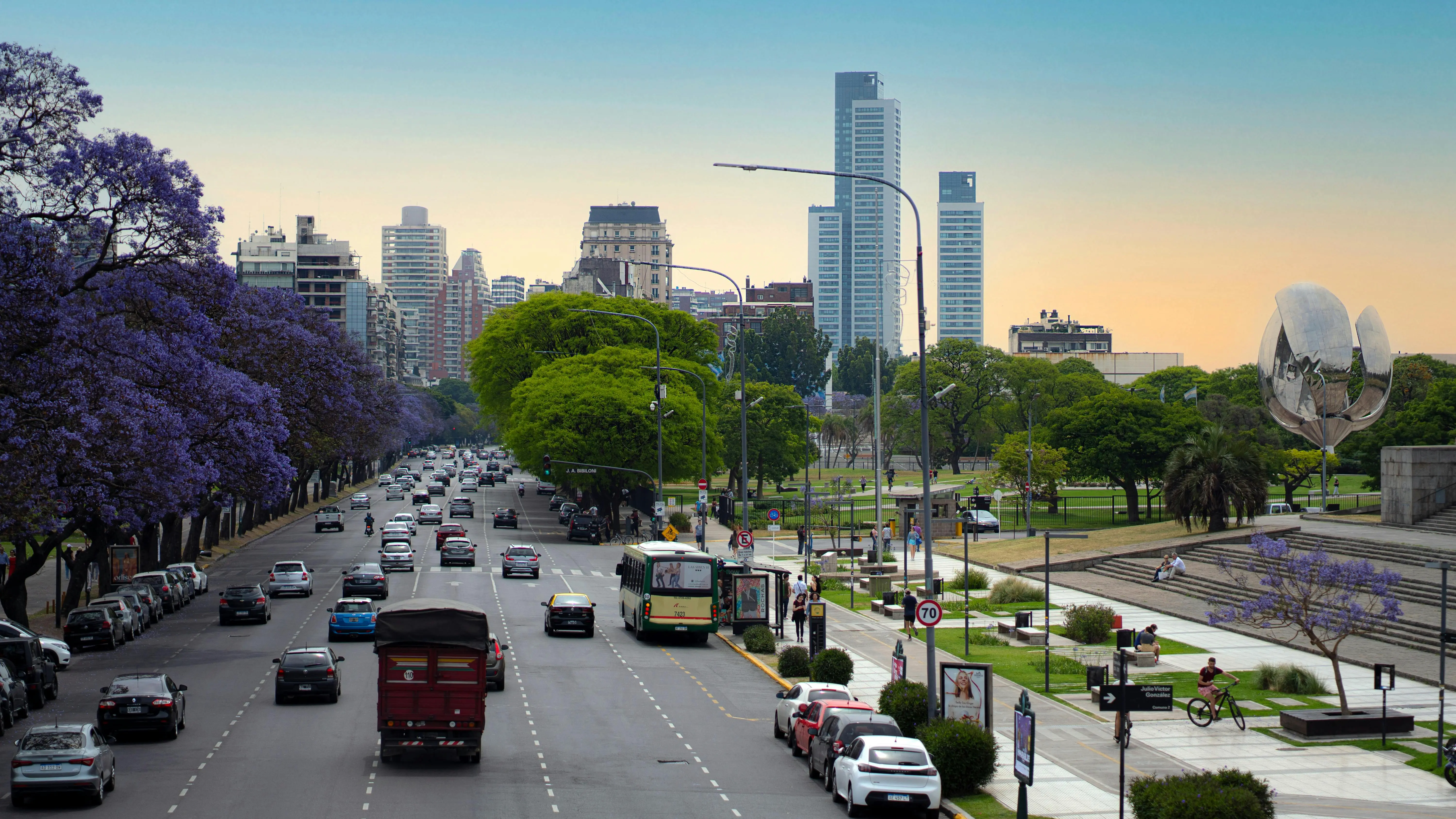
But before settling into life in Buenos Aires, most travelers, remote workers, and digital nomads ask a practical question: what’s actually included in a monthly apartment here? The answer depends on whether you choose short term rentals in Palermo Soho, a residential base in Villa Urquiza, or explore long term rentals further from the city center.
From furnished essentials and high-speed internet to building security, utilities, and exchange rate realities, understanding what your monthly rental covers helps you budget your money wisely and avoid surprises. In a city shaped by currency shifts and the broader Argentine economy, knowing what you’ll pay — and how you’ll pay it — is just as important as choosing the right neighborhood to call home.
What’s Included in a Monthly Apartment in Buenos Aires?
Not all apartment rentals in Buenos Aires are structured the same way. What’s included depends largely on whether you’re signing a short term rental or committing to long term rentals under a local contract. For foreigners living abroad — especially those earning in USD — that distinction matters for both convenience and monthly cost.
What Most Short Term Rentals Include
In 2026, most temporary or tourist monthly rentals in Buenos Aires are offered as all-inclusive packages. These are common in neighborhoods like Palermo, Recoleta, and parts of San Telmo, where many buildings cater to foreigners and remote workers.
Typically included in short term rentals:
Fully furnished apartment (bed, wardrobe, table, basic seating)
Refrigerator and stovetop (often no oven or microwave)
High-speed internet
Electricity, gas, and water
Building maintenance fees (expensas usually covered by the owner)
Access to buildings with doorman or 24/7 front desk security
Weekly or bi-weekly maid service in serviced apartments
In many buildings near Avenida Santa Fe or Plaza Italia, security and front desk staff are standard — especially in towers popular with foreigners. Some serviced apartments around Puerto Madero or Recoleta also include light cleaning, making them attractive for digital nomads who prefer minimal logistics.
Typical monthly rent ranges:
$400–$700 USD for a furnished one-bedroom
$800–$1,100+ USD in premium/tourist areas
$250–$400 USD for shared apartments in Almagro or Caballito
Most short term rentals are easier to secure and require fewer documents. Many landlords prefer rent payments in USD cash or in Argentine pesos at the current exchange rate.
What Long Term Rentals Include (and Don’t)
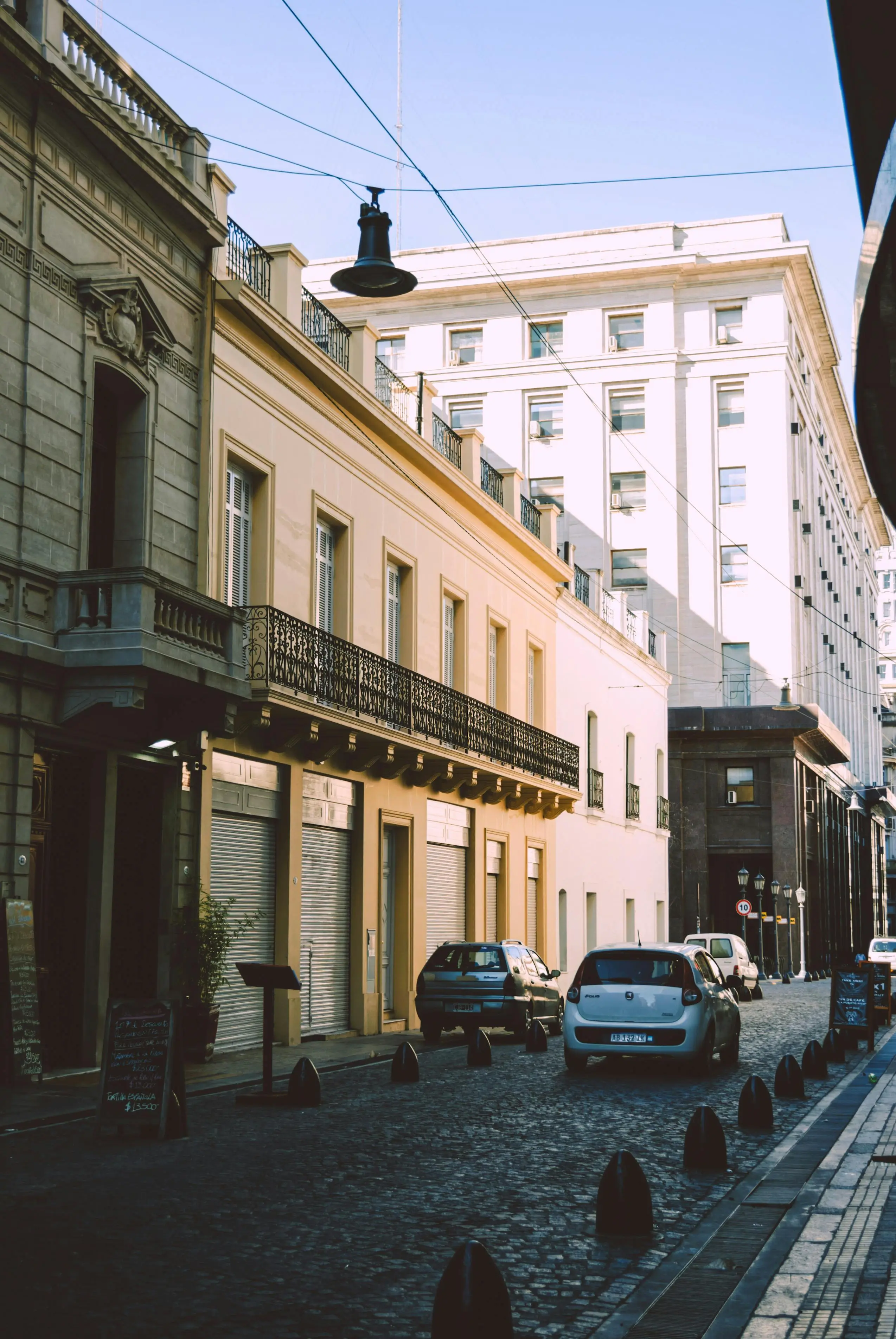
Long term rentals in Buenos Aires operate very differently. These usually require a three-year long term rental contract and are more common among locals and the middle class.
Typically included:
Unfurnished or partially furnished apartment
Basic building access
Usually NOT included:
Utilities
Internet
Furniture
Cleaning services
Long term rentals often require:
Proof of income (often locally registered)
A property guarantee (garantía de propiedad)
Or surety insurance (seguro de caución)
Security deposit (typically one month’s rent)
Administrative fees
While long term rentals offer lower monthly costs compared to short term rentals, navigating the paperwork can be challenging for foreigners. Many landlords expect stable local income and formal documentation, which most expats cannot provide.
In residential areas like Villa Urquiza, Almagro, or Caballito, long term rental prices can be significantly lower than Palermo or Recoleta — but they demand more legal structure.
Understanding which rental structure aligns with your budget, contract flexibility, and lifestyle in Buenos Aires will shape your overall costs and how smoothly you settle into city life.
Estimated Monthly Costs in Buenos Aires
Understanding estimated monthly costs is what turns curiosity into a realistic plan. Buenos Aires is often described as affordable compared to major cities in Europe and North America — but your monthly cost depends heavily on neighborhood, lifestyle, and how you pay.
A single person living in Buenos Aires can structure life very differently depending on where they rent, how often they eat out, and whether they prioritize convenience or savings.
Monthly Cost Breakdown for a Standard Apartment
Here’s what typical monthly expenses look like in USD for a single person:
Rent (1BR furnished apartment): $400–$700 USD
Premium areas (Palermo / Recoleta): $800–$1,100+ USD
Utilities: $40–$70 USD
Internet (reliable speeds): $20–$30 USD
Public transportation: $20–$30 USD
Groceries: $200–$300 USD
Dining at an inexpensive restaurant: $5–$7 USD per lunch
Food costs remain manageable across the city. You can:
Grab lunch in San Telmo for under $7 USD
Pick up groceries at Coto or Día for under $75 USD per week
Enjoy steak dinner at Don Julio for $25–$35 USD
Spend under $3 USD for coffee at Birkin or LAB Coffee
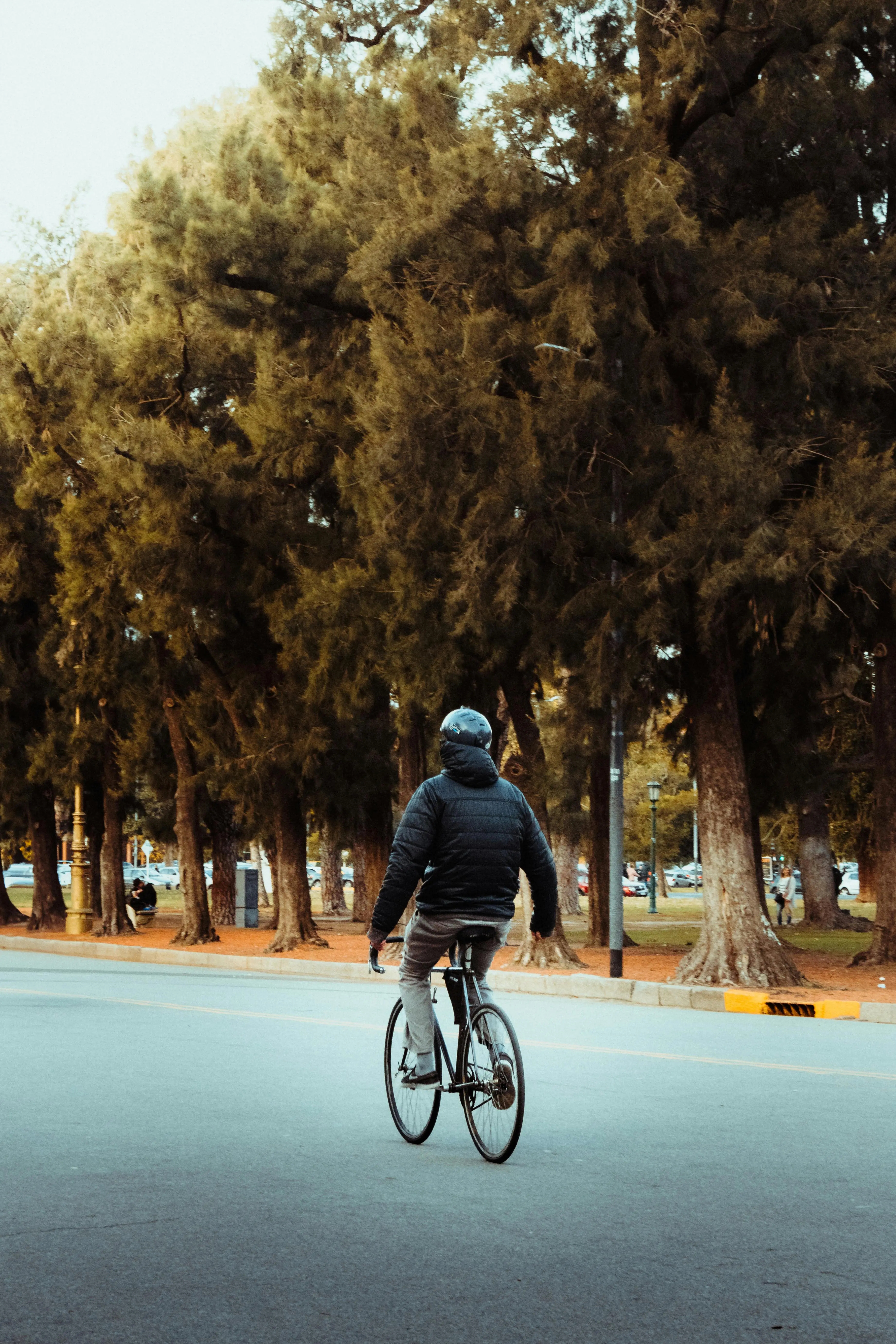
Transportation is one of the lowest costs in Buenos Aires. The Subte and buses make it easy to move between Palermo, Villa Urquiza, and Microcentro without relying on taxis.
What a Full Monthly Budget Looks Like
Depending on your lifestyle:
Frugal routine: $800–$900 USD per month
Flexible routine: $1,200–$1,600 USD per month
A frugal lifestyle might mean:
Renting outside the city center
Cooking most meals
Using public transportation
Choosing shared apartments
A more flexible lifestyle often includes:
Premium neighborhood rental
Regular dining out
Gym memberships
Weekend trips to Tigre or Colonia
Buenos Aires offers a rare balance in South America: big-city energy with relatively accessible overall costs. Compared to other cities in the region, and especially compared to major cities globally, your money stretches further — particularly if you’re earning in dollars.
Still, costs fluctuate based on exchange rates and the broader Argentine economy. Your actual monthly expenses will reflect both your daily habits and the currency environment at the time you rent.
Exchange Rates, Currency, and How You Actually Pay in Buenos Aires
Before you calculate your monthly cost in Buenos Aires, you need to understand how exchange rates shape everything. The Argentine economy moves quickly, and the gap between official and informal currency rates can directly impact how much money you spend — especially if you're a foreigner earning in USD.
Many rental listings in Buenos Aires are quoted in dollars, but landlords often expect payment in Argentine pesos at the current exchange rate. In practice, how you pay matters as much as how much you pay.
How Rent Is Typically Paid
In apartment rentals across Buenos Aires:
Rent is often quoted in USD
Payment may be made in cash
Or paid in pesos at a negotiated rate
Many landlords prefer USD to protect against currency devaluation
A security deposit is typically equal to one month’s rent
It’s common in neighborhoods like Palermo Hollywood or Recoleta for landlords to request payment in dollars. In more residential areas such as Villa Urquiza or Almagro, you may find more flexibility — especially if working with many local owners rather than agencies.
If you’re staying near Avenida Corrientes or in Microcentro, some buildings with many foreigners may already be accustomed to dollar-based rental pricing.
Where Currency Strategy Matters in Daily Life
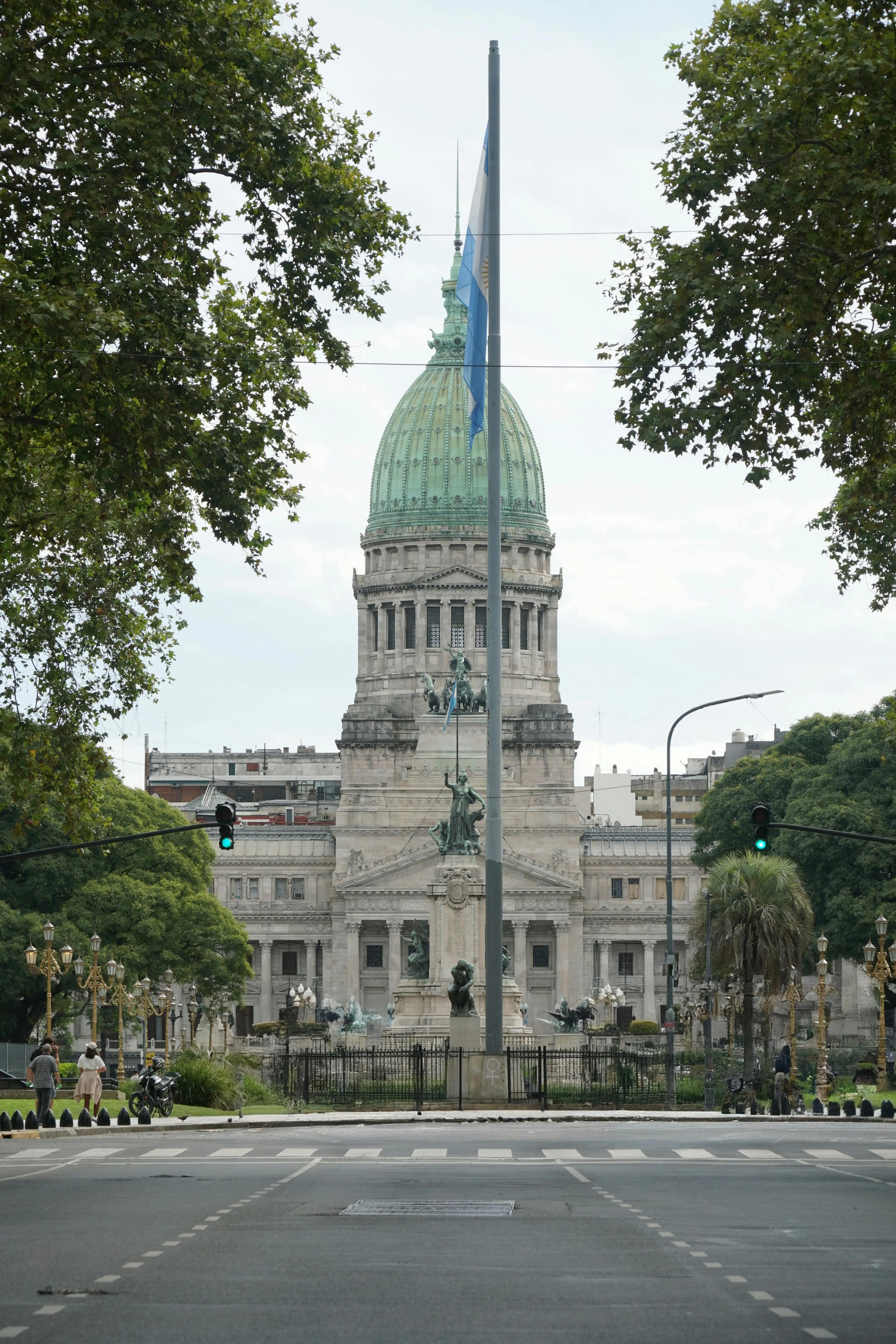
Currency affects more than rent. It influences your overall costs across the city.
Groceries at Carrefour or Jumbo may feel inexpensive relative to other cities, especially if paid in pesos.
Dinner at Calden del soho in Palermo or El Desnivel in San Telmo remains affordable compared to many major cities.
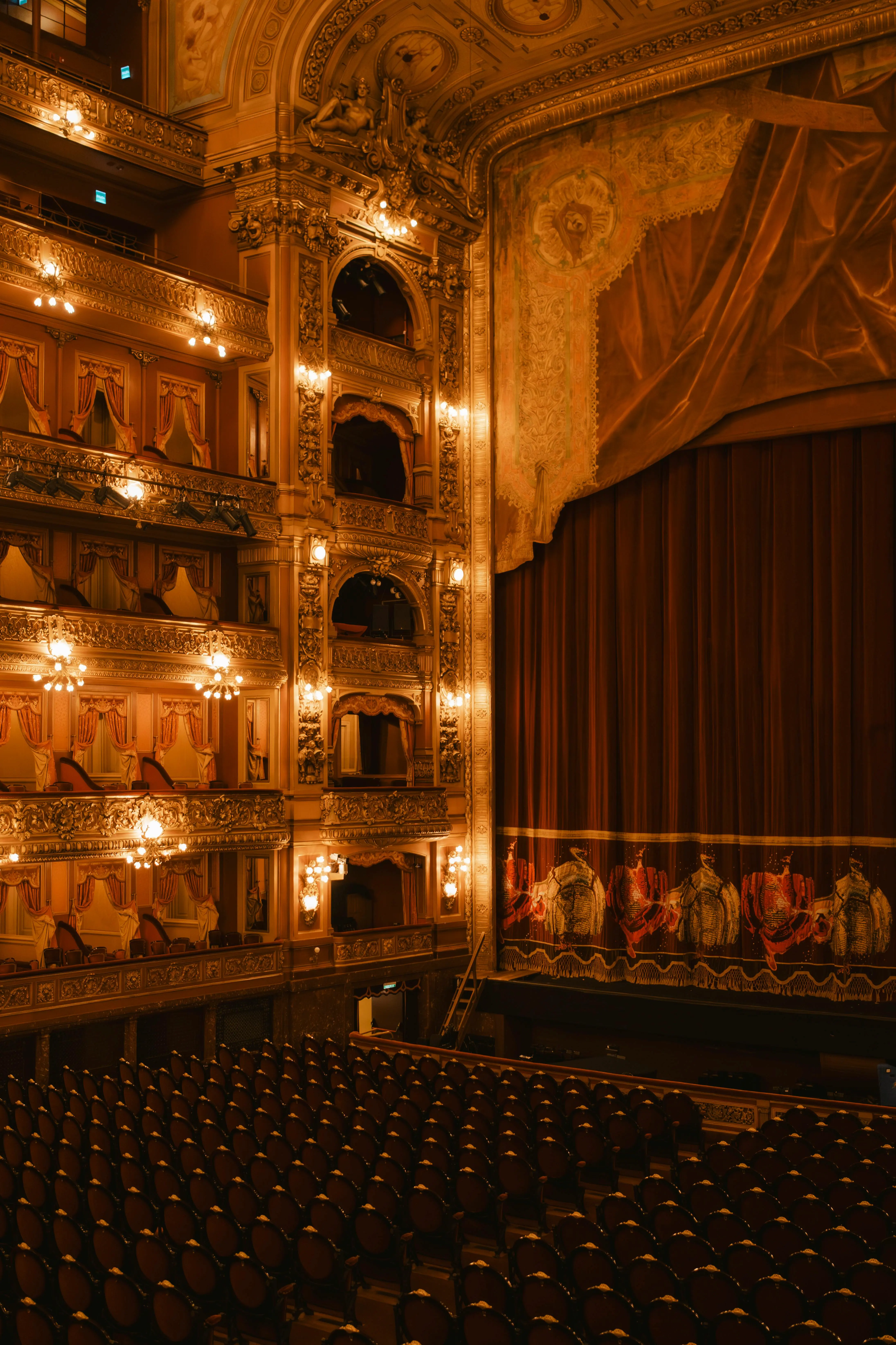
Cultural events — from Teatro Colón standing tickets to free concerts in Parque Centenario — help keep life affordable.
If you’re managing money carefully, many locals and foreigners monitor exchange rates daily before converting cash. While many other countries in South America operate more predictably, Buenos Aires requires attention.
Practical Tips for Foreigners Living Abroad
Always confirm how rent will be calculated if quoted in dollars.
Ask whether the payment is fixed in USD or adjusted monthly.
Keep realistic expectations — exchange rate shifts can affect your monthly budget.
Verify contracts carefully to avoid illegal rentals.
Avoid wiring large deposits without documentation.
Navigating the Buenos Aires rental market means understanding currency mechanics alongside property details. Once you do, you’ll be in a far stronger position to control your monthly expenses and overall costs while living in Buenos Aires.
Long Term Rentals vs Short Term Rentals in Buenos Aires
Choosing between long term rentals and short term rentals in Buenos Aires is one of the biggest financial and lifestyle decisions you’ll make. The monthly cost, legal structure, flexibility, and overall expenses differ significantly — and so does the experience of living in the city.
If you’re staying for a few months while working remotely, your needs will look different from someone relocating permanently or buying real estate in Argentina.
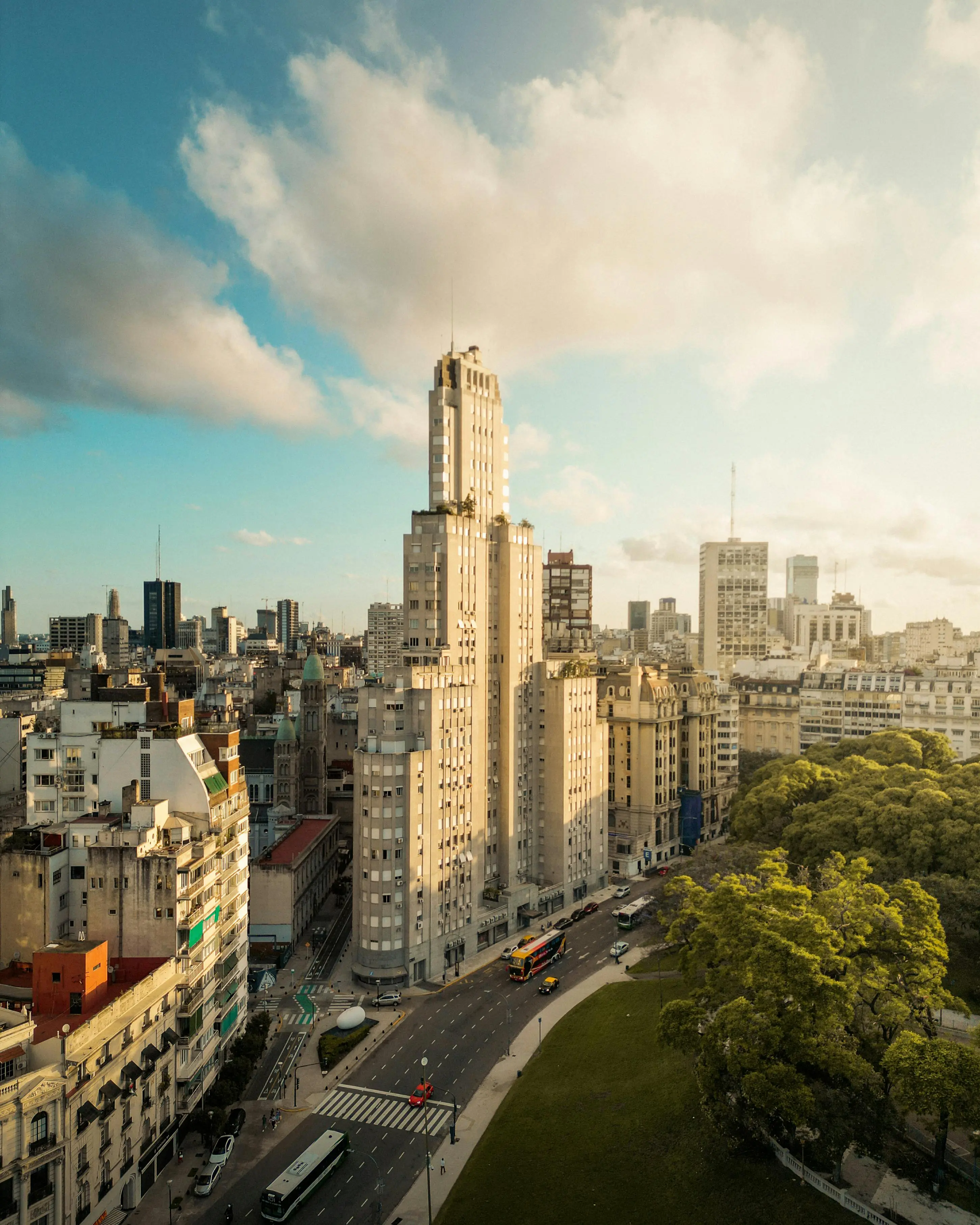
Short Term Rentals: Flexible but Higher Monthly Costs
Short term rentals in Buenos Aires are typically structured for foreigners, digital nomads, and remote workers. These contracts often last one to three months, though extensions are common.
Advantages:
Fully furnished apartment
Utilities included
High-speed internet included
Fewer legal requirements
No property guarantee needed
Easier for foreigners earning in USD
Common in neighborhoods like:
Recoleta (walking distance to the cemetery and parks)
San Telmo (close to Plaza Dorrego and Sunday markets)
Downsides:
Higher monthly cost
Landlords often prefer USD
Less negotiation power
Many fees embedded in the price
Short term rentals are ideal for:
Digital nomads
Foreigners living abroad temporarily
Remote workers testing neighborhoods
Anyone avoiding long paperwork
Long Term Rentals: Lower Rent, More Barriers
Long term rentals in Buenos Aires usually require a three-year long term rental contract. These are more common among many locals and the middle class.
Advantages:
Lower monthly rent
Greater stability
Better long-term value
Less exposure to fluctuating exchange rates
Challenges:
Proof of income required (often locally registered)
Property guarantee (“garantía de propiedad”)
Or seguro de caución (surety insurance)
Administrative fees
Utilities and internet not included
More exposure to local tax obligations
Common long term rental areas:
Caballito (near Parque Rivadavia)
Almagro (close to Abasto and Avenida Corrientes)
Villa Urquiza (residential, growing popularity)
Belgrano (family-friendly, near Barrancas de Belgrano)
Living Comparison: Short Term vs Long Term
Feature | Short Term Rentals | Long Term Rentals |
|---|---|---|
Furnished | Yes | Often No |
Utilities Included | Usually | No |
Internet Included | Yes | No |
Contract Length | 1–3 months | 3 years |
Guarantee Required | Rarely | Yes |
Monthly Cost | Higher | Lower |
Ease for Foreigners | Easy | Difficult |
Short term rentals are generally more expensive than long term rentals in Buenos Aires — but they eliminate many barriers.
Long term rentals offer better value if you plan to stay long term and can meet legal requirements.
For many foreigners living abroad and comparing Buenos Aires to other cities in South America, the flexibility of short term rentals often outweighs the lower rent of long contracts — especially when adjusting to the country’s rental laws and currency dynamics.
Apartment Rentals in Buenos Aires: Neighborhood Costs, Property Prices, and What You Pay
Apartment rentals in Buenos Aires vary widely depending on location, building type, and amenities. Two apartments at the same monthly price can feel completely different depending on whether you’re in Palermo’s modern towers or in older buildings in Almagro or San Telmo.
Understanding property prices and how rent shifts across the city helps you compare Buenos Aires to other major cities in South America and beyond.
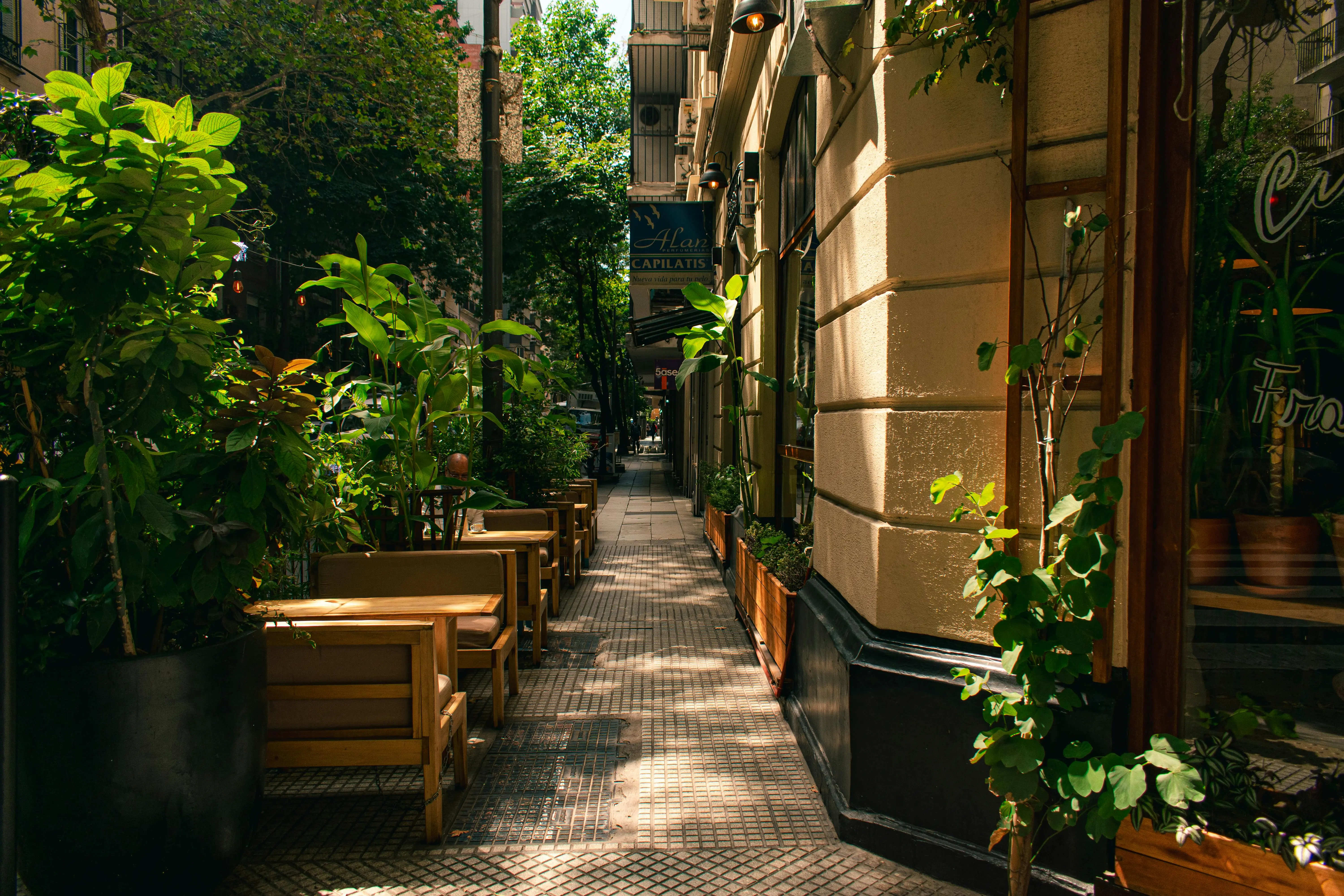
Neighborhood Comparison: Where Your Money Goes Further
In Buenos Aires, the difference between the city center and residential neighborhoods can change your monthly cost dramatically.
Neighborhood | 1BR Apartment (USD) | Building Type | Typical Profile |
|---|---|---|---|
Palermo | $800–$1,100 | Modern towers, security | Tourists, foreigners |
Recoleta | $750–$1,050 | Classic buildings, doorman | Professionals |
San Telmo | $500–$700 | Older buildings | Creative expats |
Almagro | $450–$650 | Standard apartment blocks | Many locals |
Caballito | $450–$650 | Residential mid-rise | Middle class families |
In many buildings in Buenos Aires, you’ll find doormen or 24/7 front desk security — particularly in Palermo, Recoleta, and parts of Belgrano. Older buildings in Almagro or Caballito may have fewer amenities but lower rent.
If you compare Buenos Aires to popular cities in Europe or North America, the purchase price of properties is lower — but rental structures are very different.
Browse Buenos Aires homes near this area
What Impacts Prices and Monthly Costs
Several factors influence what you pay:
Building amenities (pool, security, elevator)
Location relative to Subte stations and public transportation
Proximity to coworking spaces
Whether utilities are included
Whether the owner quotes prices in dollars
The current currency environment
Food and daily life also affect your budget. In Buenos Aires:
Lunch at an inexpensive restaurant in Almagro: $6 USD
Dinner in Palermo Hollywood: $20–$30 USD
Groceries at Coto or Disco: $60–$80 USD weekly
Transportation remains low-cost across the city, helping offset rent in more central areas.
Buenos Aires remains cheaper than many major cities globally, but realistic expectations matter. Prices fluctuate with the Argentine economy and exchange rates, and monthly costs can shift quickly.
Living in Buenos Aires vs Other Cities
When you compare Buenos Aires to other cities in South America or Europe, the financial contrast becomes clear.
Rent is significantly lower than in Paris, London, or New York
Food costs remain accessible across most neighborhoods
Transportation remains affordable
Taxes on rental property follow a different structure than in many global markets
While the broader currency environment can shift quickly, apartment prices in Buenos Aires still allow many residents to maintain a lifestyle that would cost far more in other countries.
However, currency volatility means money management becomes part of daily life. Many people earning in dollars benefit from the exchange rate, but monthly costs can still rise if the rate moves unexpectedly. Planning ahead and understanding how rent is calculated protects your budget.
Apartment rentals in Buenos Aires reward flexibility. Choosing the right neighborhood can dramatically influence what you spend — and how comfortably you live. Areas like Villa Urquiza, for example, offer a quieter residential pace with strong value compared to trend-driven zones.
If you’re weighing atmosphere, access, and apartment prices carefully, explore Belgrano and Palermo Chico in our neighborhood guide.
The more adaptable your neighborhood choice and contract structure, the better your overall costs will align with your long-term priorities in Buenos Aires.
Long Term Rental Contract Requirements in Buenos Aires
If you’re considering long term rentals in Buenos Aires, the biggest difference isn’t just monthly cost — it’s the legal structure behind the agreement. A long term rental contract in Argentina is formal, regulated, and often more complex than what most foreigners are used to in other cities.
While long term rentals can lower your rent compared to short term rentals, they come with requirements that many foreigners living abroad find difficult to meet.
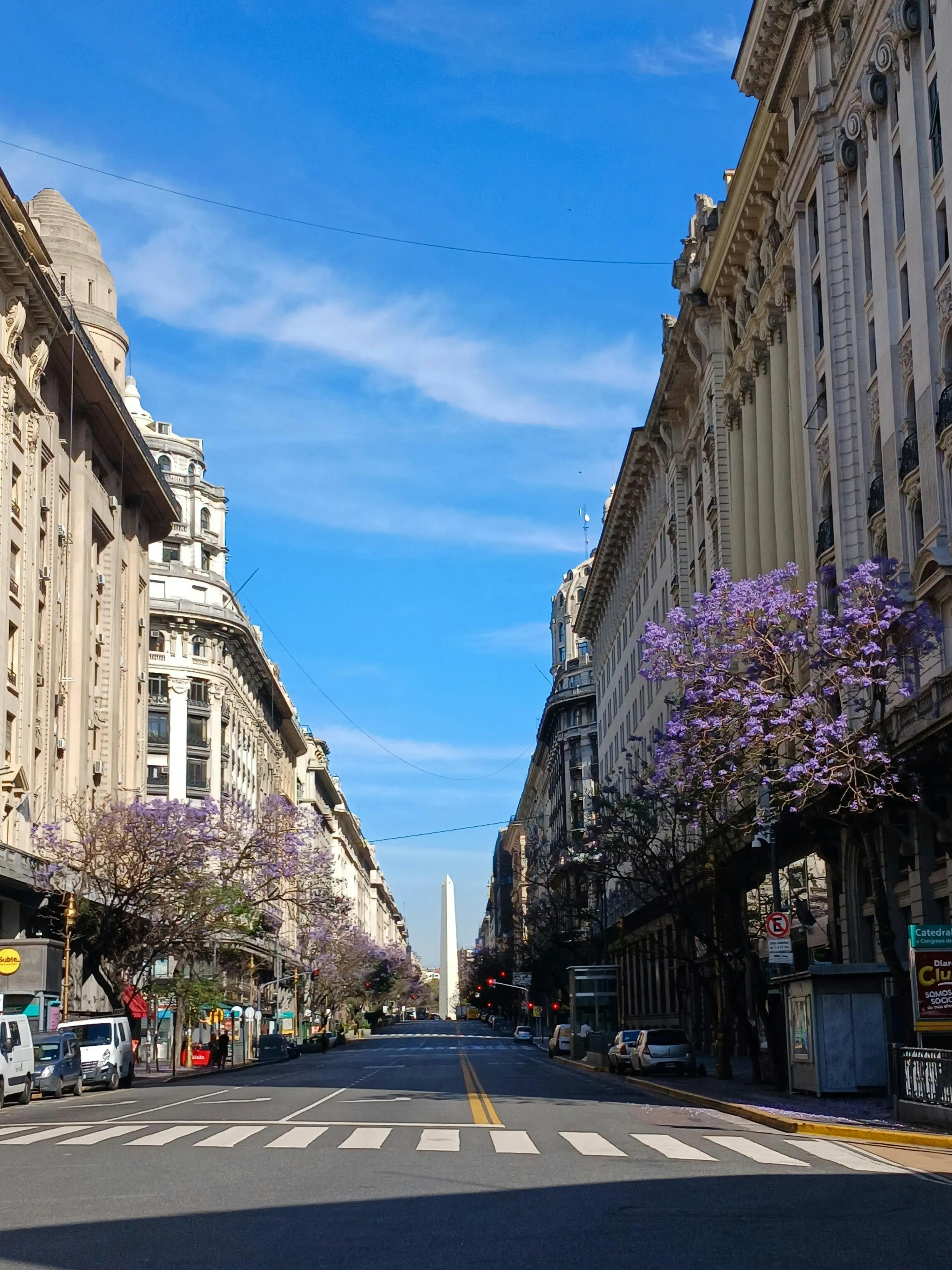
What a Long Term Rental Contract Typically Requires
In Buenos Aires, a standard long term rental contract usually includes:
A three-year agreement
A security deposit (typically one month’s rent)
Proof of income (often locally registered)
A property guarantee (“garantía de propiedad”)
Or surety insurance (“seguro de caución”)
Formal documentation of the owner and property
Defined clauses on taxes and building expenses
Unlike monthly rentals structured for foreigners, long term rental contracts are designed primarily for many locals and the middle class.
The Property Guarantee (Garantía de Propiedad)
This is often the biggest barrier for foreigners.
A garantía requires:
A local property owner to act as guarantor
Legal responsibility if you stop paying
The property registered within the same city or province
Most expats and digital nomads simply don’t have access to this. While seguro de caución is an alternative, not all owners accept it — and it adds administrative fees.
Taxes, Building Expenses, and Who Pays What
In long term rentals in Buenos Aires, cost allocation matters.
You will usually pay:
Monthly rent
Utilities (electricity, gas, water)
Internet
Some building expenses (expensas)
Potential adjustments tied to inflation
Certain local taxes depending on contract wording
The owner typically covers:
Structural maintenance
Property taxes related to ownership
Major repairs
However, contracts vary. Understanding tax obligations and expenses before signing is crucial.
Risks and Legal Considerations
The rental market in Buenos Aires includes:
A significant number of informal or illegal rentals
Contracts that may not be fully registered
Clauses tied to exchange rates
Adjustment mechanisms linked to inflation
To protect your money:
Always request a legally binding contract
Confirm how currency adjustments are calculated
Verify the identity of the owner
Clarify whether rent is fixed in dollars or pesos
Understanding local rental laws is essential. Compared to many other countries, Argentina’s contract system is more formal and documentation-heavy.
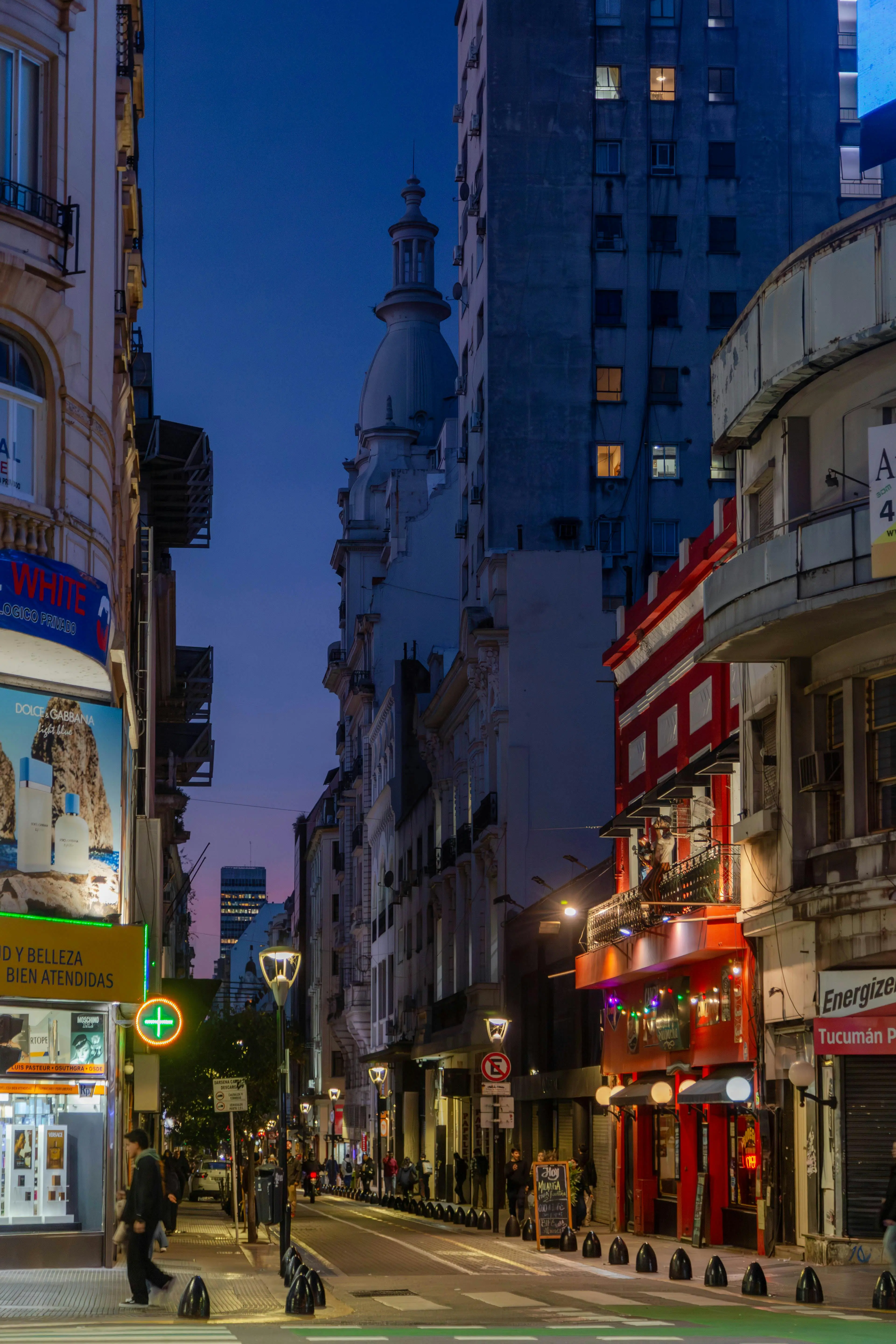
Is It Worth It for a Long Term Stay?
For someone planning a long term stay of multiple years, long term rentals can reduce monthly cost significantly. If you qualify legally, you may pay hundreds of dollars less per month than in short term rentals.
But for many foreigners earning in foreign currency, the rigidity of a long term rental contract outweighs the savings.
In Buenos Aires, flexibility often has value. The right structure depends on how long you plan to live in the country — and how much paperwork you’re willing to navigate.
Living in Buenos Aires Compared to Major Cities: A Realistic Living Comparison
When people compare Buenos Aires to major cities in Europe or North America, the first surprise is how far your money can go. While inflation and currency shifts affect prices, the city still offers accessible apartment options, manageable food costs, and relatively low everyday expenses for those earning in stronger currencies.
For context, let’s compare Buenos Aires with other popular cities often considered by digital nomads.
Cost Snapshot: Buenos Aires vs Other Major Cities
Category | Buenos Aires (USD) | Madrid (USD) | New York (USD) |
|---|---|---|---|
1BR apartment (central) | $700–$1,100 | $1,300–$1,800 | $2,500+ |
Lunch at inexpensive restaurant | $5–$7 | $15 | $20+ |
Monthly groceries | $200–$300 | $400–$500 | $500–$700 |
Gym membership | $30–$50 | $50–$70 | $80–$150 |
While Buenos Aires is not the cheapest city in the region anymore, it remains significantly more affordable than many other countries’ major urban centers.
What You Actually Spend Month to Month
Living in Buenos Aires as a single person typically means:
Apartment: $500–$900 USD
Food: $200–$300 USD
Utilities and internet: $60–$100 USD
Entertainment and dining: highly variable
You can spend under $1,000 USD if disciplined. Or comfortably live around $1,300–$1,600 USD with regular dining and social activities.
For example:
Dinner at La Cabrera (Palermo): $25–$35 USD
Wine tasting in San Telmo: $15 USD
Coffee and medialuna at Café Registrado: $3 USD
Sunday market lunch near Plaza Dorrego: under $10 USD
Compared to many countries in Europe or North America, food prices in Buenos Aires remain accessible, especially at neighborhood spots away from the tourist core.
Where Prices Feel Higher
Some costs in Buenos Aires have climbed:
New luxury properties in Puerto Madero
Premium apartments near the Botanical Garden
Imported goods priced in dollars
Electronics and tech
In certain cases, property prices for purchase can feel high relative to average salaries in the country, though still low compared to many global markets.
If you compare Buenos Aires with many other countries in Latin America, the city still offers:
Strong cultural infrastructure
Walkable neighborhoods
Lower housing costs than comparable capital cities
Extensive cafe culture
Why Living in Buenos Aires Appeals to Digital Nomads
Digital nomads often choose Buenos Aires because:
Rent remains accessible in USD
Dining out is affordable
Creative neighborhoods offer lifestyle variety
Cultural events frequently cost little or nothing
Currency fluctuations can favor foreigners
Living in Buenos Aires requires flexibility, but it offers a rare mix of European architecture, late-night culture, and relatively moderate prices.
Buying Real Estate in Buenos Aires: Purchase Price, Taxes, and Ownership Costs
While most foreigners start with an apartment rental, some eventually consider buying real estate in Buenos Aires. The purchase price of properties can look attractive compared to major cities in Europe or North America — but ownership brings a different set of costs, taxes, and long-term commitments.
If you’re planning to stay in the country beyond a temporary phase, understanding the numbers behind purchase decisions is essential.
Purchase Price of Properties in Buenos Aires
Property prices in Buenos Aires vary significantly by neighborhood.
Approximate purchase price ranges (2025–2026):
Palermo / Recoleta: $2,000–$3,500 USD per m²
Belgrano: $1,800–$2,800 USD per m²
Caballito / Almagro: $1,400–$2,200 USD per m²
San Telmo: $1,300–$2,100 USD per m²
Compared to many global cities, the entry price for an apartment is lower. A 50 m² unit in a residential area might cost $90,000–$120,000 USD, while a similar unit in Madrid or Miami would be significantly higher.
However, lower purchase price does not mean low long-term costs.
Ongoing Costs After Purchase
If you buy properties in Buenos Aires, you’ll need to account for:
Property taxes
Municipal taxes
Building maintenance charges
Utilities
Repairs and upkeep
Insurance
Legal registration fees
Monthly owner costs for a typical apartment can range from ARS 350,000 to ARS 600,000 depending on building type and services.
Unlike short term rentals where many costs are bundled, ownership separates every expense clearly.
Taxes and Financial Considerations
When buying real estate in the country, taxes are unavoidable.
You may encounter:
Transfer taxes
Notary fees
Annual property taxes
Capital gains taxes if you sell
Potential wealth-related tax obligations
It’s important to evaluate tax obligations carefully, especially if you hold foreign currency assets or income abroad.
While Argentina does not restrict foreigners from purchasing property, financial regulations can shift based on the broader currency environment.
Is Buying Worth It?
Buying real estate in Buenos Aires makes the most sense if:
You plan to live in the city long term
You want to hedge against rent increases
You have stable funds in dollars
You are comfortable managing taxes and maintenance
It makes less sense if:
You value flexibility
You anticipate moving cities
You prefer predictable monthly costs
You want to avoid local bureaucracy
Compared to many other countries, real estate in Buenos Aires remains accessible. But ownership ties you more deeply to the country’s economic cycles.
For most digital nomads or foreigners living in Buenos Aires temporarily, renting remains simpler. Buying real estate is a strategic decision — not just a lifestyle upgrade.
Digital Nomads and Living in Buenos Aires: What to Look for in an Apartment
For digital nomads, living in Buenos Aires is not just about lowering costs — it’s about building a lifestyle that supports focus, flexibility, and long-term sustainability. The city offers strong café culture, late-night energy, and walkable neighborhoods, but not every apartment is designed for productive work.
If you’re earning in dollars and planning to spend several months in the country, choosing the right apartment matters more than shaving $100 off the rent.
What Digital Nomads Should Prioritize
Many furnished apartments in Buenos Aires include:
A bed and wardrobe
A small dining table
Basic seating
Refrigerator and stovetop
But here’s what’s often missing:
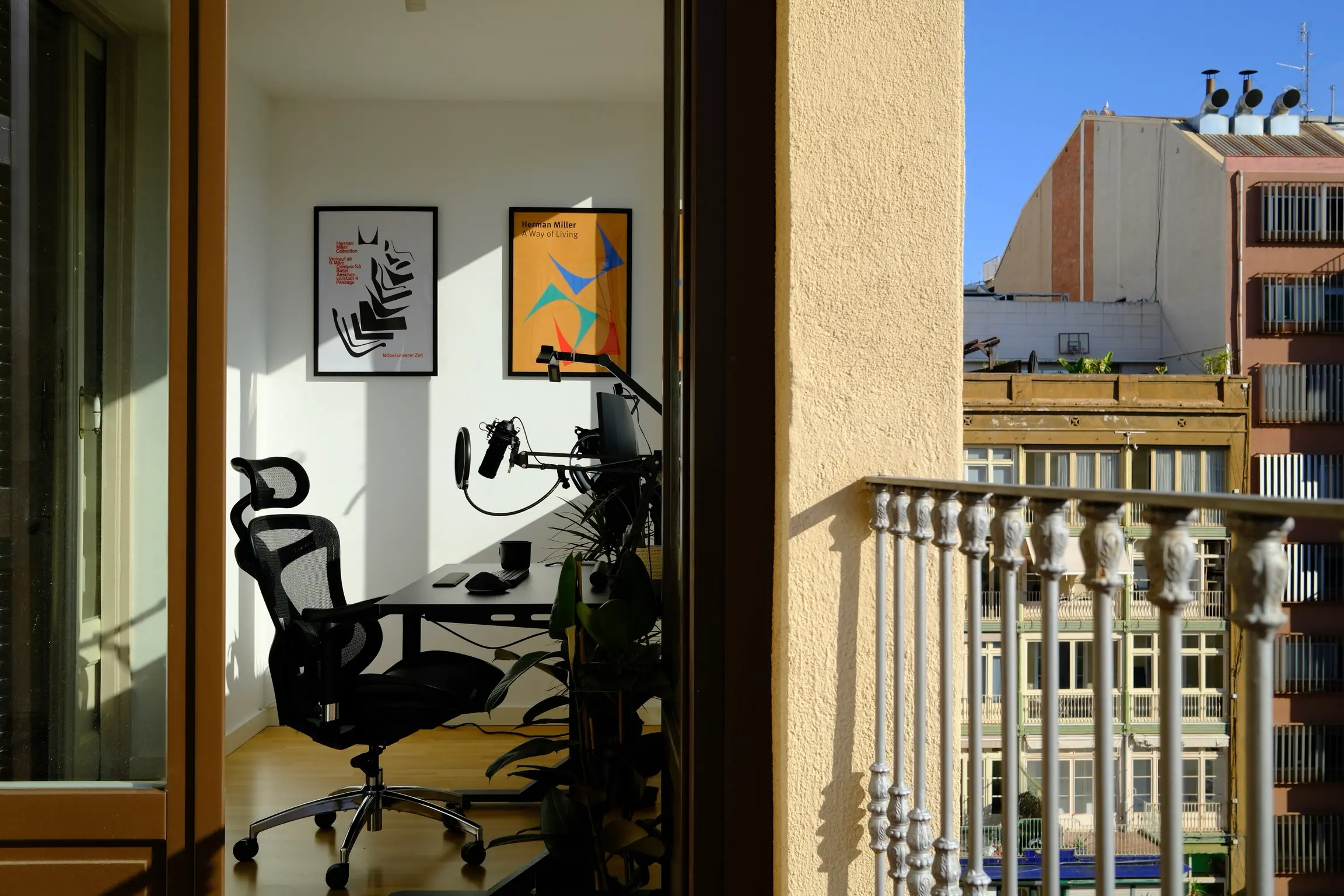
A proper desk
An ergonomic chair
Reliable lighting for video calls
Sufficient outlets
Sound insulation
In many properties — even in desirable neighborhoods — you’ll find a “table against the wall” marketed as a workspace. For short stays, that works. For months of remote work, it affects comfort and productivity.
High-speed internet is generally available, but quality can vary by building and provider. Always confirm upload speeds if you rely on video calls.
Best Areas for a Balanced Work-Life Setup
Different neighborhoods offer different daily rhythms.
Palermo Soho – Cafés like LAB Coffee and Full City Coffee House; vibrant but busier and higher prices.
Belgrano – Quieter streets, close to green space; solid mid-range apartment options.
Villa Crespo – Growing creative scene, slightly lower rent.
San Telmo – Historic charm, good value, lively weekends.
Daily life adds up in small ways:
Lunch at an inexpensive restaurant in Almagro: $6 USD
Groceries for the week: $60–$75 USD
Dinner and wine in Palermo: $25–$35 USD
Food costs remain manageable, allowing many digital nomads to enjoy life without overspending.
Living in Buenos Aires as a Remote Professional
Living in Buenos Aires long-term means thinking beyond rent. The right apartment determines how sustainable your routine becomes — especially if you’re working full-time while navigating a new country.
Before committing, consider:
Noise levels in the building
Elevator reliability
Heating and cooling systems
Water pressure
Proximity to coworking spaces
Safety and lighting at night
Internet stability and upload speeds
Whether the “workspace” is actually usable
While many properties in Buenos Aires are furnished, most include only basic essentials: a bed, wardrobe, small table, refrigerator, and stovetop. Many lack an oven or microwave. More importantly, they often lack a proper desk or ergonomic chair — which becomes noticeable after a few weeks of calls and focused work.
What a Work-Ready Apartment Should Include
A professionally designed setup should offer:
A dedicated workstation
Ergonomic chair (not a dining chair)
Proper desk height and lighting
High-speed internet suited for video calls
Reliable electrical setup
Functional layout that separates work from rest
RentRemote apartments in Buenos Aires are specifically designed for remote professionals who don’t want to compromise productivity. These fully furnished properties include:
Dedicated desk and ergonomic chair
UltraWide monitor
Standing desk options
Wireless keyboard and mouse
Reliable high-speed internet
Flexible stays from one month to nearly a year
Instead of improvising from a kitchen counter, you get a space built for performance.
Buenos Aires offers strong culture, accessible food prices, and apartment costs that remain lower than many global hubs. But choosing a space that supports your work makes the difference between “getting by” and thriving.
Looking for a setup that’s actually built for work? Explore fully furnished apartments in Buenos Aires designed for focused professionals.
Because in Buenos Aires, the right apartment doesn’t just support your stay — it elevates your entire experience.
A Practical Monthly Budget in Buenos Aires
Understanding how much money you actually spend each month in Buenos Aires turns curiosity into a workable plan. While prices fluctuate, a structured budget makes life in the country far more predictable.
Buenos Aires offers everything from compact studios near Avenida Corrientes to larger one-bedroom apartments in Belgrano or Caballito. Your apartment rent will be the largest portion of your monthly costs, followed by food, utilities, and lifestyle spending.
What You’ll Likely Spend Each Month
In Buenos Aires, a realistic breakdown looks like this:
Apartment rent: $500–$900 dollars depending on neighborhood
Utilities: $40–$70 dollars
Internet: $20–$30 dollars
Groceries: $200–$300 dollars
Dining out: $150–$300 dollars depending on routine
Altogether, many residents in Buenos Aires spend between $900 and $1,500 dollars per month depending on habits and housing choices.
Rent varies significantly across Buenos Aires. A one-bedroom near Plaza Serrano in Palermo will cost more than a similar apartment in Villa Crespo or Parque Chacabuco. Properties within walking distance of green spaces like Bosques de Palermo or Parque Centenario also command higher prices.
Cost of Dining at an Inexpensive Restaurant in Buenos Aires
Eating out remains one of the more manageable lifestyle costs in Buenos Aires — especially if you know where to go.
In neighborhoods like Almagro, Villa Crespo, or San Telmo, you can still find:
Set lunch menus (“menú ejecutivo”) at El Banderín for under $7 dollars
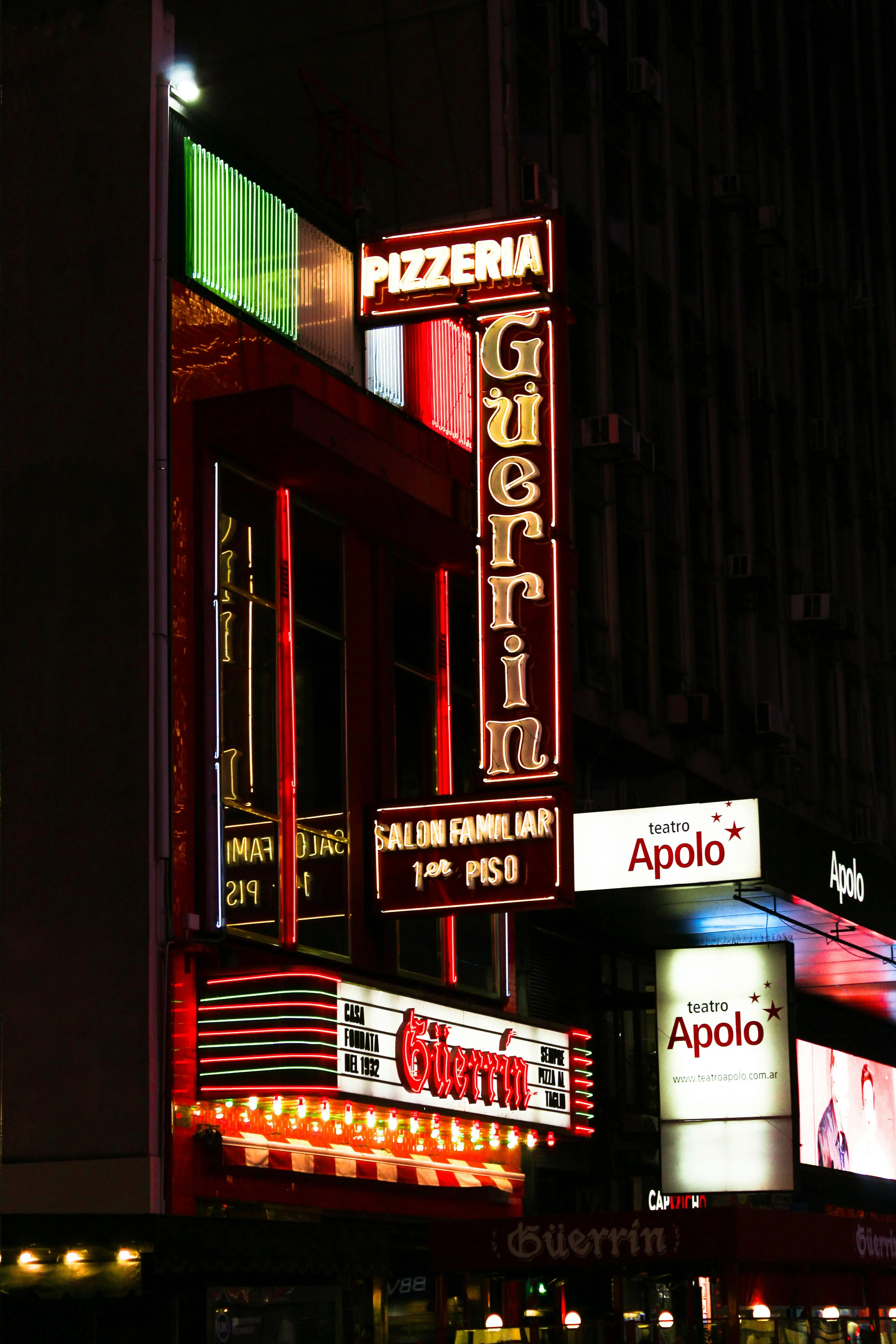
Large slices at Guerrin on Avenida Corrientes for under $10 dollars
Steak dinners at La Brigada in San Telmo for under $35 dollars
Coffee and medialunas at Café Martínez for under $3 dollars
Markets also help keep food spending reasonable. Fresh produce from Mercado San Telmo or smaller neighborhood verdulerías typically costs less than major supermarket chains.
For those who cook most meals and dine out selectively, food costs remain easy to control. For those who prefer regular restaurant nights in Palermo Hollywood or Recoleta, spending will rise — but still remain below what many global destinations require.
How Neighborhood Choice Changes Your Budget
Where you live in Buenos Aires directly shapes what you spend.
Palermo and Recoleta push apartment prices higher due to demand.
Villa Crespo and Caballito offer balanced rent and access to commercial streets.
Belgrano provides quieter residential blocks with steady property prices.
San Telmo combines historic charm with mid-range housing options.
Proximity to subway lines, commercial corridors like Avenida Santa Fe, and access to parks all influence rent and daily costs.
The key takeaway: Buenos Aires rewards intentional budgeting. The more clearly you define your preferred lifestyle — whether that means frequent dining, cultural outings, or quiet residential living — the easier it becomes to manage money and align your monthly costs with your priorities in the country.
Living in Buenos Aires: What You Pay, What You Get, and How to Plan Ahead
Buenos Aires rewards preparation. The more clearly you understand what’s included in your apartment, how rent is structured, and how currency shifts affect prices, the smoother your transition into the country will be.
Apartment costs in Buenos Aires vary by neighborhood, furnishing level, and payment structure. Some rentals bundle utilities and services into one monthly figure. Others separate everything — from electricity to property taxes — requiring closer review before you sign.
If you plan carefully, a balanced lifestyle in Buenos Aires can remain manageable in dollars. Rent, food, and entertainment still cost less than in many global destinations. But exchange rates, taxes, and property pricing can shift quickly, affecting how much money you ultimately spend.
Before committing to an apartment in Buenos Aires, make sure you:
Confirm what is included in the monthly rent
Understand how rent is calculated in dollars versus local currency
Review contract terms carefully
Factor in deposits and potential tax obligations
Align neighborhood choice with your budget
Buenos Aires offers culture, architecture, nightlife, and culinary depth at a price point that remains accessible compared to many international hubs. But realistic planning makes the difference between a smooth experience and financial frustration.
When you understand the structure of rentals in Buenos Aires — and how apartment costs, taxes, and currency interact — you can make confident decisions about your money and your stay in the country.
If you’re ready to simplify the process and secure a work-ready space without long contracts or hidden surprises, discover fully furnished apartments in Argentina designed for flexible, month-to-month living.