Tucked into the leafy north of the city, Belgrano, Buenos Aires offers a rare mix of elegance, history, and modern convenience. This barrio is where wide, tree-lined streets meet the hum of everyday life, giving it a more relaxed pace than Palermo without losing the perks of being close to the center. Around Plaza Manuel Belgrano, you’ll find weekend artisan fairs, families relaxing on benches, and the stately Museo Histórico Sarmiento, which preserves part of the story of the Argentine Republic.
Walk a few blocks and the atmosphere shifts—from the quiet residential lanes near the church to the vibrant shopping corridor of Cabildo Avenue. Here, fashion boutiques, bookstores, and restaurants sit alongside budget-friendly cafés and chain stores, making it easy to mix high-end browsing with casual eats.
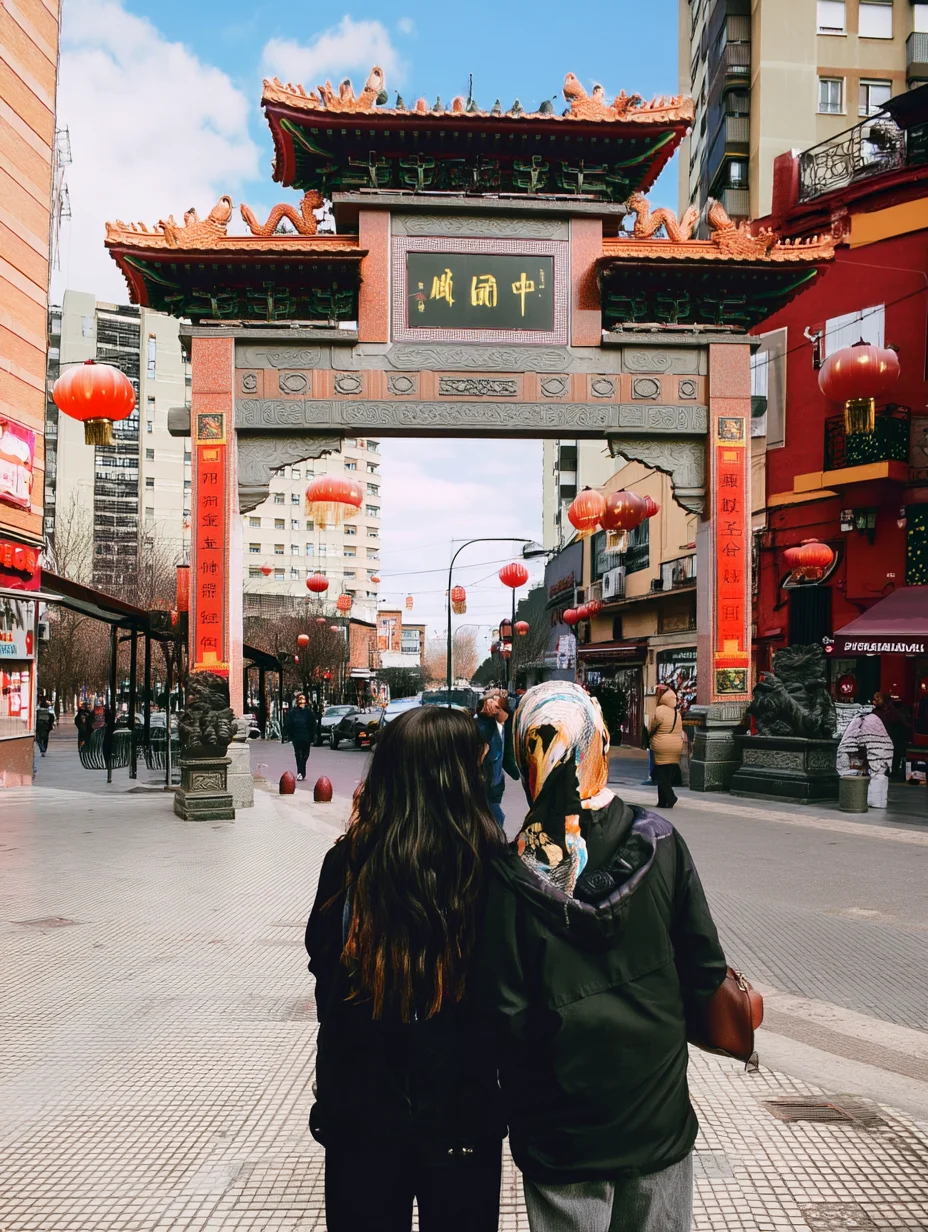
Belgrano is also home to one of the city’s most popular cultural pockets—Chinatown—just off Juramento. Compact but packed with energy, it’s a go-to for Asian supermarkets, steaming bowls of ramen, and weekend dumpling runs. Locals love it for groceries you can’t find elsewhere, and travelers love the novelty of stepping into a different world in just a few blocks.
This is the kind of neighborhood where you can spend mornings sipping coffee under jacaranda blooms, afternoons hopping on the Subte for a quick trip downtown, and evenings lingering over steak or sushi without rushing.
Highlights for a first visit:
-
Stroll de Belgrano to de la Barrancas park for tango performances, artisan markets, and some of the best shade in the city.
-
Browse boutique shops along Cabildo, stopping for a menú del día lunch (often under $10 USD).
-
Explore Chinatown on a weekend for its full market energy and food stalls.

Where Is Belgrano and What Makes It Unique?
General Manuel Belgrano’s Namesake in the Northwest of the Nation’s Capital
Belgrano lies in the northwest of Buenos Aires, a well-connected barrio bordered by Palermo, Núñez, and Colegiales. From the tree-lined blocks of Belgrano R to the riverside calm of Bajo Belgrano, it feels like a town inside the nation’s capital—residential but never dull. Arrive via Juramento station or wander down Avenida Cabildo and you’ll find leafy avenues, parks, and a safe, easygoing pace that sets it apart from busier districts.
A Neighborhood With Deep Historical Roots
The barrio honors General Manuel Belgrano, the military leader who created Argentina’s national flag during the Argentine War of Independence. Born to an Italian merchant family, he traveled to Spain to study commerce, later touring France and Europe before returning as perpetual secretary of the Consulate. He was eventually appointed chief commander by Domingo Faustino Sarmiento, former president and influential reformer. Street names like Luis Maria Campos, Paraguay, and Domingo are daily reminders of this legacy.
The Three Faces of Belgrano
Belgrano isn’t one-size-fits-all—you’ll find distinct sub-districts worth exploring:
-
Central Belgrano: Anchored by Avenida Cabildo and Juramento, packed with shops, cafés, and everyday conveniences.
-
Belgrano R: Quiet, upscale, with a touch of British charm in its architecture and gardens.
-
Bajo Belgrano: Riverside, relaxed, with sports clubs and wide-open green space.
First Impressions and Local Vibe

Expect a safe, leafy setting where families gather in plazas, students from Universidad de Belgrano fill corner cafés, and neighbors greet each other on their daily routines. It’s affluent but approachable, with mid-range café meals around $8–$12 USD and furnished rentals for long stays often starting near $900 USD/month. That mix of calm, convenience, and community makes Belgrano one of the most livable neighborhoods in Buenos Aires.
The Vibe – Why Belgrano Appeals to Travelers and Nomads
Spanish Art, Green Parks, and a Lively Atmosphere
Belgrano in the Buenos Aires federal district is a calm yet engaging neighborhood—quiet enough to hear the wind in the jacarandas, but never short on things to do. Around Barrancas de Belgrano, mornings start with open-air tango and artisan fairs, while afternoons might mean a stroll past leafy plazas or catching an exhibit of Spanish art at a local gallery. There’s a lively community without the chaos, making it perfect for those who want a softer edge to their urban adventure in Argentina.
Who It’s For
Belgrano works best for those who like their days balanced between culture, comfort, and convenience:
-
Digital nomads who value good WiFi and calm cafés.
-
Families who appreciate parks, walkable streets, and plenty of restaurants.
-
Long-term visitors looking to settle into a safe, steady pace of life.
Who It’s Not For
If you’re chasing an endless bar crawl or are on a shoestring budget, this isn’t your match. Belgrano’s prices reflect its comforts—think $8–$12 USD for a café lunch, or more for riverside dining near the River Plate Museum.
Safety and Streets Worth Knowing
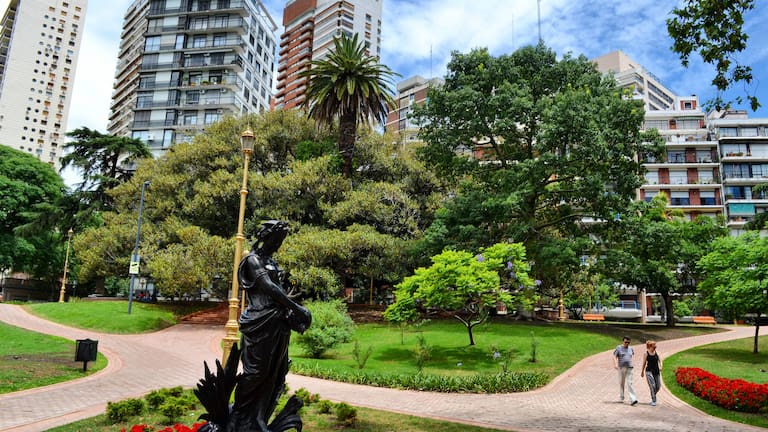
This barrio is among the safest in Buenos Aires Province, both day and night, especially in and around major plazas and commercial streets like Luis Maria Campos. You can comfortably wander from Barrio Chino’s dumpling houses to the riverside without feeling on edge. Street names here often nod to history—Correo de Comercio, De la Plata, and others offer subtle reminders of Argentina’s layered past
Getting to and Around Belgrano
Belgrano: Easy Connections Across the City
Moving in and out of Belgrano is simple, whether you’re based in Bajo Belgrano, Belgrano R, or closer to Avenida Cabildo. The Subte’s Line D runs through the barrio, with Juramento and Congreso de Tucumán stations connecting you to the rest of the city in minutes. Expect about 20–25 minutes to reach Microcentro, with fares under $0.50 USD. The commuter rail stops at Belgrano C if you’re heading toward the northern suburbs or even the Ríio de la Plata coast.
Avenida Cabildo, Luis María Campos, and Key Transit Hubs
Avenida Cabildo is the neighborhood’s main artery, lined with shops, cafés, and plenty of bus lines—making it easy to get to Recoleta, San Telmo, or further afield. Luis María Campos offers another reliable route for both buses and cycling, especially if you want to connect to the waterfront.
On Foot or Two Wheels
This barrio is highly walkable—markets, parks, and Arribeños Street (for a taste of Chinatown) are all within easy strolling distance. For cyclists, the city’s EcoBici system has docking stations nearby, and safe bike lanes run along Avenida del Libertador.
Quick Transit Tips for First-Timers
-
Subte Line D: Juramento to Catedral in ~20 minutes.
-
Bus lines: Direct connections to Recoleta and the south of the city.
-
Commuter rail: From Belgrano C, ride toward Tigre for a day by the Rio de la Plata.
Things to Do in Belgrano, Buenos Aires
Famous Landmarks and Cultural Highlights

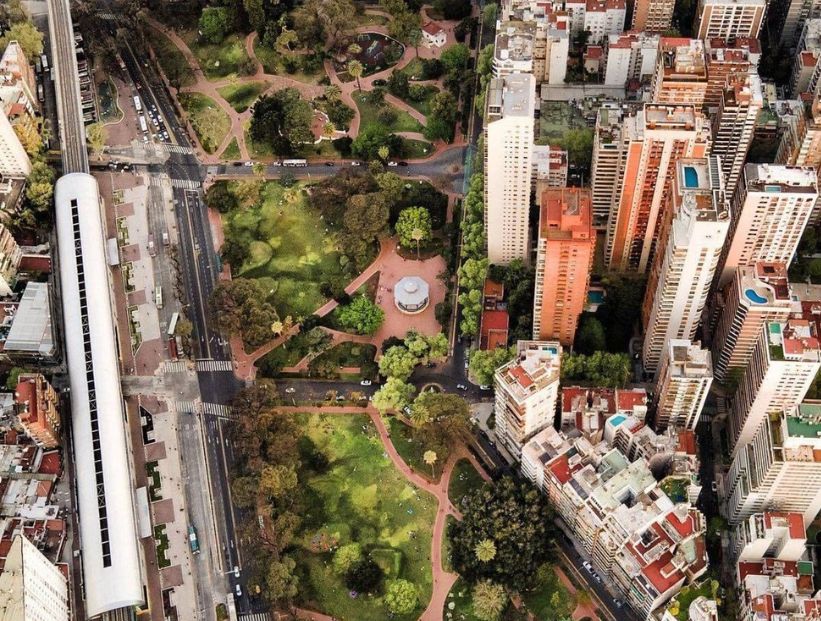
If you’re exploring Belgrano, you can’t miss Barrancas de Belgrano, the park designed by Carlos Thays that doubles as the neighborhood’s open-air stage. Framed by tree lined streets and the Río de la Plata breeze, it’s where tango dancers spin on weekends under the Chinese arch, and artisan stalls sell crafts and snacks. Just steps away, Plaza Manuel Belgrano honors the creator of the Argentine flag, surrounded by a Sunday fair and the stately Museo Histórico Domingo Faustino Sarmiento, which tells the story of his role in Argentina’s educational reforms.
For a more intimate cultural stop, the Larreta Museum—a Spanish-style mansion with serene gardens—offers a peaceful break from the urban pace. The Larreta Museum is a book lover's favorite for reading under the pergolas or catching rotating art exhibits.
Architectural Walks Through the Neighborhood
Wander the tree lined streets where stately Belle Époque mansions sit beside embassies, each with its own architectural flair. Don’t skip La Redonda—formally the Parroquia de la Inmaculada Concepción—whose circular façade makes it one of Buenos Aires’ most unique churches. Many buildings here date back to the era when Belgrano returned to prominence after the Peninsular War, blending European influence with local character.
Shopping and Markets Along Avenida Cabildo
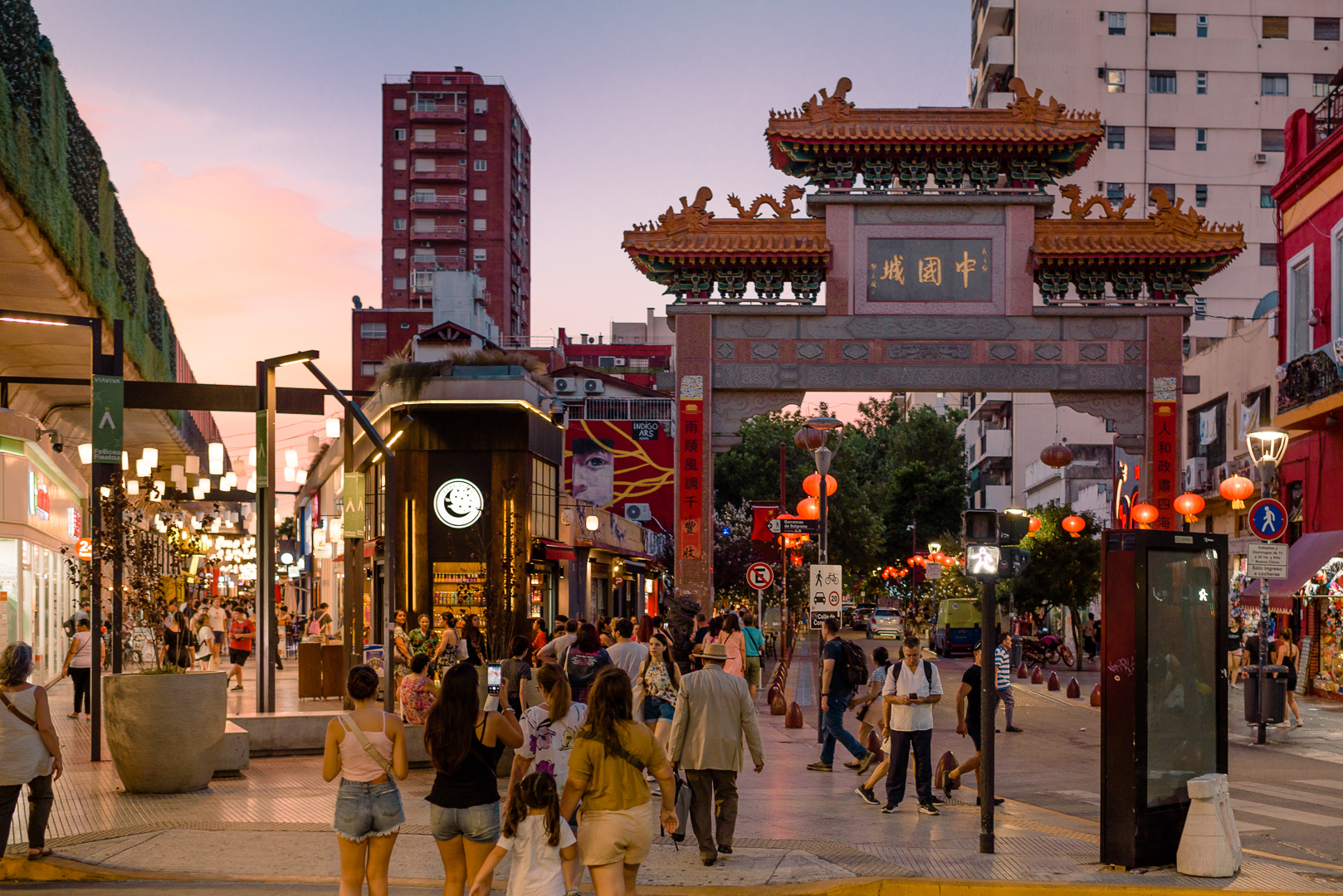
Avenida Cabildo is the neighborhood’s main shopping strip, lined with boutiques, bookstores, and tech shops. A short walk leads to Belgrano Market, where you’ll find fresh produce, cured meats, and cheeses perfect for a picnic in Barrancas de Belgrano. And for something different, head to Barrio Chino along Arribeños Street for Asian supermarkets, dumpling houses, and tea shops that add a distinct flavor to the neighborhood.

Quick Highlights List:
-
Stroll Plaza Manuel Belgrano and visit the Museo Histórico Domingo Sarmiento.
-
Relax in Barrancas de Belgrano while watching tango under the arch.
-
Explore Belgrano R’s stately homes and embassies.
-
Visit the Larreta Museum for its gardens and Spanish architecture.
-
Browse Barrio Chino for unique groceries and snacks.
Best Restaurants and Cafés in Belgrano
Argentine Classics Worth the Trip
Belgrano in Buenos Aires has no shortage of restaurants that make you want to linger over lunch. For a proper parrilla experience, El Pobre Luis serves perfectly grilled steaks with that signature Argentina char—plan around $25–$35 USD for a full meal. Italian flavors are strong here too; La Parolaccia Trattoria is a long-time favorite for fresh pasta and seafood. Both are within a quick Subte ride from Juramento station and make an easy detour if you’re coming from the city center.

International Flavors From Calle Arribeños to Primera Junta
Head to Calle Arribeños for the compact but flavorful Chinatown stretch, tea houses like the Royal Mansion and Hong Kong Style offer delectable delicacies—dim sum, sushi, and Asian grocery stores are all in one block. A few minutes away, Middle Eastern bakeries and legends such as Habibim that offer fresh pita, kebabs, and sweet baklava. Around Primera Junta, you’ll also find a mix of Spanish tapas bars like Yunta, and neighborhood spots that feel like a little town within the big metro.
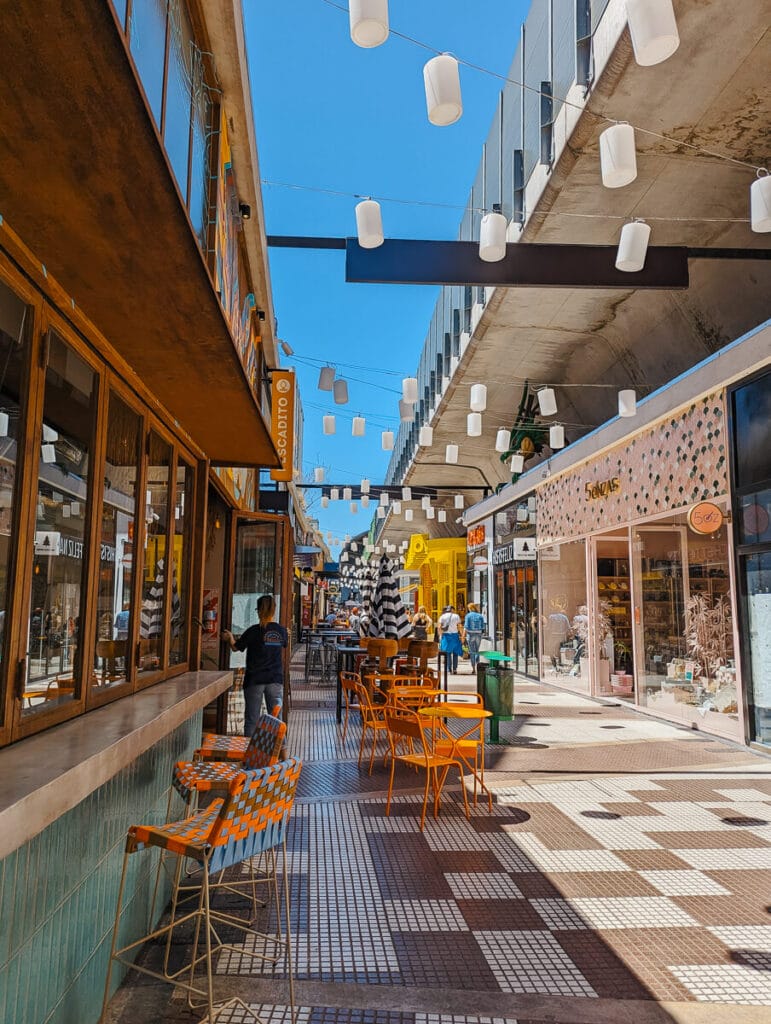
Cafés for Work and Weekend Mornings
For digital nomads, Café Registrado and Pocho Cafe are safe bets—good coffee, strong WiFi, and a steady hum that makes it easy to focus. Both are near residential pockets, so you can settle in without the tourist churn. Expect $3–$4 USD for a cappuccino, a bit more if you’re adding pastries.
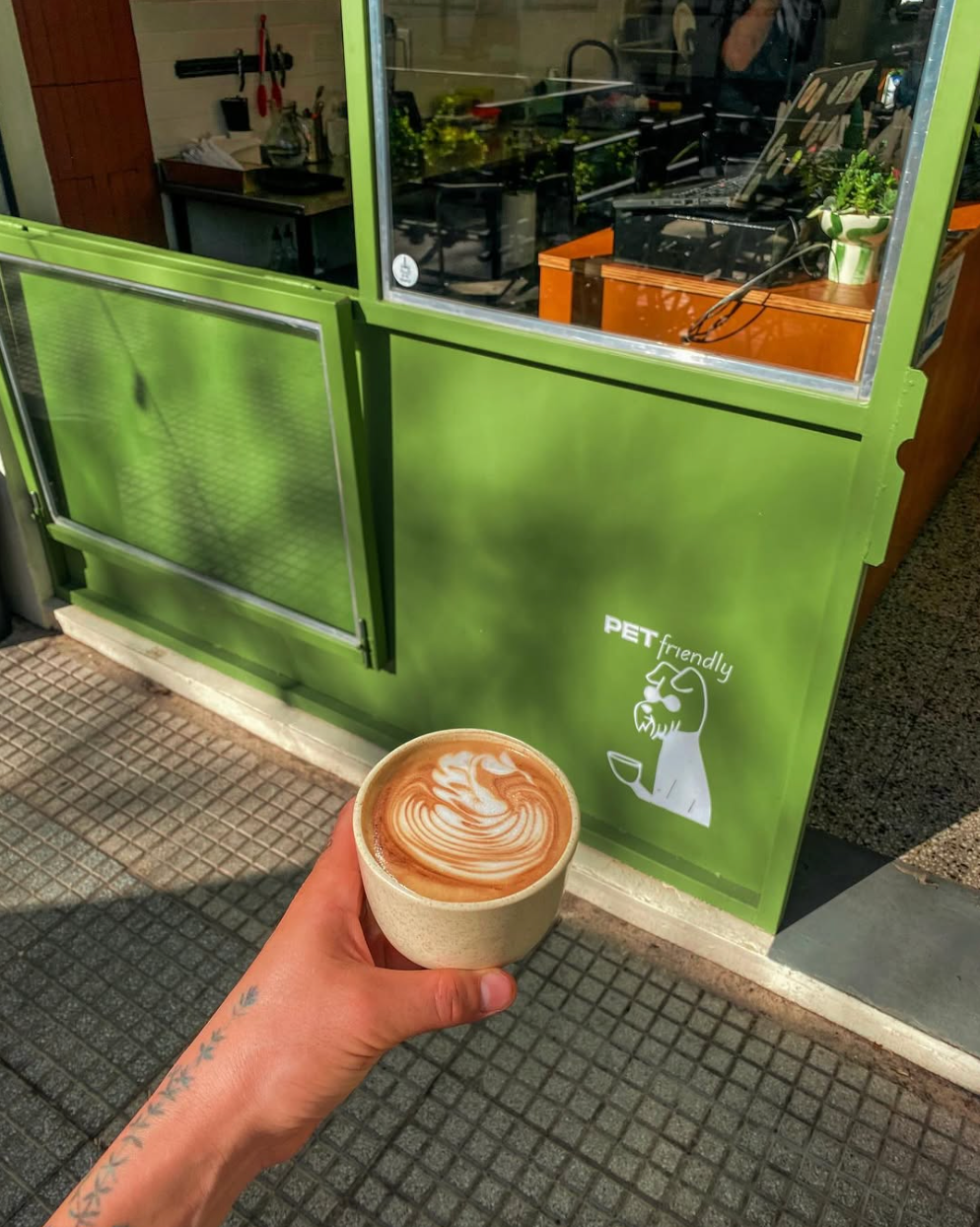
Quick Picks for Food and Coffee:
-
El Pobre Luis – Parrilla classics that could win over even a British steakhouse fan.
-
La Parolaccia Trattoria – Reliable Italian in the heart of Belgrano.
-
Calle Arribeños – Dumplings, sushi, and Asian snacks in a single stroll.
-
Pocho Cafe – Minimalist design, excellent espresso, and nomad-friendly tables.
Bajo Belgrano: Green Spaces and Outdoor Life
Belgrano in Buenos Aires is more than its cafés and restaurants—it’s a town where green corners are part of the daily rhythm. Barrancas de Belgrano is the area’s open-air living room, perfect for a morning jog or a lazy Sunday among artisan stalls. Just beyond, Plaza Manuel Belgrano sits in the shadow of La Redonda, a stunning church that’s as photogenic as it is historic. For longer routes, runners and cyclists use Avenida Figueroa Alcorta or head toward Costanera Norte for breezes off the river.
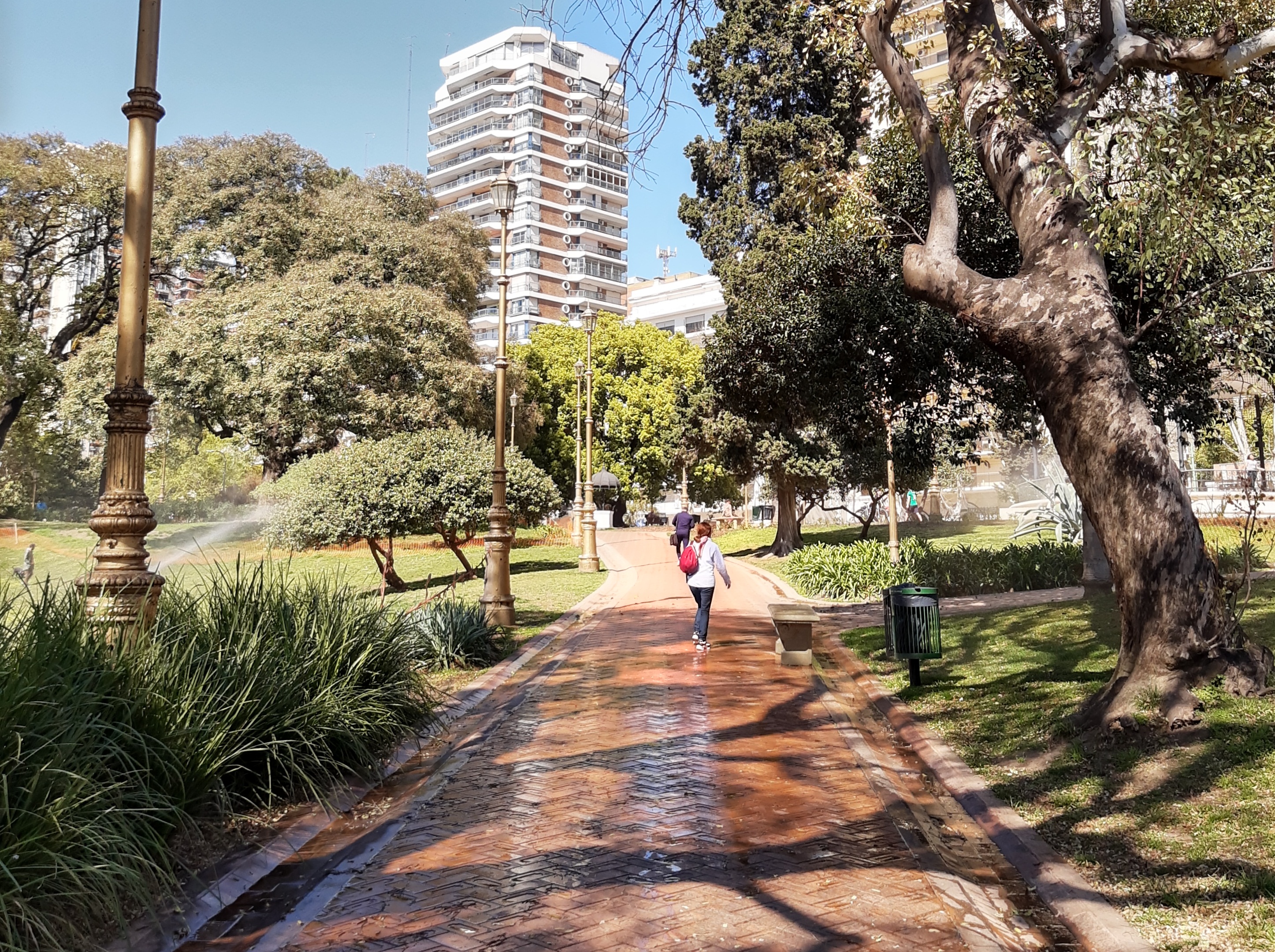
Living and Staying in Belgrano
In Belgrano R, leafy residential streets hide a mix of old mansions and modern apartments. Accommodation options range from boutique hotels to furnished apartments—ideal for RentRemote’s fully equipped workstations. Prices are mid to high compared to the Buenos Aires average: a serviced apartment here often starts around $900–$1,200 USD/month, while short-term stays in July or high season can climb higher.
Popular options:
-
Bajo Belgrano riverfront apartments with balconies and natural light.
-
Belgrano R family houses converted into serviced rentals.
-
Boutique hotels near La Redonda for easy access to markets and dining.

Community and Amenities
The neighborhood draws a mix of students, professionals, and expats. Many rentals come with WiFi fast enough for video calls, private balconies for fresh air, and kitchens you’ll actually want to cook in. You’re also within reach of Federico Lacroze station for suburban escapes or weekend trips that follow the old Inca plan routes north. Whether you’re here for a month or a year, Belgrano’s balance of green spaces, culture, and convenience makes it easy to stay.
Belgrano vs. Palermo vs. Recoleta
Belgrano – The Residential, Upscale Barrio
If you’re after a peaceful neighborhood in Buenos Aires with leafy streets, well-kept parks, and a strong café culture, Belgrano delivers. It’s home to excellent restaurants, artisan fairs, and cultural sites tied to figures like Sarmiento. Rentals here are mid-to-high priced, with furnished apartments starting around $900 USD/month, reflecting the comfort and security the barrio offers.

Palermo – Trendy and Creative
For those who want a fashion-forward base with endless dining and nightlife options, Palermo (just southeast of Belgrano) fits the bill. It’s pricier for short-term stays but offers variety—boutique hotels, lofts, and a constant rotation of pop-up restaurants. Ideal for travelers who want the city at full volume.
Recoleta – Elegant and Museum-Rich
Recoleta blends historic charm with refined culture. You’ll find grand architecture, the city’s most famous cemetery, and world-class museums. Prices here are among the highest in Buenos Aires, but so is the prestige. Perfect for art lovers and those who want to be surrounded by cultural landmarks.
Quick Fit Guide:
-
Belgrano – Peaceful barrio, cultural depth, green spaces, and upscale restaurants.
-
Palermo – Trend-driven, high-energy, dining and nightlife hub.
-
Recoleta – Cultural heritage, elegance, and historic sites.
Why Belgrano Works for Digital Nomads
Quiet Focus Meets Easy Access
In Buenos Aires, Belgrano hits a sweet spot for remote workers—it’s calm enough to keep you focused but close enough to the action for when you want a night out or a cultural detour. The neighborhood’s parks and residential streets make for stress-free breaks between calls, and you’re still within minutes of major transit routes.

Coworking Spaces That Deliver
Belgrano has a handful of solid coworking options. HIT Pampa offers modern desks, meeting rooms, and a community feel, while Ronda Coworking combines bright interiors with flexible memberships. Expect day passes to run $8–$12 USD, and monthly rates starting around $120 USD.
Cafés With Strong WiFi and a Productive Vibe
If coworking isn’t your thing, there are plenty of cafés where you can set up for a few hours. Minimalist espresso bars, cozy bakeries, and modern coffee houses all make solid work spots, especially mid-morning or early afternoon. Prices hover around $3–$4 USD for coffee, with light meals under $10 USD.
Nomad-Friendly Highlights:
-
Coworking memberships for under $150 USD/month.
-
Cafés with WiFi and power outlets for all-day work sessions.
-
Green spaces within walking distance for midday resets.

Practical Tips for Enjoying Belgrano
Choosing the Best Time to Visit
Belgrano is at its prettiest in spring (September to November) when jacaranda trees bloom, and in autumn (March to May) when the heat eases but the days stay long. Summer can be humid and busy with holidaymakers, while winter is mild enough for park strolls and coffee breaks outdoors.
Understanding the Local Rhythm
Sundays are for family gatherings—parks fill with picnics, and restaurants tend to be busier for long lunches. Many shops also close midday during the week, so plan errands for the morning or late afternoon.
Getting Around Without Stress
Pick up a SUBE card as soon as you arrive—it works for buses, the Subte, and commuter trains, making travel seamless. Stations are well-marked, and most journeys across Belgrano cost less than a dollar.
Money Matters in the Neighborhood
While card payments are widely accepted, many small businesses still prefer cash in pesos. ATMs are easy to find, but withdrawal fees can be high, so it’s worth taking out a larger amount at once and storing it safely.
Quick Tip Recap:
-
Visit in spring or autumn for the best weather.
-
Expect midday shop closures during the week.
-
Use a SUBE card for all public transport.
-
Keep some pesos on hand for small purchases.

Is Belgrano Right for You?
Belgrano is a strong choice if you value culture, calm, and a high quality of life without sacrificing access to the rest of Buenos Aires. It offers green spaces, a variety of dining options, and a comfortable pace that works well for extended stays or workations.
It’s not the right fit if you’re on a shoestring budget or looking for a nightlife-first base—you’ll find more affordable or party-focused areas elsewhere in town.
Explore RentRemote’s workstation-ready apartments in Buenos Aires
Compare it to Recoleta, and other neighborhoods more in our Buenos Aires Neighborhood Guide