
Daniel
Productivity & Remote Living Analyst ·
Buenos Aires works if you earn in dollars and do not mind navigating Argentina's economic instability with a sense of humour. The city offers European charm at Latin American prices, but living in Buenos Aires means accepting that currency exchange rates shift weekly and bureaucracy rarely follows logic. Most digital nomads spend between $1,800 and $2,500 per month here — comfortable if your income is in foreign currency, tight if you are job hunting locally.
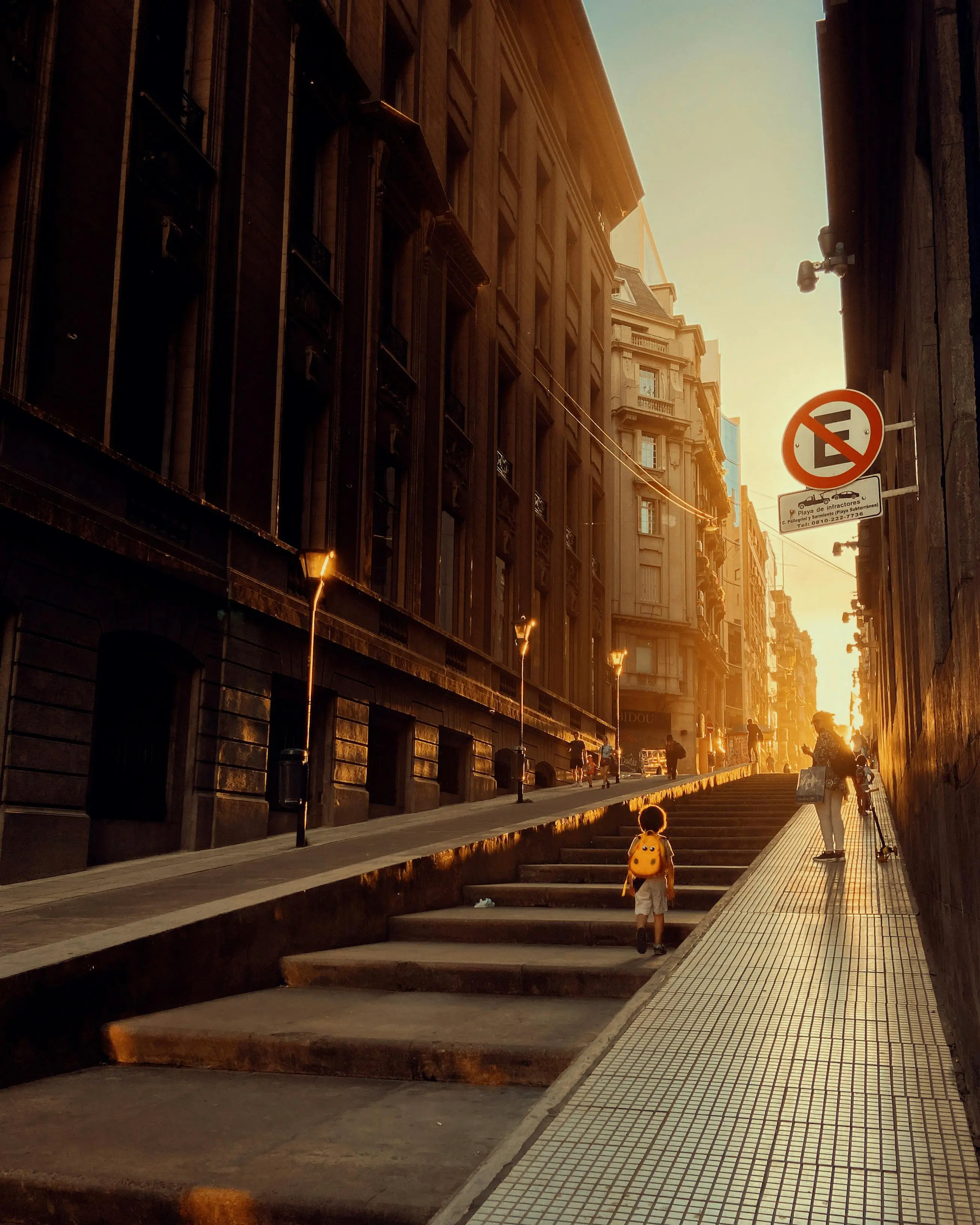
This guide covers:
How tourist visas, temporary residency, and the digital nomad visa actually work
Where to live based on budget and noise tolerance
Real monthly costs and why the "blue dollar" matters
Opening a bank account, finding health insurance, and avoiding common expat mistakes
Navigating public transportation and daily logistics
What expat life in Buenos Aires feels like after the novelty wears off
Understanding Visas and Residency When Moving to Buenos Aires
Most people arrive on a 90-day tourist visa and figure out the rest later. That approach works for testing whether Buenos Aires suits you, but staying longer requires navigating Argentina's immigration office — where patience matters more than preparation.
Tourist Visas: The Default Entry Point
Ninety days is enough to decide if you want to commit, and extending once buys you another three months if you apply between days 80 and 90 at the immigration office.
For more detailed guidance, the Argentine immigration website has a very informative article explaining each visa category and required documentation in both Spanish and English.
Living in Buenos Aires legally requires obtaining proper residency status, whether through the rentista visa, work visa, or the increasingly popular digital nomad visa.
Citizens from most Western countries and Latin American countries enter visa-free for 90 days
One 90-day extension available at Departamento Nacional de Inmigraciones — apply during days 80–90, costs around $100 USD
Many expats leave Buenos Aires for a weekend in Uruguay to reset their visa rather than extend formally
Extensions require proof of accommodation and onward travel plans — enforcement varies by officer
Overstaying results in a fine at the airport, usually $50–100 USD, but complicates future entries
Digital Nomad Visa: 180 Days With Remote Work Proof
Argentina introduced a digital nomad visa that grants six months of legal remote work, renewable once — useful if you want a full year without border runs.
Total stay of 180 days with one extension possible for another 180 days
Requires proof of passive income or remote job earning at least $2,500 USD per month
Application through Migraciones online portal — processing takes 4–8 weeks
Costs approximately $200 USD in fees, payable in Argentine pesos at current official exchange rates
Does not lead to permanent residency — purely a temporary work authorization
Temporary and Permanent Residency: For Long-Term Commitment
Temporary residency makes sense if you plan to stay beyond a year, earn local income, or want access to Argentina's public healthcare system without relying on travel medical insurance.
Work visa requires local company sponsorship registered with the immigration office — rare unless you have specialized skills
Rentista visa available if you prove sufficient passive income (around $2,000 USD/month) from foreign sources with asset documentation
Temporary residency granted for one year, renewable annually before applying for permanent residency after three years
Direct family members of an Argentine citizen can apply for permanent residency immediately without temporary steps
Hiring an immigration lawyer costs $500–1,500 USD but simplifies the process considerably
Visa Runs and Neighbouring Countries
Colonia del Sacramento in Uruguay is the most common reset option — a one-hour ferry from Buenos Aires that enough expats use that Argentine authorities sometimes question repeat crossings.
Buquebus ferry terminal in Puerto Madero — round-trip tickets to Uruguay start at $80 USD
Weekend trips to Uruguay or Chile serve as visa resets, though border agents may scrutinize frequent entries
Some Buenos Aires expats report issues after 3–4 visa runs in a year — enforcement inconsistent
Staying legally on temporary residency avoids these complications and simplifies apartment hunting
Most digital nomads start on tourist visas, test the city for three months, then decide whether to commit to residency or move on.
Where to Live: Neighbourhoods in Buenos Aires for Remote Workers and an Expat life
Buenos Aires divides into neighbourhoods that feel like separate villages — you will spend most of your time within a 10-block radius of home. Palermo suits newcomers because it concentrates cafés, coworking, and a large expat community, but other neighbourhoods offer quieter, cheaper, or more authentic experiences depending on what you prioritize.
Palermo: The Default Base for Digital Nomads
Palermo works because it assumes nothing about your Spanish level or familiarity with Buenos Aires — everything is walkable, English-friendly, and designed for remote work.
Living in Buenos Aires means choosing between trendy Palermo with its cafes and parks, historic San Telmo with cobblestone streets, or upscale Recoleta near the famous cemetery.
Lattente — flat whites $3.50, strong WiFi, laptop-friendly until 2pm when lunch crowds arrive
One-bedroom fully furnished apartments in Buenos Aires in Palermo start at $700/month, unfurnished long-term rentals from $500/month
Plaza Armenia — weekend artisan market, green space for mate sessions, centre of Palermo Soho social life
Subte Line D runs through the neighbourhood — 15 minutes to downtown Buenos Aires
Loudest neighbourhood on weekends — side streets near Plaza Córdoba quieter than Soho core
Recoleta: Quieter, Older, More Expensive
Recoleta suits you if you want wide sidewalks, European charm, and fewer English-speaking backpackers — but you pay a premium for the calm.
Work Café Recoleta — reliable coworking day pass $12, quieter than Palermo alternatives
One-bedroom apartments $900–1,200/month — 20% more expensive than Palermo for comparable space
Cementerio de la Recoleta — famous cemetery worth one visit, surrounding cafés good for quiet laptop work
Older expat demographic, fewer late-night options, better for families than solo remote workers
Subte Line D at Callao station connects to the rest of the city efficiently
San Telmo: Bohemian Vibe, Tourist Density on Weekends
San Telmo works for vintage aesthetics and tango dance halls, but the Sunday market transforms the neighbourhood into a theme park — living here means accepting that trade-off.
Pride Café — cortados $2, cobblestone-facing tables, WiFi inconsistent after noon
One-bedroom apartments $600–900/month, often in older buildings without modern facilities like elevators or central heating
Sunday Feria de San Telmo antique market blocks streets from 10am–6pm — picturesque but impractical if you need to leave
More petty crime than Palermo or Recoleta — avoid walking with laptops visible after dark
Subte Line C at Independencia station — older line, slower service
Browse Buenos Aires homes near this area
Belgrano and Almagro: Residential Alternatives With Local Flavour
Both neighbourhoods offer cheaper rent and fewer tourists, but you sacrifice walkable café density and will rely more on Spanish for daily interactions.
Café Martínez Belgrano — reliable chain with WiFi, medialunas $1.50, more local families than remote workers
Belgrano one-bedroom apartments $500–700/month, Almagro slightly cheaper at $450–650/month
Barrancas de Belgrano park in Belgrano — green space for mate, quieter weekends than central neighbourhoods
Almagro centres around tango culture — Club Gricel milonga $10 entry, authentic porteño experience
Fewer English speakers, slower restaurant service, better for intermediate Spanish learners
Neighbourhood | Monthly Rent | Vibe | Best For | Key Advantage |
|---|---|---|---|---|
Palermo | $700–1,000 | Expat-heavy, café-dense | First-time visitors, remote workers | Everything walkable, English common |
Recoleta | $900–1,200 | Elegant, quiet, upscale | Families, older expats | Safety, wide sidewalks, fewer crowds |
San Telmo | $600–900 | Bohemian, historic, touristy weekends | Culture seekers, tango dancers | Authentic architecture, Sunday market |
Belgrano | $500–700 | Residential, local, green | Families, budget-conscious expats | Lower rent, parks, local immersion |
Almagro | $450–650 | Tango-focused, working-class, authentic | Spanish speakers, tango enthusiasts | Cheapest central option, local life |
Explore Palermo in our neighbourhood guide for more detail on where to grocery shop, which streets stay quiet, and how the vibe shifts between Palermo Soho and Palermo Hollywood.
Choose based on your Spanish comfort level and tolerance for weekend noise — most people test Palermo first, then move to quieter neighbourhoods once they know the city.
Long term rentals are increasingly available through platforms like RentRemote for stays over 3 months, though traditional inmobiliarias offer better rates for year-long contracts.
Finding and Securing an Apartment in Buenos Aires
Apartment hunting in Buenos Aires splits into two systems: temporary rentals lasting three months or less, which foreigners can access easily, and long-term rentals requiring a local guarantor or surety insurance that most newcomers cannot provide. Moving to Buenos Aires for less than six months means accepting furnished temporary rentals at higher per-month costs.
Many expats find that living in Buenos Aires long-term is easier when working with relocation specialists who understand both local rental laws and foreigner documentation requirements.
Temporary Rentals: The Expat Default
Temporary contracts work for digital nomads because they require nothing but a passport and upfront payment — no local guarantor, no bureaucracy, but rental prices run 30–50% higher than long-term equivalents.
One-bedroom furnished apartments $700–1,000/month in Palermo, $500–700/month in Belgrano
Contracts last one to three months with renewal options — flexibility costs more per month than annual leases
ZonaProp and ArgenProp list temporary rentals, but expat forums and Facebook groups surface unlisted options
Utilities often included in temporary rentals, saving $50–100/month during peak heating or cooling months
Landlords expect payment in cash payments — USD preferred, sometimes EUR or GBP accepted at agreed exchange rates
Long-Term Rentals: Worth Pursuing After Six Months
Long-term contracts reduce monthly costs significantly but require either a local guarantor who owns property in Buenos Aires or surety insurance that costs 4–5 months' rent upfront.
Unfurnished one-bedroom apartments $500–800/month in Palermo, $400–600/month in Almagro — 30% cheaper than temporary options
Three-year contracts standard, with annual rent increases tied to inflation — Argentine government sets formulas that lag real inflation
Guarantor requirement: a property owner in Buenos Aires who vouches for you — impossible for most foreigners without local connections
Surety insurance through Finaer or Garantía Ya costs 4–5 months' rent upfront, requires proof of foreign income
Some landlords accept larger deposits (6–12 months' rent) in lieu of guarantor — negotiate before signing
Where to Search and What to Avoid
Buenos Aires expats rely on Facebook groups more than official rental platforms because many landlords avoid listing fees and prefer direct contact.
Buenos Aires Apartments & Roommates Facebook group — 40,000+ members, new listings daily, verify landlords before transferring deposits
Badi app for shared apartments and roommate matching — useful for first month while apartment hunting
Avoid paying full deposits before seeing the apartment in person — scams target remote workers booking from abroad
Inspect water pressure, heating, and internet speed during viewings — older buildings in San Telmo often lack modern facilities
Negotiate payment terms upfront: some landlords accept monthly USD transfers, others require cash payments in Argentine pesos at blue dollar rates
Paying Rent and Navigating Currency Exchange Rates
How you pay rent determines your effective monthly cost — paying in pesos at the blue dollar rate saves 30–50% compared to official exchange rates or direct USD transfers.
Landlords quote temporary rentals in USD but often accept payment in Argentine pesos at the blue dollar rate
Western Union transfers to yourself in Buenos Aires let you receive pesos at near-blue rates — better than ATM withdrawals
Cash payments common for rent — withdraw pesos incrementally to avoid carrying large amounts
Utility bills (electricity, gas, water) billed separately in pesos — budget $50–100/month depending on season and building efficiency
Rental prices increase 10–20% annually even on temporary contracts due to Argentina's inflation — renegotiate or move
Most remote workers start with a three-month temporary rental in Palermo, then decide whether to commit to long-term contracts or continue with temporary flexibility at higher cost.
Your monthly living expenses in Buenos Aires will include rent (30-40% of budget), groceries, utilities averaging $50-80 USD, and transportation via the SUBE card.
Cost of Living and Managing Money in Buenos Aires
Living in Buenos Aires costs between $1,800 and $2,500 USD per month if you want a relatively comfortable life with private health insurance, occasional dining out, and coworking access. That budget assumes you earn in foreign currency and navigate exchange rates strategically — paying rent at the blue dollar saves hundreds monthly compared to official rates.
Opening a local bank account becomes easier once you have your DNI (national ID), with banks like Banco Galicia and Santander offering accounts to temporary residents.
The cost of living in Buenos Aires remains affordable for most expats, with a comfortable lifestyle achievable on $1,500-2,000 USD monthly including rent in a nice neighbourhood.
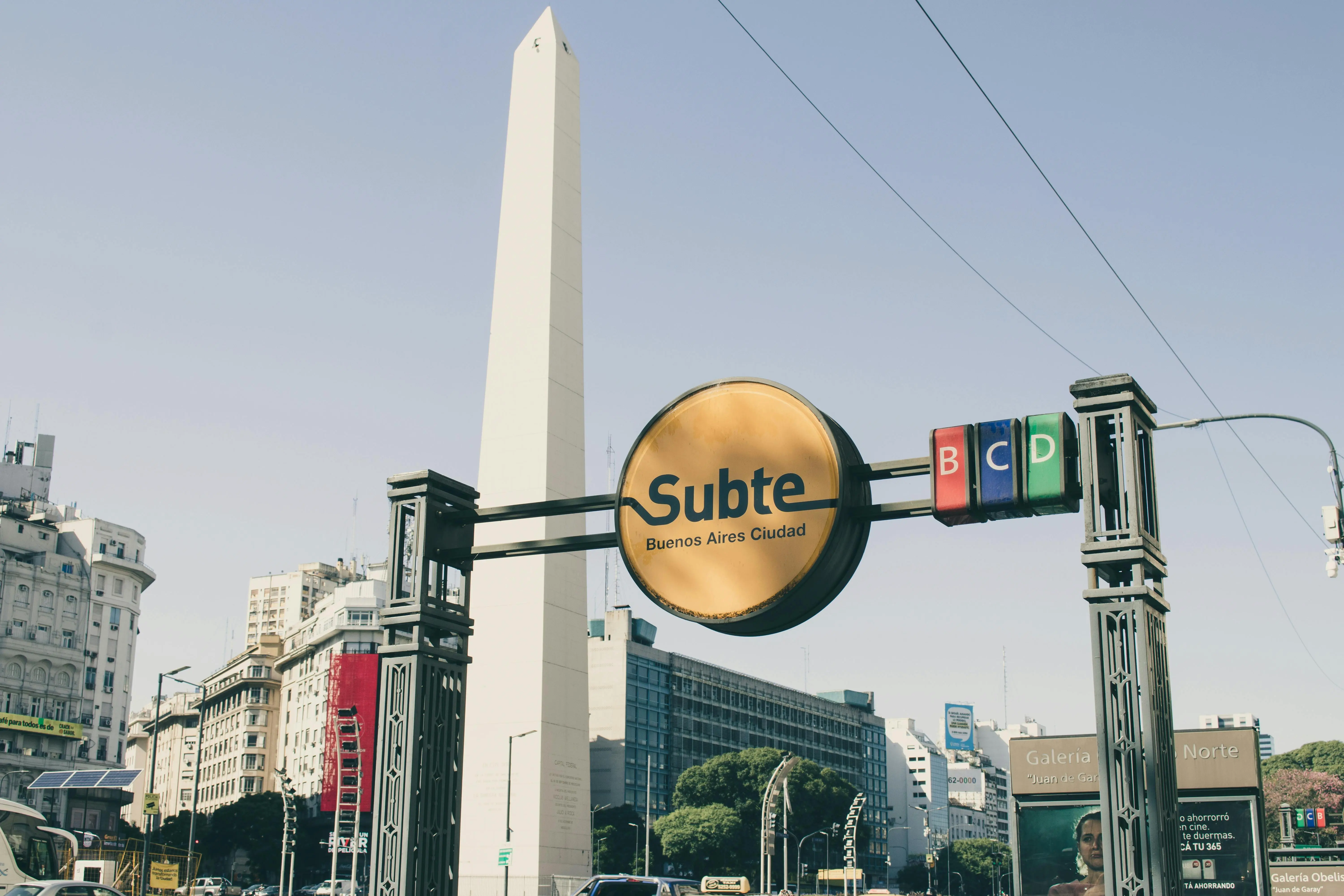
Monthly Budget Breakdown for Remote Workers
Your largest variable is whether you pay rent in dollars directly or convert to pesos at favourable exchange rates — the difference can be $200–300 per month on the same apartment.
Rent: $700–1,000/month for one-bedroom furnished temporary rental in Palermo, $500–700/month in Belgrano or Almagro
Utilities (electricity, gas, water, internet): $50–100/month, higher during winter heating or summer cooling
Groceries: $300–400/month shopping at local markets and Disco supermarkets — imported goods double that
Dining out: $30–40 for dinner with wine at mid-range restaurants, empanadas from neighbourhood shops less than $0.50 each
Coworking: $100–150/month for dedicated desk at Urban Station, or $12–15 daily café budget
Public transportation: SUBE card rides cost 700–900 pesos ($0.70–0.90 USD at blue rate), budget $30–40/month
Private health insurance: $50–100/month depending on coverage level
Entertainment and social life: $200–300/month for weekend asados, tango shows, and exploring other neighbourhoods in Buenos Aires
Why the Blue Dollar Matters More Than Official Exchange Rates
Argentina operates dual exchange rates — the official rate controlled by the Argentine government and the blue dollar traded on parallel markets at 30–50% better value for foreign currency holders.
Official rate as of March 2024: ~350 ARS per USD; blue dollar: ~600+ ARS per USD — difference compounds on every large purchase
Paying rent in pesos at blue dollar rates turns a $900 USD apartment into $550–650 effective cost
Cuevas (exchange houses) on Florida Street offer blue rates — bring crisp, undamaged USD bills for best rates
Credit cards and ATMs use official rates — avoid unless necessary, withdraw pesos via Western Union instead
Exchange rates fluctuate weekly due to Argentina's economic instability — check rates daily on Ámbito Financiero before large transactions
Opening a Bank Account as a Foreigner
Most digital nomads skip opening a local bank account because it requires temporary residency and offers little benefit if you earn foreign income and pay rent in cash.
Banco Galicia and Santander Argentina accept foreigners with temporary residency — process takes 2–4 weeks
Requirements: passport, proof of address (rental contract), tax resident status declaration (usually from home country)
Local bank accounts needed only if you earn local salary, apply for permanent residency, or need to pay utilities automatically
Account maintenance fees $5–10/month, international transfers expensive — not worth it for remote workers on tourist visas
Alternative: MercadoPago digital wallet works without residency, useful for splitting bills and small local transactions
Where to Shop and Eat on a Budget
Learning which shops sell fresh pasta, where butcher shops offer fair prices, and when markets discount produce cuts your monthly grocery shop costs by 30–40% compared to supermarket-only shopping.
Carrefour Express for packaged staples, avoid for produce — overpriced compared to neighbourhood verdulerías (vegetable shops)
Fresh pasta shops (casas de pasta) like Pastificio Giglio Girolamo in Palermo sell handmade ravioli and ñoquis for $3–5 per serving — cheaper than dried pasta meals
Butcher shops in Almagro and Belgrano offer better meat prices than Palermo — Argentine beef costs $8–12 per kilo for quality cuts
Mercado Bonpland weekend market in Palermo for organic produce, artisan bread, and local honey
Local bakeries (panaderías) sell medialunas for $0.30–0.50 each — breakfast staple cheaper than café croissants
Earning in USD, EUR, or GBP makes Buenos Aires affordable despite inflation — but only if you avoid tourist traps, pay in pesos at blue rates, and shop where locals do.
Booking Apartments and Navigating Rental Markets in Buenos Aires
Apartment hunting here splits into two separate markets — short-term tourist rentals priced in USD and long-term rentals requiring guarantees locals themselves struggle to meet.
Long term rentals in Buenos Aires typically require a garantía (local guarantor) or insurance policy, though some landlords accept advance payments from foreigners instead.

Short-Term Furnished Rentals (Under 6 Months)
Most digital nomads moving to Buenos Aires start with furnished temporary rentals booked online — simpler process, higher monthly cost, zero bureaucracy.
Fully furnished apartments in Buenos Aires from $650–1,200/month depending on neighbourhood and building condition
Airbnb works for 1–3 months but monthly discounts cap at 30%, expensive beyond initial stays — better for testing neighbourhoods
Utility costs usually included, cleaning services negotiable — confirm before booking if work-from-home means higher electricity bills
Long-Term Rentals (6+ Months) and the Garantía System
Local rental contracts require a garantía — a property guarantee from someone who owns real estate in Buenos Aires — which immediately excludes foreigners and most Argentine renters under 40.
Standard 2-year contracts written in pesos, adjusted quarterly based on inflation indexes — rent can double over the contract period
Landlords demand: garantía (property guarantee), proof of Argentine income, refundable deposit equal to 2 months' rent, first month upfront
Private health insurance often required in contract terms for buildings with shared amenities — Swiss Medical starts at $60/month for basic plans
Rental prices for unfurnished 1-bed: Palermo $400–600/month, Caballito $300–450/month, Villa Crespo $350–500/month — payable in pesos
Co-Living and Shared Housing Options
Shared apartments bypass the garantía system entirely and offer instant social networks — trade-off is less control over your living environment.
Codreamers Coliving coliving from $600/month with coworking access, frequent turnover means noise levels vary
Confirm internet speed before committing — shared houses often have residential 10–20 Mbps plans insufficient for video calls
Large expat community in Palermo and Recoleta makes finding compatible housemates easier through expat forums and WhatsApp groups
Booking flexibility matters more than finding the perfect apartment immediately — most people test 2–3 neighbourhoods via short-term rentals before committing to longer leases.
Healthcare, Insurance Plans, and Staying Safe in Buenos Aires
Public healthcare in Buenos Aires is free even for tourists, but wait times and language barriers push most expats toward private health insurance costing less than gym memberships in most western countries.
Living in Buenos Aires gives you access to excellent private healthcare through prepaid plans like Swiss Medical or OSDE, costing between $100-200 USD monthly.
Private Health Insurance vs Travel Medical Insurance
Travel medical insurance covers emergencies but excludes routine care — living in Buenos Aires long-term means choosing local private health insurance within the first 90 days.
Swiss Medical starts at $60/month for basic coverage, $90–120/month for plans covering specialists and dentistry without copays
OSDE offers premium coverage $150–250/month, accepts foreigners on tourist visas, includes international evacuation in top-tier plans
Local insurance plans require proof of address and passport — no visa requirements, coverage starts within 48 hours of payment
Routine doctor visits cost $15–30 without insurance, specialist appointments $40–60 — insurance pays for itself if you visit doctors twice monthly
Pharmacies sell many antibiotics and prescription medications over the counter — still consult doctors, but access is immediate for minor issues
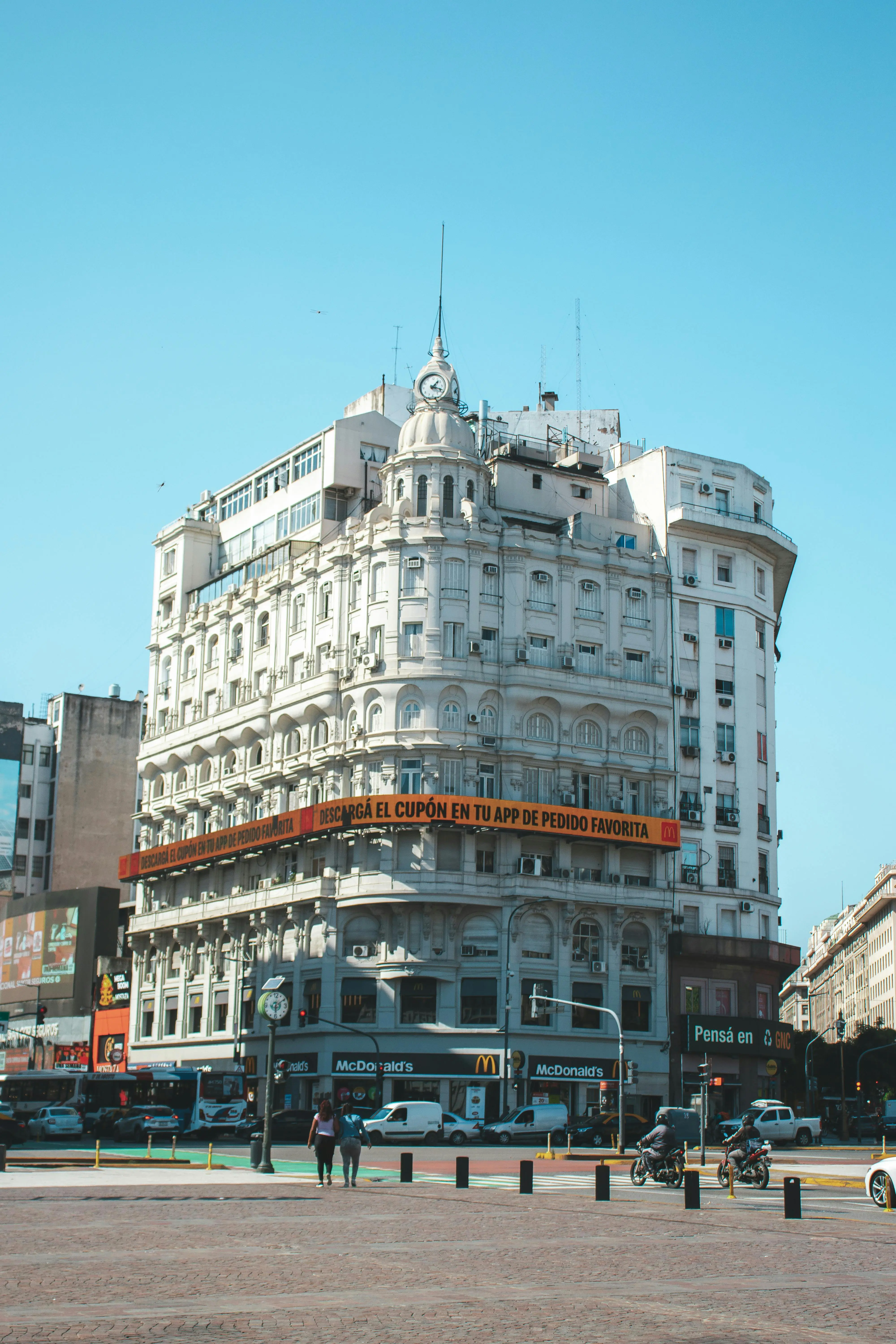
Understanding Petty Crime and Practical Safety
Buenos Aires feels safer than most Latin American cities to newcomers, but pickpocketing in tourist zones and phone snatch-and-grabs happen daily — awareness prevents 95% of incidents.
San Telmo Sunday market and Florida Street downtown Buenos Aires attract pickpocket crews — keep phones in front pockets, bags zipped and in front
Phone theft peaks at outdoor café tables near busy intersections — never place phones on tables near curbs, thieves on motorcycles grab and accelerate
Avoid walking through parks after 10pm — Plaza Armenia and Parque Las Heras safe during day, but poorly lit paths create opportunities after dark
Subte (metro) crowding during rush hour (8–9am, 6–8pm) enables pickpocketing — keep backpacks in front, wallets in front pockets
Violent crime against foreigners is rare — petty crime targets distraction, not confrontation, staying alert eliminates most risk
Digital Nomad Visa and Residency Pathways
Argentina launched a digital nomad visa in 2022 allowing remote workers earning foreign income to stay 6 months renewable once — but tourist visas remain simpler for most situations.
Digital nomad visa requires: proof of remote job or passive income $2,500+/month, criminal background check from home country, private health insurance, application fee $200
Processing time 4–8 weeks through Argentine authorities — apply before arriving or during first 30 days on tourist visas
Tourist visas from most western countries allow 90 days extendable once for 90 more days at immigration office near Retiro for $100 fee
Visa runs to Uruguay no longer reset tourist visa counters reliably — officially discouraged, occasionally denied re-entry after multiple trips
Permanent residency paths: marry an Argentine citizen, prove Argentine ancestry, invest in local business $200k+, or hire an immigration lawyer to navigate rentista visa ($150–250/month consultation fees)
Healthcare access and personal safety require basic precautions but don't define daily expat life the way currency exchange rates and apartment contracts do.
Buenos Aires has a significant Jewish and Arab heritage, with vibrant communities in neighbourhoods like Belgrano and Once offering Middle East cuisine, synagogues, and cultural centers.
Practical Tips for Daily Life and Integration
The first month living in Buenos Aires teaches you systems that aren't written down anywhere — how public transportation actually works, why cash payments dominate despite inflation, where Argentine Spanish differs enough to confuse fluent speakers.
Before moving to Buenos Aires, download essential apps like Rappi for delivery, Cabify for rides, and Pedidos Ya for food ordering to make your transition smoother.
Living in Buenos Aires requires adapting to late dining hours, with restaurants filling up after 10 PM and social gatherings often starting near midnight on weekends.
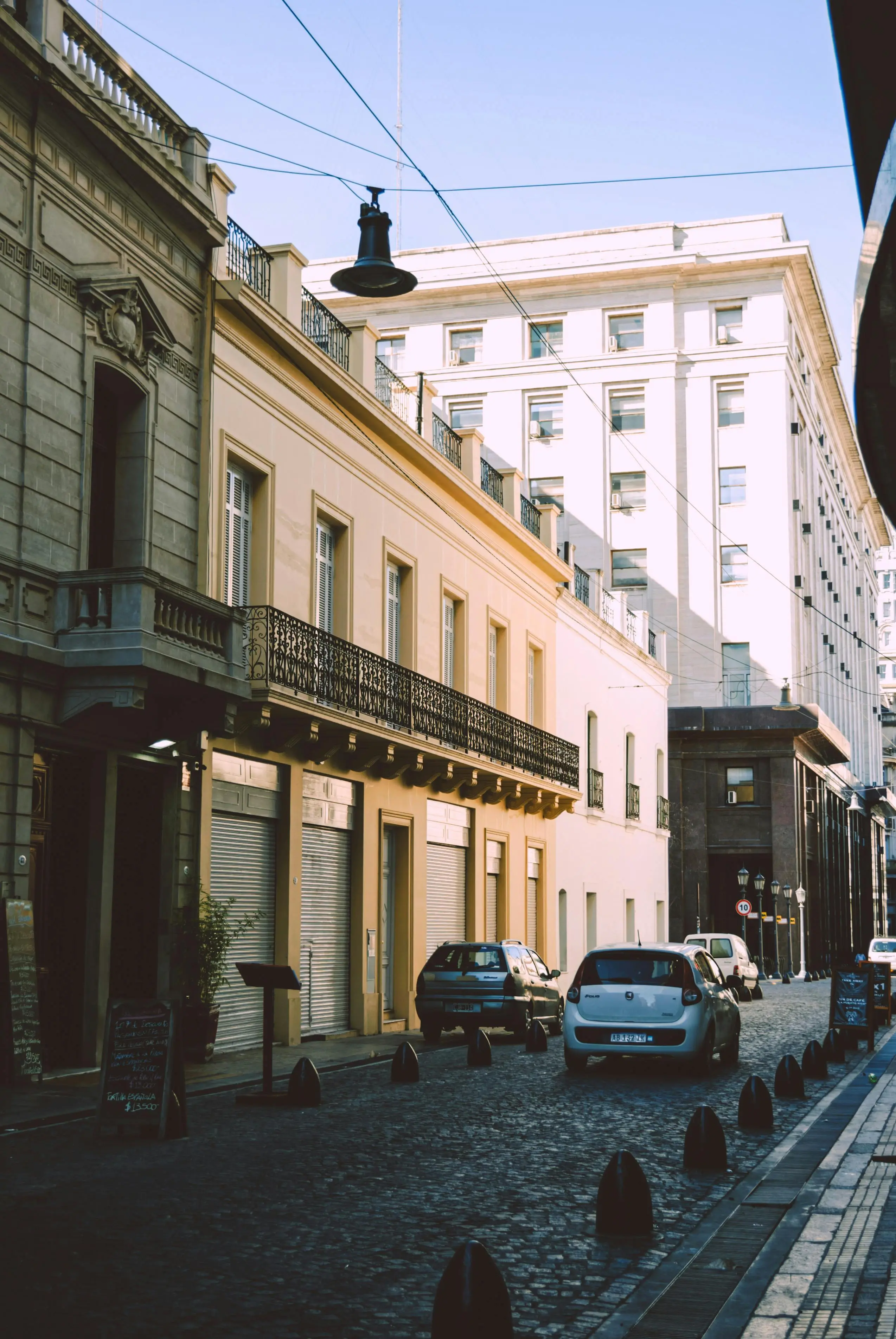
Navigating Public Transport and Getting Around
Buenos Aires public transportation runs cheaply and frequently but requires a SUBE card obtainable only in person — Uber fills the gap until you sort the logistics.
SUBE card (rechargeable transit card) costs $2 from kiosks, metro stations, and lottery shops — register online to recharge digitally or add credit at kiosks
Subte (metro) fare $0.15 per ride, buses (colectivos) $0.10–0.20 depending on distance — both require SUBE, cash not accepted
Colectivos don't display route maps inside buses — download Cómo Llego app for real-time directions before boarding
Uber and Cabify operate normally, 15-minute cross-neighbourhood rides cost $3–5 — drivers prefer cash payments to avoid app commission fees
Ecobici (public bike share) free for residents and tourists — register with passport at stations near Palermo parks, 1-hour rides unlimited
Learning Argentine Spanish vs Standard Spanish
Argentine Spanish pronunciation and vocabulary diverge enough from other Latin American countries that fluent Spanish speakers from Mexico or Spain spend the first weeks adjusting.
"Ll" and "y" pronounced "sh" — "calle" (street) sounds like "ca-shay", "yo" sounds like "sho"
Vos conjugation replaces tú — "¿Cómo estás?" becomes "¿Cómo estás vos?" with different verb endings locals correct constantly
"Che" used as filler word equivalent to "hey" or "dude" — "Che, ¿todo bien?" common greeting among friends
Lunfardo slang borrowed from Italian immigrant communities — "laburo" (work), "mina" (girl), "bondi" (bus) appear in daily conversation
Porteños (Buenos Aires residents) speak faster than other Spanish speakers — practice listening via local podcasts and radio before attempting conversations
Joining the Expat Community and Finding Your People
Buenos Aires offers a large expat community but you need to actively join specific groups — the city doesn't naturally throw foreigners together the way smaller destinations do.
Buenos Aires Expats Facebook group posts daily events, apartment leads, and visa questions — active since 2008, over 40k members
InterNations Buenos Aires hosts monthly meetups at bars in Palermo and Recoleta — $10–15 entrance includes welcome drink
Language exchange meetups at Mundo 2150 every Tuesday and Thursday — free entry, practise Spanish with locals learning English
Tango dance halls (milongas) welcome beginners — La Viruta in Palermo offers group classes $5 before Friday night milongas
Coworking spaces like Area Tres host community lunches and skill-share workshops — monthly memberships $100–180 include social events
Managing Moving Abroad Logistics Before Arrival
Booking the first month's apartment and securing health insurance before your flight eliminates the two biggest stress points within 48 hours of landing.
Book first 4 weeks via temporary rentals to test neighbourhoods — don't commit to 6+ month leases until you've walked the commute and tested the noise levels
Apply for private health insurance online before leaving your other country — OSDE and Swiss Medical accept international applications, coverage starts on arrival date
Bring 3–6 months' spending money in USD cash — $100 bills in pristine condition get best currency exchange rates at cuevas
Download offline maps for Buenos Aires, Cómo Llego transit app, and WhatsApp before arrival — local SIM cards sold at airport for $10 with 10GB data
Join relevant Facebook groups and expat forums two weeks before moving to Buenos Aires — ask current residents about ISP recommendations and neighbourhood-specific questions
Daily routines stabilise within three weeks once you figure out which grocery shop stocks what you need, where your favourite café has power outlets, and which colectivo lines avoid traffic.
Buenos Aires serves as an ideal base for exploring South America, with direct flights to Patagonia, Iguazu Falls, and neighbouring countries like Uruguay and Chile.
Why Buenos Aires Works for Remote Workers (And When It Doesn't)
Buenos Aires offers a relatively comfortable life on $1,500–2,000/month if you earn in foreign currency, tolerate bureaucratic chaos, and don't need everything to work the way it does in European countries or major cities in other regions.
Moving to Buenos Aires has become increasingly popular among digital nomads thanks to the new digital nomad visa launched in 2022 for remote workers.
The economic instability creates opportunity — blue dollar rates turn international salaries into local purchasing power that funds better apartments, frequent restaurant meals, and domestic travel across this beautiful country. The same instability means inflation erodes planning, exchange rates fluctuate weekly, and long-term residency requires navigating unclear rules enforced inconsistently.
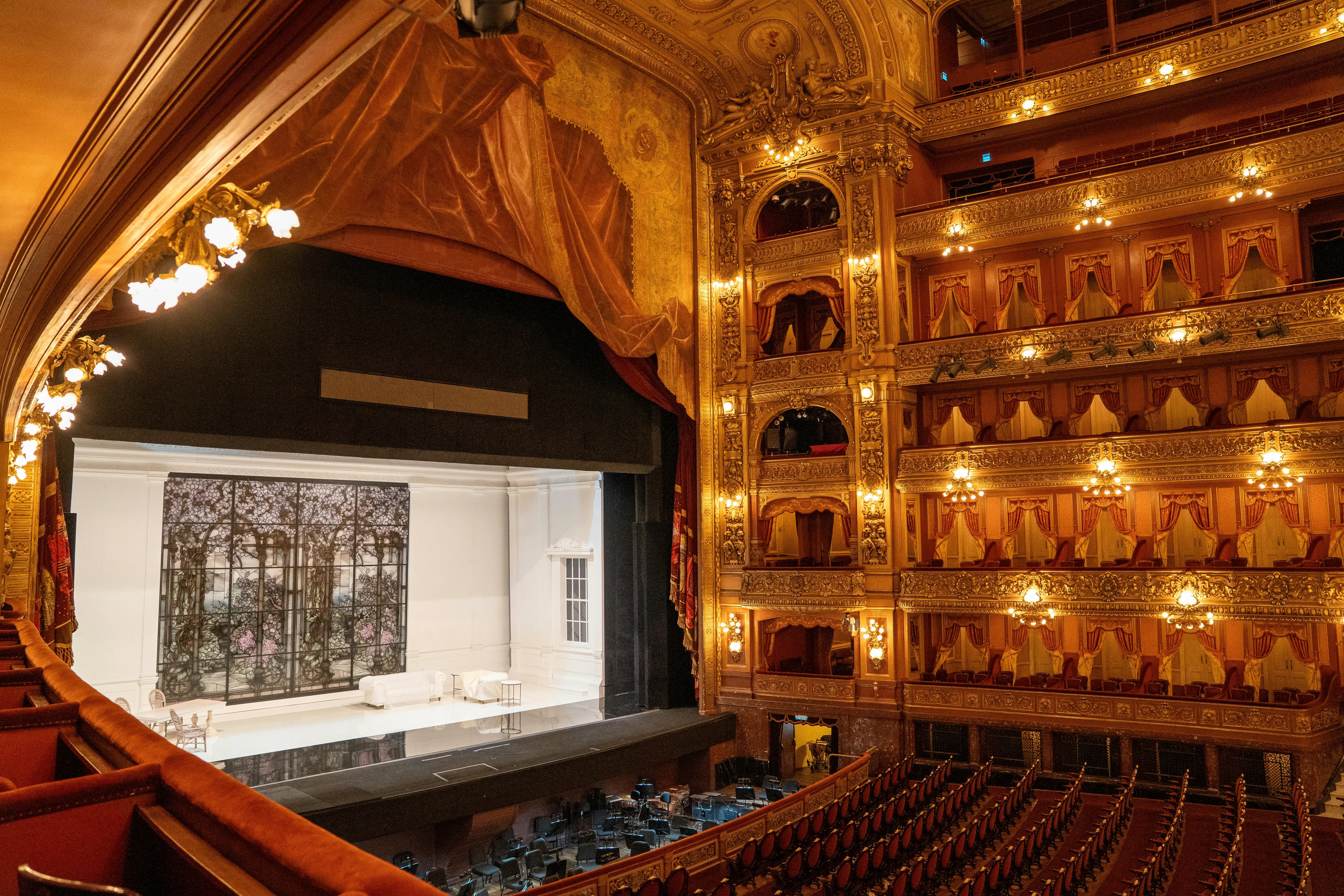
Living in Buenos Aires offers remote workers a European-style city experience at a fraction of the cost, with reliable coworking spaces like UrbanStation starting at $150 USD per month.
You stay in Buenos Aires because the trade-offs favour your situation. Café culture suits remote job schedules, modern facilities exist at 1970s prices when paid in pesos, and the city offers European charm without European costs. You leave Buenos Aires when the peso strengthens, inflation accelerates faster than blue dollar rates adjust, or you need reliable systems more than you need affordability.
The city rewards people who adapt to its rhythm rather than expecting it to adapt to them. If you need silence, choose Belgrano. If you need structure, rent near coworking spaces in Palermo. If you want to pay rent in instalments automatically, this isn't your place. If you'll exchange $500 cash every two weeks and pay landlords in person, Buenos Aires means living well on less while experiencing South America's most culturally dense capital.
Most digital nomads plan three months but extend to six. Some stay years. The decision point comes when you realise whether the things that frustrated you in the first month are tolerable quirks or deal-breakers. Browse fully furnished apartments in Buenos Aires to compare work-ready homes across the city.