
Daniel
Productivity & Remote Living Analyst ·
Buenos Aires rewards the remote worker who .does a little homework before arriving. The coworking scene here is genuinely good — well-priced, community-driven, and spread across neighbourhoods that each attract a different kind of professional. The trade-off is the Argentine Peso: pricing shifts, and what costs $40 a month today may cost $38 next week. Build that volatility into your expectations, not your budget spreadsheet
This guide covers:
Which coworking spaces are worth your time and which are worth skipping
How pricing works in a city where the exchange rate rarely sits still
The best neighbourhoods for remote work and what each one actually feels like
Dedicated desk options versus hot-desking, and when each makes sense
Meeting rooms, community events, and the extras that separate a good space from a great one
How to decide between Palermo, Microcentro, and Puerto Madero based on your working style
Why Coworking Spaces Buenos Aires Punches Above Its Weight
The coworking market here grew out of necessity — a freelance economy, a tech ecosystem that outpaced its office supply, and a steady stream of international remote workers who needed somewhere reliable to plug in. What you get as a result is a city where the community aspect of coworking is taken seriously, not just listed as a feature.
What Makes Buenos Aires Different from Other Latin American Coworking Cities
The local professional culture here pushes coworking spaces to deliver more than a desk and a password.
Community events — workshops, meetups, pitch nights — happen at most mid-tier spaces, not just the premium ones
High-speed Wi-Fi is standard, not a selling point; spaces that can't deliver consistent speeds don't last long
Ergonomic chairs and standing desks are common across Palermo and Microcentro locations — less so in smaller neighbourhood spaces
Kitchens with free coffee are near-universal; it's not an amenity here, it's an expectation
The result is that even a mid-range space in Buenos Aires tends to feel like a considered working environment, not a repurposed café with better lighting.
The Peso Problem — and Why You Should Price in USD
Monthly rates officially range from around 2,200 ARS to 6,900 ARS, but those numbers mean almost nothing without a date attached to them.
Monthly membership: approximately $37–$115 USD at current rates — always confirm in USD equivalent before committing
Daily rates start around 1,500 ARS (~$25 USD) — viable for a week-long stay, expensive for anything longer
Most spaces will negotiate a fixed-USD rate for stays of one month or more if you ask directly
Prices fluctuate with Peso volatility — the ARS figure in any listing you read today may already be outdated
The smart move is to ask each space what their current USD equivalent is on the day you sign up, and get it in writing.
The Best Neighbourhoods for Co Working Spaces in Buenos Aires
Where you choose to base yourself shapes everything else — your commute to the space, your lunch options, your neighbourhood energy at 6pm. Each of the main coworking districts in Buenos Aires has a different pitch, and only one of them will match your rhythm.
Neighbourhood | Monthly Rent (Approx.) | Vibe | Best For | Key Advantage |
|---|---|---|---|---|
Palermo Hollywood | $800–$1,200 USD | Creative, social, café-heavy | Freelancers, startups, creatives | Density of coworking options; walkable |
Microcentro | $600–$950 USD | Business, transactional, fast-paced | Client-facing professionals, corporates | Transport access; meeting room infrastructure |
Puerto Madero | $1,200–$2,000 USD | Modern, upscale, international | International businesses, high-end clients | Prestigious address; premium facilities |
San Telmo | $550–$850 USD | Artsy, historic, quieter by day | Writers, solo workers, long-stay nomads | Atmosphere; lower cost base |
Villa Crespo | $650–$900 USD | Local, up-and-coming, less touristy | Budget-conscious remote workers | Fewer tourists; strong local community feel |
Palermo Hollywood: The Default Landing Spot for Remote Workers
Palermo Hollywood is where most remote workers end up first, and many of them stop looking once they're here.
La Maquinita Co. — one of the most social coworking spaces in the city; dynamic atmosphere suits freelancers and early-stage startups; community events run weekly
Studios in Palermo Hollywood from ~$750/month; 1-bed from ~$950/month — prices rise sharply near Parque Las Heras
Café density is high — Lattente on Av. Santa Fe handles overflow work sessions well before noon
Loud on weekends; if you keep early-morning hours, the side streets off Honduras are quieter than the main strips
The neighbourhood doesn't feel like a compromise — it feels like where the city's creative and tech energy actually lives.
Microcentro: Better Infrastructure, Less Atmosphere
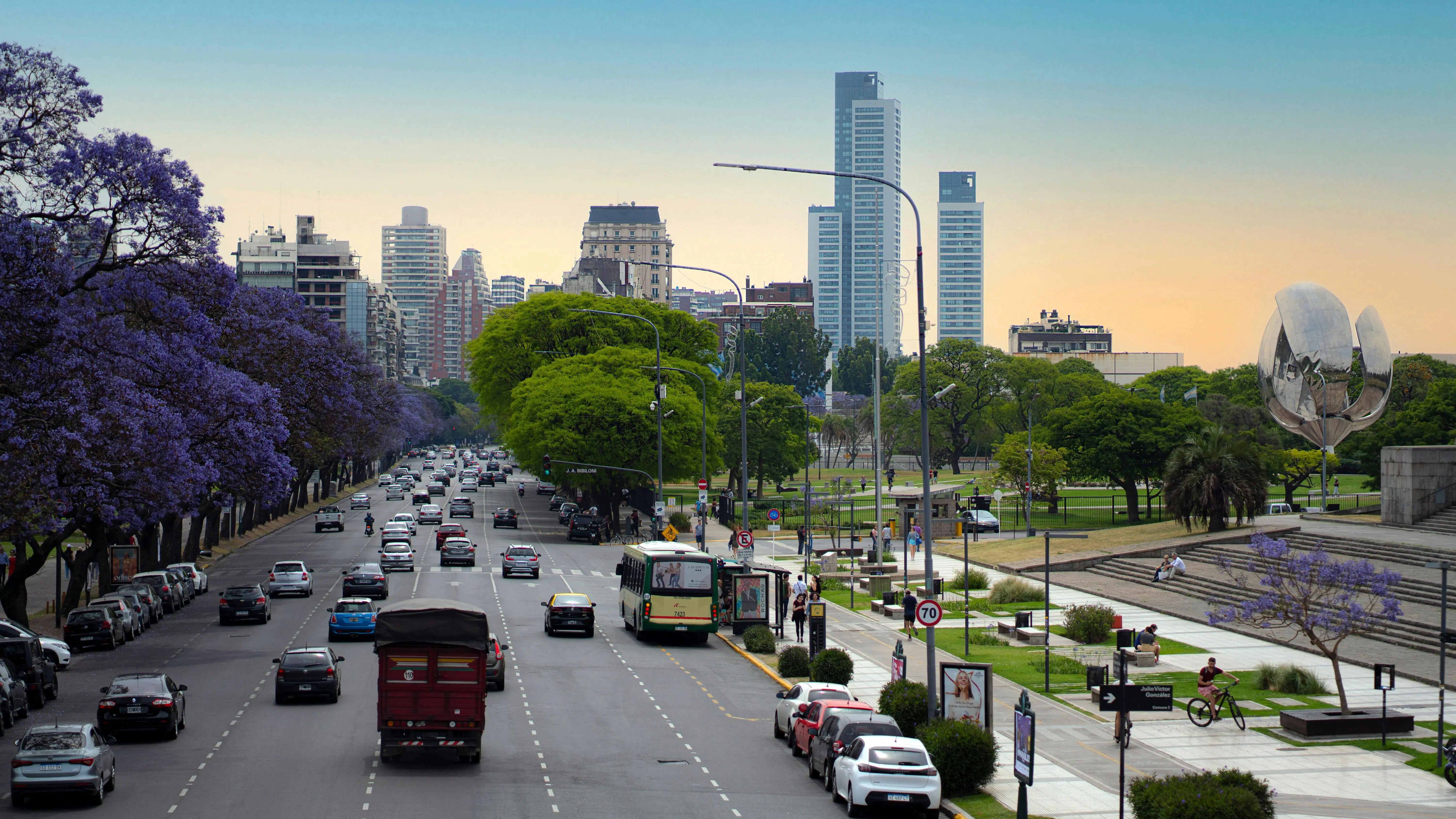
Microcentro is the financial heart of Buenos Aires, and the coworking spaces here reflect that — they're built around meeting rooms, printing infrastructure, and transport access, not afternoon espresso culture.
Urban Station Microcentro — flexible daily and monthly options; strong transport links make it the most practical base for client meetings
Monthly rates run slightly lower than Palermo — expect $37–$90 USD equivalent for hot-desking
Meeting rooms are easier to book here than anywhere else in the city — corporate-grade AV, reliable air conditioning
After 7pm the neighbourhood empties fast; it's not where you stay, it's where you work
If you need to impress a client or run a team call with no distractions, Microcentro is the right call — but you won't be eating dinner nearby.
Palermo Soho has more co working spaces per block than any other neighbourhood in Buenos Aires, with options ranging from around ARS 8,000 to ARS 25,000 per day depending on amenities.
Explore fully furnished apartments in Buenos Aires
Browse Buenos Aires homes near this area
The Top Coworking Spaces in Buenos Aires Worth Paying For
There are dozens of spaces in this city, and most of them are fine. A handful are genuinely worth the extra few dollars a month — either because the community is real, the infrastructure is serious, or the building itself makes you want to sit down and work.
La Maquinita Co. — For Community Over Quiet
La Maquinita Co. is the most socially active coworking space in Buenos Aires, and that is its defining quality — not its desks.
La Maquinita Co. Palermo Soho — monthly hot-desk from ~$60 USD; events calendar runs consistently; best for freelancers who want to plug into local networks fast
Open-plan layout means noise is part of the deal — bring headphones for deep-focus work
Kitchen, free coffee, and regular networking events included in base membership
The startup crowd here skews younger and local — useful if you want introductions into Buenos Aires' tech ecosystem
This is not a library. It's a place where you might end the day with three new contacts and a dinner invitation — which, depending on why you came to Buenos Aires, is exactly the point.
Huerta Coworking — For Focused Work in a Considered Space
Huerta Coworking is the choice for remote workers who want a calm environment with a clear sustainability ethos and a genuine pet-friendly policy that they actually enforce.
Huerta Coworking — eco-friendly fit-out; large, bright spaces with excellent natural light; monthly membership from ~$55 USD equivalent
Pet-friendly — one of very few spaces in the city where this is a real policy, not just listed on the website
Quieter community than La Maquinita; better suited to solo workers on long-term stays
Dedicated desk options available — worth asking about if you need a permanent physical setup
AreatBaires in San Telmo operates out of a restored historic building dating to the early 1900s, which sounds romantic until you realise the thick stone walls actually keep it cooler than most Palermo offices during Buenos Aires summers.
If you're staying a month or more and you work better in a calm room than a social one, Huerta is the space that will make Buenos Aires feel sustainable rather than exhausting.
Dedicated Desk Options and Meeting Rooms: What to Expect
Hot-desking works for the first two weeks. After that, most remote workers want the same chair, the same monitors, and the ability to leave a notebook on a desk overnight. Buenos Aires has enough supply to be selective about this.
When a Dedicated Desk in Buenos Aires Makes Sense
A dedicated desk costs more, but it removes the daily decision of where to sit — and in a city where coworking spaces can get busy by 10am, that matters.
Dedicated desk rates typically run $80–$130 USD/month — roughly 30–40% above hot-desk pricing at the same space
Most spaces that offer dedicated desks will also give you a locker, a fixed monitor, and 24-hour access
Palermo Hollywood spaces fill up faster — book dedicated desks at least a week ahead in high season (October–March)
Some spaces offer a hybrid: a reserved desk Monday–Friday but hot-desk access on weekends — worth asking about if your weekends are work days
Commit to a dedicated desk from the start if you're staying longer than three weeks — the productivity gain pays for the price difference quickly.
Meeting Rooms: Palermo Hollywood vs. Microcentro
Meeting rooms in Buenos Aires coworking spaces range from a glass box with a screen to a properly soundproofed room with video-conferencing infrastructure — and the gap between those two matters on a client call.
Microcentro spaces generally offer better-equipped meeting rooms — corporate-grade setups, reliable AV, dedicated booking systems
Palermo Hollywood meeting rooms are smaller and more informal — fine for internal team calls, less ideal for high-stakes client presentations
Most spaces charge by the hour: $5–$15 USD per hour depending on room size and equipment — confirm before you book
Book meeting rooms at least 24 hours in advance; walk-in availability is rare at popular spaces during business hours
If meeting rooms are a regular part of your work, base yourself in a space where room booking is a core feature, not an afterthought — Microcentro earns that call.
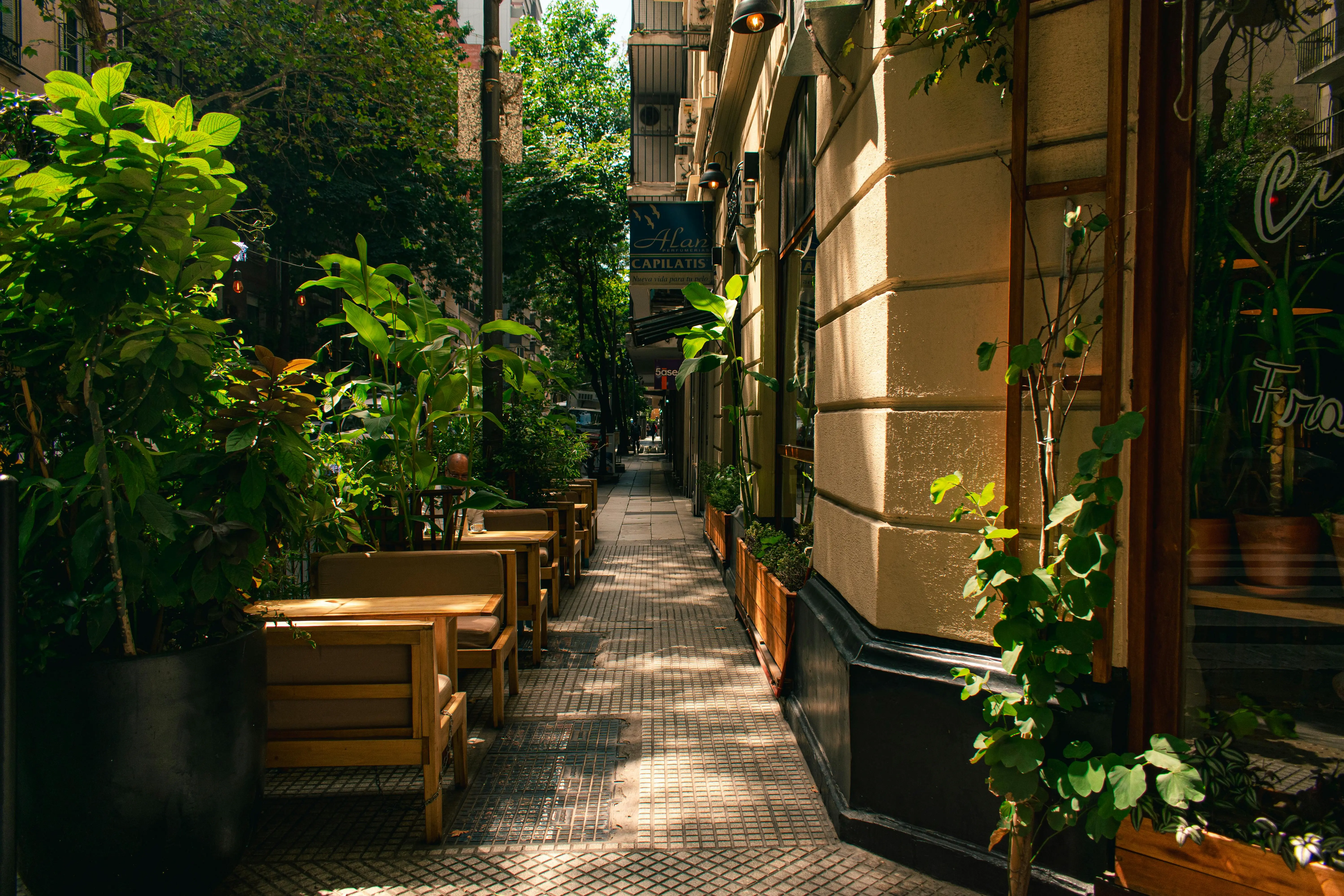
Explore Palermo Chico in our neighbourhood guide
Booking a Coworking Space in Buenos Aires: Day Passes, Memberships, and What Actually Works
Buenos Aires rewards flexibility — but "flexible" can mean paying 40% more per day than someone who committed to a monthly plan on day one. Know what you're buying before you walk in.
Day Passes vs. Monthly Memberships: The Real Maths
Day passes are useful for the first three or four days while you're testing spaces — after that, the monthly membership wins on pure arithmetic.
Day passes run $10–$20 USD across most Palermo and Microcentro spaces — reasonable for a trial, expensive as a habit
Monthly hot-desk memberships land between $80–$150 USD, which breaks even between days five and eight depending on the space
Some spaces offer a 10-day or short term pack — useful if you're only in Buenos Aires for two weeks and don't want to over-commit
Neu in Palermo offers a weekly pass that sits between day-pass chaos and monthly lock-in — one of the few spaces where this structure makes sense
If you know you're staying a full month, buy the membership on arrival — haggling is unusual here, but asking about a trial day before committing is entirely normal and most spaces expect it.
Platforms and Direct Booking: Where to Actually Look
Most Buenos Aires coworking spaces have their own booking pages, but aggregator platforms save you the comparison work — with caveats.
Coworker.com lists most major Buenos Aires spaces with verified reviews — useful for initial filtering, less useful for pricing accuracy (rates shift with the peso)
Book directly with the space once you've identified a shortlist — direct bookings often unlock a free trial day or a slightly better monthly rate
WhatsApp is the standard communication channel here; don't expect email responses within 24 hours — message on WhatsApp and you'll hear back the same afternoon
Spaces in Palermo Hollywood book up fastest in November and December — if you're arriving then, lock in at least two weeks out
The best deal in Buenos Aires coworking is almost always direct — the space avoids the platform commission and you get a real conversation about what you actually need.
What to Ask Before You Sign Anything
The listing says 24-hour access and fast WiFi — but "fast" is relative and "24-hour" sometimes means a keyfob policy that takes three days to process.
Ask for a speed test result, not a stated number — 50 Mbps symmetrical is the minimum worth committing to for video-heavy work
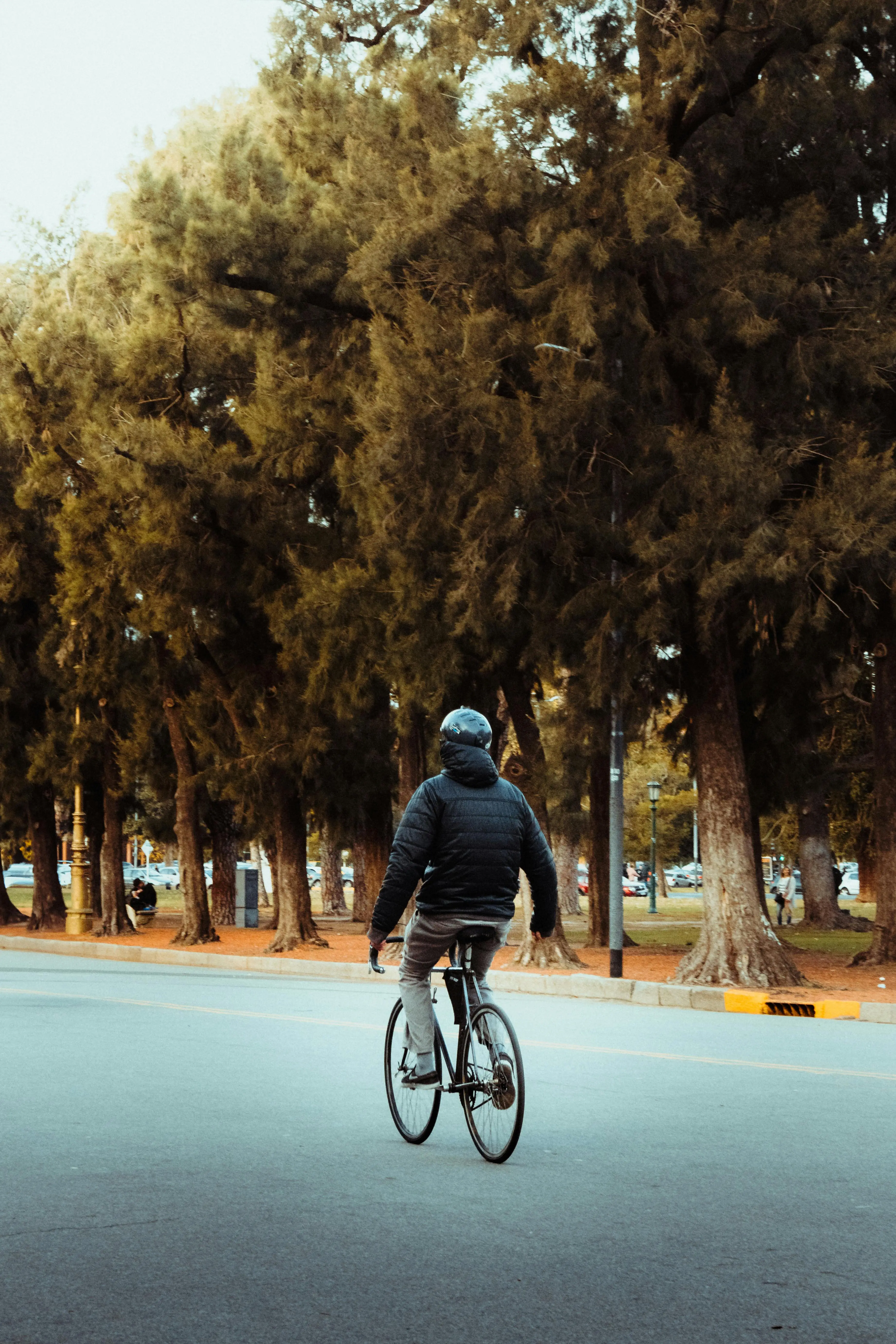
Confirm whether bike storage is available on-site if you're cycling to work — it's not standard across Buenos Aires spaces, and locking a bike outside in some neighbourhoods is a bad idea
Clarify the cancellation policy on monthly memberships before paying — some spaces require 30 days' notice, which matters on a short term stay
Ask which internet provider the space uses — Fibertel and Telecentro perform differently across Buenos Aires, and a space that has lost internet twice this month will probably lose it again
These are not difficult questions — any well-run space will answer them immediately, and the ones that hesitate are telling you something worth knowing before you hand over a month's fees.
Safety, Internet, and Practical Infrastructure: What Buenos Aires Coworking Actually Delivers
Buenos Aires infrastructure is better than its reputation and worse than it pretends to be. The spaces themselves are generally safe and well-connected; the risks are at street level and mostly avoidable with a week of local awareness.
Internet Reliability Across Neighbourhoods
Fibre coverage in Buenos Aires is good in Palermo, Recoleta, and Microcentro — but "good coverage" and "this building has good infrastructure" are different claims.
Palermo Hollywood and Palermo Soho: fibre is standard, most coworking spaces report 100–300 Mbps download — the better-run spaces have a backup SIM router for outages
San Telmo and La Boca: connectivity is patchier — a handful of good spaces exist, but verify before committing, especially for video call-heavy schedules
WeWork in Microcentro has enterprise-grade redundant connectivity — it's the safest option if your work cannot tolerate a dropped call
Power cuts (cortes de luz) happen, particularly in summer — any serious coworking space has UPS backup; ask specifically if they do
A backup plan matters in Buenos Aires — a local SIM with data is $5–$8 USD/month and will save a client call at least once during a two-month stay.
Street Safety and Getting to Your Space
The walk to your coworking space matters as much as the space itself — Buenos Aires is navigable, but some routes are smarter than others.
Palermo is the safest neighbourhood to walk to a coworking space at any hour — well-lit, pedestrian-dense, and low-incident by Buenos Aires standards
Microcentro is fine during business hours; avoid walking with visible laptops or headphones after 8pm on quieter streets near the financial district
The Subte Línea D connects Palermo to Microcentro cleanly — $0.25 USD per trip at current rates, and faster than any rideshare during rush hour
Rideshares (Cabify and InDriver are preferred over taxis for most remote workers here) — reliable, trackable, and dollar-priced fares work out to $2–$5 USD within central Buenos Aires
Most people who've been in Buenos Aires for a week develop a mental map of which streets to use — it's not complicated, but it is learned, not assumed.
Coworking in Buenos Aires Alongside Daily Life: Food, Coffee, and After-Work Hours
You will spend roughly eight hours a day working and another six hours being in Buenos Aires — where you eat lunch, where you go after 6pm, and what the neighbourhood feels like outside the coworking space matters more than most people budget for when choosing a base.
Lunch Near Your Coworking Space: Where the Time Goes
Buenos Aires lunch culture does not hurry — and if your coworking space is in the right neighbourhood, the midday break is one of the better parts of the day.
El Federal in San Telmo — traditional Argentine lunch for under $4 USD, wooden interior, cash preferred, arrives within ten minutes
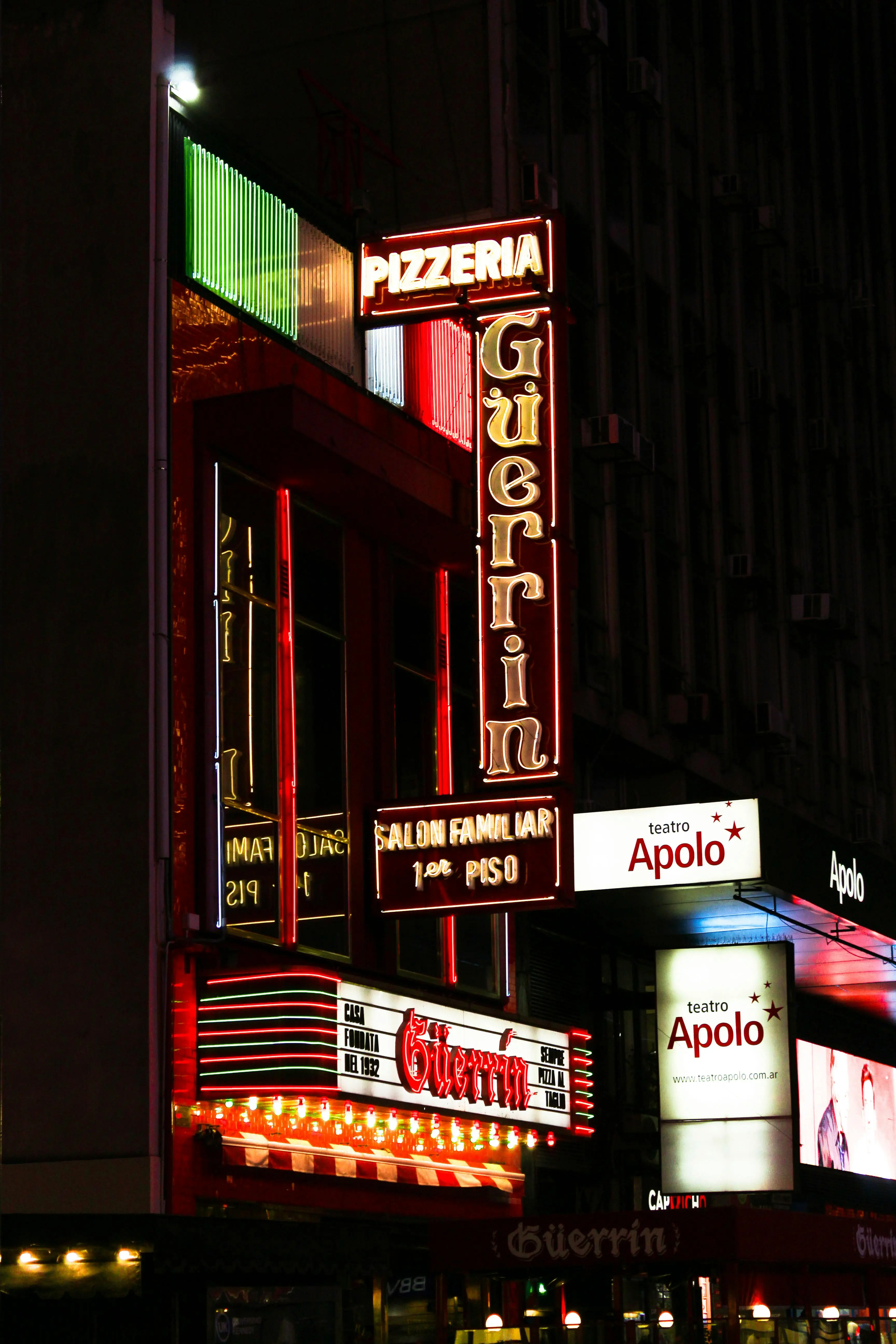
Pizza Güerrin near Corrientes — two slices and a glass of moscato stands at $2.50 USD, eaten standing up, reliably fast
Palermo coworking spaces sit within three blocks of a dozen delivery options if you're head-down on a deadline — Pedidos Ya works well and arrives in 25–35 minutes
Mercado de Pulgas adjacent streets in Colegiales have small lunch spots that the tourist circuit hasn't found — better food, better price, longer walk from most coworking spaces
Building a 45-minute lunch into your day in Buenos Aires is not wasted time — it's how you stay sane in a city that expects you to stop and eat properly.
Coffee and Afternoon Work Outside the Coworking Space
Not every productive hour needs to happen at a desk — Buenos Aires has enough café culture that a two-hour afternoon session somewhere else can reset a flat afternoon.
El Preferido de Palermo — old-school bodegón turned café, reliable WiFi, good light until 5pm, less crowded than the specialty coffee spots on Armenia
Ninina Bakery in Palermo — strong coffee, fast internet, tables fill by 10am so the 2–4pm window is the sweet spot
Café cortado runs $0.80–$1.20 USD across most non-tourist cafés in Buenos Aires — specialty flat whites run $2.50–$4 USD in the Palermo specialty spots
Avoid the large chain cafés on Avenida Santa Fe for work — crowded, slow WiFi, and the power outlets are always occupied
The afternoon café session is a legitimate productivity strategy in Buenos Aires — the city is built for it, and you will work better for having left the coworking space at 2pm and returned to it at 4pm.
Is Buenos Aires Worth It for Remote Work in 2024? The Honest Answer
What Buenos Aires Actually Delivers for Remote Workers
The coworking infrastructure here is genuinely good — not "good for South America," just good.
Well-designed coworking spaces with fast fibre connections that hold up during business hours
A real community of long-term remote workers, not just transient tourists with laptops
More value per dollar than any comparable European or North American city, once you're operating in the local dollar economy
Friction that Lisbon and Medellín don't have — the cost advantage is real, but it requires active engagement to unlock
The blue dollar economy takes a few days to navigate confidently, but once you have it, the value proposition is hard to argue with.
The Minimum Time Commitment That Makes Buenos Aires Work
Three weeks is the threshold where Buenos Aires shifts from confusing to genuinely rewarding — three days just exposes you to the friction without the payoff.
The first week goes to orientation: neighbourhood, dollar logistics, finding your coworking rhythm
Week two is where the city starts returning your effort in cafés, spaces, and social connections
A month-long stay unlocks the depth that makes Buenos Aires different from a smooth pass-through city
Short-term visitors who need tourist-grade English support everywhere will find this harder than Medellín or Lisbon
Buenos Aires rewards people who want a base with depth, not those optimising for frictionless infrastructure.
How to Set Yourself Up Before You Arrive
The single biggest mistake remote workers make in Buenos Aires is arriving without accommodation sorted — the furnished rental market moves fast and the good apartments don't wait.
Commit to at least a month; anything shorter and you'll leave before the city makes sense
Secure a fully furnished apartment in Argentina before you book your flight
Choose a neighbourhood with coworking access — Palermo, Villa Crespo, and San Telmo all have solid options within walking distance
Build in a few days at the start specifically for navigating the local dollar economy before you need to rely on it
Getting Buenos Aires right is almost entirely a function of preparation and time — the city holds up its end of the deal once you've done yours.