Maya
Culture & Exploration Editor ·
April in Buenos Aires hits differently. You're stepping into autumn in South America, which means daily highs between 67°F and 74°F, fewer tourists clogging the major attractions in Buenos Aires, and a calendar packed with cultural events that rarely get attention outside the region. The city switches gears after summer — street performers claim corners in San Telmo, galleries across Palermo Soho throw open their doors for Art Week, and the International Book Fair transforms the Predio Ferial into Latin America's largest literary gathering.
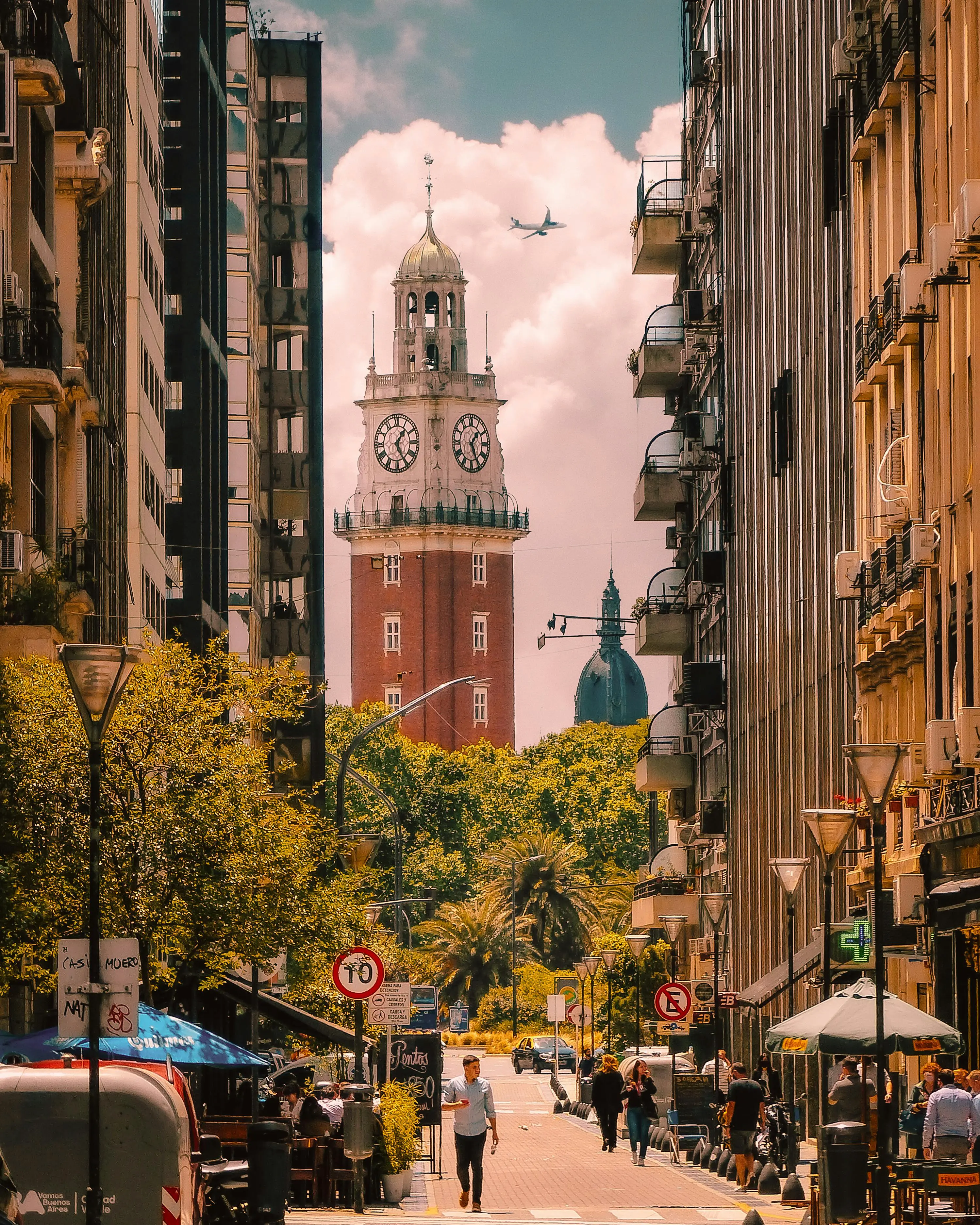
This guide maps out exactly how to spend April when visiting Buenos Aires. Real places. Real prices. No filler.
Where to focus your Buenos Aires itinerary based on April-specific festivals and weather patterns
Which neighborhoods offer the best value for fully furnished apartments in Buenos Aires during fall season
Specific cultural events happening April 8-28, from coffee festivals to independent cinema
Free entry museums and green spaces that locals actually use — not tourist traps
Day-by-day breakdown of San Telmo Market timing, Plaza de Mayo guided tours, and Teatro Colón opera house schedules
Pricing anchors for everything from empanadas in La Boca to craft beer in Palermo Hollywood
Where to Base Yourself: Buenos Aires Neighborhoods Ranked for April in South America
Buenos Aires sprawls across distinct barrios, each with its own personality and infrastructure. Where you sleep determines your commute time to tourist attractions, access to public transport, and what you'll pay for groceries versus steak dinners. April's mild weather makes every neighborhood walkable, but you'll still want to choose based on what matters most — proximity to the city center, cobblestone streets with historic architecture, or modern waterfront dining.
San Telmo Market: Historic Walking Areas and Market Culture with Free Walking Tours
San Telmo ranks as one of the oldest neighborhoods in the city, built around Plaza Dorrego and its famous Sunday antique market. You're living on cobblestone streets, inside buildings from the 1800s, just a few blocks from the historic Plaza de Mayo. The San Telmo Market operates year-round at Mercado de San Telmo, offering empanadas from $2, choripán from $3, and local wine by the glass from $4.
The sprawling flea market stretches along Defensa Street, where vendors sell everything from old vinyl records to handmade leather goods and Argentine memorabilia.
Every Sunday, the San Telmo flea market transforms the neighborhood into a treasure hunter's paradise with antiques, vintage clothing, and local crafts.
On Sundays, tango dancers take to the streets of San Telmo, performing impromptu shows in Plaza Dorrego as locals and tourists gather to watch.
Monthly furnished rentals: $650-$900 for one-bedrooms in converted heritage buildings
Walking distance to downtown Buenos Aires in 15 minutes, Puerto Madero in 20
San Telmo Fair every Sunday from 10 a.m. to 5 p.m. along Defensa street — street performers, antiques, and handmade crafts
Free Free Walking Tours Through Buenos Aires depart daily at 11 a.m. from Plaza Dorrego, covering tango history and local culture
Neighborhood cafés like Café Tortoni serve cortados from $2.50, with free entry to browse
April brings fewer crowds to the San Telmo Sunday Market compared to summer months. You'll navigate the vendor stalls without shoulder-to-shoulder contact, and street artists set up earlier in the day when temperatures stay comfortable.
Palermo Soho and Palermo Hollywood: Modern Living with Parks Nearby
Palermo splits into multiple subsections — Soho for boutiques and street art, Hollywood for restaurants and live music venues. Both sit adjacent to Parque Tres de Febrero, the city's largest green space with lakes, rose gardens, and bike paths. You're trading historic architecture for tree-lined streets, outdoor dining, and better public transport connections via Plaza Italia Subte station.
Furnished apartments: $750-$1,200/month for one-bedrooms with modern amenities and better WiFi infrastructure
April weather perfect for the Japanese Garden ($1.50 entry) and Palermo Rose Garden (free entry)
Craft beer at Antares Palermo from $3.50/pint during 6-8 p.m. happy hours
Coffee culture centered around LAB Tostadores de Café with espresso from $2.20
Street art tours through Palermo Soho cost $15-$25, covering murals by local street artists
The FECA Coffee Festival on April 27-28 sets up in Palermo, with free entry to tastings and workshops. Palermo Hollywood hosts multiple venues for live music and tango shows, with dinner-and-show packages starting at $45 per person at places like Tango Porteño.
Recoleta: Fine Dining and Museum District
Recoleta centers around the famous Recoleta Cemetery and clusters of art museums within walking distance of each other. This neighborhood skews upscale — think French-style mansions, the Teatro Colón opera house, and restaurants where dinner starts at $25 per person. You're paying for location and infrastructure, with the Callao Subte station connecting you to downtown Buenos Aires in 10 minutes.
Rental costs: $950-$1,500/month for furnished one-bedrooms near where you can reach Avenida Santa Fe
La Recoleta Cemetery offers free entry daily from 8 a.m. to 5:45 p.m., with guided tours for $12
Recoleta Cultural Center hosts free exhibitions and cultural events year-round, including April's contemporary art shows
El Ateneo Grand Splendid bookstore in a converted theater, free entry, café with coffee from $2.80
National Museum of Fine Arts (free entry) displays Latin American art and European masters
April's Art Week (SDA) from April 8-14 activates galleries across Recoleta, with free entry to most participating spaces. The Recoleta neighborhood sits just minutes from Floralis Genérica, the massive metal flower sculpture in Plaza de las Naciones Unidas.
Puerto Madero: Waterfront Modern Architecture
Puerto Madero represents Buenos Aires' newest district — converted warehouses turned into restaurants, hotels, and residential towers along the Río de la Plata. You're steps from the Puente de la Mujer bridge and the Costanera Sur Ecological Reserve, the largest green space in the city for cycling and birdwatching.
A leisurely walk across the Puente de la Mujer connects the eastern and western docks of Puerto Madero, where waterfront restaurants await on both sides.
Designed by Santiago Calatrava, the Puente de la Mujer represents a couple dancing tango and offers stunning photo opportunities at sunset.
The Puente de la Mujer serves as Puerto Madero's iconic landmark, its white structure rotating to allow boats to pass through the docks.
Furnished rentals: $1,100-$1,800/month for modern apartments with river views and building amenities
Dinner at Puerto Madero restaurants starts at $30-$50 per person, targeting business travelers and upscale tourists visiting
April temperatures ideal for walking the 3.5 km waterfront promenade from end to end
Ecological reserve free entry during daylight hours, bike rentals from $8/day at the entrance
Fragata Presidente Sarmiento museum ship costs $2.50 entry, open Wednesday-Sunday
Puerto Madero lacks the character of San Telmo or the park access of Palermo, but delivers modern infrastructure and safety. You're a 15-minute walk from the city center and major public transport hubs.
Neighborhood | Monthly Rent | Vibe | Best For | Key Advantage |
|---|---|---|---|---|
San Telmo | $650-$900 | Historic, bohemian, weekend markets | Budget travelers, tango culture | Walking distance to all major downtown attractions |
Palermo Soho | $750-$1,200 | Trendy cafés, street art, nightlife | Digital nomads, park lovers | Best public transport connections and WiFi infrastructure |
Palermo Hollywood | $750-$1,200 | Restaurants, craft beer, live music | Food scene enthusiasts | Proximity to Parque Tres de Febrero and green spaces |
Recoleta | $950-$1,500 | Upscale, museum district, fine dining | Culture seekers, opera fans | Concentration of art museums and free entry cultural sites |
Puerto Madero | $1,100-$1,800 | Modern waterfront, corporate dining | Safety-conscious, river views | Access to largest urban nature reserve in Buenos Aires |
Explore La Boca in our neighborhood guide for detailed breakdowns of each barrio's rental market, metro access, and walkability scores.
April-Specific Cultural Events Worth Planning Around
Buenos Aires loads its April calendar with festivals that draw local crowds but rarely make international headlines. You'll find better value and more authentic experiences at these events than at year-round tourist attractions. Most happen outdoors — exactly when April's fall weather makes standing in a plaza or park enjoyable rather than sweaty.
Art Week (SDA): April 8-14 Gallery Activations
Art Week transforms neighborhoods across Buenos Aires into temporary exhibition spaces. Galleries in Recoleta, Palermo, and San Telmo stay open late, host artist talks, and offer free entry to installations that normally charge admission. This isn't a single-location event — you're mapping out multiple stops across different barrios based on which contemporary art or decorative arts exhibitions interest you.
100+ participating galleries and art museums with extended hours until 10 p.m.
Free shuttle buses connect major gallery clusters in Palermo Soho and Recoleta every 30 minutes
Public art installations pop up in Plaza del Congreso and along Avenida de Mayo
MUNTREF Hotel de Inmigrantes hosts Latin American art exhibitions with free entry during Art Week
Street art tours during this week include artist meet-and-greets in Palermo for $20-$30
The Buenos Aires Museum of Modern Art (MAMBA) celebrates its 70th anniversary April 16-19 with special exhibitions and free tours. Regular admission costs $1.50, but during anniversary weekend entry is free.
FECA Coffee Festival: April 27-28
The FECA Coffee Festival claims two days in Palermo, bringing together local roasters, baristas, and coffee equipment vendors. You're paying nothing for entry — it's free to walk through, taste samples, and watch latte art competitions. If you're staying in Buenos Aires for the full month, this event marks a good endpoint before committing to a favorite café for daily work sessions.
Held at La Rural Predio Ferial in Palermo, 10 a.m. to 8 p.m. both days
Free entry includes coffee tastings from 30+ local roasters
Workshops on brewing methods cost $10-$15 per session
Equipment vendors offer festival discounts on espresso machines and grinders
Located walking distance from Plaza Italia Subte station on Line D
Buenos Aires' café culture runs deep — this festival gives you context for why locals treat their coffee shops as second offices. Expect crowds of local coffee enthusiasts rather than international tourists visiting.
International Book Fair: April 23-May 11
One of Latin America's largest literary events takes over the Predio Ferial for three weeks starting in late April. The Buenos Aires Book Fair attracts publishers, authors, and readers from across South America. You'll find Spanish-language books dominating, but English sections exist, and the people-watching alone justifies the $4 entrance fee.
Entry: $4 for general admission, open 2 p.m. to 10 p.m. weekdays, 1 p.m. to 10 p.m. weekends
500+ exhibitors including major publishers and independent presses
Author talks and panel discussions (mostly in Spanish) included with entry
Food court offers empanadas from $2.50, coffee from $2
Connected to Palermo by Subte Line D via Plaza Italia station
If you're learning Spanish or interested in Latin American literature, block out an afternoon here. The festival runs into May, so you can visit multiple times if you're staying past April.
BAFICI Independent Cinema Festival
The Buenos Aires International Festival of Independent Cinema (BAFICI) typically schedules screenings throughout April, showing experimental films, documentaries, and shorts from international directors. Venues scatter across the city center and Palermo — you're buying individual tickets per screening rather than festival passes.
Screenings at Village Recoleta, SPACE Abasto, and other theaters citywide
Ticket prices: $5-$8 per film, with some free outdoor screenings
Films shown in original language with Spanish subtitles
Festival schedule published two weeks before start date at bafici.gob.ar
Q&A sessions with directors follow select screenings at no extra cost
This festival caters to serious film enthusiasts rather than casual moviegoers. Check the schedule early April to plan around specific screenings.
Feria de Mataderos: Sunday Folk Celebrations
Every Sunday in April, the Feria de Mataderos runs in the western neighborhood of Mataderos, celebrating gaucho culture with folk music, traditional dance, and Argentine food stalls. This event targets local families — you'll encounter few international tourists and lots of live music performances that start around 1 p.m.
Free entry, runs Sundays from 11 a.m. to 8 p.m. (April through December)
Located at Plaza de los Virreyes in Mataderos neighborhood
Food vendors sell choripán from $3, locro stew from $4, dulce de leche pastries from $2
Folk music and gaucho dance performances throughout the day
Requires 45-minute bus ride from downtown Buenos Aires via Line 55 or 103
The distance from central Buenos Aires keeps crowds smaller than San Telmo Fair. You're committing to a half-day trip but experiencing local culture without the tourist markup.
Major Attractions and Historic Sites: What Actually Deserves Your Time
Buenos Aires offers dozens of museums, but most digital nomads and remote workers realistically visit three to five during a month-long stay. April's mild weather makes indoor cultural sites more appealing on rainy days — and the city averages 8-10 rainy days in April. These recommendations focus on places with either free entry, excellent museum quality, or unique architectural value you won't find elsewhere in Latin America.
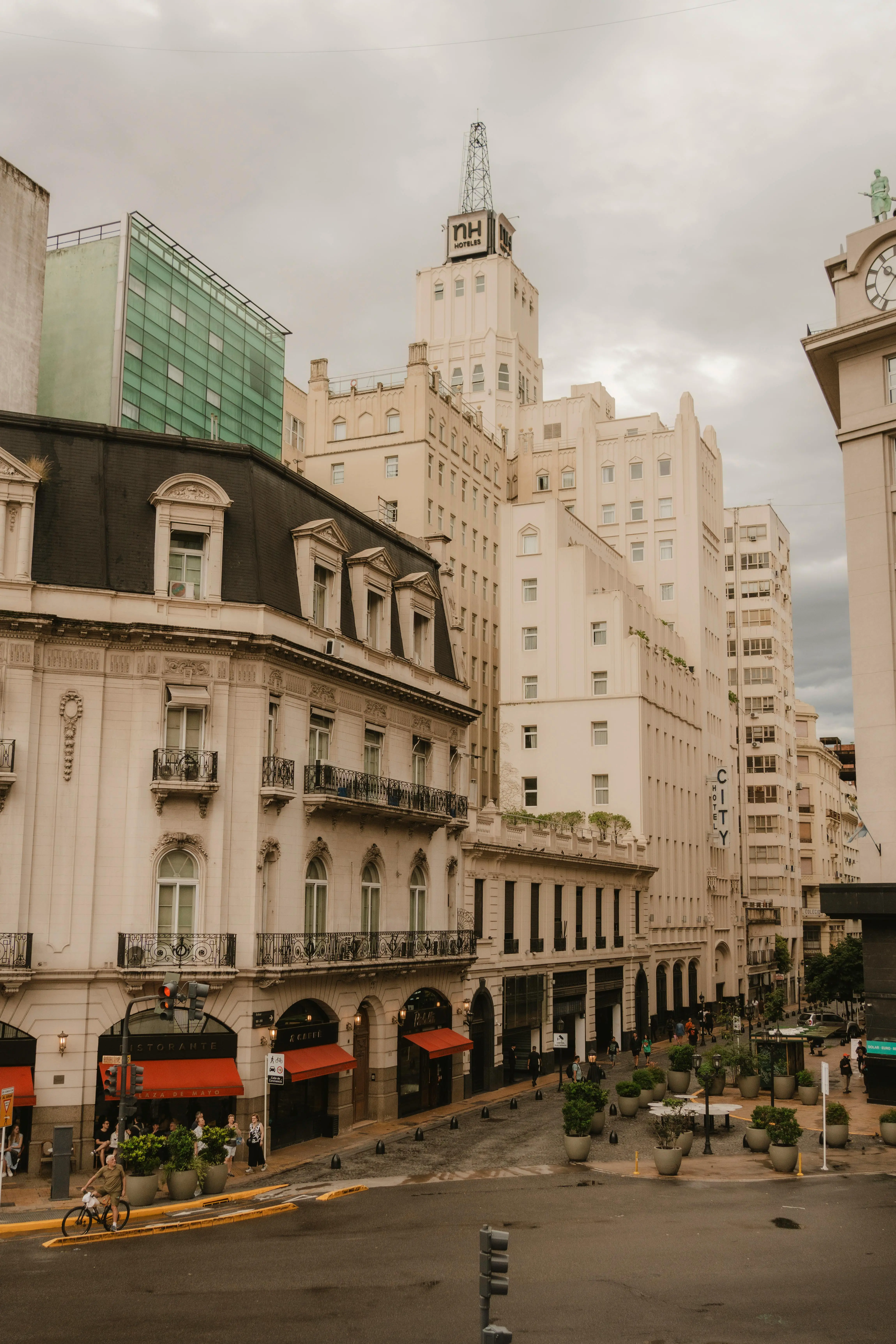
Plaza de Mayo and Casa Rosada: Political Heart of Downtown Buenos Aires
Plaza de Mayo anchors the city center, surrounded by the Casa Rosada (presidential palace), the Buenos Aires Metropolitan Cathedral, and the Cabildo museum. You're standing in Argentina's political nerve center — this plaza hosted major historical events from independence declarations to modern protests. Free walking tours leave from here daily at 11 a.m., covering all the details of Argentine political history.
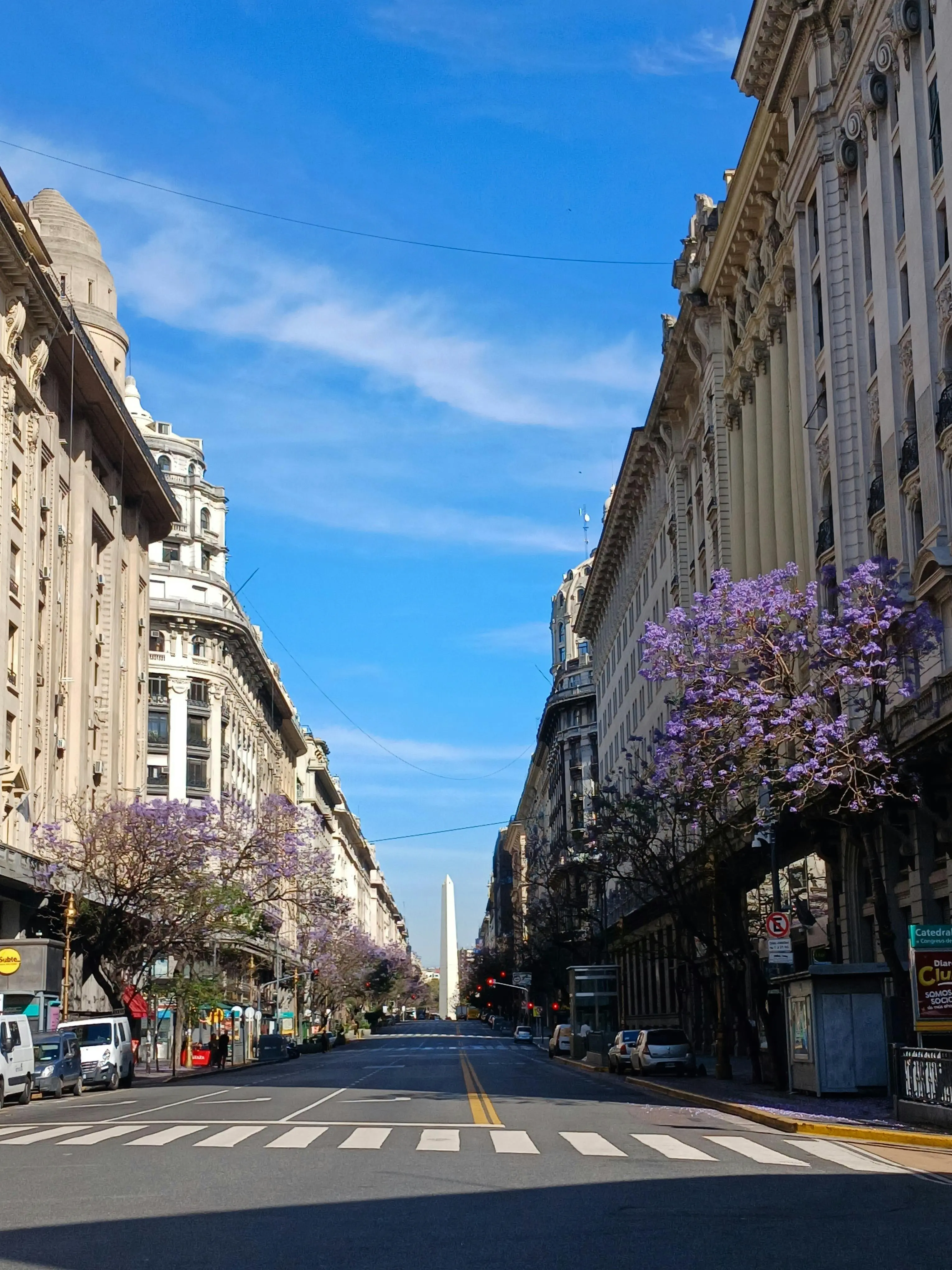
The Obelisco stands tall at Plaza de la República, marking the heart of Buenos Aires where Avenida 9 de Julio and Corrientes Avenue intersect.
Casa Rosada offers free guided tours Saturday-Sunday from 10 a.m. to 6 p.m. (book online at casarosada.gob.ar)
Buenos Aires Metropolitan Cathedral free entry daily, includes the Pope Francis Museum in the basement
Museo del Cabildo charges $2 entry, open Tuesday-Friday 10:30 a.m. to 5 p.m.
Historic Plaza de Mayo connects to Subte Line A at Plaza de Mayo station
Free tango performances in the plaza most Sunday afternoons at 4 p.m. (weather permitting)
The Buenos Aires Metropolitan Cathedral operates as a working Catholic church — dress modestly if you plan to visit. The Pope Francis Museum costs $2.50 and takes 30 minutes to tour, covering the former archbishop's time in Buenos Aires before becoming pope.
Recoleta Cemetery: Elaborate Mausoleums and Eva Perón's Tomb
Recoleta Cemetery functions as an open-air museum of elaborate above-ground mausoleums, housing Argentina's wealthy families and notable figures like Eva Perón. Free entry makes this one of the best-value tourist attractions in the city. April's cooler temperatures mean you can explore for an hour without overheating among the marble crypts.
Free entry daily from 8 a.m. to 5:45 p.m., last entry 5:30 p.m.
Guided tours in English cost $12, departing at 11 a.m. Tuesday-Sunday from the entrance
Eva Perón's tomb marked but understated — ask staff for directions or hire a guide
Over 4,600 mausoleums ranging from neoclassical to art nouveau in their own unique styles
Cemetery entrance located at Junín 1760, walking distance from multiple Recoleta museums
Photography allowed throughout the cemetery. Maps available free at the entrance gate, showing locations of notable tombs and architectural highlights.
El Ateneo Grand Splendid: Theater-Turned-Bookstore
El Ateneo Grand Splendid converted a 1919 theater into a bookstore, preserving the stage, balconies, and painted ceiling. Free entry means you can browse books, drink coffee in the stage-level café, and take a few photos without spending anything. This ranks among the most photographed indoor spaces in Buenos Aires.
Free entry daily from 9 a.m. to 10 p.m. Monday-Saturday, 12 p.m. to 10 p.m. Sunday
Café on the former stage serves coffee from $2.80, sandwiches from $6
Located at Avenida Santa Fe 1860 in Recoleta
English-language book section on second floor balcony
Photography permitted but avoid flash to preserve book condition
Visit on weekday mornings for fewer crowds. The Grand Splendid sits just blocks from other Recoleta attractions — plan a walking loop combining the cemetery, cultural center, and bookstore.
National Museum of Fine Arts: Free Entry to Major Collections
The National Museum of Fine Arts (Museo Nacional de Bellas Artes) displays Argentine and international works spanning medieval to contemporary periods. Free entry and a permanent collection that includes Goya, Rembrandt, and significant Latin American art makes this worth two hours on a rainy day.
Free entry to the art galleries on Tuesday-Friday 11 a.m. to 8 p.m., weekends 10 a.m. to 8 p.m., closed Mondays
Located at Avenida del Libertador 1473 in Recoleta
Highlights include Argentine painters like Benito Quinquela Martín and international masters
Temporary exhibitions often feature contemporary art from across Latin America
Free guided tours in Spanish at 3 p.m. Tuesday-Friday
The museum provides excellent air conditioning during warm April days. Combine this visit with the nearby Recoleta Cemetery and Recoleta Cultural Center for a full afternoon of culture.
Teatro Colón: Opera House Tours and Performances
Teatro Colón ranks among the world's finest opera houses for acoustics and architecture. Guided tours let you see the main hall, backstage areas, and the elaborate decoration without buying performance tickets. Tours cost $10 and run multiple times daily.
Guided tours: $10 per person, available in English at 11 a.m., 1 p.m., and 3 p.m. daily
Performance tickets range from $15-$150 depending on seat location and show
Located at Cerrito 628 in downtown Buenos Aires
Museum tour included with guided tour ticket, showcasing costumes and set designs
April schedule typically includes opera, ballet, and classical concerts — check teatrocolon.org.ar
Book tours online to guarantee English-language availability. If you attend a performance, dress code skews business casual — locals treat the opera house with respect.
Outdoor Spaces and Green Parks Perfect for April Weather
April's fall weather delivers ideal conditions for Buenos Aires' green spaces — comfortable temperatures, lower humidity, and autumn colors in the trees. The city offers multiple large parks, each serving different purposes from cycling to mate-drinking to people-watching. Most provide free entry and connect easily via public transport.
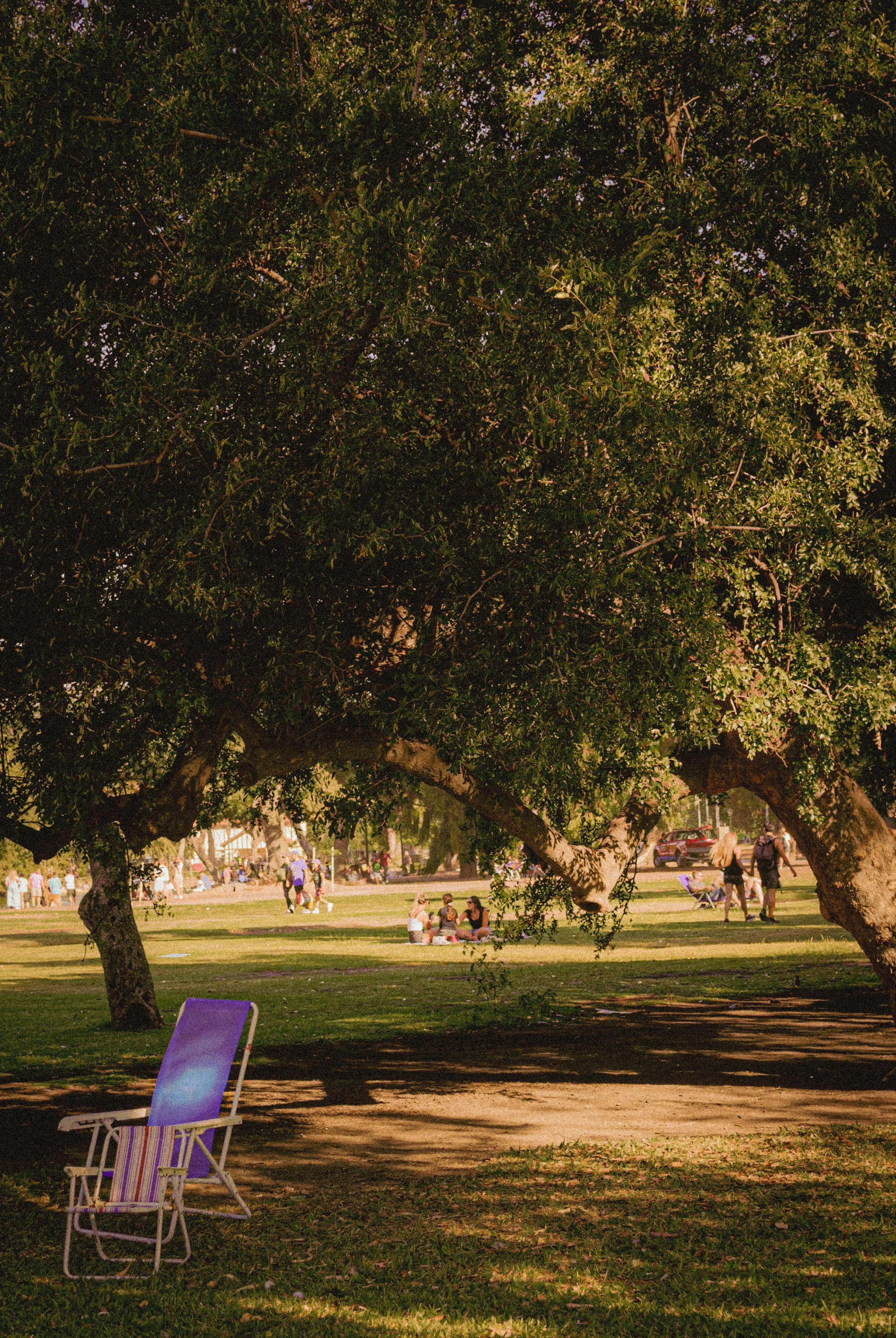
Parque Tres de Febrero and the Japanese Garden: Largest Green Space in Palermo
Parque Tres de Febrero (also called Palermo Parks) sprawls across 400 hectares in Palermo, featuring lakes, rose gardens, planetarium, and the Japanese Garden. April's mild temperatures make this the best month for exploring the full park on foot or by rental bike. You'll find locals using the space for jogging, mate circles, and weekend picnics.
Free entry to most areas, Japanese Garden costs $1.50
Bike rentals from $8/day at stands near Lago de Palermo
Rosedal (Rose Garden) peaks in April with free entry and 18,000 rose bushes
Planetario Galileo Galilei charges $3 for shows, Tuesday-Sunday at 3 p.m. and 5 p.m.
Connected to city via Subte Line D at Plaza Italia or bus routes 10, 34, 37
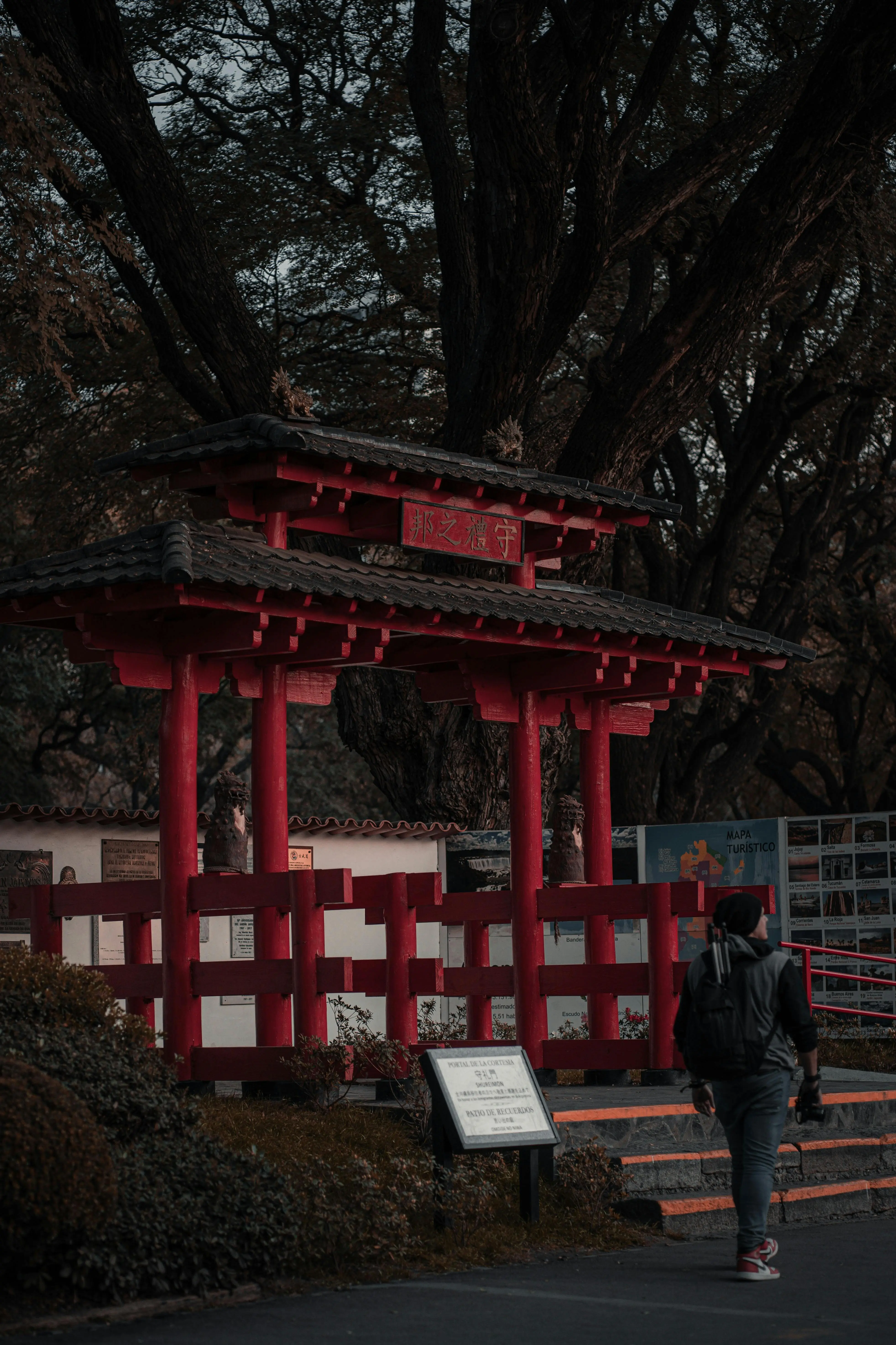
The Japanese Garden inside Parque Tres de Febrero includes koi ponds, traditional landscaping, and a tea house serving green tea from $3. April sees fewer weekend crowds compared to summer months.
Costanera Sur Ecological Reserve: Urban Nature Along the River
The Buenos Aires Ecological Reserve (Reserva Ecológica Costanera Sur) covers 350 hectares along the Río de la Plata waterfront. This represents the largest green space in the city proper, offering walking trails, birdwatching, and cycling paths. Free entry and proximity to Puerto Madero make it accessible for morning runs or afternoon nature walks.
The Costanera Sur Ecological Reserve offers peaceful trails along the Rio de la Plata, where you can spot native birds and enjoy views of the widest river in the world.
Free entry Tuesday-Sunday from 8 a.m. to 6 p.m., closed Mondays
Main entrance at Av. Tristán Achával Rodríguez 1550 in Puerto Madero
Bike rentals at entrance: $8/day, or bring your own for free trail access
Over 200 bird species recorded — bring binoculars for serious birdwatching
Walking the full perimeter trail takes 2-3 hours at moderate pace
April's cooler mornings suit the reserve better than summer heat. The reserve sits 20 minutes walking from downtown Buenos Aires via Puerto Madero's waterfront promenade.
Jardín Japonés: Tranquil Garden in Palermo
The Japanese Garden (Jardín Japonés) offers a compact cultural experience within Parque Tres de Febrero. The $1.50 entry fee covers access to traditional gardens, bridges, and a small museum. April's weather makes the outdoor paths comfortable for a 45-minute self-guided walk.
Entry: $1.50, open daily 10 a.m. to 6 p.m.
Tea house serves traditional Japanese tea from $3, sweets from $2.50
Located at Av. Casares 2966 in Palermo
Koi feeding allowed — fish food sold at entrance for $1
Cultural events and workshops sometimes scheduled in April — check jardinjapones.org.ar
The Japanese Garden provides a quieter alternative to the busy San Telmo Fair on Sundays. Combine with a visit to the nearby Rosedal for a full afternoon in Palermo's green spaces.
Plaza del Congreso and Avenida de Mayo: Historic Walking Route
Plaza del Congreso sits at the west end of Avenida de Mayo, facing the National Congress building. This plaza serves as both green space and political gathering point. April often features public demonstrations and cultural events in the plaza, plus access to the underground pedestrian passage connecting to the Subte.
Free entry 24/7, fountains and monuments throughout the plaza
Congress building offers free guided tours weekdays at 12:30 p.m. and 5 p.m. (book at congreso.gob.ar)
Avenida de Mayo stretches 1.5 km from Plaza de Mayo to Plaza del Congreso
Historic cafés along Avenida de Mayo include Café Tortoni (coffee from $2.50)
Connected via Subte Line A at Congreso station
Walking the full Avenida de Mayo takes 20 minutes, passing art nouveau buildings, traditional cafés, and the Palacio Barolo. This street offers architectural photography opportunities and connects two major downtown plazas.
Museums and Cultural Attractions in Buenos Aires
April's mild temperatures make museum hopping comfortable without the humidity and heat of summer. Buenos Aires offers dozens of museums, many with free entry or discounted weekday rates. Plan indoor visits for rainy days and save green spaces for clear afternoons.
MALBA: Modern Art and Latin American Masters
The Museum of Latin American Art (MALBA) holds the most important collection of modern art from the 20th century in Latin America. The permanent collection includes works by Frida Kahlo, Diego Rivera, and Argentine artists like Xul Solar. April sometimes features temporary exhibitions aligned with the Buenos Aires art calendar.
Entry: $8 adults, free Wednesdays, open 12-8 p.m. Thursday-Monday
Location at Av. Figueroa Alcorta 3415 in Palermo
On-site cinema screens independent and classic Latin American films — tickets $5
Museum shop sells design books, prints, and local craft items
Café serves lunch from $10-$15 with courtyard seating
MALBA takes 2-3 hours for a thorough visit. Combine with nearby Palermo parks for a full-day Buenos Aires itinerary. The museum sits within walking distance of the Japanese Garden and Rosedal.
Museo Nacional de Bellas Artes: Free Entry for Fine Arts
The National Museum of Fine Arts houses Argentina's most comprehensive collection of European and Argentine art. Free entry makes this one of the best-value attractions in Buenos Aires. The museum spans European paintings from the Renaissance through Impressionism, plus extensive Argentine galleries.
Free entry Tuesday-Friday 11 a.m. to 8 p.m., weekends 10 a.m. to 8 p.m.
Located at Av. del Libertador 1473 in Recoleta
Permanent collection includes Rembrandt, Goya, Renoir, and Argentine masters
Free guided tours in Spanish weekdays at 3 p.m.
Museum tour takes 90 minutes to 2 hours depending on pace
The Bellas Artes sits just a few blocks from La Recoleta Cemetery and Recoleta Cultural Center. April's smaller crowds make viewing the collection easier than high summer. The museum offers an excellent rainy day option with nearby cafés for post-visit coffee.
Museo de Arte Decorativo: European Decorative Arts
The Museum of Decorative Arts occupies a restored French-style mansion in Palermo. The collection covers European decorative arts, furniture, porcelain, and tapestries from the 15th through 19th centuries. The mansion itself provides architectural interest beyond the collections.
Entry: $3, free Thursdays, open Tuesday-Sunday 2-7 p.m.
Location at Av. del Libertador 1902 in Palermo
Guided tours available in Spanish at 4 p.m. on weekends
Museum café serves afternoon tea from $8 in the garden terrace
Photography allowed without flash throughout most galleries
This smaller museum requires about 90 minutes for a complete visit. The peaceful setting contrasts with the busier Recoleta museums, making it a good choice for quieter afternoons.
Centro Cultural Kirchner: Free Contemporary Art in a Converted Palace
The Kirchner Cultural Center (CCK) transformed a historic post office building into Buenos Aires's largest cultural center. Free entry covers rotating contemporary art exhibitions, photography galleries, and architectural tours of the building. April programming includes concerts, theater, and art installations.
Free entry daily 12-8 p.m., check cck.gob.ar for current exhibitions
Located at Sarmiento 151 in the city center
Free guided tours of the building's architecture weekends at 4 p.m.
Multiple exhibition halls cover 100,000 square feet across 9 floors
Rooftop terrace offers views over downtown Buenos Aires — free access
The CCK sits within walking distance of Plaza de Mayo and the historic center. Plan 2-3 hours for exhibitions and architectural tours. The building's Ballena Azul concert hall occasionally offers free admission concerts — check the website for April schedules.
Explore La Boca and the Heart of Football Culture in buenos Aires
La Boca remains one of Buenos Aires' most photographed neighborhoods, where every corner reveals another burst of color along its historic streets. The passion for football runs deep in La Boca, making it an essential stop for any sports enthusiast visiting the city. Catching a Boca Juniors match at La Bombonera stadium is an unforgettable experience, where the stands literally shake with the energy of passionate fans.
The La Boca neighborhood emerged as a port district in the 19th century, where Italian immigrants built their homes from salvaged ship materials and painted them in vibrant colors. April's mild weather makes exploring La Boca particularly pleasant, as you can comfortably wander through Caminito without the summer heat. Street artists and musicians fill La Boca's squares daily, creating an open-air performance space that captures the neighborhood's artistic spirit. Food lovers shouldn't miss the traditional parillas and Italian restaurants that line La Boca's main streets, reflecting the neighborhood's immigrant heritage.
The Boca Juniors museum showcases the club's legendary history, including tributes to Diego Maradona and other football icons who wore the blue and gold jersey.
Even if there's no game scheduled, visiting the Boca Juniors stadium and surrounding area gives you a glimpse into Argentina's profound football culture. Professional tango dancers perform nightly in venues throughout the city, showcasing the dramatic movements and intimate connection that define this Argentine art form.
Neighborhood Guide: Where to Base Yourself in Buenos Aires
Buenos Aires spreads across 48 neighborhoods, each with its own personality. Where you stay determines daily logistics, restaurant options, and walkability to tourist attractions. April's moderate weather makes most neighborhoods comfortable, though some offer better value and convenience than others.
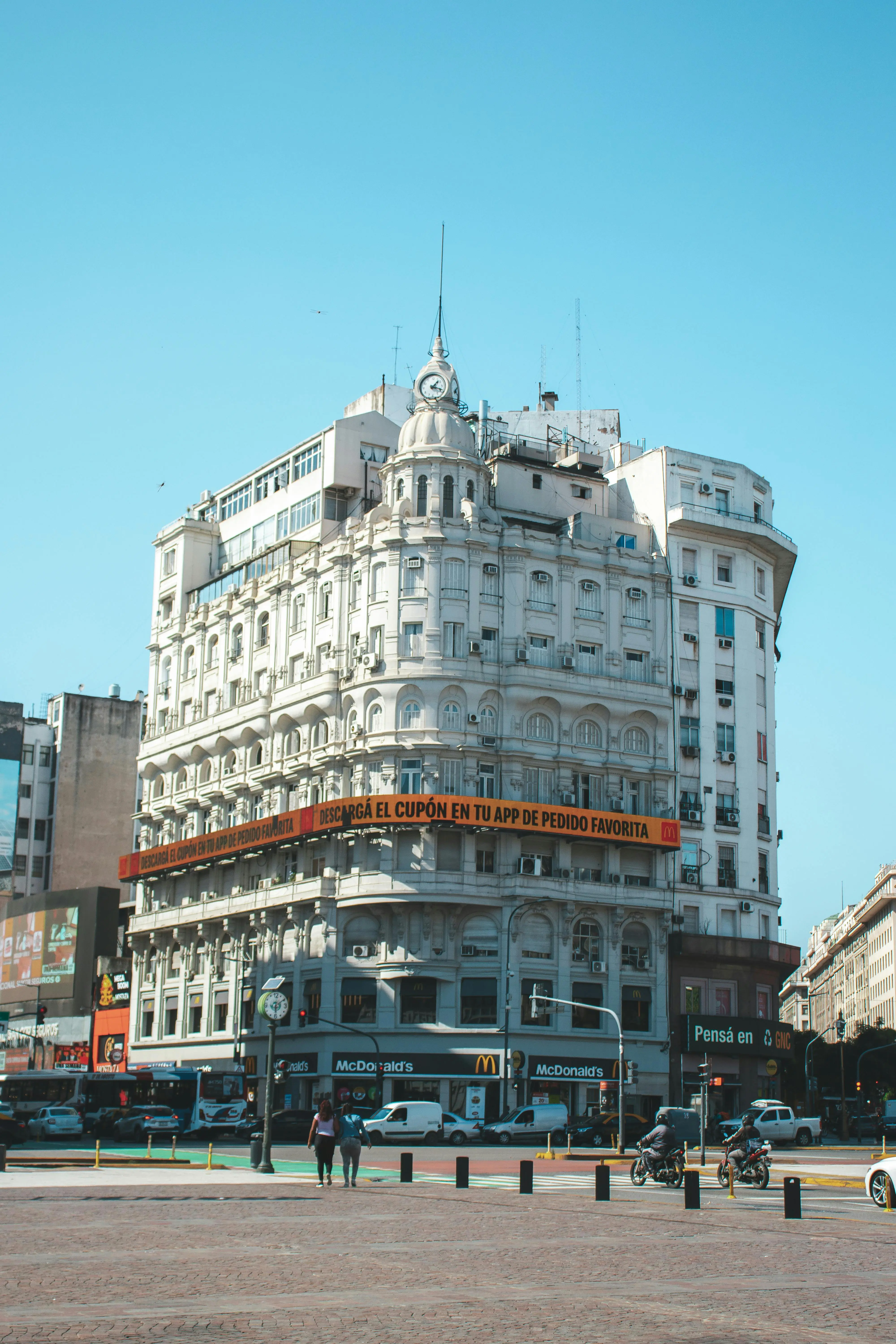
Palermo Soho: Cafés, Restaurants, and Nightlife
Palermo Soho concentrates Buenos Aires's best independent restaurants, cafés, and design shops within a walkable grid. This neighborhood suits digital nomads seeking coworking spaces, reliable wifi, and international food options. Monthly rents for furnished studios run $600-$900 depending on building amenities.
Coworking at Urban Station — day passes $15, monthly unlimited $180
Breakfast at Le Moulin de la Fleur— croissants $3, full breakfast $8-$12
Subte Line D at Palermo station connects to downtown in 20 minutes
Weekend street markets on Plaza Serrano — vintage clothes, handmade jewelry from $5
Grocery shopping at Carrefour Express — weekly essentials $40-$60
Palermo Soho offers dense walkability and expat-friendly amenities. The neighborhood sits 15 minutes by Subte from the historic Plaza de Mayo area. Look for fully furnished apartments in Palermo with included utilities to simplify April arrivals.
Browse Buenos Aires homes near this area
Palermo Hollywood: Residential with Media Industry Presence
Palermo Hollywood, north of Soho, balances residential calm with restaurant density. The name comes from TV and film production studios concentrated here. Rents run slightly lower than Soho — $550-$800/month for furnished studios — while maintaining similar walkability.
Production studios and media companies create daytime foot traffic
Dinner at Parrilla Argento' — burgers $10-$14, craft beer $4-$6
Parks along Av. Figueroa Alcorta offer running and cycling paths
Quieter evenings than Palermo Soho, fewer tourists
Same Subte access via Line D, 5 minutes farther north than Soho
Palermo Hollywood works for remote workers prioritizing residential quiet over nightlife proximity. The neighborhood connects easily to Soho via 10-minute walks and shares the same public transport access.
Browse Buenos Aires homes near this area
Recoleta: Upscale with Museum Concentration
Recoleta centers on cemetery, museums, and café culture. This upscale neighborhood attracts older travelers and locals with established wealth. Furnished apartments run $700-$1,200/month, reflecting higher property values and central location.
Walking distance to Recoleta Cemetery, Bellas Artes, MALBA within 15 minutes
Coffee at La Biela — espresso $2.50, medialunas $1.50 each
Weekend craft fair at Recoleta Cultural Center — local art, leather goods from $8
Direct bus routes to downtown via Av. Santa Fe
Higher restaurant prices than Palermo — dinner mains $15-$25
Recoleta suits travelers prioritizing museums and classic Buenos Aires architecture over trendy restaurants. The neighborhood offers fewer coworking spaces than Palermo but better connectivity to downtown Buenos Aires and Puerto Madero.
Browse Buenos Aires homes near this area
San Telmo: Historic Character with Weekend Markets
San Telmo brings colonial architecture, antique shops, and Sunday markets into a compact neighborhood. Cobblestone streets and older buildings create atmosphere but sometimes mean less reliable wifi and older apartment infrastructure. Monthly rents run $500-$750 for furnished units.
San Telmo Fair every Sunday draws large crowds — arrive before 11 a.m. to avoid peak density
Weekday calm contrasts sharply with Sunday tourist influx
Empanadas at El Federal — $2-$3 each, full lunch $8-$12
Walking distance to Plaza de Mayo and city center in 15 minutes
Subte Line C at Independencia station connects to other neighborhoods
San Telmo works for budget-conscious travelers who value historic character over modern amenities. The neighborhood offers authentic local culture but fewer English-speaking services than Palermo. Inspect apartment wifi speeds before committing if remote work requires reliable connectivity.
Neighborhood | Monthly Rent | Vibe | Best For | Key Advantage |
|---|---|---|---|---|
Palermo Soho | $600-$900 | Trendy, international | Digital nomads, foodies | Coworking and restaurant density |
Palermo Hollywood | $550-$800 | Residential, creative | Remote workers wanting quiet | Lower prices than Soho, similar access |
Recoleta | $700-$1,200 | Upscale, classic | Museum lovers, older travelers | Central location, cultural attractions |
San Telmo | $500-$750 | Historic, bohemian | Budget travelers, culture seekers | Authentic local character, lower costs |
Puerto Madero | $800-$1,400 | Modern, waterfront | Corporate travelers, luxury seekers | New buildings, waterfront views |
Finding fully furnished apartments in Buenos Aires becomes easier when you know which neighborhood fits your budget and work requirements. April arrivals face less competition than summer high season, giving more negotiating room on monthly rates.
Browse Buenos Aires homes near this area
Practical Tips for Visiting Buenos Aires in April
April sits in Buenos Aires's autumn season, bringing moderate temperatures and fewer tourists than summer months. Daily highs reach 20-23°C (68-73°F), with cooler evenings dropping to 12-15°C (54-59°F). Rain averages 8-10 days per month, usually in short bursts rather than all-day downpours.
What to Pack for April Weather
April's variable weather requires layering. Mornings start cool, afternoons warm up, and evenings cool down again. Pack for temperature swings rather than consistent conditions.
Light jacket or sweater for evenings and air-conditioned museums
Comfortable walking shoes — cobblestone streets in San Telmo and downtown Buenos Aires wear on feet
Compact umbrella for occasional rain showers
Sunglasses and sunscreen — UV remains strong even with mild temperatures
Layers for indoor/outdoor temperature differences of 5-10°C
Buenos Aires style leans more European than casual. Locals dress up for dinner and theater, though daytime sightseeing allows comfortable casual wear. Bring at least one dressier outfit for nicer restaurants and tango shows.
Money and Payment Systems
Argentina's currency situation changes frequently. The official exchange rate differs significantly from unofficial "blue dollar" rates. ATMs dispense pesos at official rates with low withdrawal limits — usually $40-$80 equivalent per transaction. Many restaurants and tourist services accept US dollars directly.
ATM fees run $3-$6 per withdrawal from international cards
Credit cards work widely but apply official exchange rates — less favorable than cash
Western Union and currency exchange houses offer better rates than banks
Carry small bills — many vendors cannot break 1,000 peso notes ($10 equivalent)
Daily cash needs: $30-$50 for meals, transport, and small purchases
Restaurant prices and museum entries listed in this guide reflect rates accessible to visitors. Always check current exchange rates when budgeting, as Argentine peso values fluctuate monthly.
Getting Around: Public Transport and Walking
Buenos Aires offers extensive public transport via Subte (metro), buses, and taxis. The SUBE card works across all public transport systems and costs $3 to purchase, then recharges at kiosks citywide. Subte single rides cost $0.25, buses $0.20-$0.35 depending on distance.
Subte runs 5 a.m. to 11 p.m. weekdays, limited Sunday service
Lines A, B, C, D connect major tourist areas — frequency every 3-8 minutes
Buses run 24/7 but require exact change or SUBE card
Uber and Cabify operate legally — rides across neighborhoods $3-$8
Walking covers most neighborhood exploration — downtown to San Telmo takes 20 minutes
Central neighborhoods like San Telmo, Recoleta, and Palermo connect via 20-30 minute walks or 10-15 minute Subte rides. Budget $50-$70 monthly for public transport if staying 30 days. Buy SUBE cards at Subte stations or authorized kiosks marked with SUBE logos.
Safety and Common Sense
Buenos Aires ranks relatively safe for South America but requires standard urban precautions. Petty theft targets tourists in crowded areas like San Telmo Fair, Plaza de Mayo, and La Boca. Violent crime remains uncommon in tourist areas, though peripheral neighborhoods see higher incidents.
Keep phones and cameras secured in crowded markets and public transport
Avoid La Boca outside the main tourist blocks — stick to Caminito and nearby museums
Use registered taxis or ride apps rather than unmarked cabs
ATM withdrawals work safer inside banks during business hours than street machines at night
Keep photocopies of passport separate from original documents
Most visitors experience no safety issues when following basic awareness. Tourist police patrol major attractions and speak English. Emergency number 911 works throughout Argentina for police, medical, and fire services.
Day Trip Options from Buenos Aires
Buenos Aires sits within reach of several day trip destinations accessible by bus, train, or organized tours. April's weather suits outdoor destinations better than summer heat. Most trips require 1-3 hours each way, making early morning departures worthwhile for maximum time at destinations.
Tigre Delta: Rivers and Weekend Houses
The Tigre Delta spreads 30 km north of Buenos Aires along the Paraná River. This network of rivers and islands functions as a weekend escape for porteños (Buenos Aires residents). Boat tours navigate the delta's channels past riverside houses, rowing clubs, and quiet waterways.
Train from Retiro Station to Tigre — $0.50, runs every 10-20 minutes, 60-minute journey
Delta boat tours from $8-$15 for 1-hour circuits, private charters $40-$60
Fruit market at Puerto de Frutos — handcrafts, furniture, local produce
Lunch at riverside restaurants — grilled fish $12-$18, pizzas $8-$12
Kayak rentals $10-$15 for 2-3 hours self-guided paddling
Tigre works as a half-day trip or full day combining delta tours with riverside lunch. The town itself holds limited interest beyond the delta access. Return trains run until 11 p.m., allowing dinner before returning to Buenos Aires.
San Antonio de Areco: Gaucho Town and Estancias
San Antonio de Areco preserves gaucho culture 110 km northwest of Buenos Aires. This colonial town specializes in silverwork, leather goods, and traditional estancia experiences. April weather suits horseback riding and outdoor activities without summer heat.
Bus from Retiro Bus Terminal — $8 each way, 2-hour journey, buses every 1-2 hours
Day estancia tours from $40-$80 including lunch, horseback riding, and folkoric show
Historic town center walkable in 30 minutes — museums, artisan shops, riverside park
Lunch at Almacén de Ramos Generales — asado $12-$18, empanadas $2-$3
Silver jewelry and mate gourds from artisan shops — $15-$60 depending on craftsmanship
San Antonio works best as an organized day tour with transport included, though independent travel via bus allows more flexibility. The town offers authentic gaucho culture without heavy tourist crowds compared to closer Buenos Aires suburbs.
Colonia del Sacramento, Uruguay: Colonial Portuguese Town
Colonia del Sacramento sits directly across the Río de la Plata from Buenos Aires in Uruguay. This UNESCO World Heritage site preserves Portuguese colonial architecture from the 17th century. Fast ferries make same-day trips feasible, though overnight stays allow more relaxed exploration.
Ferry from Puerto Madero terminal — $45-$65 roundtrip, 1-hour crossing
Passport required — Uruguay entry visa-free for most nationalities
Colonia's historic quarter walkable in 2-3 hours — cobblestone streets, lighthouse, museums
Lunch at riverside restaurants — grilled provolone $8, seafood mains $15-$22
Return ferries until 7-9 p.m. depending on season — check buquebus.com for schedules
Colonia works as a full-day trip from Buenos Aires with early morning ferry and late afternoon return. The town offers limited activities beyond historic quarter exploration, making it suitable for architecture and photography enthusiasts. Factor in Uruguay's slightly higher prices compared to Argentina.
La Plata: University City and Museum
La Plata serves as capital of Buenos Aires Province and hosts one of Argentina's largest universities. The city's planned grid layout and European-style architecture contrast with Buenos Aires's organic growth. The Natural History Museum ranks among South America's best natural science collections.
Train from Constitución Station — $1, 90-minute journey, trains every 20-30 minutes
Natural History Museum entry $2 — dinosaur fossils, geological exhibits, taxidermy collection
Cathedral climb offers city views — free entry, $1 suggested donation
University campus and parks surrounding Plaza Moreno
Lunch near campus — student-priced menus $6-$10 for full meals
La Plata attracts fewer tourists than other day trips but offers good value for museum enthusiasts and those interested in Argentine university culture. The city functions more as a living destination than tourist attraction, providing insight into daily Argentine life outside Buenos Aires.
Food and Dining: What to Eat in Buenos Aires
Buenos Aires dining emphasizes beef, Italian influence, and café culture. April's mild evenings make outdoor restaurant seating comfortable. Dinner service starts late — 9 p.m. onwards — though tourist-area restaurants accommodate earlier dining. Budget $25-$40 daily for meals if eating at mid-range restaurants, $15-$20 if mixing street food with one sit-down meal.
Asado and Parrillas: Argentine Barbecue
Asado represents Argentina's national dish — slow-grilled beef over wood or charcoal. Parrillas (steakhouses) appear on nearly every block in Buenos Aires. Quality varies significantly by neighborhood and price point, but even budget parrillas serve decent beef compared to most countries.
Bife de chorizo (sirloin strip) runs $12-$18 for 350-400g portions at neighborhood parrillas
Parrillada for two costs $25-$35 — mixed grill including ribs, sausage, blood sausage, sweetbreads
Side salad or fries typically $3-$5 additional
House wine by glass $3-$5, half-liter carafe $8-$12
Lunch specials at La Cabrera in Palermo — $15-$20 including sides
Skip tourist-trap parrillas near La Boca and Plaza de Mayo. Better value appears in residential neighborhoods like Palermo, Villa Creso, and Almagro. Ask locals for recommendations or look for restaurants full of Argentine families rather than tour groups.
Empanadas: Savory Pastries
Empanadas serve as Buenos Aires's most accessible street food. These baked or fried pastries come with dozens of filling options. Price and quality vary dramatically — corner shops charge $1-$1.50 each, upscale empanaderías charge $2.50-$3.50.
Classic fillings: carne (beef), jamón y queso (ham and cheese), pollo (chicken), humita (corn)
Dozens make a meal — three empanadas plus drink runs $5-$7
Best at El Cuartito — $2 each, old-school porteño atmosphere
Distinguish regional styles — Argentine empanadas differ from Chilean or Bolivian versions
Empanadas de dulce de leche for dessert — $1.50-$2.50 each
Empanadas work for quick lunches, pre-dinner snacks, or late-night food after concerts and shows. Most empanaderías offer take-away with minimal seating. Order by dozen for better per-unit pricing when feeding groups.
Café Culture and Medialunas
Buenos Aires sustains hundreds of traditional cafés serving espresso, medialunas (croissants), and people-watching opportunities. Café culture runs deep — locals spend hours over single coffees reading newspapers and chatting. April's mild weather makes outdoor café seating particularly appealing.
Espresso (café) or cortado (espresso with milk) — $1.50-$2.50 at traditional cafés
Medialunas come two ways: manteca (butter) or grasa (lard) — $0.75-$1.25 each
Full breakfast at Café Martínez — coffee, juice, medialunas $6-$8
Historic cafés like Café Tortoni charge premium prices — $4 coffee, $3 medialunas
Afternoon merienda (snack) tradition: coffee and facturas (pastries) — $5-$8 total
Neighborhood cafés offer better value and more authentic atmosphere than tourist-center locations. Look for places full of locals reading morning papers. Table service includes bringing water and sometimes small cookies with coffee orders.
Dulce de Leche: National Obsession
Dulce de leche appears in countless Buenos Aires desserts, pastries, and ice cream. This milk caramel spread defines Argentine sweets. April marks alfajor season — cookie sandwiches filled with dulce de leche and rolled in coconut or chocolate.
Alfajores from $1-$2.50 depending on quality — Havanna and Cachafaz brands widely available
Dulce de leche ice cream at heladerías — single scoop $2-$3, double $4-$5
Panqueques con dulce de leche (crepes) at cafés — $5-$7
Dulce de leche jars to take home — $3-$5 for 450g at supermarkets
Dulce de leche varies in quality from industrial grocery-store versions to artisanal pequeño batches. Sample different brands to find preferred sweetness and texture. Ice cream shops offer tastings before committing to full scoops.
Making the Most of April in Argentina's Capital
April offers Buenos Aires without summer crowds and manageable temperatures. This autumn month delivers the city's museums, architecture, and street life without overwhelming heat or peak-season prices. Plan indoor cultural attractions for rainy days and save outdoor exploration for the city's frequent sunny afternoons.
The combination of pleasant weather, lower accommodation costs, and active cultural programming makes April one of the better months for extended stays. Remote workers find reliable infrastructure in Palermo and Recoleta, while budget travelers can stretch dollars farther in San Telmo or residential Palermo Hollywood neighborhoods. The city's walkability and comprehensive public transport system allow exploration without expensive taxis or tours.
Buenos Aires rewards curiosity and wandering. Beyond the major tourist attractions, the city's appeal lies in its café culture, neighborhood personalities, and European-influenced architecture. April's mild climate encourages the kind of aimless strolling that reveals unexpected plazas, local markets, and architectural details missed when rushing between highlights. Whether staying a week or a month, budget time for simply walking and observing daily porteño life.
For longer stays, explore fully furnished apartments in Argentina to establish a comfortable base while exploring Buenos Aires and potential day trips. April's shoulder-season timing means more availability and often better rates than summer months.