Jordi
Writer ·
La Boca Buenos Aires is one of the most recognizable corners of the Argentine capital—a barrio where colorful houses, tango music, and football passion spill into the street. Located near the mouth of the Riachuelo River by the Rio de la Plata, this historic neighborhood blends art, history, and energy in a way few places in the world can match. Most people visit La Boca as part of a short trip through Buenos Aires, drawn by El Caminito, the famous pedestrian street, and the electric atmosphere around Boca Juniors and La Bombonera.
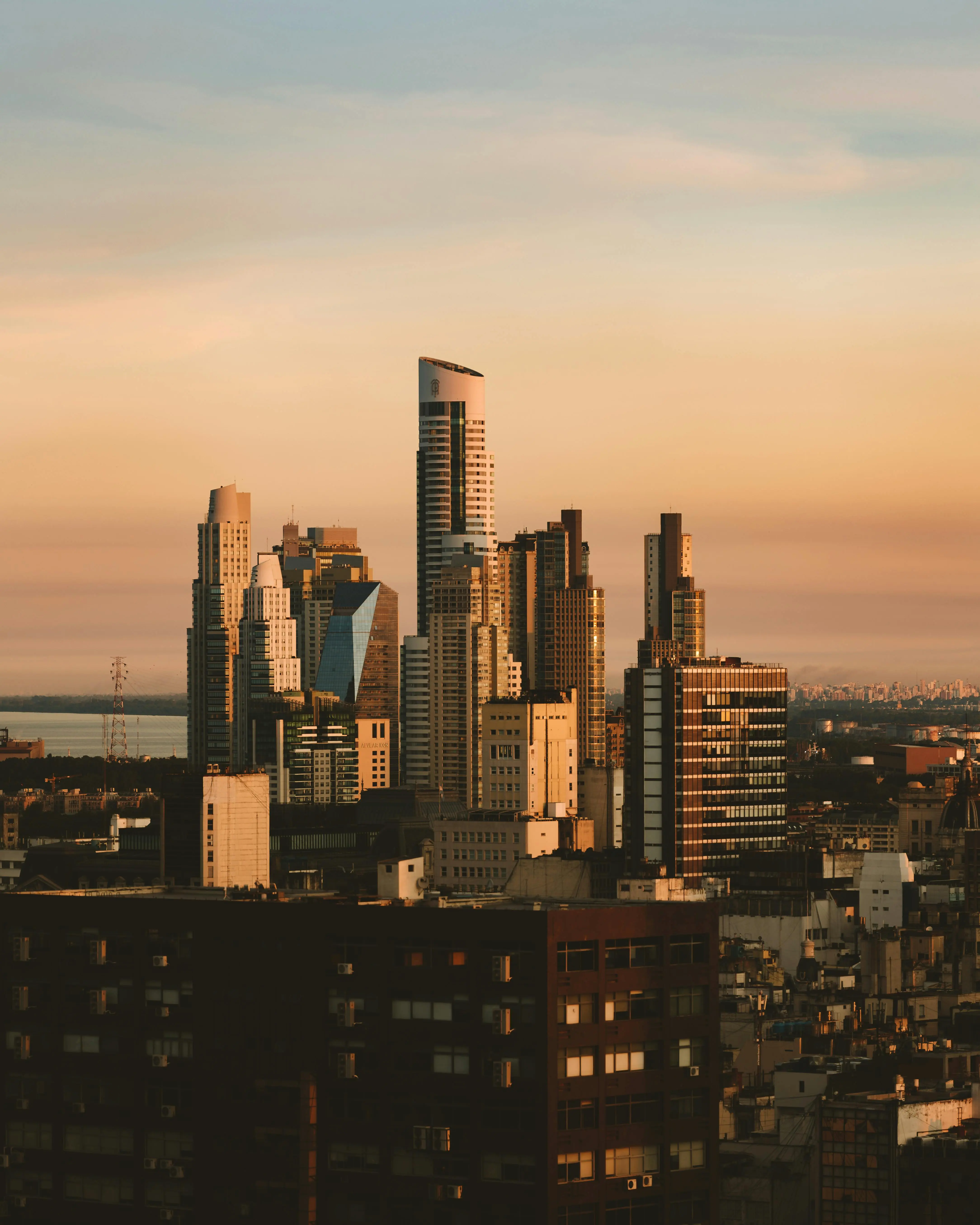
But La Boca isn’t a place you wander blindly—it’s a neighborhood best experienced with intention.
Here’s what to expect when you visit La Boca Buenos:
Walk El Caminito, the “little path” filled with local artist stalls, tango dancers, and painted metal plates
Stop by Fundación Proa Museum or Museo Benito Quinquela Martín for a deeper look at the barrio’s art scene
Visit Boca Juniors Stadium (La Bombonera), a must for sports fans and anyone curious about the club’s legacy
Grab a quick bite at El Obrero or Il Matterello for classic food, including Argentinian beef and Italian-inspired dishes
Take a guided walking tour to understand the history of early settlers and European immigrants
La Boca Buenos Aires delivers a bold first impression—but knowing how to navigate it makes all the difference for your trip.
Where Is La Boca Buenos Aires and What Makes This Barrio Unique?
La Boca sits in the south of Buenos Aires, just beyond San Telmo, where the city opens up toward the Riachuelo River and the wider Rio de la Plata. It’s one of the oldest parts of the Argentine capital, and while it’s only a short distance from the city center, the shift in atmosphere is immediate. The pace slows, the streets feel more textured, and the neighborhood’s identity becomes impossible to ignore.
Located at the Mouth of the Riachuelo River
The name “La Boca” literally translates to “the mouth,” referring to its position at the mouth of the Matanza-Riachuelo River. This location made it a key entry point for ships arriving in Argentina, shaping the neighborhood’s working-class roots and maritime identity.
Today, you’ll still feel that connection to the water along Don Pedro de Mendoza Avenue, where:
Caminito’s edge opens toward the old port area
Small viewing points give glimpses of the riverbanks
Local vendors and street performers gather near the waterfront
It’s not polished—but that’s part of what gives La Boca its character.
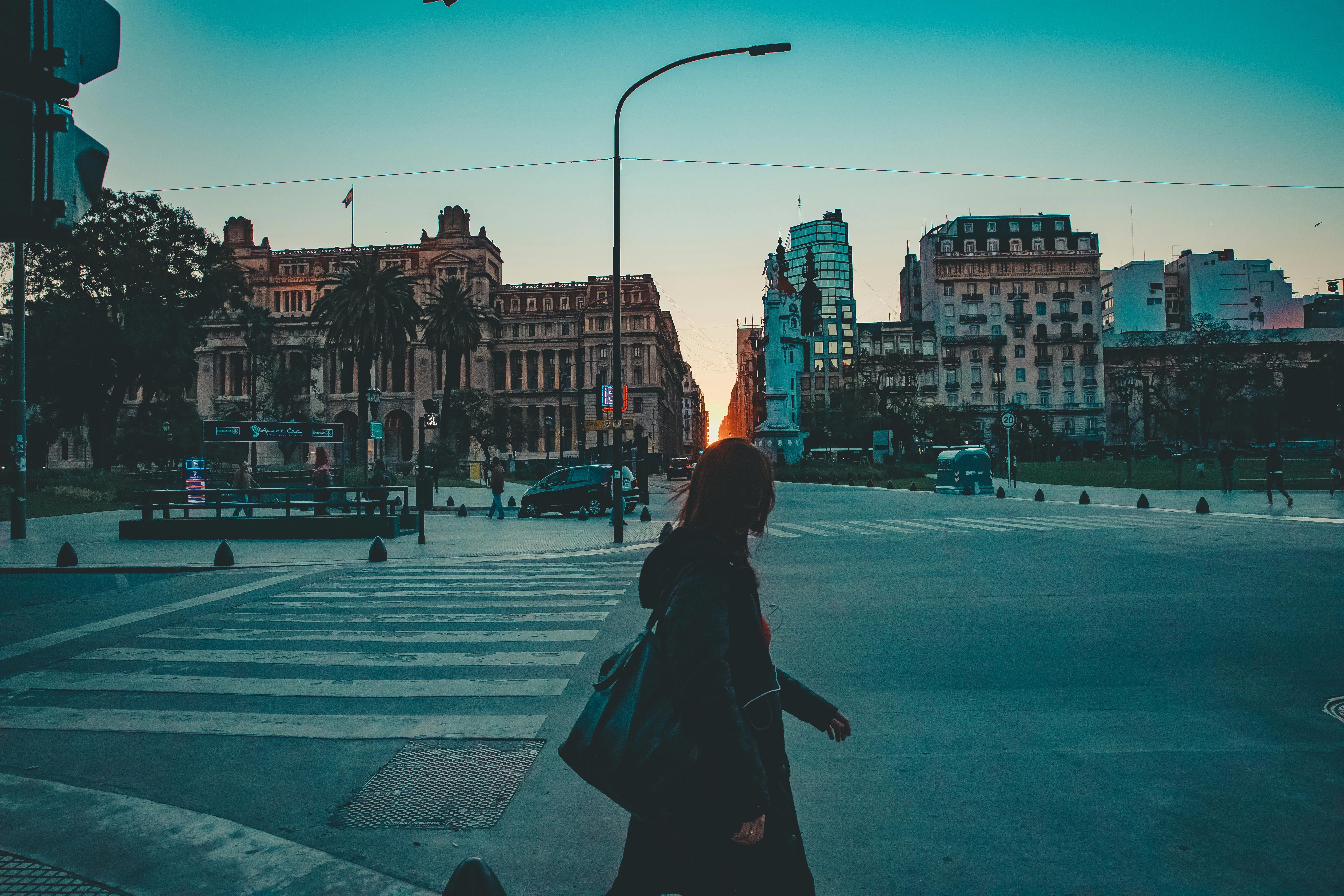
A Barrio Built by European Immigrants
La Boca’s identity was shaped by waves of European immigrants, particularly Italian dockworkers who settled here in the late 19th century. With limited resources, early settlers built conventillos—shared housing structures made from scrap wood and metal plates sourced from nearby shipyards.
You can still see this history in the architecture:
Corrugated metal houses painted in bold colors
Narrow street layouts designed around communal living
Balconies and stacked homes reflecting dense, working-class life
The famous colorful houses weren’t designed for aesthetics—they were painted using leftover ship paint, creating the patchwork look that defines La Boca Buenos Aires today.
Why La Boca Feels Different From the Rest of Buenos Aires
While neighborhoods like Palermo feel modern and San Telmo leans historic, La Boca exists in its own lane. It’s louder, more expressive, and deeply tied to its roots.
What sets it apart:
Street-level art that feels raw rather than curated
Music and tango spilling out into public spaces
A strong sense of local identity shaped by history, labor, and passion
For a more grounded experience, step just outside the busiest touristy areas and you’ll find spots like:
Bar Portuario – a low-key local café with strong coffee and fewer tourists
Vuelta de Rocha – a quieter stretch with views of the river and old port structures
Usina del Arte – a cultural center hosting concerts and exhibitions in a restored power plant
La Boca isn’t trying to impress—it simply reflects the life that built it. And that’s exactly what makes it worth visiting.
The History of La Boca Buenos Aires: From Early Settlers to Tango Culture
La Boca Buenos Aires isn’t just colorful—it’s layered. Every painted wall, every burst of music, every crowded balcony traces back to a neighborhood shaped by movement, survival, and expression. Long before it became one of the most photographed spots in Buenos Aires, this barrio was where early settlers and waves of European immigrants built a life from whatever they could find.
From Early Settlers to a Working-Class Port
In the late 1800s, La Boca became a landing point for immigrants arriving in Argentina—many of them Italian, alongside Spanish and even British influences. They settled near the port, close to work, and built homes from scrap materials: wood, metal plates, and anything salvaged from the shipyards.
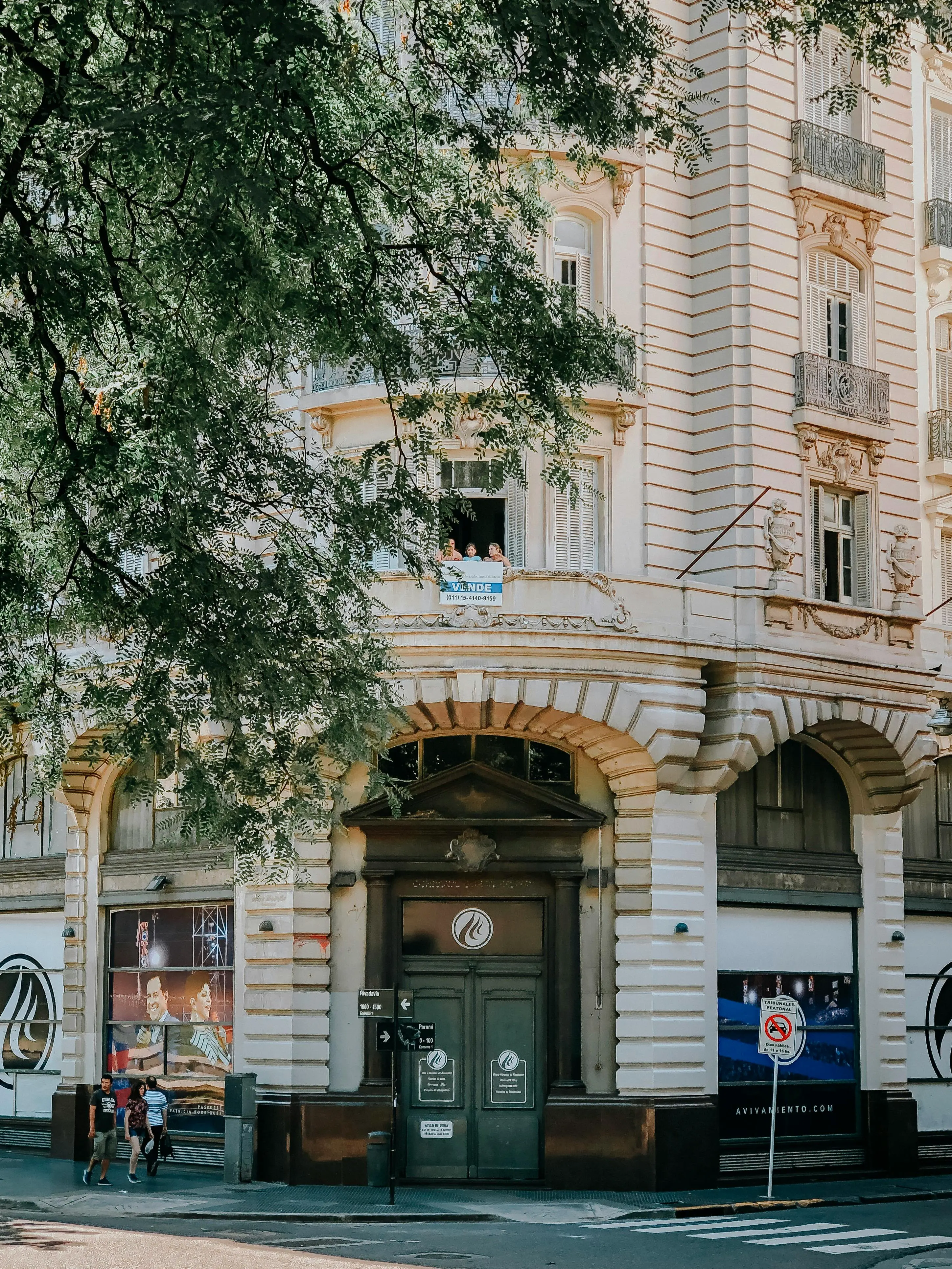
Life wasn’t easy, but it was communal:
Conventillos (shared houses) packed multiple families into tight spaces
Open courtyards became social hubs where music, food, and language blended
The barrio developed its own rhythm, shaped by labor, migration, and survival
You’ll still feel this history walking quieter corners near Avenida Almirante Brown, where older structures hint at the neighborhood’s original layout.
The Birth of Tango, Music, and Identity
La Boca is often considered one of the birthplaces of tango—a sound born from cultural overlap and everyday life. African rhythms, European melodies, and working-class storytelling fused into something entirely new.
That legacy still echoes through the barrio:
Street musicians play live tango and folk music near open plazas
Small venues like Bar Sur (just outside La Boca toward San Telmo) offer intimate tango shows
Accordion and bandoneón sounds drift through the street, especially on weekends
Tango here isn’t polished—it’s expressive, improvised, and tied to the neighborhood’s identity.
Benito Quinquela Martín and the Reinvention of El Caminito
By the mid-20th century, parts of La Boca had fallen into decline. That’s when local artist Benito Quinquela Martín stepped in—not just as a painter, but as a cultural force.
He transformed a neglected railway path into what is now El Caminito, the famous “little path” that defines La Boca Buenos:
Painted buildings turned the area into an open-air museum
Public art installations made creativity part of everyday life
Local artist culture was preserved rather than replaced
If you want to connect with that legacy beyond the obvious spots:
Visit Escuela Museo Pedro de Mendoza, a school and museum he helped fund
Walk along Pasaje Lanín (nearby, though less touristy), where modern murals reinterpret the barrio’s artistic spirit
A Barrio That Turned Its Struggles Into Culture
Over time, La Boca evolved from a working-class port into one of the most visited parts of Buenos Aires—but it never fully shed its edge. The tension between authenticity and tourism is still visible.
You’ll notice it in the contrast:
Carefully preserved tourist areas beside raw, lived-in streets
Art that feels both curated and spontaneous
A neighborhood that performs—but doesn’t pretend
La Boca didn’t become cultural by accident. It built its identity from the ground up, shaped by history, movement, and a constant push to express something real.
Top Things to Do in La Boca Buenos Aires (El Caminito, Art, and More)
Most people visit La Boca Buenos Aires for a short, high-impact stop—and that’s exactly how it works best. This isn’t a neighborhood you rush through, but it’s also not one you stretch into a full day. Focus your visit around a few key experiences, move with intention, and let the energy of the barrio do the rest.
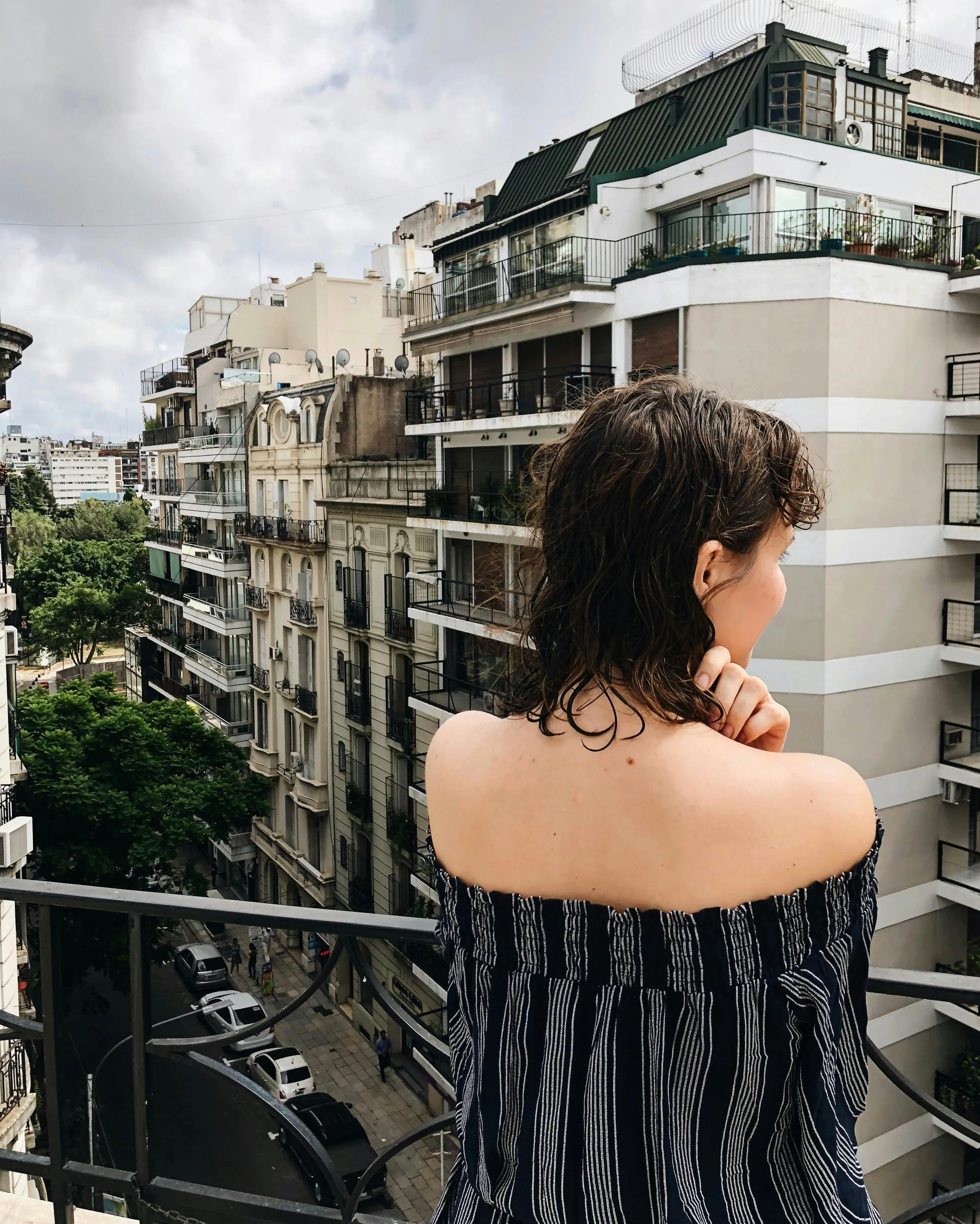
El Caminito: The Famous Pedestrian Street Full of Life
El Caminito is the heart of La Boca—the pedestrian street that turned the neighborhood into a global icon. Known as the “little path,” this open-air museum is where colorful houses, street art, and live performances come together in one compact stretch.
What you’ll find walking through:
Tango dancers performing in the street, often in full costume
Local artist stalls selling paintings, prints, and handmade crafts
Musicians playing live tango and folk music along the cobbled street
Bright façades made from painted metal plates and salvaged materials
To get more out of it:
Go early (before 11am) to avoid peak tourist crowds
Walk slowly—this is more about observing than rushing
Step into small side courtyards where artists often work live
Fundación Proa Museum and the Contemporary Art Scene
Just a few minutes from El Caminito, Fundación Proa offers a completely different perspective on La Boca’s art culture. This modern museum focuses on contemporary exhibitions, often featuring international artists alongside Argentine voices.
Why it’s worth the stop:
Rotating exhibitions that contrast with the street-level art outside
A rooftop café with one of the few clean, open views in the area
Quiet indoor space—rare in a busy tourist area
Nearby, you can also explore:
Galería Barro Sur (small, emerging local artist exhibitions)
Espacio Fundación Andreani (less crowded, more experimental shows)
Museo Benito Quinquela Martín and the Barrio’s Artistic Roots
If you want to understand where La Boca’s visual identity comes from, this museum is essential. Located near the river, it showcases the work of Benito Quinquela Martín and other Argentine artists tied to the neighborhood.
What makes it stand out:
Paintings depicting port life, labor, and daily scenes
Views from the upper floors overlooking the old harbor
A deeper look into how art shaped La Boca Buenos Aires
This is where the barrio’s story becomes clearer—not just colorful, but intentional.
Watch Tango and Street Performances in Real Time
Tango in La Boca isn’t confined to stages—it spills into the street. Along El Caminito and surrounding areas, performers create spontaneous moments that feel both staged and authentic.
Where to catch it:
Corners near Caminito where dancers perform for tips
Feria de Artesanos Caminito, where music and movement blend with craft stalls
Informal setups near plaza spaces where small crowds gather
If you want something more structured:
Look for small ticketed tango shows advertised on-site
Expect short performances rather than full productions
Walk the Edges: Where La Boca Feels Less Staged
While most tourists stay within the main tourist area, a few nearby spots offer a slightly quieter experience without straying too far.
Consider walking toward:
Parque Lezama (on the border with San Telmo) for a green break
Usina del Arte, where concerts and cultural events take place in a restored industrial building
Fundación PROA Bookshop for curated art books and design pieces
These areas still feel connected to La Boca—but without the constant flow of tourists.
La Boca Buenos Aires isn’t about ticking off attractions—it’s about moving through a space where art, music, and history collide in real time. The key is knowing where to focus, when to go, and when to step just slightly beyond the obvious.
Boca Juniors Stadium, La Bombonera, and the Football Passion of La Boca
In La Boca Buenos Aires, football isn’t something you watch—it’s something you feel. The neighborhood’s identity is deeply tied to Boca Juniors, one of the most famous clubs in the world, and its home ground, La Bombonera. Even if you’ve never followed a match, stepping into this part of the barrio reveals a level of passion that defines both the club and the community around it.
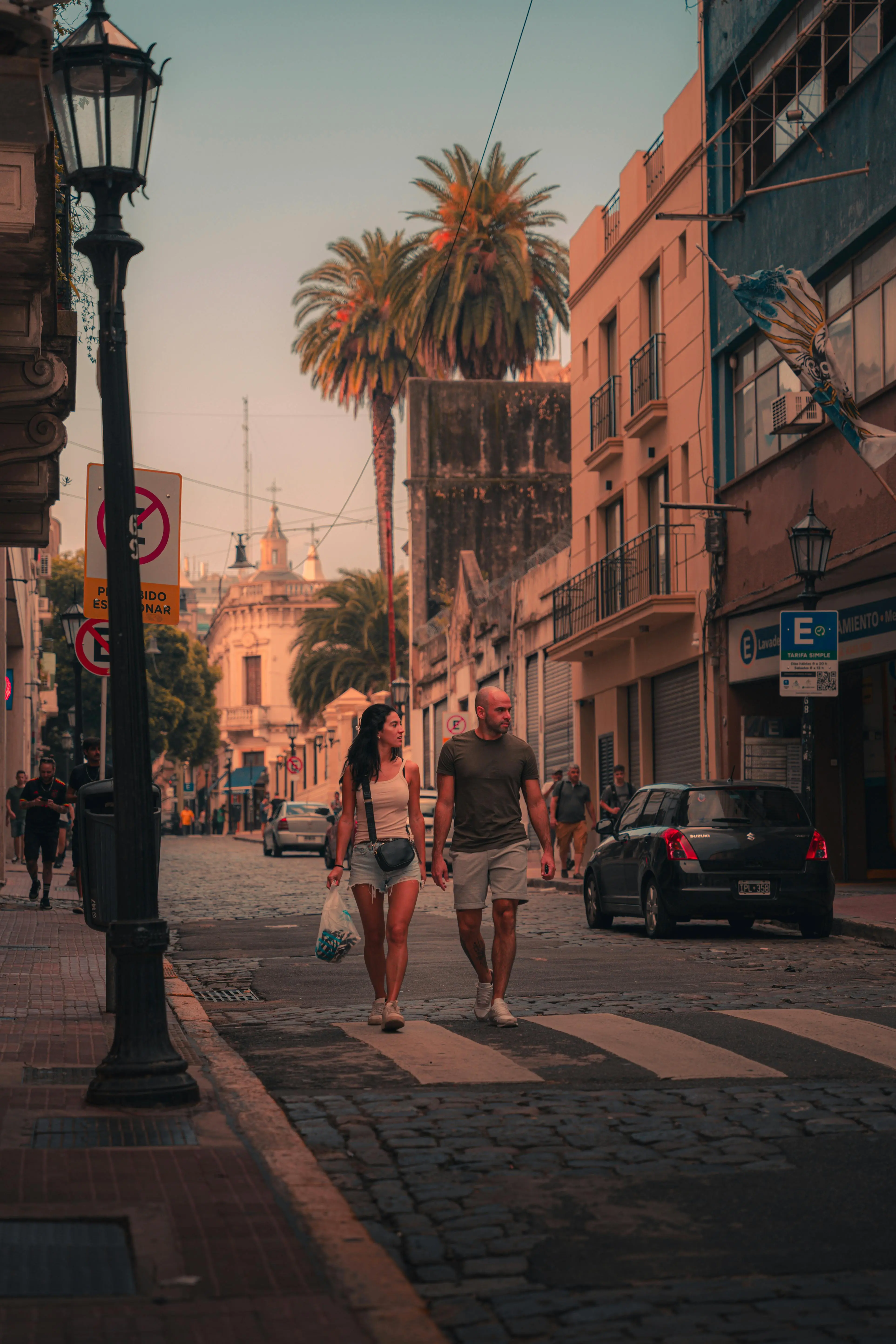
Visiting Boca Juniors Stadium (La Bombonera)
The Estadio Alberto J Armando Stadium, or colloquially La Bombonera—literally “the chocolate box”—is one of the most iconic stadiums in Argentina. Its steep stands and tight structure create an atmosphere that’s intense even when empty.
What you can do here:
Take a stadium tour (includes access to stands, locker rooms, and pitch views)
Visit the Boca Juniors Museum, which walks through the club’s history and legendary players
Stand inside the arena and get a sense of why it’s considered one of the loudest stadiums in the world
Practical tips:
Tours typically cost around ARS 10,000–15,000 depending on access
Go earlier in the day to avoid large tour groups
Check match schedules in advance—access changes on game days
Boca Juniors and the Barrio’s Identity
The connection between Boca Juniors and La Boca goes beyond sport—it’s cultural. The club grew alongside the neighborhood, shaped by the same immigrant roots and working-class energy.
You’ll notice it everywhere:
Blue and yellow murals covering nearby streets
Small shops selling jerseys, flags, and memorabilia
Locals gathering around screens in cafés and bars on match days
For a more local feel, skip the souvenir-heavy spots and try:
Bar El Tano – a no-frills place where regulars watch matches and debate every play
La Glorieta de Quique – a tucked-away corner known for passionate post-match conversations
Match Day vs Non-Match Day Experience
The experience changes completely depending on when you visit.
On match days:
Streets fill with sports fans hours before kickoff
Chanting, music, and crowd energy spill into surrounding blocks
Security presence increases, and movement becomes more controlled
On non-match days:
The area is calmer and easier to explore
Tours run more smoothly
You can take photos without crowds
If you’re not attending a game, non-match days offer a more accessible experience.
Where to Watch the Atmosphere Without a Ticket
Getting match tickets can be difficult, but you can still feel the energy nearby.
Try:
Cantina Patio La Boca – casual spot with screens and a steady local crowd
Bar Sur (closer to San Telmo) – mixes football nights with live music
Street-side viewing setups where locals gather informally
These places give you a taste of the passion without needing to step inside the stadium.
La Boca’s football culture isn’t separate from the neighborhood—it’s an extension of it. Whether you walk through La Bombonera or simply hear the chants echo through the streets, it’s impossible to miss the role Boca Juniors plays in shaping the identity of this part of Buenos Aires.
Is La Boca Buenos Aires Safe for Tourists? What You Need to Know
La Boca Buenos Aires is one of the most visited neighborhoods in the city—but it’s also one of the most misunderstood. The experience here is very specific: vibrant, photogenic, and full of life during the day, but not designed for aimless wandering. Knowing where to go (and where not to) is what makes the difference between a great visit and an uncomfortable one.
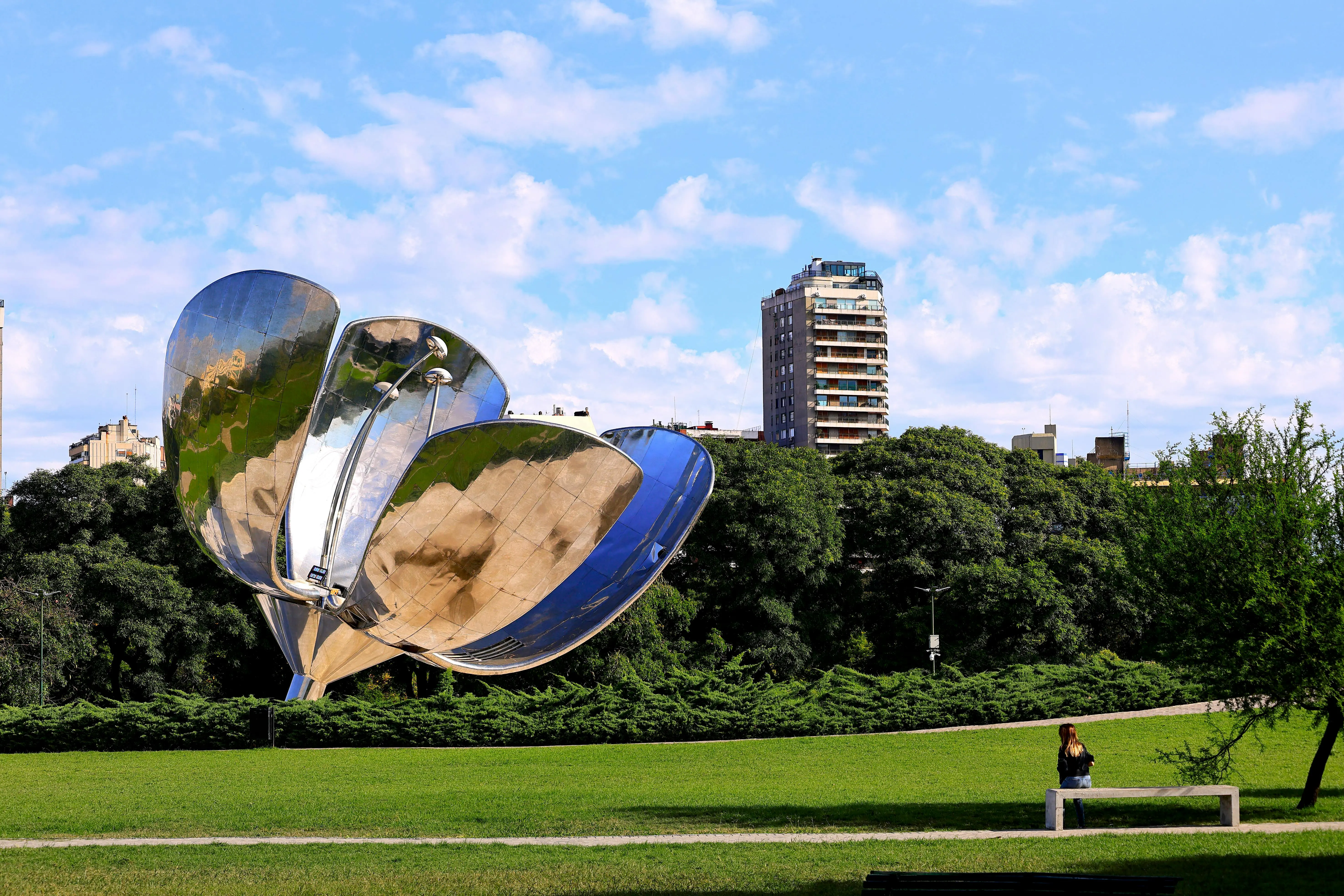
Where It’s Safe: Staying Within the Main Tourist Area
The core tourist area around El Caminito is generally safe during the day, especially when it’s busy with tourists, performers, and guided tours.
Stick to:
El Caminito and surrounding pedestrian street zones
Don Pedro de Mendoza Avenue (main access route)
Areas near Fundación Proa and museum clusters
Well-trafficked streets with visible police or security presence
You’ll notice that most people who’ve visited La Boca follow a similar pattern—arrive, explore the central strip, and leave without straying too far.
What to Avoid: Backstreets and Night Visits
Outside the main tourist area, La Boca changes quickly. Residential streets nearby aren’t set up for visitors, and this is where most safety concerns come from.
Avoid:
Walking beyond clearly active tourist zones
Exploring side streets that feel empty or unmonitored
Visiting after sunset—this isn’t a nightlife destination
Wandering independently without a clear route
La Boca is not a place where you explore freely like Palermo or other parts of Buenos Aires.
Common Risks and How to Stay Alert
The most common issue here isn’t violent crime—it’s petty crimes like pickpocketing or distraction-based theft.
Be mindful when:
Taking pictures (especially with phones out for long periods)
Sitting at outdoor restaurants with bags or valuables visible
Watching performances where crowds gather tightly
Simple habits go a long way:
Keep bags zipped and close to your body
Avoid carrying unnecessary valuables
Stay aware of your surroundings, especially in dense crowds
A Smarter Way to Experience La Boca
Many visitors recommend exploring La Boca with a guide or as part of a structured plan. It adds context and reduces the guesswork around where to go.
Good options include:
Small-group walking tours that combine history + art
Hop-on hop-off bus stops near La Boca for controlled access
Short guided visits paired with San Telmo to round out your trip
If you’re planning a longer stay in Buenos Aires, most travelers choose to base themselves in nearby neighborhoods like San Telmo or Palermo and visit La Boca as a half-day trip.
If you’re planning to stay longer, fully furnished apartments in Buenos Aires make it easier to explore neighborhoods like La Boca while having a safer, more comfortable base nearby.
La Boca Buenos Aires is safe when experienced the right way—during the day, within defined areas, and with awareness. Treat it as a focused cultural stop, not a place to roam freely, and it becomes one of the most memorable parts of your trip.
Where to Eat in La Boca Buenos Aires (Benito Quinquela Martin Area and Local Food Spots)
Food in La Boca Buenos Aires is less about chasing the “best restaurants” in the city and more about eating within the rhythm of the barrio. You’re here for atmosphere—quick, flavorful meals between walking routes, with a mix of Italian influence, port-side traditions, and simple plates rooted in working-class life. Plan for a short stop, eat well, and move on.
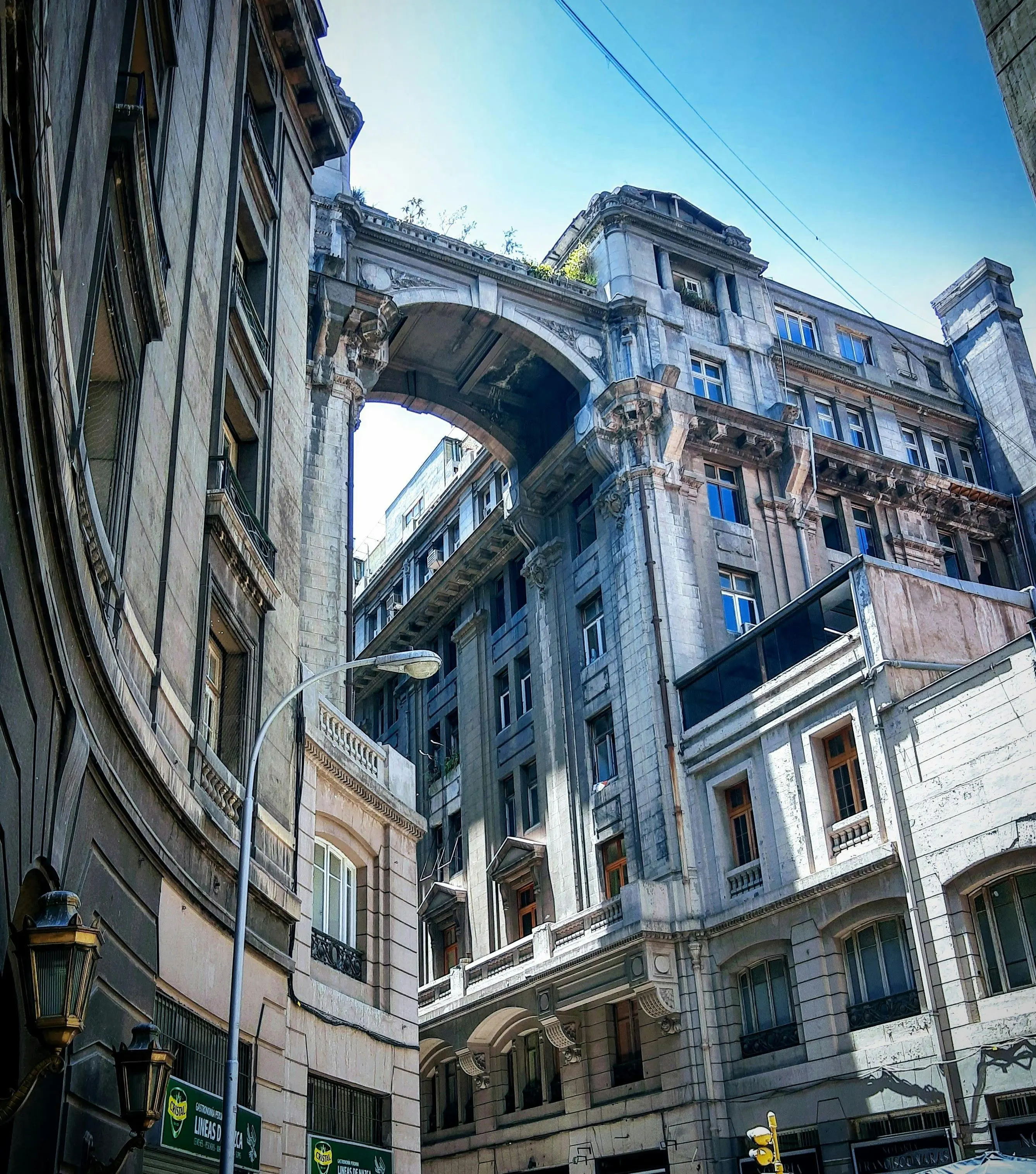
Around Museo Benito Quinquela Martin: Simple, Local, and Less Crowded
Near the Museo Benito Quinquela Martin, things feel slightly calmer than the main tourist area, and you’ll find places that cater more to locals than passing crowds.
Good stops in this pocket:
La Perla de Caminito (side street location) – smaller and less exposed than the main strip, with solid grilled options and quieter seating
Puerto Cristal – casual seafood plates reflecting the barrio’s connection to the river; expect simple dishes under ARS 8,000
Coffee and Bar Roma – a low-key option for coffee and pastries after exploring the museum, usually under ARS 3,000
This area works well if you want a breather from the heavier flow of tourists without leaving La Boca entirely.
Classic Restaurants in La Boca for Argentinian Beef and Italian Influence
La Boca’s food culture reflects its immigrant roots—especially Italian—mixed with classic Argentine staples.
Reliable choices:
El Obrero – one of the most authentic spots in La Boca, known for generous portions of argentinian beef and no-frills service (expect ARS 10,000–15,000 per person)
Il Matterello – a standout for handmade pasta and traditional Italian dishes; slightly more polished but still rooted in the neighborhood’s history
Cantina Los Amigos – local favorite with strong portions, simple décor, and consistent quality
These places feel grounded in the barrio’s identity—less about presentation, more about substance.
Quick Bites, Street Food, and Casual Stops
Since most visits to La Boca are short, quick food options often make more sense than sit-down meals.
Look for:
Choripán stands near busy walking routes (grilled sausage sandwiches for under ARS 3,000)
Empanada counters offering quick takeaway options
Small bakeries with medialunas and coffee for a fast reset
If you’re visiting on a Sunday, you’ll find slightly more street activity and food stalls, especially closer to connecting routes toward San Telmo.
What to Expect from Food in La Boca Buenos Aires
It’s important to set expectations clearly—La Boca is not a culinary destination compared to Palermo or other parts of Buenos Aires.
Keep in mind:
Many restaurants near El Caminito are in touristy areas and priced accordingly
Menus can feel repetitive, especially along the main pedestrian routes
Quality varies—research or choose places slightly off the main strip
For a better overall food experience, many travelers combine La Boca with nearby neighborhoods later in the day.
Food in La Boca Buenos Aires works best when it supports your visit—not defines it. Eat something satisfying, enjoy the setting, and then continue exploring the wider city where the culinary scene opens up more fully.
La Boca Buenos Aires vs San Telmo vs Palermo: Which Neighborhood Fits Your Trip?
Choosing where to spend your time in Buenos Aires can shape your entire trip. While La Boca Buenos Aires delivers one of the most visually striking experiences in the city, it’s rarely where most people stay. Comparing it with nearby San Telmo and more residential Palermo helps clarify how each barrio fits into your plans.
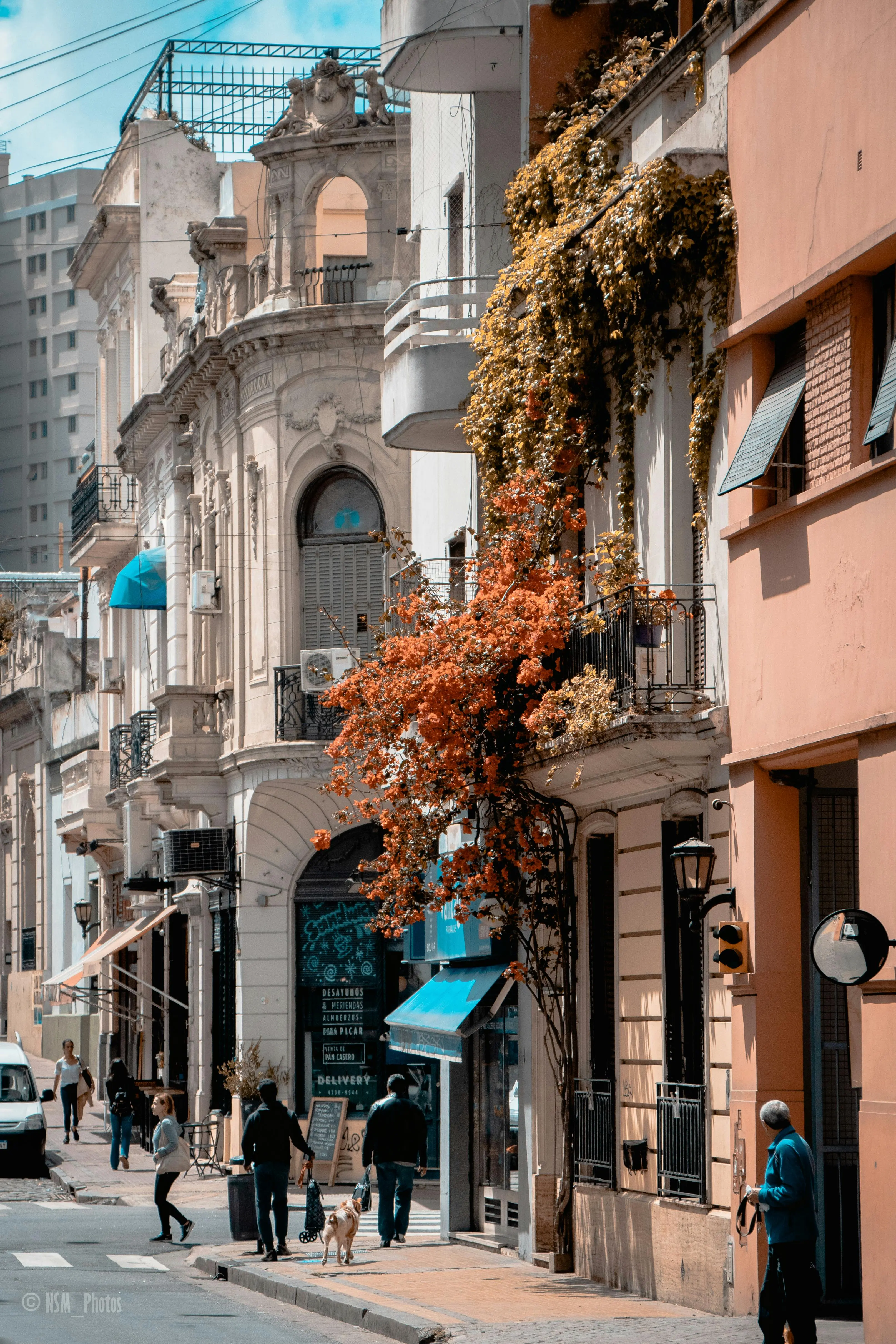
How These Buenos Aires Neighborhoods Compare
Neighborhood | Vibe | Best For | Safety | Time to Spend |
|---|---|---|---|---|
La Boca Buenos Aires | Artistic, raw, high-energy | Short visits, culture, history | Moderate (daytime only) | 2–4 hours |
San Telmo | Historic, walkable, local | Markets, cafés, slower exploring | High | Half to full day |
Palermo | Trendy, spacious, modern | Staying, food, nightlife | High | Multi-day |
When La Boca Buenos Aires Makes Sense
La Boca Buenos Aires is ideal if your focus is on:
Experiencing El Caminito and its colorful houses
Seeing live tango dancers and street performances
Visiting Boca Juniors Stadium and La Bombonera
Exploring a barrio shaped by early settlers and european immigrants
It’s a place you visit with intention, not one you wander endlessly.
When San Telmo or Palermo Is the Better Fit
If you’re planning a longer stay in Buenos Aires, most people choose:
San Telmo
Easier walking routes and better connected by public transport
Strong café culture and quieter streets
Sunday market (Feria de San Telmo) adds local life
Palermo
Best range of restaurants, bars, and coworking-friendly cafés
More space, greenery, and modern apartments
Ideal base for a longer trip or remote work
Both neighborhoods offer more flexibility and comfort compared to La Boca. Explore Belgrano and Retiro in our neighborhood guide
La Boca Buenos Aires stands out because it’s different—but the best trips balance it with neighborhoods where you can slow down and settle in.
How to Get to La Boca Buenos Aires (Public Transport, Buses, and Smart Routes)
Getting to La Boca Buenos Aires is straightforward, but how you arrive can shape your experience. Since most visits are short and focused, convenience and timing matter more than anything else.
Public Transport and Local Buses
Public transport is one of the most common ways to reach La Boca, especially from central Buenos Aires or San Telmo.
Options include:
Local buses stopping along Don Pedro de Mendoza Avenue
Direct routes from central areas and major avenues
Affordable fares (typically under ARS 500)
Look for buses heading south toward La Boca—routes are frequent during the day, making this a practical option for most travelers.
Taxi, Ride Apps, and Hop-On Hop-Off Bus
For a more direct and controlled trip, taxis or ride apps are often the easiest choice.
Best options:
Taxi or Uber from Palermo or central Buenos Aires (10–20 minutes depending on traffic)
Hop-on hop-off bus services with dedicated La Boca stops
Short rides from San Telmo (often under 10 minutes)
This is especially useful if you want to avoid navigating unfamiliar streets.
Should You Take a Guided Tour?
Many visitors who have visited La Boca recommend joining a tour—especially for a first trip.
Why it helps:
Clear routes through the safest tourist area
Context around history, art, and architecture
Less risk of wandering into the wrong streets
Walking tours typically run between ARS 5,000–10,000 and often combine La Boca with nearby areas like San Telmo.
Smart Timing and Route Planning
To get the best experience:
Visit in the morning or early afternoon when the area is busiest
Plan your return before sunset
Combine La Boca with San Telmo in a single walking or short transport route
La Boca Buenos Aires is easy to reach—but planning your arrival and departure makes the experience smoother and more enjoyable.
Planning Your Trip Smartly: Timing, Travel Insurance, and Practical Travel Resources
A visit here works best when it’s planned with intention. This isn’t a place you stumble into—it’s one you approach with a clear route, the right timing, and a few practical safeguards in place. That’s what separates a smooth experience from a stressful one.
Best Time to Visit for a Better Experience
Timing shapes everything here. The same streets can feel vibrant or uncomfortable depending on when you arrive.
For the best experience:
Go in the morning (9am–11am) when crowds are lighter
Early afternoon keeps the area lively but manageable
Sundays bring more energy, with extra vendors and activity
Leave before sunset to avoid safety concerns
This timing also makes it easier to explore, take pictures, and move comfortably between stops.
Why Travel Insurance Is Worth Considering
While most visits go smoothly, this is one of the few areas in the city where extra caution is recommended. Having travel insurance adds a layer of protection that’s often overlooked for short stops like this.
It’s especially useful for:
Coverage in case of theft or lost belongings
Medical support during your trip
Backup for unexpected disruptions
It’s a small step that helps you stay focused on the experience instead of worrying about risks.
Travel Resources That Actually Help
Instead of overplanning, use a few targeted travel resources to keep things simple and efficient.
Helpful tools:
Offline maps (Google Maps download) to navigate without signal
Ride apps for quick entry/exit instead of waiting on buses
Verified walking tours that combine history + safety awareness
If you prefer structure, pre-booking a short guided visit can remove most of the uncertainty.
Build Your Day Around the Right Flow
This area works best as part of a broader route rather than a standalone destination.
A simple, effective plan:
Start your morning here
Spend 2–3 hours exploring key spots
Move on to another neighborhood for lunch or afternoon plans
This keeps your trip balanced—high-impact, but not overwhelming.
A little planning goes a long way here. With the right timing, a few smart travel resources, and basic precautions like travel insurance, you can focus on what actually matters—experiencing one of the most visually and culturally distinct parts of the city without unnecessary friction.
Planning Your Route Through Argentina: Is This Stop Worth It?
Not every stop on a trip through Argentina needs to be stretched into a full day. Some places are best experienced as part of a wider route—and this is one of them. Think of it less as a standalone destination and more as a high-impact cultural detour that adds texture to your time in BA.
If you structure your route well, it fits naturally into a broader flow across the west and north sides of the city:
Start your day in the south, where this area is located
Move toward San Telmo or central districts afterward
Continue on to Palermo (north) for a more relaxed afternoon or evening
This kind of course keeps your energy balanced—short bursts of intensity followed by more comfortable, livable areas.
What Makes It Worth Including in Your Trip
What stays with most people isn’t just what they see—it’s the contrast between past and present.
A working port history shaped by european immigrants
Music and movement still embedded in daily life
A cultural identity that feels expressive rather than polished
It’s not about depth—it’s about impact. You don’t need hours here to understand why it matters.
When It Might Not Be the Right Fit
There are cases where skipping it makes sense:
If your trip is focused on food, coworking, or long stays
If you prefer neighborhoods you can explore freely without structure
If you’re short on time and prioritizing comfort over contrast
In those cases, areas further north or west will align better with your travel style.
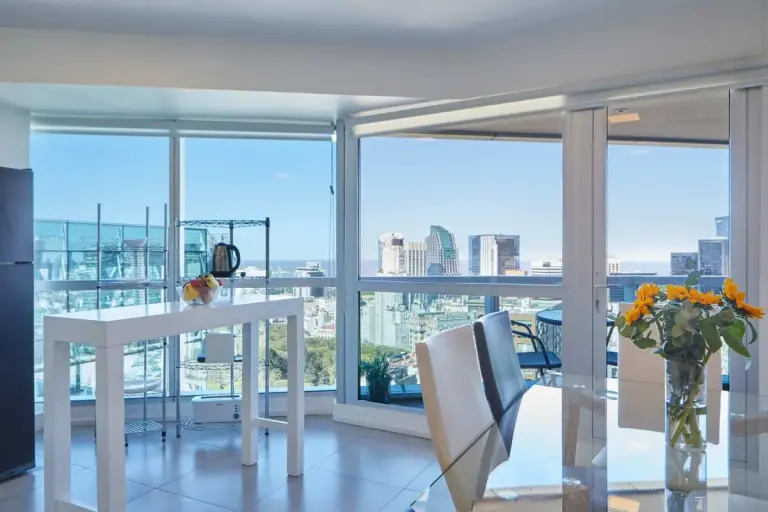
If you’re planning a longer stay, fully furnished apartments in Argentina make it easier to explore multiple neighborhoods while keeping a consistent, work-ready base.