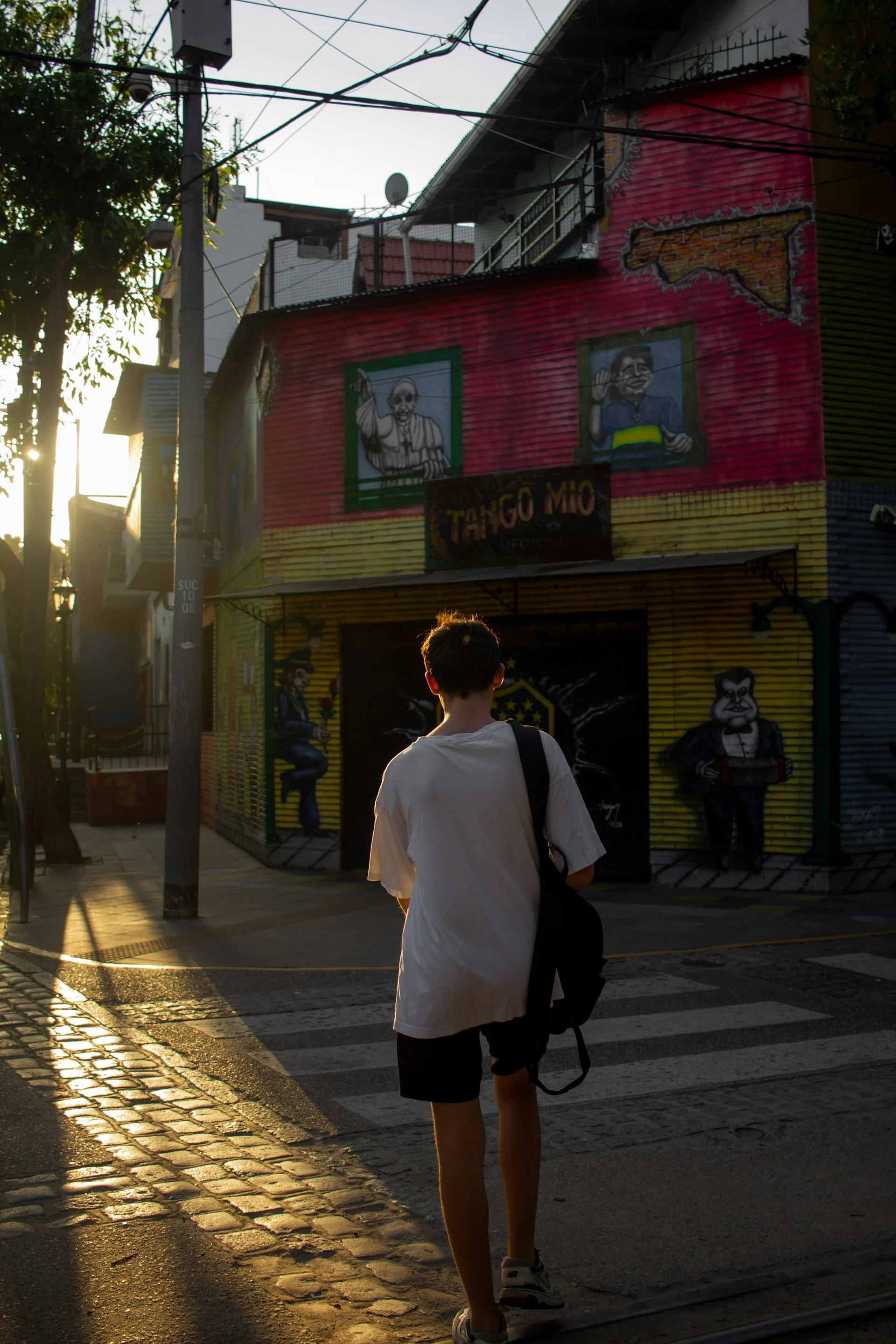
A Practical Guide to Living in Buenos Aires for Expats and Digital Nomads
Living in Buenos Aires means plugging into a vibrant city where old world charm sits beside cowork-friendly cafés and late-night conversations.
As the capital city of South America’s cultural powerhouse, it offers rich culture, a welcoming environment, and everyday comforts that make expat life workable—good coffee, reliable public transport, and neighborhoods that feel lived-in rather than staged.
For digital nomads and anyone considering expat Buenos Aires, this guide covers the essentials of living in Buenos Aires, from visas and money to language and daily life, without the fluff.
Quick picks to orient yourself fast:
-
First base: Palermo for walkability, leafy blocks, and easy workspace options on cobblestone streets.
-
Classic days: San Telmo for markets and milongas; downtown Buenos Aires when you need museums, banks, and admin.
-
Everyday setup: learn basic Argentine Spanish, map transit lines you’ll use most, and set up a simple budget in pesos.
-
Safety mindset: typical big-city awareness; stick to busy areas at night and plan routes in advance.

Why Buenos Aires Expats Choose This City
Buenos Aires gives expats what few capitals manage — energy without exhaustion. It remains a popular destination among creatives and professionals relocating from other Spanish speaking countries.
It’s a capital city that still feels local, where bakeries open early, tango music filters from windows, and plazas double as shared living rooms.
A large expat community keeps things social while the city’s scale makes daily life easy to navigate.
-
European architecture meets Latin attitude — wide boulevards, open cafés, constant conversation.
-
Affordable living compared with most South America capitals; everyday meals and rent stay reasonable.
-
Locals are quick to talk, and learning basic Argentine Spanish helps you feel part of the rhythm fast.
-
Neighborhood life dominates: Palermo's parks, San Telmo’s cobblestone streets, and downtown Buenos Aires for quick errands or workdays.
Practical Living: What Makes It Work Day to Day
Behind the romance, Buenos Aires functions well for expats who plan ahead. Infrastructure, services, and the city’s design all make settling in smoother than most newcomers expect.
-
Housing: One bedroom apartments and temporary rentals are easy to find on local listing sites or Facebook groups.
-
Getting around: Public transportation is cheap and reliable; metro cards work on local buses and trains.
-
Money: Everyday costs are best managed in pesos, though many expats keep savings in foreign currency.
-
Connectivity: Wi-Fi in cafés is consistent; coworking hubs across major neighborhoods cater to digital nomads.
-
Community: Fellow expats gather for language exchanges, meetups, and late-night dinners — it’s easy to find your crowd.
Living in Buenos Aires means trading predictability for personality — and that’s exactly what makes it worth the move.

Visas and Residency: From Tourist Visa to Digital Nomad Visa
Buenos Aires keeps entry simple for most visitors. Citizens from North America, the EU, and many Latin America countries can arrive on a standard tourist visa, which allows 90 days in Argentina. It’s often extended once in the city or refreshed through short visa runs to neighboring countries like Uruguay or Chile.
-
Tourist visas: Valid for 90 days; apply at the immigration office or renew once in-country.
-
Visa runs: A quick ferry trip across the Rio de la Plata to Colonia del Sacramento remains a common reset.
-
Documentation: Bring printed copies of your passport, onward travel proof, and a local address.
-
Stay connected: Google Maps lists the main immigration office (“Migraciones”) near Retiro Station — go early to avoid long lines.
Local tip: book a same-day Buquebus ferry when you need a quick exit and re-entry if you are on a tourist visa.
Long-Term Options: Residency and the Digital Nomad Visa
If you plan to make living in Buenos Aires a longer chapter, Argentina’s residency routes are relatively friendly. The process takes patience, but the requirements are straightforward.
-
Temporary residency: Granted for up to two years to students, retirees, or professionals with local income.
-
Permanent residency: Available after two years of continuous temporary stay, allowing open employment.
Becoming a permanent resident grants full local rights and simplifies most government procedures.
-
Digital nomad visa: Launched recently for remote workers; proof of income and travel insurance required.
-
Student visa: For international students enrolled in Argentine universities — ensure your acceptance letter is translated and notarized. Getting a student visa is simpler when you follow the process.
-
You’ll also receive your Documento Nacional de Identidad (DNI) — required for banking and housing contracts.
All renewals and visa-related decisions go through Argentine authorities, usually handled at Migraciones.

Recommended resources for handling visas and renewals:
-
Dirección Nacional de Migraciones: The main Argentine government portal for forms and updates.
-
BA Expat Hub: A bilingual Facebook group where fellow expats share current visa run tips, you usually get solid advice from people who have just received their work or student visa.
-
LegalCity Buenos Aires: A reliable law office near downtown that assists with immigration paperwork in English.
Residency paperwork might feel like a maze, but the city rewards those who navigate it — every visa step is a step closer to truly belonging here. Whether you want a permanent residency or are just looking for a temporary residency, make sure you come prepared with duplicates of your papers and be a little patient with the immigration office.

Understanding Argentine Bureaucracy and Bank Accounts
Behind the easy rhythm of café mornings and late dinners, Buenos Aires runs on paperwork. Every expat faces it sooner or later — visas, ID numbers, and bank forms that all need official stamps. Navigating Argentine bureaucracy takes patience, but once you know where to go, most steps are straightforward.

Navigating the Paperwork: Getting Set Up Legally
Settling in Buenos Aires means tackling documents early. Most procedures happen at the main immigration office (Migraciones), where immigration officers guide newcomers through forms and renewals.
-
Key documents: Passport, entry stamp, proof of address, and translated copies of all records.
-
Government offices: All renewals go through Argentine authorities at Migraciones.
-
Argentine ID number: Request a Documento Nacional de Identidad (DNI) once your temporary visa is approved — you’ll use this Argentine ID number for leases, jobs, and phone contracts.
-
Language tip: Some forms appear only in Spanish, so bring a friend or translator if you’re still learning Spanish.
-
Practical hack: Arrive early; numbered tickets run out before noon.
Tip: Keep both printed and digital versions of every file. Offices often ask for extra copies without warning.
Opening and Managing a Bank Account
Managing money locally makes living in Buenos Aires simpler. A local bank account helps with rent payments, mobile plans, and utilities, while saving you conversion fees.
-
Where to start: Banco Galicia, BBVA, and Santander Río welcome foreigners with valid IDs.
-
Requirements: Passport, lease, and your Argentine bank account information once approved.
-
Currency management: Salaries or transfers in foreign currency convert automatically to Argentine pesos, usually at the official rate.
-
Everyday use: Many cafés accept cards, but keep some cash — small kiosks still prefer pesos.
-
Bank hours: Most branches close around 3 p.m.; plan visits before lunch.
Local note: Mobile apps for local banks now support English menus and biometric logins, making transactions easier than ever.

Coping with Bureaucracy Day to Day
Processes move at their own pace. Locals treat it with calm persistence — and that mindset helps.
-
Expect slower lines near holidays or government pay periods.
-
Be polite with immigration officers; courtesy often speeds up appointments.
-
Keep receipts from all submissions — they serve as proof if your file is delayed.
-
Track renewals in your phone calendar to avoid last-minute stress.
Once your paperwork and banking are sorted, the capital city opens up. Bureaucracy becomes background noise, and everyday life turns comfortably predictable.
Daily Life in Buenos Aires: Language, Culture, and Community
Buenos Aires works best when you stop trying to master it and start moving with its rhythm. Daily life unfolds in plazas, cafés, and late-night dinners, where conversations stretch and schedules blur.
Expats quickly learn that blending in means understanding both the culture and the cadence of Argentine Spanish.
Learning the Language and the Local Rhythm
Argentine Spanish sounds musical and fast, full of local slang known as lunfardo. You don’t need fluency to live comfortably, but learning the basics goes a long way. Locals appreciate any effort to speak Spanish, and it opens up everyday interactions beyond tourist spots.
-
Start simple: Apps like Duolingo or local schools such as Vamos Spanish Academy offer group lessons in Palermo.
-
Learn in motion: Taxi rides, cafés, and markets double as practice grounds. Go to the markets often enough and you'll pick up the basics in no time.
-
Overcome the language barrier: Focus on understanding tone — Buenos Aires conversations rely heavily on gestures and expression.
-
Find community classes: Cultural centers like Centro Cultural Recoleta run free workshops for newcomers.
Meeting People and Building a Network
Community in Buenos Aires grows naturally; you’ll meet people in coworking spaces, weekend markets, or casual football games in San Telmo. The city’s large international population makes it easy to find both local friends and other newcomers adjusting to the same learning curve.
-
Social circles: Facebook groups like Expats in BA and Buenos Aires Digital Nomads post meetups weekly.
-
Language exchanges: Tandem nights at bars near Palermo Soho are relaxed, cheap, and great for practice.
-
Shared interests: Join coworkings such as Huerta Cowork or AreaTres, where locals and digital nomads collaborate on projects.
-
Weekend plans: Check Google Maps for neighborhood ferias or food markets — they’re ideal for casual introductions.
Buenos Aires rewards curiosity. The more you talk, listen, and linger, the faster the city starts to feel like your own.

The Neighborhood Guide for Digital Nomads and Expat Life
Buenos Aires feels like a collection of small towns stitched together by public transport and shared rhythm. Each neighborhood has its own pace — from the polished café corners of Palermo to the market chatter in San Telmo. For digital nomads and remote workers, picking the right area shapes both productivity and lifestyle.
Palermo Soho: Stylish, Green, and Work-Ready
Palermo Soho anchors modern Buenos Aires. Its leafy streets, art-covered walls, and abundance of coworking spaces make it a favorite for professionals who want reliable Wi-Fi and a little buzz in the background.
-
Coworking picks: The Maquinita Co. in Palermo Hollywood and Manawa Coworking Creativo near Plaza Armenia both offer flexible passes and solid internet.
-
Food and breaks: Grab lunch at Ninina or Salvaje Bakery, then walk the cobblestone streets toward Plaza Armenia for a post-work coffee.
-
Evening vibe: Outdoor bars and restaurants line the plazas — perfect for casual networking or slow dinners after calls.
-
Getting around: The D-line subway and local buses connect Palermo Soho easily to other major neighborhoods.
Tip: Accommodation prices rise fast here; search for temporary rentals a few blocks outside the core to save money.
San Telmo and Beyond: Culture, Markets, and Local Flavor
If Palermo Soho feels polished, San Telmo brings texture — antique markets, tango dance halls, and a deep sense of history. Its narrow streets and weekend fairs attract locals and long-term expats looking for authenticity over polish.
-
Why stay here: San Telmo balances affordability with access. You’ll find furnished one bedroom apartments at lower rates than uptown districts.
-
Work spots: Coffee Town inside Mercado de San Telmo stays lively but laptop-friendly; the Wi-Fi is steady and the people-watching is unbeatable.
-
Lifestyle: Sunday markets, art galleries, and small theaters make everyday life unpredictable in the best way.
-
Connectivity: Multiple bus routes and metro lines cross this part of the capital city, making commutes simple.
For a wider view of the city’s living styles, see RentRemote’s neighborhood guides to Buenos Aires — they cover quieter residential areas and upcoming creative hubs where remote workers are starting to settle. Start with Palermo Chico or Belgrano it's the perfect balance between culture, work, and affordability.

Browse Buenos Aires homes near this area
Cost of Living in Buenos Aires for Expats
Living in Buenos Aires costs less than most major cities in Latin America, yet offers far more character for your peso. Prices fluctuate often, but the essentials — rent, groceries, and public transportation — stay manageable if you plan smartly. Everyday life here balances affordability with variety, especially once you learn which neighborhoods match your lifestyle.
Average Costs and What to Expect
Buenos Aires prices shift monthly with inflation, but foreign currency goes a long way compared to many capitals. One-bedroom apartments, transport cards, and even nights out remain accessible for most expats.
| Category | Average Monthly Cost (in Argentine Pesos) | Notes |
|---|---|---|
| Rent (1-bedroom apartment) | 250,000–400,000 ARS | Temporary rentals available in Palermo Soho and San Telmo |
| Coworking membership | 50,000–80,000 ARS | AreaTres and Huerta Cowork are reliable picks |
| Groceries | 35,000–45,000 ARS | Use local grocery shops and butchers for the best prices |
| Eating out | 12,000–18,000 ARS weekly | Includes cafés, charcuterie shops, and small restaurants |
| Public transport | 8,000–12,000 ARS | Subte metro, local buses, and reloadable Sube cards |
| Local tip: Check Google Maps reviews before shopping — many small stores offer cash discounts not shown online. |
Managing Money and Currency Exchange
Argentine pesos and the exchange rate can feel confusing at first, but understanding how to manage your money saves time and frustration. Keep multiple payment options and avoid exchanging large sums at airports.
-
Exchange wisely: Use licensed exchange houses (cuevas) or ATMs in secure malls. Rates differ between official and informal markets.
-
Cards and cash: Some cafés accept dollars or euros, but cash in pesos is still king for daily purchases.
-
Bank accounts: Opening an Argentine bank account helps with rent payments and bills.
-
Track rates: Websites like Bluelytics show updated Argentine peso values each day.
-
Practical habit: Pay rent and long-term services in pesos; save your foreign currency for travel or emergencies.
Buenos Aires rewards those who adapt. Once you understand the rhythm of prices and how to stretch each peso, the city becomes one of the most affordable — and livable — places in the region.

Health Insurance and Safety in Buenos Aires
Buenos Aires is a big city, but it’s also one of the safer capitals in Latin America when you understand how to move smartly. Healthcare here is strong, with both public hospitals and an expanding network of private clinics available to locals and foreigners. Expats who plan to stay more than a few months should set up proper health insurance and know a few basic safety habits before settling into everyday life.
Health Insurance Options and Care Quality
Argentina’s healthcare system is divided into public and private networks. The public hospitals are free, but most expats prefer the speed and comfort of private clinics.
-
Private health insurance: OSDE, Swiss Medical, and Galeno are the most reliable options, offering bilingual assistance and quick appointments.
-
Travel health insurance: Ideal for short stays; verify that your plan includes outpatient visits and emergency care.
-
Local clinics: Hospital Alemán and Hospital Italiano are trusted by the expat community.
-
Payment and coverage: Most policies accept international cards; monthly rates start around 40,000 Argentine pesos.
-
Tip: Bring proof of insurance when visiting doctors — some clinics require it at check-in.
Recommended for newcomers: start with a three-month travel health insurance policy, then switch to private coverage once you have a local address.
Is Buenos Aires Safe for Expats?
Safety here comes down to awareness more than danger. Buenos Aires safe zones include the main residential neighborhoods where most visitors stay — Palermo, Recoleta, and Belgrano. Petty crime does happen, especially in crowded transport hubs, but violent incidents are rare.
-
Stay alert: Keep valuables zipped inside bags and avoid flashing phones on public transport.
-
Night travel: Use registered taxis or rideshares after midnight; local buses thin out late.
-
Public spaces: Parks and plazas are safe during the day and lively until evening.
-
Documents: Carry a passport copy instead of the original when going out.
-
Local advice: Ask neighbors or landlords about current safety conditions — they’re the best guides.
Buenos Aires rewards common sense. Walk with confidence, blend in with local routines, and you’ll see why many expats describe it as one of the most comfortable big cities to live in across Latin America.

Food Culture and Fresh Pasta Shops in the Capital City
Buenos Aires eats with purpose: family recipes, small producers, and shops that still wrap orders in paper. Expect simple counters, short menus, and steady quality that fits into daily life without fuss.
Fresh Pasta Shops and Casas de Pasta
Handmade pasta is a weekly ritual across the city. Pick up sheets, sauces, and stuffed varieties to cook at home in minutes.
-
La Juvenil** (multiple branches):** Ravioles de ricota y nuez, fresh tagliatelle, reliable sauces.
-
L’Artisan** (Recoleta):** Seasonal fillings, gnocchi by weight, quick service on weekends.
-
La Vieja Rotisería** (San Telmo):** Short morning queue; sells out by early afternoon.
-
PASTA by Mauro Lacagnina** (Belgrano):** Egg pastas and pesto; good for last-minute dinners.
-
Tip: Bring pesos; many counters offer small cash discounts.
Grocery Shop, Butcher Shops, and Charcuterie Shops: Go to Places to Stock Up
Stock your kitchen the local way—small stores for quality, quick service, and better prices than big chains.
-
Grocery shop staples: Mercado Belgrano (produce + pantry), Almagro-Bonpland intersection for stalls (weekend fruit/veg).
-
Butchers (carnicerías): Carnicería Don Julio** (Villa Crespo)** for prime cuts; Carnes San Cayetano** (Caballito)** for everyday grills. Ask for portion advice; they’ll trim to order.
-
Charcuteries (fiambrerías): Quesos y Fiambres Cañitas for local cheeses; Don Hernaccio's for cured meats and sandwich fixings.
-
Sweet add-ons: Try dulce de leche from La Serenísima; a spoonful turns basic desserts into comfort food. Get the factory tour if you have an afternoon off, getting to see how dulce de leche gets made is great fun.
-
Practical notes: Prices are posted by the kilo; card is fine, but small stores prefer cash for affordable prices.
Buenos Aires doesn’t just feed you; it teaches you to slow down. Every meal — from pasta rolled that morning to sandwiches from a corner charcuterie — connects you to the city’s rhythm of conversation and care.
For travelers who’d rather cook than eat out every night, RentRemote’s fully furnished apartments in Buenos Aires come with full kitchens and easy access to local markets, butcher shops, and casas de pasta — the perfect way to live like a local.

Leaving Buenos Aires and Exploring South America
At some point, everyone needs a reset — and the beauty of living in Buenos Aires is how close everything feels. The capital city sits within easy reach of beaches, wine valleys, and colonial towns scattered across neighboring countries. Visa runs double as weekend getaways, and the rhythm of South America makes travel feel spontaneous rather than stressful.
Quick Escapes and Visa Runs
Many expats extend their stay with short trips across the River Plate or down the coast. Each journey adds another stamp and a glimpse into regional life.
-
Uruguay: Take the Buquebus ferry from Puerto Madero to Colonia del Sacramento; the old town’s cobblestone streets and cafés make it ideal for a slow day.
-
Chile: Santiago’s a one-hour flight — a practical route for visa renewals or a quick mountain fix.
-
Brazil: Flights to Rio or São Paulo leave daily; expect higher costs but a change in tempo.
-
Visa runs: Check ferry and flight schedules before holidays — immigration offices get crowded when deadlines overlap.
-
Tip: Bring multiple copies of documents; some border posts still work entirely on paper.
Beyond the Border: Where to Go Next
Buenos Aires offers endless routes into Latin America. Whether you’re chasing scenery or simply need to go to new surroundings, travel here is as simple as booking a bus or low-cost flight.
-
Andes and Mendoza: Wine country and mountain trails reachable overnight by bus.
-
Patagonia: Buses to Bariloche or flights to El Calafate open up glaciers and lakes.
-
Uruguay’s coast: Punta del Este and José Ignacio draw both Argentines and digital nomads each summer.
-
Practical reminder: Always check entry rules; even neighboring countries may ask for return tickets or printed itineraries.
If you’re planning a longer route through the region, RentRemote’s fully furnished apartments in Argentina make it easy to pause between trips — perfect for repacking, working, or waiting on a new visa.

Practical Checklist for Expats
Buenos Aires rewards those who stay organized. The city’s rhythm can be unpredictable — from bank hours to visa deadlines — but a little structure makes life much smoother. This quick checklist keeps your essentials in line while leaving room for the spontaneous pace the capital city is known for.
Getting Your Daily Essentials in Order
The basics are what make living in Buenos Aires comfortable. Setting them up early helps you focus on exploring instead of troubleshooting.
-
Documents: Keep copies of your passport, visa, and local ID in both print and digital form.
-
Payments: Open a local bank account once you’ve secured your rental; it simplifies paying bills, rent, and health insurance.
-
Connectivity: Add metro routes and local buses to Google Maps offline for smoother commutes.
-
Convenience stores: Stock up at kiosks for quick meals or household items when supermarkets close early.
-
Health coverage: Review private health insurance plans each renewal period; options and rates change often.
Local tip: Banks tend to close early — most finish by 3 p.m. — so handle cash exchanges before lunch.
Long-Term Organization and Financial Stability
Once your basics are set, maintaining order keeps everything predictable in a city that runs on surprises.
-
Track your budget: Update expenses weekly in pesos to stay ahead of rate changes.
-
Residency and visas: Schedule immigration office renewals at least a month in advance.
-
Insurance reminders: Renew travel health insurance or private plans before holidays.
-
Financial backup: Keep a second debit card linked to your home country for emergencies.
-
Recordkeeping: Save scanned copies of your rental contract and Argentine ID number to the cloud.
Buenos Aires thrives on rhythm — a mix of structure and flexibility. For help choosing your next base, explore RentRemote’s neighborhood guides in Buenos Aires and discover which areas match your work style and pace of life.
Finding Your Rhythm in Buenos Aires
Living in Buenos Aires isn’t about perfect plans — it’s about settling into a rhythm that mixes structure with spontaneity. The city rewards curiosity, patience, and a willingness to adapt. From long meals and dulce de leche runs to setting up your bank account and navigating local bureaucracy, each step teaches you something new about Argentine life.
Whether you’re here short-term or building a longer base, Buenos Aires offers the right mix of comfort, rich culture, and community to make every day feel purposeful. It’s not just a destination — it’s a lifestyle that grows with you.