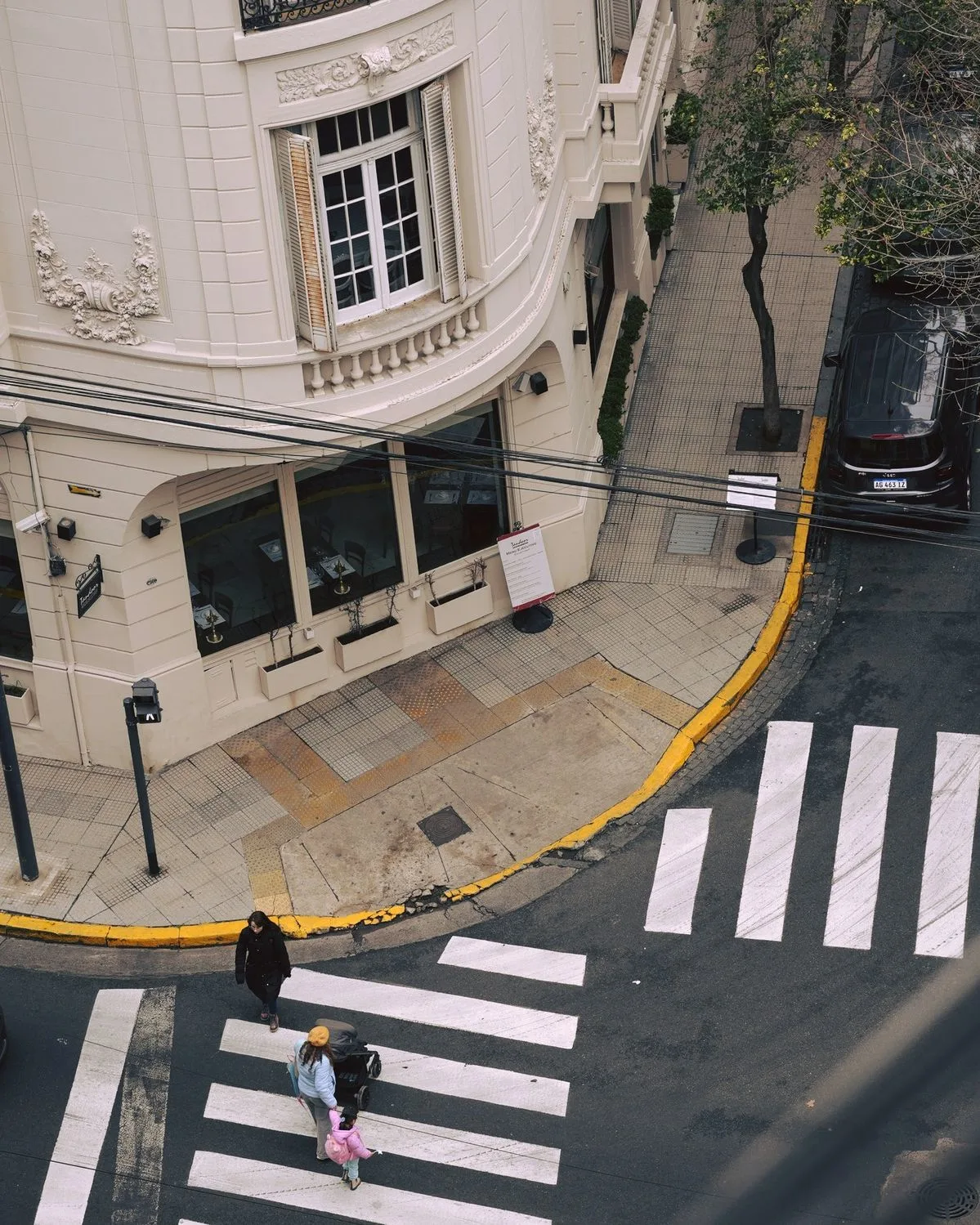
Buenos Aires is a city that never slows down — a blend of European architecture, Latin rhythm, and modern confidence. You’ll find tango echoing through plazas, steakhouses buzzing until sunrise, and a different energy unfolding with each season.
Many first-time travelers are surprised by how much the calendar shapes the city. Knowing the best time to visit Argentina isn’t just about flight deals — it’s about the light, the rhythm, and the pace of life. Because Argentina sits in the southern hemisphere, its summer runs from December to February, while winter arrives between June and August — opposite to the northern hemisphere.
That contrast defines the experience. When it’s icy in London or New York, Buenos Aires hums through its high season, filled with outdoor concerts, rooftop dinners, and long evenings. Come during winter, however, and you’ll see another side: local cafés, quieter streets, and more space to live like a resident — all at lower prices.
This guide explores every time to visit — from summer’s outdoor buzz to winter’s creative calm — helping you plan your trip around the city’s shifting tempo, and discover when the cheapest time to visit Buenos Aires truly feels like the right one.
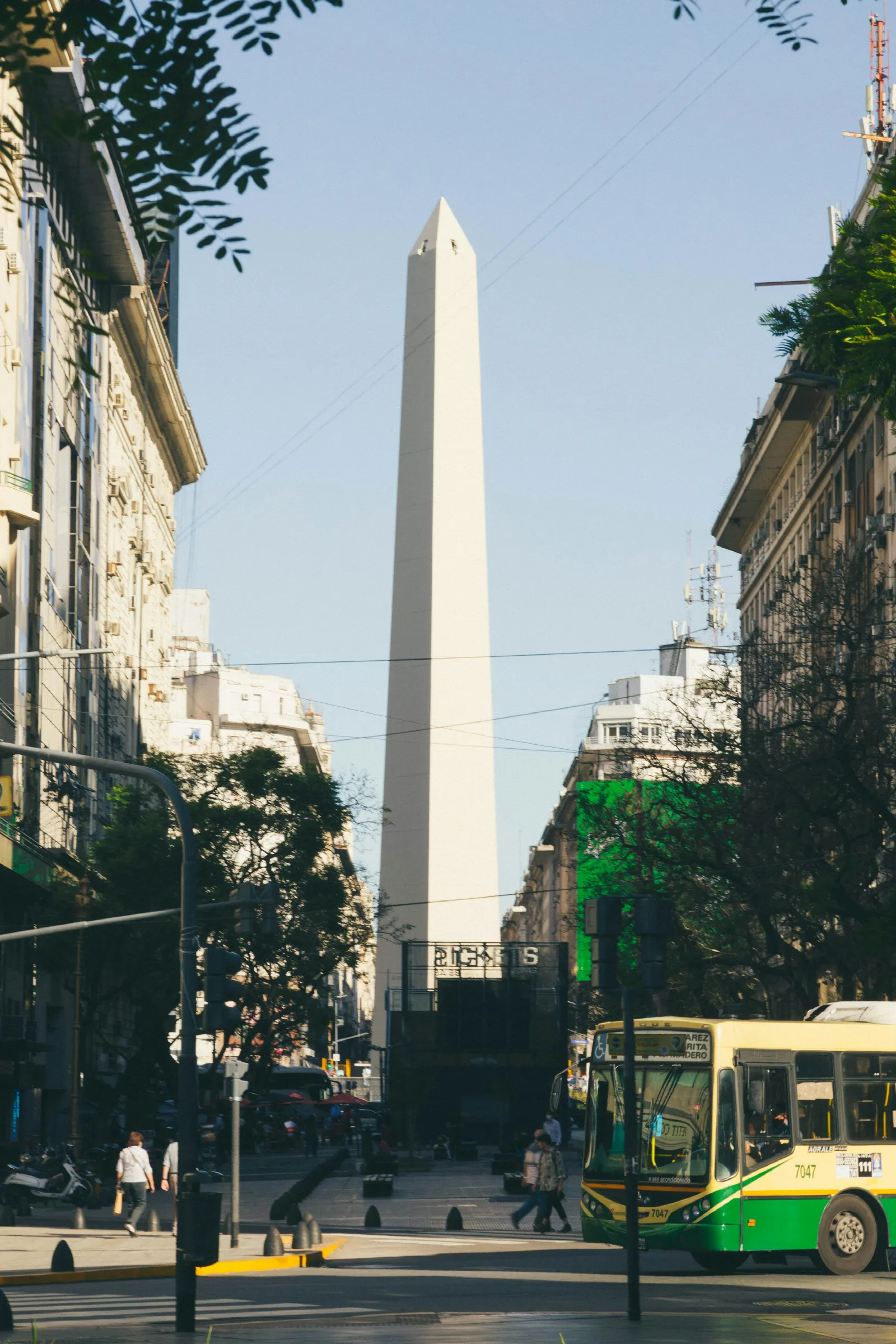
Understanding the Seasons in Argentina: When Weather, Crowds, and Prices Align
Spanning glaciers in the south, vineyards in Mendoza, and jungles in the north, Argentina offers more than just one climate. But in Buenos Aires, the seasons follow a familiar rhythm: four moods that change how locals eat, work, and wander.
Summer (December–February): High Energy, High Prices
The high season is pure brightness — long days, warm temperatures, and a city that hardly sleeps. It’s a great time to visit Buenos Aires if you love street life and late-night dining.
-
Vibe: Street parades, tango shows in San Telmo, and weekend getaways to Mar del Plata or the Paraná Delta.
-
Weather: Hot, humid, and lively — locals embrace the sun before escaping to the coast.
-
Costs: Expect airfare and stays to rise up to 40 percent as the peak season hits.
-
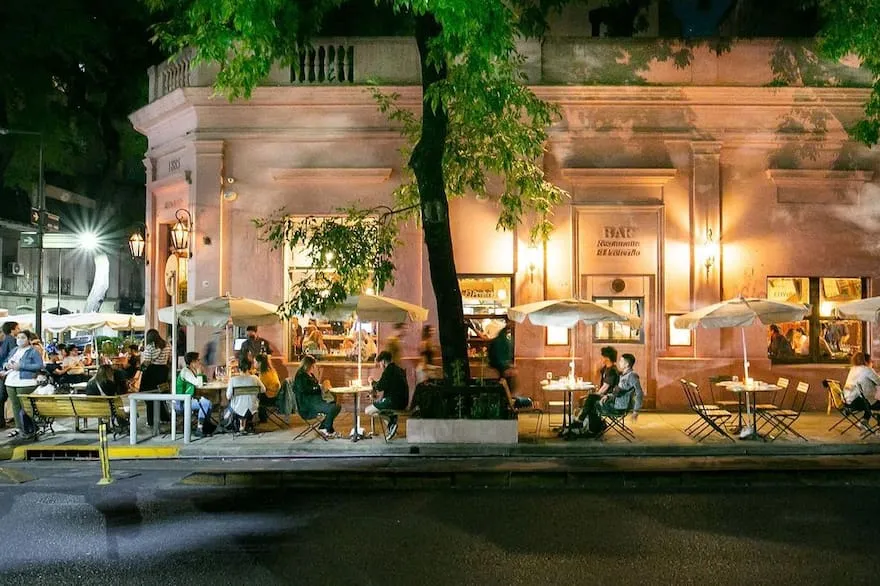
Tip: Book restaurants early and choose shaded terraces like El Preferido de Palermo for long lunches.
Fall (March–May): Wine, Culture, and Pleasant Weather
Fall is the perfect mix of pleasant weather, art, and balance. The air cools, the trees turn gold, and it becomes one of the best times to visit Argentina for culture and comfort.
-
Vibe: Fewer crowds, mild days (20–25 °C), and a slower city rhythm.
-
What to do: Browse the Buenos Aires Book Fair or BAFICI Film Festival in April, then unwind with a wine tasting in Palermo or San Telmo.
-
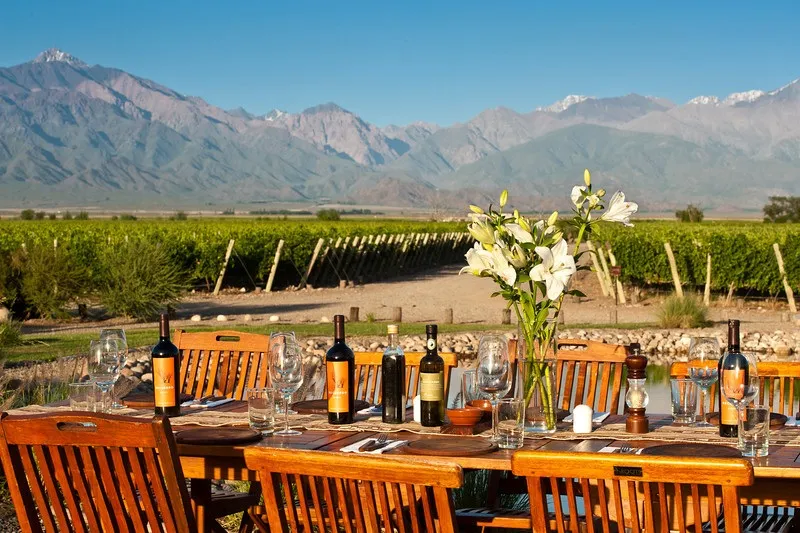
Beyond the city: Travel to Mendoza for harvest season — vineyards buzz with activity, and countryside roads are lined with poplars and local markets.
-
Nomad tip: Coworking spots like AREA Tres Palermo stay lively but less crowded, ideal for remote work and mid-day breaks.
Winter (June–August): Local Life and Lower Prices
Winter marks the low season, when Buenos Aires slows to a quieter pace. Temperatures hover around 10–15 °C, bringing cool mornings and cozy cafés.
-
Vibe: Intimate, creative, and deeply local — it’s the best time to visit for a long-stay routine.
-
Events: The Buenos Aires Tango Festival in August draws dancers from around the world, while theaters in Corrientes host new productions.
-
Getaways: Escape to Bariloche for ski resorts, or explore the Lake District for serene landscapes and hiking trails.
-
Costs: Expect lower prices and hotel rates 25–40% cheaper than in high season.
-
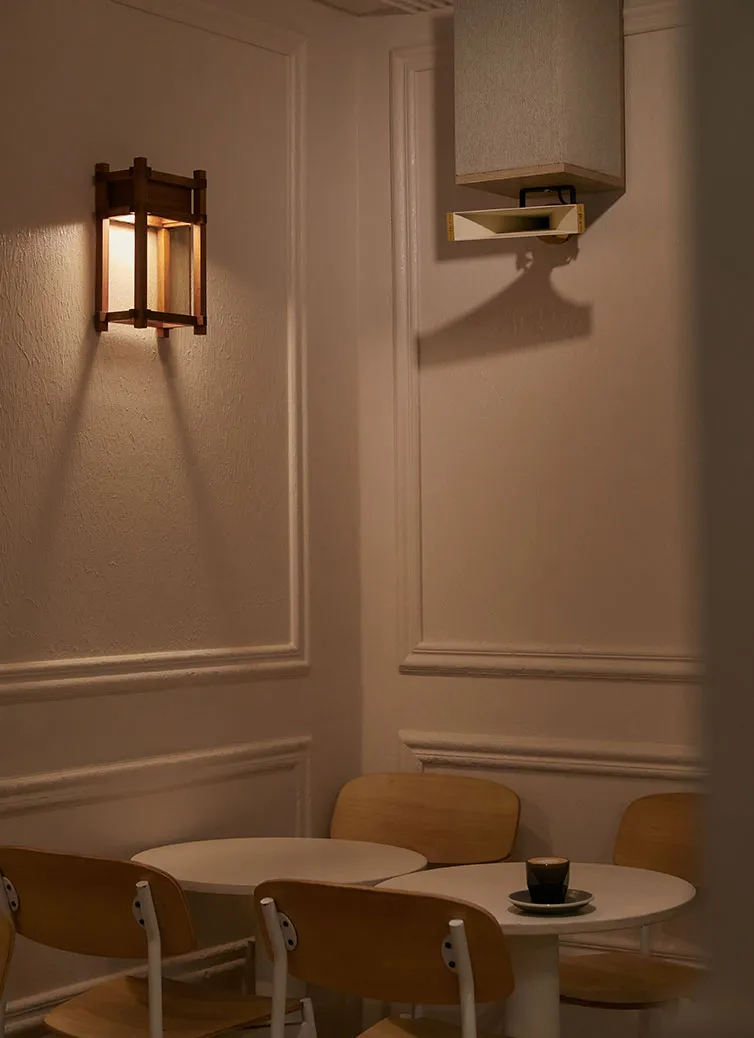
Tip: Cafés like LAB Palermo and Blanca Café are winter favorites for remote workers.
Spring (September–November): The Shoulder Season Sweet Spot
If there’s an ideal time to visit Buenos Aires, it’s spring — a shoulder season filled with blooms, festivals, and light breezes.
-
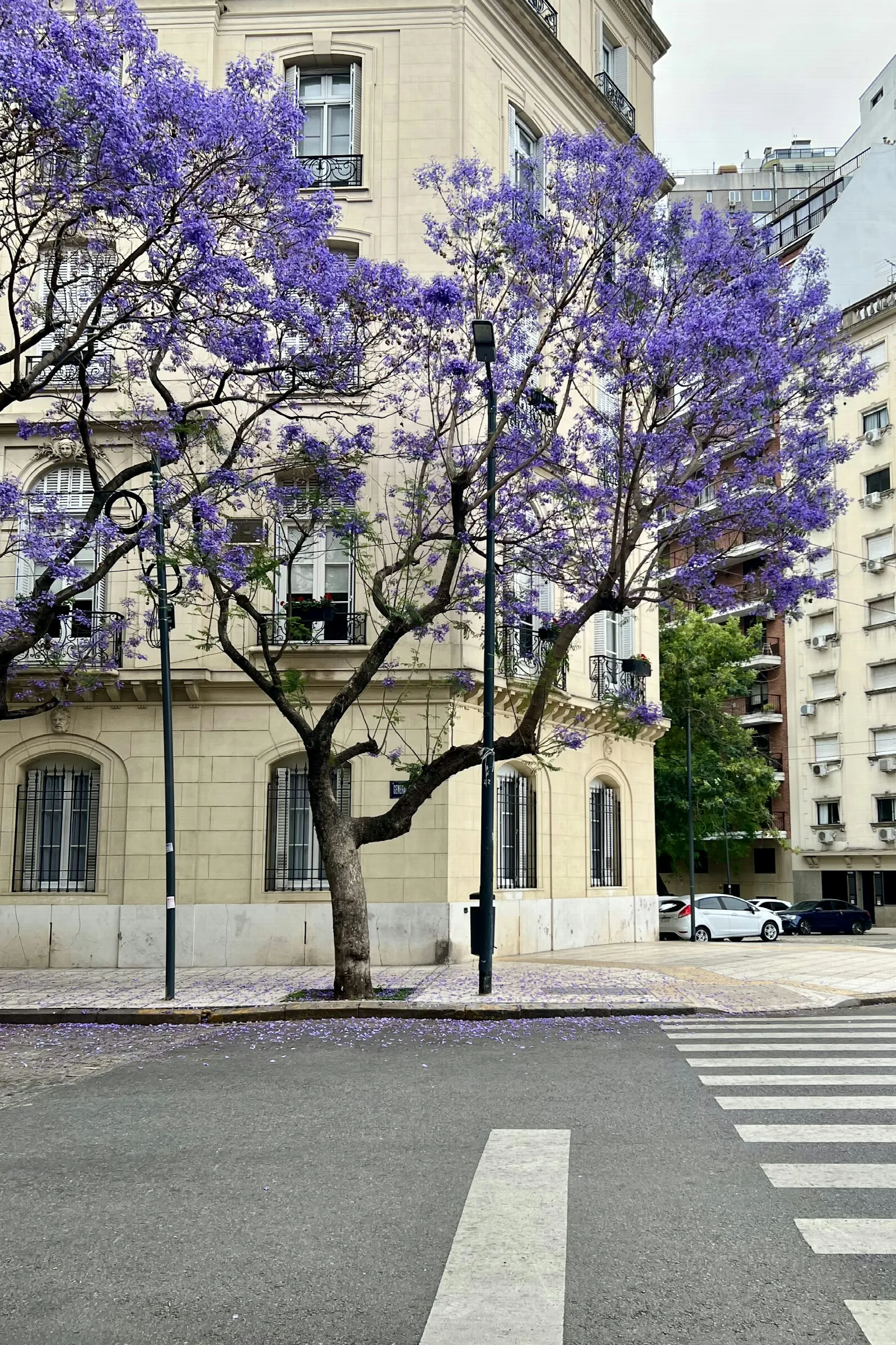
Vibe: Jacarandas turn the avenues purple, outdoor markets reopen, and parks feel alive again.
-
Weather: Around 22 °C and dry — good weather for cycling, café terraces, or day trips to Tigre.
-
Events: Don’t miss free events like open-air concerts in Recoleta and the Buenos Aires Marathon in October.
-
Bonus: November offers travel deals before summer’s high season returns, making it the ideal time for flexible travelers planning ahead.
Quick Take: Best Times at a Glance
| Season | Months | Vibe | Weather | Cost Level |
|---|---|---|---|---|
| Summer | Dec–Feb | Street life, long nights | Hot (30 °C) | $$$ High Season |
| Fall | Mar–May | Arts, wine, balance | Mild (20–25 °C) | $$ Shoulder |
| Winter | Jun–Aug | Cozy, creative, local | Cool (10–15 °C) | $ Off-Season |
| Spring | Sep–Nov | Blooming, breezy, relaxed | Pleasant (22 °C) | $$ Shoulder |
 |
The Most Budget Friendly Time to Visit Buenos Aires?
If you’re planning a trip through South America on a budget, the best time to visit Buenos Aires is during winter — June, July, and August. This low season might mean cooler weather, but the city doesn’t lose its spark. Life moves at a slower, more local rhythm — perfect for travelers who want to experience Argentina without the rush or expense of the high season.
June – The Start of the Low Season
June brings crisp air and soft light — a great time to explore the city’s quieter side.
-
What to do: Take your laptop to Café Tortoni or LAB Palermo for a cozy workday. Visit the MALBA Museum for Latin American art, or head to El Ateneo Grand Splendid, often named one of the most beautiful bookstores in the world.
-
Why it’s cheap: Airfare and hotel rates drop significantly this month, with the lowest prices often found for long stays.
-
Local tip: Warm up with a glass of Malbec at Turvina Wine Bar in San Telmo, or join a small tango lesson in Almagro — locals’ favorite neighborhood for dance.
July – A Quiet, Local Rhythm
By July, Buenos Aires settles into a calm groove. The fewer crowds mean less competition for tables, tickets, and coworking spots.
-
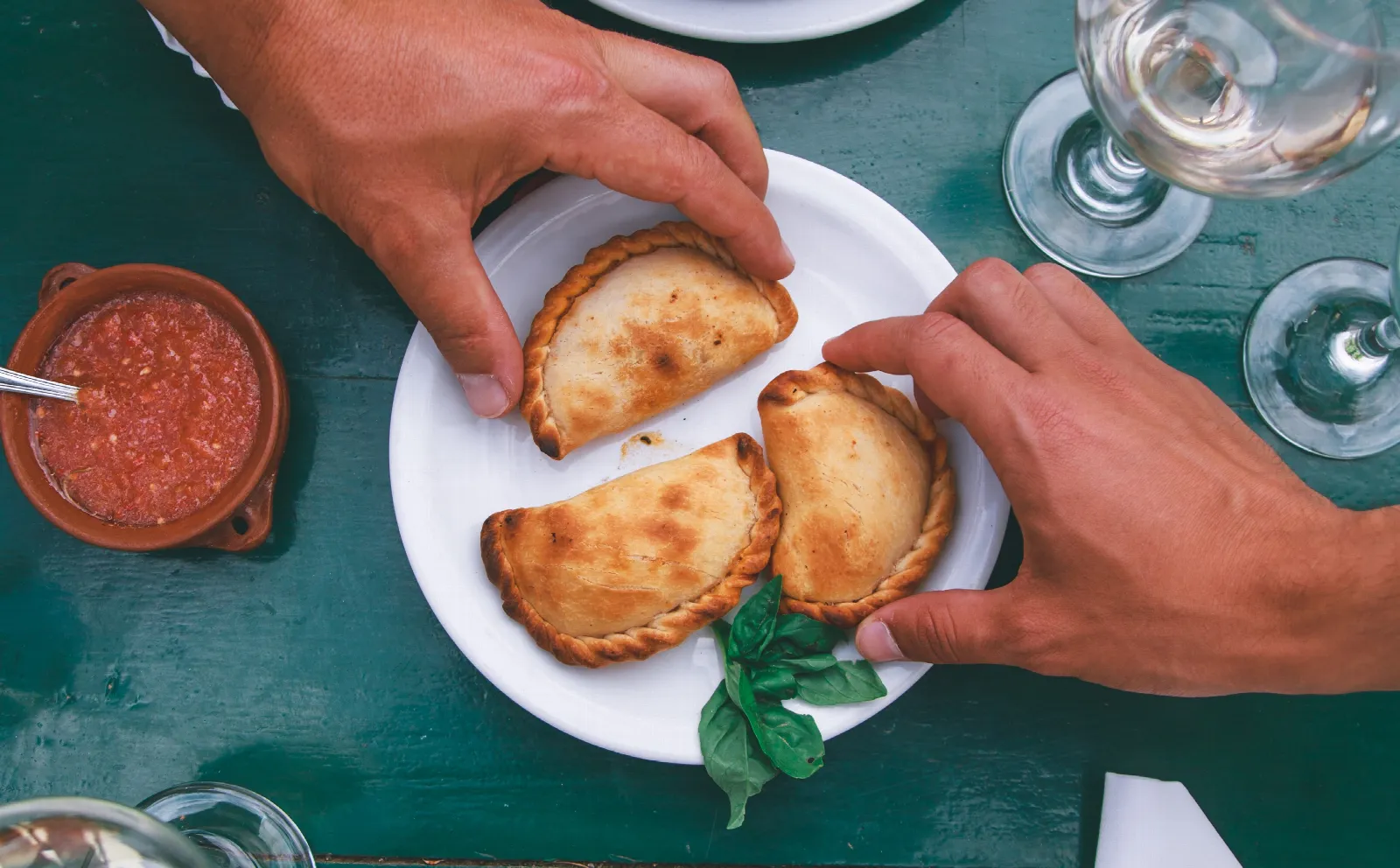
Where to go: Spend mornings in Recoleta Cemetery or Museo Nacional de Bellas Artes, then grab empanadas at El Sanjuanino.
-
Day trips: Take the train to Tigre Delta, where you can kayak between islands and visit riverside markets without the summer rush.
-
Beyond the city: It’s prime ski resort season in Bariloche and the Lake District, where digital nomads mix work with snow-covered hiking trails and mountain cafés.
August: Tango, Warm Company, and Local Charm
August brings a spark back to the low season with the Buenos Aires Tango Festival, one of the city’s most iconic events. Evenings are cool, but dance halls and cafés stay warm late into the night.
-
Don’t miss: Free tango performances at Usina del Arte, live orchestras at La Viruta, and local markets in San Telmo.
-
Work-friendly hideouts: Try Full City Coffee Roasters in Palermo or Café Registrado in Microcentro for strong WiFi and even stronger cortados.
-
Budget insight: This month still offers lower prices and flexible leases, ideal for remote workers planning to stay through September.
By late August, the shoulder season begins to take shape — good weather, lower prices, and a livelier energy that lasts through spring.
Looking for a base that fits your work-travel rhythm? Browse RentRemote’s curated apartments in Buenos Aires — designed for productivity and local discovery.
Shoulder Seasons: The Perfect Mix of Comfort and Savings
The shoulder seasons — **March to May (**maybe early June) and September to November — are when Buenos Aires truly shines. Expect pleasant weather, cultural buzz, and lower prices across everything from cafés to coworking passes. For most travelers, these are the months when the city feels most alive yet easy to enjoy.
Fall (March–May): Harvests, Culture, and Creative Calm
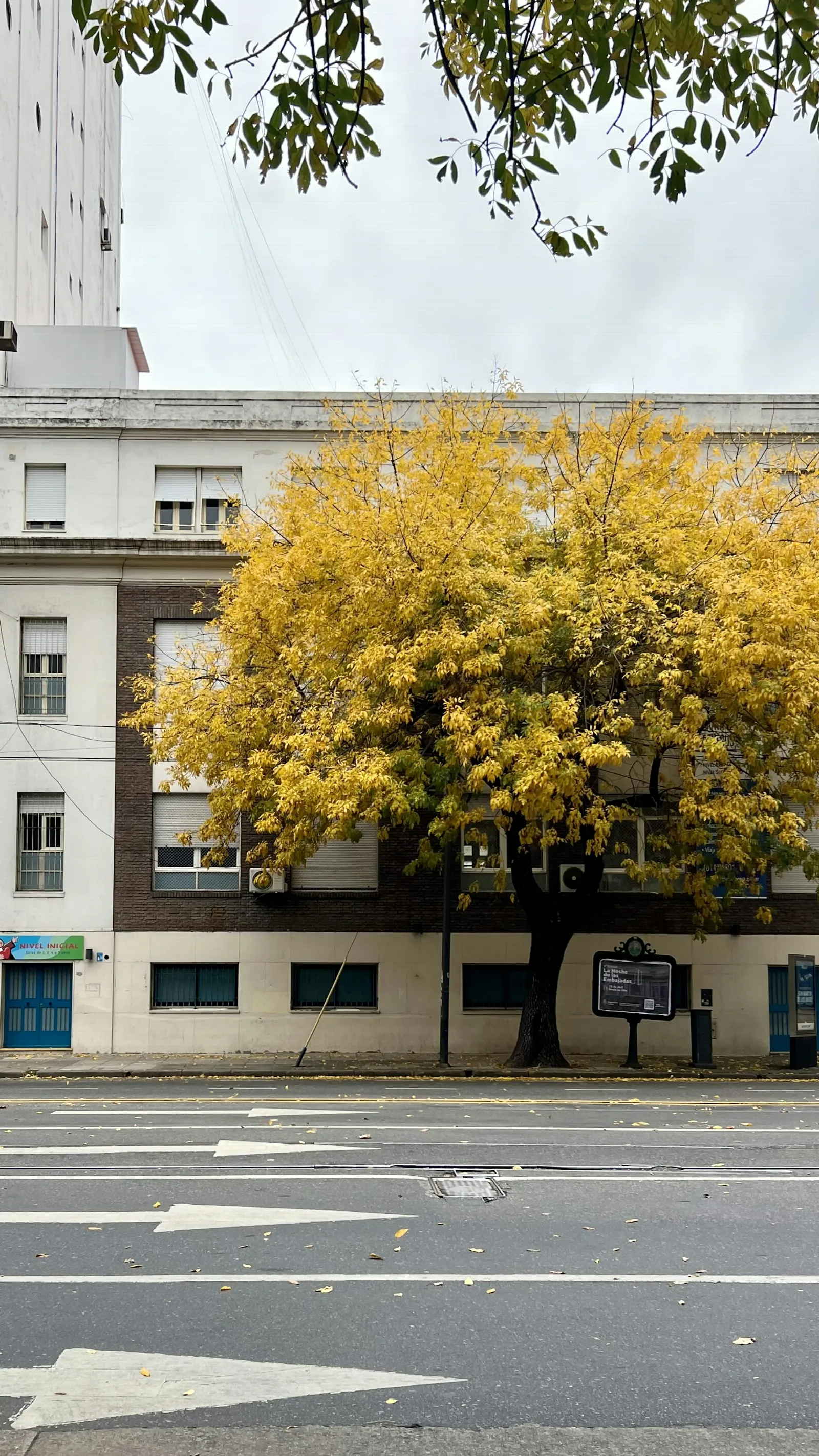
Fall is the ideal time to visit Argentina if you like long days, golden parks, and affordable comfort.
-
Weather: Around 22–25 °C — perfect for outdoor activities.
-
What to do:
-
Spend weekends at Feria de Mataderos, a lively market of folk music, food stalls, and handmade crafts.
-
Catch indie films during BAFICI in April or attend the Buenos Aires Book Fair in May — both highlight the city’s creative soul.
-
Visit Mendoza for harvest season, where wine tastings and picnics in wine valleys make for a memorable trip.
-
-
Nomad note: Coworking spaces like AREA Tres Palermo and Huerta Cowork often offer off-season membership deals.
Spring (September–November): Color, Energy, and Events
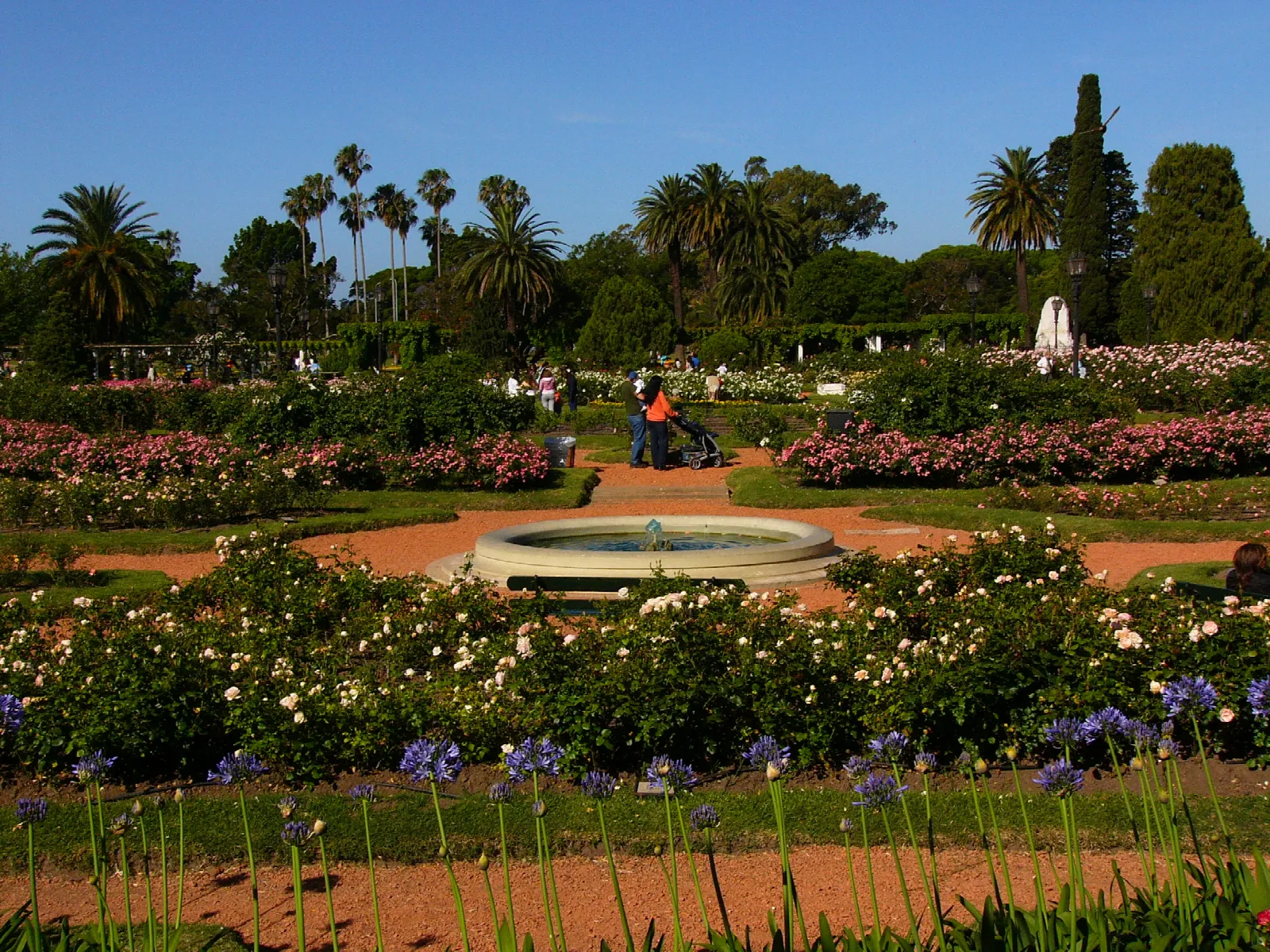
Spring is one long celebration of renewal — a shoulder season filled with jacaranda blooms, concerts, and a relaxed atmosphere that defines the best time to visit.
-
Weather: Mild, dry, and sunny, undeniably good weather for walking or cycling through the parks.
-
What to do:
-
Visit Bosques de Palermo for paddle boating or lazy afternoons under the trees.
-
Browse vintage shops and murals in Villa Crespo, then stop by Salvaje Bakery for pastries.
-
Attend free events like open-air jazz nights or the Buenos Aires Marathon in October.
-
-
Beyond the city: Head to Iguazú Falls or Patagonia for natural wonders, whale watching, or a weekend of hiking — both regions are at their best time before summer crowds return.
-
Travel tip: November often offers unbeatable flight deals before high season prices kick in — ideal for planning flexible travel dates.
CTA: Thinking of staying longer? Discover neighborhood guides on what's like visiting and staying in Palermo Chico or Belgrano to find your perfect remote-work base.
High Season: Warm Temperatures and Higher Prices
Every season in Buenos Aires has its mood, but summer is when the city bursts with energy. From December to February, warm temperatures, long evenings, and nonstop festivals make this the high season across Argentina — great for atmosphere, not for bargains.
December–February: Sunshine, Crowds, and Celebration
This is the peak season, when the capital glows with music and movement. Expect packed flights, higher hotel rates, and longer queues at attractions — but also unforgettable nights.
-
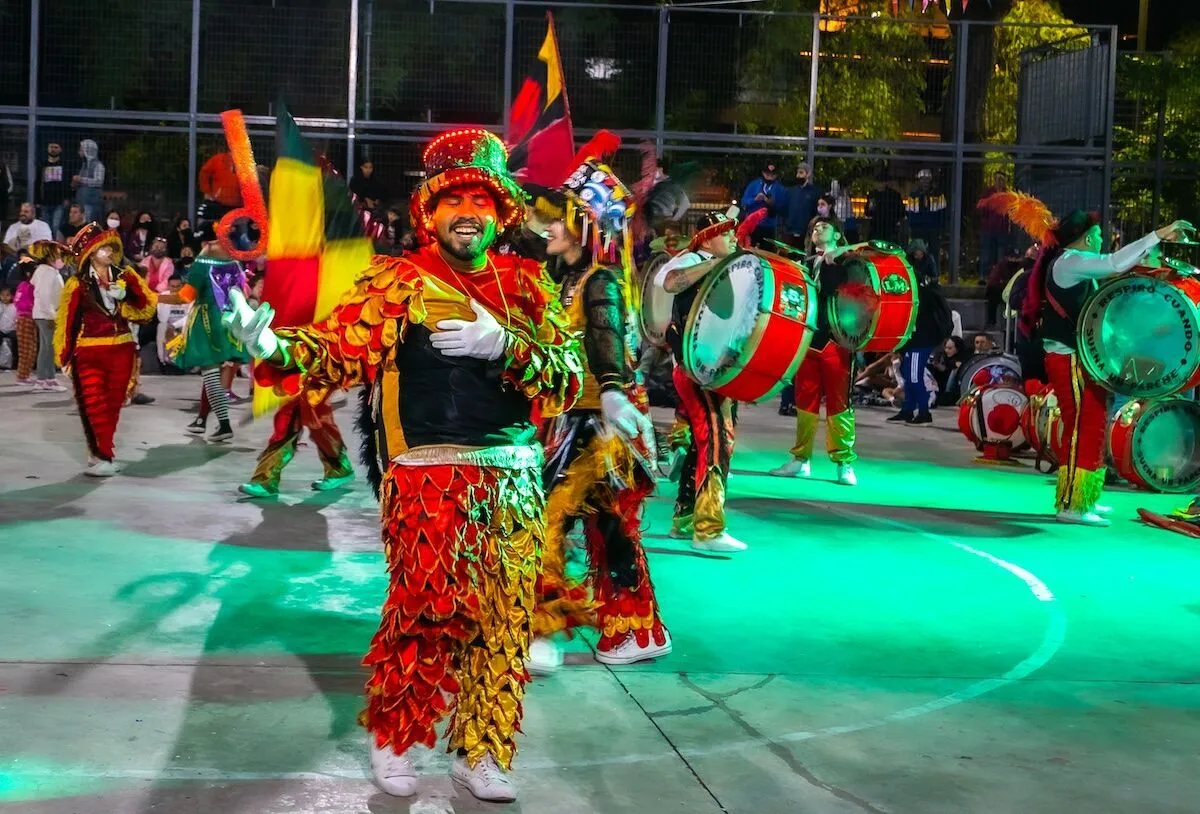
Festivals & nightlife: Catch Carnaval Porteño parades in February, sip cocktails at Florería Atlántico (ranked among the world’s best bars), and dance to open-air DJs in Puerto Madero.
-
Food & summer escapes: Locals head to Mar del Plata or Pinamar along the south coast for beach weekends. Inside the city, rooftop terraces like Trade Sky Bar serve sunset views and late-night energy.
-
Why go: It’s a great time to soak in the city’s pulse — ideal for visiting Argentina if you crave constant motion, even at a premium.
January and February Beyond Buenos Aires
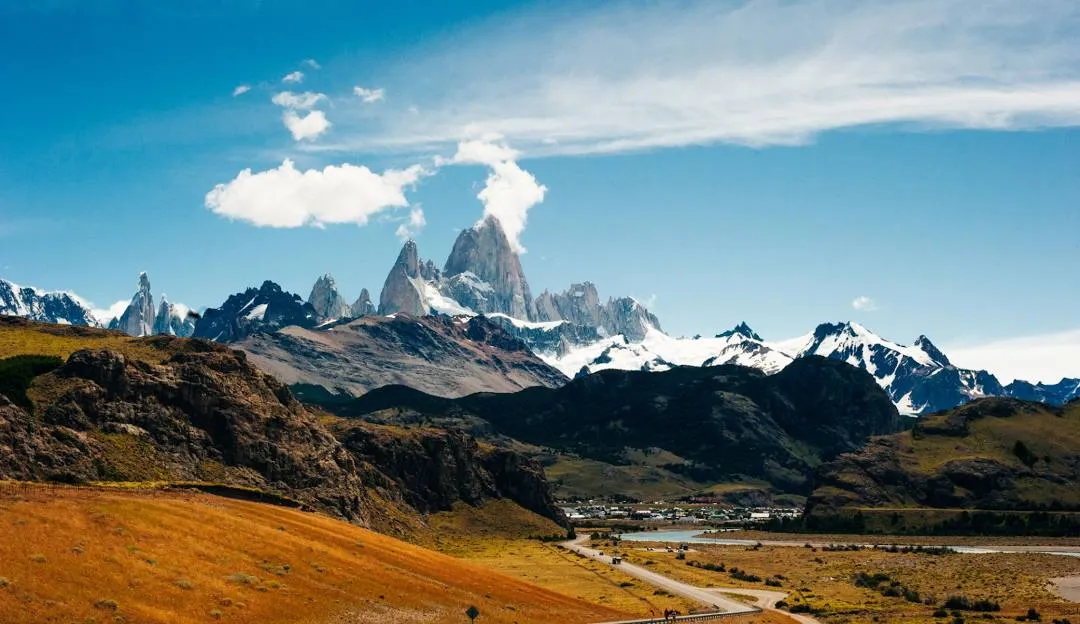
If you want to see more of the country, use this high season to visit Patagonia or the Iguazú Falls, both in their best time to visit window.
-
Patagonia: Hike the hiking trails of El Chaltén, kayak among glaciers, or spot southern right whales off the coast of Puerto Madryn — one of the natural wonders of the seven continents.
-
Iguazú Falls: At its fullest during the rainy season, this wonder roars with mist and color. Combine with a stop in Misiones Province for local food markets and outdoor activities.
-
Tip for travelers: Book 4–6 months in advance to get the lowest prices possible on flights and longer stays.
Off-Season Adventures Beyond Buenos Aires
Not everyone travels for crowds and chaos — some prefer quiet towns, misty vineyards, and mountain air. The low season is your chance to see more of Argentina for less, trading the heat of summer for tranquil spaces and an exciting adventure in nature.
Patagonia and the Lake District: Snow, Silence, and Stunning Views
Winter transforms Patagonia into a dreamscape of snow and solitude.
-
Bariloche: The region’s most famous ski resorts — like Cerro Catedral — welcome skiers and nomads alike. Between slopes, unwind at El Barco with handmade chocolate and WiFi strong enough for work calls.
-
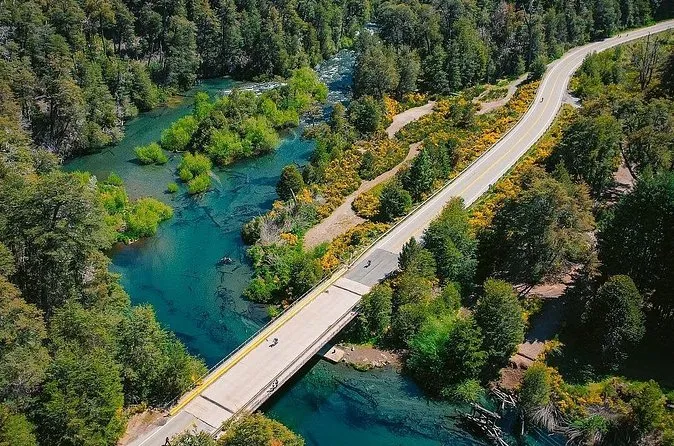
Lake District: Explore the '7 Lakes Route', connecting the towns of Villa La Angostura and San Martín de los Andes. You will drive through seven of the most beautiful lakes of Patagonia, where cooler months bring crisp air, affordable chalets, and quiet hiking trails through evergreen forests.
-
Bonus: Take scenic buses through south Argentina, where every window view feels like an unforgettable experience.
Mendoza and Northern Argentina: Wine and Warm Hospitality
If your idea of work-life balance includes a vineyard view, head north during the low season.
-
Mendoza: This is harvest season for wine tastings and tours. Visit Bodega Ruca Malen for a curated tasting menu, or cycle through wine valleys on a guided tour.
-
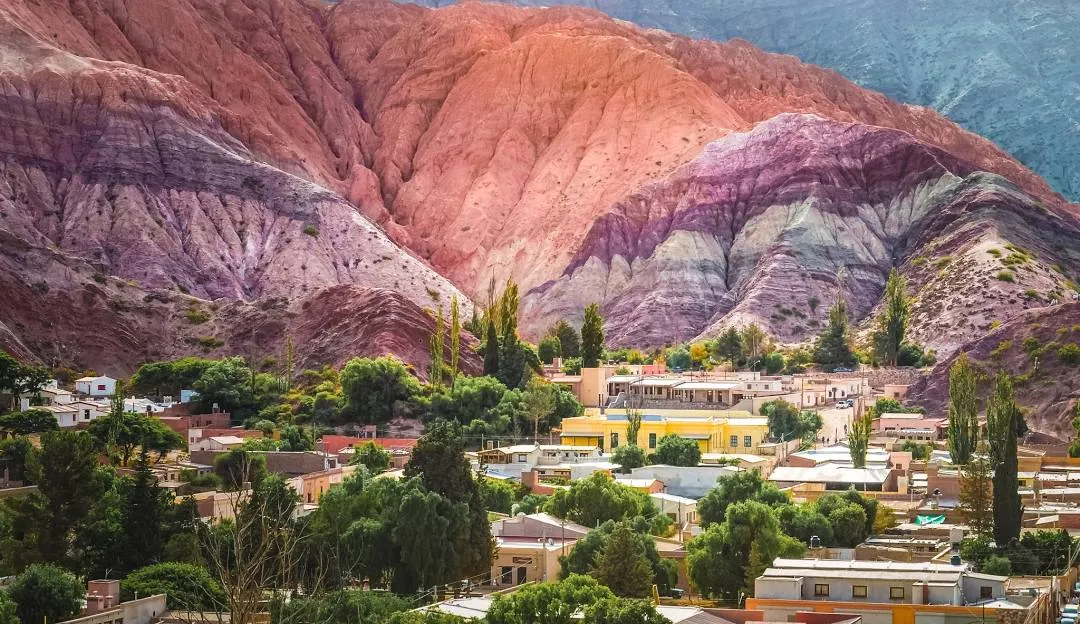
Salta & Jujuy: High-desert towns like Purmamarca and Cafayate offer artisan markets, colorful hills, and a relaxed atmosphere at a fraction of peak season prices.
-
Nomad tip: Try coworking spaces in Mendoza’s city center — La Maquinita offers reliable WiFi and desk rentals by the week.
Iguazú Falls: A Year-Round Wonder
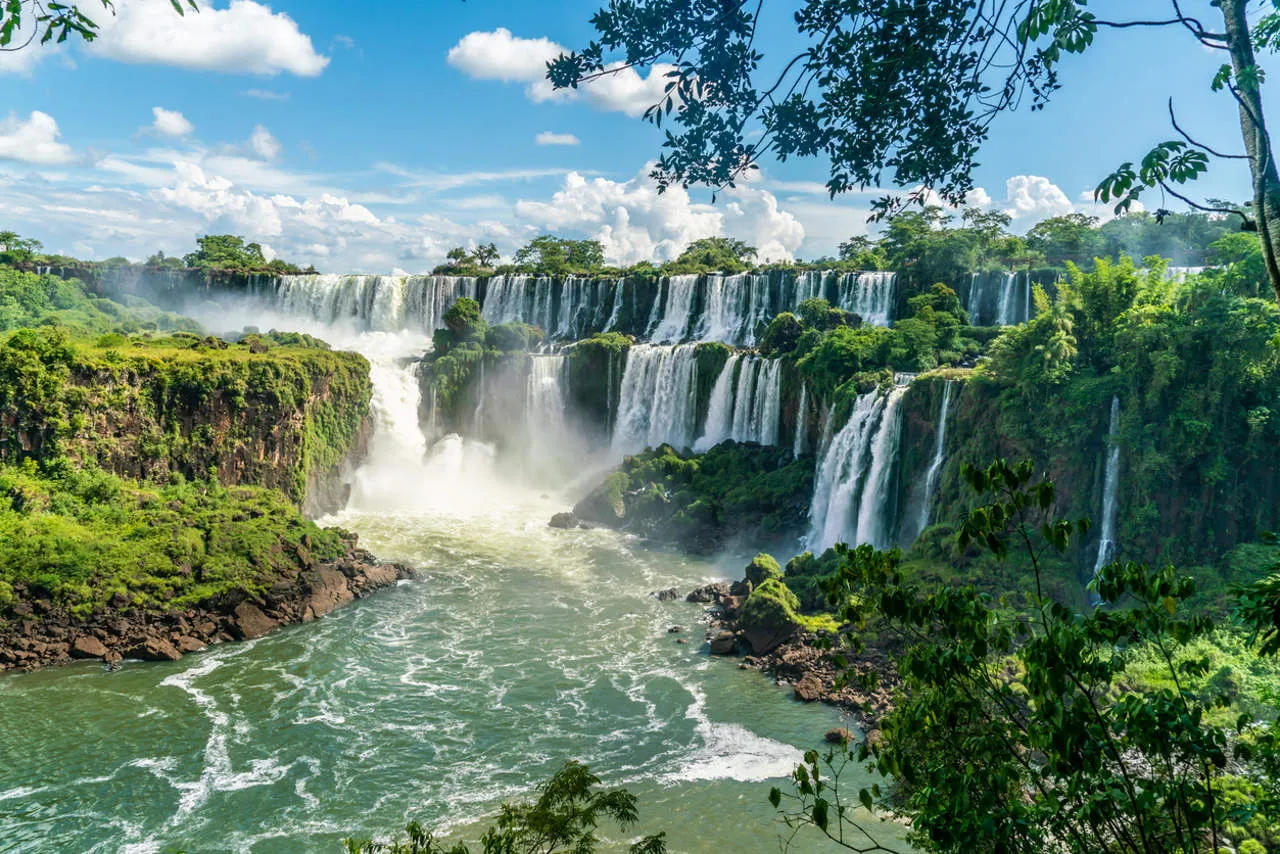
Even in the low season, Iguazú Falls (or Iguazú Falls) remains one of Argentina’s top destinations.
-
Experience: Fewer visitors mean quieter paths, better photo ops, and discounted entry.
-
When to go: May through September - October offers good weather and open trails, while the rainy season brings fuller cascades for those seeking drama.
-
Add-on: Combine your visit with a short trip to Jesuit Missions of San Ignacio, a UNESCO World Heritage site steeped in history.
The low season in South America isn’t downtime — it’s simply a different kind of adventure. From mountain snow to jungle mist, this is the time to visit Argentina when stillness feels like luxury.
Smart Planning Tips: How to Choose the Best Time to Visit Argentina
Every trip gets better with good timing. Whether you’re visiting Argentina for a few weeks or settling in as a remote worker, understanding how to plan around seasons, shoulder months, and local events can make all the difference.
Finding Your Ideal Time to Visit
For most travelers, the ideal time to visit Argentina depends on how you balance climate, cost, and crowd levels.
-
If you love sunshine and nightlife, summer (December - January - February) is the best time to visit coastal cities and open-air festivals.
-
Prefer balance? Aim for March–May or September - October - November, when comfortable weather and fewer tourists create a calmer rhythm.
-
Those who don’t mind cooler months can visit during Jun–Jul–Aug–Sep, when long stays and flexible leases are more affordable.
No matter the time to visit Argentina, the country’s diversity guarantees something special — from vineyards in Mendoza to glaciers in Patagonia.
Why Shoulder Months Are a Great Time for Flexible Travel
The shoulder months are an overlooked sweet spot. You’ll enjoy good weather, open coworking desks, and discounted fares. It’s a great time for anyone planning a long remote stay.
-
March to May: A perfect mix of golden leaves, wine tastings, and outdoor activities like hiking and biking.
-
September to November: A shoulder season full of markets, art fairs, and evening strolls under jacarandas.
-
Tip: Book flights 2–3 months in advance to lock in the lowest prices, especially if you’re working around variable travel dates.
Booking Smart for Comfort and Savings
A little planning goes a long way when choosing the best time to explore this country.
-
Flights: For international routes, book 3–5 months early; for domestic routes, 4–8 weeks is ideal.
-
Accommodation: Prices peak in high season, so consider long-stay rentals during the shoulder seasons.
-
Weather gear: Pack layers — Argentina’s geography stretches from the south’s snowfields to the north’s desert heat.
-
Festivals: Align your time to visit with major events like the Buenos Aires Tango Festival, Vendimia Wine Harvest, or the Iguazú Falls light show.
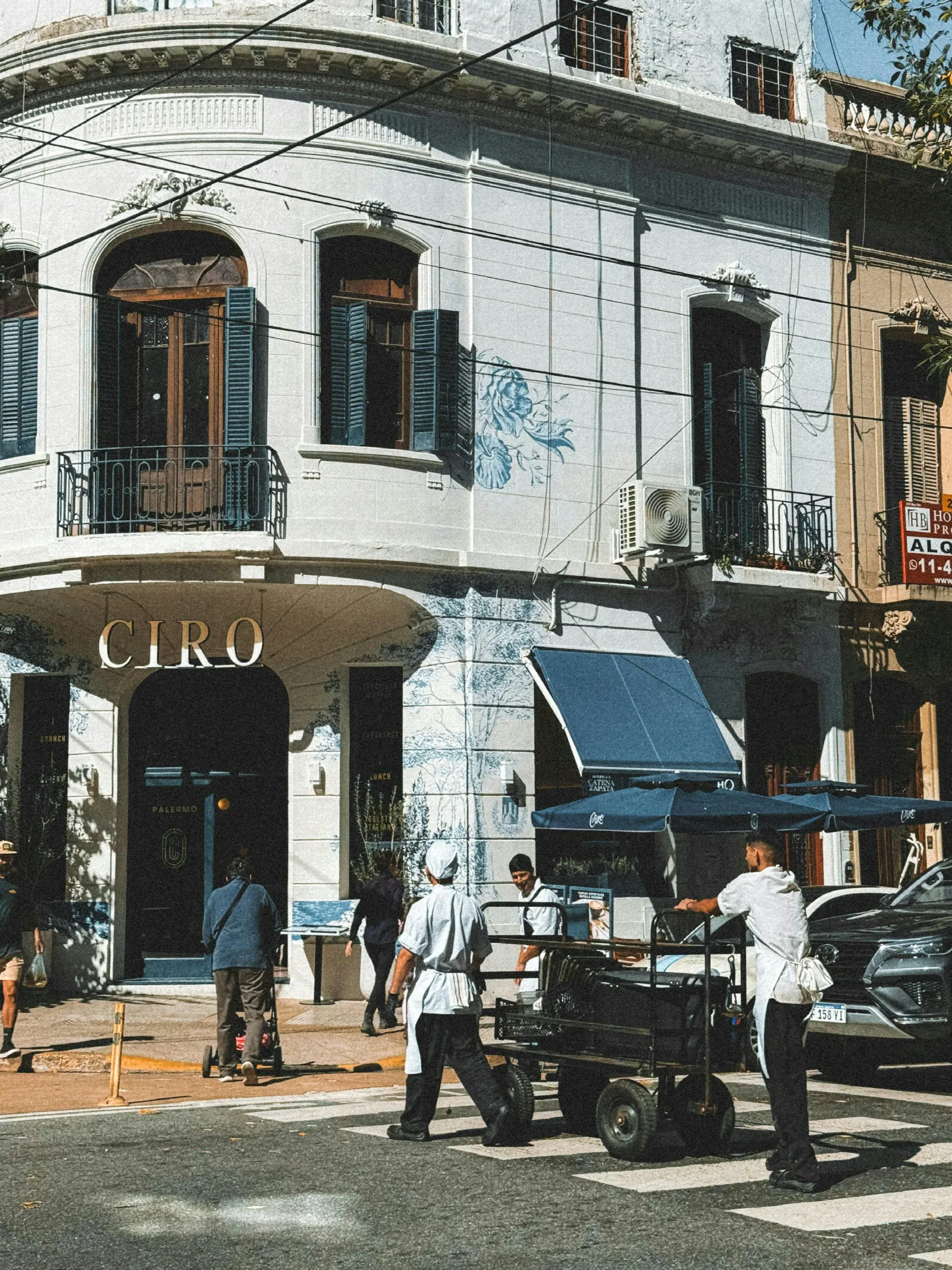
Ultimately, the best time to visit depends on what you want most — relaxed atmosphere, adventure, or affordability. Every season offers its own version of an unforgettable experience, whether you’re sipping wine in Mendoza or working from a café in Recoleta
Ready to explore beyond Buenos Aires? Discover RentRemote’s flats in Argentina — fully furnished apartments across Argentina designed for remote work and local life.