
Daniel
Productivity & Remote Living Analyst ·
Buenos Aires Monthly Cost of Living: How Apartment Rentals Work in Argentina’s Capital
Buenos Aires continues to attract long-term travelers and remote workers with its vibrant culture, dynamic neighborhoods, and affordable monthly costs. But if you're planning to stay beyond a few weeks, it’s crucial to understand how apartment rentals actually work—and how much you’ll spend per month.
Here’s what this guide covers:
-
Realistic monthly rent ranges across neighborhoods like Palermo, Recoleta, and San Telmo
-
How exchange rates, cash payments, and landlord preferences affect your bottom line
-
Estimated monthly costs for food, utilities, transport, and internet
-
Local quirks of the Buenos Aires rental system for foreigners and digital nomads
-
Recommendations for furnished rentals, coworking spaces, and neighborhoods with strong infrastructure
This isn’t just about cost—it’s about how to make Buenos Aires livable, workable, and worth your stay.
Living in Buenos Aires: A Cost Snapshot for Digital Nomads
Living in Buenos Aires offers a rare balance: big-city energy with monthly costs that remain accessible compared to most major cities in Europe, North America, and even parts of Latin America. For digital nomads and long-term travelers, the city’s affordability is closely tied to how you rent, where you live, and how you handle money.
Monthly costs vary significantly depending on neighborhood choice, apartment type, and daily habits. Someone staying in a furnished one bedroom apartment in San Telmo or Almagro and relying on markets and public transport will spend far less than someone renting in Palermo and dining out regularly.
Typical estimated monthly costs for a single person include:
-
Rent for a furnished one bedroom apartment in a local barrio: $400–$700 USD
-
Shared apartment in neighborhoods like Caballito or Almagro: $250–$400 USD
-
Utilities for a standard apartment, including electricity and gas: $40–$70 USD
-
Internet packages with reliable speeds for remote work: $20–$30 USD
-
Food costs when shopping at markets like Mercado de San Telmo or Coto: $200–$300 USD
-
Transportation using public transportation and a SUBE card: $20–$30 USD
-
Health insurance with private providers: $100–$300 USD
A frugal lifestyle can comfortably sit around $800–$900 USD per month, while a more flexible routine that includes coworking spaces, mid range restaurants, and ride-shares usually lands between $1,200 and $1,600 USD. Inflation means prices shift, but for those earning in dollars, buying power remains strong compared to many other countries.
Neighborhood choice plays a major role in overall cost. Palermo and Recoleta attract many digital nomads but come with higher rent, while areas like San Telmo, Almagro, and Caballito offer better value without sacrificing connectivity, safety, or access to cultural events and daily services.
Monthly Costs and Apartment Rentals in Buenos Aires: How the System Actually Works
Monthly apartment rentals in Buenos Aires operate very differently from most major cities in Europe or North America. Understanding how rent is priced, paid, and negotiated is essential to keeping monthly costs predictable—especially in a city shaped by inflation, shifting exchange rates, and landlord caution.
Unlike short-term stays, monthly rentals are where real value appears. Long-term pricing is lower, but expectations around payment method, currency, and furnishings are very specific.
How Rent Is Priced for Monthly Stays
Most apartments aimed at foreigners or digital nomads are quoted in dollars, even though daily spending happens in pesos. This protects landlords from currency volatility and explains why monthly costs can feel disconnected from local salaries.
Common monthly rent ranges include:
-
Furnished one bedroom apartment in residential areas like Chacarita** or Colegiales**: $400–$650 USD
-
Modern apartments near transit hubs such as Once** or Congreso**: $450–$700 USD
-
Larger furnished units near parks like Parque Patricios: $500–$750 USD
Apartments advertised exclusively in pesos are usually aimed at local people and often require guarantors, longer contracts, or local bank accounts.
Furnished vs Unfurnished Apartments
Furnished apartments are the default choice for most digital nomads, but “furnished” can mean different things depending on the building and year.
Typically included:
-
Bed, wardrobe, table, and basic seating
-
Refrigerator and stovetop
-
Basic kitchenware
Often missing:
-
Oven in older buildings
-
Microwave or washing machine
-
Quality desk or chair for remote work
Unfurnished apartments may lack appliances entirely, including light fixtures or hot water heaters, making them impractical for short-term living despite lower listed prices.
How Monthly Rent Is Paid
Rent payments are still largely cash-based, especially outside luxury developments. Many landlords expect payment in dollars or the peso equivalent using the current exchange rate at the time of payment.
Typical expectations include:
-
First month paid upfront
-
Security deposit equal to one month
-
Rent quoted in USD but paid in pesos using informal market rates
-
Monthly payment schedule with no automated billing
This system favors tenants who manage currency carefully and keep enough cash available to avoid unfavorable conversions.
Living Well Without Overpaying
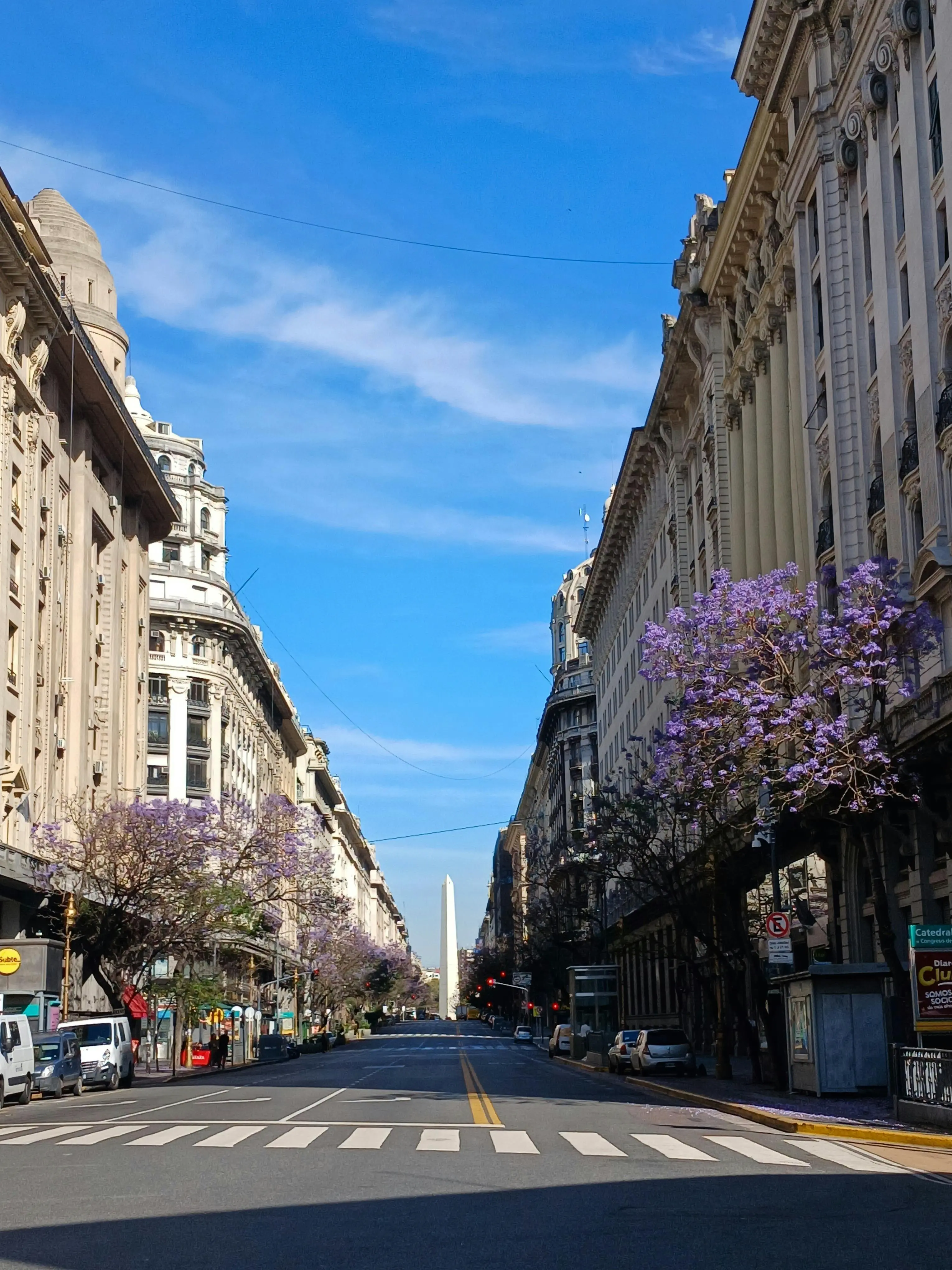
Choosing the right area matters as much as the apartment itself. Areas with strong local infrastructure often deliver better quality for the price.
Good value zones with daily conveniences include:
-
Villa Crespo for bakeries like La Esperanza and local produce stores
-
Balvanera for proximity to transit and affordable services
-
Barracas for quieter streets and renovated historic buildings
For food and daily life, these areas offer inexpensive restaurant options such as neighborhood parrillas, menú del día spots, and cafés where prices reflect local demand rather than tourism.
Examples include:
-
El Ferroviario in Caballito for affordable grilled meals
-
Bar Roma in Barracas for traditional lunches
-
Las Violetas near Almagro for classic café dining without inflated prices
These everyday details shape monthly costs far more than headline rent numbers.
Exchange Rates and Currency: How Monthly Costs Really Work in Buenos Aires
Exchange rates shape nearly every part of daily life and monthly costs in Buenos Aires. Rent, groceries, transportation, and even coworking memberships are affected by how and when money is exchanged. For foreigners earning in dollars, understanding the currency system is the difference between a manageable cost of living and unnecessary overspending.
Argentina operates with multiple exchange rates, and while the official exchange rate exists on paper, it rarely reflects what local people or long-term residents actually use. Most monthly expenses are paid in pesos, but the value of those pesos depends heavily on where and how you exchange cash.
Understanding Exchange Rates in Daily Life
The current exchange rate fluctuates frequently due to inflation and government controls. As a result, many landlords and service providers prefer pricing in dollars to preserve value.
Key points that affect monthly costs:
-
Rent is often quoted in dollars but paid in pesos at a negotiated rate
-
Prices for food, transportation, and services adjust frequently
-
Buying power increases significantly for those paid in foreign currency
-
Keeping track of exchange rates weekly—not monthly—is essential
This system explains why the same apartment or service may appear cheap one month and more expensive the next, even without changes in quality.
Where and How People Exchange Cash
While banks use the official exchange rate, many residents and foreigners exchange cash elsewhere to access better value. This practice is common and widely understood across the city.
Common options include:
-
Western Union locations such as Sucursal Corrientes or Microcentro branches, often used for larger transfers
-
Exchange houses near Florida Street for quick cash exchanges
-
Neighborhood money services recommended by local people and long-term residents
It’s normal to carry enough cash for rent and utilities, especially when landlords do not accept transfers or cards. Managing cash safely becomes part of everyday living in Buenos Aires.
Paying Rent and Monthly Expenses
Monthly rent payments are usually handled in person and in cash. Digital payments are improving, but many landlords still avoid bank transfers due to restrictions and delays.
Typical expectations include:
-
Rent paid monthly in cash, often in dollars
-
Utilities paid separately through local kiosks or online portals
-
Internet and mobile services paid via local accounts or prepaid systems
-
Receipts provided inconsistently, depending on the landlord
This system can feel informal, but it’s the standard approach across many neighborhoods, not an exception.
What This Means for Monthly Costs
For digital nomads and long-term visitors, favorable exchange rates translate directly into money saved. Dining at an inexpensive restaurant, paying for public transport, or subscribing to coworking spaces often costs far less than in other countries—even when prices rise locally.
Examples of everyday spending influenced by exchange rates:
-
Coffee and pastries at cafés like Café San Juan La Cantina
-
Weekly grocery shopping at Carrefour Market or Día
-
Monthly coworking access at spaces like La Maquinita Co in Microcentro
When managed carefully, currency dynamics make Buenos Aires one of the strongest value cities in the world for long-term living.
Estimated Monthly Costs by Neighborhood in Buenos Aires
Where you live in Buenos Aires has a direct impact on rent, daily spending, and overall quality of life. While the city is generally affordable compared to most major cities in Europe or North America, monthly costs vary sharply by neighborhood, building age, and proximity to transit, parks, and services.
Some areas attract digital nomads with polished apartments and coworking access, while others appeal to local people and the middle class looking for space and stability. Understanding these differences makes it easier to compare Buenos Aires realistically against other countries in Latin America and beyond.
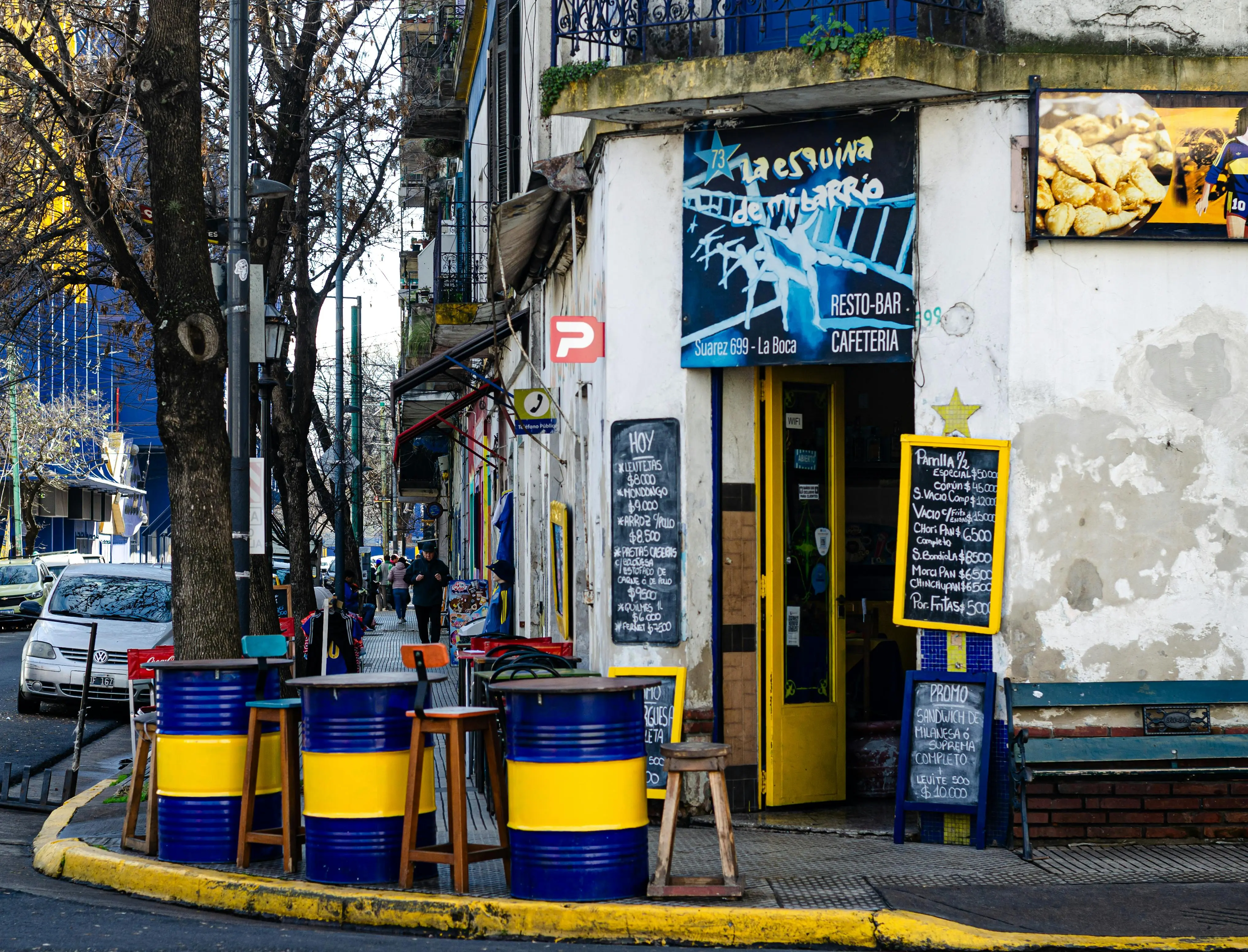
Monthly Rent and Living Costs by Area
| Neighborhood | Typical One Bedroom Apartment | Monthly Costs (Lifestyle Avg.) | What Living Here Feels Like |
|---|---|---|---|
| Palermo Hollywood | $800–$1,200 USD | $1,400–$1,700 USD | Trendy streets, cafés, nightlife, higher prices |
| Recoleta Norte | $700–$1,000 USD | $1,300–$1,600 USD | Elegant buildings, walkable, museum-heavy |
| San Telmo | $400–$700 USD | $900–$1,200 USD | Historic, artistic, slower pace |
| Villa Urquiza | $450–$650 USD | $950–$1,250 USD | Residential, green, family-oriented |
| Parque Chacabuco | $400–$600 USD | $850–$1,150 USD | Quiet streets, strong transport links |
| Palermo and Recoleta tend to sit at the higher end of the cost spectrum, while neighborhoods like San Telmo and Parque Chacabuco offer better value without sacrificing connectivity or safety. |
Everyday Spending Differences by Neighborhood
Daily costs shift subtly depending on where you live. Areas with fewer tourists often deliver better quality food, services, and housing for the price.
Examples of local spending:
-
Inexpensive restaurant lunches near El Refuerzo in San Telmo average $5–$7
-
Mid range restaurant meals in Villa Urquiza spots like Joaquín Vasco cost far less than Palermo equivalents
-
Bakeries such as Panadería La Argentina in Parque Chacabuco keep grocery spend low
-
Wine shops like Ligier in Recoleta offer good bottles at local prices
These differences compound over time and significantly affect monthly costs.
Access to Transportation and Services
Neighborhoods with reliable public transportation help reduce transportation costs and daily friction.
Well-connected areas include:
-
Villa Urquiza (Subte B, commuter rail)
-
San Telmo (multiple bus corridors, walkable routes)
-
Parque Chacabuco (Subte E, wide avenues)
Access to gyms, clinics, pharmacies, and everyday services keeps spending predictable and avoids relying on ride-shares or delivery apps.
Choosing the Right Neighborhood for Long-Term Living
Choosing the right neighborhood matters as much as choosing the apartment itself. While Palermo and Recoleta appeal to many first-time visitors, areas like Villa Urquiza, Parque Chacabuco, and parts of San Telmo often offer better value, stronger local services, and a pace that works better for long-term living in Buenos Aires. These neighborhoods balance rent, daily costs, and access to public transport without drifting into poor quality housing or inflated prices.
If you’re deciding where to base yourself for more than a short visit, it helps to understand how each area actually functions day to day. Explore Belgrano and Retiro in our neighborhood guide to see how rent, lifestyle, food options, and local culture come together for longer stays.
Food, Eating Out, and Daily Spend in Buenos Aires
Food is one of the areas where living in Buenos Aires feels noticeably affordable, especially when compared to most major cities in Europe and North America. Whether you’re cooking at home, grabbing quick lunches, or planning occasional dinners out, food costs remain manageable even as prices shift due to inflation.
For long-term living, many residents mix market shopping with regular meals out, keeping monthly costs predictable without sacrificing quality.
Grocery Shopping and Home Cooking
Markets and neighborhood stores form the backbone of daily food spending. Buying fresh produce locally keeps costs low and quality high.
Common grocery habits include:
-
Weekly produce runs at Mercado de Belgrano or neighborhood ferias barriales
-
Cheese and dairy purchases from local shops like El Mundo in Almagro
-
Bread and pastries from panaderías such as Costumbres Argentinas
-
Basic household staples from Día or Coto supermarkets
A single person relying mostly on home cooking can expect food costs between $200 and $300 USD per month, even with regular meat, fruit, and vegetables.
Eating at an Inexpensive Restaurant
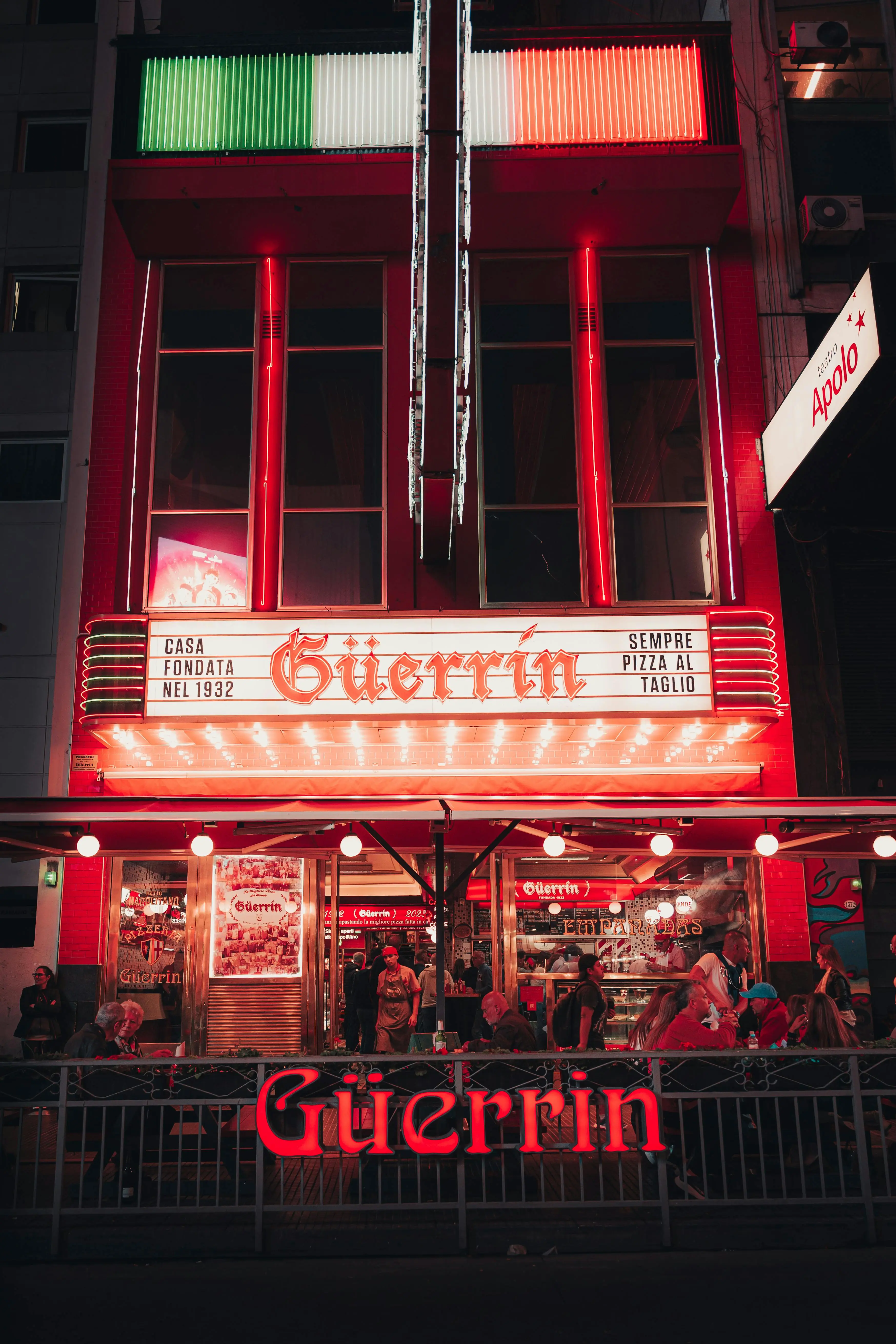
Eating out is woven into everyday life, not reserved for special occasions. An inexpensive restaurant lunch typically costs $5–$7 USD, especially in residential neighborhoods.
Reliable low-cost options include:
-
El Preferido de Palermo for classic Argentine plates
-
El Antojo in Villa Devoto for milanesas and shared meals
-
Cantina Pierino near Parque Patricios for filling weekday lunches
These places cater to many locals rather than tourists, which keeps prices stable and portions generous.
Mid Range Restaurant Dining
For sit-down dinners, a mid range restaurant meal for two usually lands between $20 and $30 USD, including drinks. Dining at this level remains far cheaper than comparable restaurants in other countries.
Well-regarded mid-range spots include:
-
Narda Comedor for seasonal Argentine cooking
-
Corte Comedor for high-quality grilled meats without luxury pricing
-
Las Cabras for traditional parrilla meals popular with local people
These restaurants are easy to fit into monthly costs without significantly increasing overall spend.
Cafés, Wine, and Everyday Extras
Buenos Aires café culture keeps daily indulgences affordable. Coffee and a medialuna often cost around $3 USD, making cafés a regular part of daily life rather than an occasional treat.
Popular everyday cafés include:
-
Birkin Cafe for reliable WiFi and long sits
-
Negro Cueva de Café for quality espresso at local prices
-
Cuervo Café for quieter work-friendly mornings
Wine is another area where money saved adds up. Good bottles from Mendoza or Salta are widely available for $4–$8 USD, even at neighborhood wine shops.
What Food Costs Mean for Monthly Budgets
Food spending in Buenos Aires allows flexibility. Cooking most meals at home while eating out a few times per week keeps monthly costs balanced and predictable. For long-term residents, this balance is one of the biggest advantages of the city’s cost of living, especially when compared to many other countries where dining out quickly inflates budgets.
Cultural Events, Everyday Life, and What You Can Do for Free
Cultural events are a core part of daily life in Buenos Aires, not an occasional splurge. One of the reasons living in Buenos Aires feels accessible—even as prices shift—is that culture, music, art, and public gatherings remain widely available, often at low or no cost. This is where monthly costs stay balanced, especially when compared to most major cities across Europe and other countries in Latin America.
Free and Low-Cost Cultural Events
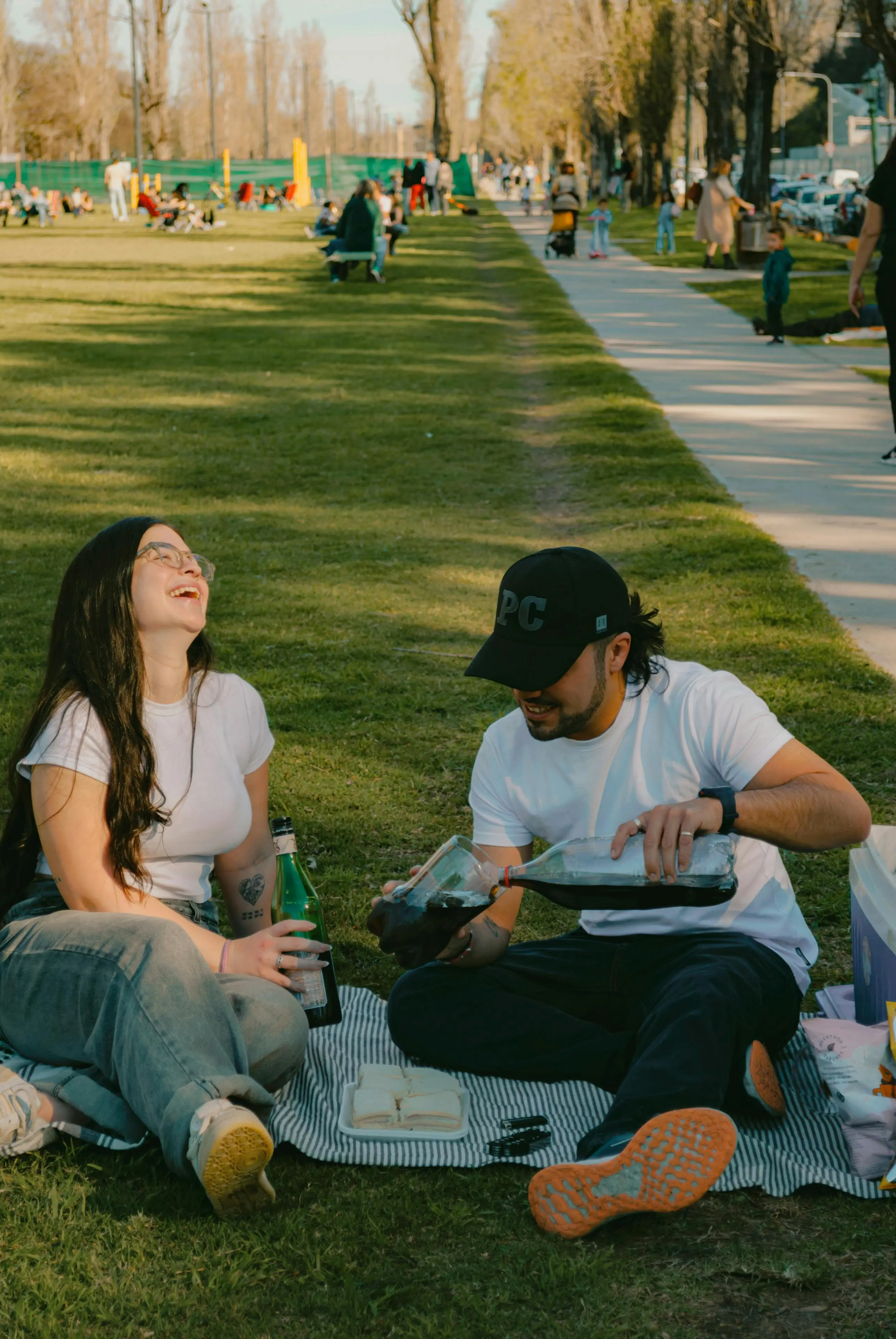
The city hosts a steady calendar of free events throughout the year, many funded by public institutions or local sponsors. These activities attract many locals and foreigners alike, creating shared spaces that don’t require constant spending.
Examples include:
-
Open-air tango performances in Plaza Dorrego and La Boca
-
Free classical concerts at Palacio Libertad Domingo Faustino Sarmiento
-
Rotating exhibitions at Museo Nacional de Bellas Artes, always free to enter
-
Weekend festivals and street fairs in Parque Centenario and Plaza Houssay
These cultural events allow residents to enjoy the city’s vibrant culture without adding pressure to monthly costs.
Museums, Music, and Nightlife Without Overpaying
Paid cultural experiences remain affordable by global standards. Tickets are priced with the local middle class in mind, not tourists alone.
Typical prices include:
-
Independent theater shows along Avenida Corrientes for $4–$8
-
Live jazz nights at Thelonious Club or Bebop Club for under $10
-
Cinema tickets at Cine Gaumont, known for Argentine films, at local rates
Compared to most countries where entertainment quickly inflates the cost of living, Buenos Aires keeps culture accessible.
Food, Wine, and Social Life as Culture
Social life often blends seamlessly into cultural routines. Sharing wine, long dinners, and late conversations is a common part of daily living.
Low-pressure social spots include:
-
Neighborhood wine bars like Pain et Vin or Marcelo
-
Casual dinners at family-run bodegones where friends meet weekly
-
Outdoor cafés along Avenida Caseros, where sitting costs nothing beyond a drink
Because socializing doesn’t always revolve around expensive venues, money saved on entertainment accumulates over time.
Why Culture Shapes the Cost of Living in Latin America
Cultural access reduces the need to constantly spend to stay engaged. Parks, museums, and public events replace paid attractions, which helps stabilize monthly costs even when inflation affects prices elsewhere.
For digital nomads and long-term visitors, this balance is one of the strongest arguments for choosing Argentina as a base. If you’re planning to stay beyond a short visit, securing the right housing setup matters just as much as enjoying the city itself. Explore fully furnished apartments in Argentina to find places that support long-term living while keeping costs predictable.
Living in Buenos Aires for Digital Nomads: Coworking Spaces, Language, and Daily Integration
Living in Buenos Aires works well for digital nomads not just because of affordability, but because the city supports long-term routines. Compared to most major cities in South America and many countries around the world, daily logistics—work, language, and social life—are easier to manage once you settle in.
That said, not everyone adapts at the same pace. Daily life here rewards those willing to adjust habits, engage with local people, and learn how systems actually work on the ground.
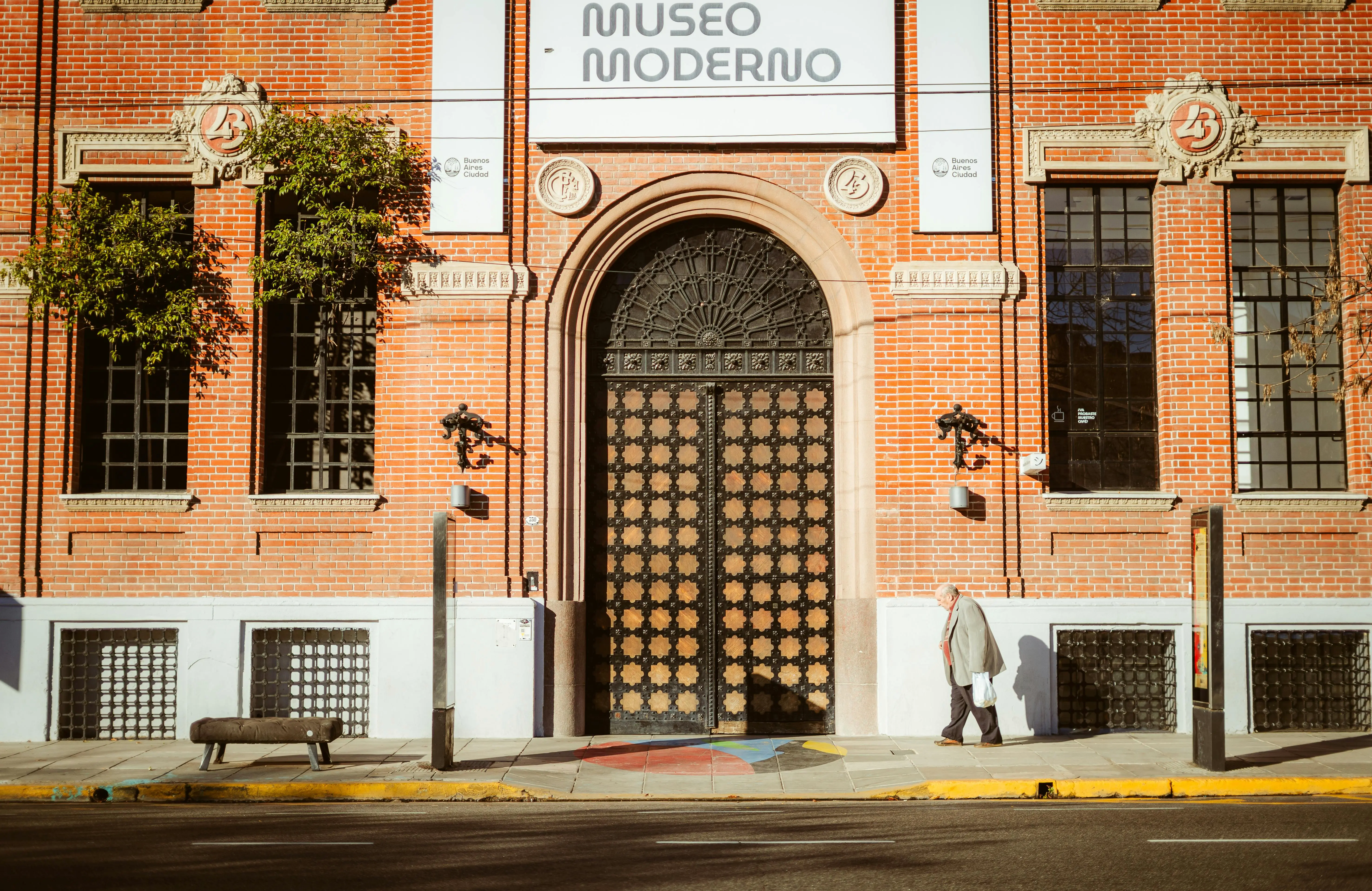
Coworking Spaces and Remote Work Infrastructure
Buenos Aires has a well-developed coworking ecosystem that supports remote work across many neighborhoods, without requiring premium pricing or long commitments. These spaces are used by foreigners, locals, and remote teams from many countries.
Reliable coworking spaces include:
-
Huerta Coworking near Plaza de Mayo, known for quiet work floors and strong internet
-
AreaTres in Chacarita, popular with designers and developers
-
La Maquinita Co locations in Palermo, Microcentro and Núñez, offering flexible passes
-
WeWork for teams needing meeting rooms and enterprise services
Access to coworking spaces reduces dependence on cafés and helps maintain work quality, especially for video calls and long sessions.
Learn Spanish and Navigate Daily Life
While English is spoken in some professional settings, learning Spanish makes everyday living smoother and less expensive. Many services, from utilities to clinics, operate primarily in Spanish, and communication gaps can lead to poor quality outcomes if ignored.
Practical ways to learn Spanish include:
-
Short intensive courses at Vamos Spanish Academy
-
Small-group lessons at Elebaires
-
Language exchange meetups in Palermo and Almagro
Many locals are patient with learners, and practicing daily accelerates integration into daily life.
How Digital Nomads Fit Into the City
Buenos Aires sits in a unique position compared to many other countries in the region. It feels international without losing local character, which helps remote workers build routines quickly.
Key integration points include:
-
Neighborhood cafés where regulars recognize faces
-
Shared workspaces that host weekly talks and community events
-
Public parks and plazas that act as informal meeting spaces
This balance gives the city a reputation as a beautiful city to live in long term, not just visit briefly.
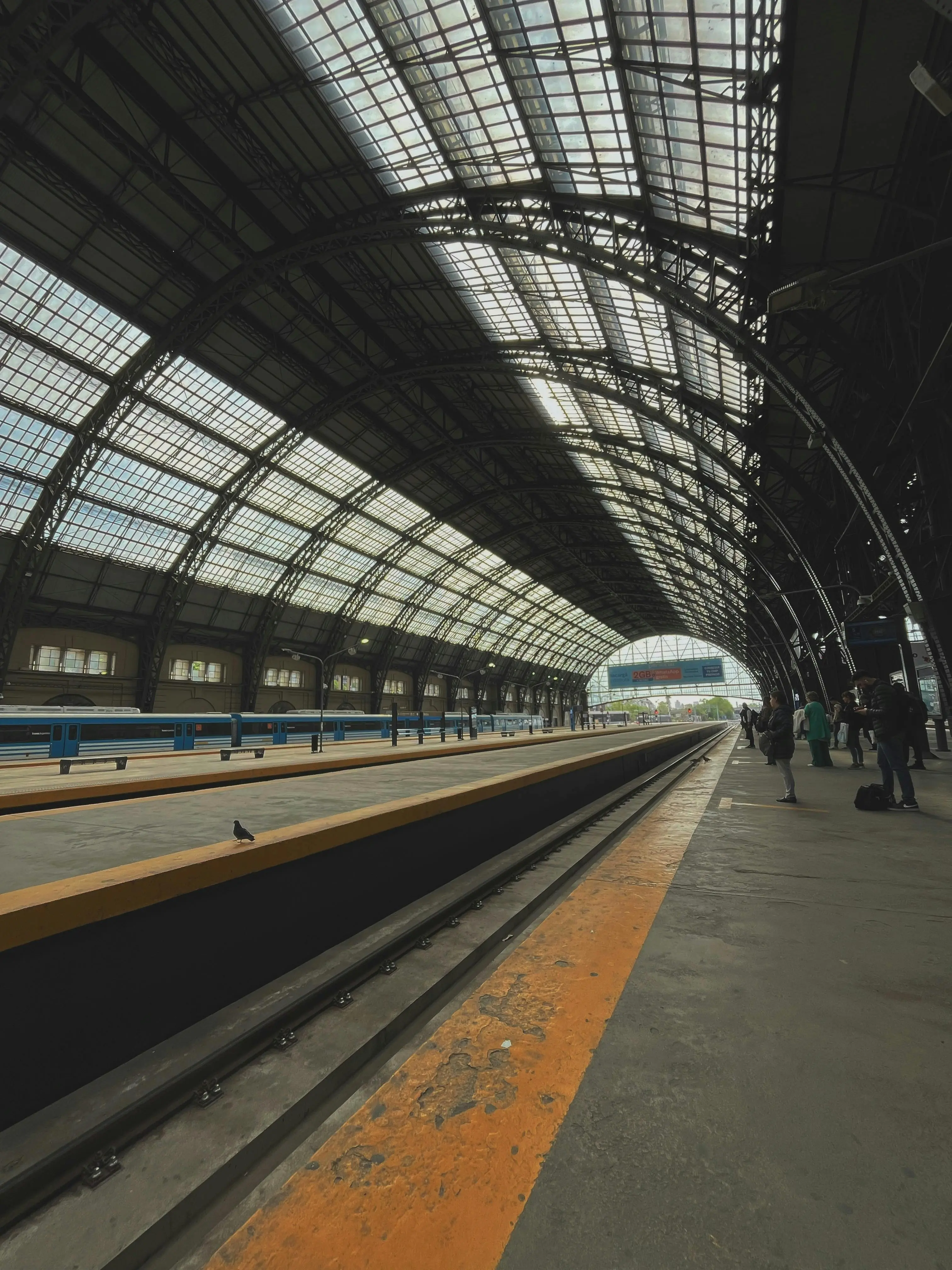
What This Looks Like Across South America
When you compare Buenos Aires to other cities across South America, its infrastructure stands out. Internet reliability, transportation coverage, and access to services make daily life more predictable.
Unlike some cities where digital nomads remain isolated, Buenos Aires encourages overlap between foreigners and local people. That overlap improves quality of life and reduces friction over time. Thinking of moving to the city for a remote lifestyle? Explore fully furnished apartments in Buenos Aires curated by RentRemote for digital nomads who do not want to compromise on productivity while exploring a new city. Find long term and short term apartments with private offices, ergonomic workstations, and fast WiFi ready for you to plug and play.
Data-Driven Cost of Living Comparison: Buenos Aires vs Other Countries
Looking at raw data helps explain why Buenos Aires continues to attract long-term residents, even as prices fluctuate. Over the past few years, shifts in currency, inflation, and regional economics have reshaped how the city compares to other countries across Europe, Latin America, and beyond. Numbers don’t remove uncertainty, but they do provide a clear point of reference.
Cost of Living Data Across Major Cities
Multiple international cost of living databases track changes in rent, food, transportation, and services year over year. When you compare Buenos Aires using this data, a consistent pattern appears.
Across most categories:
-
Rent data shows Buenos Aires below most major cities in Europe and North America
-
Transportation data places it among the cheapest large cities in the world
-
Food data reflects lower baseline prices despite inflation
-
Service costs remain accessible compared to many other countries
Even when prices rise locally, relative positioning remains stable because inflation affects global markets differently.
What the Data Shows About Buying Power
Buying power is one of the clearest advantages for foreigners earning in stronger currencies. Currency data from the past few years highlights how peso devaluation increased purchasing power for those paid in dollars.
Key data points indicate:
-
Housing data shows higher square-meter affordability than comparable capitals
-
Transportation data confirms lower monthly transit costs than most countries
-
Food price data favors daily meals over packaged imports
-
Service pricing data reflects middle-class accessibility
This helps explain why Buenos Aires is often described as cheap relative to global standards, even when locals experience pressure from rising prices.
Taxes, Services, and Long-Term Stability
Tax data also matters when evaluating long-term living. Argentina’s tax structure places more burden on consumption and income than on short-term residents. Many foreigners avoid direct exposure to local taxes by renting and paying privately.
Relevant data considerations include:
-
No local residency tax applied to short-term renters
-
Utility service data shows lower baseline pricing than many countries
-
Transportation systems receive public subsidies
-
Healthcare access data shows private plans remain affordable
From a historical point of view, Buenos Aires has gone through repeated economic cycles. Data over decades shows volatility, but also resilience in housing availability and public services.
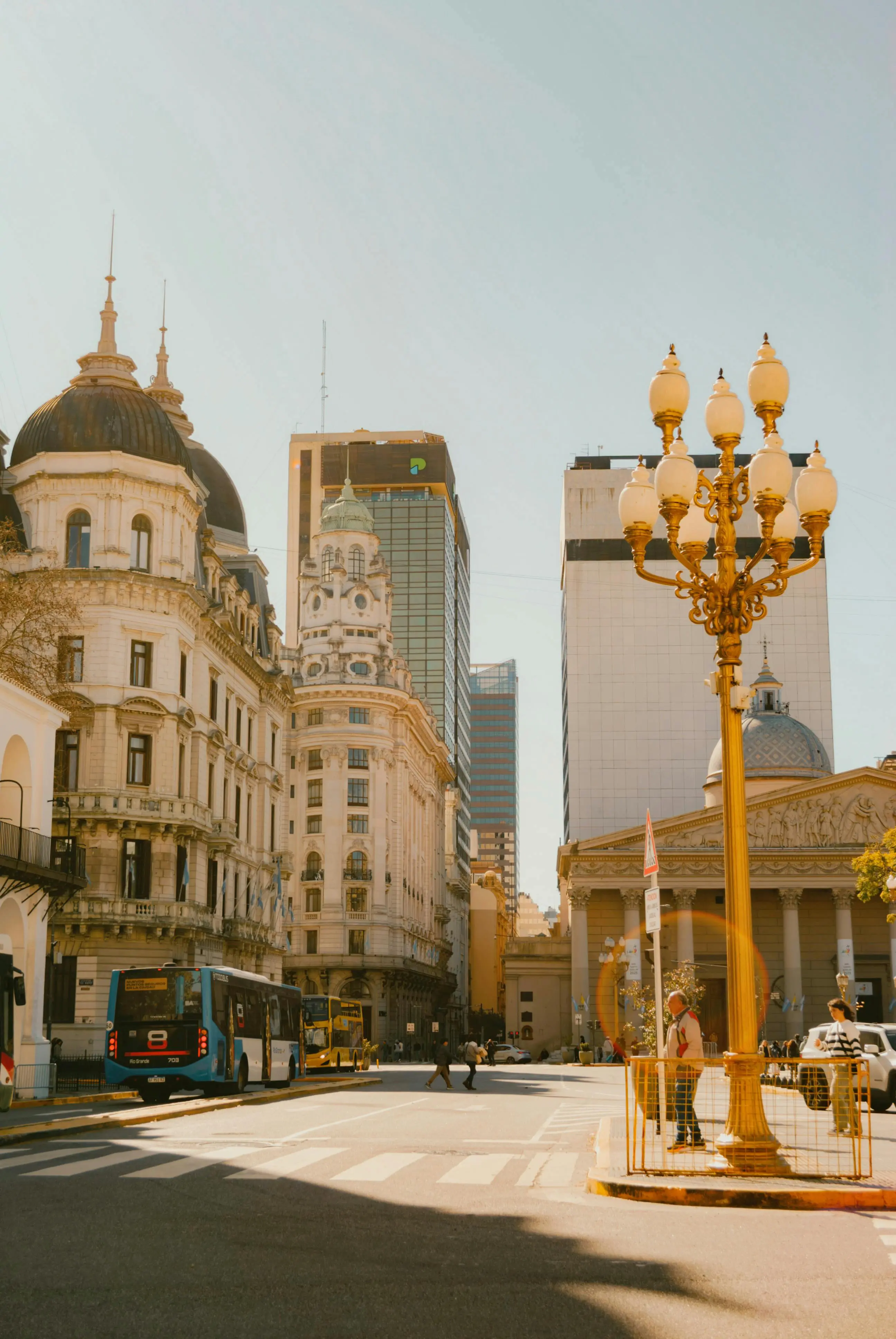
Why Data Matters More Than Headlines
Headlines often focus on crisis or instability. Data provides context. When you step back and compare Buenos Aires objectively, its cost structure remains competitive globally. Not everyone benefits equally, but for long-term residents with external income, the numbers consistently support the move.
Using data rather than anecdotes helps set realistic expectations—and keeps decisions grounded in reality rather than hype.
Setting Up Daily Life in Argentina: What to Do in the First Month
Getting settled during the first few weeks shapes how manageable the cost of living feels long term. Many newcomers arrive focused on numbers, but the practical setup—accounts, services, and everyday stuff—often determines whether estimated monthly costs stay realistic or spiral unexpectedly.
Opening Accounts and Handling Payments
Setting up a local account simplifies daily payments and reduces reliance on foreign cards. While not mandatory, it helps with utilities, mobile plans, and shared services.
Common options people use:
-
Digital wallets like Mercado Pago for recurring services
-
Prepaid mobile plans from Claro or Movistar
-
Payment kiosks such as Rapipago for bills and subscriptions
Keeping records matters. Screenshots, PDFs, and backups are essential because systems don’t always sync automatically.
Everyday Stuff That Affects Spending
Small household decisions influence how much money leaves your account each month. Buying the right basics early helps control spend.
Practical recommendations:
-
Purchase kitchen essentials from Easy or Sodimac instead of convenience stores
-
Stock household items at Carrefour Market rather than corner shops
-
Buy SIM cards and chargers from official carrier stores to avoid replacements
These choices prevent repeat purchases and wasted money over time.
Managing Money Without Overthinking It
People who settle in smoothly tend to separate daily money from savings. One account handles local expenses; another remains untouched for stability.
Helpful habits include:
-
Tracking weekly expenses instead of daily
-
Keeping a small cash buffer for services that don’t accept cards
-
Reviewing estimated monthly costs after the first 30 days and adjusting once
This approach keeps spending aligned with reality, not assumptions.
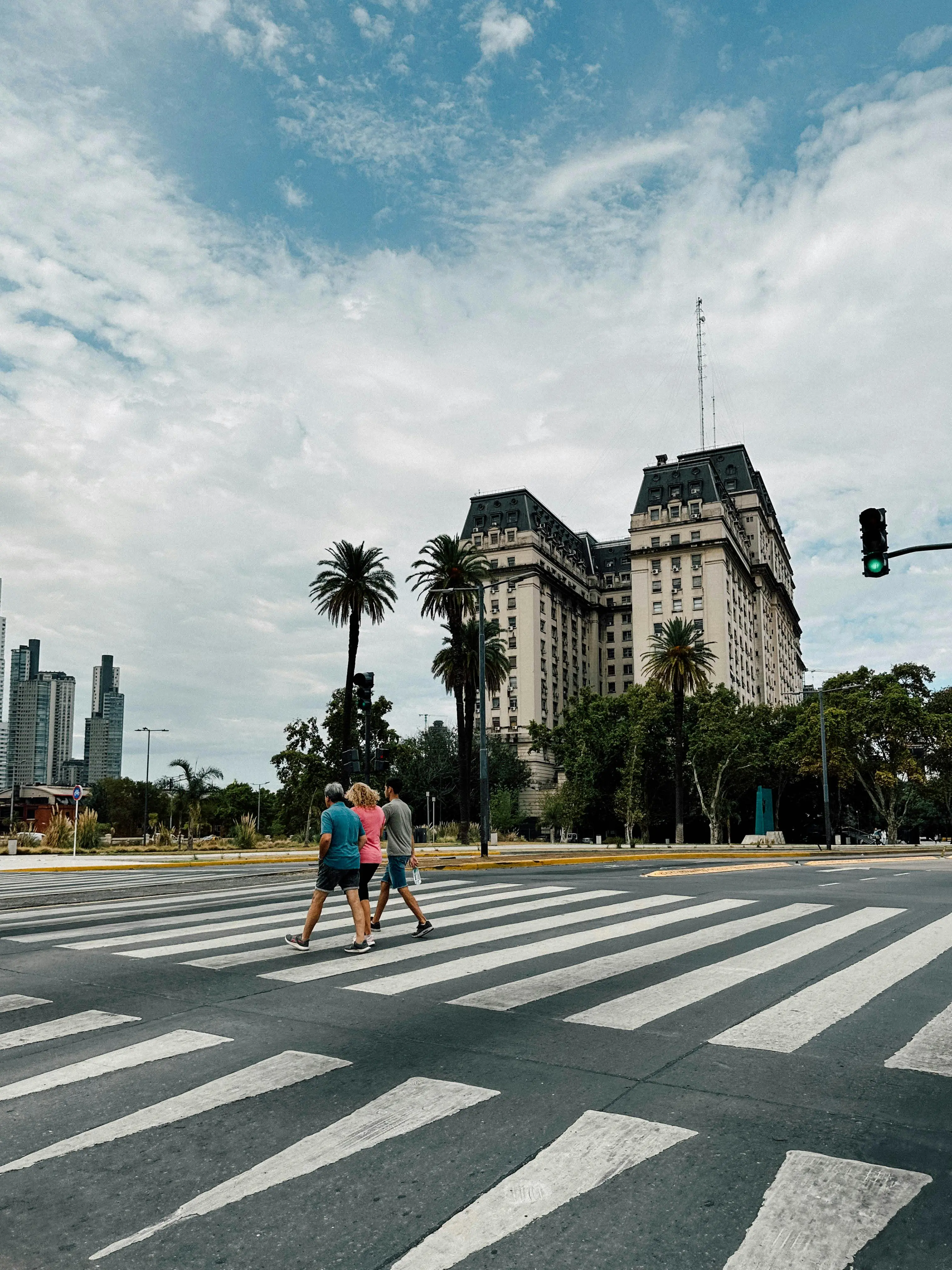
Expectations and Long-Term Comfort
Not everyone arrives with the same goals. Some come hoping for simplicity, others for flexibility. Those expectations matter. Argentina rewards adaptability more than rigid planning, and people who accept that tend to settle faster.
What helps:
-
Leaving room for adjustment
-
Asking questions early instead of guessing
-
Learning from friends and neighbors
That combination—not just numbers—often determines whether long-term living feels sustainable.
Buenos Aires Monthly Cost of Living: What to Expect for Long-Term Living
Understanding the Buenos Aires monthly cost of living goes beyond rent numbers or short-term impressions. For long-term stays, the real picture comes from how housing, food, transportation, services, and daily routines fit together over time. While inflation and exchange rates add complexity, the city has a history of offering strong buying power for foreigners earning in dollars, especially when compared to other countries and most major cities around the world.
Living in Buenos Aires gives the best deals to those who plan realistically, adapt to local systems, and choose neighborhoods that match their pace of life. From affordable food and public transport to a culture built around social spaces and shared experiences, the city remains a compelling option for people interested in balancing cost, quality, and lifestyle. With the right expectations and setup, long-term living here can remain both manageable and rewarding.