Jordi
Writer ·
Buenos Aires doesn't reward improvisation the same way other South American cities might. This is a massive city — 48 barrios, each with its own personality — and where you stay determines what kind of experience you get. Palermo works for most people because it has everything within walking distance, but it's loud on weekends. Recoleta is quiet and polished but costs 30% more. San Telmo has the charm but not always the infrastructure. The choice matters more here than in smaller cities where you can walk everywhere.
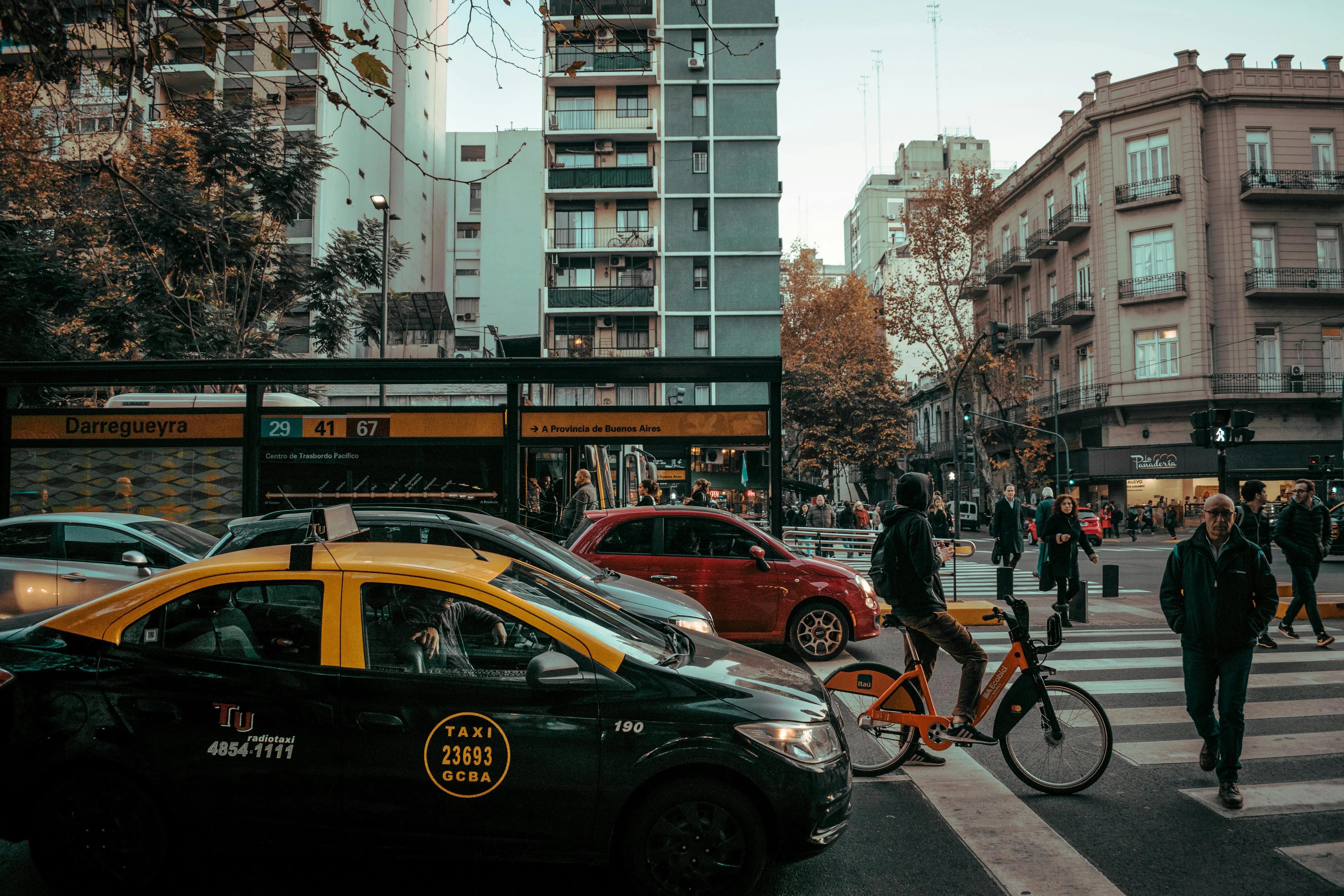
This guide covers:
Which neighborhoods suit remote work and which are better for a couple nights
Realistic monthly rent ranges and what you get for your money
Where to find reliable WiFi, coworking spaces, and quiet cafés
Honest safety context for each area
Named local spots with prices and when to go
Trade-offs between convenience, cost, and quiet
Understanding Different Neighborhoods: What You Need to Know Before Choosing
Buenos Aires is officially divided into 48 barrios, but only about eight matter for visitors planning to stay in Buenos Aires longer than a week. Different neighborhoods cater to completely different rhythms — Palermo has the nightlife and boutique shops, Recoleta has the luxury hotels and polished streets, San Telmo has the cobblestone streets and weekend markets. You won't accidentally end up in the wrong place, but you will notice the difference within a day.
Villa Crespo's side streets feature impressive street art murals, particularly along Murillo and Acevedo, rivaling those in Palermo. Villa Crespo has transformed from a working-class barrio into one of the city's trendiest areas for young professionals and creatives.
Size and Layout
Palermo alone is larger than some European neighborhoods people think of as "big" — it takes 40 minutes to walk from Palermo Soho to Palermo Hollywood, and they feel like different places.
The city spans 203 square kilometers across 48 barrios, each with distinct characteristics shaped by waves of European immigration in the early 20th century.
Palermo is the largest neighborhood in Buenos Aires — subdivided into Soho, Hollywood, and smaller pockets
Most cool neighborhoods cluster in a north-south line: Belgrano, Palermo, Villa Crespo, Recoleta, San Telmo
Downtown Buenos Aires (San Nicolás, Retiro, Microcentro) is the city center for business, not where most people suggest staying
Puerto Madero sits east of the downtown area along the waterfront — walking distance to the center but isolated at night
Public transport connects everything, but you'll use it less if you stay in Palermo or Recoleta
Cost Differences
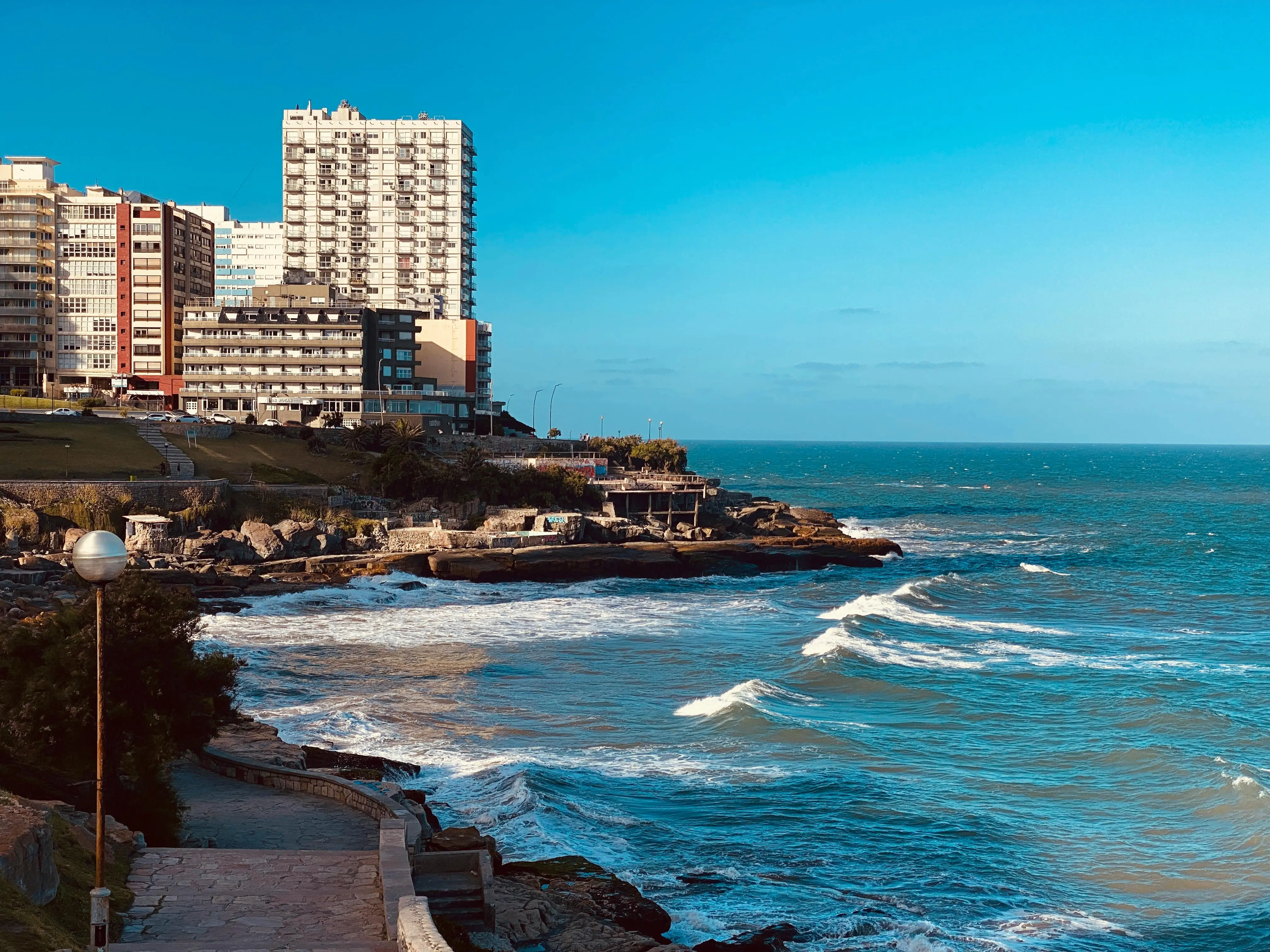
Where you stay determines what you pay — not just for rent but for everything else.
Recoleta and Puerto Madero: studios from $900/month, 1-bed from $1,200/month — aimed at expats and short-term visitors
Palermo Soho and Hollywood: studios from $750/month, 1-bed from $950/month — most competitive supply
San Telmo and Villa Crespo: studios from $600/month, 1-bed from $800/month — fewer furnished options, more long-term leases
Coffee in Recoleta: $4–5; same coffee in Villa Crespo: $2.50–3
Dinner in Puerto Madero: $30–40 per person; San Telmo: $15–20 per person
What "Safe" Means in Context
Buenos Aires is safer than its reputation suggests, but some neighborhoods require more awareness than others.
Puerto Madero is considered one of the safest neighborhoods due to modern infrastructure and strong police presence — but empty at night
Recoleta and Palermo: safe day and night, standard city precautions apply
San Telmo: much safer than it was a decade ago, but stay aware after dark — avoid side streets near Parque Lezama late at night
La Boca: visit during the day for the colorful houses and street performers, don't stay after dark — it's a working class neighborhood with real safety concerns outside the tourist blocks
Retiro (the train station area): avoid staying here — it's a transit hub, not a residential neighborhood
Palermo: The Default Base for Most Remote Workers
Palermo works because everything you need is within a 10-minute walk — and you will find out within a day whether it suits your rhythm. It's the largest neighborhood in Buenos Aires and the most subdivided: Palermo Soho has the boutique shops and brunch spots, Palermo Hollywood has the production studios and late-night restaurants, and the areas between blend into residential blocks with tree lined streets. Most people stay here because the infrastructure is built for it — coworking spaces, cafés with reliable WiFi, grocery shopping on every corner, and fully furnished apartments in Buenos Aires that cater to remote workers.
Palermo Soho: Where Most First-Timers Stay
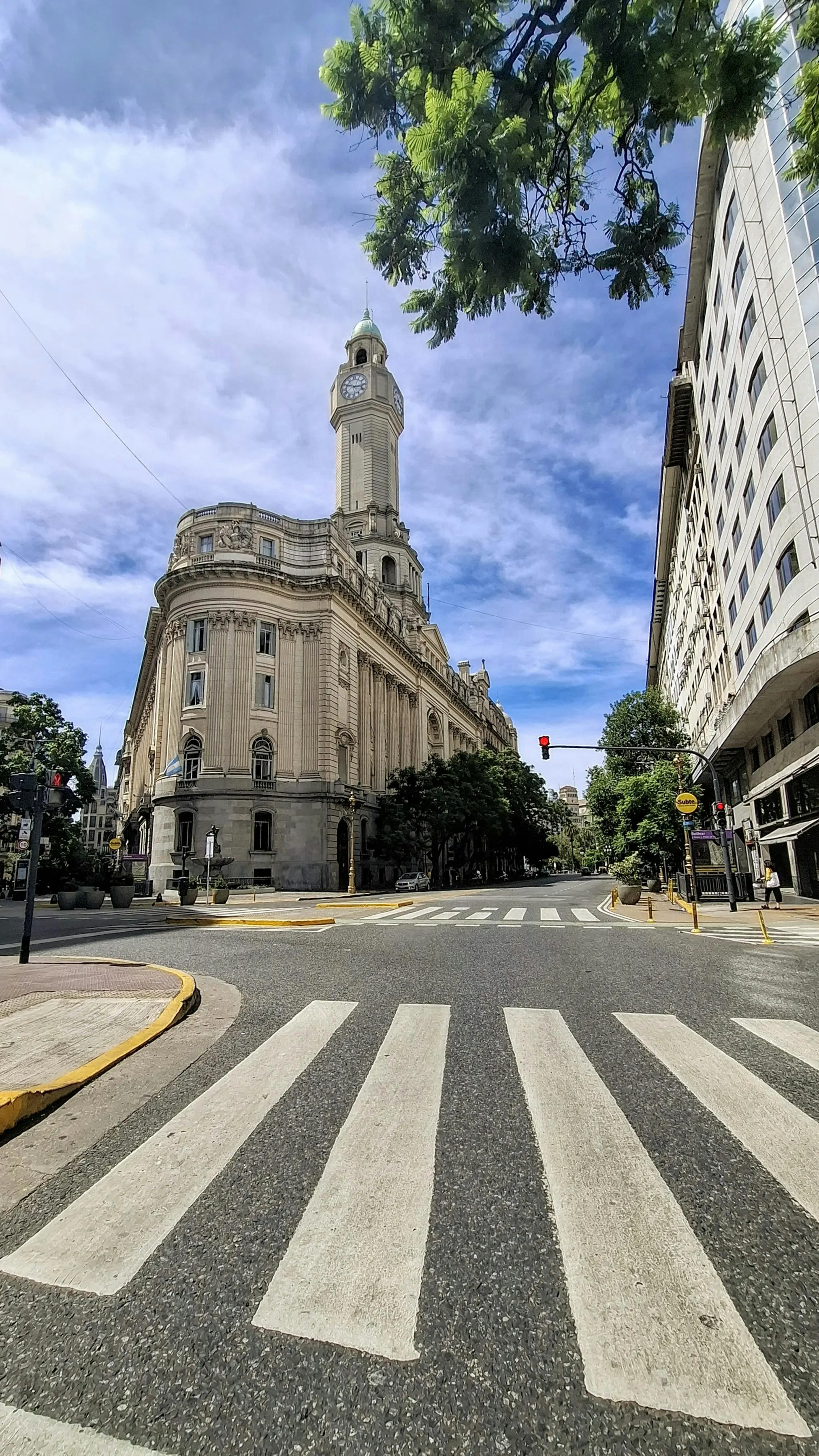
Palermo Soho is the epicenter of fashion, nightlife, and green spaces in Buenos Aires — and that means it's loud Thursday through Sunday. Palermo Hollywood though earned its name from the film production studios and has evolved into a thriving arts scene with independent theaters and creative agencies.
Most coworking spaces in Buenos Aires concentrate in Palermo, including AreaTres and La Maquinita Co, with day passes around $15 USD. Palermo also holds the distinction of being the city's largest neighborhood and attracts more digital nomads than any other barrio in Buenos Aires.
LAB Tostadores de Café — espresso $2.50, WiFi works, laptops welcome until 2pm — go early or find a coworking space
Studios from $750/month, 1-bed from $950/month near Plaza Serrano
The Maquinita Co. — day pass $12, monthly desk $180, quieter than cafés and has meeting rooms
Subte Line D: Plaza Italia station 8-minute walk — connects to downtown Buenos Aires in 15 minutes
Weekends bring street performers, crowds, and noise until 2am near Plaza Serrano — stay two blocks away if you need quiet
Palermo Hollywood: Better for Night Owls and Media Workers
Palermo Hollywood sits northwest of Soho and has fewer tourists, more Argentinians, and restaurants that don't open until 9pm.
Ninina Bakery — coffee $3, croissants $2, opens at 8am — one of the few morning spots in a neighborhood that wakes up late
1-bed apartments from $900/month on quiet streets near Plaza Inmigrantes de Armenia
Manawa Coworking Creativo — day pass $20, has 24-hour access for members — useful if you work US hours
Less foot traffic than Soho but fewer grocery stores — plan your shopping or walk 10 minutes south
Better for creative industries — film production, design studios, and late-night cafés that don't rush you out
Palermo Parks and Residential Pockets: San Nicolas and Beyond
The areas around Parque Tres de Febrero and Palermo Chico offer a peaceful escape without leaving Palermo entirely.
Japanese Gardens — $3 entry, quiet spot to work outdoors when you need a break from cafés
Residential streets near Bosques de Palermo — 1-bed apartments from $850/month, 15-minute walk to Palermo Soho
Fewer coworking spaces but better for long calls — these blocks are quieter than the central Palermo areas
Rose Garden and lakes — free, good for walking meetings or clearing your head between work blocks
Less convenient for nightlife but only a short walk to everything else
Neighborhood | Monthly Rent | Vibe | Best For | Key Advantage |
|---|---|---|---|---|
Palermo Soho | $750–$1,100 | Loud, trendy, walkable | First-timers, nightlife, convenience | Everything within 10 minutes |
Palermo Hollywood | $900–$1,200 | Creative, late-night, local | Night owls, media workers | Fewer tourists, better restaurants |
Recoleta | $900–$1,400 | Quiet, polished, upscale | Luxury hotels, peaceful work | Elegant streets, low noise |
San Telmo | $600–$900 | Historic, bohemian, uneven WiFi | Short stays, weekend markets | Character and cobblestone streets |
Villa Crespo | $600–$850 | Residential, arts scene, local life | Budget-conscious, creative types | Close to Palermo, lower costs |
Puerto Madero | $1,000–$1,500 | Modern, isolated, safe | Business travelers, high end hotels | Waterfront, modern architecture |
San Nicolás | $700–$1,000 | Central, business district, loud | Major sites, day trips | Central location, public transport |
Belgrano | $850–$1,100 | Quiet, family-friendly, upscale | Long stays, leafy streets | Residential neighborhood, low crime |
San Telmo: Best for Short Stays, Not Remote Work
San Telmo is one of the oldest neighborhoods in Buenos Aires, and that's both its appeal and its limitation. The cobblestone streets and colonial architecture make it worth visiting, but the infrastructure hasn't caught up — WiFi is slower, coworking spaces are scarce, and cafés aren't built for laptop work. Most visitors plan a couple nights here for the Sunday market and tango scene, then move to Palermo or Recoleta for the rest of their stay. If you need reliable internet for work, San Telmo isn't where you set up base.
Villa Crespo's thriving arts scene centers around small galleries and design studios on Acevedo Street, where local artists sell directly to visitors.
The Sunday Market and Plaza Dorrego
The San Telmo Market is the main reason people visit — it takes over the neighborhood every Sunday and becomes a must visit for antiques, street performers, and tango dancers.
San Telmo's cobblestone alleys showcase some of the city's oldest street art, with political murals dating back to the 2001 economic crisis.
The Sunday San Telmo Market stretches along Defensa Street and ranks as one of the top tourist attractions in Buenos Aires.
Plaza Dorrego — Sunday market 10am–5pm, free to walk through, bring cash for vendors
Tango dancers perform for tips throughout the plaza — expect crowds and pickpockets in busy areas
Antique stalls and art galleries line Calle Defensa — prices are tourist-level but browsing is free
Mercado de San Telmo (indoor market) — open daily, empanadas $1.50, wine bar inside with malbec $4/glass
The Sunday market alone justifies staying here to test the neighborhood — but WiFi in most rentals is 10–20 Mbps, not suitable for video calls
Where to Stay in San Telmo
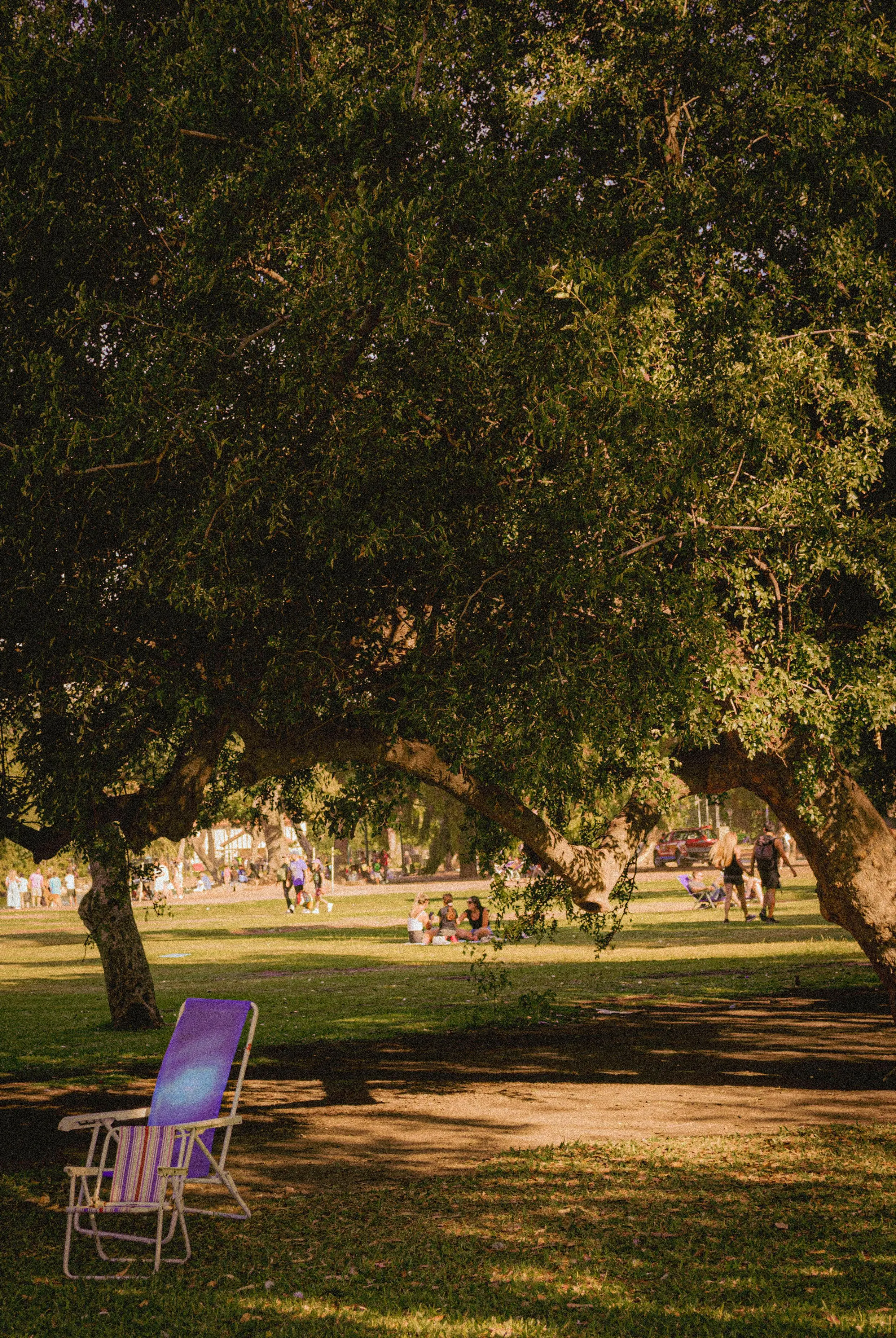
San Telmo rentals are cheaper than Palermo, but you're trading cost for convenience — and often speed of internet.
Studios from $600/month, 1-bed from $800/month near Parque Lezama — check WiFi speed before signing anything
Mansion Dandi Royal — boutique hotels in San Telmo from $80/night, private room with free breakfast, reliable WiFi in common areas
El Federal — café with passable WiFi, medialunas $1, closes at 6pm — not a coworking substitute
Most buildings are older, which means spacious rooms but inconsistent plumbing and heating
Stay near Plaza Dorrego for walkability, avoid blocks south of Parque Lezama after dark
Safety and Atmosphere
San Telmo is much safer than it was a decade ago, but it's still the neighborhood where you stay aware of your surroundings.
Main streets (Defensa, Balcarce) are well-trafficked day and night — side streets empty out after 9pm
Petty theft happens in crowded markets — keep valuables in front pockets, don't leave bags unattended
Blocks near Plaza de Mayo are a short walk north — 15 minutes to downtown Buenos Aires
San Telmo has its own personality: louder, grittier, more street art than Recoleta or Palermo
Better for people who want local life and don't mind trade-offs — not for those who need reliable work infrastructure
Recoleta: Where You Pay for Quiet and Polish
Recoleta is often called the Paris of South America, which is both accurate and a warning about cost. The elegant architecture, upscale boutiques, and tree lined streets come with a 30% markup on rent, coffee, and everything else. If you need quiet for focused work and don't mind spending more, Recoleta delivers — but it's not where you go for nightlife, street art, or a thriving arts scene. This is the neighborhood for luxury hotels, the famous Recoleta Cemetery, and a relaxed vibe that favors wine bars over nightclubs.
The famous Recoleta Cemetery attracts thousands of visitors weekly who come to see Eva Perón's tomb and elaborate marble mausoleums spanning centuries of Argentine history.
Recoleta's art galleries cluster around Avenida Alvear, with the National Museum of Fine Arts offering free admission to its permanent collection.
Recoleta represents old money in Buenos Aires, with tree-lined avenues like Avenida Alvear showcasing French-style architecture and luxury boutiques.
The Recoleta Cemetery and Surrounding Area
The Recoleta Cemetery is the main tourist draw, but the streets around it define the neighborhood's rhythm. Recoleta remains one of the city's most expensive neighborhoods, with monthly apartment rentals typically starting at $800 USD for a one-bedroom.
Recoleta Cemetery — free entry, open daily 8am–6pm, worth an hour for the architecture and Eva Perón's tomb
Plaza Francia — weekend artisan market, quieter than San Telmo, adjacent to the cemetery
Café La Biela — espresso $4, outdoor seating, best before 11am before tourist groups arrive
Streets around Avenida Alvear — high end hotels, boutique shops, and art galleries — convenient location for major sites but expensive for daily living
1-bed apartments from $1,200/month on quiet blocks — expect spacious rooms and better insulation than older neighborhoods
Working from Recoleta
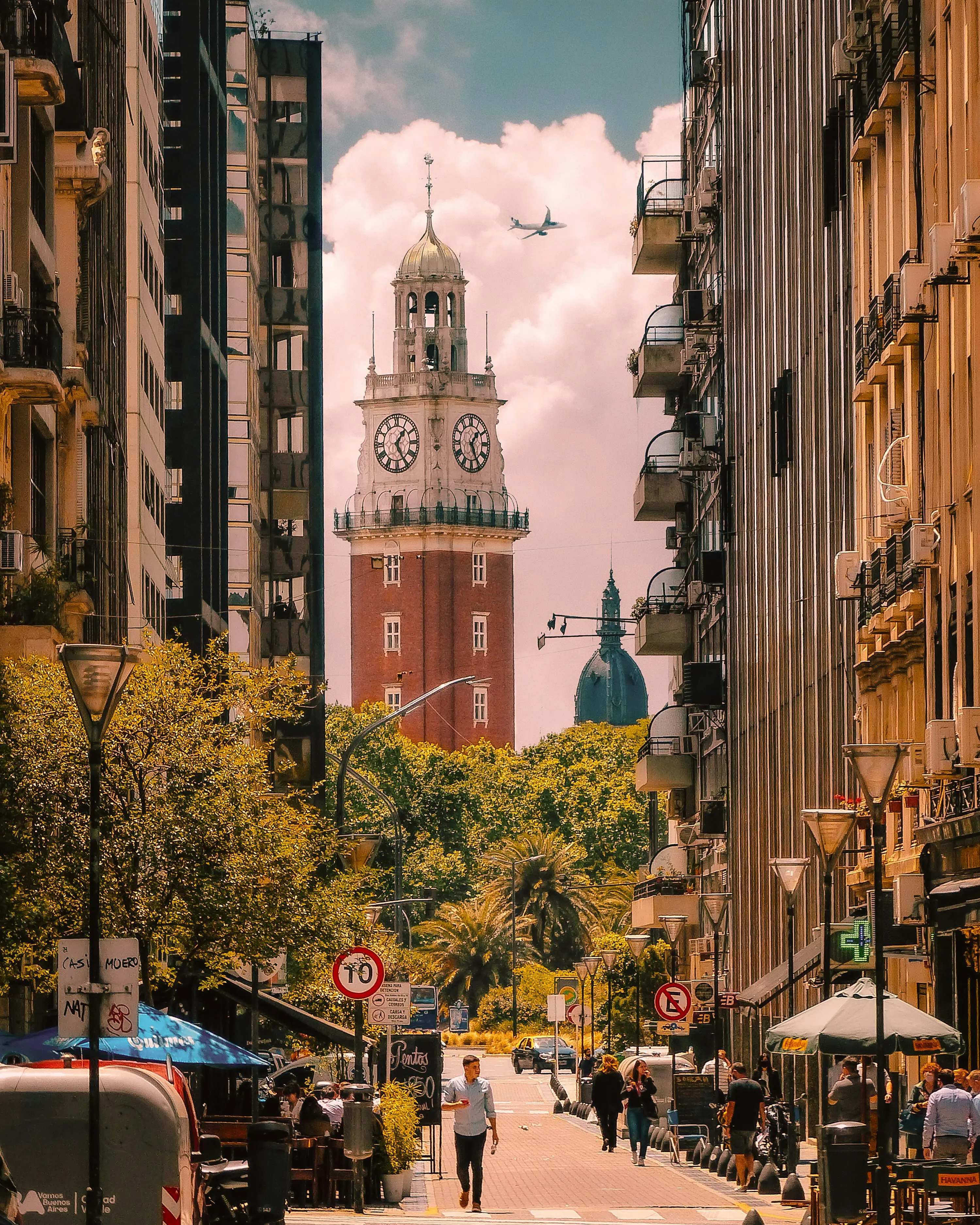
Recoleta has reliable infrastructure but fewer coworking spaces than Palermo — most people work from cafés or home.
Work Café Recoleta — day pass $15, monthly desk $220, quieter than Palermo options but farther from Subte lines
Croque Madame — café with decent WiFi, flat whites $4.50, lunch menu $12 — gets crowded 12–2pm
Most cafés welcome laptops but expect higher prices — coffee $4–5, lunch $15–20
WiFi in rentals is generally faster and more stable than San Telmo or Villa Crespo
Residential blocks are quieter for calls — less street noise than Palermo, especially on weekends
Who Recoleta Suits
Recoleta works if you value peace over nightlife and have the budget for it — it's not the best neighborhoods for socializing or stumbling into street scenes.
Better for 30+ remote workers who want a polished, quiet base — Explore Recoleta in our neighborhood guide for full details
Walking distance to Palermo (20 minutes) and downtown Buenos Aires (15 minutes via Subte Line D)
Fewer fellow backpackers and more business travelers staying in fancy hotels or boutique hotels
Great restaurants but fewer budget options — dinner $25–35 per person versus $15–20 in Palermo
If you're deciding between Recoleta and Palermo, test both with a short stay — the difference in atmosphere is immediate
Best Hotels and Where to Stay in Buenos Aires
Buenos Aires has everything from high end hotels in Puerto Madero to hostels in San Telmo, but where you stay affects more than comfort — it shapes your daily rhythm. A private room in Palermo Soho puts you within walking distance of cafés and parks. A hotel in Recoleta means quiet but fewer dining options after 10pm. Most people book based on price or proximity to major sites and regret it within 48 hours.
Most digital nomads who stay in Buenos Aires for extended periods choose Palermo Soho or Palermo Hollywood for the balance of amenities and affordability.
For those planning a month-long stay in Buenos Aires, furnished apartments through RentRemote typically offer better value than hotels after the 2-week mark.
Hotels in Puerto Madero
Puerto Madero has modern high rises and waterfront views but feels sterile — it's where business travelers stay, not where local life happens.
Faena Hotel — luxury hotels from $450/night, sleek rooms with Río de la Plata views, excellent service but isolated from neighborhoods
Hilton Buenos Aires — from $180/night, central location between Puerto Madero and San Nicolás, free breakfast, reliable WiFi
Puerto Madero works for a couple nights if you prioritize modern architecture and waterfront walks — not for longer stays
Dinner in Puerto Madero runs $30–50 per person — walk 15 minutes to San Telmo for better value
Only a short walk to Reserva Ecológica Costanera Sur — peaceful escape from the big city, free entry
Hotels in San Telmo and La Boca
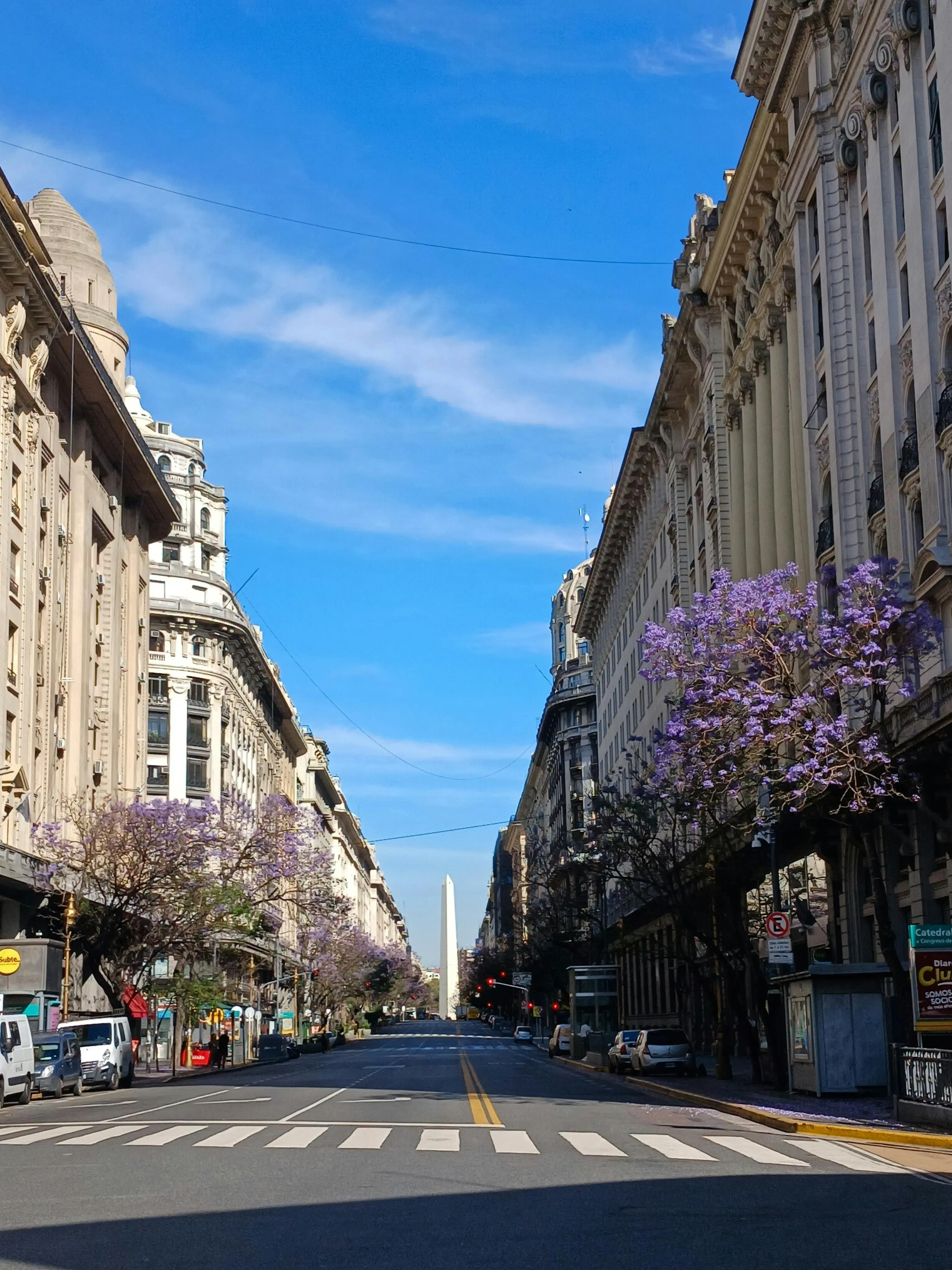
San Telmo has character but La Boca is for sightseeing, not sleeping — tourists book La Boca hotels and regret it by nightfall.
Hotel Avenida — San Telmo, from $65/night, located close to Plaza Dorrego, basic rooms but cobblestone streets outside
Circus Hostel — San Telmo, dorms from $18, private room from $55, fellow backpackers, rooftop terrace, short walk to San Telmo Market
La Boca famous for colorful houses and tango dancers — must visit during the day, not where you stay overnight
La Boca at night has safety concerns — most locals suggest staying elsewhere and visiting as a day trip
San Telmo offers better value than Palermo or Recoleta — budget $70–120/night for decent boutique hotels
Hotels in Palermo and Recoleta
Palermo Soho and Palermo Hollywood have the most options for remote workers — Recoleta has fewer hotels but better for luxurious stay seekers.
Monthly rentals in San Nicolas run 20-30% cheaper than Palermo, though the area lacks the neighborhood cafe culture remote workers prefer.
San Nicolas contains the famous Teatro Colón opera house, considered one of the world's best concert halls with tours available for 8,000 pesos.
Home Hotel — Palermo Hollywood, from $160/night, tree lined streets, wine bar on site, walking distance to Plaza Serrano
Alvear Palace Hotel — Recoleta, from $400/night, classic luxury hotels with spacious rooms, best hotels category but expensive for long stays
BA Sohotel — Palermo Soho, from $110/night, rooftop pool, laptop-friendly lobby, located close to shopping streets
Palermo has more variety across budgets — Recoleta skews toward high end hotels and boutique properties
If you're testing different neighborhoods before committing to an apartment, book short stays in 2–3 areas — personality shifts fast between barrios
Downtown Buenos Aires: San Nicolás and Microcentro
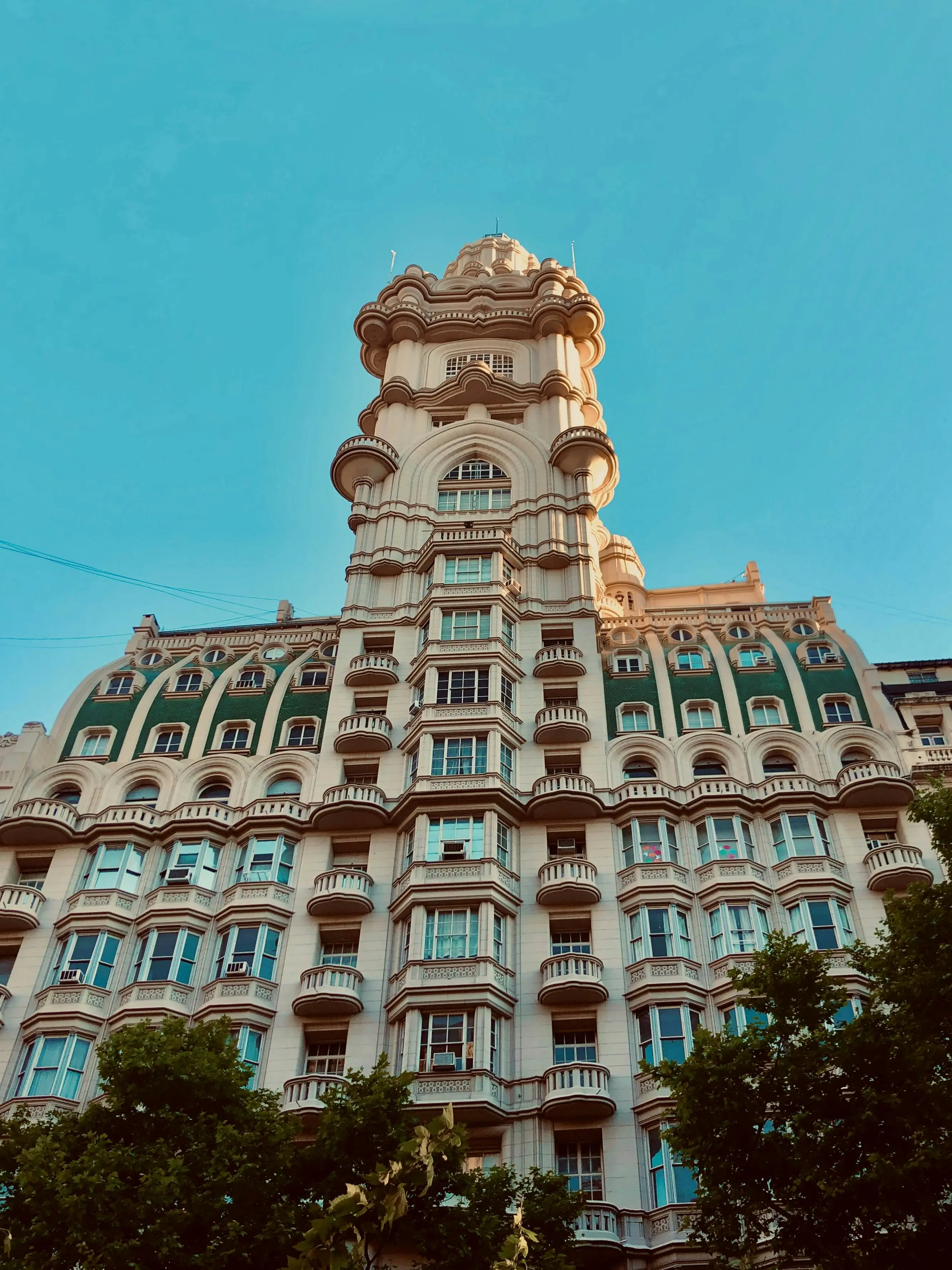
San Nicolás (also called Microcentro) is the city center — office towers, the Obelisk, and Plaza de Mayo. It's loud during the day, dead after 8pm, and where you end up if you prioritize proximity to a train station or main attractions over neighborhood feel. San Nicolás works for a convenient location near transit hubs, not for grocery shopping or nightlife.
The downtown core of Buenos Aires experiences heavy commuter traffic on weekdays but becomes surprisingly quiet on weekends.
What San Nicolás Actually Feels Like
This is downtown Buenos Aires at its most functional — you're here because everything connects through it, not because you want to be here.
San Nicolás serves as the city's central business district, home to the iconic Obelisco and bustling Avenida Corrientes.
Subte Lines A, B, C, D, and E all intersect — best public transport access in the massive city
Obelisco — the city's main landmark, surrounded by traffic — worth a photo, not worth staying nearby
Plaza de Mayo — historic square, Casa Rosada, political protests on weekends — visit during the day, not at night
Avenida de Mayo — grand boulevard connecting Plaza de Mayo to Congress, cafés with history but better options in San Telmo
Studios from $650/month in San Nicolás — cheaper than Palermo but noisier and less residential feel
Working from San Nicolás
Coworking spaces exist but most remote workers avoid downtown Buenos Aires for daily work — too much transit noise and fewer good cafés than Palermo.
Work Café — coworking day pass $12, reliable WiFi, located close to Subte Line C, quieter than street-level cafés
Café Tortoni — historic spot, espresso $4, tourist-heavy but worth one visit — not for laptop work
Most cafés in San Nicolás cater to office workers — quick turnover, less tolerance for multi-hour laptop sessions
Street noise from Avenida 9 de Julio and Corrientes makes calls difficult in most apartments
If you're staying in San Nicolás, plan to work from coworking spaces or commute to Palermo cafés
Who San Nicolás Suits
San Nicolás works if you're in Buenos Aires briefly and need fast access to everything — not if you want a favorite neighborhood with its own personality.
Better for business travelers or short stays (under a week) — longer stays feel transactional
Walking distance to Retiro train station — useful for day trips to Tigre or Uruguay ferry connections
Fewer grocery options than residential neighborhoods — most locals shop elsewhere and commute in
Cool neighborhoods like Palermo Soho are 20 minutes via Subte — San Nicolás is the hub, not the destination
If you're deciding where to base yourself long-term, San Nicolás is the wrong choice — use it for arrivals, not for living
Villa Crespo and Other Cool Neighborhoods
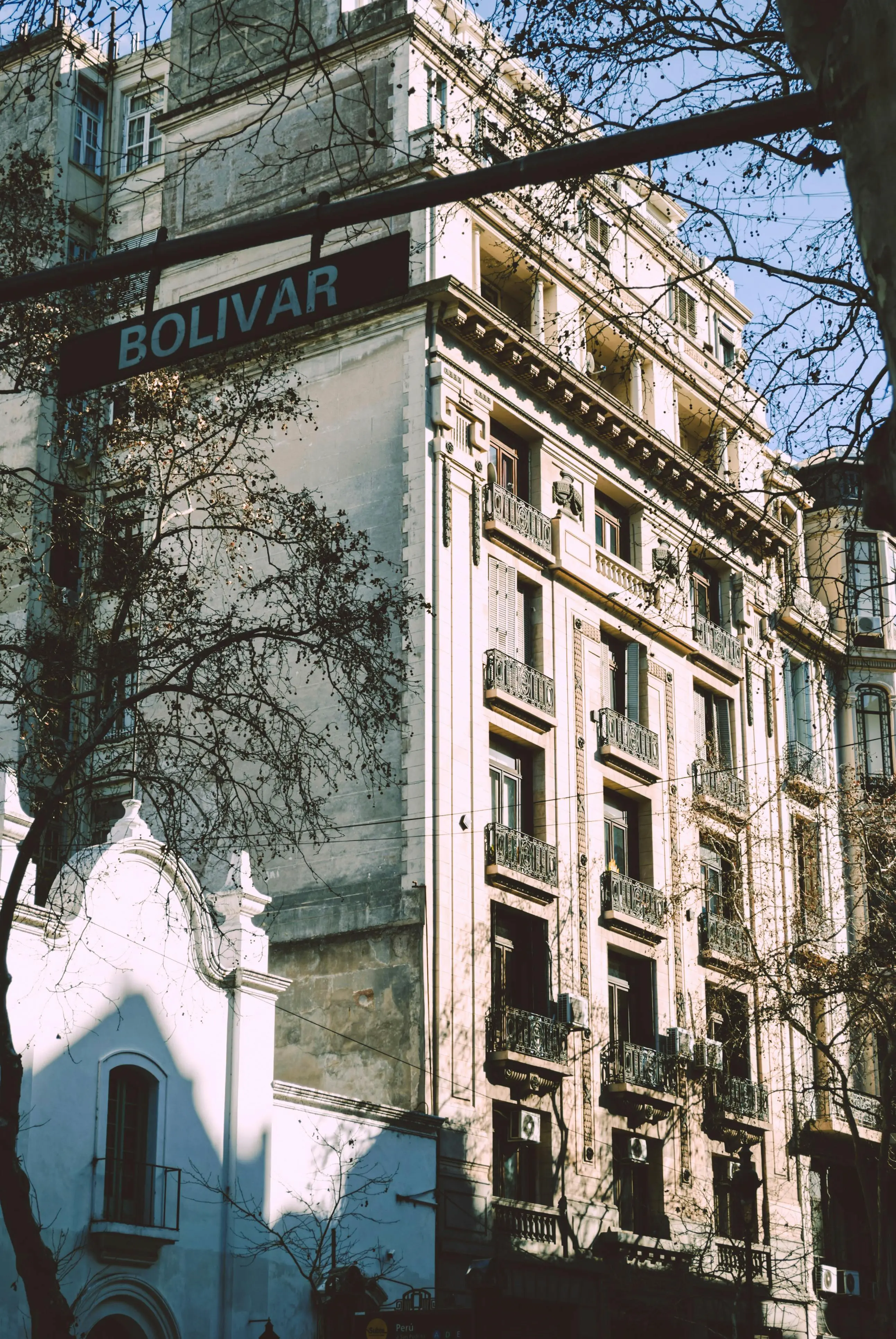
Villa Crespo sits between Palermo and Almagro — it has the relaxed vibe of a residential neighborhood without the tourist markup. Most visitors skip it entirely, which is why locals prefer it. Rent is 20–30% cheaper than Palermo, grocery shopping happens at neighborhood markets, and you're still a short walk from Palermo's cafés when you need them. Villa Crespo works if you want local life over convenience.
Why Villa Crespo Feels Different
This is where Buenos Aires residents actually live — fewer boutique shops, more working class neighborhood energy, and almost zero fellow backpackers.
Studios from $550/month, 1-bed from $750/month on leafy streets near Parque Centenario
Lattente — espresso $3, laptops welcome until 3pm, quieter than Palermo options
Subte Line B runs through Villa Crespo — Malabia-Osvaldo Cruz station connects to downtown area in 15 minutes
Mercado Villa Crespo — local market, produce and meat cheaper than Palermo grocers
You walk 15 minutes to Palermo Soho for nightlife and dining — Villa Crespo itself shuts down after 10pm
Other Neighborhoods Worth Considering
If the best neighborhoods in Buenos Aires feel overrun, these alternatives trade convenience for authenticity — each has trade-offs.
Belgrano — residential neighborhood north of Palermo, Barrancas de Belgrano park, quieter but farther from cool neighborhoods and nightlife
Caballito — geographic center of Buenos Aires, transit hub, affordable rent from $600/month but less character than Villa Crespo or San Telmo
Colegiales — near Belgrano, tree lined streets, great restaurants, better for families than solo remote workers
Japanese Gardens in Palermo — peaceful escape when Palermo Soho overwhelms, $3 entry, open daily
Each of these neighborhoods has its own personality — worth exploring if you're staying months, not weeks
Practical Tips for Living in Buenos Aires
Buenos Aires rewards preparation more than improvisation. The exchange rate changes weekly, cash matters more than cards, and what works in one neighborhood fails in another. Most remote workers arrive with a rough plan and rewrite it within a week — these are the things that actually affect daily life in South America's most complex city.
Money and Banking
Argentina's economy makes banking frustrating — expect multiple exchange rates, cash shortages, and ATM limits that change monthly.
The city's SUBE card system works across all public buses and subways, costing just 125 pesos per ride as of 2024.
Western Union and cash exchange houses (cuevas) offer better rates than official banks — check rates before withdrawing
ATM withdrawal limits hover around $100 per transaction with fees up to $8 — plan cash needs ahead
Many cafés, restaurants, and landlords prefer USD cash or bank transfers over cards — carry small bills
Mercado Pago (local payment app) works in most places — download it during your first week
Budget $50–70/day for meals, transit, and café work — Buenos Aires is cheaper than Europe but not as cheap as reputation suggests
Safety and Common Sense
Buenos Aires is generally safe in tourist areas but petty theft happens — phones and bags disappear fast on crowded streets and Subte trains.
Your decision on where to stay in Buenos Aires ultimately depends on whether you prioritize nightlife and community (Palermo) or cultural immersion and lower costs (Villa Crespo).
San Telmo, Palermo, and Recoleta are safe day and night — La Boca after dark is not, despite street performers drawing crowds during the day
Keep phones in front pockets, avoid displaying cameras on Subte, and use front-seat ride-sharing after midnight
Villa Crespo, Belgrano, and residential streets in Palermo feel safer than downtown Buenos Aires after 10pm
Most apartments have buzzers and locked doors — Airbnb-style building access is standard
If something feels off, it probably is — trust the instinct and move to a busier street
Getting Around
The Subte covers the city center and inner neighborhoods — buses (colectivos) go everywhere else but require patience and a charged SUBE card.
SUBE card ($2, rechargeable) works on Subte, buses, and trains — buy at kiosks, load at stations
Subte runs 5am–11pm weekdays, reduced hours Sundays — plan late nights around taxis or ride-sharing
Walking works in Palermo, Recoleta, and San Telmo — neighborhoods connect faster on foot than waiting for buses
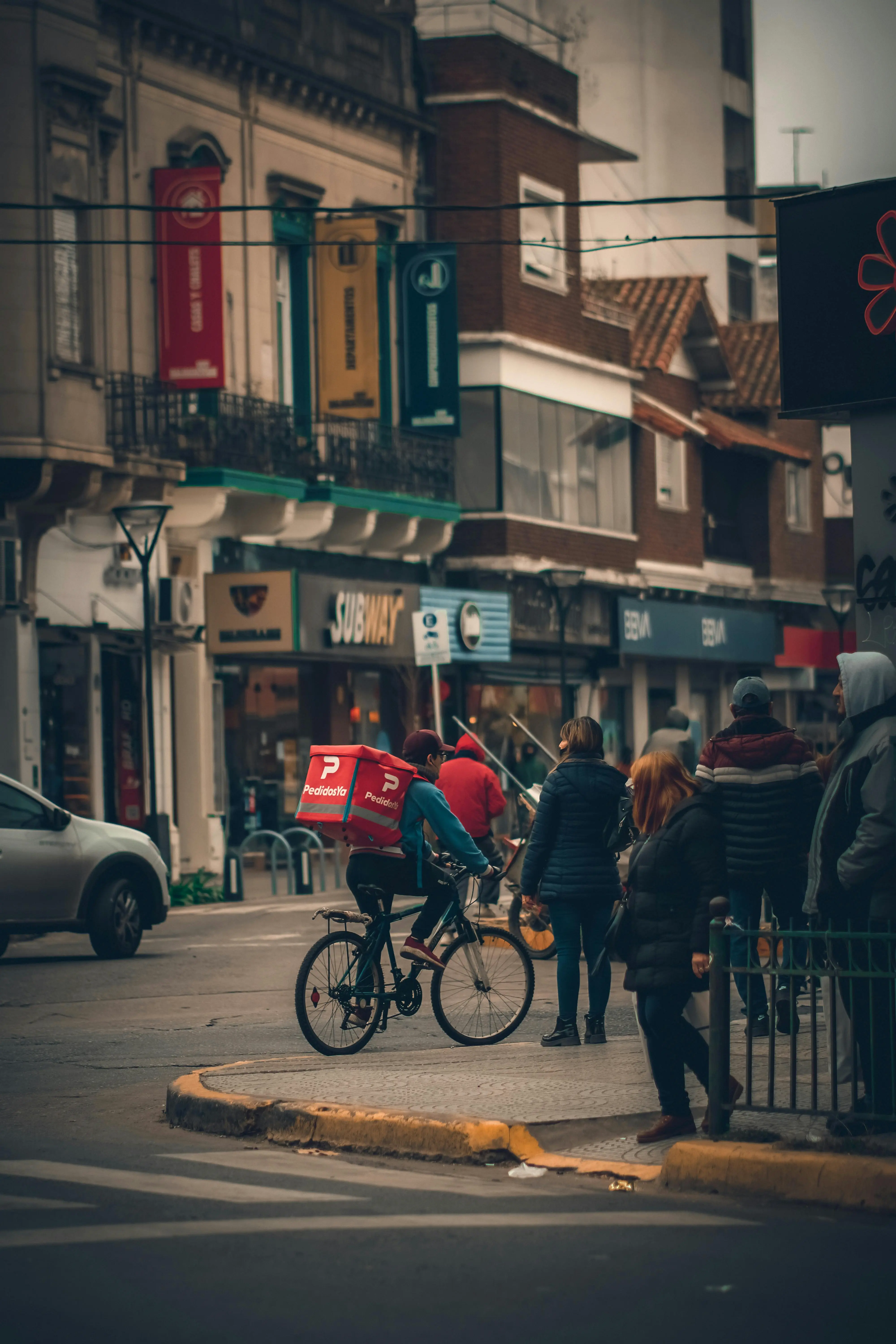
Biking is growing but infrastructure lags — bike lanes exist in Palermo and Puerto Madero, less so elsewhere
Uber and Cabify work but verify driver details before getting in — scams targeting tourists happen near tourist zones
Conclusion: Where You Should Stay in Buenos Aires
Buenos Aires doesn't have one best neighborhood — it has neighborhoods for different priorities. Palermo Soho works if you want cafés, nightlife, and other remote workers within walking distance. Recoleta offers quiet and polish at a premium. San Telmo trades convenience for character. Villa Crespo cuts costs without losing access. La Boca is for photos, not sleeping. Most people test 2–3 neighborhoods before committing to a longer rental — the Sunday market in San Telmo alone justifies a couple nights there to see if the cobblestone streets and street art match your rhythm. If you're planning months in Buenos Aires, start with fully furnished apartments in Argentina in Palermo or Recoleta and adjust from there. The city rewards patience more than planning.