

Sophia A
Wellbeing & Living Editor ·
Barcelona is one of those cities that earns its reputation — the sun shines more than 300 days a year, the food is serious, and the Mediterranean is ten minutes from most central neighborhoods. But expat life here is not as frictionless as the Instagram version suggests. Rents have climbed sharply, the bureaucracy is genuinely difficult, and the city moves on its own schedule, which is not yours. This guide does not tell you it is a wonderful place to live — you already know that. It tells you what it actually costs, where to base yourself, how the language situation works, and what surprises most people in the first three months.

This guide covers:
How many expats actually live in Barcelona and what that means for your social life
The best neighborhoods for remote workers and what each one costs
The real cost of living — rent, food, transport, healthcare
Language: Spanish, Catalan, and what non-Spanish speakers actually need to know
How to find housing, open a bank account, and survive the bureaucracy
Where digital nomads and remote workers find community
How Many Expats Live in Barcelona — and What Living in Barcelona as an Expat Actually Looks Like
In 2025, 26.4% of Barcelona residents are foreign nationals — close to 460,000 people out of a city of roughly 1.7 million. That is not a small expat community tucked into one neighborhood; it is a structural part of how the city functions. You will meet other expats constantly, sometimes to a fault.
How Many Expats Call Barcelona Home — and Where They Come From
The expat population here skews younger than in most other European cities, and it comes from everywhere — Latin America, the UK, Germany, Italy, France, the US.
Approximately 460,000 foreign nationals in Barcelona as of 2025 — about one in four residents
Younger expats dominate the Gràcia, Poblenou, and El Born areas; families tend toward Sarrià and Sant Gervasi
Barcelona ranks 12th out of 53 cities in the Quality of Life Index — 88% of expats report satisfaction with the weather
Many arrive for tech, tourism, or English teaching — the job market is narrower than the city's profile suggests
The density of the expat community means it is easy to arrive and find your footing socially — but it also means you can spend six months in Barcelona barely engaging with local culture if you are not deliberate about it.
Expat Community Networks: Where People Actually Connect
Finding other expats is not the problem in Barcelona — the challenge is finding people who are staying.
The Social Hub Cowork — monthly desks from €150, strong tech and freelance crowd, less tourist-facing than Eixample options
Internations and Meetup host regular events; both are free to join, though Internations charges for premium events (~€20–€30)
Barcelona International Community Day — annual city-council event, free, useful for new arrivals navigating admin and services
Facebook and WhatsApp groups ("Barcelona Expats", "Barcelona Digital Nomads") move fast — housing leads, event tips, bureaucracy questions all live here
The transient nature of the city is real — many newcomers find it harder to make lasting friendships than they expected, because the people they meet are often passing through on the same two-month lease.
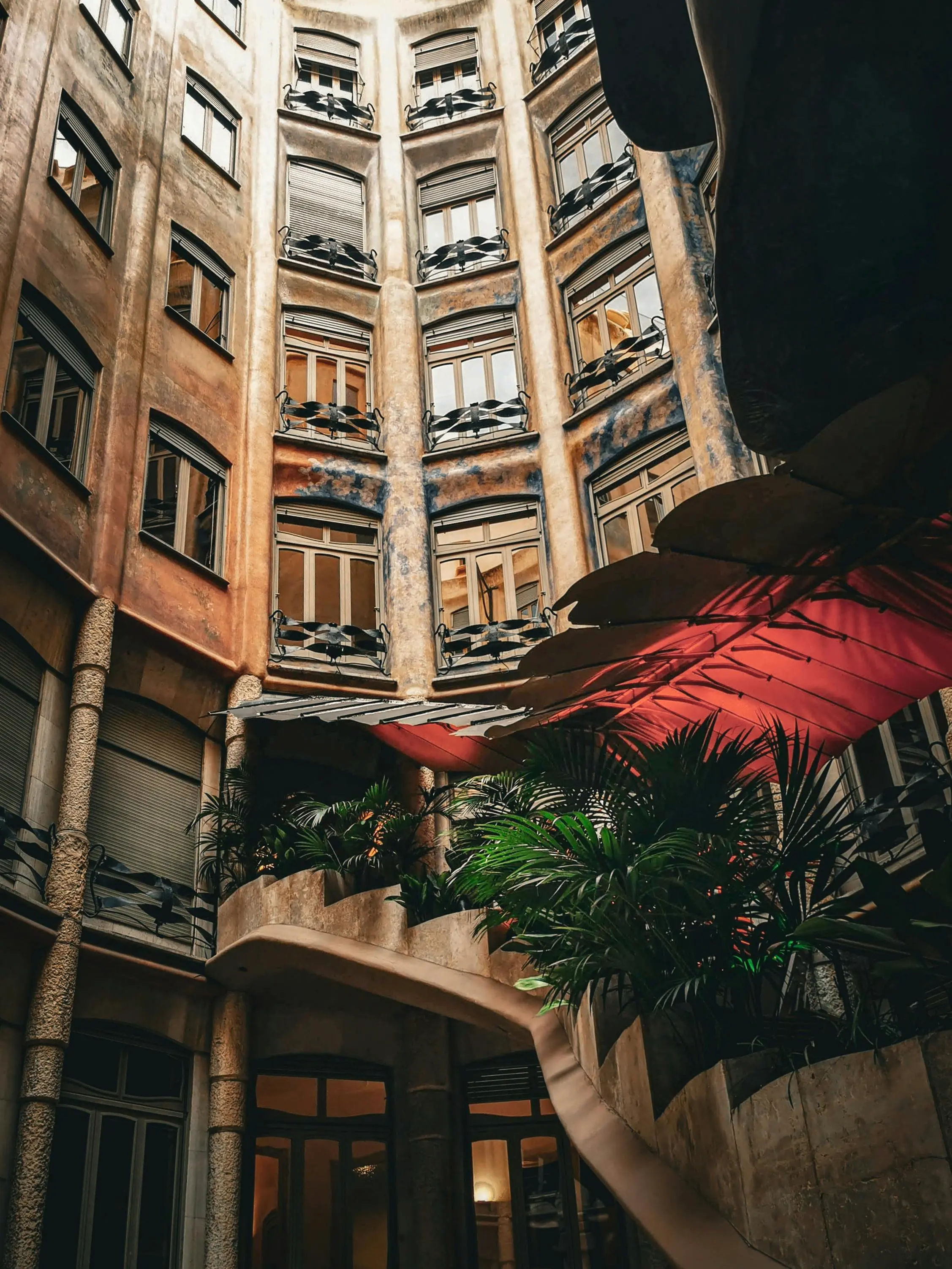
As a living-in-Barcelona expat, you will quickly discover that the Eixample district has more English-speaking neighbours within a three-block radius than most people expect — roughly 1 in 5 residents in some streets is foreign-born.
The Best Neighborhoods for Living in Barcelona — Expat Life by Area
Where you live in Barcelona determines more than your commute — it sets your budget, your noise level, your proximity to tourist attractions you will stop visiting after week two, and the kind of people you run into at 9am. The city center is not always where you want to be.
El Born: High Density, High Cost, High Energy
El Born is where a lot of people want to live when they arrive and where some of them stay — but it comes with a price and a crowd.
One-bedroom apartments: €1,200–€1,500/month — expect the lower end only in older buildings without lifts
El Nacional — food hall on Passeig de Gràcia, useful for sampling local food quickly, expect €20–€30 a head
Mass tourism peaks here harder than in most other central neighborhoods — Las Ramblas is a ten-minute walk, and you feel it
Strong café and coworking density; Nomad Coffee/@41.3906379,2.1580917,15z/data=!4m7!3m6!1s0x12a4a2fae7bd7d17:0xaca3bd2eb93f1f15!8m2!3d41.3889218!4d2.1770391!15sCiVOb21hZCBDb2ZmZWXCoG9uIENhcnJlciBkZWwgUGFybGFtZW50WiYiJG5vbWFkIGNvZmZlZSBvbiBjYXJyZXIgZGVsIHBhcmxhbWVudJIBC2NvZmZlZV9zaG9w4AEA!16s%2Fg%2F11b620zksj) on Carrer del Parlament is the benchmark for speciality coffee in the city, ~€4 flat white
El Born works best if you want to be in the thick of things and your budget can absorb it — but if you are here for three months or more, the tourist areas wear thin faster than you think.
Poblenou: Where Digital Nomads and Remote Workers Actually Settle
Poblenou is the most honest neighborhood for remote workers — it has the infrastructure, it is calmer than El Born, and it is still coastal.
One-bedroom apartments: €1,000–€1,300/month — more space for your money than any other central neighborhood
Talent Garden coworking — day passes from €15, monthly from €180, reliable gigabit internet
Barceloneta beach is a 15-minute walk; Rambla del Poblenou is quieter than Las Ramblas and actually used by residents
The tech and startup scene here is real — Mobile World Congress anchors the area's professional identity
Explore Poblenou in our neighbourhood guide — it is the neighborhood that keeps the most people who arrive planning to leave after a month.
Browse Barcelona homes near this area
Gràcia: The Village That Happens to Be a Major City
Gràcia feels like a small town dropped inside a big city, which is either exactly what you want or not what you came to Barcelona for.
One-bedroom apartments: €1,100–€1,400/month — rents are lower than Eixample for similar quality
Bar Calders on Carrer del Parlament — outdoor tables, vermouth from €3, the neighbourhood social rhythm in one place
Strong local feel — more Catalan-speaking than other areas, which is good context if local integration is a priority
Green spaces nearby: Park Güell is walkable, though the ticketed zone gets crowded; the free outer terraces are worth knowing
Gràcia suits people who want to feel embedded rather than transient — but the relative quiet costs you proximity to the coast and the startup corridor.
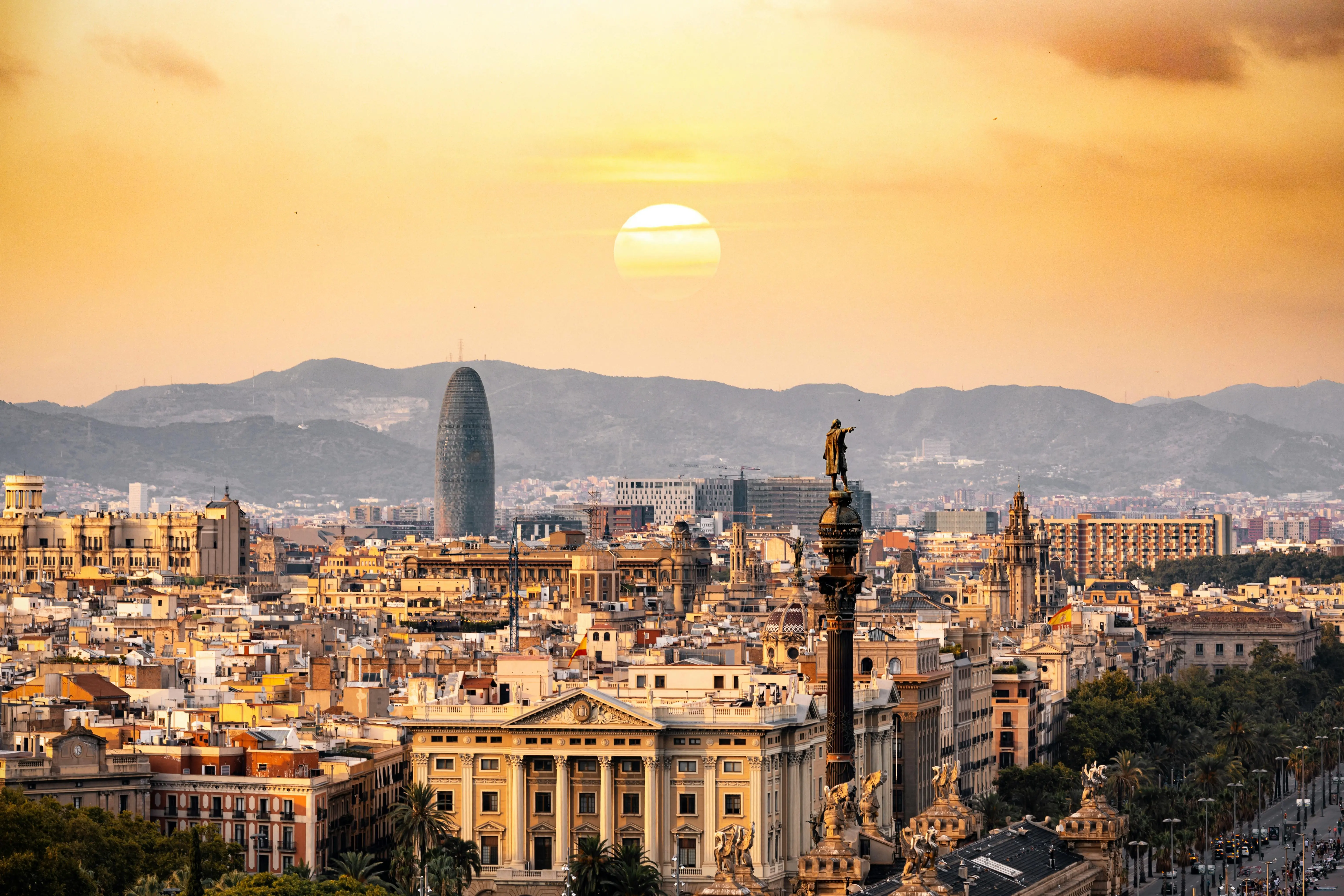
Poblenou has become the default landing zone for non-Spanish speakers because the high concentration of tech workers means English is genuinely usable day-to-day, especially along Rambla del Poblenou.
Neighbourhood | Monthly Rent (1-bed) | Vibe | Best For | Key Advantage |
|---|---|---|---|---|
El Born | €1,200–€1,500 | Dense, social, loud | Short stays, social prioritisers | Best café and bar density in the city |
Poblenou | €1,000–€1,300 | Calm, coastal, tech-leaning | Remote workers, longer stays | Space, coast access, coworking infrastructure |
Gràcia | €1,100–€1,400 | Neighbourhood feel, local | Expats wanting local integration | Quiet streets, strong local culture |
Eixample | €1,300–€1,800 | Central, grid layout, walkable | Families, professionals | Access to everything, excellent public transport |
Sarrià–Sant Gervasi | €1,400–€2,000 | Quiet, residential, affluent | Families, longer-term expats | Schools, green spaces, calm above the city noise |
Find fully furnished apartments in Barcelona across all these neighborhoods — filtered by move-in date and minimum stay.
The Real Cost of Barcelona Life — What a Single Expat Actually Spends
Barcelona is the most expensive of the major Spanish cities — more than Madrid, Valencia, and Seville — but it is still roughly 39–41% cheaper than New York. That gap sounds reassuring until you look at local salaries, which average €28,142 per year. If you are earning in dollars or pounds, the city is excellent value. If you are trying to earn locally, the maths is harder.
Rent: The Number That Drives Every Other Decision
Rent in Barcelona has been pushed up by short-term rental platforms and persistent demand — the market does not reward waiting.
One-bedroom apartment in central neighborhoods: €1,096–€1,438/month depending on location and building age
Shared rooms: €500–€800/month — viable for short stints, not for six months of focused work
Average price of housing: €1,990 per square meter to buy; rental average around €11.80 per square meter per month
A 70-square-meter apartment at market rate costs roughly €800–€850/month outside the city center — the cost of living in central Barcelona pushes most longer-term expats outward
The vast majority of expats who stay longer than three months end up in Poblenou, Gràcia, or the upper Eixample rather than El Born — not because those neighborhoods are better, but because the rent is survivable over a sustained period.
You can save money on groceries by shopping at Mercadona instead of the tourist-facing markets — a weekly shop for one person runs about €60 at Mercadona versus €100+ if you're buying from La Boqueria stalls.
Food, Transport, and the Day-to-Day Numbers
Groceries and transport are where Barcelona is genuinely affordable compared to other European cities — eating out is where the bill climbs.
Groceries: €200–€350/month per person — Mercadona keeps costs low if you cook most meals
A sit-down restaurant meal averages €18; a menú del día at lunch runs €12–€15 and is the best low cost option in the city
Monthly transport pass: €20 — the metro runs every three minutes and covers the entire city; 91% of expats report satisfaction with public transport affordability
Single metro ticket: €2.40; a 10-journey T-Casual card: €11.35 — if you are here for a month, the monthly pass wins
A single expat living comfortably — not cheaply — budgets roughly €1,700–€2,170 per month; a family of four needs €3,000–€4,000 once you factor in schooling and private healthcare.
Language in Barcelona: What Non-Spanish Speakers Actually Need to Know
Barcelona has two official languages — Spanish and Catalan — and the relationship between them is not neutral. This is not like visiting a European country where English fills the gap. The language situation here has texture, and it affects daily life more than most guides acknowledge.
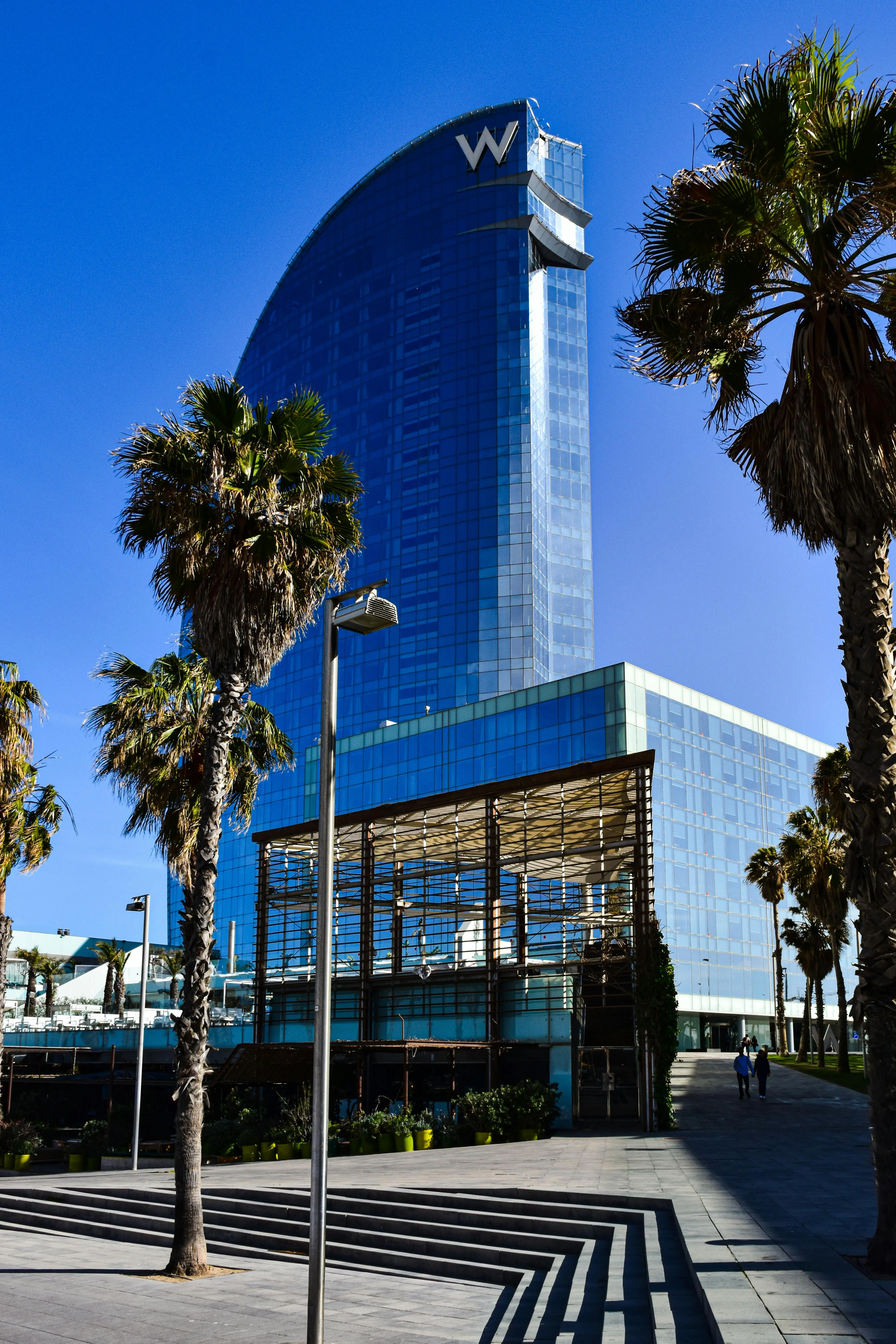
Catalan and Spanish: What the Two-Language Reality Means for Expats
Catalan culture is distinct from Spanish culture — locals are proud of the difference and you will notice it within days of arriving.
Many Barcelona residents default to Catalan in everyday situations — shops, markets, local services, and government offices all operate primarily in Catalan
Basic Spanish gets you through most interactions — but a Spanish-speaking friend helps enormously for anything bureaucratic, medical, or contractual
Catalan is the official language of local government; job listings in many sectors require Catalan in addition to Spanish
Learning Catalan signals commitment to local integration; learning Spanish is the floor, not the ceiling
English language skills among service staff in Barcelona are reasonable in Gràcia and El Born but drop off sharply in working-class neighbourhoods like Sant Andreu, where showing up with a translation app is genuinely necessary for anything beyond ordering coffee.
For non-Spanish speakers, the Gràcia neighbourhood is significantly more forgiving than Sarrià — younger locals there will switch to English mid-sentence rather than wait for you to fumble through a menu.
Barcelona Life Without Fluency — and How Far a Foreign Language Gets You
In the cosmopolitan cities of northern Europe, English as a foreign language carries you further than it does in Barcelona — that is worth knowing before you arrive.
Tourist areas and hospitality: English is fine, sometimes Catalan-first, usually Spanish-second
Government offices, healthcare, and housing contracts: a Spanish-speaking friend or a paid gestor is not optional — it is the pragmatic choice
Younger expats in coworking spaces and startups speak english as a working language — outside that bubble, do not assume
Language exchanges are common in Barcelona and genuinely useful: Bar Marsella in the Raval hosts informal language exchange nights weekly; many are listed on Meetup for free
The expat experience in Barcelona for non-Spanish speakers is entirely manageable — but the people who find the city most rewarding are those who treat basic Spanish as a minimum, not a bonus.
Safety, Scams, and What Barcelona Actually Feels Like to Live In
Barcelona is a safe city by most measures — but it has a pickpocket problem that is serious enough to shape how you move through it, especially in your first few weeks. Once you adjust, it stops feeling threatening and starts feeling like a city with a known quirk you have learned to navigate.
Where the Risk Is Real and Where It Isn't: La Rambla to Barceloneta Beach
The risk in Barcelona is concentrated and predictable — which means you can largely route around it once you know what you are dealing with.
La Rambla, the Gothic Quarter, and Barceloneta Beach in summer are where most incidents of petty crime happen — not random, not violent, just opportunistic and frequent
Pickpockets operate on the Metro during rush hour — Line 3 between Parallel and Drassanes, and Line 5 at Diagonal, are the highest-frequency stretches
If something is taken, report it at the Comissaria Les Rambles on La Rambla itself — it exists specifically for tourist and expat theft reports, and you will need the documentation for any insurance claim
Residential neighbourhoods — Gràcia, Sarrià, Sant Andreu, Horta — feel different. Not all of Barcelona is La Rambla.
After a month, most expats stop thinking about safety as an active concern — the adjustments become automatic, and the city opens up considerably once you stop carrying everything you own in a backpack on both shoulders.
If your bag is stolen, file a denuncia at the nearest Mossos d'Esquadra police station within 24 hours — your travel insurer will reject the claim without the reference number, and the Mossos on Carrer Nou de la Rambla accept walk-ins most mornings before 10am.
Building a Social Life: Expat Networks Versus Local Integration
Barcelona offers a dense social infrastructure for new arrivals, but there is a real difference between the expat circuit and actually meeting Catalan people — and only one of them will make you feel like you live here.
Meetup.com lists language exchanges, hiking groups, and professional networking events weekly — this is where most expats build their initial social life and it genuinely works as a starting point
Internations and similar platforms run structured social events — useful for an extensive network early on, less useful once you want to go deeper than surface-level connections
La Cerveceria Catalana on Carrer de Mallorca in Eixample draws a mixed crowd of locals and expats after 8pm — cheaper than the tourist belt, better conversation
Many locals socialise in tight pre-existing circles; breaking in takes months, not weeks — do not mistake friendliness for friendship in the first month
The expats who feel most settled after six months are almost always the ones who pushed past the English-language expat bubble early — even imperfectly, even awkwardly.
Visas, Residency, and the Paperwork You Cannot Ignore
Spain is an EU country with a well-defined residency process — but the bureaucracy moves slowly, the queues are real, and the rules differ depending on whether you are an EU citizen or arriving from outside the bloc. Getting this wrong costs months.
EU Citizens: Bank Accounts and Bureaucracy
If you hold an EU passport, you have the legal right to live in Spain — but you still need to register, and skipping that step causes problems when you need healthcare, a bank account, or a long-term lease.
Register at the Oficina del Padrón Municipal in your local district within three months of arriving — this gives you a NIE number, which you will need for almost every formal transaction
Book appointments online through the Ajuntament de Barcelona portal — walk-ins are rarely accepted and the wait for the next slot is typically two to four weeks
Bring your passport, proof of address (a rental contract works), and two passport photos — the requirements are consistent but worth verifying before you go
Health coverage through the public system (the tarjeta sanitaria) follows from Padrón registration — without it, you are paying out of pocket or relying entirely on private insurance
The single most derailing moment in any expat journey to Barcelona is discovering that your NIE appointment at the Comisaría de Extranjería on Carrer de la Diputació is booked out three months in advance — apply online the week you decide to move.
The Padrón is the foundation everything else builds on — do it early, even if it feels premature, because the appointment backlog means starting late costs you real time.
Non-EU Citizens: The Residence Permit Reality Compared to Other European Cities
For non-EU nationals, the residence permit process is more involved — and the Spain Digital Nomad Visa has made Barcelona significantly more accessible to remote workers, but it comes with conditions that not all applicants meet.
The Digital Nomad Visa requires proof of employment or client contracts with companies outside Spain, a minimum monthly income of roughly €2,334 (2.0x the Spanish minimum wage), and private health insurance with no co-pay clause
Most expats apply from their home country at a Spanish consulate — applying in-country is possible but more complex and not always faster
A gestor (an administrative professional who handles paperwork on your behalf) costs €150–€400 for the full application but is worth every cent — the filing errors that delay applications are mostly avoidable with professional help
Processing times run six to twelve weeks — plan your housing situation accordingly, because committing to a long lease before your visa is confirmed is a gamble
Citizens from most European countries can register directly at the Oficina de Empadronamiento with just a passport and a rental contract, skipping the NIE queue entirely — a significant advantage that non-EU arrivals do not get.
Booking your NIE appointment at the Comisaria de Via Laietana without a Spanish-speaking friend to help navigate the automated phone system adds at least two weeks to the process — the prompts do not offer an English option.
Budgeting Realistically: What It Costs to Live Comfortably in Barcelona
Barcelona is cheaper than London, Paris, or Amsterdam — but not by the margin people assume before they arrive. The housing situation has tightened considerably since 2022, and your disposable income after rent depends almost entirely on which neighbourhood you choose and whether you are earning in a stronger currency.
Monthly Budget Benchmarks for Remote Workers
These are not aspirational figures — they are what a single remote worker actually spends living here without cutting corners or living like a student.

Rent: €1,100–€1,600 for a furnished one-bedroom in Eixample, Gràcia, or Poblenou — less in Sant Andreu or Horta, more in the Gothic Quarter or Barceloneta
Groceries: €200–€300/month if you cook most meals — Mercat de l'Abaceria in Gràcia has good fresh produce at non-tourist prices; Mercadona is the reliable everyday option
Eating out: a Menú del Día at a neighbourhood restaurant runs €11–€14 including wine; evening meals at a sit-down restaurant average €20–€35 per person with drinks
Barcelona Metro monthly pass: €40 (T-Casual 10-trip) or €80 for unlimited — most expats find the 10-trip card sufficient if they live centrally and walk for shorter distances
Total monthly spend for a comfortable but not extravagant life — rent, food, transport, occasional nights out, a gym — lands between €2,200 and €2,800. Earn more money than that in a currency stronger than the euro and Barcelona rewards you for it; earn less and the housing situation becomes the first thing that squeezes you.
Where Expats Leak Money Without Noticing
Barcelona has a specific set of budget traps that are easy to fall into when you are new and still figuring out which version of the city you actually inhabit.
Short-term furnished apartments at tourist rates — paying €1,800/month for a place worth €1,200 on a six-month contract is a common first-month mistake; most expats renegotiate or move after the first lease ends
Eating near La Rambla more than twice — a €14 menu becomes €22 and the food is not better; the city offers far better value three blocks inland
Private health insurance with co-pay clauses — these are ineligible for the Digital Nomad Visa and also tend to underdeliver in practice; budget €80–€150/month for a policy that actually covers you
Coworking day passes at premium spaces — €25–€35/day adds up to more than a monthly membership; Aticco in Eixample runs monthly memberships from €180 and is worth the commitment if you need a consistent desk
Barcelona runs about 20–30% more expensive than other Spanish cities like Valencia or Seville, so if your remote salary is on the lower end, those cities will stretch your budget significantly further.
Barcelona is the Catalan capital, not just a Spanish city, and that distinction shapes everything from the signage to the politics to the way locals react when you automatically default to Castilian Spanish.
Is Barcelona Right for You? An Honest Conclusion
Barcelona suits a specific kind of expat: someone who earns in a currency stronger than the euro, does not need hand-holding through bureaucracy, and is willing to put in the early effort — on language, on paperwork, on finding housing that is not priced for short stays. The Mediterranean Sea, the food, the architecture, the pace of life after 8pm — all of it is real, and none of it is exaggerated.
It is harder to settle here than the lifestyle content suggests. The housing situation is genuinely competitive as compared to other cities, not speaking Spanish limits you more than it does in northern European cities, and the bureaucracy requires patience. But the expats who push through the first three months almost universally stop thinking about leaving.

If you are ready to commit — to a furnished apartment rather than an Airbnb, to learning some Spanish, to registering properly — Barcelona delivers on its reputation. Explore fully furnished apartments in Spain and find a place that lets you start your new life from a stable base rather than a suitcase.