Sophia
Wellbeing & Living Editor ·
Barcelona doesn't work as a two-week trip. It works as a two-month stay. The city rewards the digital nomad who slows down enough to find a favourite bakery, figure out which beach is actually quiet on a Tuesday, and stop treating the Gaudí landmarks as a checklist. The trade-off is real: Barcelona is not cheap, the tourist infrastructure runs loud through most of summer, and the best accommodation goes to people who plan ahead. But for a slowcation, it remains one of the few European cities where the balance between serious work and genuine living tips decisively in your favour.
This guide covers:
What a slowcation in Barcelona actually looks like day-to-day
The best neighbourhoods for long-term stays, with honest trade-offs
Finding accommodation that works for more than a weekend
Coworking spaces worth your money and cafes worth your time
Visa and legal requirements for staying legally
How to balance work and exploration without burning out on both
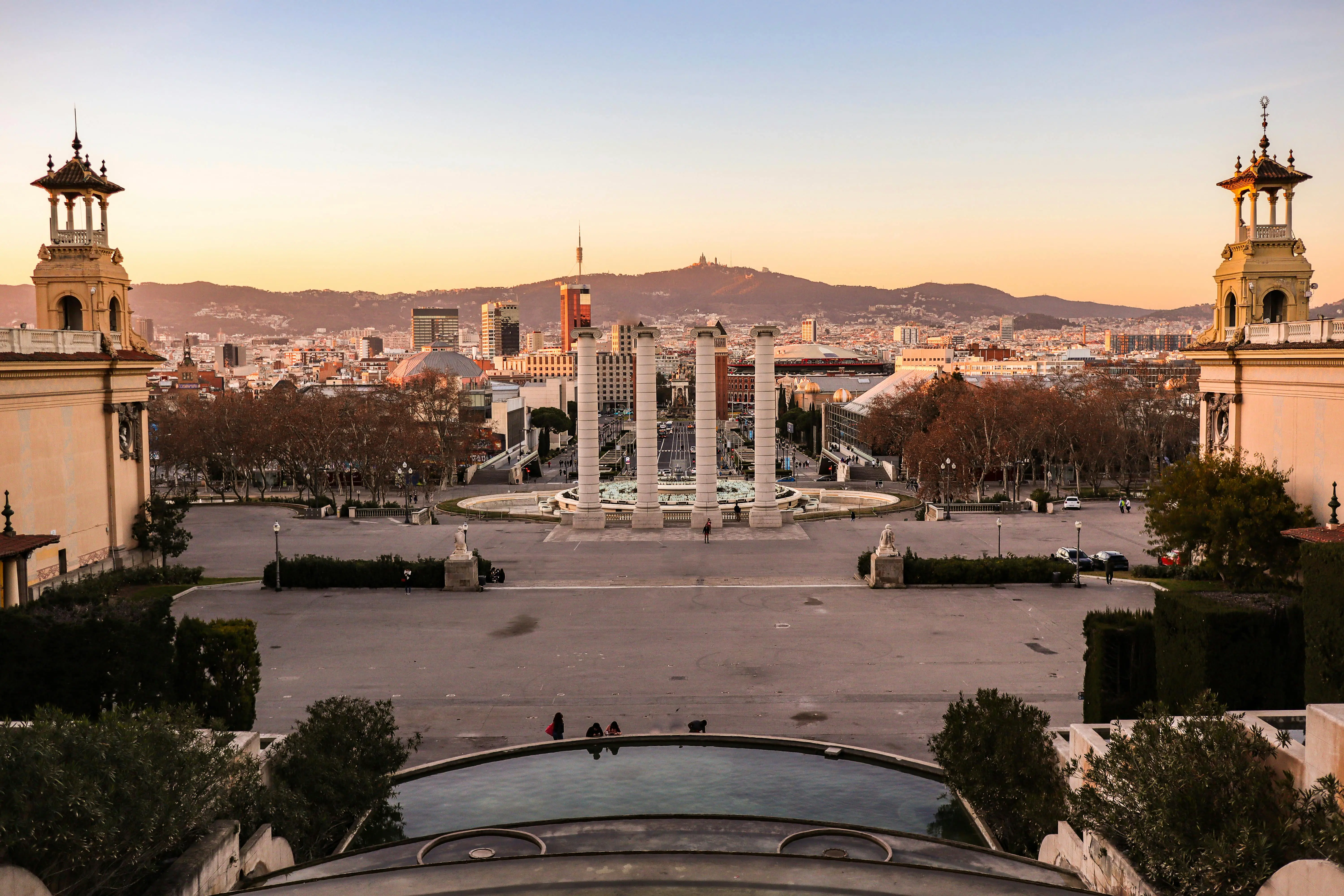
What It Means to Slowcation as a Digital Nomad in Barcelona
How Barcelona's Structure Makes Slowcation Work
The city is built in a way that accidentally solves most of the problems that make long-term remote work in other cities exhausting.
Gràcia offers quiet coworking spaces within walking distance of daily errands — no commute, no car
Mercat de l'Abaceria gives you a real lunch break with real food, not a desk sandwich
The beach is reachable on foot or by metro from most central neighbourhoods by late afternoon
Each neighbourhood runs at its own social temperature, so you can choose your baseline noise level when you pick where to stay
The shift from tourist to temporary resident usually happens around week three — when you stop photographing your coffee and start having opinions about who pulls the best shot.
When You Arrive Shapes the Entire Experience
Barcelona during peak summer and Barcelona in October are not the same city, and choosing your window is one of the most consequential decisions you'll make.
June through September brings sustained tourist volume that changes street-level life in the most-visited neighbourhoods dramatically
October arrivals find cheaper accommodation, emptier coworking spaces, and a local rhythm that resurfaces once the season ends
Peak summer still works for a slowcation, but you're trading quiet for sunshine — that's a real trade-off, not a minor inconvenience
Shoulder and off-season stays tend to accelerate the feeling of actually living somewhere rather than visiting it
Nomads who arrive in autumn often describe it as discovering a second city underneath the one they thought they were coming to.
Working With Barcelona's Schedule, Not Against It
The nomads who have the best time here are the ones who stop treating the city's rhythm as an obstacle and start treating it as the point.
Shops close between 2pm and 4pm — protect your deep work for mornings and you'll never notice
Dinner before 9pm marks you as a tourist; eating when locals eat puts you in a different social register entirely
Morning hours are genuinely quieter and cooler, making them the natural fit for focused output
Evenings belong to the city — the slowcation works when you let that be true
Trying to run a strict 9-to-5 in a city that considers 10pm early doesn't make you productive — it just keeps you slightly at odds with everything around you for the entire stay.
Most slowcationers in Barcelona find they can enjoy a full month of beaches, markets, and long lunches for under €2,500 all-in — something a two-week tourist sprint makes impossible.
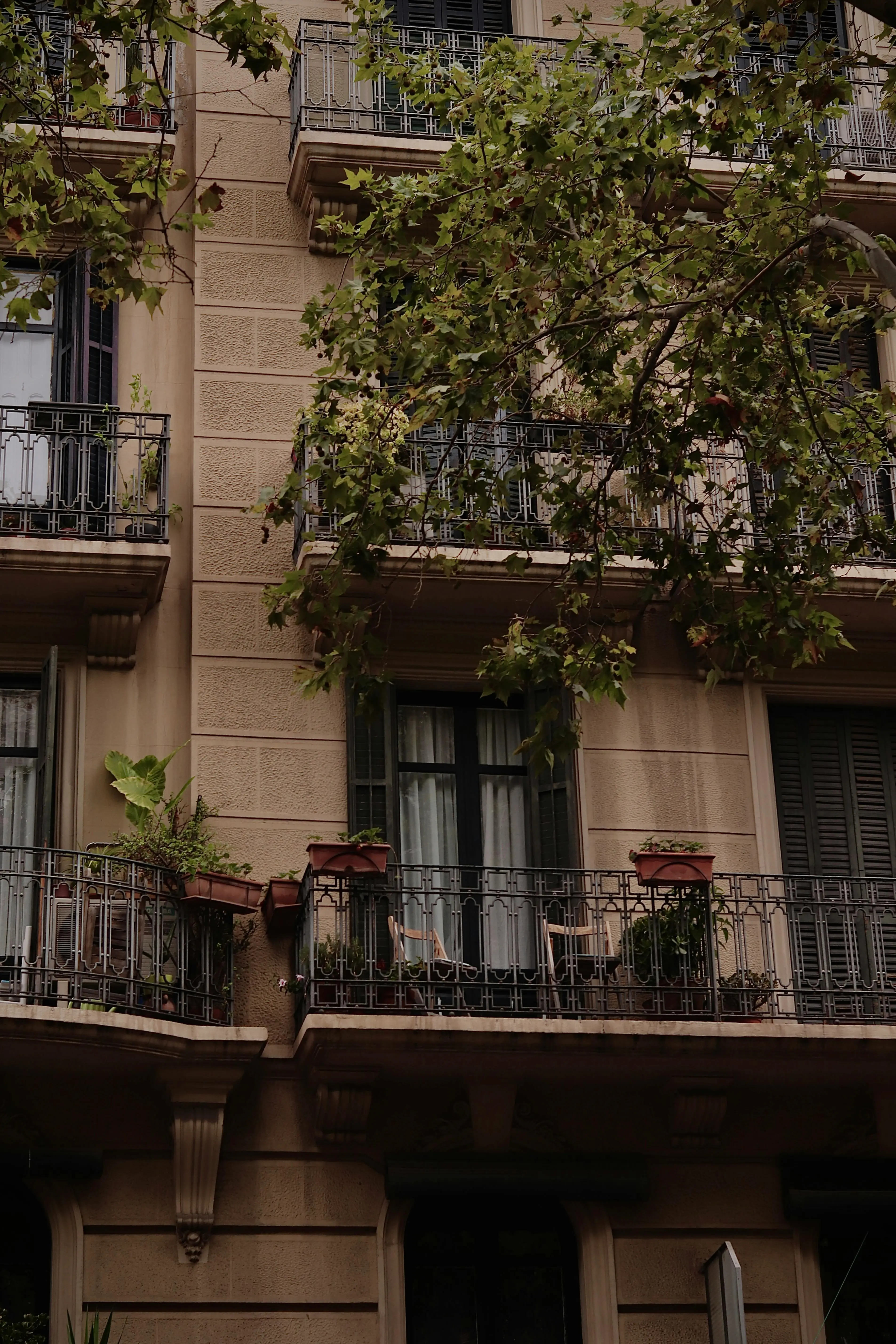
Best Neighbourhoods for Digital Nomads in Barcelona
Where you live in Barcelona is the single biggest variable in how your slowcation goes. The city has distinct neighbourhoods with entirely different characters — choosing wrong means spending a month in the wrong version of Barcelona.
Eixample: The Reliable Base for Most Digital Nomads
Eixample is the default choice for a reason: it's central, walkable, and has more cafes and coworking spaces per block than anywhere else in the city.
Federal Café — flat whites around €3.50, reliable WiFi, best before 11am when the tables fill with laptops
Long-term studios from €900/month on Carrer del Consell de Cent, 1-beds from €1,200/month
Direct metro access to every major area of the city — Line 2 and Line 5 both run through here
Sagrada Família is within walking distance, which sounds exciting until you realise the tourist crowds circle the whole neighbourhood in summer
Eixample is the neighbourhood that works for almost every digital nomad profile — it's not the most exciting choice, but it's the one with the fewest friction points.
Gràcia: For Digital Nomads Who Want to Feel Like a Local
Gràcia is the neighbourhood Barcelona residents actually choose when they want a quieter life without leaving the city.
Cafè del Sol — pavement tables on Plaça del Sol, good for long working sessions on weekday mornings before the square fills up
Smaller apartments, typically €800–€1,100/month for a studio — older buildings, fewer lifts
Mercat de l'Abaceria — local market on Travessera de Gràcia, produce and cheese worth building your lunch routine around
Quieter at night than Eixample, which matters if you work European morning hours
If you want Barcelona to feel less like a tourist destination and more like a real city you inhabit, Gràcia is where that experience lives. Explore Gràcia in our neighbourhood guide.
Poblenou: The Tech-Forward Option
Poblenou is where Barcelona's creative and tech industries concentrated after the city redeveloped the old industrial district — it has a different energy from the tourist-heavy centre, and the coworking spaces here are among the best in the city.
Aticco Coworking Poblenou — day passes from €15, strong community of digital nomads and local startups
Rambla del Poblenou is a quieter, local version of La Rambla — restaurants here serve real meals at real prices
Studios from €950/month, and newer builds with better insulation than central Barcelona's 19th-century stock
The beach is a 10-minute walk, which changes your after-work options completely
Poblenou suits digital nomads who want serious work infrastructure alongside actual beach access — it's the neighbourhood that delivers both without asking you to compromise on either.
Browse Barcelona homes near this area
Barceloneta: Beach Vibes and Real Compromises
Barceloneta looks ideal on paper — beachfront living in a Mediterranean city — but the reality for a long-term digital nomad is noisier and more expensive than the postcard suggests.
Short-term rental prices are high: studios start at €1,200/month and rarely include the quiet you're paying for
Summer nights are loud until 3am; if you work mornings, that conflict is constant from June to September
Bar Leo — a genuinely local breakfast spot that predates the tourism, churros and coffee for under €5
Works well as a base in shoulder season (October to November, March to April) when the crowds thin out
Barceloneta works for a month in October. It's a harder sell for a long-term working base in July.
Gràcia delivers experiences that Eixample simply cannot — the Festa Major de Gràcia in August closes entire streets for a week of neighbourhood-built art installations that cost nothing to walk through.
Neighbourhood | Monthly Rent | Vibe | Best For | Key Advantage |
|---|---|---|---|---|
Eixample | €900–€1,400 | Urban, central, busy | First-time long stays | Best transit and café density in the city |
Gràcia | €800–€1,100 | Village-like, local | Digital nomads wanting local life | Quietest central neighbourhood |
Poblenou | €950–€1,300 | Creative, industrial-chic | Tech workers, coworking regulars | Beach access + serious work infrastructure |
Barceloneta | €1,100–€1,500 | Loud, touristy, beachfront | Shoulder season stays | Immediate beach access |
Browse Barcelona homes near this area
Finding Accommodation and Coworking Spaces in Barcelona for a Slowcation
Accommodation in Barcelona splits into two categories: what's available on short-term booking platforms and what's available when you look harder. The first category is expensive and designed for tourists. The second is where digital nomads who plan ahead find the real value.
What to Look for When Finding Accommodation
Barcelona's long-term rental market moves fast, and furnished apartments with month-to-month flexibility are the most contested product in the city.
Furnished studios in Eixample from €900/month on 30-day terms — Idealista and Spotahome both list these, though inventory moves within days
Coliving spaces like BCN Coliving on Carrer de Còrsega from €850/month all-inclusive — utilities, WiFi, and a built-in community of digital nomads
Avoid tourist apartment platforms for stays longer than two weeks — you pay a significant premium for what is essentially a hotel room with a kitchen
Direct landlord rentals through Facebook groups (Barcelona Expats & Digital Nomads, Barcelona Housing) regularly surface unfurnished apartments at €100–€200/month below platform prices
The best accommodation in Barcelona for a slowcation is the apartment you book four to six weeks before you arrive — leave it later and you're choosing from what's left. Find fully furnished apartments in Barcelona.
Aticco Coworking on Carrer de Pallars in Poblenou is a great base for €180 a month, giving you a dedicated desk, fast Wi-Fi, and a community of around 300 freelancers without the tourist-area markup.
Digital Nomad-Friendly Coliving Options
Coliving has expanded significantly in Barcelona, and the quality range is wide — some spaces are genuinely good, others are just expensive hostels with a desk.
Badi — room-share platform with verified listings across Gràcia and Eixample, from €600/month for a private room in a shared flat
The Centric — Eixample coliving with coworking included, from €1,100/month, consistently rated for WiFi reliability
Check whether the listed WiFi speed is symmetrical upload/download — video calls need upload as much as download, and older Barcelona buildings often have asymmetric connections
If you're arriving without a fixed plan, a coliving space for the first month gives you time to find a standalone apartment without making the wrong long-term commitment under pressure.
Visa and Legal Requirements for Working as a Digital Nomad in Barcelona
Spain is no longer a grey area for digital nomads. The Spain Digital Nomad Visa, introduced in 2023, gives non-EU remote workers a legal path to stay and work in Spain for up to five years — but it comes with genuine requirements, not just paperwork.
The Spain Digital Nomad Visa: What It Actually Requires
The Spain Digital Nomad Visa is the most discussed visa in the remote work world right now, and it's worth being clear-eyed about what it asks of you before you apply.
Minimum income requirement: €2,334/month (200% of Spain's minimum wage) — this threshold is firm and documented proof is required
Your work must be primarily for clients or companies outside Spain — working entirely for Spanish companies disqualifies you from this visa category
You need valid health insurance coverage for Spain — travel insurance is not sufficient; dedicated remote worker or expat health insurance policies meet the requirement
Applications are processed through Spanish consulates in your home country, not in Spain itself — allow 30 to 60 days for processing
The Spain Digital Nomad Visa is real, available, and well-structured — but digital nomads who arrive assuming they can sort the paperwork after landing will find the process significantly harder from inside the country.
Many nomads experience a rude surprise when they realise that overstaying the 90-day Schengen limit — even by a week — can trigger a re-entry ban that blocks future trips to Spain for up to three years.
EU Citizens and Short-Stay Digital Nomads
If you hold an EU passport, you can work remotely from Barcelona indefinitely — the visa framework doesn't apply to you, and Spain's administrative requirements are minimal for stays under 90 days without formal registration.
Non-EU nationals get 90 days visa-free under the Schengen Agreement — enough for a slowcation, not enough for a long-term stay
For stays beyond 90 days, the Spain Digital Nomad Visa is the correct route — attempting to extend a tourist stay is not a legal path
Register with the local Padró Municipal (municipal register) if you plan to stay more than three months — it unlocks access to local services and is required before applying for a Spanish tax number
The legal environment for digital nomads in Barcelona is clearer now than it has been in a decade — the question is whether you do the work before you arrive or scramble to do it once you're already there.
Getting Around, Staying Connected, and Making the Most of Barcelona's Infrastructure
Barcelona's transport and internet infrastructure are good enough that you stop thinking about them within a week — and that's exactly how it should be when you're trying to work, not troubleshoot logistics.
Transport: What Actually Works for Long Stays
The T-Casual card covers ten Metro or bus trips and costs €11.35 — after day three of a long stay, you stop counting journeys and just reload it.
Barcelona Metro — T-Casual card €11.35/10 trips; T-Usual monthly pass €40; covers most of the city without needing taxis
Bicing, Barcelona's bike-share scheme — €35/year for residents, €50 for non-residents; practical for Eixample and Poblenou, less useful in Gràcia's hills
The L5 line connects Gràcia to the city centre in under 12 minutes — if your neighbourhood has a direct Metro line, your commute to anywhere is solved
Airport connections from El Prat take 35 minutes by Aerobus (€6.75 one-way) — budget for it on arrival rather than assuming taxi prices are fixed
If your apartment is within five minutes of a Metro station, transport essentially disappears as a variable in your daily life — which is why checking that before signing anything matters more than it sounds.
Internet: What Nomads Actually Need to Know
Barcelona's internet infrastructure is solid, but "solid" means different things in a café versus a furnished apartment, and those two contexts require different decisions.
Fibre broadband in most central apartments runs at 300–600 Mbps — confirm speeds with your landlord before committing, especially for video-heavy work
Orange Coworking on Carrer de Provença — day pass €15, guaranteed fibre, quieter than most café environments; better for calls than most neighbourhood spots
Café WiFi is reliable at most specialty spots but becomes unreliable between noon and 3pm when tables fill — schedule video calls before 11am or after 4pm if you're working from a café
A local SIM from Vodafone or Movistar costs around €15–20/month for 20GB — useful as a backup, essential if your apartment router ever goes down mid-deadline
The nomads who report internet problems in Barcelona are usually the ones relying on a single source — building in a backup from day one removes the risk entirely.
Movistar offers a prepaid SIM with 30GB of 4G data for €15 a month, which is enough for a full remote workday without needing to rely on café Wi-Fi.
Seeing the City Without Losing Your Work Week
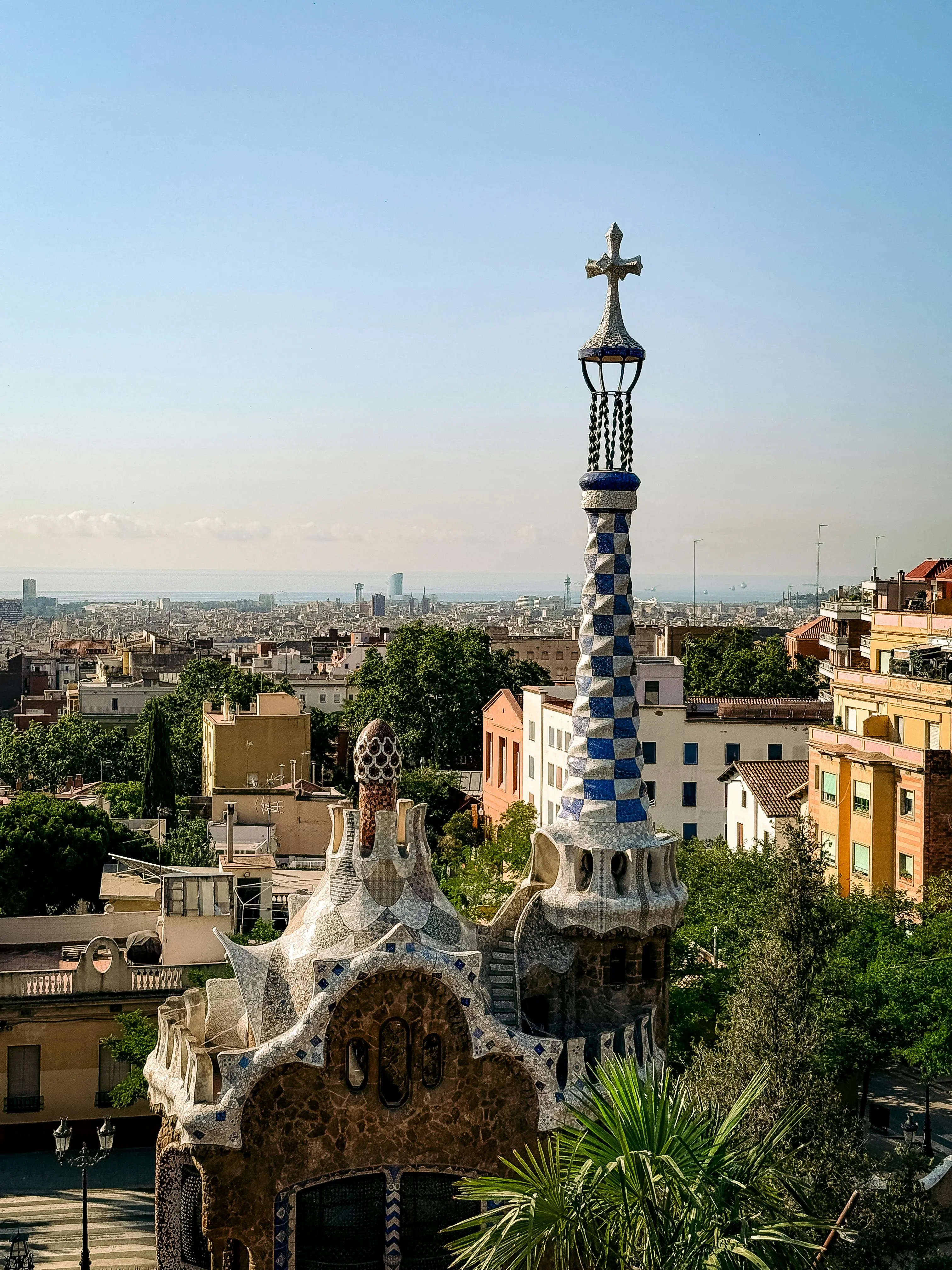
Sagrada Família, Park Güell, and the Gothic Quarter are all worth your time — but doing all three in one week is a tourist move, not a slowcation one.
Sagrada Família — book tickets online (€26–€36 depending on access level); go on a Tuesday or Wednesday morning to avoid weekend crowds
Park Güell — ticketed zone costs €10, free areas are genuinely worthwhile and far less crowded; the view from the viaduct is better than the main terrace for photographs
Gothic Quarter works best on foot at your own pace — La Rambla is the obvious entry point but the streets behind it, around Carrer del Bisbe, are where the neighbourhood actually makes sense
Barceloneta beach is 20 minutes from the Gothic Quarter by foot and free — it's a better end-of-day option in late September and October than mid-summer, when the heat makes it unworkable between noon and 5pm
The advantage of a long stay is that you can take advantage of every one of these without compressing them into a weekend — save the landmarks for midweek afternoons when your work is done and the queues are shorter.
Networking, Community, and Finding Fellow Digital Nomads in Barcelona
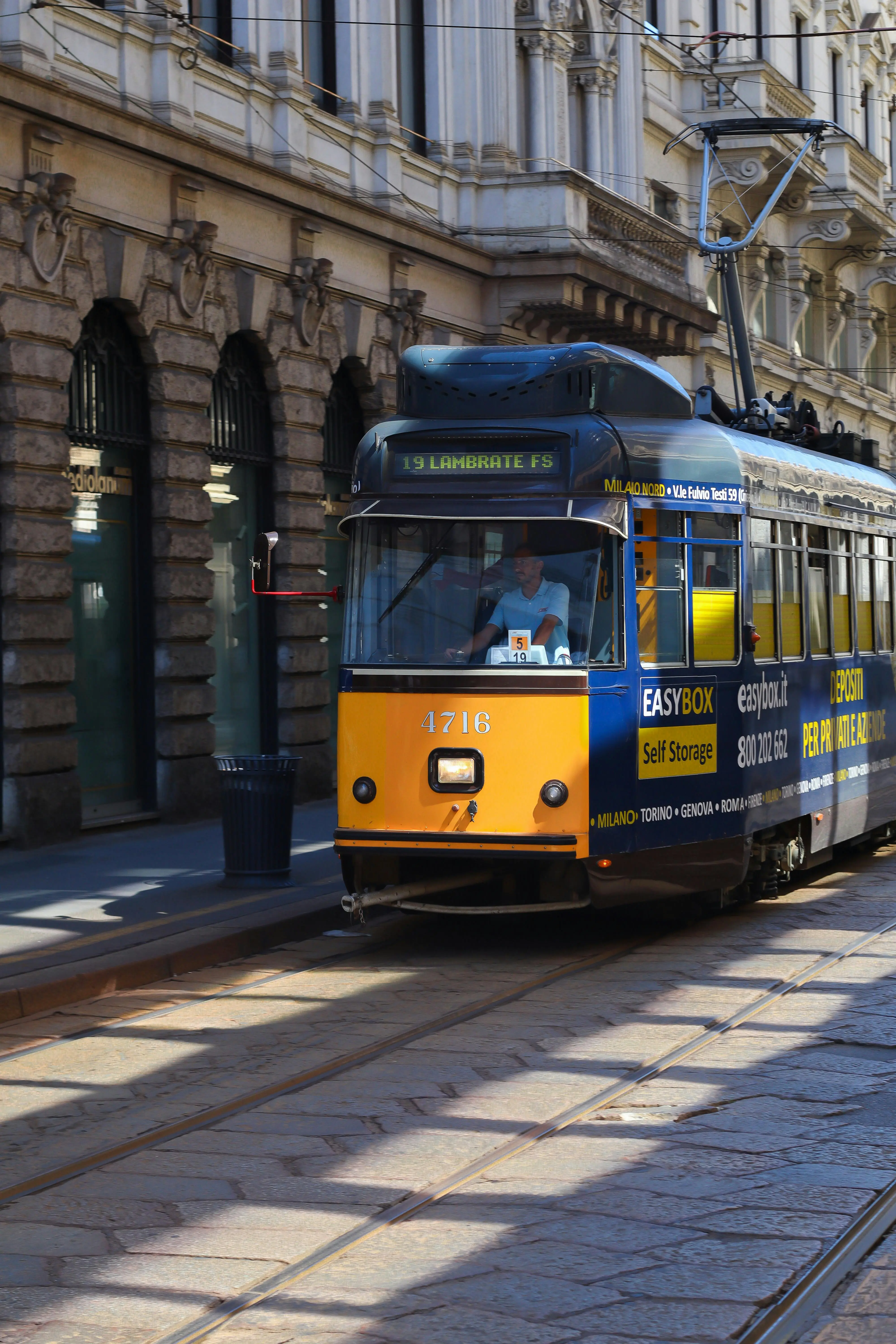
Barcelona has a large and genuinely active community of nomads — but it doesn't surface automatically. You have to go looking for it, and the places worth looking are more specific than a Google search suggests.
Where Barcelona Digital Nomads Actually Gather
The Barcelona digital nomads scene is concentrated in a handful of neighbourhoods and a handful of venues — and knowing which ones before you arrive saves you a week of trial and error.
Betahaus Barcelona in El Born — coworking from €150/month, regular community events, strong design and tech community; one of the top coworking spaces in the city for actual networking
MOB (Makers of Barcelona) in Gràcia — monthly membership from €160, community-first model, events calendar published monthly; better for creative and freelance nomads than corporate remote workers
El Born is worth mentioning specifically: smaller and more residential than Eixample, and the coworking density makes it a natural meeting point for fellow digital nomads even without a formal event
Nomad City conference runs annually in November — it's one of the top networking events in Southern Europe for location-independent workers and draws a different crowd than the regular meetup scene
The community here is real, but it rewards showing up consistently — one networking event tells you nothing, three regular events start to build something useful.
Betahaus Barcelona on Carrer de Viladomat is a great place to find fellow nomads — their Thursday evening community dinners regularly draw 30 to 50 people and cost nothing to attend beyond showing up.
Networking Events and How to Find Them
Networking opportunities in Barcelona are available every week of the year, but the quality varies enormously — and the best ones are not always the most visible ones online.
Barcelona Digital Nomads Meetup — free, runs monthly, typically 40–80 attendees; search on Meetup.com under "barcelona digital nomads" to find the current schedule
Internations Barcelona chapter holds monthly socials — €10–15 entry, more professionally oriented, useful if your client base is European-facing and you want to meet fellow digital nomads with business backgrounds
Startup Grind Barcelona runs quarterly events, usually at coworking spaces in the 22@ tech district in Poblenou — free to attend, focused on founders and remote-first teams
The Catalan language question occasionally surfaces at local events — most networking is conducted in English or Spanish, but learning a handful of Catalan phrases signals that you're making a genuine effort to integrate rather than just pass through
The networking opportunities that actually lead somewhere in Barcelona tend to come from showing up to the same spaces repeatedly — the city rewards consistency in the same way it rewards long stays.
Visas, Legal Status, and What Nomads Need to Sort Before They Arrive
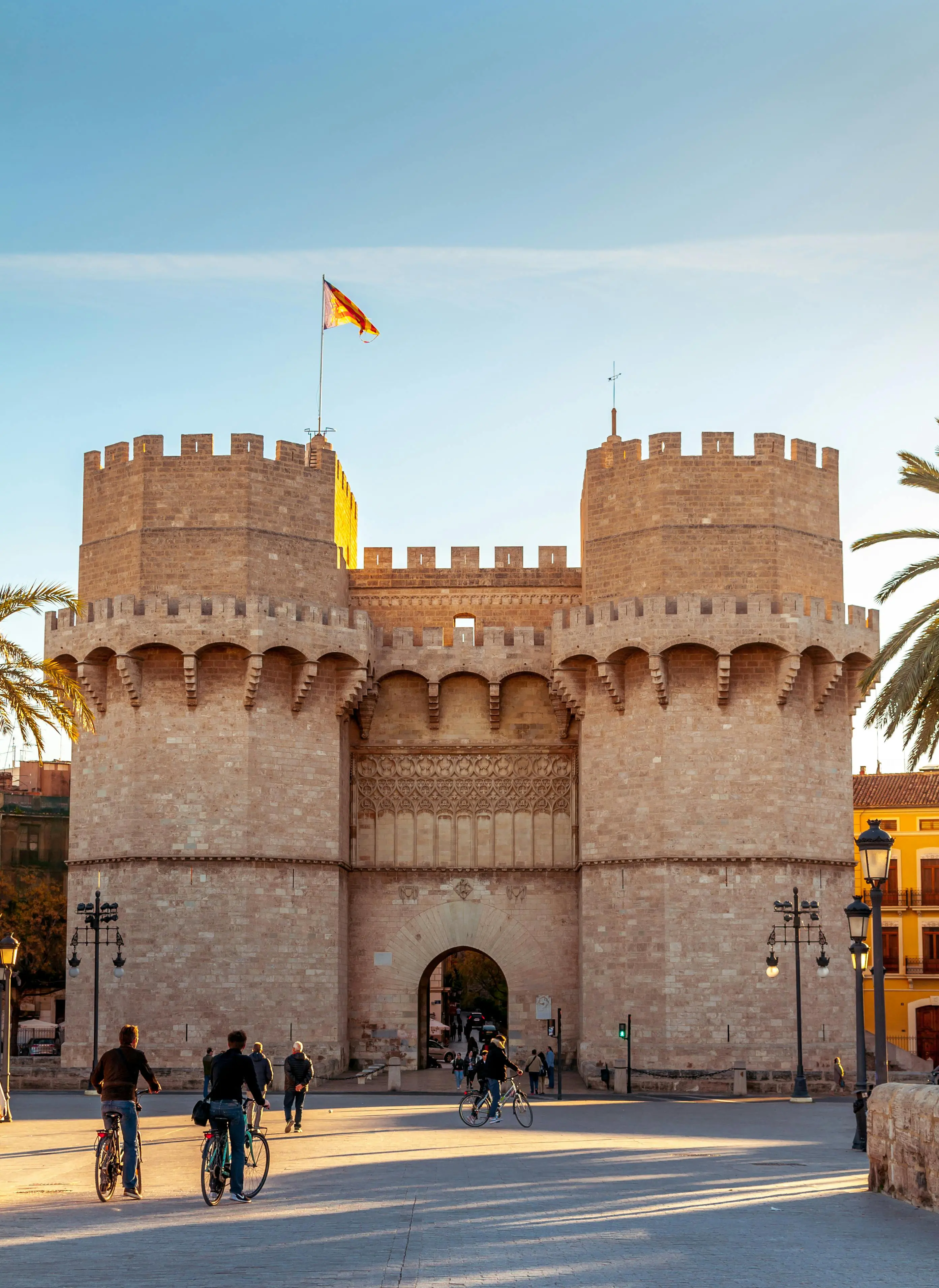
The legal framework for nomads who want to stay in Barcelona beyond a short visit has improved significantly — but the process still requires preparation before you land, not after.
The Spain Digital Nomad Visa: What It Asks of You
Spain's Digital Nomad Visa is the most discussed visa in the remote work world right now, and it's worth being clear-eyed about what it asks of you before you apply.
Minimum income requirement: €2,334/month (200% of Spain's minimum wage) — this threshold is firm and documented proof is required
Your work must be primarily for clients or companies outside Spain — working entirely for Spanish companies disqualifies you from this visa category
You need valid health insurance coverage for Spain — travel insurance is not sufficient; dedicated remote worker or expat health insurance policies meet the requirement
Applications are processed through Spanish consulates in your home country, not in Spain itself — allow 30 to 60 days for processing
The Spain Digital Nomad Visa is real, available, and well-structured — but digital nomads who arrive assuming they can sort the paperwork after landing will find the process significantly harder from inside the country.
EU Citizens and Short-Stay Digital Nomads
If you hold an EU passport, you can work remotely from Barcelona indefinitely — the visa framework doesn't apply to you, and Spain's administrative requirements are minimal for stays under 90 days without formal registration.
Non-EU nationals get 90 days visa-free under the Schengen Agreement — enough for a slowcation, not enough for a long-term stay
For stays beyond 90 days, the Spain Digital Nomad Visa is the correct route — attempting to extend a tourist stay is not a legal path
Register with the local Padró Municipal (municipal register) if you plan to stay more than three months — it unlocks access to local services and is required before applying for a Spanish tax number
The legal environment for digital nomads in Barcelona is clearer now than it has been in a decade — the question is whether you do the work before you arrive or scramble to do it once you're already there.
A gestor — a Spanish administrative agent charging around €150 to €300 — can help you file the Digital Nomad Visa paperwork correctly the first time, since the Consulate rejects incomplete applications without refunding fees.
Health Insurance: What Actually Qualifies
Health insurance is non-negotiable for the nomad visa application — but it's also just smart planning for any stay longer than a few weeks, visa requirement or not.
SafetyWing Nomad Insurance starts at around €45/month and covers emergency medical costs — it's popular with nomads but does not meet the Spain Digital Nomad Visa documentation requirement on its own
Cigna Global and Allianz Care both offer expat health insurance plans that satisfy the visa requirement — expect to pay €80–€150/month depending on your age and coverage level
Public healthcare in Catalonia is available to registered residents — if you register with the Padró Municipal and obtain a Spanish tax number, you may become eligible after a waiting period
Private clinics in Barcelona, including Clínica Diagonal in Les Corts, operate in English and offer pay-per-visit consultations from around €80 — useful for non-emergency care while your registration processes
Sort your health insurance before your visa application, not alongside it — the processing time on a good policy is fast, but the consulate will not wait for documentation you haven't obtained yet.
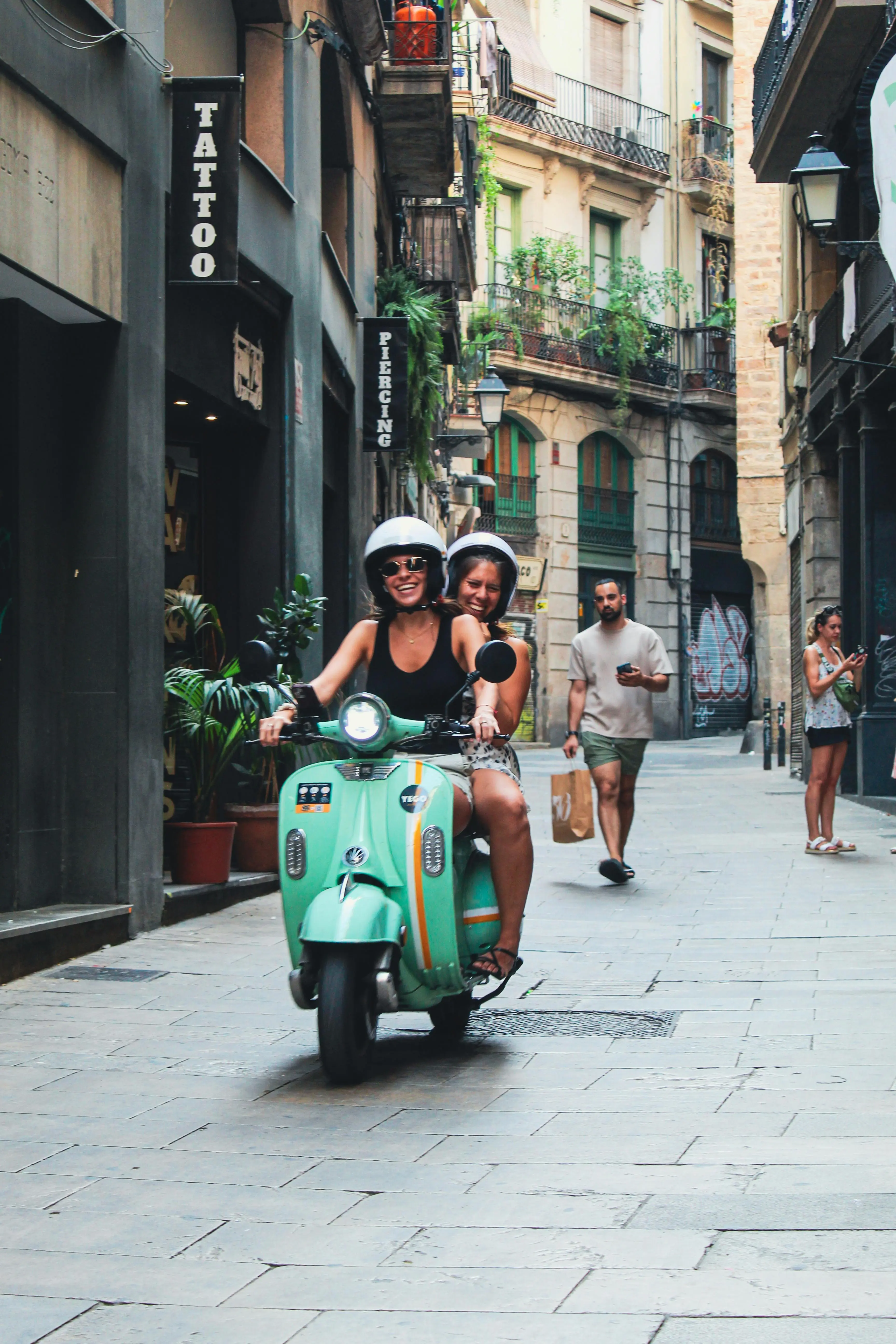
Is Barcelona the Right Slowcation Destination for You?
When Barcelona Works as a Slowcation Base
Barcelona rewards nomads who arrive with a plan and the patience to let the city operate on its own terms.
Commit to a minimum of two months in a furnished apartment — anything shorter and you're just an expensive tourist
Choose your neighbourhood before you arrive: Gràcia suits quiet focused work, Poblenou suits startup energy, Eixample suits everything in between
Align your schedule with the city's rhythm — lunch at 2pm, dinner at 9pm, and nothing productive happening between 2pm and 5pm
Use the infrastructure that's already there: co-working spaces, a strong expat and nomad community, and reliable high-speed fibre in most rentals
At this price point, few European cities match Barcelona's combination of quality of life, community, and working infrastructure when you actually commit to being there.
Barcelona has earned its reputation as a top destination for digital nomads in southern Europe partly because fibre broadband is available in most Eixample apartments for under €30 a month — faster and cheaper than comparable flats in Lisbon or Amsterdam.
When Barcelona Will Frustrate You
If you're treating Barcelona as a convenient short-term stop, it will push back in ways that feel personal.
Arriving in July expecting a quiet productive base is a mistake — the city is loud, crowded, and expensive for three solid months
Hotel-hopping kills your productivity here; without a fixed neighbourhood, you never find your working rhythm
Expecting the city to deliver immediately — good apartment, good routine, good social life in week one — sets you up for a difficult stay
Ignoring Catalan and Spanish entirely marks you as a tourist and closes doors that open slowly for everyone else
Barcelona is a slow reward, and nomads who treat it like a stopover tend to leave disappointed and blame the city for it.
Barcelona has a unique structural advantage over Lisbon and Madrid: you get a second working language in Catalan, which opens doors to a local professional network that most nomad cities simply do not offer.
Making the Commitment
If you're ready to stay properly rather than pass through, the right base makes the difference between Barcelona working and Barcelona grinding you down.
Look for fully furnished apartments in Spain with minimum two-month terms and reliable internet confirmed before you sign
Prioritise apartments with a dedicated workspace — Barcelona's cafés are social, not reliably quiet
Budget realistically: a well-located furnished apartment will cost more than you expect, but less than the equivalent in Berlin or Amsterdam
Arrive in September or October if you can — the city exhales after summer and becomes genuinely liveable
The nomads who leave Barcelona wishing they'd stayed longer are almost always the ones who figured out the neighbourhood, the schedule, and the pace — usually just a few weeks before their lease ended.
Building a weekly rhythm around free activities — the MNAC museum is free every Sunday after 3pm, and Barceloneta beach costs nothing — keeps your leisure budget under €50 a week without sacrificing much.
Planning Your Barcelona Slowcation as a Digital Nomad
Barcelona rewards the nomad who arrives with patience and leaves with a rhythm. Once you stop treating it like a destination to conquer and start treating it like a city to inhabit, everything shifts — your productivity, your creativity, and your general sense of ease. The key is giving yourself enough time to move past the tourist layer and into something that actually feels like living.
Choosing the right neighbourhood, understanding the local pace, and setting up a workspace that suits how you think are the foundations of a successful slowcation here. Skip the rush to see everything and instead commit to knowing a few things deeply. A regular café, a market you return to each week, a route you walk without checking your phone — these are the things that make a city yours.
If Barcelona has caught your attention and you're ready to make it your base for a month or longer, the next step is finding accommodation that supports that kind of stay. Browse fully furnished apartments in Spain and find a home that fits the way you actually work, rest, and explore.