
Maya
Culture & Exploration Editor ·
Barcelona is not cheap. It is, however, significantly cheaper than the cities most people are comparing it to — and that gap is large enough to change how you live, not just how much you spend. Rent has climbed sharply over the past five years, groceries are reasonable if you shop at the right places, and the public transportation system will cost you less per month than a single tank of petrol in most northern European cities. The trade-offs are real, but so is the value.
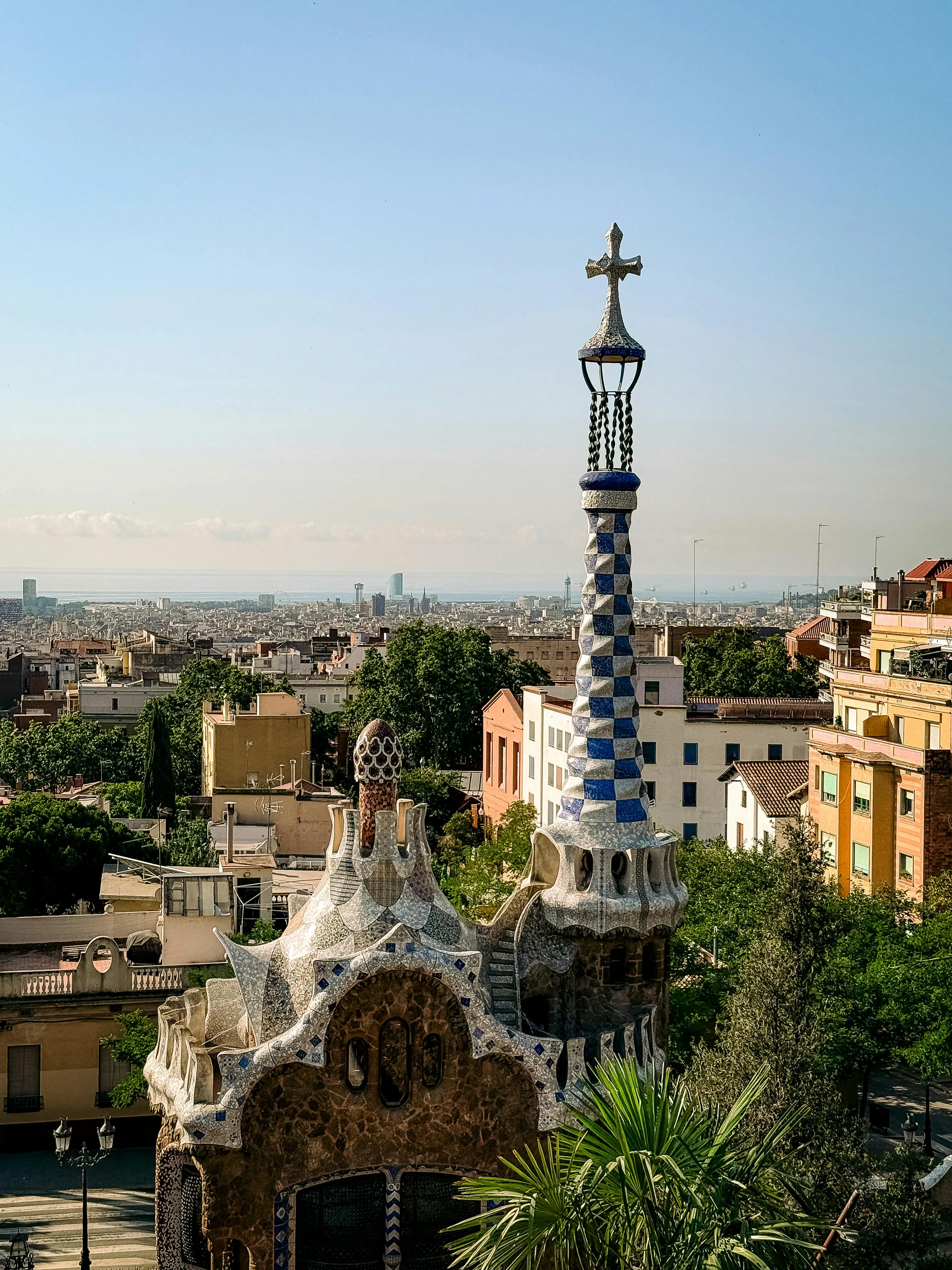
What a single person realistically spends per month, broken down by category
How Barcelona's cost of living compares to other cities in Europe and Spain
What rent actually costs in 2024, and which neighbourhoods move the number most
Groceries, dining, and where the Menú del Día saves you serious money
Transportation costs, healthcare, and the passes worth knowing about
Whether living in Barcelona on an average income is actually workable
Cost of Living in Barcelona Compared to Other Cities
Barcelona is the second most expensive city in Spain — after Madrid — and more expensive than Valencia, Seville, or any other Spanish city you might consider instead. That context matters. But measured against Amsterdam, London, or Paris, the numbers shift considerably: living in Barcelona runs roughly 31% cheaper than Amsterdam and 40% cheaper than London. Those are not rounding errors. That gap funds a different quality of life.
Where Barcelona Sits Against Other European Capitals
Barcelona is moderately expensive by southern European standards, but it is not in the same bracket as the major financial hubs — and that distinction is what makes it work for most people who move here.
Explore Barcelona's neighbourhoods in our neighbourhood guide for a deeper look at where to stay, eat, and work.
London comparison: 40% lower cost overall — a €1,400/month Barcelona apartment costs the equivalent of £2,300+ in Zone 2 London
Amsterdam comparison: approximately 31% cheaper across housing, food, and transport combined
Paris comparison: generally lower on rent and groceries, roughly comparable on dining out
Madrid comparison: Barcelona runs slightly more expensive on rent; Madrid edges ahead on dining costs in equivalent neighbourhoods
The average net monthly salary in Barcelona is around €2,069 — which tells you something about what the local economy is calibrated to, and what you are competing against in the rental market.
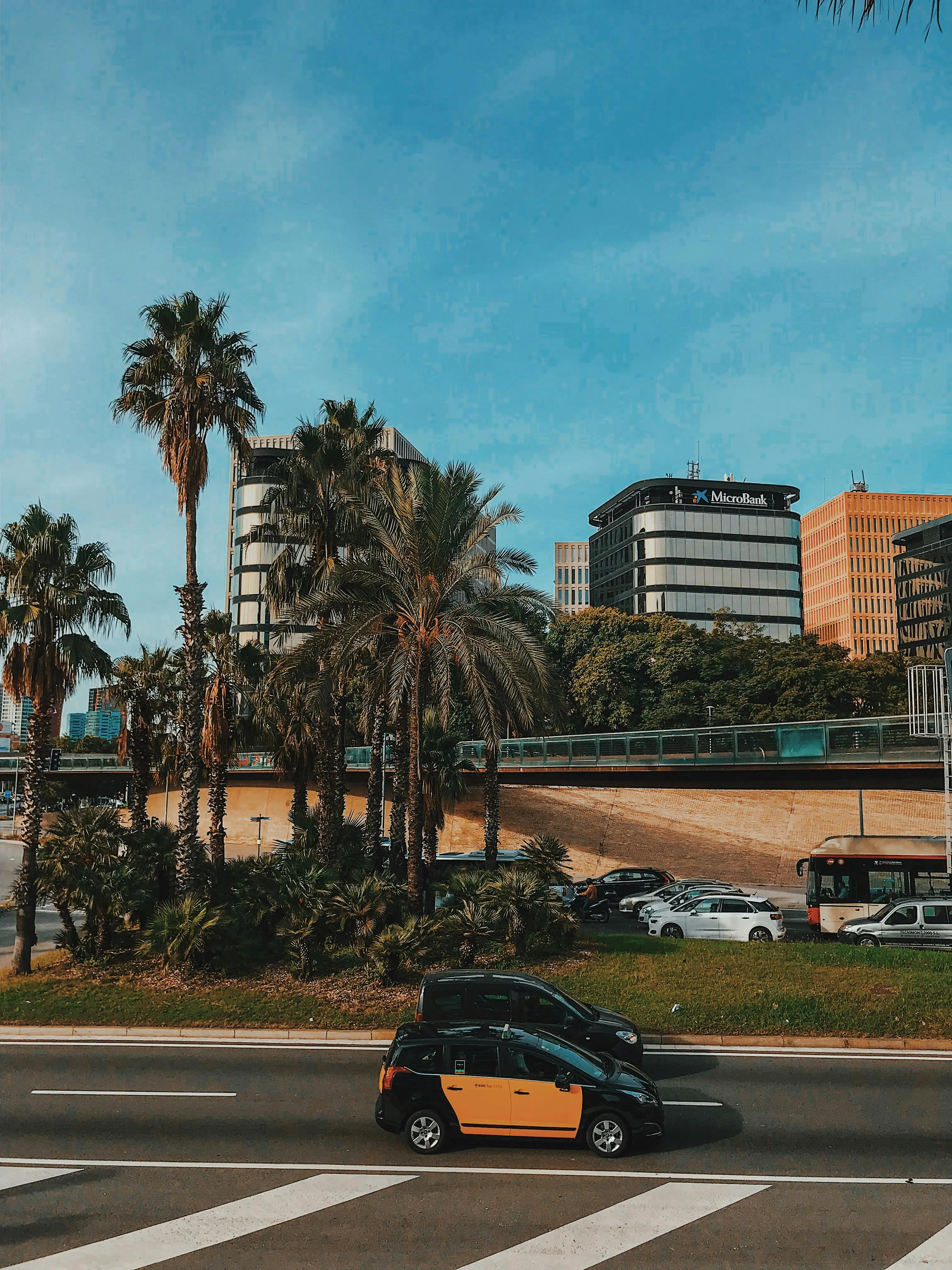
Barcelona Spain vs. Southern European Alternatives
If you are weighing Barcelona Spain against somewhere like Lisbon or Athens, the honest answer is that both of those cities are currently cheaper — but Barcelona's infrastructure, connectivity, and quality of life justify the premium for most people who stay longer than a month.
Lisbon: rental prices have risen sharply, the gap with Barcelona has narrowed — Lisbon is no longer the obvious budget alternative it was in 2019
Athens: significantly cheaper on rent and food, but slower internet infrastructure and fewer direct flight options matter if you work remotely
Valencia: 20–25% cheaper than Barcelona on rent, similar food costs, and a fraction of the international crowd — worth serious consideration if you want Spain at lower cost
Barcelona sits in a specific tier: more expensive than most cities in southern Europe, but cheaper than almost every major city in northern Europe — and that is the comparison that usually closes the decision for digital nomads and remote workers.
Barcelona is the most expensive city in the country by rent, running roughly 30–40% higher than Madrid and nearly double what you would pay in Valencia or Seville for a comparable one-bedroom flat.
What Living in Barcelona Actually Costs: The Monthly Breakdown
A single person can expect to spend around €800 per month excluding rent in Barcelona. Add rent, and the number climbs to between €1,600 and €2,400 depending on where you live and how you eat. A family of four typically needs €2,880 per month before rent. Neither of these figures is a floor — they are honest midpoints based on how people actually live here.
Category | Budget (per month) | Mid-Range (per month) | What drives the difference |
|---|---|---|---|
Rent (1-bed) | €900–€1,100 (outer districts) | €1,400–€1,800 (central) | Neighbourhood, furnished vs. unfurnished, short-term premium |
Groceries | €180–€220 | €280–€350 | Market shopping vs. supermarket; cooking frequency |
Dining out | €100–€150 (Menú del Día most lunches) | €250–€400 | Menú del Día at lunch vs. à la carte evenings |
Transport | €45.50 (T-Jove) / €54 (T-Casual) | €54–€80 (occasional taxi) | Pass type, age, and whether you add ride-shares |
Healthcare | €0 (public system registered) | €50–€120/month (private healthcare) | Registration status, nationality, chosen provider |
Utilities + Internet | €60–€90 (included in many furnished rentals) | €100–€150 (separate contracts) | Furnished vs. unfurnished; air conditioning use in summer |
Entertainment + leisure | €50–€80 | €150–€250 | Free access to beaches and parks vs. bars, clubs, and events |
What a Single Person Spends in a Realistic Month
The €800/month figure excluding rent holds up — but only if you cook most of your meals, use the public transportation system instead of taxis, and are not paying for private healthcare out of pocket.
Groceries at Mercat de l'Abaceria (Gràcia) — fresh produce, eggs, and bread for a week costs €35–€45 if you skip the packaged goods
A Menú del Día at a neighbourhood restaurant runs €12–€14 for three courses including bread and a drink — at five lunches a week, that is €240–€280 per month on lunch alone
Monthly T-Casual transport pass: €54, or €45.50 on the T-Jove card for anyone under 30
Utilities in a furnished apartment: typically €60–€90/month if bills are separated, often bundled in short-term rentals
The overall cost in Barcelona is manageable on a remote income — but only if rent does not consume 70% of your take-home pay, which it can if you insist on a central furnished apartment without comparing options properly.
Utility services — electricity, gas, water, and internet — typically add €100–€160/month to your Barcelona bills, with electricity running higher in winter if your flat has electric heating rather than gas.

What a Family of Four Should Budget
The €2,880/month pre-rent estimate for a family is not generous — it assumes school-age children, regular cooking, and a mixed approach to dining out.
Two-bedroom apartment in a liveable district: €1,400–€1,900/month depending on Eixample vs. Poblenou vs. Sant Andreu
School fees vary widely: public schools are free, international schools run €600–€1,500/month per child — that single line can double a family's monthly spend
Groceries for four: the average monthly grocery bill in Barcelona is around €297 for a single person; a family of four realistically runs €600–€750 if cooking at home consistently
Families who control school costs — by registering children in the public or subsidised system — bring estimated monthly costs within reach on two mid-range remote incomes.
Unlike in the US or UK, Spain's public healthcare system means most residents in Barcelona never pay for a doctor's visit, which quietly removes a €50–€150/month expense that surprises people moving from their home country.
Renting in Barcelona: What the Market Looks Like Now
Housing is the largest monthly expense in Barcelona, and the rental market is not forgiving. Renting a room averages around €650 per month; a one-bedroom apartment in a central district starts at €1,200 and climbs fast from there. Catalonia's local housing laws enforce rent caps in high-demand zones, which has slowed some of the steeper increases — but supply is still tight and demand from short-term visitors competes directly with long-term renters.
What Rent Costs by District
The city center premium is real, and the trade-off for paying less in outer districts is rarely just commute time — it is also a different daily texture to your life.
Eixample (central): one-bedroom furnished, €1,400–€1,800/month — the most in-demand district, and the prices reflect that directly
Gràcia: one-bedroom €1,200–€1,500/month — slightly cheaper than Eixample, more local feel, good market access
Poblenou: one-bedroom €1,100–€1,400/month — the remote-worker corridor, tech companies nearby, improving café infrastructure
Sant Andreu / Nou Barris: one-bedroom €900–€1,100/month — significantly cheaper, but you are 25–35 minutes from the centre and the neighbourhood texture is less international
The rent cap legislation means some landlords now prefer short-term contracts to avoid regulation — which is why furnished short-term rentals often run 20–30% above equivalent long-term rates for the same apartment.
Buying property in Barcelona as a non-resident is legally straightforward, but prices in Gràcia and Eixample now regularly exceed €5,000 per square metre, making renting the more sensible short-term move for most arrivals.
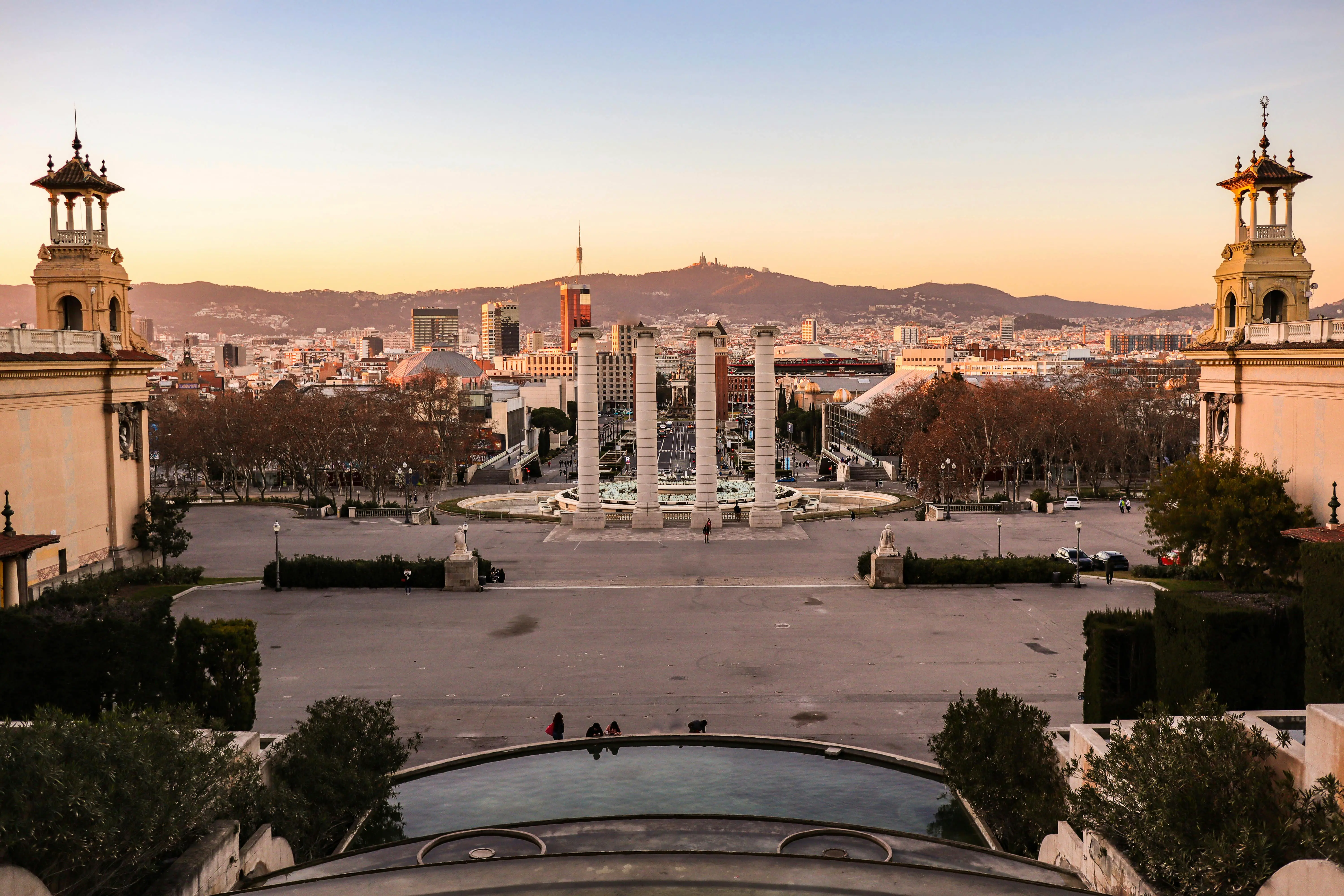
Furnished vs. Unfurnished: What You're Actually Paying For
For stays under six months, a furnished apartment almost always wins on total cost once you factor in what unfurnished requires you to buy, haul, and then sell on the way out.
Furnished one-bedroom in Eixample via fully furnished apartments in Barcelona: €1,400–€1,900/month, bills often included
Unfurnished equivalent: €1,100–€1,500/month — add €200–€400 in setup costs for basics plus the time cost of furnishing
Room in a shared flat: €600–€750/month — the most affordable route, but privacy and workspace are the obvious trade-offs
Short-term furnished premium: expect to pay 15–25% more per month than equivalent long-term rates — the flexibility costs something
Estimated monthly costs for a one-bedroom apartment in Gràcia or Poble Sec run between €1,100 and €1,400 — significantly less than equivalent flats in Eixample or the Gothic Quarter.
If you are staying three months or less, do not optimise for the cheapest per-month rent — optimise for what is included, because utilities, WiFi, and a functioning workspace can easily add €200/month to an apartment that looked cheaper on the listing.
Getting Around: Barcelona's Public Transportation System
Transportation in Barcelona is one of the clearest wins in the cost argument. The public transportation system covers the city comprehensively — Metro, bus, tram, and suburban rail all run on the same ticketing infrastructure — and the monthly pass costs a fraction of what you would pay in London, New York, or Amsterdam. Barcelona also maintains a 50% discount subsidy on its most popular commuter passes, which is not a temporary measure — it is built into the pricing structure.
What Public Transport Actually Costs
The public transportation cost advantage over other major cities is not marginal — it is substantial enough to factor into your overall cost calculation from day one.
T-Casual 10-trip card: €11.35 — the right choice for occasional use, roughly €1.14 per journey
T-Usual monthly unlimited pass: €54/month — covers Metro, bus, and tram within Zone 1, which covers all central Barcelona
T-Jove card (under 30): €45.50 for three months of unlimited travel across all zones — that is €15.17/month, which is remarkably cheap
Passeig de Gràcia Metro station — Lines 2, 3, and 4 intersect here; if your apartment is within 10 minutes of this interchange, you rarely need anything else
The public transportation system in Barcelona is managed by the Autoritat del Transport Metropolità, and the integrated ticketing means one pass works across all modes — there is no separate bus pass to buy, no tram surcharge, no zoning confusion for the central districts where most people live.
Cycling, Taxis, and When You Actually Need Them
Barcelona's bike lanes are extensive enough that a bicycle genuinely replaces the Metro for many journeys — and the cost difference over a year is meaningful.
Bicing (city bike share) — €50/year for residents, unlimited 30-minute journeys; requires local registration but it is the cheapest transport option in the city
Private bicycle: a decent secondhand option costs €150–€250; with bike lanes covering most major routes, the payback period against monthly Metro passes is around four months
Bolt/Uber: €8–€15 for a typical cross-city journey — useful after midnight, not a daily transport strategy unless your time costs more than your money does
Airport to city centre: Aerobus costs €6.75 one-way, takes 35 minutes to Plaça de Catalunya — the significantly cheaper option versus a €35–€45 taxi
Most people who live in Barcelona for more than a month end up using a combination of the Metro pass and occasional cycling — the bike lanes make it practical in a way that is not true in most European cities of this size, and that combination keeps monthly transport costs under €70 without any inconvenience.
What You'll Actually Spend on Food in Barcelona
Food is where Barcelona either rewards you or quietly drains you, depending entirely on how you shop and where you eat. The gap between eating well and eating expensively is not about sacrifice — it is about knowing which version of the city you are buying into.
Groceries: The Weekly Shop and What It Actually Costs
Cooking at home in Barcelona is genuinely affordable — the question is which supermarket you default to, because that single habit shifts your monthly groceries spend by €80 or more.
Mercadona — the most practical option for a weekly shop; a full basket for one person runs €35–€45, and the own-brand range is solid across the staples
Lidl Gràcia — slightly cheaper on produce and dairy; useful for a top-up mid-week, €15–€20 for fresh items
Farmers' market produce at Mercat de Sant Antoni — open Sunday mornings for fresh fruit and vegetables; tomatoes and peppers at €1.50–€2/kg, which is roughly half the supermarket price for better quality
Monthly groceries total: €150–€200 for one person cooking most meals; €220–€280 if you buy imported goods or shop at Caprabo regularly
If you cook four or five nights a week, your food budget stays manageable — the city's fresh produce is genuinely good, and the local supermarkets are far cheaper than their equivalents in London or Amsterdam.
Eating Out: Where the Budget Goes and Where It Doesn't Have To
Restaurants in Barcelona range from €10 set lunches to €80 tasting menus, and the price difference tells you almost nothing about the quality difference — it mostly tells you about the postcode and the hour.
Menú del día (three courses with bread and a drink): €11–€14 in Gràcia or Poblenou, €16–€20 in the Gothic Quarter or Barceloneta — same food, different address
Bar Calders, Sant Antoni — pintxos from €1.80 each, wine by the glass €2.50; eating at the bar costs less than at a table, and that is not a tip, it is how the pricing works here
Coffee: €1.20–€1.50 for a cortado at a local bar; €3.50–€4.50 at a specialty café — a daily specialty coffee habit adds €75–€90/month over a basic bar habit
Dinner out twice a week at a mid-range restaurant: €25–€35 per person per meal, averaging €200–€280/month for that frequency alone
The comparison that matters: someone eating the menú del día most weekday lunches, shopping at Mercadona, and cooking evenings will spend €300–€350/month on food — someone eating out daily in the tourist-facing parts of the city will spend €600–€800 without noticing how it happened.
Tapas bars in El Born and the Barceloneta still serve vermut and a plate of patatas bravas for under €8, which is the cheapest social eating option in the city if you go at lunchtime rather than late evening.
Bars, Nightlife, and the Cost of Barcelona After Dark
Barcelona's nightlife is not expensive by the standard of what you get — but it runs late, which means the average night out has more hours in it than most cities, and the bill reflects that.
Beer at a local bar: €2.50–€3.50 for a caña; the same beer in a cocktail bar in El Born costs €6–€8
El Xampanyet, El Born — house cava €2.20 a glass, anchovies €4.50; one of the few places in the old city where the prices have not moved with the neighbourhood
Club entry: €10–€20 depending on the night and venue; drinks inside typically €10–€14 each, which is where the real spending happens
A realistic Friday or Saturday night out: €40–€70 per person, including transport, a couple of bars, and dinner beforehand
If you shop at Mercadona for all the things — vegetables, protein, dairy, and household basics — a weekly shop for one person rarely exceeds €50 in Barcelona.
If nightlife is not your priority, Barcelona's evening culture — a couple of drinks, tapas, and a late walk — is one of the cheapest ways to spend an evening in any major European city, and that lifestyle does not require spending like a tourist.
Healthcare, Insurance, Higher Education, and the Costs Most Guides Miss
Healthcare and insurance sit in the category of expenses that feel optional until they are not — and in Spain, the system is good enough that people often underestimate what they need to cover on top of it.
Public Healthcare vs. Private Insurance: What Expats Actually Use
EU citizens with a valid EHIC card access the Spanish public health system for free — for everyone else, private health insurance is not optional if you are applying for a visa, and it is worth having regardless.
Spanish public health (seguridad social): free for residents registered on the padrón; the quality is generally high, but wait times for non-emergency consultations run two to four weeks
Private health insurance for a single adult: €50–€120/month depending on coverage level and age; Sanitas and Adeslas are the most widely used providers among expats
Clínica Teknon, Sant Gervasi — the benchmark private hospital; a GP consultation runs €80–€120 without insurance, specialist referral €150–€200
Digital nomad visa (introduced 2023) requires private health insurance as a condition of approval — budget €70–€100/month minimum for a policy that meets the requirements
If you are staying longer than 90 days and not registered on the padrón, private insurance is both a legal requirement and a practical necessity — the €70–€100/month is not negotiable, so build it into your income planning from the start.
Higher education at the Universitat de Barcelona costs EU students roughly €1,000–€2,500 per year in tuition — a fraction of what the same degree would cost in the UK or US.
Other Fixed Costs: What Compounds Quietly
The expenses that catch people out in Barcelona are not the obvious ones — they are the fixed monthly costs that sit below the line until you add them up.
Utilities for a one-bedroom apartment (electricity, water, gas): €80–€130/month in winter, €50–€70 in summer — air conditioning in August is expensive and not optional
Mobile phone plan: €15–€25/month for a data-heavy SIM with a Spanish provider (Orange, Movistar); do not carry a foreign SIM for more than a month, the roaming math does not work
Gym membership: €30–€50/month at a standard gym chain; DiR Fitness has multiple central locations at around €45/month, which is a fair example of the mid-range option
Co-working space (if you need it beyond cafés): €150–€250/month for a hot desk; day passes run €20–€30, which works if you only need a desk two or three days a week
Add insurance, utilities, a phone plan, and occasional co-working, and you are looking at €300–€450/month in fixed costs before rent and food — most budget plans underestimate this category by around €150.
Once you register as a resident in Barcelona, you get access to the public healthcare system — and a GP appointment at a CAP centre typically costs you nothing out of pocket.
Barcelona Cost of Living: The Honest Monthly Breakdown
The number people search for is a single monthly figure — and there is one, but it only makes sense with the variables named. Here is what different versions of life in Barcelona actually cost.
Monthly Cost Breakdown by Lifestyle
The difference between a €1,800/month budget and a €3,500/month budget in Barcelona is not comfort versus austerity — it is mostly about housing choice and how often you eat out.
Category | Budget (monthly) | Mid-Range (monthly) | What drives the difference |
|---|---|---|---|
Housing (1-bed, furnished) | €1,100–€1,400 (outer Eixample, Poblenou) | €1,600–€2,200 (central Eixample, Gràcia) | Postcode and proximity to the centre |
Groceries | €150–€200 | €220–€300 | Supermarket choice, imported goods |
Eating out | €100–€150 | €250–€400 | Frequency and neighbourhood |
Transport | €40–€54 (Metro pass + occasional cycling) | €54–€100 (Metro + taxis) | How often you use taxis after midnight |
Utilities | €80–€130 | €100–€160 | Apartment size, season, AC use |
Insurance + phone | €85–€120 | €120–€180 | Coverage level, provider |
Leisure / nightlife | €50–€100 | €150–€300 | How often you go out and where |
Total | €1,600–€2,150 | €2,500–€3,600 | Housing is 60% of the variance |
Barcelona Compared to Other European Cities
The comparison people want is whether Barcelona is worth it against Berlin, Lisbon, or Valencia — and the honest answer depends entirely on what your income is and what you need from a city.
Lisbon is cheaper on rent by €200–€400/month for a comparable apartment, but the job market and infrastructure are thinner — for freelancers with stable remote income, that gap matters; for people building a local network, it matters less
Berlin one-bedroom rent: €1,200–€1,600 for a central furnished apartment, which is now roughly equivalent to Barcelona — the idea that Berlin is dramatically cheaper is outdated by about three years
Valencia (also Spain) runs €300–€500/month cheaper across the board than Barcelona; if your lifestyle does not require Barcelona specifically, that is a meaningful difference over a year
London comparison: a mid-range Barcelona lifestyle at €2,800/month is equivalent to roughly £1,800 — in London, the same lifestyle costs £3,500–£4,500 minimum; the gap is real and it does not close
To live comfortably in Barcelona without flatsharing, most single expats find they need a take-home salary of at least €2,200/month — below that, rent alone eats more than half your income.
Barcelona is not the cheapest option in Spain or in Europe, but it is the city where the cost buys you the most — the infrastructure, the climate, the food, and the quality of the rental stock at the mid-range level are genuinely hard to match at the same price point.
The Hidden Costs That Catch Most People Out
Every budget plan looks reasonable on paper until you have been in Barcelona for six weeks and the unplanned expenses start adding up — these are the ones to build in before you arrive.
Agency fees for long-term rentals: one month's rent is standard, sometimes more; on a €1,600/month apartment, that is €1,600 on arrival that most people do not budget for
Tax on freelance income (autónomo): if you register as self-employed in Spain, the social security contribution starts at €230/month under the new flat-rate scheme — this is the minimum, regardless of what you earn
Language classes: useful and genuinely worth it; group Spanish classes at Don Quijote Barcelona cost €180–€250 for a two-week intensive, one-to-one tuition €25–€40/hour
Short-term furnished apartment premium: the first month often costs 15–20% more than the ongoing monthly rate — landlords price flexibility into short-notice bookings
The people who land in Barcelona with a realistic budget are the ones who planned for an arrival month that costs €400–€600 more than subsequent months — deposits, agency fees, and setup costs are a one-time hit, but they are a significant one.
Is Barcelona Affordable? The Honest Answer for Remote Workers in 2025
What Your Money Actually Buys in Barcelona
Barcelona is not cheap, but it is not a rip-off either — it is a city where €2,500–€3,000 per month after tax buys a genuinely comfortable life, which is more than you can say for London, Paris, or Amsterdam at the same income level.
A well-located one-bedroom apartment in Eixample or Gràcia runs €1,200–€1,600/month
A sit-down lunch menu del día with wine costs €12–€15 in most neighbourhoods
A monthly public transport pass is €40, covering metro, bus, and suburban trains
Co-working memberships range from €150–€300/month depending on location and access level
The city is not offering you a bargain — it is offering you functional infrastructure, reliable weather, and a social environment you can navigate without a car or a local contact list.
A comfortable lifestyle in Barcelona — rent, food, transport, occasional dining out, and a weekend day trip — is achievable on €2,500/month in a neighbourhood like Sant Antoni, which is not true of London or Paris at that budget.
Who Barcelona's Budget Actually Works For
Barcelona rewards remote workers who have stabilised their income; it is genuinely punishing for people still building their client base.
Consistent earners at €2,500+/month after tax can live comfortably without financial stress
Variable-income freelancers will find the rental market unforgiving of a bad month — landlords move fast and do not wait
Singles and couples without children get the best cost-to-quality ratio in the city
Remote workers with variable income have better margin in Valencia or smaller Spanish cities, where rents run €300–€500 lower per month
If your income is consistent, Barcelona rewards the decision quickly; if it is not, the city will pressure you in ways that distract from the work that would make it viable.
The Budget Conversation Nobody Has Until It Is Too Late: Families and Kids
International education in Barcelona is a budget line that changes everything, and most guides mention it in passing rather than treating it as the deal-breaker it can be.
International schools cost €10,000–€18,000 per year per child, before uniforms, trips, and extras
Spanish state schools are free and generally well-regarded, but language integration realistically takes 12–18 months
Two children in international schooling can add €25,000–€35,000 annually to your cost of living
Families who commit to state schooling and language integration often find Barcelona workable — those who do not are paying London prices for a Spanish postcode
Browse fully furnished apartments in Spain to compare what your budget actually gets you across different cities before you commit to one that may not fit your household's real numbers.