Why Poblenou Is on the Map
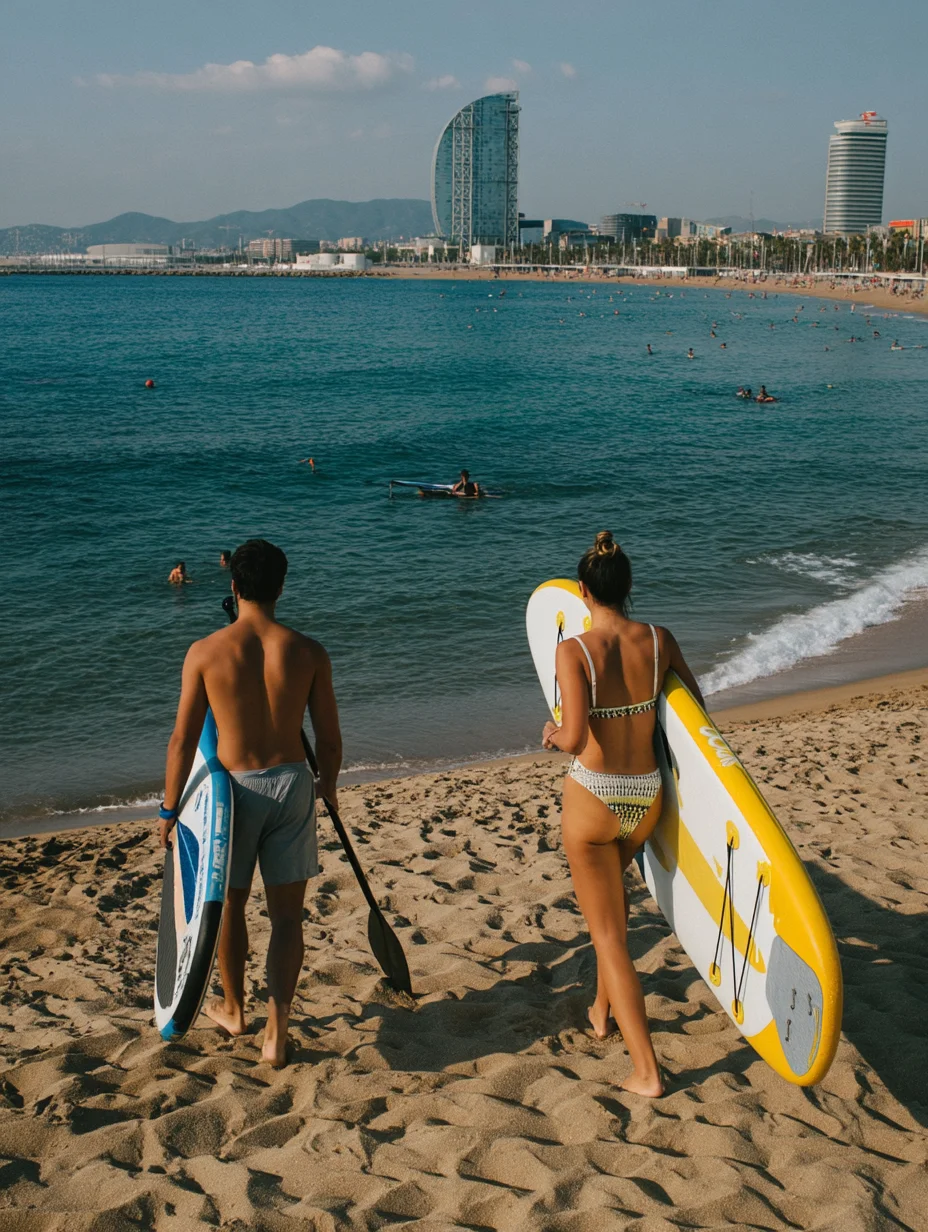
If you’re curious about el Poblenou, think of it as the Barcelona district where the beach meets creativity. Once full of old factories, today it’s dotted with modern buildings, lively bars, and buzzing restaurants. It’s less crowded than the Gothic Quarter, giving you more room to breathe while still being connected to the city.
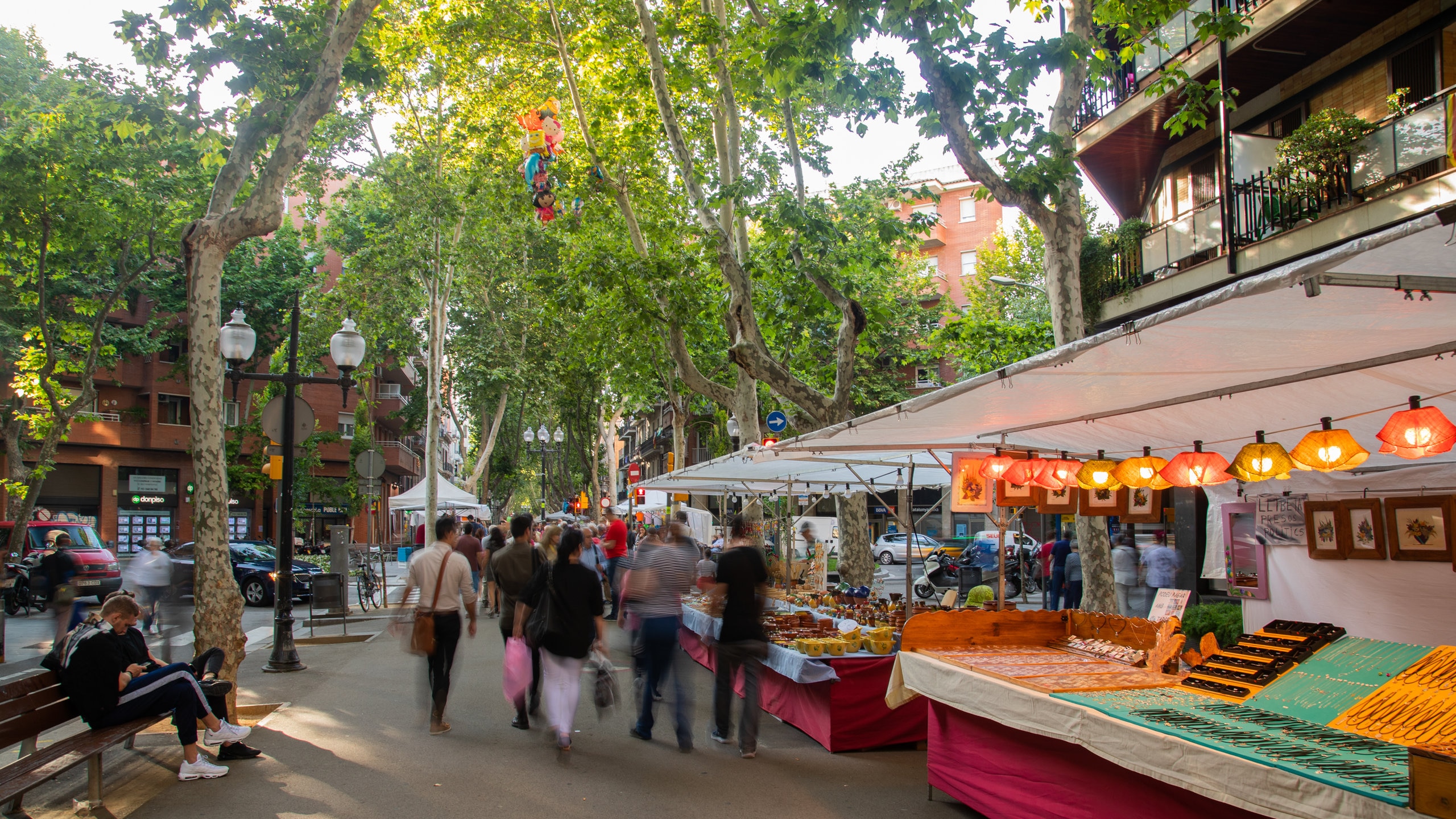
This is where you’ll find Rambla de Poblenou, the neighborhood’s main street lined with cafés, tapas spots, and local shops. You can grab a strong cofffee for €2, wander into small galleries, or tuck into hearty food that doesn’t come with a tourist price tag.
Locals love Poblenou for its easy balance:
-
Quick walk to the beach
-
Plenty of affordable restaurants and casual dining
-
A relaxed vibe without losing the creative edge
It’s modern but rooted—perfect if you want seaside mornings and coworking afternoons.
Where Is El Poblenou and How It Fits into Barcelona
From Factories to Present Day Barcelona
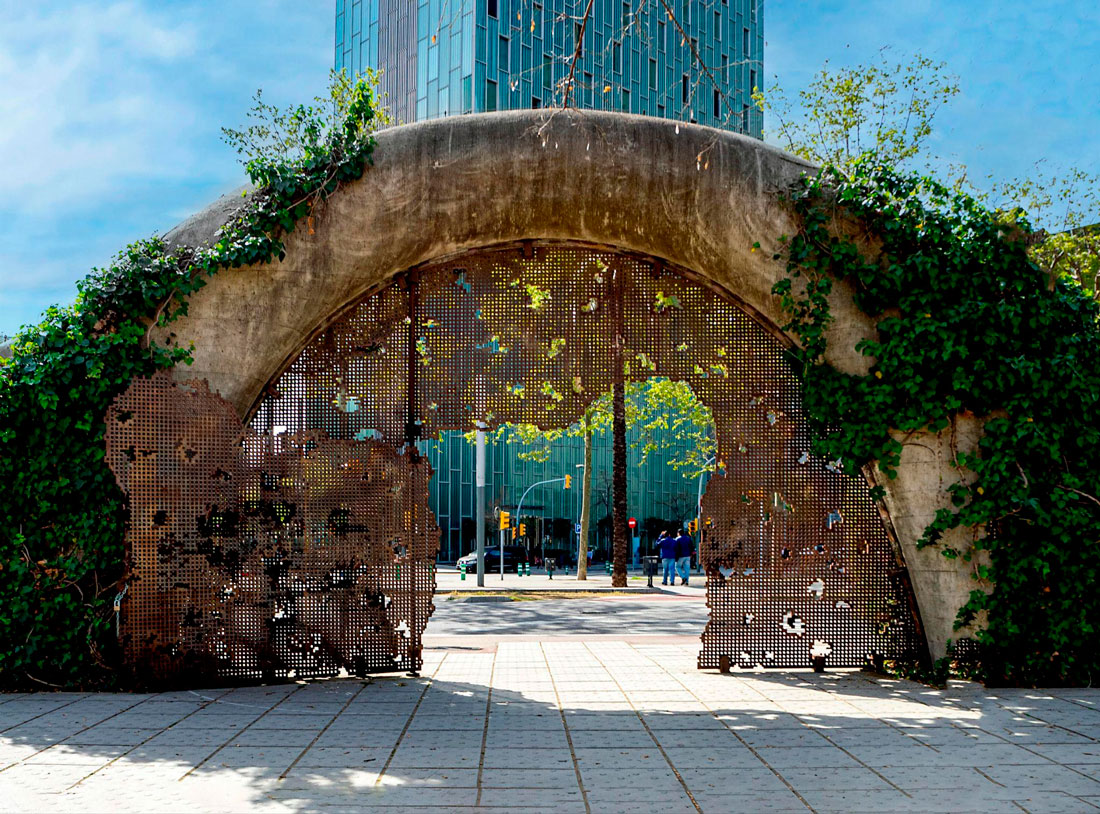
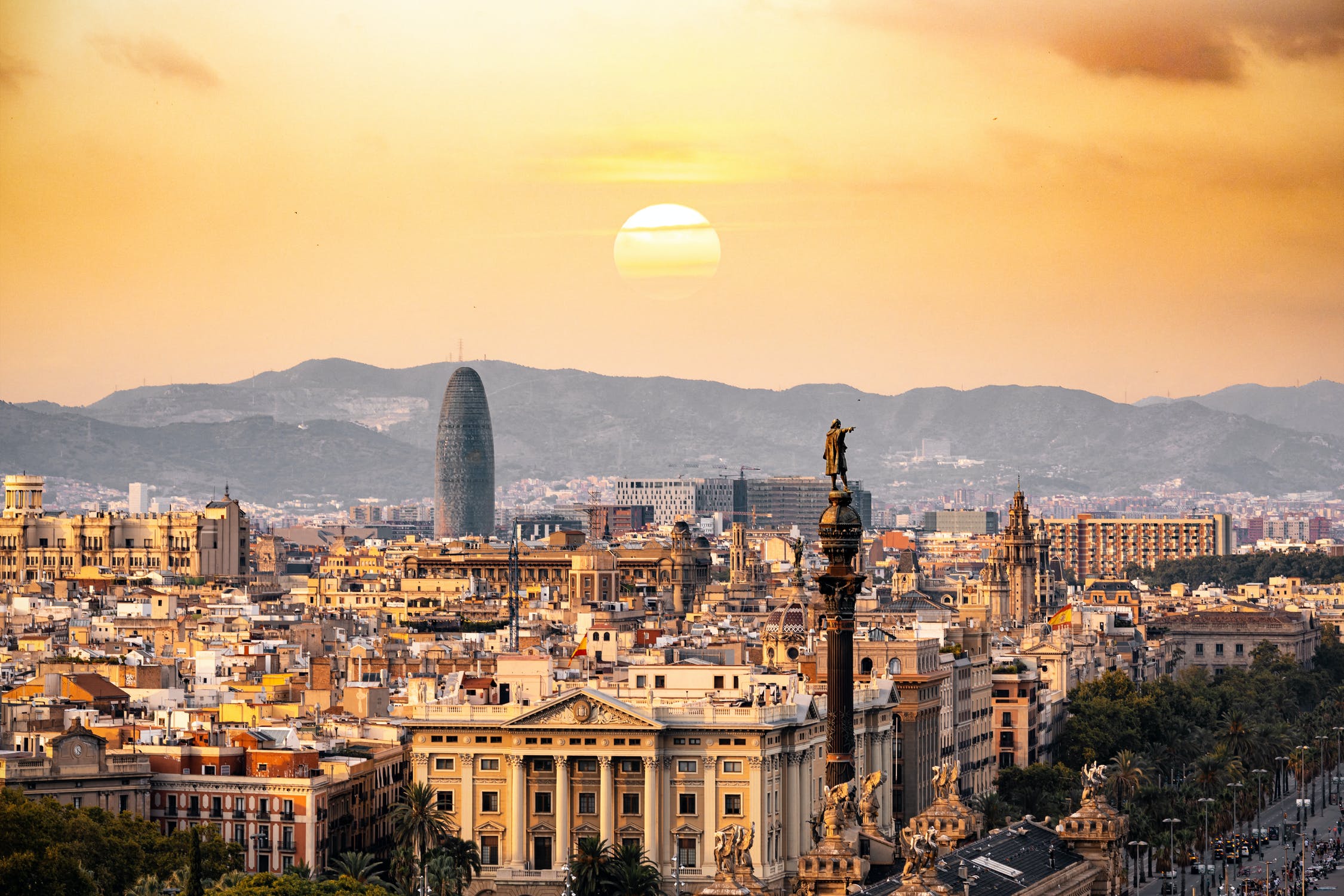
To understand el Poblenou, picture a neighborhood that has reinvented itself more than once. Sitting in the east of Barcelona, between Glòries and the sea, it stretches from the beach promenades up toward the industrial core that once defined it.
In the 19th century, this area was booming with factories, so much so that it was dubbed the Catalan Manchester. Rows of brick factory buildings, smoke chimneys, and buzzing workshops shaped daily life for generations of workers.
Fast-forward to the present and you’ll see how much Poblenou changed. Those same industrial relics haven’t disappeared; instead, many have been transformed into loft apartments, co-working hubs, and creative design schools.
It’s common to pass a row of whitewashed walls belonging to a sleek apartment block, only to find it standing next to preserved factory buildings now filled with studios, galleries, or event spaces. This blend of past and future is what gives Poblenou its charm—history and modernity overlapping in one district.
A District Connected to the Sea and the City
One of Poblenou’s biggest assets is its geography. You’re never far from the beach, whether it’s Mar Bella or Bogatell, and a short ride on the metro puts you in the Gothic Quarter or Eixample in under 15 minutes.
The district is laid out with broad avenues, making it feel more like a town inside the city rather than a crowded urban sprawl.
Getting around is straightforward and affordable:
-
Metro Line 4 (yellow) runs through del Poblenou, with single rides around €2.55.
-
Carrer de Roc Boronat and nearby routes are major bus connections into central Barcelona.
-
Dedicated tram lines and bike paths take you directly to the beach or your nearest park.
-
Walkability is excellent, with Rambla de Poblenou acting as the neighborhood’s main artery.
Why El Poblenou Works for Nomads
Remote workers don’t just want scenery—they need balance. Poblenou delivers because it combines space, convenience, and creative energy. Former factories now host coworking hubs, while indie galleries and cultural centers give you places to recharge after work.
The Rambla de Poblenou is ideal for everyday life, where you can grab a specialty coffee for €2, tuck into Catalan food without tourist markups, or relax at one of the many bars that still feel local.
Unlike more crowded barrios, this district has room to breathe. Wide streets, open plazas, and seaside promenades make it feel less claustrophobic than the Gothic Quarter. You’ve got the park for greenery, the beach for quick swims, and the city center only a few stops away.
For those balancing work and lifestyle, this is a neighborhood that feels both practical and inspiring.
A Town Within a City
What makes Poblenou stand out is that it still feels like its own town, even though it’s part of Barcelona. Old factory buildings remind you of its industrial roots, but cafés, coworking spots, and design schools point to the electic energy that defines it.
Whether you’re walking down Rambla de Poblenou, stopping for tapas de la casa, or stepping into a converted warehouse turned art gallery, the balance between old and new is everywhere.
For nomads, that mix is more than aesthetic—it’s functional. Poblenou has become a community where you can live, work, and enjoy the sea, all within a few blocks. It’s not just another stop in Barcelona; it’s a base with its own identity.
The Vibe of El Poblenou: From Industrial Area to Creative Hub
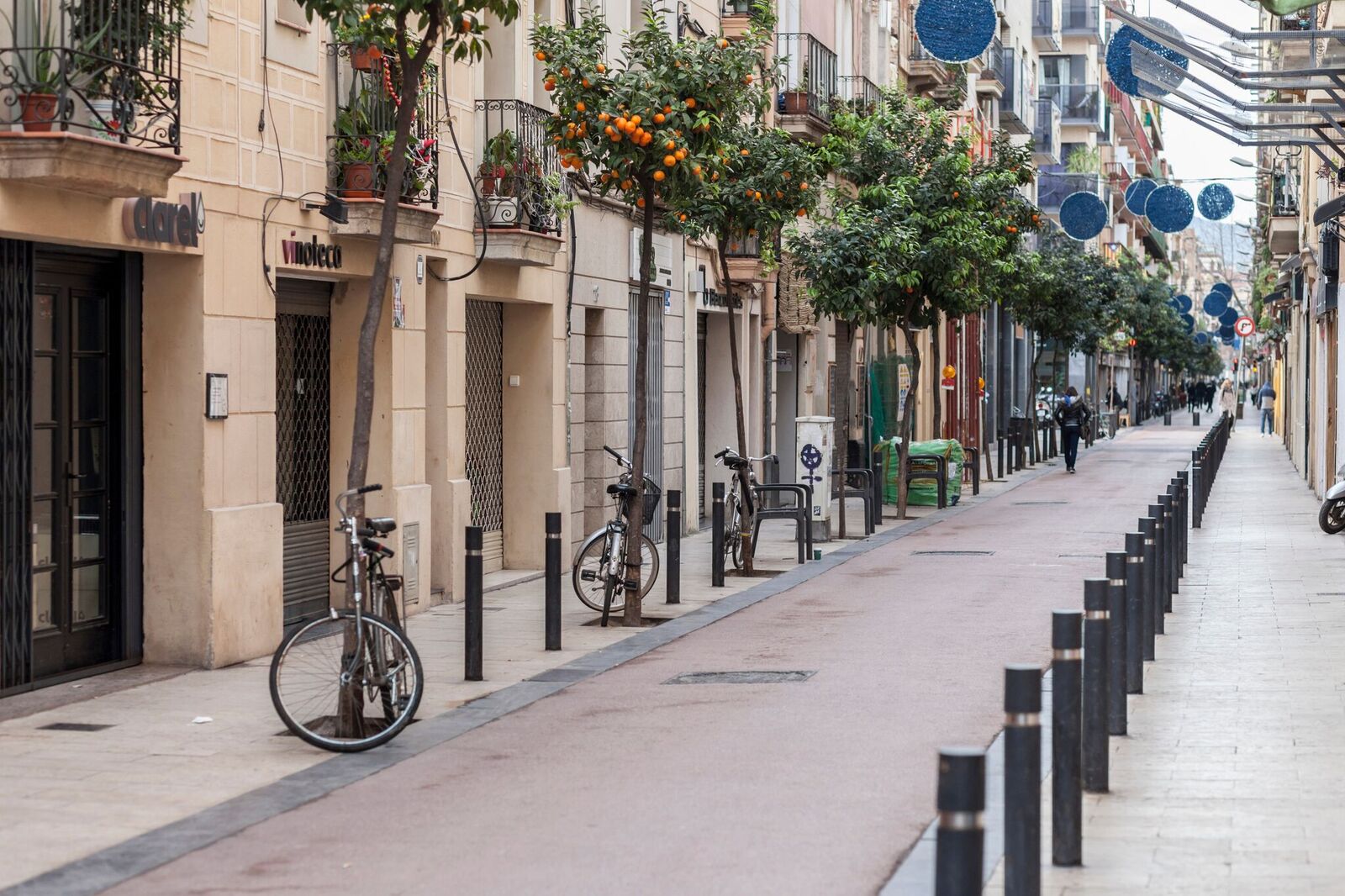
A generation ago, el Poblenou was known mainly as an industrial hub, a cluster of smokestacks and old buildings on the edge of Barcelona. But in recent years, the neighborhood has taken on a completely new character.
The 22@ project turned warehouses into workspaces, and what was once full of factories now draws designers, freelancers, and an artists colony.
You’ll still see remnants of the old days on Pere IV, but they sit alongside modern housing, coworking lofts, and stylish restaurants.
Where Art and Community Meet
The creative shift is easy to spot. La Escocesa, a former factory turned cultural center, is now home to open studios, exhibitions, and workshops that give the area its reputation as a hub for art. Local galleries and small bars add to the cultural feel, making it a cool place for both residents and newcomers.
Stroll through the park or spend an afternoon at a community-run space and you’ll see why people call it a great place to balance work and leisure.
-
Affordable tapas in del Poblenou start at €3–€4
-
Craft beer bars charge around €5 a pint
-
Tickets to a gallery show often cost less than €10

How Poblenou Compares to Other Sides of the City Centre
Each neighborhood in Barcelona has its own flavor, and Poblenou sits somewhere on the other end of the spectrum from the tourist-heavy spots.
-
Gothic Quarter: Less crowded, fewer tourists, more good space to think and work.
-
Barceloneta: You still get the Bogatell Beach vibe, but with bigger streets and more modern housing.
-
Gràcia: Gràcia feels like a village with Spanish tradition and plazas, while Poblenou leans modern, shaped by its working class roots.
This mix of history, creative reinvention, and relaxed coastal lifestyle makes this one of the most versatile barrios for nomads—both grounded and forward-looking. Want to explore more of Barcelona's neighborhoods? Check out RentRemote's Digital Nomad Neighborhood Guides to Barcelona.
Things to Do in El Poblenou Barcelona
Rambla de Poblenou: The Neighborhood’s Living Room
Start with Rambla del Poblenou, the beating heart of the neighborhood. This wide avenue is where locals grab morning coffee, stroll with kids, and linger at bars until late. You’ll find everything from traditional Spanish tapas to new-wave food spots run by young designers.
Order a vermouth and patatas bravas at a terrace for under €8, or grab a specialty coffee for €2.50 from one of the independent stores that line the street. For people-watching and lazy afternoons, it’s the perfect place.

Beaches and Green Corners
When visiting Barcelona, most people rush to Barceloneta—but Poblenou’s stretches of sand are more relaxed. Bogatell and Mar Bella beaches attract Mexico City residents, runners, and plenty of cool chiringuitos where you can pair grilled sardines with a cold beer.
For greenery, head to Parc Central del Poblenou, a Jean Nouvel-designed park where unusual buildings rise between lawns and shaded paths. Families picnic here, freelancers set up laptops, and it’s a refreshing pause from city bustle.

Markets, Food Vendors, and Local Flavors
If you like browsing and tasting, don’t miss Palo Alto Market. It’s packed with food trucks serving everything from gourmet burgers to pulled pork, plus stalls run by emerging artists and designers. Entry is usually €4–€5, and weekends buzz with live music.
For a classic touch, check out Mercat de Poblenou, where you’ll find fresh produce, Spanish wines, and tapas bars inside. If you’re thirsty, try a natural wine at Masa Vins or settle into one of the many craft beer spots nearby.
Art and Culture in Poblenou: Framis Museum to Sala Beckett
This neighborhood doesn’t just eat well—it knows how to create. The Framis Museum, housed in a converted factory, showcases contemporary art and exhibitions that La Vanguardia has called “highly recommended” for culture lovers.
Theater fans should head to Sala Beckett, a cultural anchor on Pere IV, where experimental plays bring together locals and nomads. Keep an eye out for local events pages and buy tickets in advance, some of these cultural exhibits get booked in a flash!

Add in rotating street murals and creative studios, and you’ll see why Poblenou feels like an open-air gallery.
A Local’s Shortlist
-
Stroll carrer de la marina for tapas, quirky bars, and good wine
-
Grab coffee and pastries from Nomad Coffee or a nearby independent shop
-
Try a €10 menú del día with hearty Spanish dishes at a family-run eatery
-
Spend an afternoon at the Museu Can Framis or catch a play at Sala Beckett
From coffee to art, sandy beaches to experimental theater, Poblenou proves why it’s one of the most versatile corners of Barcelona—a perfect place for both downtime and inspiration.
Eating and Drinking in Poblenou: Local Food Scene
Rambla del Poblenou and Everyday Favorites
If you want to taste the heartbeat of Barcelona, start with Rambla del Poblenou. This avenue is packed with restaurants ranging from no-frills tapas joints to creative spots run by young artists.
A caña and a plate of patatas bravas will set you back €5–€6, making it a surprisingly affordable area compared to the Gothic Quarter. Many of the terraces are tucked between historic buildings, giving you a mix of old charm and new energy.
Cool Cafés and Brunch Spots with WiFi
Nomads love Poblenou for its café culture. You’ll find spots pouring matcha lattes alongside specialty brews, often with plenty of plugs and fast internet. Casa Taos is a standout, blending seasonal food with community-style tables that are laptop-friendly.

If you’re hunting for lunch spots, most cafés serve hearty menus of the day for around €12–€14. These spaces are cool enough to host creative meetups but laid-back enough for a solo work session.
Craft Beer, Wine, and Evening Events
Poblenou has become a hub for small breweries, with craft taps lining cozy bars and microbreweries dotted across the neighborhood. Garage Beer Co. is a classic, but wine lovers should also stop by Masa Vins, where natural wines and tasting events attract a friendly mix of residents and nomads. Expect to pay €5–€7 per glass, or €3 for a local draft.
A Local’s Shortlist of Eating and Drinking Spot: From Casa Taos to Masa Vins
-
Tapas on rambla del poblenou for under €10
-
Casa Taos for seasonal plates and creative lunch options
-
Weekend wine tastings at Masa Vins
-
Cafés with matcha lattes and WiFi for work breaks
-
Craft beer hangouts where artists and creatives mingle
Poblenou’s mix of traditional Catalan kitchens, experimental eateries, and easygoing bars makes it the perfect food scene for anyone looking to balance flavor with lifestyle in Barcelona.

Working from Poblenou: Coworking and Nomad-Friendly Spots
Coworking Spaces with Airy Spaces and Creative Energy
Poblenou has quickly become one of Barcelona’s most popular work hubs, thanks to its mix of converted buildings and modern offices in the 22@ district. Spaces like Aticco and LOOM are designed with large windows that flood the rooms with light, making long Zoom calls or deep work sessions less of a chore.
Memberships usually start around €150–€200 per month, and you’ll often find flexible day passes for €20. Walk down Pere IV and you’ll spot several coworking hubs tucked between restaurants and renovated warehouses.
Cool Cafés for Laptop Work
If you prefer the hum of a coffee grinder to the buzz of an open office, Poblenou delivers. Cafés here double as workspaces, offering good WiFi and a relaxed atmosphere.
Expect a flat white or matcha to run €2.50–€3.50. The vibe is cool but unpretentious, with a crowd of designers, freelancers, and remote workers making themselves at home.

Why Poblenou Works Better Than Other Barcelona Areas
What sets this neighborhood apart is balance. You’re close to the beach and surrounded by restaurants, yet you still get the benefits of a strong coworking culture.
Many of the modern buildings in Poblenou were designed with professionals in mind, so whether you’re joining a startup incubator or just want a quiet café table, you’ll find the setup fits.
A Quick Shortlist of Remote-Work Friendly Spots
-
Aticco: coworking with views and flexible memberships
-
LOOM: modern hub on Pere IV with creative design
-
Betahaus: cool vibe, lots of networking options
-
Cafés with reliable WiFi and proximity to restaurants
Between professional coworking hubs and laptop-ready cafés, Poblenou shows why it’s become a magnet for remote workers in Barcelona—a place where work feels productive without sacrificing lifestyle.
Cost of Living and Staying in Poblenou
Rent and Housing Options in Poblenou
When it comes to rent, Poblenou sits right in the middle of Barcelona’s spectrum. It’s cheaper than Eixample, but usually more than Sant Andreu. Expect one-bedroom apartments in renovated buildings to start around €1,000–€1,200 per month, with newer units or those closer to the beach hitting €1,400+. Shared flats can still be found in the €600–€800 range, especially around Pere IV or further from the coast.
Explore short-term rentals in Barcelona, and compare them with listings across the city’s most dynamic neighborhoods before you decide where to land.
Daily Costs: Food, Coffee, and Getting Around
Day-to-day expenses are reasonable for a neighborhood this close to the city center. A menú del día—three courses plus wine—averages €12–€14. Good coffee runs €2–€3, and a pint of craft beer is about €5.
Supermarkets and small markets line Rambla del Poblenou, making groceries and quick essentials easy to grab. You’ll also find restaurants offering everything from Catalan classics to international options at fair prices.
-
Menú del día: €12–€14
-
Flat white or cappuccino: €2.50–€3
-
Craft beer: €5–€6
-
Gym memberships in modern buildings: €40–€60/month
Shopping, Services, and Markets
Living in Poblenou comes with convenience. The Mercat de Poblenou is a reliable spot for fresh produce, and larger supermarkets are scattered throughout the district.
Pharmacies, gyms, and even co-working spaces are often located in mixed-use buildings, so you don’t have to travel far to tick off daily needs.
Accommodation Choices for Short and Long Stays
Whether you’re here for a week or a year, options are varied. Boutique hotels near Bogatell run around €100–€150 per night, while Airbnbs average €90–€120 depending on season. For those planning to settle in for longer, workstation-ready apartments are the smarter choice.
With ergonomic desks, fast WiFi, and home-style setups, RentRemote’s listings give nomads the comfort of working in a space designed for productivity—without relying on cafés for every call.
Why Poblenou’s Cost Balance Works
Overall, Poblenou offers a lifestyle that balances affordability with quality. You’re paying less than Eixample or the Gothic Quarter, but still get modern buildings, proximity to the sea, and a mix of cafés, restaurants, and markets that make life smooth.
For digital nomads, it’s proof you don’t need to overspend to have a home base in one of Barcelona’s most dynamic neighborhoods.
Who Thrives in Poblenou?
Digital Nomads Who Want Balance
Poblenou is a magnet for remote workers who want more than just a desk. Here, you can knock out a morning of deep work in a coworking hub, then head to the beach for a swim before dinner. Monthly coworking passes run around €150–€200, and apartments with workstation setups average €1,100–€1,400. For nomads who want to stay productive without giving up sunshine, Poblenou hits the sweet spot.
Travelers Who Prefer a Creative Local Vibe
If you’re visiting Barcelona and want to avoid shoulder-to-shoulder tourist streets, Poblenou feels refreshing. Tapas on Rambla del Poblenou cost less than €10, and weekend markets like Palo Alto add a mix of art, food trucks, and live music.
It’s not flashy, but it’s authentic—a neighborhood where you can still stumble into quirky bars and small community events.
Expats Looking for Livability
For longer-term stays, Poblenou offers what many expats are after: space, community, and convenience. The buildings are a mix of renovated lofts and modern apartments, supermarkets are close by, and the metro gets you to the city centre in under 15 minutes.
Schools, parks, and family-friendly cafés add another layer of comfort, making it easy to settle in for months or even years.

When Poblenou Might Not Be For You
Not every traveler clicks with this part of Barcelona.
-
Nightlife seekers may find the scene quiet—Raval or El Born are better bets.
-
History lovers searching for traditional “old town” charm will connect more with Gràcia or the Gothic Quarter.
-
Those chasing the densest cluster of tourist attractions might prefer staying closer to the city’s medieval core.
Why the Mix Works
Poblenou thrives because it doesn’t try to be everything at once. It’s calmer than Raval, more spacious than Barceloneta, and more modern than Gràcia.
For people who want the cool combination of beach days, creative energy, and an easygoing work setup, this neighborhood is the right fit.
Is Poblenou the Right Base for You?
Poblenou offers a mix that’s hard to find elsewhere in Barcelona. It’s modern without being sterile, spacious without feeling empty, and beach-adjacent without the chaos of Barceloneta. Add in coworking spaces, laptop-friendly cafés, and a thriving creative energy, and it’s easy to see why so many nomads and long-term travelers are choosing it as their base.
That said, what you gain in space, balance, and community, you trade off in other ways. Poblenou doesn’t deliver the medieval charm of the Gothic Quarter or the nightlife intensity of Raval. Instead, it leans into a calmer, more sustainable lifestyle—one that suits professionals and expats who want their routines grounded with the sea just a short walk away.
If that sounds like your rhythm, RentRemote makes it simple.