Barcelona isn’t just a short-break city — it’s a place many digital nomads choose to experience Barcelona over several months, settling into daily rhythms that go far beyond major attractions. If you’re planning to visit Barcelona for anywhere from one to eleven months, the best time of year to visit Barcelona depends less on ticking off sights and more on how livable the city feels day to day.
Things like pleasant temperatures, fewer crowds, reliable public transport, and realistic accommodation prices matter far more when Barcelona becomes your base rather than a stopover. The timing of your stay will shape everything from how easy it is to focus on work to whether outdoor dining, beach time, or quiet café mornings feel sustainable week after week.
This guide breaks down the best time to visit Barcelona specifically for mid- to long-term stays — looking at weather, crowd patterns, cultural events, and seasonal costs — so you can choose a time to visit Barcelona that supports both productivity and quality of life.
What we’ll cover:
-
When Barcelona feels most livable for longer stays
-
The best months for avoiding crowds and price spikes
-
How seasons affect work routines, beach weather, and daily life
-
Which times of year offer the strongest balance for digital nomads
Best Time of Year to Visit Barcelona: A Quick Seasonal Snapshot
Barcelona is a city that changes noticeably with the seasons, and when you’re staying for months rather than days, those shifts shape daily life in very real ways. Crowd density, hotel rates, work-friendly routines, and even how enjoyable simple errands feel can vary dramatically depending on when you arrive. For digital nomads planning mid- to long-term stays, this snapshot sets the context before we break each season down in detail.
At a glance, here’s how the year typically feels in Barcelona:
-
Spring (March–May): Mild weather, cultural energy, and manageable crowds. A strong balance for productivity and exploration, especially from April onward.
-
Summer (June–August): Beach season and festival-heavy, but also peak season with many tourists, higher accommodation prices, and summer heat that can wear thin over time.
-
Fall (September–October): One of the most comfortable windows for longer stays — fewer tourists compared to summer, warm days, and improving hotel rates.
-
Winter (November–February): Quieter, more local, and budget-friendly. Cooler months bring fewer visitors, easier access to major attractions, and a slower daily rhythm.
For nomads, the best time to visit often comes down to how long these conditions remain enjoyable. What feels exciting for a week can feel exhausting over three months, while a calmer season can quietly become a fantastic time to settle in, focus on work, and build routines.
Spring (March–May): Pleasant Temperatures and Cultural Events
Spring is one of the most comfortable seasons to visit Barcelona for digital nomads planning mid- to long-term stays. The city shakes off winter quietly, replacing cooler days with mild weather, longer light-filled afternoons, and a steady rhythm that’s easy to live with over several months. It’s a period where productivity and exploration coexist naturally, without the pressure of peak season.
Weather, Daily Life, and Crowds
Spring brings pleasant temperatures and mild temperatures that make walking-heavy days realistic — whether you’re commuting to a café workspace or crossing neighborhoods on foot. Average highs stay comfortable, avoiding both winter cold and summer heat.
Crowd levels remain balanced. You’ll encounter activity at major sights, but there are fewer crowds overall, meaning fewer long lines at top attractions and a calmer pace at metro stations during the workweek.
Cultural Events That Add Texture (Not Chaos)
Spring is rich in cultural events that feel woven into daily life rather than disruptive:
-
Semana Santa and Holy Week processions in April, especially visible around older districts
-
Sant Jordi’s Day on April 23, when book stalls and rose vendors line streets across the city
-
Easter Week celebrations that blend religious tradition with public gatherings
-
The Night of Museums in May, offering late-night access to spaces like the Picasso Museum
These moments give long-stay nomads reasons to step away from their desks without feeling like the city is overrun.
Where Spring Works Best Day to Day
Spring is ideal for slow, repeatable routines built around specific neighborhoods and landmarks:
-
Morning walks through the Gothic Quarter, when streets are quiet and cafés open early
-
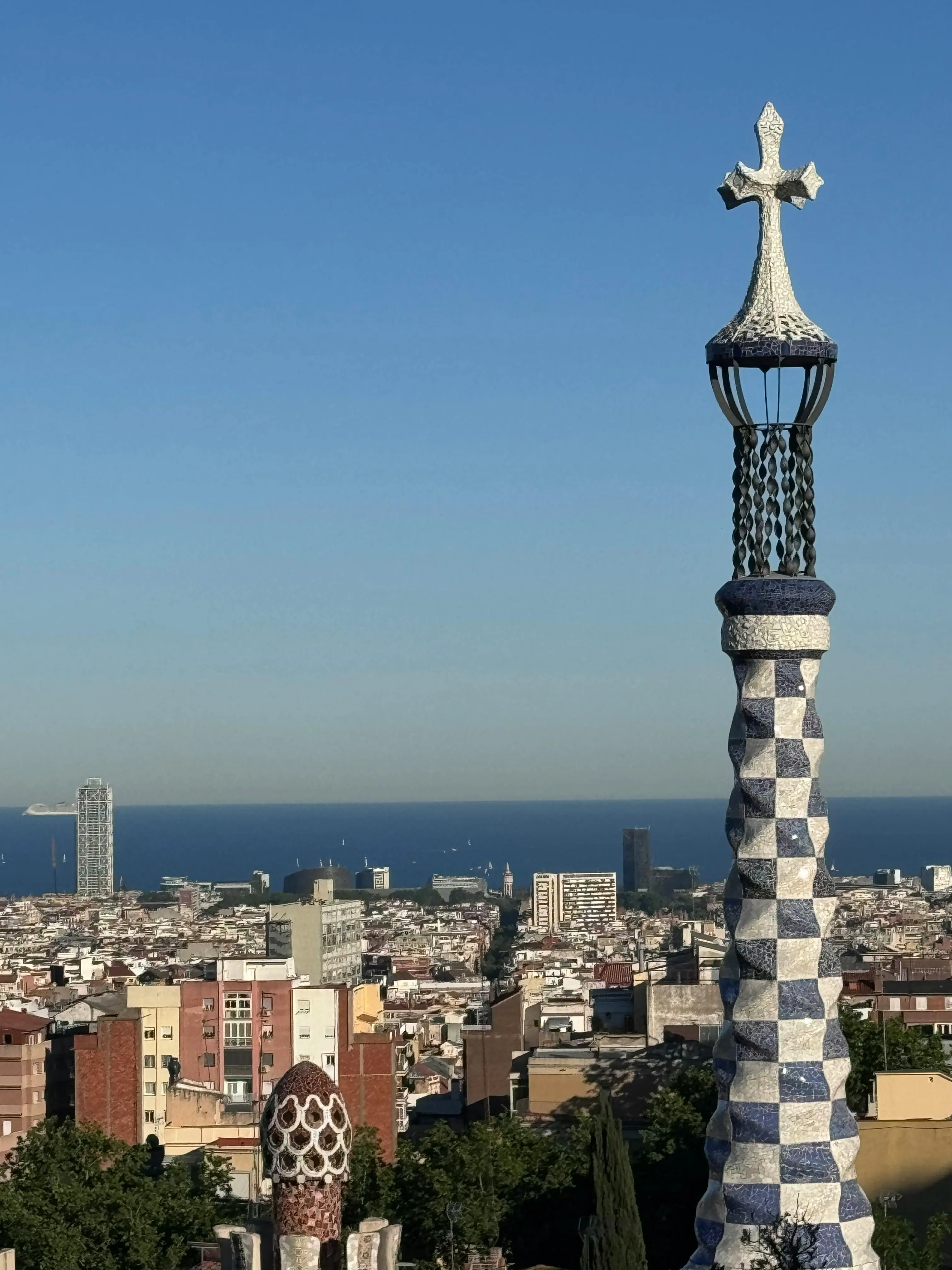
Midday breaks at Park Güell, where greenery is in full bloom and crowds are lighter than summer
-
Afternoon work sessions near Gràcia, followed by relaxed evenings at local wine bars or small plazas
-
Outdoor dining becomes a regular habit, with terraces reopening across residential areas
Spring is also well-suited for nomads who want to explore day trips later in their stay, as transport runs smoothly and popular routes aren’t yet overwhelmed.
As spring fades and June kicks into gear, Barcelona’s tempo shifts quickly. Up next, we’ll look at summer — when beach season arrives, festivals take over, and the city moves into full swing, bringing both energy and new challenges for longer stays.
Summer (June–August): Beach Season, Festivals, and Peak Season
Summer transforms Barcelona into a high-energy destination, and while it can be a fantastic time for short stays, it requires more planning for digital nomads settling in for months. This is high season in the city, when beach season overlaps with major festivals, rising accommodation prices, and the arrival of many tourists. The experience can be rewarding — but only if you know what you’re signing up for.
Beach Weather, Summer Heat, and Daily Comfort
Summer brings consistent warm temperatures and long, bright days. Average highs climb steadily, and by July and August the summer heat becomes part of daily decision-making. Lightweight, breathable clothing and shaded routes quickly become essentials.
The upside is reliable beach weather. From June through early July, the Mediterranean Sea is warm enough for swimming, making regular beach time realistic before work or in the evenings.
Where Beach Life Actually Works
For longer stays, proximity and timing matter more than novelty:
-
Barceloneta Beach is most manageable early in the morning or on weekdays
-
Nova Icaria and Bogatell attract more locals and fewer package tourists
-
Early swims or sunset walks are far more sustainable than midday visits
By mid August, beaches become crowded, and locals leave the city for holidays, changing the atmosphere noticeably.
Festivals, Street Parties, and Cultural Energy
Summer is packed with key events that define the season:
-
Primavera Sound (June), drawing international crowds
-
Sónar Festival (June), blending music and digital culture
-
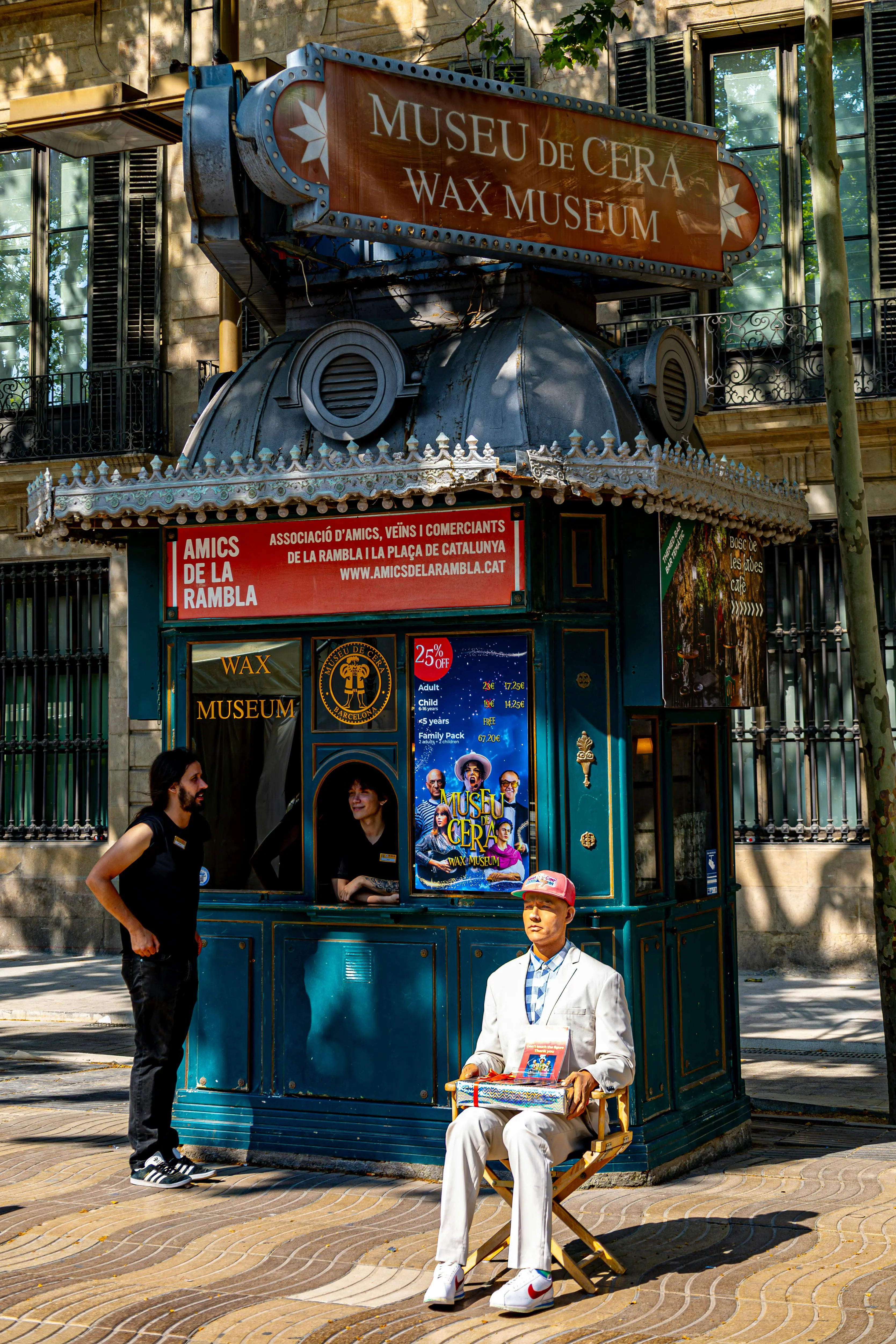
Sant Joan (June 23), celebrated with fireworks, bonfires, and all-night street gatherings
-
Festa Major de Gràcia in mid August, famous for decorated streets and neighborhood celebrations
These street parties and festivals add festive energy, but they also mean noise, packed public transport, and limited quiet evenings — something to consider for longer work-focused stays.
Crowds, Costs, and Practical Trade-Offs
Summer is firmly peak season:
-
Hotel rates and accommodation prices reach their annual highs
-
Popular major attractions come with long waits and long lines
-
Some indoor attractions offer relief from heat, but are busiest midday
-
Planning ahead becomes essential, especially if you want space and stability
For nomads staying several months, summer often works best as part of a longer timeline — arriving in late spring or staying through early fall — rather than as a standalone season.
As the heat softens and crowds thin out, the city shifts again. Next, we’ll look at fall — when fewer tourists compared to summer, warm days, and lower prices combine to create one of the most livable periods of the year.
Fall (September–October): Fewer Tourists and the Most Livable Months
For digital nomads planning mid- to long-term stays, fall consistently ranks as the best time of year to visit Barcelona. The city shifts out of summer overload and into a rhythm that feels genuinely livable. Days remain warm, evenings cool down, and daily life becomes noticeably smoother — from errands to focused workdays.
Weather, Pace, and Everyday Comfort
September and October bring warm days and pleasant temperatures that support long walks, cycling, and outdoor work sessions without the drain of summer heat. While September can see occasional rain, it’s rarely disruptive, and October often delivers some of the most stable mild weather of the year.
Crowd levels drop sharply. You’ll notice fewer crowds at major attractions, less congestion on public transport, and quieter residential streets — all of which matter when your stay stretches into months rather than days.
Why September Works So Well for Longer Stays
September is especially appealing for nomads settling in:
-
Accommodation prices and hotel rates soften after August
-
Cafés and coworking-friendly spots regain regulars instead of short-term visitors
-
Neighborhood routines return as many locals come back from summer holidays
Daily life feels balanced again. Morning grocery runs at Sant Antoni Market, afternoon work sessions along tree-lined streets in Eixample, and relaxed dinners without reservations become normal — not exceptions.
October: Quiet Productivity with Cultural Depth
October is often described as a fantastic time to experience Barcelona without pressure. The city feels focused and cultural rather than performative.
Fall highlights include:
-
The start of the Barcelona Jazz Festival, spreading live music across venues citywide
-
Calm museum visits at places like MNAC, where views and space matter as much as exhibitions
-
Long, comfortable afternoons exploring Montjuïc trails and lookout points
October is also ideal for focused work stretches, thanks to cooler temperatures and fewer spontaneous disruptions.
Neighborhoods That Feel Best in Fall
Fall brings out sides of the city that are easy to miss in summer:
-
Poblenou balances proximity to the coast with quiet streets and reliable cafés
-
El Clot offers a residential pace with strong transport links and fewer visitors
-
Horta feels village-like, especially near green spaces such as the Labyrinth Park
These areas support routine — consistent coffee spots, predictable noise levels, and a sense of local normalcy that makes staying six to ten months feel natural.
If you’re curious which streets, cafés, and green pockets make Poblenou such a strong base during this season, you can explore Poblenou in our neighborhood guide.
As fall tapers off and nights cool further, Barcelona becomes even quieter. Next, we’ll look at winter — when avoiding crowds, lower prices, and a slower pace redefine what long-term living in the city can look like.
Winter (November–February): The Best Time to Visit for Focus, Space, and Access
For digital nomads planning stays of several months, the winter months are often the most underestimated — and most practical — time to visit Barcelona. This is when the city strips back tourism noise and daily life becomes easier to navigate, especially if your priority is work, routine, and unhurried access to the places that matter.
What Winter Does Better Than Any Other Season
Winter is not about events or spectacle. It’s about access.
-
Major attractions are no longer saturated, meaning you can visit them on normal weekdays
-
Historic sites become walk-in experiences instead of timed-entry logistics
-
Popular neighborhoods return to local use rather than short-stay turnover
-
You spend less time navigating crowds and more time actually living in the city
If your stay runs 3–11 months, this reduction in friction compounds quickly.
Historic Sites That Are Genuinely Better in Winter
These are places that feel fundamentally different between November and February:
-
Barcelona Cathedral
Visit mid-morning on weekdays (10:00–11:30). The cloister is quiet, the interior accessible, and you can sit without being moved along. -
Santa Maria del Mar
Winter afternoons (after 16:00) allow slow visits with minimal foot traffic, especially outside weekends. -
Gothic Quarter
Early winter mornings are ideal for walking Carrer del Bisbe, Plaça Sant Felip Neri, and adjacent streets before retail hours resume.
These locations suffer from long lines in warmer seasons and are among the clearest examples of why winter improves the experience.
Indoor Attractions Worth Building Into Weekly Life
Winter is when museums stop being “tourist stops” and start functioning like local spaces:
-
Picasso Museum
Weekday afternoons after 15:00 are consistently calm. You can move room to room without congestion, something rarely possible outside winter. -
MNAC
Winter is the best season here — fewer visitors, full gallery access, and time to actually sit with the Romanesque collection. -
Fundació Joan Miró
Cooler temperatures make the Montjuïc approach comfortable, and winter weekdays keep galleries quiet.
These indoor attractions are strongest precisely because winter removes time pressure.
Holiday Markets and Local Calendar Moments
Winter still has anchor moments — just quieter ones:
-
Holiday markets appear from late November through early December, particularly around Plaça de la Catedral
-
Kings Day (early January) activates neighborhoods with parades rather than tourist-scale festivals
-
The holiday season ends sharply after January 6, creating one of the calmest windows of the year
This period is especially good if you arrive after the first week of January.
Why Winter Works for Long-Term Productivity
Winter favors routine:
-
Public transport is smoother without event spikes
-
Cafés operate on regular schedules instead of tourist demand
-
Residential areas stabilize after summer turnover
If you’re trying to experience Barcelona as a place to live — not perform — winter supports that goal better than any other season.
Costs and Availability
Winter is also when economics align:
-
Hotel rates are at their annual lows
-
Accommodation prices soften across longer-term rentals
-
Move-in flexibility increases dramatically
January and February remain the most cost-efficient months to stay in the city.
Winter doesn’t show Barcelona at full volume — it shows it functioning. For digital nomads who value clarity, access, and routine over novelty, this is often the most sustainable best time to visit the city for several uninterrupted months.
Best Time to Visit Barcelona by Travel Style (Mid- to Long-Term Stays)
The best time to visit Barcelona isn’t just about weather. It’s about matching the city’s rhythm to your lifestyle. Whether you’re here to focus, explore, or reset, the time to visit Barcelona depends on your priorities — budget, productivity, cultural access, or simple breathing room.
Here’s how to pick your window based on the kind of long-stay experience you want.
For Nomads Who Need Fewer Crowds and Smoother Days
When to come: Late September through Early December
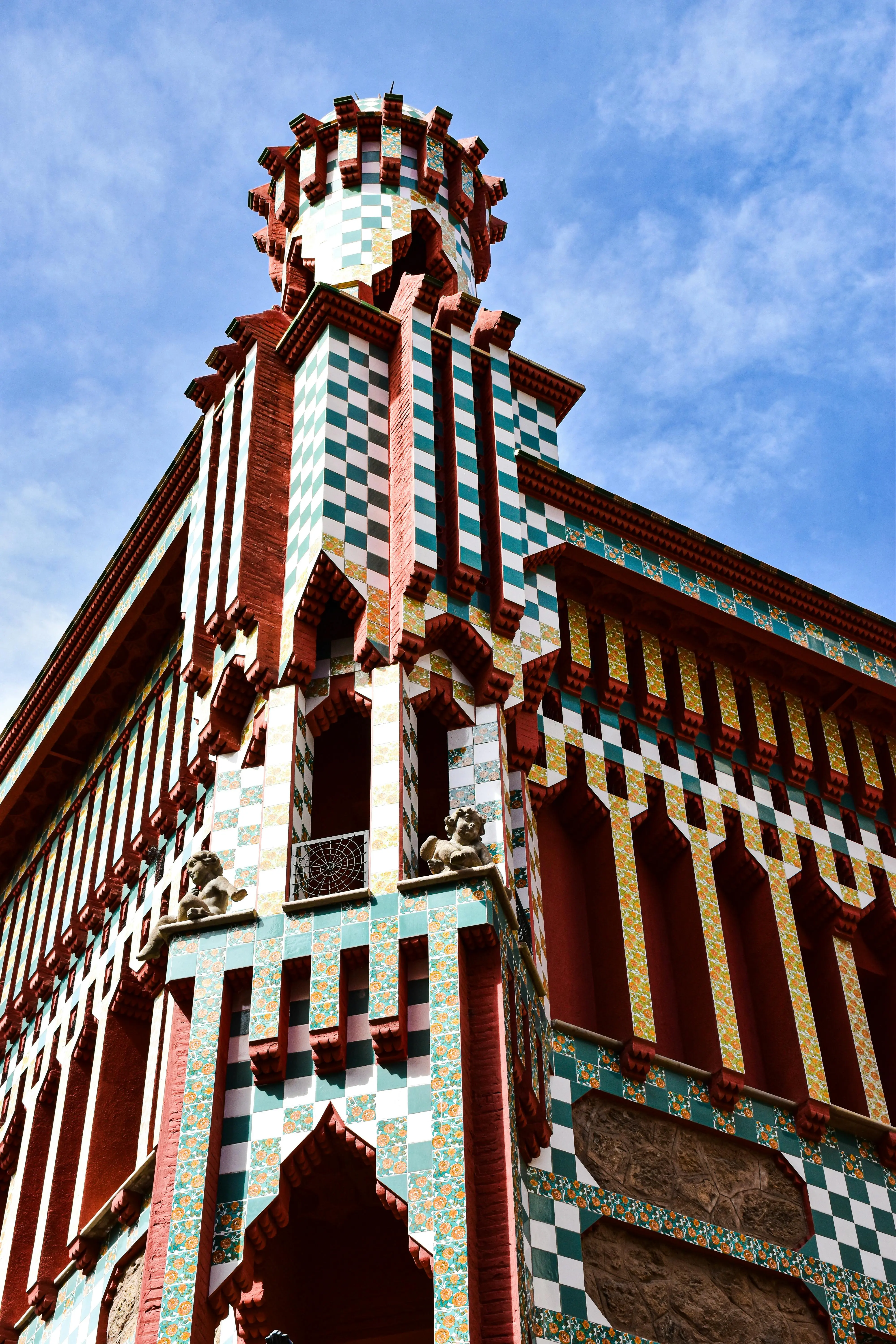
This stretch offers ideal mild weather, reliable routines, and fewer crowds. You’ll navigate major sights like Casa Vicens, MUHBA, and the Gothic Quarter without battling long lines — even on weekends.
Rent + lifestyle highlights:
-
Furnished studios in El Clot: ~€980/month via RentRemote
-
1BR with workstation in Poble Sec: ~€1,250/month
-
Hotels like Hotel Praktik Èssens: €95–€120/night with discounts for 7+ day stays
For those staying multiple months, fully furnished apartments in Barcelona make it easier to focus on the city, not logistics — offering quiet, remote-work-ready spaces in walkable neighborhoods.
This is a sweet spot: plenty happening, but never overwhelming. A season for clarity.
For Culture-First Stays with Maximum Breathing Room
When to come: April–May or October
Barcelona is rich in cultural events year-round, but spring and fall are when they feel most accessible. Visit during Setmana Santa for parades along La Rambla and neighborhood processions in Horta. In October, the Barcelona Jazz Festival brings live music to venues like Luz de Gas and Jamboree without ticket scarcity.
Where to work and explore:
-
Eco-working coworking (Gràcia): €120/month, walkable to event venues
-
Fundació Antoni Tàpies is best visited on Thursdays after 15:00 — quiet and full of natural light
Pricing reality:
-
Hotels like Room Mate Pau(Eixample): €110–€130/night
-
Furnished RentRemote flats in Sant Antoni: ~€1,050/month for studio + desk + balcony
This is when Barcelona reveals its best self: cultural but not chaotic, with room to move.
For Those Who Want Outdoor Living Without Summer Heat
When to come: May–June or October
If you’re here for outdoor activities — long walks, terrace lunches, weekend hikes — this is your time. Mornings are brisk but clear, and the sea breeze makes city movement effortless.
Where to go:
-
Parc del Laberint d’Horta: ideal before 11:00 a.m., often empty on weekdays
-
Bunkers del Carmel: best done before sunset in May or late lunch in October
-
Outdoor cafés with strong WiFi: SlowMov (Gràcia) and Federal Café (Sant Antoni)
What it costs:
-
RentRemote’s 1BRs near Parc de la Ciutadella: from €1,190/month with balcony + natural light workspace
-
Budget hotels like Hotel Rec: €105/night with rooftop, drops to €90 in October
These months feel like living outside without ever feeling rushed.
For Budget-Conscious Long-Term Stays
When to come: Mid-January through February
This is Barcelona’s quietest quarter — and its most affordable. It’s perfect for getting your head down, skipping long waits, and saving hundreds per month.
Real costs:
-
RentRemote units in El Raval and Sants: €880–€980/month for furnished 1BR with workstation
-
Hotels like Hotel Jazz: €85–€105/night, often with breakfast included
-
Grocery prices 10–12% cheaper than summer, based on local market data
Local routines:
-
Public transport is half-empty and faster
-
Visit Picasso Museum free on Thursday evenings (and still find seating)
-
Cozy tapas bars like La Cova Fumada (Barceloneta) and Bar del Pla (El Born) feel like neighborhood haunts again
This is the best time of year to visit Barcelona if cost, calm, and creative focus are your top priorities.
For Those Who Crave Festive Energy Without Overload
When to come: June through Early July
If you need excitement — but not peak season crush — this short window is gold. Beach weather is stable, terraces are full, and street parties begin to pop.
What’s on:
-
Sant Joan (June 23): bonfires on the beach, fireworks all night
-
La Mercè Festival prep begins in July: check the El Born Cultural Center for early programs
-
Festa Major del Casc Antic: local street celebration without tourist marketing
Where to stay:
-
Hotel Brummell (Poble Sec): €120–€145/night, includes yoga, drops to €110 with advance booking
-
RentRemote 1BR with patio near Parc de Montjuïc: from €2,220/month
But book ahead — this window closes fast, and accommodation prices can spike with little notice.
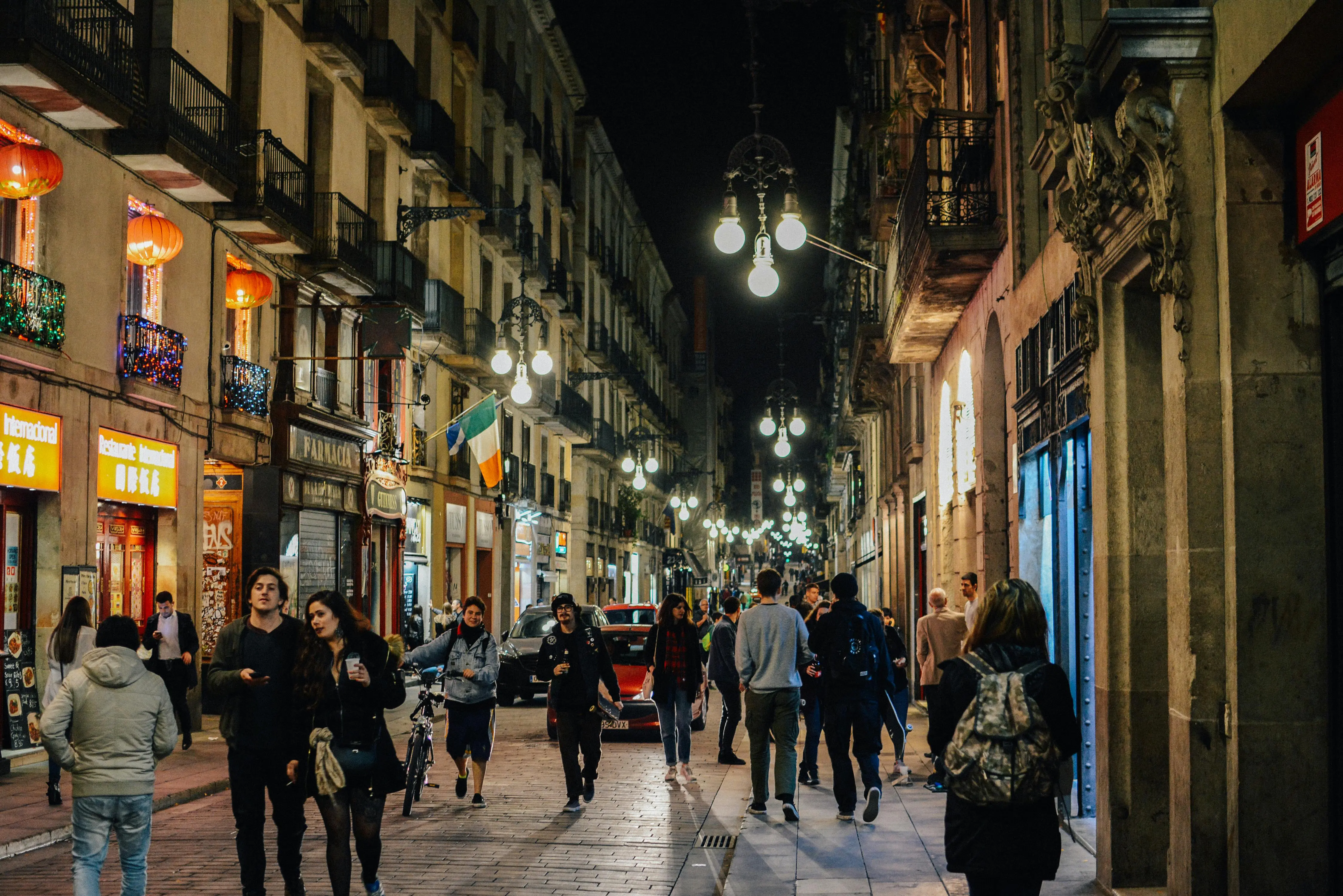
High Season vs Shoulder Season: What Long-Term Nomads Gain or Lose
If you’re staying in Barcelona for more than a few weeks, timing isn’t just about events or weather — it’s about rhythm. Understanding the real differences between high season and the shoulder months (spring and fall) can help you choose a timeline that supports both your work and lifestyle goals. Here’s how they compare when it comes to livability, not just tourism appeal.
What High Season Actually Feels Like (July–August)
Summer in Barcelona is high-energy — but also high-friction.
-
Accommodation prices spike sharply, especially in central areas. Expect RentRemote listings to jump by €300–€500/month compared to spring or fall.
-
Hotel rates hover between €150–€250 per night at popular business-friendly stays like Hotel Pulitzer or Seventy Barcelona, with limited weekly discounts.
-
Long waits are common at major attractions, even on weekdays. Park Güell, Casa Batlló, and La Boqueria can feel overwhelming by 11 a.m.
-
Public transport remains reliable, but stations like Sants and Passeig de Gràcia experience tourist surges that slow movement during rush hours.
-
Most locals leave the city for part of August — shifting the tone of neighborhoods like Gràcia and Poblenou toward transient foot traffic.
If your goals include consistent work, sleep, and quiet routine, high season requires extra strategy. Consider outlying neighborhoods like Les Corts, El Coll, or El Carmel to escape heat and crowd pressure.
Why Shoulder Season Supports Longer Stays (April–June, September–October)
The shoulder months strike a livability balance for long-term travelers.
-
You get pleasant temperatures (18–24°C), ideal for working from terraces, walking between errands, and commuting by bike or metro without fatigue.
-
Hotel rates at well-located business hotels like H10 Art Gallery or Yurbban Trafalgar drop to €100–€130 per night, with more frequent multiday offers.
-
RentRemote apartments in Eixample, El Born, and Sant Antoni are more available — and 20–30% cheaper than summer.
-
The public transport system runs smoothly, without seasonal overload. Routes to coworking hubs (especially in Poblenou or Gràcia) are calm and predictable.
-
Fewer tourists compared to high season means easier access to major sights, faster café service, and no need to map out bathroom stops or mid-day breaks around crowd logistics.
This is also the only season where you can casually integrate weekend day trips — like Sitges, Vic, or Montserrat — without reservation headaches or heat warnings.
Summary Table: What You Trade Between Seasons
| Factor | High Season (Jul–Aug) | Shoulder Season (Apr–Jun, Sep–Oct) |
|---|---|---|
| Accommodation Prices | Highest of the year | 20–30% lower |
| Hotel Rates | €150–€250/night | €100–€130/night |
| Crowds at Major Attractions | Constant queues and congestion | Manageable, even mid-week |
| Public Transport | Overloaded at main hubs | Efficient and quiet |
| Outdoor Conditions | Hot, high UV, limited shade midday | Comfortable, mild, good for walking |
| Cultural Access | Loud festivals, street closures | Neighborhood events, better balance |
| Local Integration | Fewer locals, more tourist density | Locals present, daily life accessible |
| For nomads planning a multi-month stay, the shoulder season isn’t a compromise — it’s a strategy. It gives you space, savings, and stability — three things that long-term travel can’t function without. |
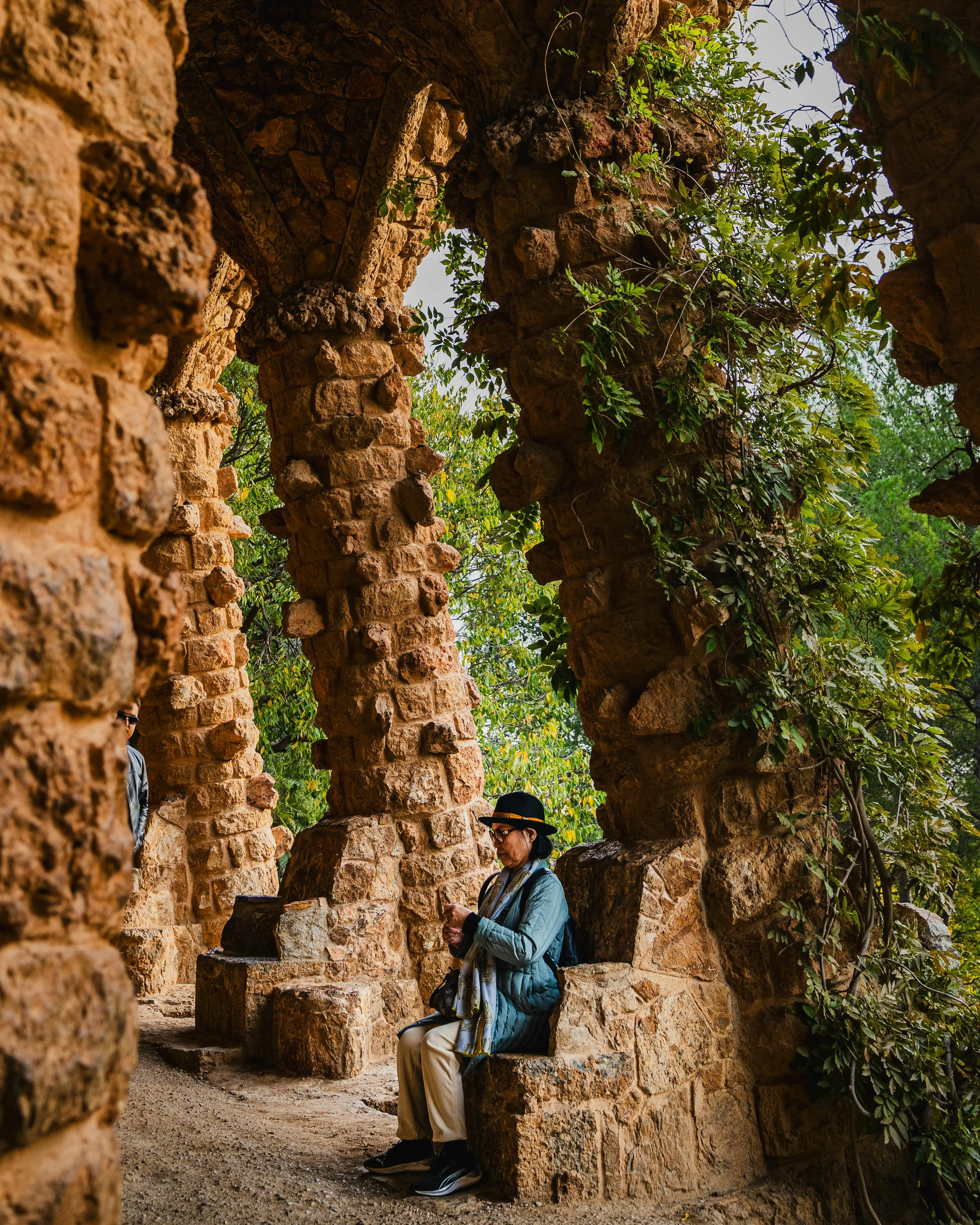
Day Trips, Walkable Weather, and Avoiding Crowds
One of the biggest advantages of staying longer in Barcelona is the freedom to explore beyond the city on your own schedule. While short-term visitors rush through the classics, long-stay travelers can plan smarter, quieter day trips — often on weekdays — and truly enjoy what lies just outside the urban sprawl.
Where to Go (and When It’s Best)
-
Sitges: 40 minutes by train. Ideal in early July or late September, when the beaches are warm but the promenade is calm. Come midweek to fully experience the seaside without tour groups.
-
Montserrat: Best done in cooler months like October or March. Take the early morning R5 train from Plaça Espanya to avoid crowds at the abbey and hike trails that offer complete silence by 11 a.m.
-
Girona: A full-day trip, but especially worth it in winter. The medieval Jewish Quarter and colorful riverfront are peaceful, and the cathedral plaza has excellent light for photography between 14:00–16:00.
-
Colònia Güell: A Gaudí-designed workers’ village just 25 minutes from Barcelona. There’s rarely a crowd, even during peak season, and the crypt is one of the most quietly impressive places in Catalonia.
Timing Tips for Nomads
Planning day trips during shoulder season or off-peak weekdays is one of the best ways of avoiding crowds. You'll find fewer tourists, less transportation stress, and more room to actually enjoy the destination. Midweek rail trips (Tues–Thurs) almost always deliver the most relaxed experience, especially if you leave before 9:00 a.m.
And because you’re not racing a five-day itinerary, you can skip weekends altogether — letting the city rest while you move freely beyond it.
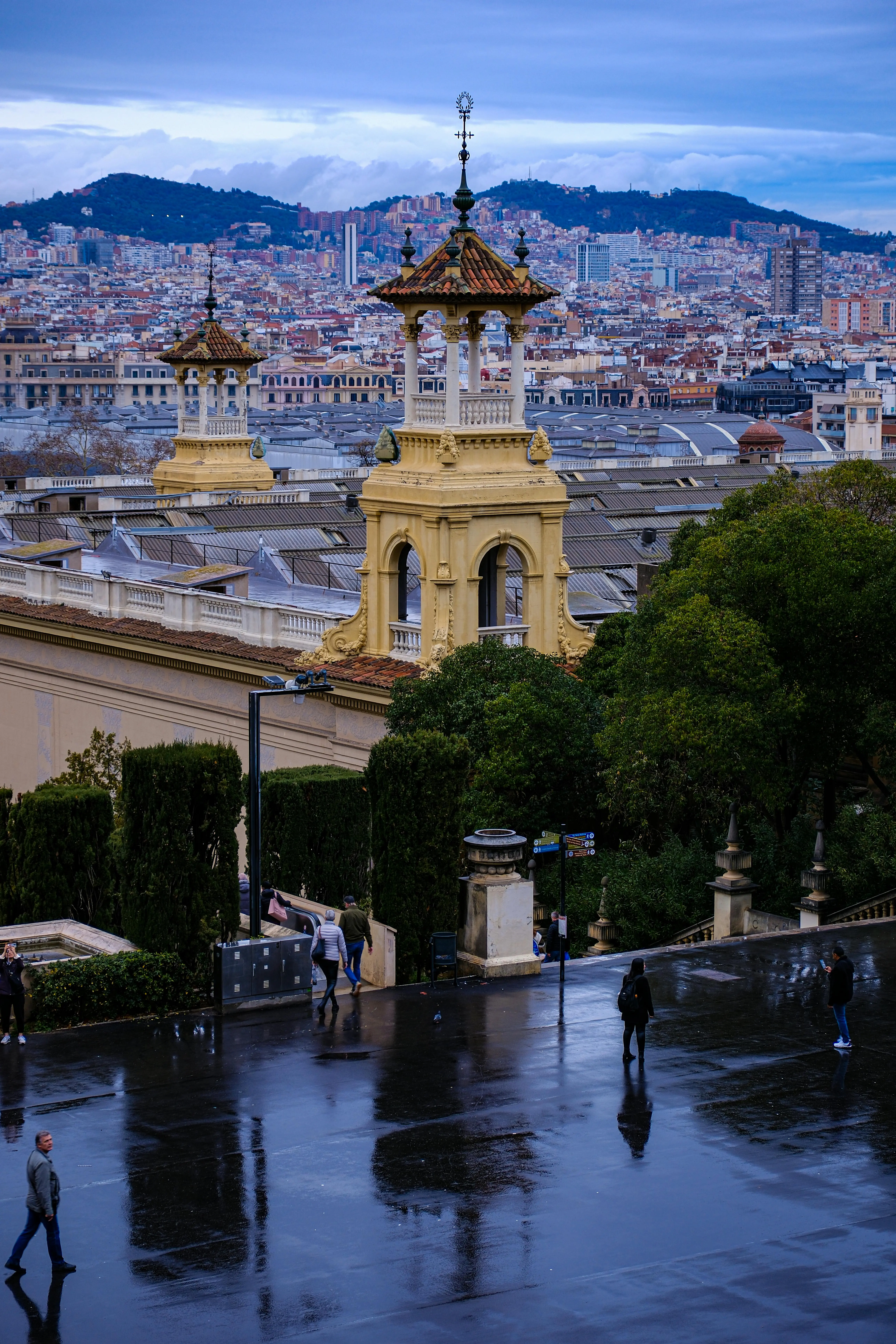
When Barcelona Works Best for Long-Term Travel
Barcelona isn’t a city that has one right answer. The best time to visit isn’t a single month or season — it’s a match between your work rhythm and the city’s. For digital nomads staying longer than a quick trip, that balance matters more than weather snapshots or festival dates.
If you’re seeking routine, culture, and fewer crowds, Barcelona in spring or fall makes daily life smoother. If you’re budget-minded, the winter months offer not only quiet streets and local energy but also access to the city’s best apartments at its lowest rates. Even summer, for all its intensity, can work in short bursts — especially if you arrive in early July and plan for street parties, beach time, and longer evenings.
Across all seasons, Barcelona rewards presence. You’ll find that even daily errands pass historic sites, your neighborhood plaza is filled with Catalan traditions, and the stunning architecture becomes part of your commute.
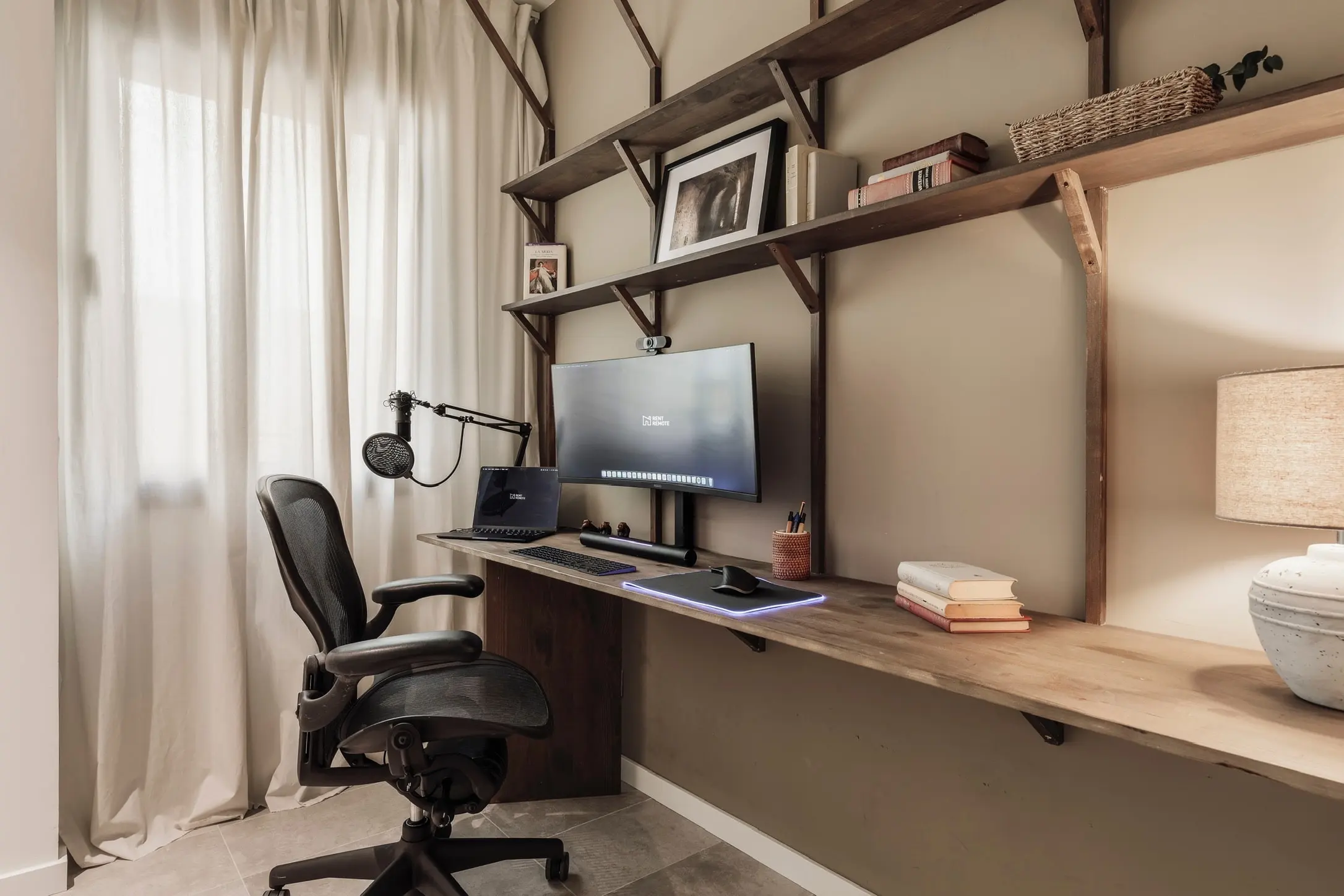
The good weather, reliable public transport, and deeply walkable layout make this a city that delivers — not just during events, but year round.
If you’re planning to stay a while, explore our range of fully furnished apartments in Spain— all curated for long-term comfort, remote work, and daily life that feels more grounded than touristed.
You don’t need to rush to see it all. Barcelona works best when you stay long enough to stop trying.