





Why Digital Nomads Are Staying Longer in 2026 (And It's Not Just the Vibe)
Digital nomads visited fewer places and stayed longer in 2025. The data behind the slow travel shift and how airfares and oil prices are driving it.
Remember when being a digital nomad meant a new city every two weeks? Lisbon for a month, then Bali, then Mexico City, then Lisbon again because you forgot how much you loved it.
That rhythm is slowing down. Fast.
According to MBO Partners' 2025 Digital Nomad Trends Report, the average nomad visited 7.2 locations per year in 2024. In 2025, that number dropped to 6.2 — a 14% decrease. Meanwhile, the average stay per location jumped from 5.4 weeks to 6.4 weeks, a 19% increase.
This isn't a vibe shift. It's a financial one.
The Real Reason Nomads Are Staying Put
Airfares are up 7.1% year-over-year according to the US Travel Association Travel Price Index (March 2026). Brent crude is sitting above $100 per barrel, driven by Strait of Hormuz tensions that show no sign of easing. And because Ukraine, Russia, Iran, Israel, and Lebanon airspace remains closed, many international routes are forced into longer detours — burning more fuel and pushing ticket prices even higher.
Airport delays are compounding the problem. The EES biometric border system is already adding 2–3 hours at Schengen airports this summer. Boeing's Senior Vice President Brendan Nelson put it bluntly in March 2026: "The biggest risk for aviation is geopolitics."
The math is simple. Fewer flights = fewer fuel surcharges. Longer stays = lower per-night accommodation costs. Monthly rentals on Rent Remote are almost always cheaper than four weekly Airbnb bookings.
Where the "Slomads" Are Going
When Lisbon and Barcelona hit Western European price levels, nomads don't stop traveling — they redirect. The destinations winning in 2026 share one trait: value.
- Tirana, Albania — No visa runs needed for most passports, affordable apartments, and a growing coworking scene.
- Plovdiv, Bulgaria — EU's cheapest big city with fiber internet and a charming old town.
- Chișinău, Moldova — Emerging as an under-the-radar nomad hub with a new visa pathway.
- Tbilisi, Georgia — New C5 visa approved, low cost of living, and a famously welcoming visa policy.
- Nairobi, Kenya — East Africa's tech hub with improving infrastructure and a new digital nomad visa in the works.
We covered these five destinations in depth in our affordable destinations guide — and the interest since then has been significant.
37% of US Nomads Are Planning More Domestic Time
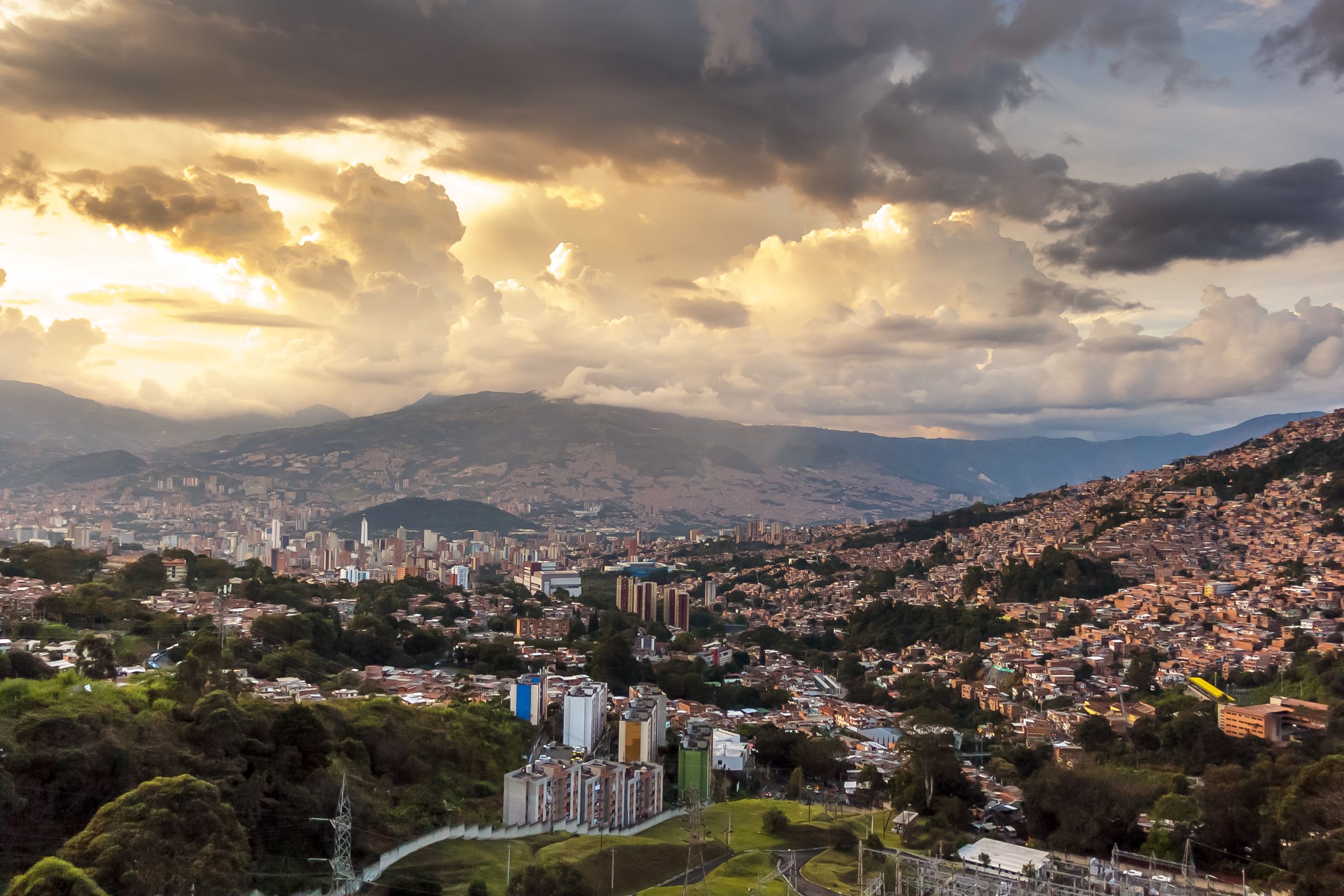
The MBO Partners data also reveals that 37% of US-based digital nomads plan to spend more time working within their home country in 2026. This doesn't mean giving up the nomad lifestyle — it means renting a place in Austin, Denver, or Asheville for three months instead of hopping between Medellín and Lisbon.
Domestic slow travel removes visa complexity, reduces flight costs, and lets nomads build temporary community without the constant goodbyes.
What This Means for Remote Workers
If you're still booking one-month stays, you're not behind — you're just early. The "slomad" model (3 to 12 months per destination) is becoming the default, not the exception.
Here's how to make the shift work:
- Negotiate monthly rates. Most property managers on Rent Remote offer discounts for stays over 30 days. Ask.
- Choose destinations with multi-month visa options. Japan's digital nomad visa, Georgia's C5 visa, and Thailand's DTV (for now — the 60-day visa-free policy is under review) all support extended stays.
- Factor in total cost of relocation. A cheap flight isn't cheap if you need one every three weeks. Add airport transfers, lost work days, and the mental overhead of constant packing.
- Build a base, then branch out. Spend 3 months in one city, take short trips from there. You keep the stability and still get variety.
The Bottom Line
The romantic image of the digital nomad — laptop in a hammock, passport full of stamps, a new skyline every sunset — was never the full picture for most remote workers. And in 2026, it's increasingly a minority lifestyle.
The new normal is slower, more intentional, and arguably more sustainable. You stay longer. You work better. You spend less. And when you do move, it actually means something.
Ready to book your next extended stay? Browse fully furnished mid-term rentals in 40+ cities worldwide.