






Japan for Digital Nomads 2026: Visa, Cost of Living, and City Guide
Complete guide to Japan for digital nomads in 2026. Visa requirements, cost of living, best cities, coworking spaces, internet, and practical tips.
Japan for Digital Nomads 2026: Visa, Cost of Living, and City Guide
Japan launched its digital nomad visa in 2024, giving remote workers a legal path to live and work in the country for up to six months. For professionals who've been visiting on tourist visas and working quietly, this changes everything. For those who've never considered Japan as a remote work base, it should be on your radar.
This guide covers the visa requirements, realistic cost of living, the best cities for remote work, and practical details for daily life in Japan.
Japan's Digital Nomad Visa: Requirements and How to Apply
According to Japan's Immigration Services Agency, the digital nomad visa allows stays of up to six months while working remotely for companies based outside Japan. Here are the key details:
Eligibility
- Nationality: Only citizens from select countries qualify, including the United States, Canada, Australia, New Zealand, most of Europe, Brazil, Hong Kong, and Mexico. The full list is available here.
- Minimum income: ¥10 million per year (approximately $65,000 USD). This is one of the higher thresholds among digital nomad visa programs globally.
- Health insurance: Private health insurance covering at least ¥10 million (approximately $65,000 USD) in medical expenses.
- Valid passport: At least six months validity with two blank pages.
- Dependents: Spouses and children can join, with proof of relationship (marriage or birth certificate).
How to Apply
- Gather documents: Visa application form, proof of remote employment (contracts, tax certificates), proof of income (bank statements, tax records), and health insurance documentation.
- Submit application: Online through Japan's Immigration Services Agency or in person at a Japanese consulate or embassy.
- Processing time: Several weeks. Applying for a Certificate of Eligibility (COE) in advance can speed things up.
- Receive decision and enter Japan.
Important Limitations
- Not renewable. After six months, you must leave Japan for six months before you can reapply.
- No path to permanent residency. Unlike some countries' digital nomad visas, Japan's does not lead to long term residency or citizenship.
- Income threshold is strict. At $65,000 USD annually, this filters out many freelancers and early career remote workers.
Cost of Living in Japan: The Real Numbers
Japan has a reputation for being expensive. The reality is more nuanced. Using Numbeo's March 2026 data for Tokyo and Nomads.com:
Tokyo
Nomads.com rates Tokyo at a monthly cost of $3,311, with a Nomad Score of 3.84/5 (Rank #10 globally). Here's the breakdown from Numbeo:
Rent:
- 1 bedroom apartment, city center: ¥180,558/month (~$1,204)
- 1 bedroom apartment, outside center: ¥101,867/month (~$679)
- 3 bedroom apartment, city center: ¥331,381/month (~$2,209)
Dining:
- Meal at an inexpensive restaurant: ¥1,200 (~$8)
- Meal for two at a mid range restaurant: ¥6,550 (~$44)
- McDonald's combo meal: ¥800 (~$5.33)
- Domestic beer (pint): ¥600 (~$4)
- Cappuccino: ¥518 (~$3.45)
Groceries:
- Milk (1 liter): ¥230
- Eggs (12): ¥353
- Chicken fillets (1 lb): ¥545
- Rice (1 lb): ¥412
- Mid range wine: ¥1,500 (~$10)
Utilities and connectivity:
- Basic utilities (electricity, heating, water, garbage): ¥24,795/month (~$165)
- Broadband internet: ¥4,694/month (~$31)
- Mobile phone plan (10GB+): ¥3,682/month (~$25)
- Monthly public transport pass: ¥11,000 (~$73)
Lifestyle:
- Gym membership: ¥10,771/month (~$72)
- Cinema ticket: ¥2,000 (~$13)
Osaka: The Budget Alternative
Nomads.com lists Osaka at $2,351/month, nearly $1,000 less than Tokyo. Key differences from Numbeo Osaka data:
- Inexpensive restaurant meal: ¥1,000 (vs ¥1,200 in Tokyo)
- Mid range restaurant for two: ¥5,000 (vs ¥6,550 in Tokyo)
- Monthly transport pass: ¥5,150 (vs ¥11,000 in Tokyo, a massive saving)
- Domestic beer (pint): ¥400 (vs ¥600 in Tokyo)
Osaka offers nearly the same infrastructure as Tokyo at a significantly lower price.
Monthly Budget Estimate (Tokyo)
| Category | Monthly Cost (¥) | USD Equivalent |
|---|---|---|
| Rent (1 bed, outside center) | ¥101,867 | ~$679 |
| Utilities | ¥24,795 | ~$165 |
| Groceries | ¥40,000 | ~$267 |
| Dining out (occasional) | ¥20,000 | ~$133 |
| Internet + mobile | ¥8,376 | ~$56 |
| Transport | ¥11,000 | ~$73 |
| Entertainment | ¥10,000 | ~$67 |
| Total | ~¥216,038 | ~$1,440 |
Living outside the city center in Tokyo, a reasonable monthly budget is around $1,440 before rent premiums for central locations. Add $500+ if you want a city center apartment.
Best Cities for Digital Nomads in Japan
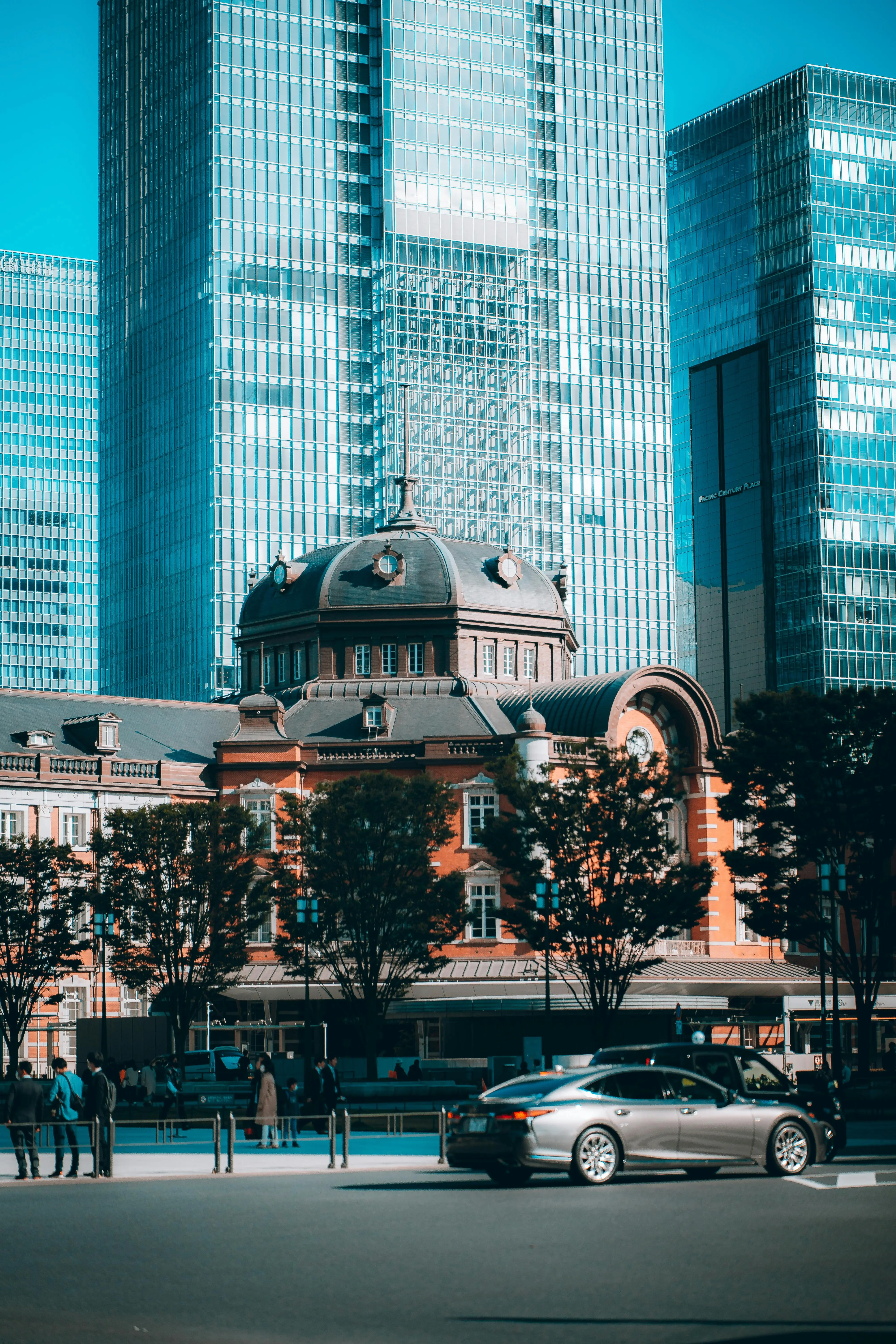
Tokyo
The obvious choice and where most nomads land. Nomads.com gives it a 3.84/5 score with 2,231 reviews.
Pros:
- 91% of buildings have AC per Nomads.com
- Safety rated "Great"
- Walkability rated "Great"
- Average internet speed: 28 Mbps (city average, fiber apartments much faster)
- 45 members liked it, only 1 disliked
Best neighborhoods for remote workers:
- Shimokitazawa: Cafes, indie shops, creative energy. Good for laptop work in coffee shops.
- Shibuya/Ebisu: Central, excellent transit hub. Higher cost but maximum convenience.
- Nakameguro: Quieter residential feel along the Meguro River. Walkable to Shibuya. Popular with younger professionals.
- Koenji: Affordable, artsy, slightly off the beaten path. Strong community feel.
Coworking: WeWork Japan, Blink Smart Workspace, and The Hive Jinnan are popular options. Many cafes also welcome laptop workers, though cultural norms around overstaying vary.
Osaka
Japan's second city and a serious alternative to Tokyo. Nomad Score 3.57/5 with 910 reviews.
Pros:
- Monthly cost: $2,351 (vs $3,311 in Tokyo)
- Transport pass nearly half the price of Tokyo's
- Known as Japan's food capital (street food culture in Dotonbori is legendary)
- Friendlier and more casual atmosphere than Tokyo
- Safety rated "Great"
- 91% AC coverage
Best neighborhoods:
- Namba/Shinsaibashi: Central entertainment and dining district. Walking distance to everything.
- Umeda/Kita: Business district with modern buildings and excellent transit connections.
- Shinsekai: Characterful older neighborhood with budget dining options.
- Tennoji: Residential, affordable, good park access near Tennoji Park.
Coworking: Osakan Space is recommended by Nomads.com. Multiple WeWork locations available.
Kyoto
The cultural heart of Japan. Temples, traditional architecture, and a slower pace.
Pros:
- Smaller and more walkable than Tokyo or Osaka
- Rich cultural environment (over 2,000 temples and shrines)
- Easy day trips to Osaka (15 minutes by bullet train) and Nara (45 minutes)
- Growing cafe culture with laptop friendly spaces
Cons:
- Smaller coworking scene than Tokyo or Osaka
- Tourist congestion in popular areas (especially Arashiyama and Fushimi Inari)
- Fewer apartment options for short term stays
Fukuoka
An emerging nomad hub on Japan's southern island of Kyushu.
Pros:
- Lower cost of living than Tokyo or Osaka
- Strong startup and tech community
- Excellent ramen (the city is famous for it)
- Compact and easy to navigate
- Close to beaches and nature
Best for: Nomads who want a smaller city experience with good infrastructure and lower costs.
Internet and Connectivity
Japan's internet infrastructure is excellent. Nomads.com reports average speeds of 28 Mbps in Tokyo and 25 Mbps in Osaka, but these are city wide averages that include mobile connections. Fiber optic apartments commonly deliver 100 Mbps to 1 Gbps.
Key connectivity details:
- Broadband: ¥4,694/month (~$31) in Tokyo per Numbeo. Fiber is widely available.
- Mobile: Plans with 10GB+ data cost ¥3,682/month (~$25). Budget carriers like Ahamo, Povo, and LINEMO offer competitive rates.
- Free WiFi: Rated "Bad" on Nomads.com. Unlike some Asian cities, free public WiFi is not widespread. Get a SIM card or pocket WiFi on arrival.
- Cafe WiFi: Available at most chain cafes (Starbucks, Tully's, Doutor) but speeds and time limits vary.
Practical Tips for Daily Life
Language
English speaking is rated "Bad" on Nomads.com for both Tokyo and Osaka. While tourist areas and international businesses operate in English, daily life (supermarkets, clinics, landlords, government offices) is almost entirely in Japanese. Google Translate's camera feature and the DeepL app are essential tools.
Getting Around
Japan's public transit is world class:
- Trains and subways run on time, cover extensive areas, and are clean and safe
- IC cards (Suica or ICOCA) work across all transit systems and convenience stores
- Taxis are expensive (¥500 starting fare in Tokyo per Numbeo). Use trains.
- Cycling is popular and practical in most cities
Cash vs Cards
Japan has modernized significantly, but cash is still used more than in Western countries. Most convenience stores (7-Eleven, Lawson, FamilyMart) have international ATMs. Cards are accepted at chain restaurants and larger shops, but smaller establishments and traditional restaurants may be cash only.
Cultural Norms Worth Knowing
- Quiet in public spaces. Talking on the phone on trains is considered very rude.
- Remove shoes when entering homes and many traditional restaurants.
- Tipping does not exist in Japan. It can actually be considered offensive.
- Punctuality matters. Trains run to the second. Meetings start on time.
- Trash separation is serious. Most apartments have specific sorting requirements.
Who Should Consider Japan
Ideal For
- Remote workers earning $65,000+ who want a unique cultural experience
- Safety conscious nomads (Japan consistently ranks among the safest countries globally)
- Food lovers (the culinary culture is unmatched)
- Professionals who appreciate infrastructure, reliability, and cleanliness
Think Twice If
- Your income is below the ¥10 million threshold
- You need more than six months of continuous stay
- You rely heavily on English in daily life
- You're looking for a path to permanent residency
Get Started
Japan offers something no other digital nomad destination can match: a combination of ultra modern infrastructure, deep cultural richness, and a level of safety and cleanliness that's genuinely hard to find elsewhere. The six month visa limit means it works best as a rotation in your nomad calendar rather than a permanent base.
Explore all furnished apartments for remote workers on Rent Remote to plan your next move.
Sources: Digital Nomads World: Japan Digital Nomad Visa | Numbeo Cost of Living Tokyo, March 2026 | Numbeo Cost of Living Osaka, February 2026 | Nomads.com Tokyo | Nomads.com Osaka