









Where Digital Nomads Are Moving in 2026: 5 Affordable Destinations You Haven't Considered
Lisbon and Barcelona are too expensive. Here are five destinations where nomads are actually moving in 2026: Tirana, Plovdiv, Chișinău, Tbilisi, and Nairobi.
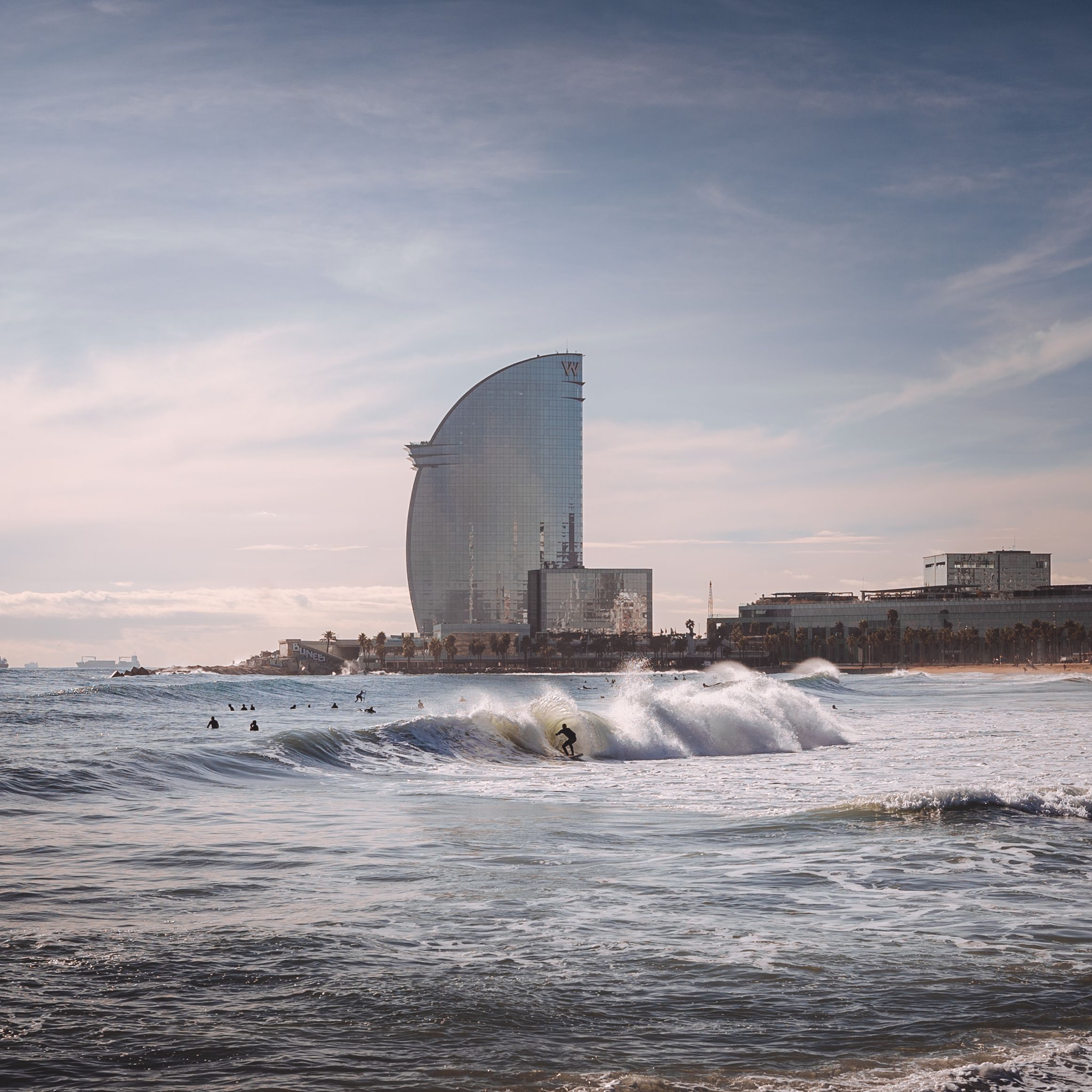
Lisbon, Barcelona, and coastal Croatia have become expensive. Not quite London or New York expensive, but close enough that many remote workers are reconsidering. The math doesn't work the way it did in 2022.
If you've been calculating your monthly burn rate and feeling the squeeze, you're not alone. A March 2026 report from MBO Partners found that digital nomads are now staying in each location 19% longer than they did two years ago. The average stay jumped from 5.4 weeks to 6.4 weeks. Fewer flights, longer leases, deeper roots.
This shift is pushing nomads toward destinations that haven't been "discovered" by the Instagram crowd yet. Places where your money goes further, the internet works, and you can actually build a life rather than just pass through.
Here are five destinations that are seeing nomad interest surge in 2026 — and why they might work for you.
1. Tirana, Albania
Albania remains one of Europe's best-kept secrets. The capital, Tirana, offers a strange and wonderful mix: Ottoman-era bazaars, Italianate architecture from the interwar period, and a cafe culture that rivals Vienna at a fraction of the price.
Cost of living: €800-1,100/month for a single person
Internet: Reliable fiber in central neighborhoods; 50-100 Mbps typical
Visa: 90/180 days visa-free for EU/US/UK citizens; 1-year residence permit available
Tirana's advantages go beyond price. The city has a genuine creative energy — artists and entrepreneurs priced out of Western Europe are landing here and starting things. Coworking spaces like Hana and Destil Creative Hub have proper communities, not just hot desks. The food scene punches above its weight, especially if you like lamb, byrek (savory pastries), and rakia.
The main drawback is flight connectivity. You'll often route through Rome, Vienna, or Istanbul. But that isolation is part of why prices haven't caught up with the rest of Europe.
Who it's for: Remote workers who want European infrastructure without European prices, especially those who value community over curated perfection.
2. Plovdiv, Bulgaria
Sofia gets the attention, but Plovdiv is where nomads are actually settling. Bulgaria's second city is calmer, cheaper, and — depending on who you ask — more livable. The old town is built on seven hills (six now; one was quarried away), with Roman ruins scattered between cafes and art galleries.
Cost of living: €700-1,000/month
Internet: Excellent; Bulgaria has some of the fastest broadband in Europe
Visa: 90/180 days visa-free (Schengen); Bulgaria Digital Nomad Visa in development
Plovdiv's coworking scene is smaller than Sofia's but growing. Cat and Mouse, The Hub, and various cafe-office hybrids provide reliable workspaces. The city hosts the annual Plovdiv Jazz Festival and has a thriving contemporary art scene thanks to its stint as European Capital of Culture in 2019.
The 10% flat tax for freelancers (if you structure as a Bulgarian sole trader) is the real draw. Bulgaria's tax regime for remote workers is competitive with Georgia and Romania.
Who it's for: EU-based nomads who want to stay in Schengen but pay Eastern European prices, particularly freelancers and consultants.
3. Chișinău, Moldova
Moldova is the poorest country in Europe by GDP per capita. That statistic sounds bleak until you realize what it means for a remote worker earning in euros or dollars: you can live very well for very little.
Chișinău, the capital, is a city of contrasts. Soviet blocks alongside new glass towers, wine bars next to state-run shops, high-end restaurants charging €15 for a three-course meal. The city center is walkable, green, and increasingly international.
Cost of living: €600-900/month
Internet: Surprisingly good; 100 Mbps fiber is standard
Visa: 90/180 days visa-free for EU/US/UK citizens
The digital nomad visa launched in 2023, offering six months of legal residence with the option to extend. The requirements are modest — proof of income around €500/month and health insurance. No minimum stay requirement, no local tax on foreign income.
The main challenge is flight options. Most routes go through Bucharest (3.5 hours by bus), Istanbul, or Vienna. But for nomads planning to stay for months rather than weeks, Chișinău offers a quality of life that's hard to match at this price point.
Who it's for: Long-term slow travelers who want maximum savings without sacrificing basic comforts, especially those working on projects that don't require frequent travel.
4. Tbilisi, Georgia
Georgia already has a comprehensive tax guide on Rent Remote — because it's that good. But the nomad angle goes beyond the famous 1% tax regime.
Tbilisi has become a genuine hub. The visa-free policy for 95+ countries (one year for most nationalities, no paperwork required) makes it the easiest landing spot in the region. The infrastructure has caught up: coworking spaces, reliable electricity (mostly), and an international food scene that includes some of the best wine bars you'll find anywhere.
Cost of living: €900-1,300/month
Internet: Solid in the center; fiber is common, though speeds vary by neighborhood
Visa: One year visa-free for most nationalities; renewable by leaving and re-entering
What makes Tbilisi different is the community. This isn't a transient party scene — it's people who came for the tax benefits and stayed because they actually like living there. The expat community is large enough to be useful but not so large that you forget you're in Georgia.
Who it's for: Freelancers, consultants, and business owners who want to legally minimize their tax burden while living in a city with real character. See our guide to digital nomad visas that lead to citizenship for the longer-term picture.
5. Nairobi, Kenya
Africa is the last frontier for digital nomads, and Nairobi is the gateway. Kenya's capital has the infrastructure, the international connections, and the growing nomad community that makes it viable for remote work — not just tourism.
Cost of living: €1,000-1,500/month
Internet: Fiber in expat neighborhoods (Kilimani, Westlands, Kileleshwa); mobile data is cheap and reliable
Visa: 90-day tourist visa ($50), 1-year digital nomad visa available
The coworking scene is established: Nairobi Garage, iHub, and various WeWork-style options. The tech ecosystem is real — Kenya is a regional hub for fintech, agritech, and remote-first companies. English is an official language. The time zone (UTC+3) works well for European and Middle Eastern clients.
Safety concerns are real but manageable. The expat neighborhoods are secure, and common-sense precautions go a long way. For nomads willing to look beyond Europe and Southeast Asia, Nairobi offers something different: a genuinely global city where your money goes further than it does in Cape Town.
Who it's for: Remote workers who want to build something in Africa, particularly those working in tech, development, or creative industries. Also ideal for nomads whose previous trips to Africa were limited to package safaris.
The Pattern Behind the Shift
What connects these five places? They're all in countries where the cost of living hasn't caught up with the infrastructure. Where you can find reliable internet, decent healthcare, and a functional legal system without paying Western European prices.
They're also places where you can stay legally. The visa situation matters more than ever. With the EU Entry/Exit System now fully operational, bouncing around Schengen on tourist visas has become harder. Having actual residence options — or at least places where you can legally stay for months — is no longer optional.
The 2026 nomad isn't backpacking through Europe on a shoestring. They're building a distributed life with intention. That means fewer visa runs, longer leases, and destinations chosen for livability rather than Instagram potential.
How to Choose
If you're weighing these options:
- Want the easiest entry? Tbilisi. Land, show your passport, stay for a year. No paperwork.
- Want the lowest costs? Chișinău. You'll sacrifice flight options, but you'll save more than anywhere else in Europe.
- Want EU access? Plovdiv. Schengen member, 10% tax, fast internet.
- Want genuine discovery? Tirana. Not yet overrun, real creative scene, proper community.
- Want something completely different? Nairobi. The continent's most nomad-ready city.
The slow travel trend isn't going away. Rising costs have made it a financial necessity, not just a lifestyle preference. The nomads who adapt to that reality — by finding places where their income goes further and their visa status is secure — will thrive.
The ones still chasing the Instagram dream will find themselves priced out. The math has changed. The destinations are changing too.
Sources:
- MBO Partners 2025 State of Independence Report
- International Living Cost of Living Index 2026
- NomadList city data