


In Fukuoka, a Japanese City Courts Remote Workers With Lower Rents
Fukuoka offers lower rents than Tokyo and a city program aimed at remote workers. A look at costs, the nomad visa, transit, coworking and neighborhoods.
A central one-bedroom apartment in Fukuoka rents for about $485 a month, according to NomadList, a crowdsourced database of cost-of-living data for remote workers. The same apartment in Tokyo costs about $1,275. That gap, along with a city government that has spent more than a decade courting entrepreneurs and new arrivals, has made Fukuoka, a port city on the southern island of Kyushu, an increasingly common choice for remote workers in Japan.
The timing matters because Japan now offers a digital nomad visa that allows eligible foreigners to stay for six months, anywhere in the country. For those who qualify, Fukuoka offers lower costs than Tokyo, fast internet by NomadList's measures and a coworking scene with English-speaking support. It also has drawbacks: limited English in daily life, a humid summer and few direct flights to the Americas. The visa itself is strict, with high income requirements and no option to renew.

A city that built for startups
Fukuoka has positioned itself as a startup city for years. It was designated a national strategic special zone for startups, it introduced Japan's first startup visa, and the city reports one of the highest business-opening rates in the country. Its metropolitan area, home to about 2.5 million people, is often described as the fourth-largest metropolitan economy in Japan.
Interest from remote workers is more recent. Colive Fukuoka, the city's nomad residency program, grew from 40 participants to more than 400 in a few years, and more than a third of attendees are founders or chief executives, according to the organizers. "People come for the ramen; they stay for opportunity," Ryo Osera, a co-founder, told Fukuoka Now, an English-language local publication. "Fukuoka is the easiest place to enter the local community. It should be the entrance to Japan for nomads."
The city has drawn wider attention. Breaking Travel News described Fukuoka as Japan's center for "slomadism," or slow nomadism, in 2026. The Japan News reported that the government is investing to attract digital nomads, and The Straits Times profiled the city as the capital of Kyushu, which has been called Japan's "Silicon Island." Malaysia Airlines resumed direct flights from Kuala Lumpur in September 2026, adding to existing regional routes. RAMEN TECH, the city's international startup week, was held from October 7 to 11, 2026.
In practical terms, remote workers will find STARTUP CAFE, an official entrepreneurship desk; English-friendly coworking spaces aimed at new arrivals; and a local government that treats remote workers as a group it wants to attract.
What a month costs
NomadList's September 2026 data puts a comfortable month for a remote worker in Fukuoka at about $3,439, including rent. A one-bedroom apartment in the city center costs about $485 a month and coworking about $128. The city scores 5 out of 5 on the database's measures of both safety and walkability. NomadList's user-reported internet data shows download speeds of about 157 Mbps in Fukuoka, roughly six times the 25 Mbps median it reports for Tokyo's nomad areas. Because these figures are crowdsourced, they reflect where users tested rather than citywide averages.
The comparison with Tokyo and Barcelona, based on the same NomadList data:
| City | Nomad monthly cost | 1BR center | Coworking |
|---|---|---|---|
| Fukuoka | $3,439 | $485 | $128 |
| Tokyo | $4,362 | $1,275 | $352 |
| Barcelona | $6,736 | $1,706 | $229 |
Rent accounts for most of the difference. A central one-bedroom in Fukuoka costs about 62 percent less than in Tokyo and about 72 percent less than in Barcelona. Overall monthly costs are about a fifth lower than in Tokyo. At roughly 155 yen to the dollar, daily expenses are moderate: lunch sets under 1,000 yen (about $6.50) are common, a bowl of ramen starts at around 650 yen, subway rides cost 210 to 380 yen, and an all-day transit pass costs 640 yen, less than $4.50.
For short scouting trips, hostels start at around 2,500 yen a night and capsule hotels at around 2,900 yen. For longer stays, a furnished monthly apartment is generally more practical; RentRemote's furnished apartments show the kind of setup available for working from Japan. The cost profile is consistent with a broader pattern we described in Southeast Asia's 2026 cost reset, in which Asian cities have become better value relative to Europe, and longer stays reduce costs further, a shift covered in our piece on the slowmad trend.
Japan's digital nomad visa
Japan's digital nomad visa, formally a Designated Activities visa, allows a stay of six months. The main requirements, as summarized in eNomads' Japan visa guide, are:
- Annual income of at least 10 million yen, about $65,000, documented with contracts or client records.
- Health insurance with coverage of at least 10 million yen for the applicant and any accompanying family members.
- Citizenship of one of about 49 eligible countries and territories, including the United States, Britain, European Union members, Canada, Australia, Singapore and South Korea.
- A fee of 3,000 yen, with processing in about five business days with a certificate of eligibility, or roughly six weeks without one.
- The visa is single-entry and valid for three months from issue, so holders must enter Japan within that period.
Two conditions affect planning. The visa cannot be renewed: when the six months end, the holder must leave Japan and wait six months before applying again. And while stays of under six months generally do not create Japanese tax residency, tax treatment depends on individual circumstances and is worth confirming with an adviser. Travelers should also budget for Japan's departure tax, which tripled to 3,000 yen on July 1, 2026, as described in our departure tax guide.
Getting around
Fukuoka's subway has three lines, which cover the main districts. Single rides cost 210 to 380 yen and an all-day pass costs 640 yen. All subway gates accept contactless foreign credit cards, so new arrivals do not need a transit card immediately. The local Hayakaken card is compatible with the PASMO and ICOCA systems for those who want one.
The airport is unusually close to the city center. Fukuoka Airport is two subway stops from Hakata Station, a ride of about six minutes that costs 260 yen, and roughly five kilometers from Tenjin. Travelers can typically reach the city center within half an hour of landing. Buses start at 150 yen and taxis at about 550 yen.
For travel within Japan, the shinkansen reaches Tokyo in about five hours. Holders of the Japan Rail Pass pay a supplement of up to 8,140 yen to ride the fastest Nozomi trains. Flying is often cheaper: Skymark's route to Haneda costs about 19,800 yen one way, with promotional fares from 5,300 yen, and takes about two hours.
Fukuoka has a substantial set of international routes for a city its size. Direct flights serve Seoul, Taipei, Hong Kong, Singapore, Bangkok, Manila, Hanoi and Ho Chi Minh City, and Kuala Lumpur since September 2026. Transpacific service is limited to Honolulu and Guam, so travelers to North America connect through Tokyo or Seoul. A ferry to Busan, South Korea, takes about eight hours and costs from 12,000 yen, making a weekend trip feasible. Leaving Japan does not reset the nomad visa's six-month limit, however. For travelers planning trips around the visa period, our 2026 travel hacks guide covers booking strategies.
Coworking and cafes
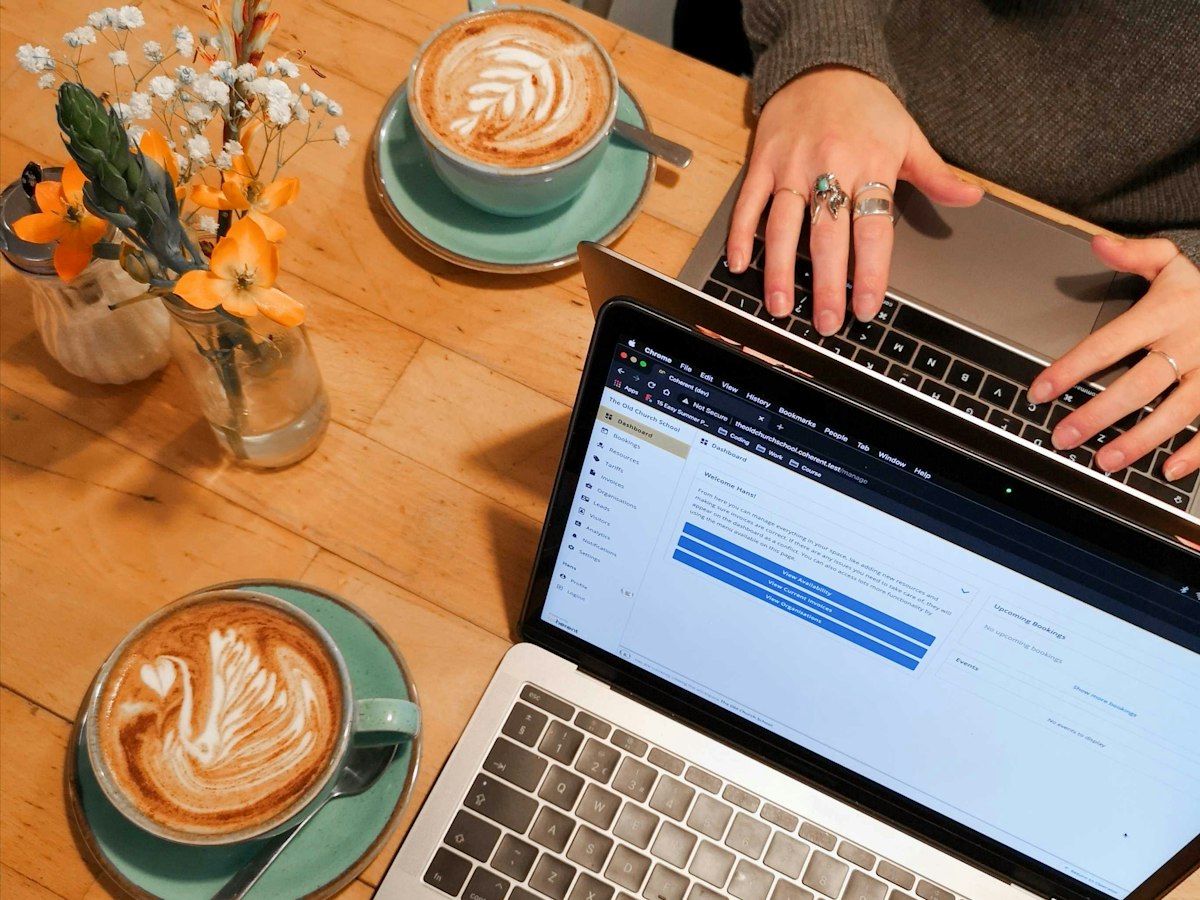
The city's largest coworking operator is Zero-Ten Park, formerly The Company, with six locations in the center: Canal City Hakatomae, Fukuoka PARCO, Miina Tenjin, Tenjin Nishi-dori, Nakasu-Kawabata and DAIMYO. One membership covers all of them. A monthly freedesk membership costs 22,330 yen including tax, about $144, and drop-in access costs 660 yen per hour, capped at 2,200 yen a day, about $14.
Zero-Ten also offers a Digital Nomad Plan, described on its plans page. It includes English-speaking staff on site, a nomad community channel called The Caravan, regular meetups and help finding accommodation. NomadList rates everyday English in Fukuoka at 1.48 out of 5, so staff support in English is a practical consideration for new arrivals.
NomadList's average coworking figure of $128 a month is in line with this pricing. For remote workers starting businesses, the city also operates STARTUP CAFE, a free consultation desk for entrepreneurs under Fukuoka City's startup program, with English support and regular networking events.
Cafes can supplement a coworking membership, particularly around Tenjin and Daimyo, but are less reliable as a primary workplace. Attitudes toward laptops in Japanese cafes vary, seating is limited at lunchtime, and the usual etiquette applies: order regularly, work outside peak hours and take calls elsewhere.
Neighborhoods
Fukuoka is compact, so the choice of neighborhood depends mainly on atmosphere and commute. The main options:
- Tenjin is the downtown district, with the Tenjin Chikagai underground shopping arcade, access to every subway line and the Miina Tenjin coworking location. It suits those who want everything within walking distance.
- Daimyo, directly west of Tenjin, has independent shops, small bars and cafes, as well as the DAIMYO coworking location. It is livelier at night.
- Imaizumi and Kego, between Tenjin and the river, are quieter residential areas with newer cafes, popular with people who want to be near Tenjin without its noise.
- Hakata is the area around the main railway station, with business hotels, the shinkansen platforms and the Nakasu-Kawabata coworking location. It suits those who travel often within the region or want the shortest trip to the airport.
- Nakasu, an island between two rivers, is the nightlife district, with more than 3,500 restaurants and bars and the yatai food stalls along the water. It is convenient to live near but noisy to live in.
- Ohori Park offers green space, with a two-kilometer path around a pond, castle ruins nearby and a culture of morning running. It is a short trip from Tenjin.
- Momochi, on the bay, has a beach, an observation tower with admission of about 1,000 yen and a calmer residential pace.
Furnished one-bedroom apartments for mid-term stays are concentrated around Tenjin, Daimyo and Hakata. Renters should confirm that a listing includes a proper desk and reliable internet before booking. RentRemote's furnished apartments are set up for stays of a month or longer, which avoids the uncertainty of holiday-rental Wi-Fi.

Food
Food is a large part of the city's appeal. Fukuoka is closely associated with tonkotsu ramen, made with a rich pork-bone broth simmered for 12 hours or more, and the region is widely credited with its origin. Ichiran, the chain known for solo ramen booths, began in Fukuoka and operates around the clock at some locations.
The city's best-known dining tradition is the yatai, open-air food stalls that open in the early evening along the river in Nakasu and in Nagahama and Tenjin. Each seats a small number of people and serves ramen, gyoza and grilled skewers. Because customers sit close together, the stalls are a common place for visitors to meet residents. The main locations are shown on this map of Fukuoka's yatai stall districts.
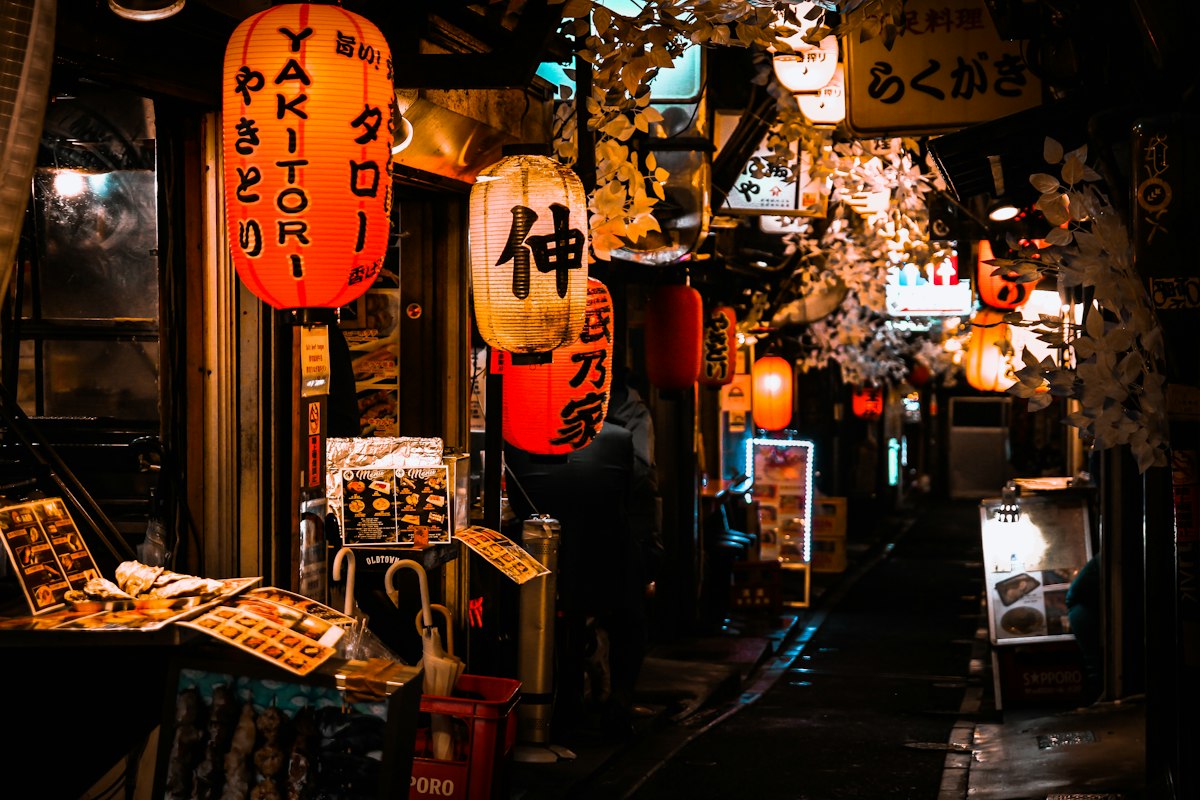
Other local specialties include mentaiko, a spicy cod roe that Fukuoka supplies to the rest of Japan and that appears in dishes from rice balls to pasta, and Hakata-style gyoza, which are thin-skinned and pan-fried flat. Evenings at izakaya in the lantern-lit streets around Daimyo and Nakasu are a common social activity. Eating out regularly is more affordable than in Tokyo, with lunch sets under 1,000 yen and ramen under 1,200 yen typical rather than promotional prices.
The festival calendar is also worth considering. Hakata Dontaku in early May draws more than two million visitors and is one of the best-attended festivals in Japan. The Yamakasa festival in July ends with a five-kilometer float race through the streets at dawn, and in November professional sumo comes to the Fukuoka Convention Center.
Drawbacks
Fukuoka has specific limitations:
- English is limited. NomadList rates everyday English at 1.48 out of 5. Translation apps cover most daily situations, and Zero-Ten's nomad plan is designed partly to address the gap, but administrative tasks take longer and basic Japanese is useful.
- Summers are humid. June through September is hot and humid, and August and September bring a risk of typhoons. For a single season, October and November or March through May are generally more comfortable.
- The visa cannot be extended. The six-month stay is followed by a required six-month absence before reapplying, so visitors need a plan for what comes next, whether elsewhere in Asia or at home.
- Long-haul connections are limited. Direct long-haul flights serve only Honolulu and Guam. Travelers who fly to the Americas regularly should account for connections through Tokyo, Seoul or other regional hubs.
None of these rule the city out, but they help explain why Fukuoka is better suited to a single six-month stay than to an indefinite base.
Who Fukuoka suits
Fukuoka is a reasonable choice for remote workers who want to live in Japan on a moderate budget, with high safety ratings, good internet, an active startup community and a strong food culture. It is less suitable for those who want warm weather year-round, widespread English or direct flights to the Americas.
For those who qualify for the visa, six months is enough time to judge whether the city merits a longer commitment. Those planning a stay can browse furnished apartments set up for remote work. For comparison with other bases, our pages on Barcelona and Medellín cover two cities at different points on the cost scale.