
Maya
Culture & Exploration Editor ·
Wiedikon is the neighbourhood Zurich expats find after they've spent two weeks in the wrong place. It's quieter than Zurich West, more affordable than Seefeld, and residential enough to feel like you actually live here — not like you're on an extended hotel stay. The trade-off is real: this district rewards people who want a slower rhythm, and it will bore you if you need to be at the centre of everything every night. Here's what this guide covers:
How Wiedikon compares to the best neighborhoods in Zurich for expats
What housing in Zurich actually costs in Kreis 3, and what you get for the money
Getting around: public transport, cycling, and access to the city center
Moving to Zurich practicalities — insurance, registration, language
Where to eat, shop, and find community without leaving the district

Best Neighborhoods in Zurich for Expats: Where Wiedikon Sits in the Picture
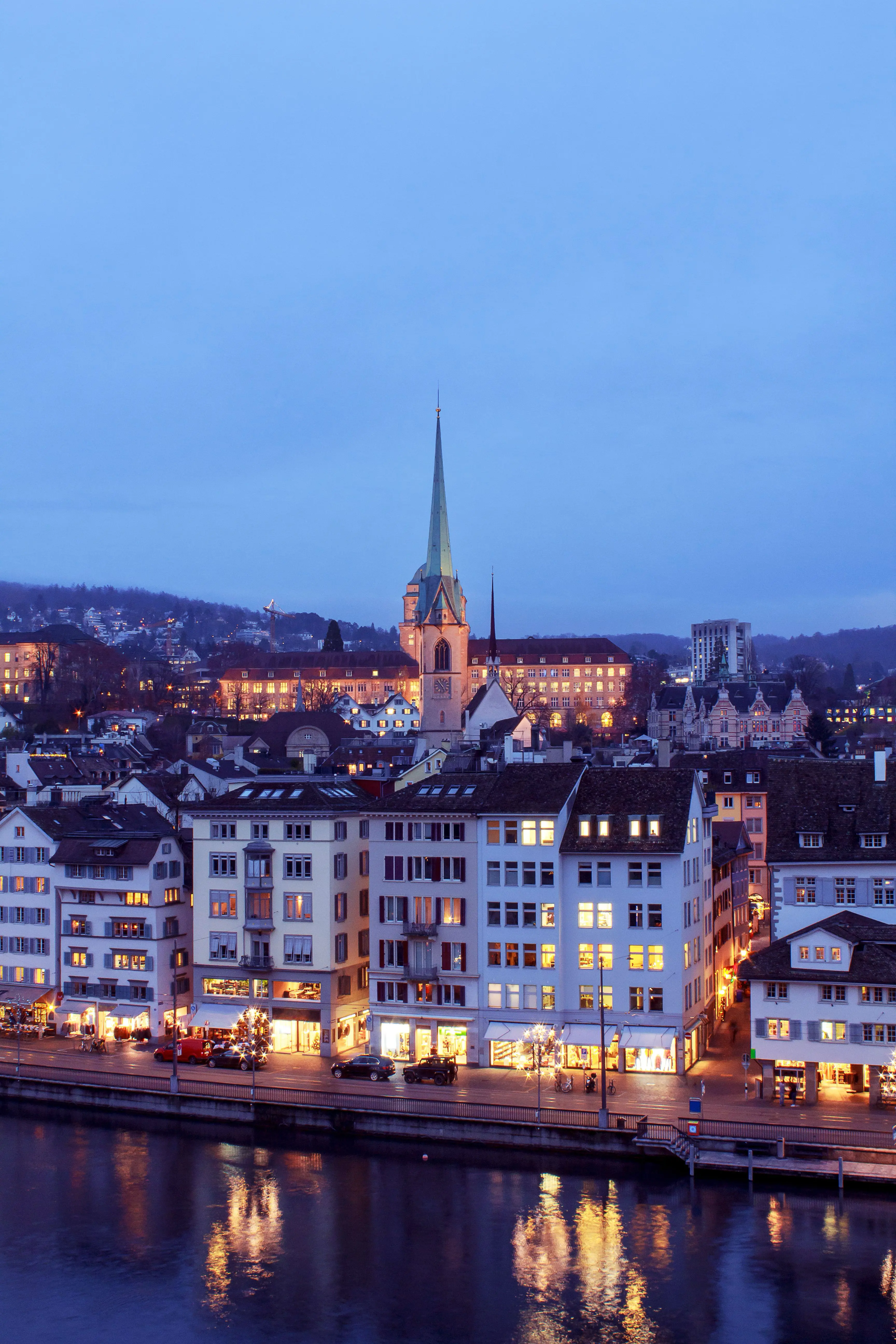
Zurich has no bad districts — it has expensive ones and slightly less expensive ones, and the difference matters more than people expect when they're first moving. Wiedikon (Kreis 3) sits southwest of the old town, close enough to the center to be practical and far enough from the tourist circuit to feel like a real neighbourhood. It's popular with young families, professionals, and expats who've done one lease somewhere flashier and decided they'd rather have space.
Wiedikon vs. The Other Districts: A Direct Comparison
Knowing what you're giving up — and what you're gaining — is the only honest way to choose a base in Zurich Switzerland.
Wiedikon (Kreis 3): CHF 2,200–2,800/month — quiet, residential, local feel; best for families and long-stay expats who want space, green access, and lower pressure
Zurich West (Kreis 5): CHF 2,400–3,200/month — industrial-cool, nightlife-heavy vibe; best for creatives and short-term renters who want to be close to the action
Most people who land in Kreis 5 love it for the first month and quietly start looking at Wiedikon by the third — the nightlife stops feeling like an amenity once you're trying to sleep before a 9am call.
Browse Zurich homes near this area
The University Quarter and Intellectual Infrastructure
The university quarter sits close enough to Wiedikon's northern edge that the neighbourhood absorbs some of its energy — independent bookshops, midday café culture, and a population that tends to keep reasonable hours.
Pile of books — German-language titles, occasional English stock, a reliable Wednesday crowd
Westhive — coworking day pass from CHF 35, used by freelancers and academics, quieter than the Zurich West alternatives
ETH Zurich — a short tram ride north; the campus library reading rooms are open to the public
If your work relies on being around people who are also doing serious things during the day, this corner of Zurich Switzerland delivers that without the performance of a trendy coworking brand.
When expats search for a base in Zurich, Zurich's own district rankings consistently put Wiedikon ahead of flashier options like Seefeld — at roughly CHF 500–700 less per month for a comparable two-bedroom flat.
Explore Zurich in our neighbourhood guide
Housing in Zurich: What Wiedikon Actually Costs and What to Expect
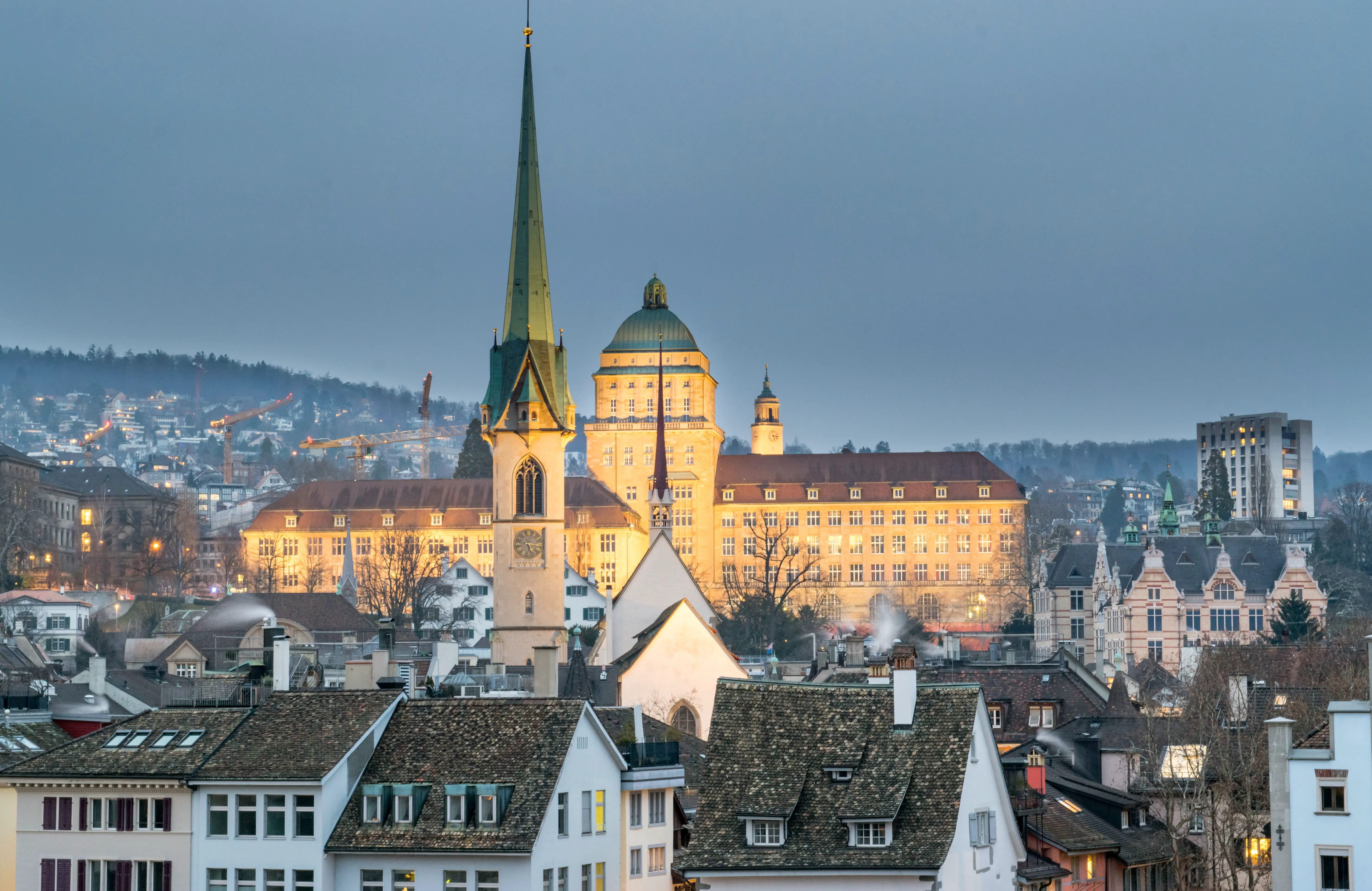
The Zurich rental market is not forgiving, and Wiedikon doesn't pretend otherwise. What it does offer is a more honest transaction: you pay a high price and receive a genuinely liveable apartment in return — well-maintained building, real storage, a kitchen that works. In large parts of the old town and Zurich West, you pay a similar price for less space and more noise.
Finding an Apartment in Kreis 3
Finding a furnished apartment in Wiedikon through local platforms takes patience — the good ones go fast, often within 48 hours of listing.
Studios run CHF 1,800–2,200/month on streets like Birmensdorferstrasse and Kalkbreitestrasse
One-bedroom apartments average CHF 2,200–2,800/month; two-bedrooms from CHF 3,000
Kalkbreite cooperative housing complex — community-managed, mixed use, waitlist required but worth investigating for longer stays
Most leases require a deposit of three months' rent; Swiss employment contracts or proof of income in Swiss francs helps significantly
Browse fully furnished apartments in Zurich if you need somewhere to land before committing to a 12-month lease — short-term furnished options in Wiedikon exist, and they're a smarter first move than signing blind.
What the Apartment Will and Won't Include
Swiss rentals operate on conventions that surprise most international arrivals — know them before you sign.
Most unfurnished apartments come without light fixtures, kitchen appliances, or floor coverings — budget CHF 2,000–4,000 to equip a standard one-bedroom
Nebenkosten (additional costs) for heating and water add CHF 150–250/month on top of rent
Building Hausordnung (house rules) often specify quiet hours after 10pm and restrict weekend laundry use — this is enforced
Furnished sublets and short-term apartments through platforms like RentRemote sidestep most of this friction for expats in the first three to six months
Many of Wiedikon's apartment blocks have been renovated into modern flats with open-plan kitchens and double-glazed windows — but you will pay a CHF 200–400 premium per month over unrenovated equivalents on the same street.
The rules feel excessive until you've lived inside them for a month, at which point the silence and order start to feel like the point.
Moving to Zurich: Registration, Insurance, and the Bureaucracy You Can't Skip
Moving to Zurich means entering one of the most organised administrative systems in Europe within the first two weeks — not because you want to, but because Switzerland requires it. Wiedikon has a local neighbourhood office that handles most of what you need, and the staff at the Kreisbüro Kreis 3 do speak English, which is more than you can say for every district office in the city.
Registration and Residency in Switzerland
You have 14 days from arrival to register your address with the Einwohnerkontrolle — this is not optional and the fine for missing it is real.
Kreisbüro Kreis 3, Bachstrasse 6 — handles new resident registration, appointment required, process takes 30–45 minutes
EU and EFTA nationals need a valid passport and employment contract or proof of sufficient funds; non-EU nationals need a confirmed permit before arrival
The Niederlassungsbewilligung (C permit) becomes available after five years of continuous residence — most expats start on a B permit
Your registered Zurich address also determines your local tax office and school allocation if you have children
Register immediately, take the appointment you're given even if the timing is inconvenient, and bring more documents than you think you need — Swiss offices respect over-preparation.
Health Insurance in Switzerland: What No One Warns You About
Swiss health insurance is compulsory, individually purchased, and unlike anything most international arrivals have dealt with before — and it's expensive enough that the choice of provider and plan genuinely affects your monthly budget.
Basic Krankenkasse (health insurance) premiums in Zurich canton run CHF 380–520/month per adult for standard coverage — Zurich has some of the highest premiums in Switzerland
You have three months from arrival to enrol; if you miss the deadline, the canton assigns a provider and you lose the ability to choose your deductible tier
Higher deductible options (CHF 2,500/year) reduce monthly premiums by CHF 80–120 — worth it if you're young and healthy
Supplementary insurance (Zusatzversicherung) covers dental, which basic insurance does not — factor CHF 50–100/month if dental access matters to you
The premium stings most in the first month before you've internalised that it replaces every co-pay and emergency cost you'd face in a less comprehensive system — the maths evens out, but it takes time to feel that way.
Beyond the paperwork, Zurich offers free German integration courses through the city's Integration Office on Ausstellungsstrasse — useful to know before you book an expensive private language school.
Language: German Is the Main Currency Here
Swiss German (Zürichdeutsch) is what people speak in the street, in markets, and in the Wiedikon bakeries — High German is understood and will get you through most formal situations, but it marks you as an outsider in everyday interactions.
Migros Club School, multiple Zurich locations — German language courses from CHF 200/term, popular with the international community and genuinely effective
English is widely spoken among the professional and international population, but local shops, neighbours, and community boards often operate in German only
Learning basic Zürichdeutsch phrases — even ten or fifteen — changes how local people respond to you in Wiedikon faster than six months of textbook German
You can live in Zurich Switzerland speaking only English indefinitely, but you'll always feel like a visitor in your own neighbourhood until you make the effort with the language.
Getting Around: Excellent Public Transport, Lake Zurich, and Beyond
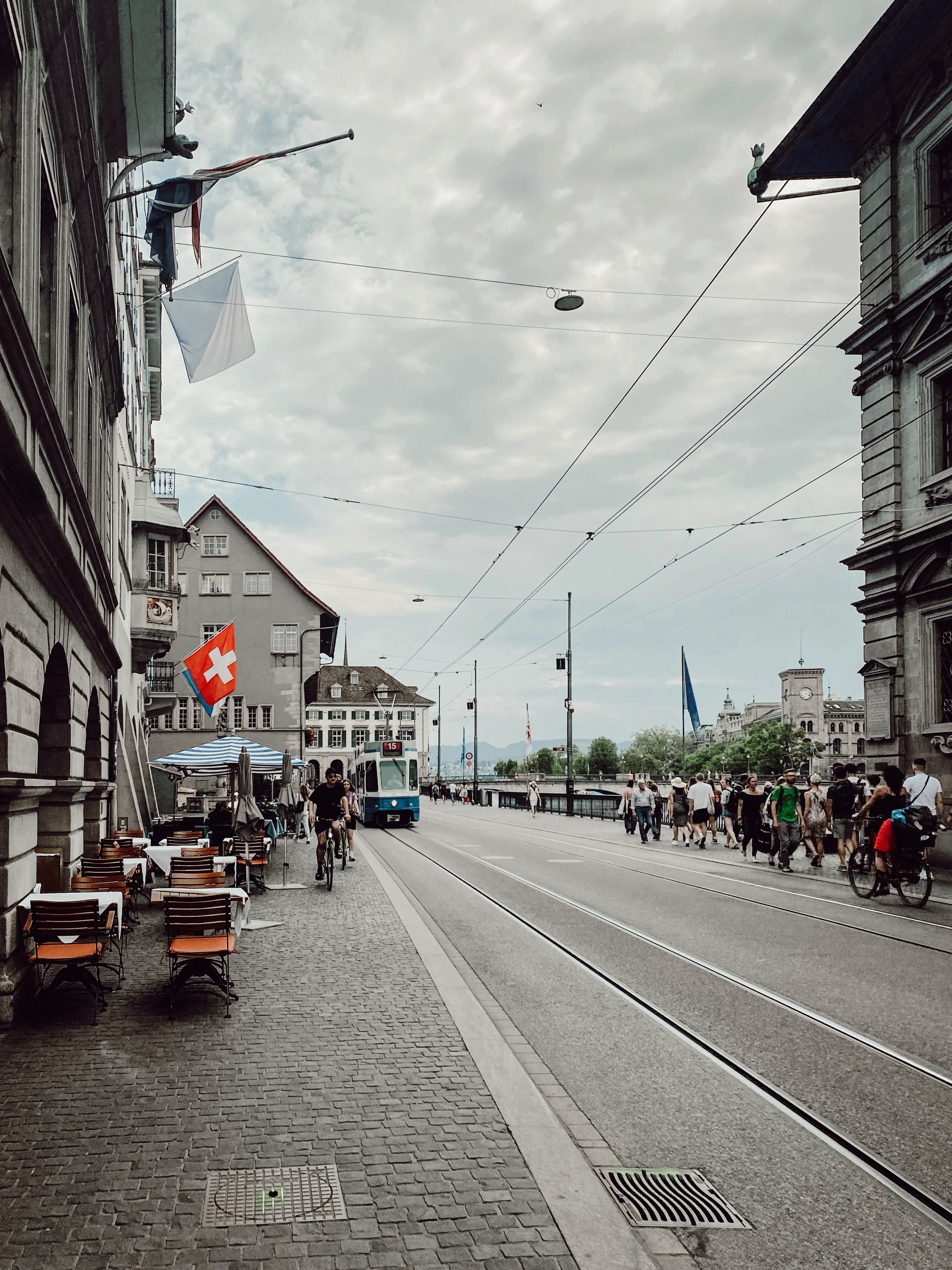
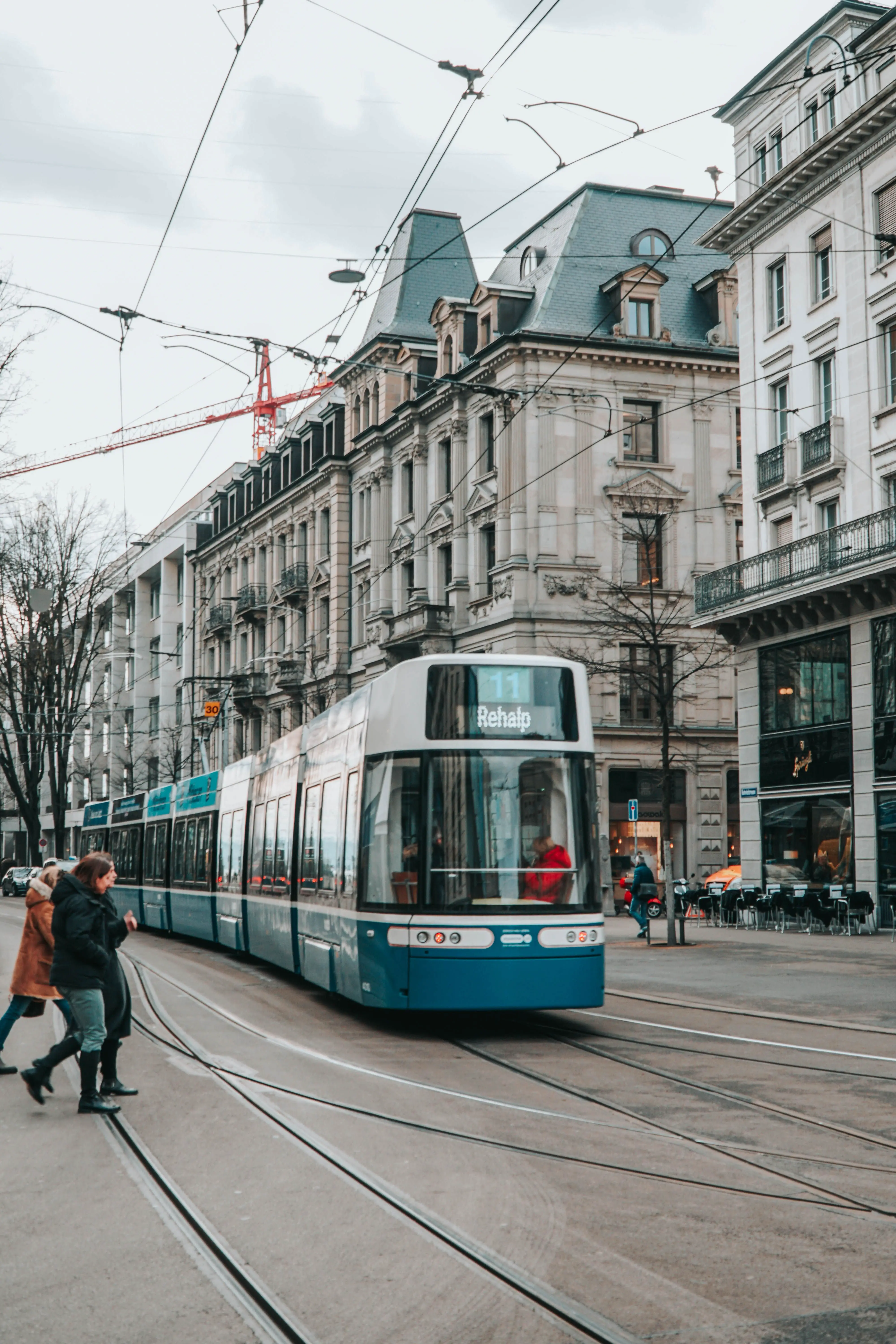
Wiedikon's position is its practical argument: tram lines 2, 3, and 8 run through the district, and from Schmiede Wiedikon you can reach Zurich's main station (Hauptbahnhof) in eleven minutes. That access matters more than any other single fact about the neighbourhood, because it means you're not choosing between living locally and participating in the city — you get both.
Public Transport from Kreis 3
The ZVV public transport network covers Wiedikon comprehensively — this is not a district where you need to own a car or negotiate for a bus that runs twice an hour.
ZVV monthly pass for zones 110+121 covers all of central Zurich — CHF 84/month, and after day three you stop counting individual fares
Tram 8 connects Wiedikon directly to the old town and the lake in under 15 minutes — it runs every 7–8 minutes during the day
Night trams on Friday and Saturday serve the Zurich West bar district until 2am — useful to know before you plan your first weekend out
Schmiede Wiedikon tram hub — the main interchange for the district, with connections to six lines
If you work in the city center or travel to the airport regularly, Wiedikon's transport links make it one of the most practical residential districts in Zurich — the commute never becomes the problem.
Wiedikon's excellent public transport links — including tram lines 2, 8, and 14 — mean most residents never feel the need to own a car, saving easily CHF 800 per month in leasing and parking costs.
Lake Zurich, Old Town, and Zurich West: What's Reachable and How Fast
Living in Wiedikon doesn't mean sacrificing access to the parts of Zurich that make it worth being in — it means those parts are a short tram ride rather than a walk away.
Lake Zurich swimming at Seebad Enge — CHF 8 entry, 10 minutes by tram, open late June through August; free lake access at nearby Wollishofen is a four-minute cycle
Old town (Kreis 1) is 12 minutes door-to-door — close enough for evening dinners, far enough that you don't hear the tourist noise at home
Zurich West's restaurant and bar district on Langstrasse is a 15-minute walk or two tram stops — the distance keeps the weekend noise out of your street
The Alps are visible on clear winter days from the higher ground in Wiedikon — this is not a selling point so much as a daily recalibration of what "normal scenery" means
Wiedikon is not central, but in a city where public transport runs this reliably, the distinction between central and well-connected collapses faster than you expect.
Daily Life in Wiedikon: Food, Fitness, and the Rhythms of a Real Neighbourhood
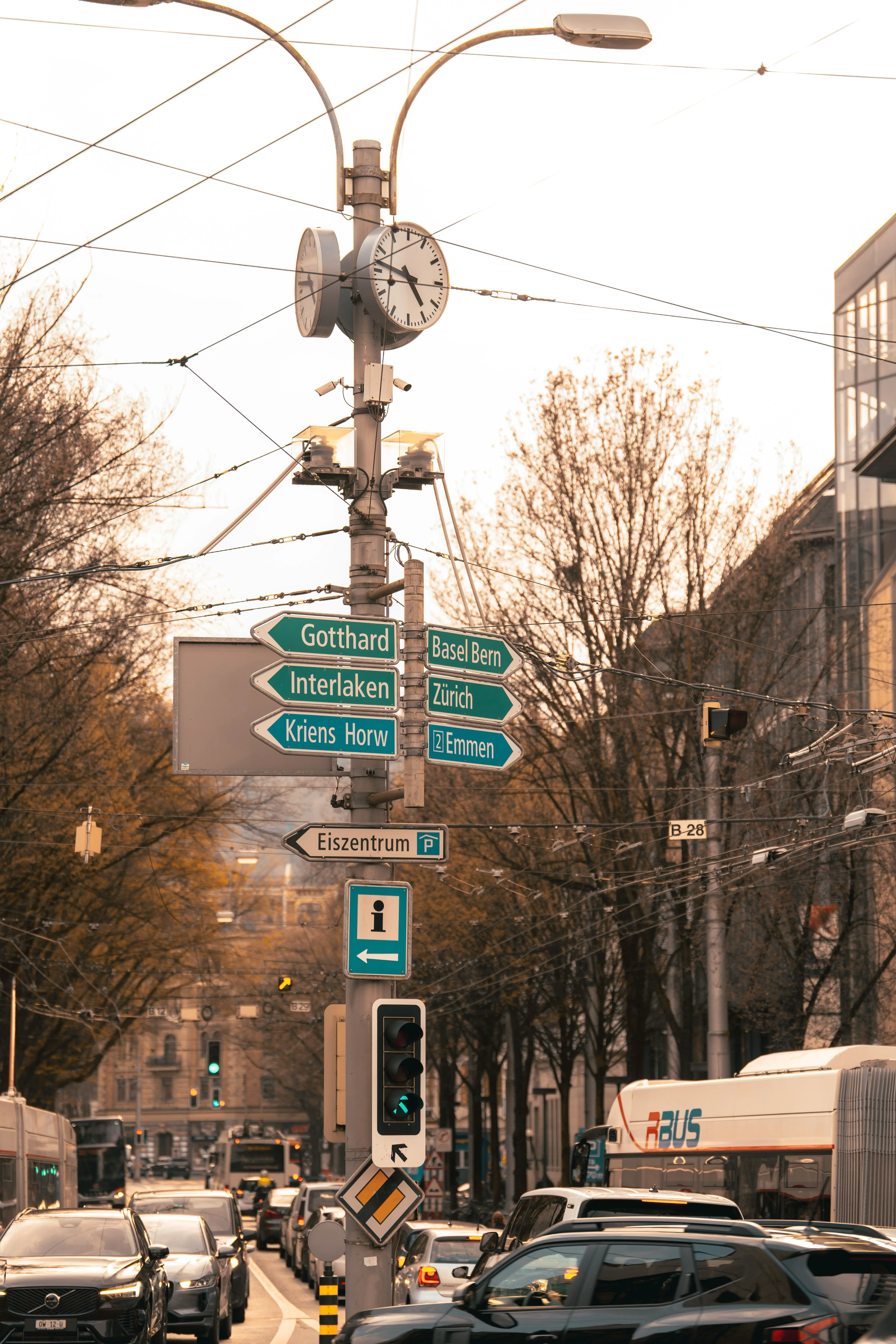
Wiedikon doesn't perform neighbourliness — it just functions. The weekly market, the corner bakery that opens at seven, the butcher on Zweierstrasse who still wraps things in paper: the district runs on routines that feel settled rather than curated, which is exactly what you want after the first month of any international move.
Markets, Groceries, and Eating Well Without Thinking About It
Swiss grocery costs are real, but Wiedikon's mix of market days and mid-range supermarkets keeps the weekly shop from becoming a crisis.
Helvetiaplatz Market — Tuesday and Friday mornings, fresh produce and small vendors; Swiss cheese from regional producers runs CHF 6–9 per 100g, which is steep until you taste the difference
Coop on Zweierstrasse — larger format, competitive on everyday staples; budget CHF 150–220/week per person for a realistic Swiss grocery shop
Reformhaus Wollishofen on Albisstrasse — health supplements, organic bulk goods, and the kind of non-EU health products that expats from the UK or US spend months hunting for; prices are high but selection is strong
Several Turkish and Balkan grocers on Baslerstrasse undercut the supermarkets on vegetables, dried goods, and halal meat — useful if you are cooking rather than cafeteria-ing through the week
You will not eat cheaply by Swiss standards anywhere in Zurich, but Wiedikon gives you more control over that number than most other Kreis districts do.
Fitness, Green Spaces, and Getting Outside Without Leaving the District
Wiedikon's green infrastructure is underrated — the district has more usable green spaces per resident than its urban density suggests, which matters when you are trying to build a lifestyle that does not revolve entirely around a desk.
Friedhof Sihlfeld — Zurich's largest cemetery and, paradoxically, one of its best running and walking circuits; 3km perimeter loop, open daily, almost always quiet on weekday mornings
Entlisberg hill — a 15-minute walk from the district's southern edge, with forest trails and a city panorama that earns the climb; good for outdoor activities on a short schedule
Fitnesspark Wiedikon — CHF 89/month, solid equipment, no-frills atmosphere; the expat community here skews young professionals rather than fitness influencers, which makes it easier to just get in and work
Lake Zurich is reachable by bike in under 20 minutes along flat riverside paths — the Sihl river trail through the district connects directly to the lake route without touching a main road
The Helvetiaplatz market on Saturday mornings draws world-class Swiss and international produce — expect to spend CHF 20–40 for a week's worth of fresh vegetables and local cheese.
Wiedikon's Birmensdorferstrasse alone has over a dozen restaurants within a 10-minute walk, ranging from a CHF 18 lunch set at Tibits to proper sit-down Turkish dinners that stay open past 11pm — something you won't find as easily in neighbouring Enge.
The Expat Experience in Wiedikon: Community, Admin, and Getting Settled
Zurich is one of the more bureaucratically demanding cities to land in as a foreign resident — the registration system, the mandatory health insurance, the Swiss banking culture — all of it requires patience and some navigation. Wiedikon is not unique in that regard, but it has enough of an established expat community that the learning curve is shorter than in less residential districts.
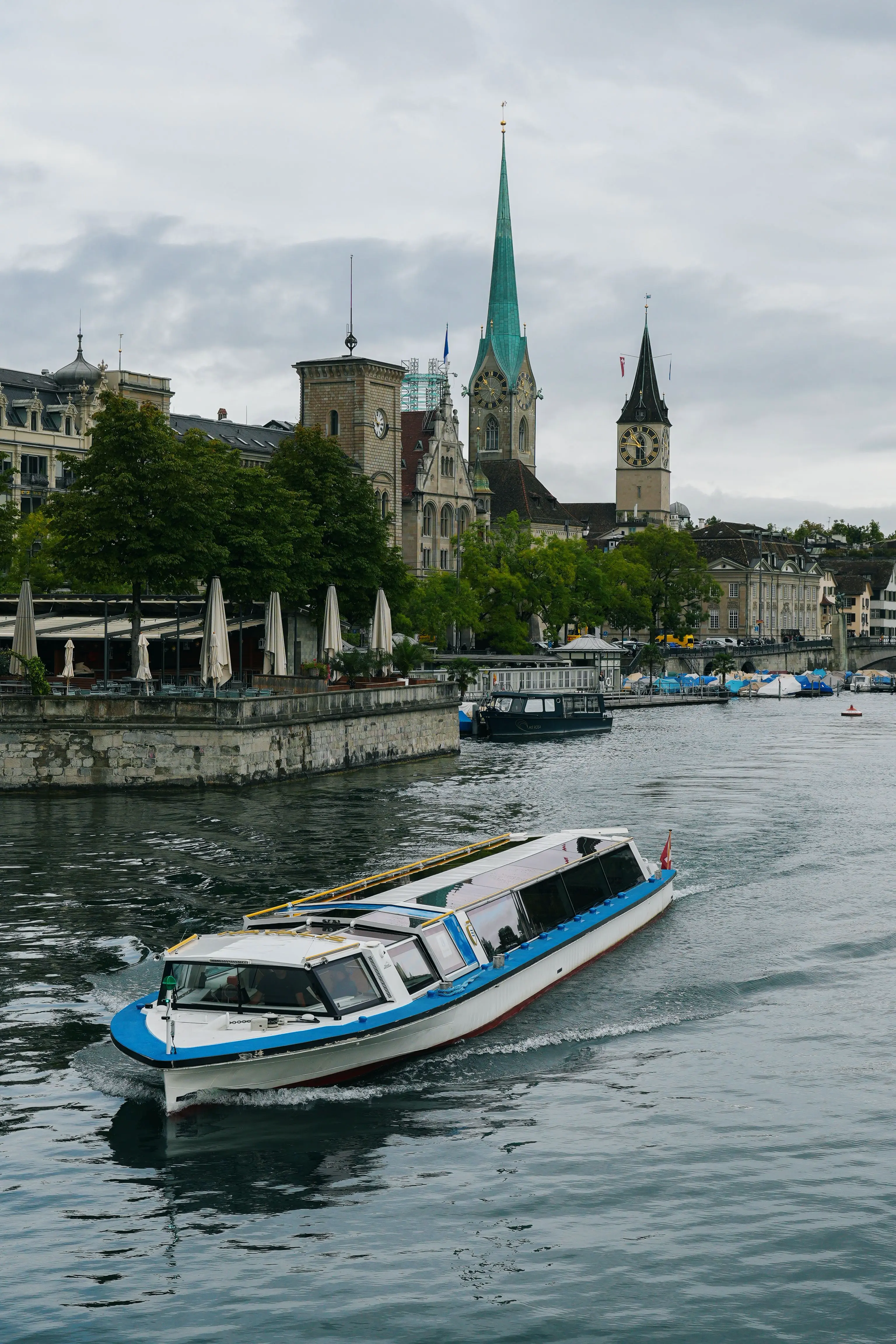
Registration, Health Insurance, and the Swiss Admin Stack
Switzerland does not ease you in — health insurance is mandatory from day one of residency, and the cost is significant enough that understanding it before you move is not optional.
Register at the Kreisbüro 3 on Stauffacherstrasse within 14 days of arrival — you will need your rental contract, passport, and EU/non-EU visa documentation; walk-in hours are limited, book online first
Health insurance (Krankenkasse) runs CHF 350–550/month per adult depending on your chosen deductible and provider — Assura and Helsana are among the larger options; the Swiss government premium calculator at priminfo.ch is the most reliable starting point
Expat Center Zurich on Werdmühleplatz handles multi-department admin in one appointment for non-EU nationals — it is slower than doing things separately but avoids the problem of arriving at the wrong office with the wrong form
Swiss bank accounts require your Anmeldebestätigung (registration confirmation) — expect two to three weeks from arrival before you can open one; N26 and Revolut work as bridges but Swiss payroll often requires a domestic account number
None of this is unique to Wiedikon, but settling in a residential Kreis with a functioning local office rather than a tourist-dense district makes the early admin weeks feel less chaotic.
Finding the Expat Community Without Forcing It
Wiedikon's expat community is not organised around a single hub — it runs through coworking spaces, language-learning meetups, and the kind of slow accumulation of familiar faces that residential districts produce naturally.
InterNations Zurich — the largest organised expat network in the city, with events most months in venues across Kreis 1 and Kreis 5; free membership works, the Ambassador membership (CHF 15/month) opens more events
Tandem Zurich language exchange — weekly meetups rotating across central venues; German learning accelerates fastest with native speakers, and Wiedikon's local residents are more likely to speak Zurich German at you than the Old Town's tourist-adapted German
The Familiengartenverein Wiedikon — the district residents' association — runs seasonal events and has a German-language newsletter; joining signals that you are a resident, not a short-termer, and doors open accordingly
Young professionals in the district tend to congregate at Zurich West's bar district on weekend evenings — it is a 15-minute walk from most of Wiedikon, and the after-work rhythm there is more accessible than the formal networking events
Expats arriving from world cities like London, Singapore, or New York consistently say Wiedikon is the first Zurich neighbourhood that felt genuinely lived-in rather than curated for tourists.
The expat community in Wiedikon rewards people who show up consistently rather than those who join every group at once — the relationships that actually help you are the ones built over three months of weekly coffee, not a single networking evening.
Is Wiedikon Right for You? Honest Trade-offs Before You Commit
Zurich offers a version of city life that is quietly excellent and quietly demanding — the infrastructure is strong, the nature is accessible, the public safety is real — but it costs more than almost any comparable European city, and Wiedikon does not change that equation so much as make it survivable on a reasonable budget. The district suits some people immediately and disappoints others who wanted something trendier or more central.
Who Thrives Here and Who Moves On
Wiedikon works for a specific kind of resident, and knowing that before you sign a lease is more useful than any amount of neighbourhood enthusiasm.
Remote workers who need reliable quiet on weekday mornings and access to coworking when the flat gets claustrophobic — Wiedikon's residential character gives you the former; tram connections give you the latter without a long commute
Expats relocating with family — the district has solid schools, family-friendly green spaces, and the kind of neighbourhood infrastructure (pediatric practices, playgrounds, quieter streets) that matters when you have a child in the equation
Young professionals early in a Swiss career who want more space than their salary strictly supports — the CHF 400–600/month saving versus Seefeld or Zurich West is real money that changes the shape of your year
People who arrived expecting the social density of Berlin or Amsterdam and found the Swiss lifestyle more reserved than anticipated — Wiedikon is warm in a slow way, but if you need a neighbourhood that generates constant social energy, it will feel flat within a month
The residents who thrive in Wiedikon are not people who settled for it — they are people who wanted exactly what it offers and found it took a few weeks to recognise how well the district had solved the right problems.
Wiedikon is particularly popular with expats who earn above CHF 8,000 per month and want a 2-bedroom apartment under CHF 3,000 — something almost impossible to find in Seefeld or the Altstadt.
Finding a Fully Furnished Apartment in Wiedikon
Wiedikon ranks as one of the more competitive Kreis districts for furnished apartments precisely because demand from relocating professionals outpaces supply — listings move fast, and the furnished segment is thinner than the unfurnished market.
Furnished studios in Wiedikon: CHF 2,000–2,500/month all-in — the "all-in" framing matters in Switzerland because utilities, cable, and sometimes internet are often included in furnished leases, which the raw number doesn't reflect
Furnished one-beds: CHF 2,600–3,200/month — the upper end reflects proximity to Helvetiaplatz and easy access to tram connections; further south toward Sihlfeld the same floor plan runs CHF 200–300 cheaper
Short-term furnished leases (under six months) carry a premium of roughly 20–30% over standard rates — factor this into your first-quarter budget if you are arriving before committing to a longer contract
Platforms filtering specifically for furnished, expat-ready apartments — rather than Swiss-language listings built for local residents — save significant time when you are working remotely and cannot do in-person viewings in advance
If you are ready to move, fully furnished apartments in Zurich are listed on RentRemote with English-language filters built for expats who need a place that is ready from day one.
Wiedikon Is Not a Compromise — It's a Choice Worth Making
What Wiedikon Actually Costs You — and What It Saves
Zurich's prices don't disappear in Wiedikon, but the way you carry them changes.
Monthly rent runs CHF 400–600 below comparable apartments in Kreis 1 or Kreis 4
Local supermarkets, bakeries, and the weekly market on Brupbacherplatz keep daily spending manageable
The saving is consistent enough to affect decisions — language classes, a second trip home, a longer lease
You get genuine space: larger floor plans, quieter streets, and mornings that don't cost you anything to enjoy
For expats on a single Swiss salary or building something long-term, that margin is not a bonus — it is the budget.
Who Wiedikon Is Actually For
This is a district for people who are here to settle, not to curate an experience.
Expats learning German will find neighbours who speak it — not a city that defaults to English around them
Families benefit from calm streets, green space, and proximity to the lake without the premium of lakeside postcodes
Professionals building a network in Zurich get easy tram access to the centre without living inside it
People who want a neighbourhood that functions like a real place, rather than a tourist-adjacent version of one
The people who stay in Wiedikon past the first year tend to stop looking — which is its own kind of answer.
On clear days, the Alps are visible from the higher streets of Wiedikon near Üetliberg, reminding you that you are living in one of the most scenically situated cities in Europe.
The Honest Limitation and the Case for Staying Anyway
Wiedikon will not suit everyone, and it is worth saying that plainly before you sign a lease.
There is no late-night scene — if you want to walk out your door at midnight into the centre of things, you will feel the distance
It is not impressive to describe at dinner; it is impressive to live in for two years
The tradeoff is consistent: less buzz, more function, a lifestyle that does not require constant financial management
Find your base with fully furnished apartments in Switzerland and see what a well-chosen Kreis looks like from the inside
Wiedikon earns its reputation not from the people who visit it once, but from the ones who quietly stop leaving.
When people say they love Zurich, Zurich's Wiedikon is often the neighbourhood they are actually describing — walkable, unshowy, and stocked with the bakeries and corner bars that make a city feel like home.
Making Wiedikon Your Home Base in Zurich
Wiedikon strikes a balance that few urban neighbourhoods manage: it is affordable enough to live in comfortably, connected enough to work from without friction, and characterful enough to actually enjoy. For expats who want to experience Zurich as residents rather than as permanent tourists, Kreis 3 offers a grounded, practical, and genuinely rewarding place to land. The local bakeries know their regulars, the tram runs on time, and the city centre is never more than ten minutes away when you need it.
Whether you are arriving for a six-month assignment or planning a longer stay, the neighbourhood rewards those who take the time to settle into its rhythm. The farmers market on Saturday mornings, the aperitivo spots along Birmensdorferstrasse, and the quiet green corners of Friedhof Sihlfeld all become part of a routine that feels more like living than visiting. That is ultimately what Wiedikon offers that glossier Zurich postcodes sometimes do not.
If you are ready to make the move, starting with the right accommodation makes every other part of the transition easier. Browse fully furnished apartments in the country to find a place that lets you arrive with a suitcase and leave everything else to settle naturally around you.