
Daniel
Productivity & Remote Living Analyst ·
Altstadt Zurich is the historic heart of a city that doesn't do anything cheaply — and that honesty matters before you commit to a month here. The old town stretches across both banks of the Limmat River, with more than 2,000 years of continuous habitation compressed into a district you can walk end-to-end in under twenty minutes. That compactness is the point. What you're trading for it is a cost of living that will surprise you even if you've already lived in expensive European cities. This guide covers:
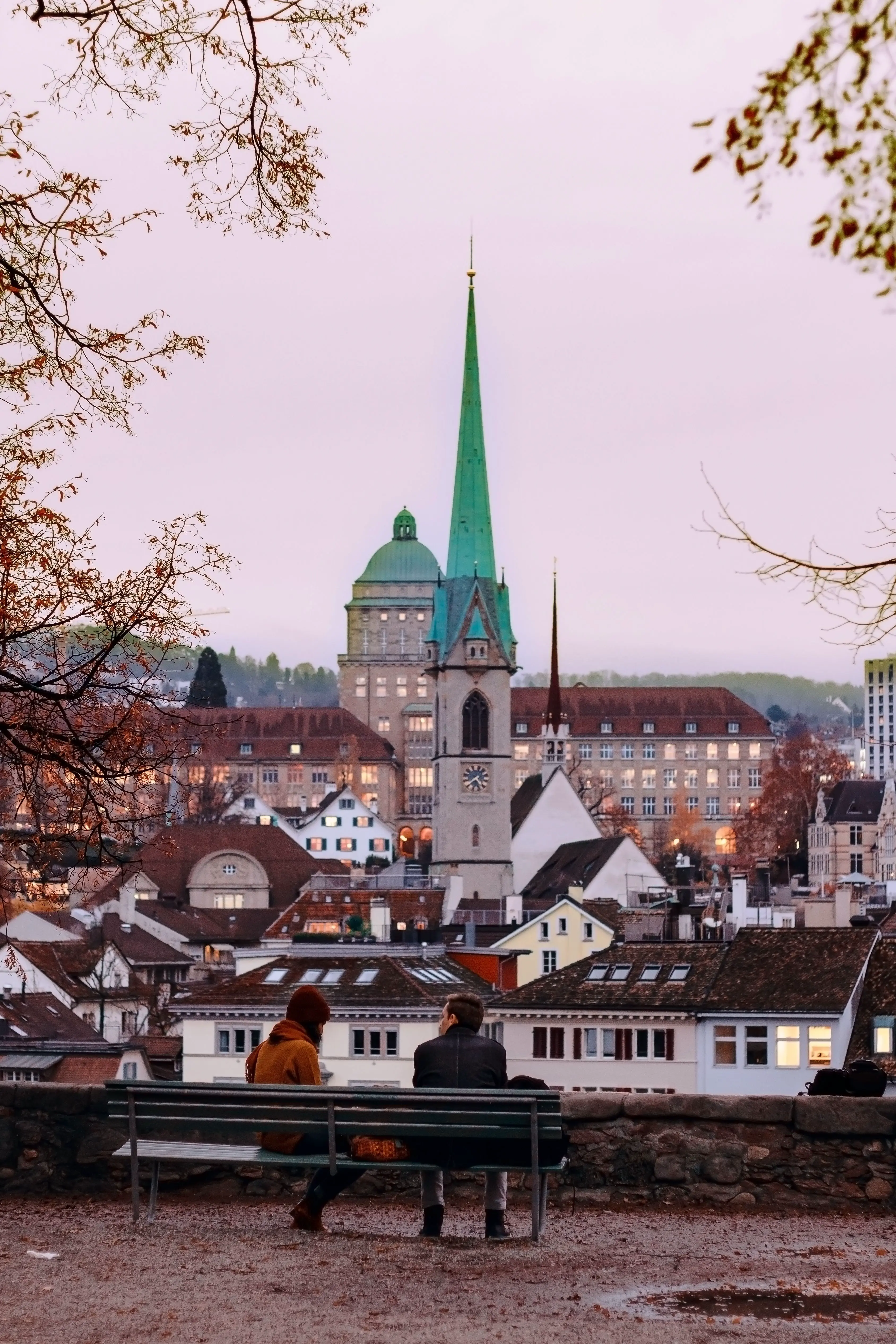
What the Altstadt neighbourhood actually feels like to live in day-to-day
The churches, hills, and medieval streets worth your time — and in what order
How to do a town walking tour without wasting a morning on the wrong route
Where to eat, drink, and work without paying hotel-lobby prices for everything
How Altstadt compares to neighbouring districts for remote workers on a real budget
What Lake Zurich adds to daily life — and when it's worth the detour
What Altstadt Zurich Is — and What It Will Cost You
The Altstadt originated as the Roman settlement of Turicum, became a free imperial city in 1218, and has been expensive ever since. That's not a complaint — it's context. You're living inside one of the best-preserved historic districts in all of Switzerland, in a city that consistently ranks among the most liveable on earth. The price reflects that.
The Layout: Left Bank, Right Bank, and Where to Base Yourself
The old town area divides naturally at the Limmat River, and which side you choose changes your daily rhythm more than most people expect.
Left bank (Lindenhügel/Münsterhof side): quieter, older money, home to the Fraumünster and St. Peter's Church — better for heads-down work weeks
Right bank (Niederdorf side): livelier, more cafés and bars, louder on weekends — suits people who want the city audible outside their window
Studios in the old town area run CHF 2,200–3,200/month; one-beds push CHF 3,500–4,500 depending on the floor plan and how many original ceiling beams are involved
Short-term furnished apartments are genuinely hard to find in the district itself — most supply sits in Kreis 1 and Kreis 4, a ten-minute walk from the historic centre
If you can get a flat with a view of the river, the CHF 300/month premium is probably worth it — you'll spend more time at that window than you expect.
Who the Altstadt Actually Suits
This isn't the district for everyone, and knowing that upfront saves a bad month.
It suits remote workers with stable, higher incomes — CHF 4,500/month take-home covers rent and a life here, but not much margin
It suits people who want walkability above everything else: the train station, major museums, and the lake are all reachable on foot
It does not suit anyone who needs a supermarket open after 8pm — the old town runs on banker's hours
It suits shorter stays of 2–6 weeks more naturally than a full year; the novelty of the medieval streets carries you through the first month
For longer stays on a tighter budget, Kreis 4 or Wiedikon gives you the same city access at roughly 35% less rent — but you'll read more about that in the neighbourhood table below.
Browse fully furnished apartments in Zurich to see what's actually available before you decide which district makes sense.
Neighbourhood Comparison: Altstadt vs. the Rest of Zurich for Remote Workers
What Altstadt Actually Costs — and Who It's Really For
Kreis 1 is the right choice for your first month in Zurich, but almost nobody stays once they've done the rent-to-value maths.
Altstadt (Kreis 1) studios run CHF 2,200–3,200/month — the highest in this comparison, justified mainly by the novelty of living inside a medieval city centre
Everything is walkable from here: the Hauptbahnhof, the lake, Lindenhügel, the best coffee in the old town — commute friction is essentially zero
Evenings are quieter than the price suggests; the tourist foot traffic clears by 9pm and the streets go genuinely calm
Seefeld (Kreis 8) at CHF 2,400–3,500/month is the only neighbourhood that costs more, and it buys you direct access to Lake Zurich's quieter eastern shore rather than a postcode
If you're here for two weeks, Altstadt makes complete sense; if you're here for three months, you'll be annoyed at yourself by week five.
The Neighbourhoods Remote Workers Actually Move To
Langstrasse, Wiedikon, and Zürich West are where Zurich stops being a postcard and starts being a city you can afford to live in properly.
Langstrasse (Kreis 4) at CHF 1,600–2,200/month has the best restaurant density in the city for the price — gritty and diverse in a way Zurich doesn't advertise but quietly relies on
Wiedikon (Kreis 3) sits at CHF 1,700–2,400/month and offers genuine café culture without the crowds; it's the neighbourhood freelancers on a repeating schedule tend to disappear into
Zürich West (Kreis 5) at CHF 1,800–2,600/month is where the coworking infrastructure is actually concentrated — if you're a coworking regular, living here removes a daily tram decision
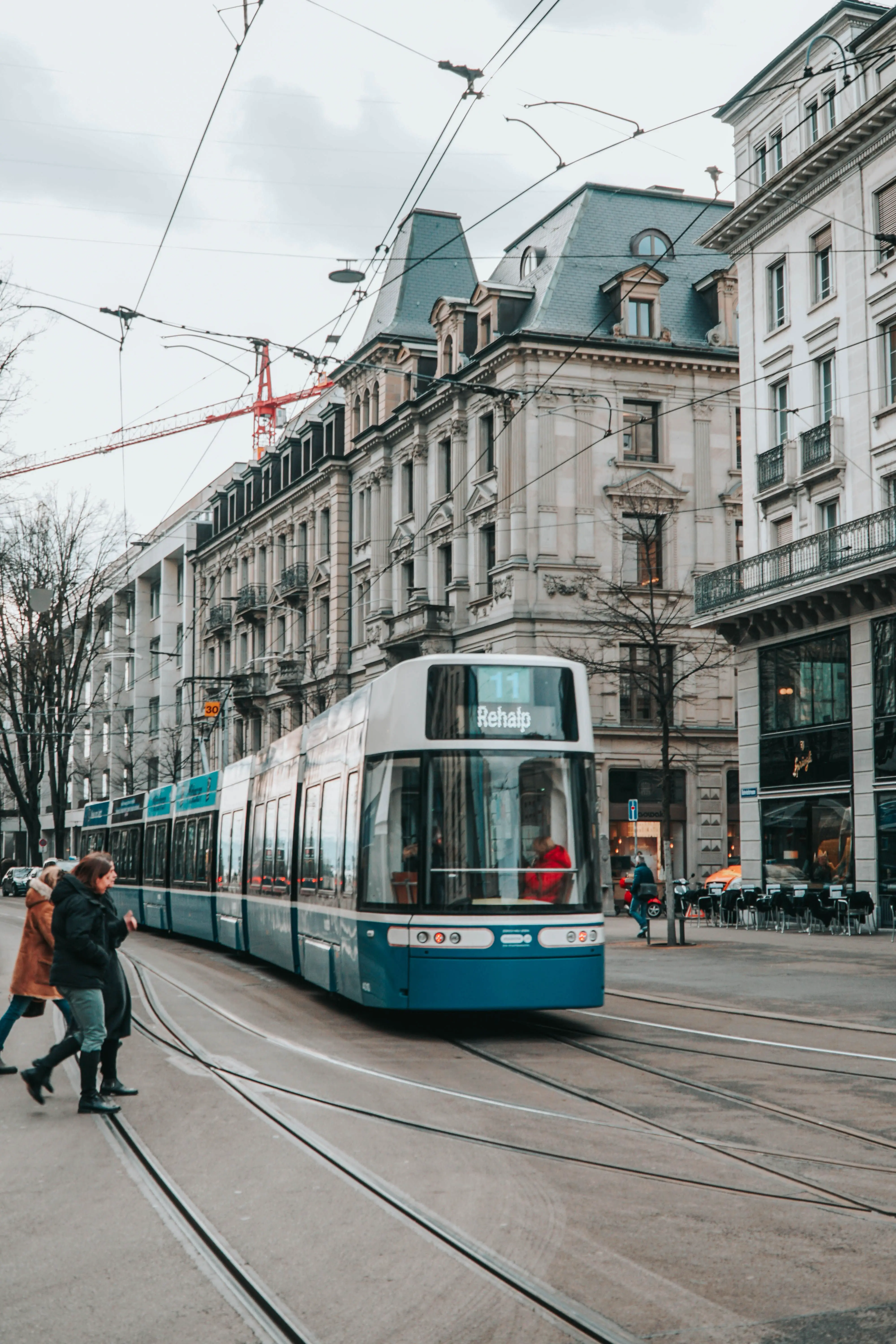
All three are well connected to the centre via tram, making the Altstadt's walkability advantage largely theoretical once you know the network
The pattern most remote workers land on is one month in Altstadt to understand the city, then a move to Wiedikon or Kreis 5 when the rent-to-value calculation becomes impossible to ignore.
How to Choose Based on Your Working Style
The neighbourhood that suits you has less to do with budget and more to do with whether you work better with energy around you or without it.
Creative workers and coworking regulars belong in Zürich West (Kreis 5) — the industrial-converted spaces and younger crowd create the ambient momentum that keeps a solo schedule honest
Freelancers with structured hours and families doing longer stays will find Wiedikon (Kreis 3) residential and genuinely quiet without feeling cut off
If nightlife and a low cost base matter — you're social, you cook in, you want variety on the street — Langstrasse (Kreis 4) is the honest answer
Seefeld (Kreis 8) is worth the premium specifically if lake access is part of your daily reset, not just a weekend option
Altstadt's combination of medieval architecture, waterfront access, and reliable public transit puts it ahead of most comparable historic cores in any major European city — but you pay for it, with short-term rentals starting around CHF 180 per night.
The Town Walking Tour: Zurich's Old Town in the Right Order
Most people do the town walking tour in the wrong direction and end up climbing Lindenhof hill on tired legs after two hours of cobblestones. Start high, work down, and the whole thing takes about an hour at a comfortable pace — longer if you go inside the churches, which you should.
Lindenhof Hill: Start Here, Not Last
Lindenhof hill is the former site of a Roman castle, and it still has the best view in the old town — go first thing in the morning before the tour groups arrive.
Lindenhof — free entry, panoramic views of the Limmat River and the right bank; benches face east so morning light is in your favour
The Roman settlement of Turicum began here; you can see the outline of the Roman castle foundations in the paving near the eastern edge
From the hill, Augustinergasse runs north — it's the street with the colourful historic buildings and protruding bay windows that photographs better in real life than online
Descend via the western staircase to avoid the main tourist flow coming up from Münsterhof
Ten minutes on Lindenhof gives you a mental map of the whole old town area that no amount of reading beforehand actually replicates.
The Churches Worth Your Time — and One That's Worth the Queue
Zurich's old town has three churches that matter, and they matter for different reasons — don't treat them as interchangeable checkboxes.
Fraumünster — founded in 853 AD, but the reason to visit is the stained glass windows by Marc Chagall; the Chagall windows are in the choir, free to view before 11am, CHF 5 suggested donation after — the light through the blue panels is better on overcast days than bright ones
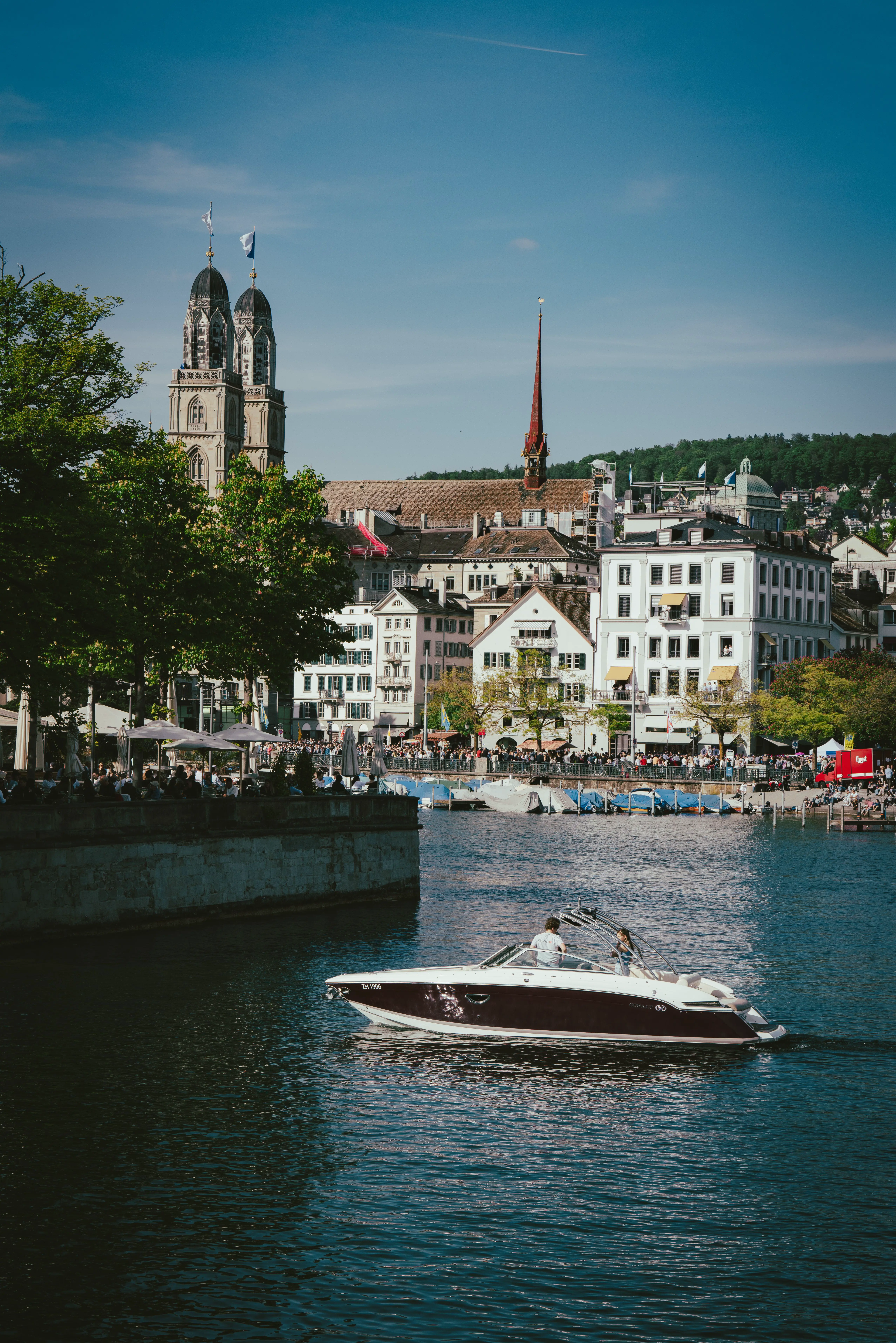
Grossmünster — built between the 11th and 13th centuries, the two towers are the defining image of Zurich's skyline; climb the north tower for CHF 5, the view takes in the lake on clear days; this was the church where Zwingli led the Swiss Reformation in the 1520s
St. Peter's Church — the clock face is the largest church clock face in Europe at 8.7 metres in diameter; the church itself is less dramatic inside than the other two, but the square in front of it is worth five minutes
Comfortable shoes matter more than you think — the approach to Grossmünster from the river involves uneven medieval cobblestones that are worse when wet
If you do only one church, make it Fraumünster for the Chagall windows — the stained glass windows are genuinely unlike anything else in the city, and the space is small enough to feel the scale properly.
Medieval Streets, the Town Hall, and What to Skip
The medieval streets between Niederdorf and the Limmat are where the old town is at its most visually dense — narrow, slightly uphill, and lined with independent shops that have been trading in some form since medieval times.
Zurich's Town Hall (Rathaus) — built 1694–98, sits directly on the Limmat River and is one of the few historic guild houses-era buildings you can view from the water; exterior is the point, the interior is bureaucratic
Niederdorfstrasse — the main artery of the right bank; busiest between noon and 7pm; outdoor seating at the cafés here fills up fast in summer — arrive before noon or after 3pm for a seat
The historic guild houses along Limmatquai are the best remaining examples of the mercantile architecture that defined Zurich when it was a free imperial city; the Zunfthaus zur Meisen is the most complete
The Wasserkirche, first mentioned in the 1250s, sits at the point where the old town meets the river — it's small and often overlooked, which makes it the least crowded spot on the entire walking route
The whole route from Lindenhof to Wasserkirche takes about an hour if you keep moving — add 45 minutes per church you go inside, and plan the Fraumünster last so you end near the tram connections on Bahnhofquai.
The old town Zurich walking loop from Lindenhügel to Münsterhof takes under 90 minutes and covers the core of the historic district without requiring a guide or a paid tour.
Lake Zurich and the Waterfront: What It Adds to Daily Life
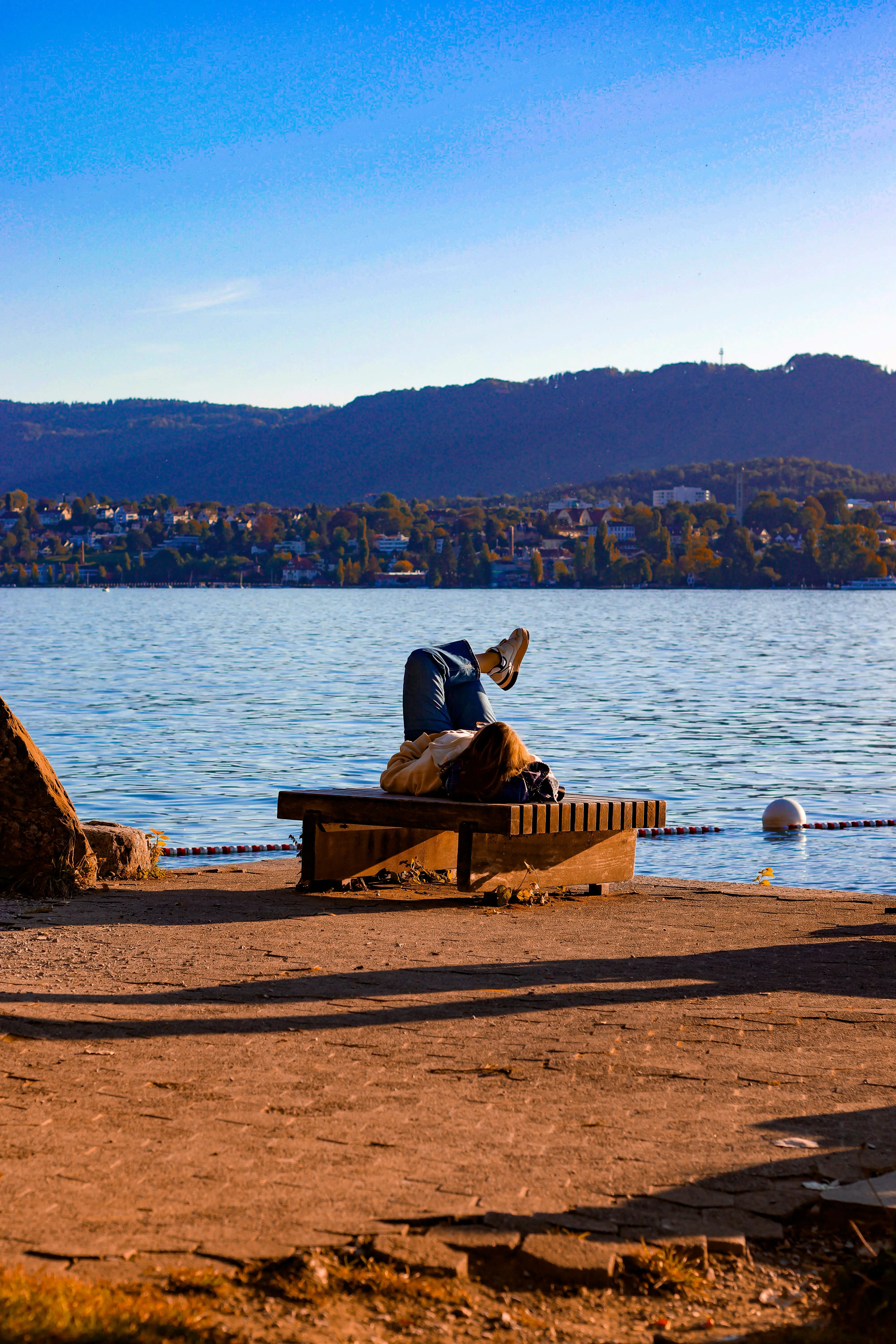
Lake Zurich is not a background feature — it changes what living in this city actually feels like, especially in summer when the whole city relocates to its edges between 5pm and 8pm.
The Lake from the Old Town Side: Distances and Reality
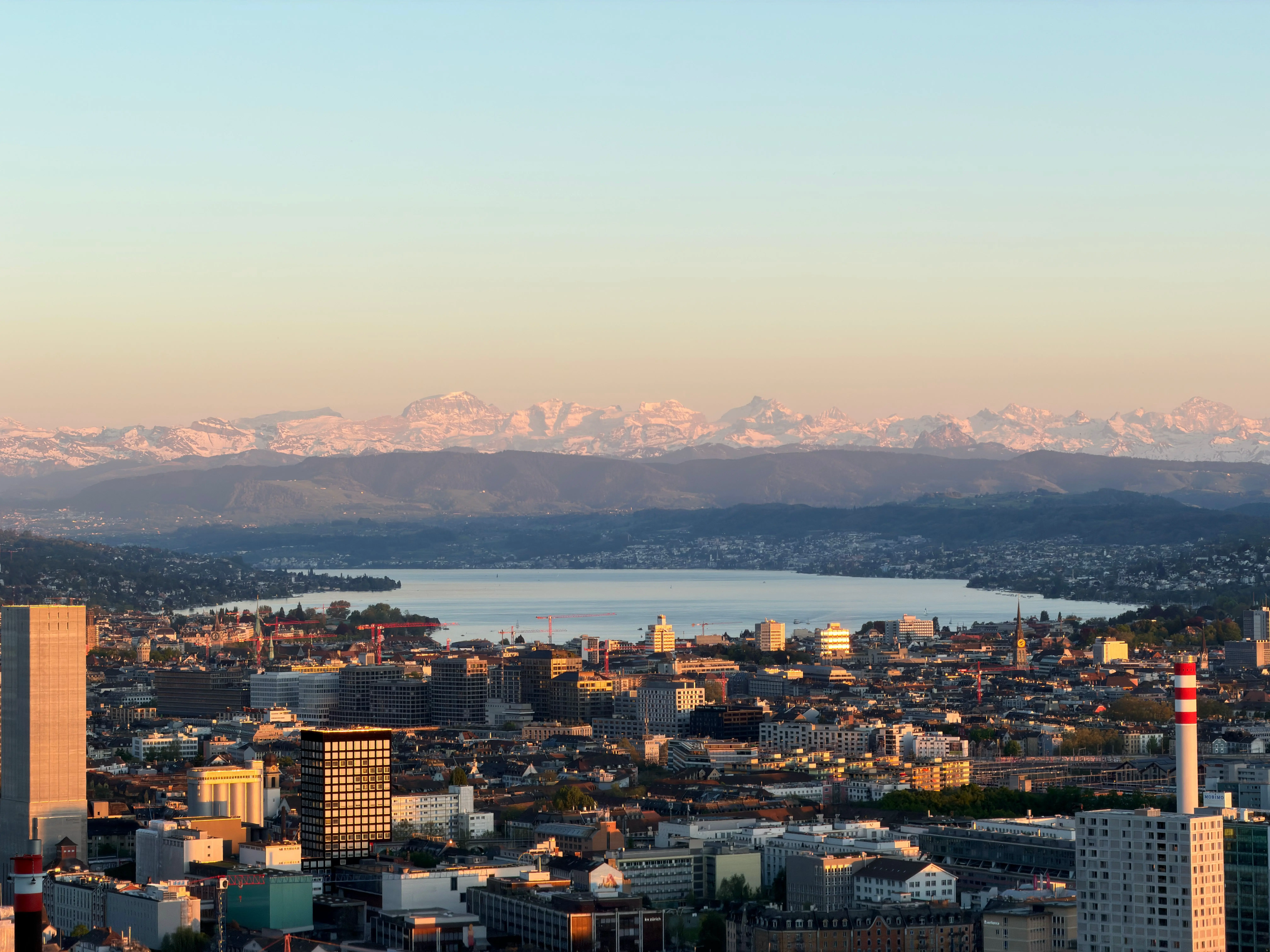
From the centre of the Altstadt, Lake Zurich is a twelve-minute walk — close enough to be a daily habit, far enough that you won't accidentally end up there.
Bürkliplatz — the main embankment square where the old town meets the lake; the Saturday market runs 6am–11am and is one of the few outdoor markets in central Zurich with genuinely local produce rather than tourist goods
The lake swimming baths (Seebad Enge, CHF 8 entry) open May to September — lake swimming in the city is one of the genuinely free-feeling pleasures in an otherwise expensive place
Lake cruises depart from Bürkliplatz year-round; the 90-minute round trip costs CHF 17.60 and gives you the Alpine backdrop that the city centre doesn't — worth it once, not weekly
The eastern lakeshore toward Seefeld has quieter benches and less foot traffic than the main Quai promenade — better for working outside on a laptop if you have a hotspot
Lake Zurich earns its place in daily life not as a tourist attraction but as a pressure valve — the city is dense and expensive, and the water gives it room to breathe in a way that matters more after your first week than your first afternoon.
Drinking Fountains, Free Infrastructure, and the Zürich Card
Zurich has over 1,200 drinking fountains spread across the city, and the ones inside the old town area are fed by the same Alpine spring water as the rest — this is not a small thing when you're walking for hours in summer.
The Zürich Card costs CHF 29 for 24 hours or CHF 53 for 72 hours; it covers all public transport and gives a 50% discount on walking tours — worth it if you're doing the museums in a concentrated burst
Hiltl on Sihlstrasse — the world's oldest vegetarian restaurant, open since 1898; lunch buffet runs CHF 5.50 per 100g, which is how you eat well in Zurich without spending CHF 35 on a sit-down lunch
The Swiss National Museum sits directly next to the train station and covers Swiss history from Roman settlement to the present; entry CHF 10, free on the first Saturday of the month
Over-the-Rhine walking connections: Zurich's Hauptbahnhof train station is eight minutes on foot from the northern edge of the old town — you don't need a tram to reach it, which matters when trams are on weekend schedules
The practical infrastructure of Zurich's old town — the fountains, the card, the proximity to the train station — is what separates a week here that feels manageable from one that feels like it's constantly extracting money from you.
What to Actually Do in Altstadt Zürich Beyond the Churches
Most people who stay in the old town for more than a few days realise the landmarks are walkable in an afternoon — the harder question is what fills the rest of your time. The answer is in the streets themselves, and in knowing which ones reward a slow wander and which ones are just tourist corridors with higher coffee prices.
Streets and Squares Worth Your Time
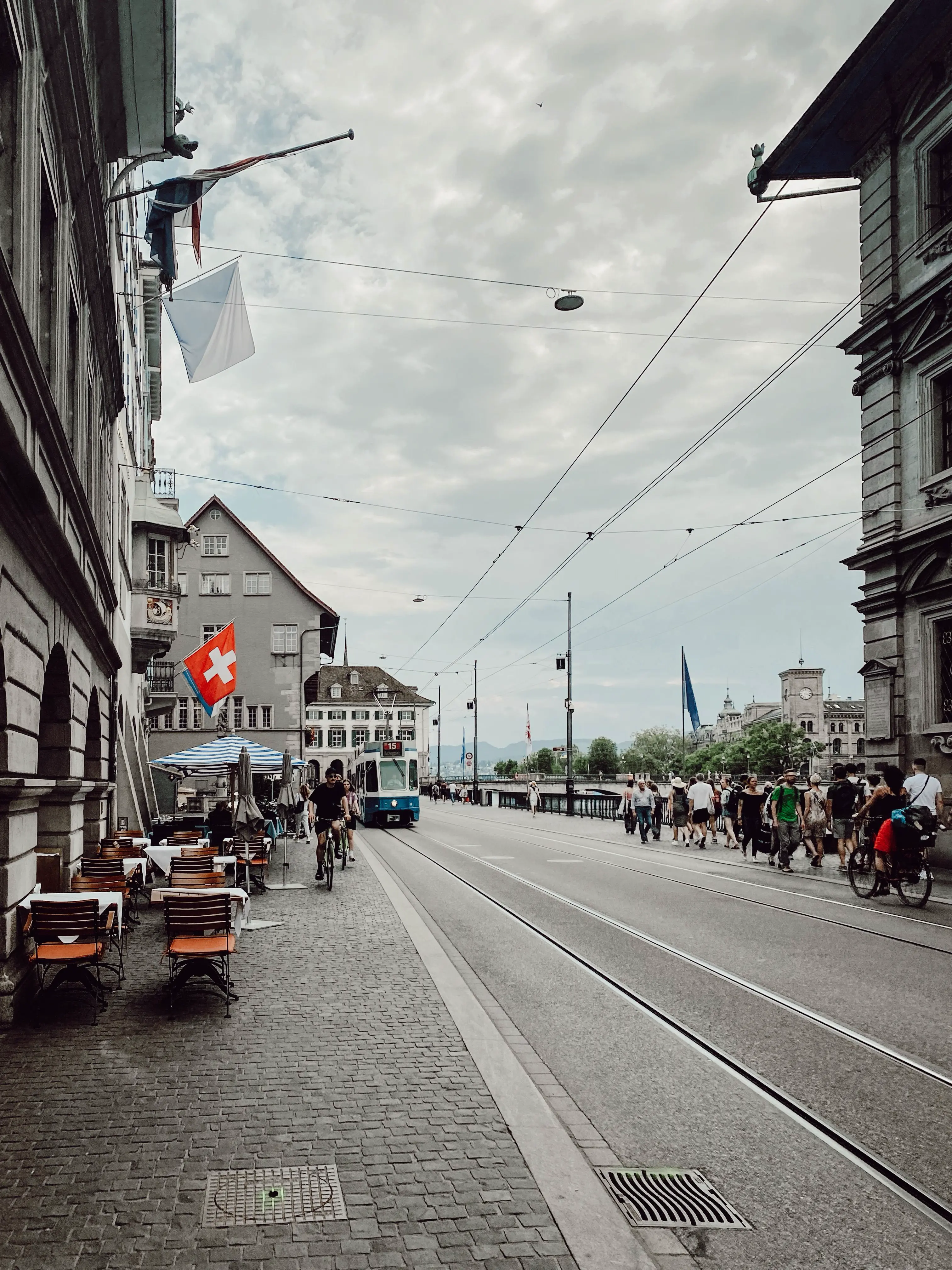
The most interesting streets in Altstadt are the ones that don't appear on guided tour maps — they're the connective tissue between the landmarks, and they're where the city actually lives.
Schipfe — a narrow riverside lane on the left bank, lined with small artisan shops and studios; quieter than the main squares and better for working out whether you like the neighbourhood at a slower pace
Hechtplatz — one of the livelier squares on the right bank, with outdoor seating and bars that stay open past midnight; not where you go for quiet, but where you go when you've been quiet all week
Stühlinger Gasse — a steep cobbled climb on the left bank that locals use as a shortcut; great views of the river below and almost no foot traffic from visitors
The streets north of Central Platz shift in character within two blocks — you move from tourist-facing shops to hardware stores and pharmacy chains; useful to know if you want to locate yourself near actual everyday infrastructure
The old town is divided into a tourist-facing surface and a quieter layer underneath — and you only find the second one by walking without a plan.
Bars, Cafés, and Where to Actually Work
The bars in Altstadt tend toward one of two modes: historically situated wine bars that feel unchanged since the 1970s, or cocktail spots that charge CHF 22 for a negroni and know it.
Zum Guten Glauben on Münstergasse — a low-key natural wine bar, glass from CHF 8, no music loud enough to prevent conversation; go after 7pm when the after-work crowd thins
Café Odeon near Bellevue — a historical art nouveau café open since 1911, espresso CHF 5, reliable WiFi, but crowded by 10am on weekdays; good for a focused two-hour morning block before the laptop crowd arrives
Blaue Ente in Seefeld, technically just east of the old town boundary — cocktails CHF 18–22, riverside terrace, and a crowd that skews local rather than tourist; worth the 12-minute walk from the Altstadt centre
The bars along Niederdorfstrasse are better for atmosphere than work — noise levels after 8pm make them unusable for anything requiring concentration, but that's the point of them
If you're working remotely and need reliable WiFi during the day, Café Odeon before 10am is your best option inside the old town — after that, you're better off at a coworking space in Kreis 5.
Münsterhof and Weinplatz are the two historic squares worth building your afternoon around — both have outdoor seating within 50 metres, and Münsterhof in particular stays lively until around 10pm in summer.
Parks, Gardens, and Open Space Near the Old Town
Altstadt itself has almost no parks — the historic density doesn't allow for them — but the open space nearby is better than most visitors realise, especially once you know where to look.
Arboretum on the western lakeshore — a tree garden located south of Bürkliplatz with benches facing the water; free, rarely busy on weekday mornings, and genuinely pleasant for reading or a slow lunch break
Rieterpark in Enge — 15 minutes by tram south of the old town, with gardens, a villa housing the Rietberg Museum, and almost no tourist foot traffic; CHF 0 to enter the grounds, CHF 18 for the museum
Lindenhügel gardens — the terraced gardens on the hillside behind the main Lindenhof viewpoint have benches that are occupied by locals having lunch, not by tour groups; you'll walk past them on your way to the towers
The lakeside parks are technically situated in the surrounding districts, not the Altstadt proper — factor a 10–15 minute walk into any plan that depends on green space
Zurich's parks are not in the old town — they're around it, and the city's tram network makes reaching them fast enough that the absence of green space inside the Altstadt rarely becomes a real problem.
Altstadt Zürich History, Landmarks, and Background Worth Knowing
The history here isn't just decorative — it explains why the old town is laid out the way it is, why certain streets run where they do, and why the city feel divided between its two riverbanks in ways that go beyond geography.
The Historical Background That Shapes the Neighbourhood
The towers, the guild houses, and the general shape of Altstadt Zürich reflect not Roman planning but medieval Swiss political history — and understanding it makes the built environment more legible.
Zurich's Altstadt sits on the site of a Roman customs post called Turicum, located at the point where the Limmat exits Lake Zurich — the location was strategic for controlling river trade, which is why settlement here is continuous rather than accidental
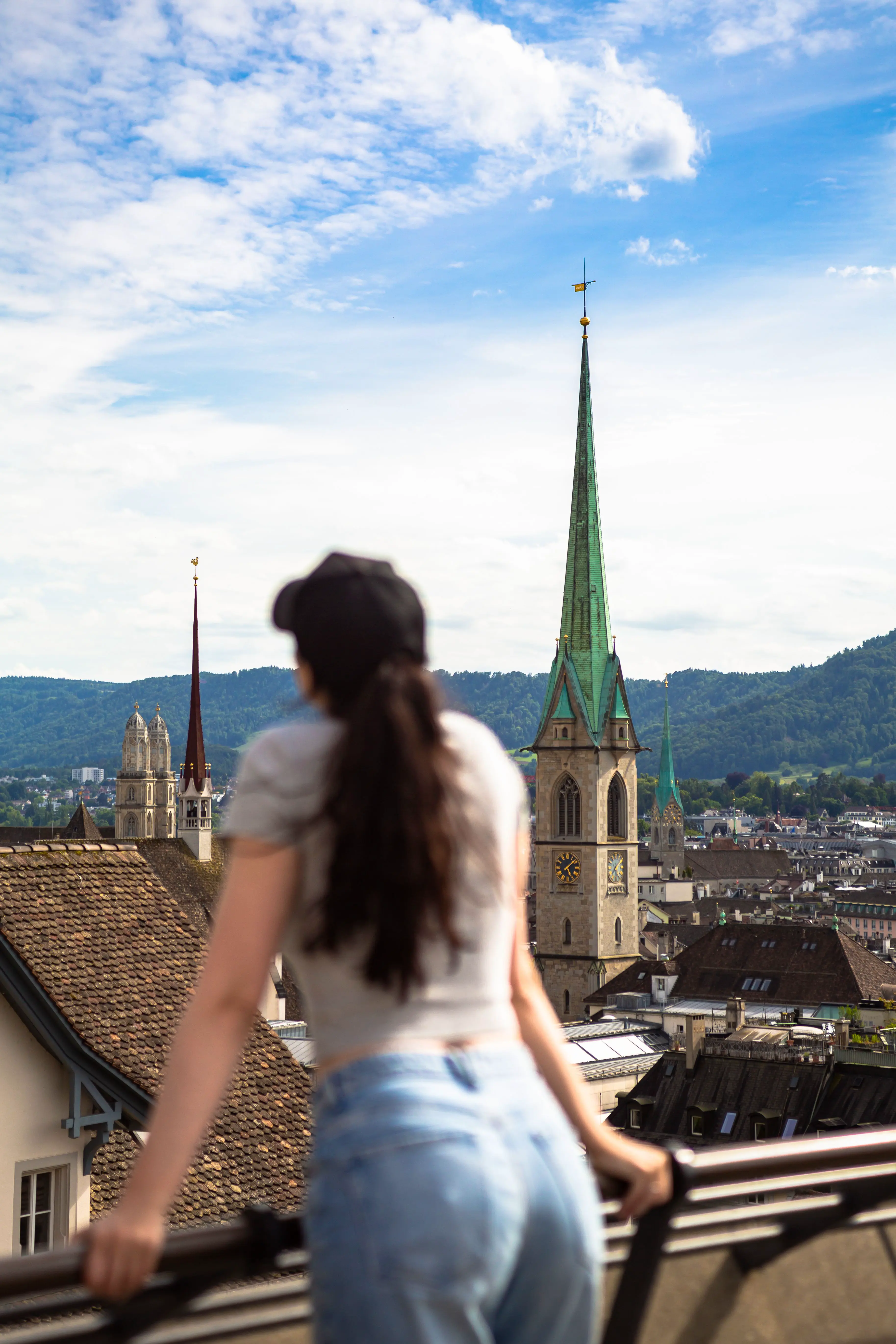
The two towers of the Grossmünster (already covered) are matched by the single tower of St. Peter's Church — but the clock face on St. Peter's is the largest pre-electric clock face in Europe at 8.7 metres in diameter; most visitors walk past it without knowing
The guild system that governed Zürich from the 14th century onward is why certain streets are named after trades — Kuttelgasse (tripe sellers), Strehlgasse (comb makers) — the historical background is written into the street names if you know where to look
Zunfthaus zur Meisen on Münsterhof — one of the best-preserved guild houses, now a museum of Swiss ceramics and faience; entry CHF 12, hours Tuesday to Sunday 10am–5pm, rarely crowded
The history of Altstadt Zürich is not hard to find — it's embedded in the street plan, the guild house facades, and the placement of the towers — but most visitors skim the surface of it because the landmarks are so photogenic that context feels optional.
Landmarks and Great Views Without the Tour Group Timing
The great views in Altstadt require nothing more than knowing what time the crowds arrive — and they arrive predictably, which means avoiding them is a scheduling decision, not luck.
Grossmünster tower climb — CHF 5, open daily from 10am, great views over the old town rooftops and the river; go before 10:30am or after 4pm to avoid tour groups; the north tower is accessible, the south tower is not
Polyterrasse at ETH Zurich — technically north and slightly uphill from the Altstadt, 12 minutes on foot; arguably the best single panoramic view of Zürich, completely free, and almost entirely locals on weekday mornings
The right bank Limmatquai on a clear morning — the light hits the historical façades on the opposite bank between 8am and 10am and is better for photography than any official viewpoint; you're also not fighting anyone for space
Üetliberg is situated 30 minutes by S-Bahn south-west of the old town; the summit at 871m gives a full city and lake panorama; S10 train runs every 30 minutes, included in a day travel pass (CHF 8.80 for a city zone day pass)
The landmarks in Altstadt reward early mornings and late afternoons — the hours between 10:30am and 3:30pm are when most of the tour groups move through, and the streets and viewpoints are measurably more pleasant before and after that window.
Markets, Shops, and Where Locals Actually Buy Things
The shops that line the main tourist streets in Altstadt are not where residents shop — the prices reflect the location, and locals have worked out which streets are worth entering.
Helvetiaplatz Market in Kreis 4 (10 minutes west by tram) — Tuesday and Saturday mornings, fresh produce at prices that make sense, and a crowd that is overwhelmingly local; this is where Altstadt residents go when they want to buy vegetables without paying a premium for the postcode
Rindermarkt square in the old town — one of the quieter squares located on the right bank, with independent bookshops and a few shops selling Swiss-made goods that are not purely tourist-facing; worth exploring on a weekday when foot traffic is lower
The bank buildings along Bahnhofstrasse are worth a walk for the architectural scale — it is one of the most expensive retail streets in the world, and you will spend nothing exploring it — but it connects the old town to the train station in a straight line and is therefore useful as an orientation walk
For groceries inside the Altstadt, the Coop on Weinbergstrasse is the most practical option; a Migros is located slightly north near Central — both are standard Swiss supermarket prices, which is to say expensive by most European standards but unavoidable
The Grossmünster's south tower houses what was once celebrated as the largest church clock face in Europe — it's visible from the opposite bank of the Limmat and is a reliable landmark when you're navigating the old town on foot.
The Grossmünster — famous for its twin Romanesque towers visible from almost anywhere in the Old Town — was founded in the 12th century and remains the single landmark most visitors photograph first.
Is Altstadt Zürich Right for Your Remote Work Stay?
Who Gets Real Value from Altstadt Zürich
Altstadt rewards remote workers who are earning well and staying briefly — it is not a place to grind through a tight budget month after month.
Senior freelancers billing in dollars or euros will find the cost-to-experience ratio genuinely strong for a two to four week stay
The infrastructure is flawless: fast connectivity, reliable transport, and good cafés with working conditions built in
The Limmat and the lake give the old town more open space than its dense footprint implies, which matters when you are spending long days here
Workers on tighter monthly budgets will feel the friction within two weeks as food, coffee, and incidental costs compound fast
Altstadt is not overrated — it is just priced for a specific kind of stay, and mistiming that stay is the only real mistake.
The Practical Strategy for Longer Zürich Stays
Most remote workers get the most from Altstadt by using it as an orientation base, then moving to a cheaper district once the city makes sense to them.
A focused two to four week stay in Altstadt is enough to understand Zürich without paying a premium for longer than necessary
Wiedikon and Kreis 5 both offer significantly lower rents while keeping you connected to the centre by tram in under fifteen minutes
Treating Altstadt as a first chapter rather than a full stay lets you absorb the history and energy without watching your savings slide
For remote workers planning to move through Switzerland rather than stay fixed, browse fully furnished apartments in Switzerland to see what the rest of the country offers at very different price points
The surrounding districts are not a consolation prize — they are just where the longer, more sustainable version of living in Zürich actually happens.