
Daniel
Productivity & Remote Living Analyst ·
Zurich is not a city that hides its costs, and it doesn't pretend to be something it isn't. Rents are high, the trains run exactly on time, and the quality of daily life is genuinely difficult to argue with. The question isn't whether Zurich works for remote living — it does, better than most European cities — it's which district fits how you actually spend your days. This guide covers:
Which Zurich neighborhoods suit remote workers versus families versus short-term stays
What you'll realistically pay for a furnished apartment in each district
Where to find the best cafés, coworking spaces, and food markets
How the Old Town compares to Zurich West for day-to-day living
The Lake Zurich lakeside neighborhoods that trade access for calm
Honest trade-offs for each area — not just the upsides
Understanding the Best Zurich Neighborhoods for Remote Workers and Expats
How Zurich's District System Actually Shapes Your Daily Life
The Kreis numbering isn't just an administrative quirk — it's a reliable shorthand for noise levels, crowd density, and whether your neighbourhood feels like somewhere people actually live.
Zurich runs twelve Kreis districts numbered outward from the centre, dividing broadly into historic east bank, creative west, quiet lake fringe, and international corridor near the airport
Kreis 1 (Old Town) is genuinely beautiful and walkable, but tourist saturation from April through September makes it harder to inhabit than the listings suggest — café tables and morning quiet both become scarce
Kreis 5 (Zurich West) sits in converted industrial space and draws remote workers and creatives; monthly rents run CHF 2,200–3,000 for a one-bedroom and coworking density here is the best in the city
Enge (Kreis 2) sits on the lake fringe and attracts a quieter, more established long-term resident — the kind of district that doesn't announce itself but holds up well over a longer stay
Where you land in that grid shapes everything from your grocery options to how loud your street is at 2am, which makes the initial district decision worth more attention than most new arrivals give it.
Why Zurich's Transport Network Changes the Calculus on Living Further Out
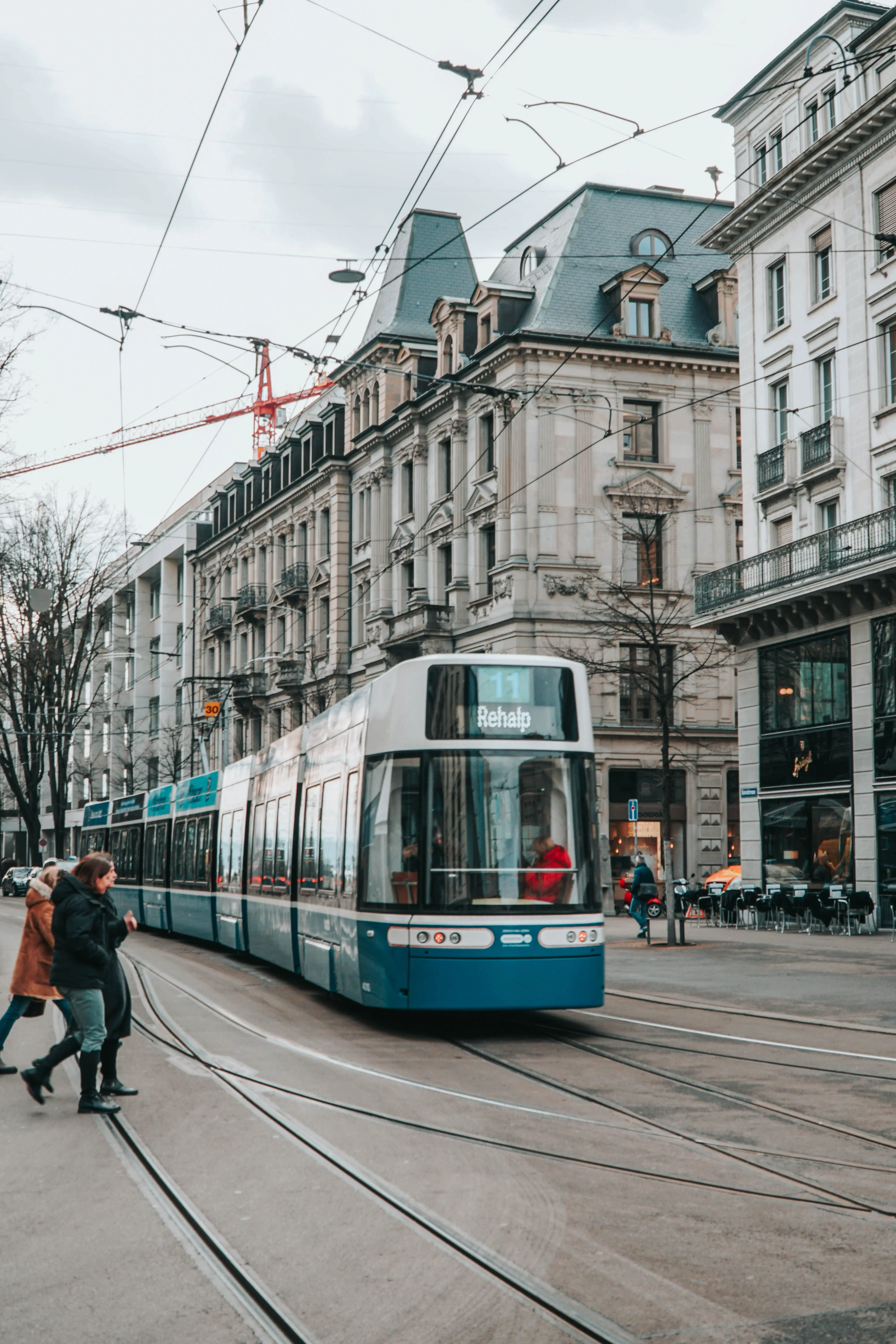
In most European cities, choosing a peripheral district means accepting a transport penalty — in Zurich, the ZVV network is comprehensive enough that this trade-off largely disappears.
Every district has solid tram and train connections through the ZVV network, meaning neighbourhoods like Wiedikon or Enge are genuinely well-connected rather than technically served
Remote workers choosing a district purely on transport grounds will rarely find a compelling reason to overpay for Kreis 1 centrality when outer districts run comparable journey times
Swiss urban planning philosophy embeds transit infrastructure early, so newer residential districts don't carry the connectivity lag you'd see in a less-organised city
The practical result: budget and noise tolerance are more useful filters when choosing a Zurich district than proximity to a tram stop
This is one of those structural advantages that doesn't show up in a neighbourhood guide but quietly determines whether you spend your first month quietly pleased with your decision or quietly resentful of it.
When people say they love Zurich, Zurich usually surprises them with how compact it is — you can walk from Kreis 1 to Kreis 5 in under 25 minutes on flat ground.
Old Town Zurich (Kreis 1): Where History Meets a High Price Tag
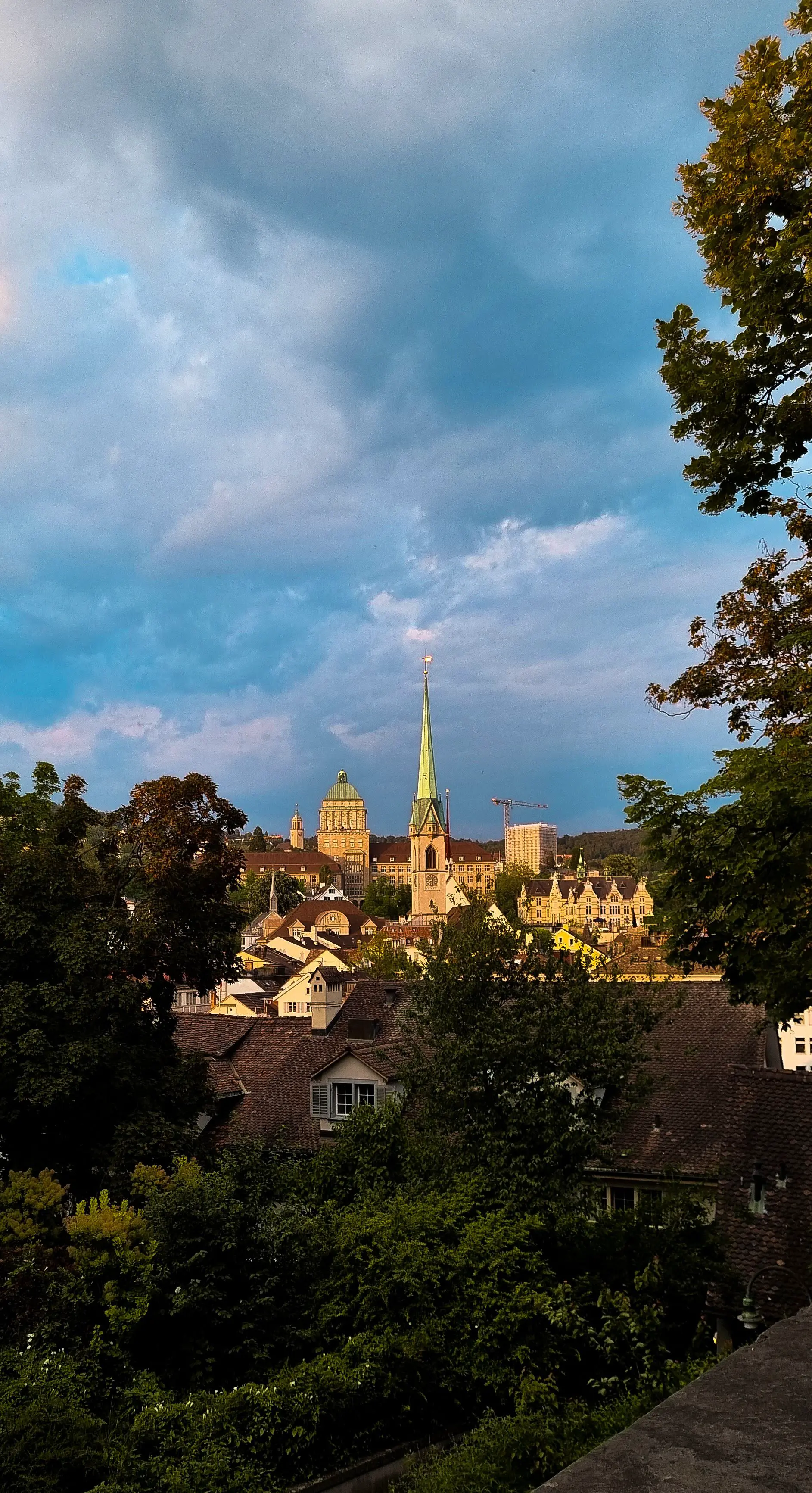
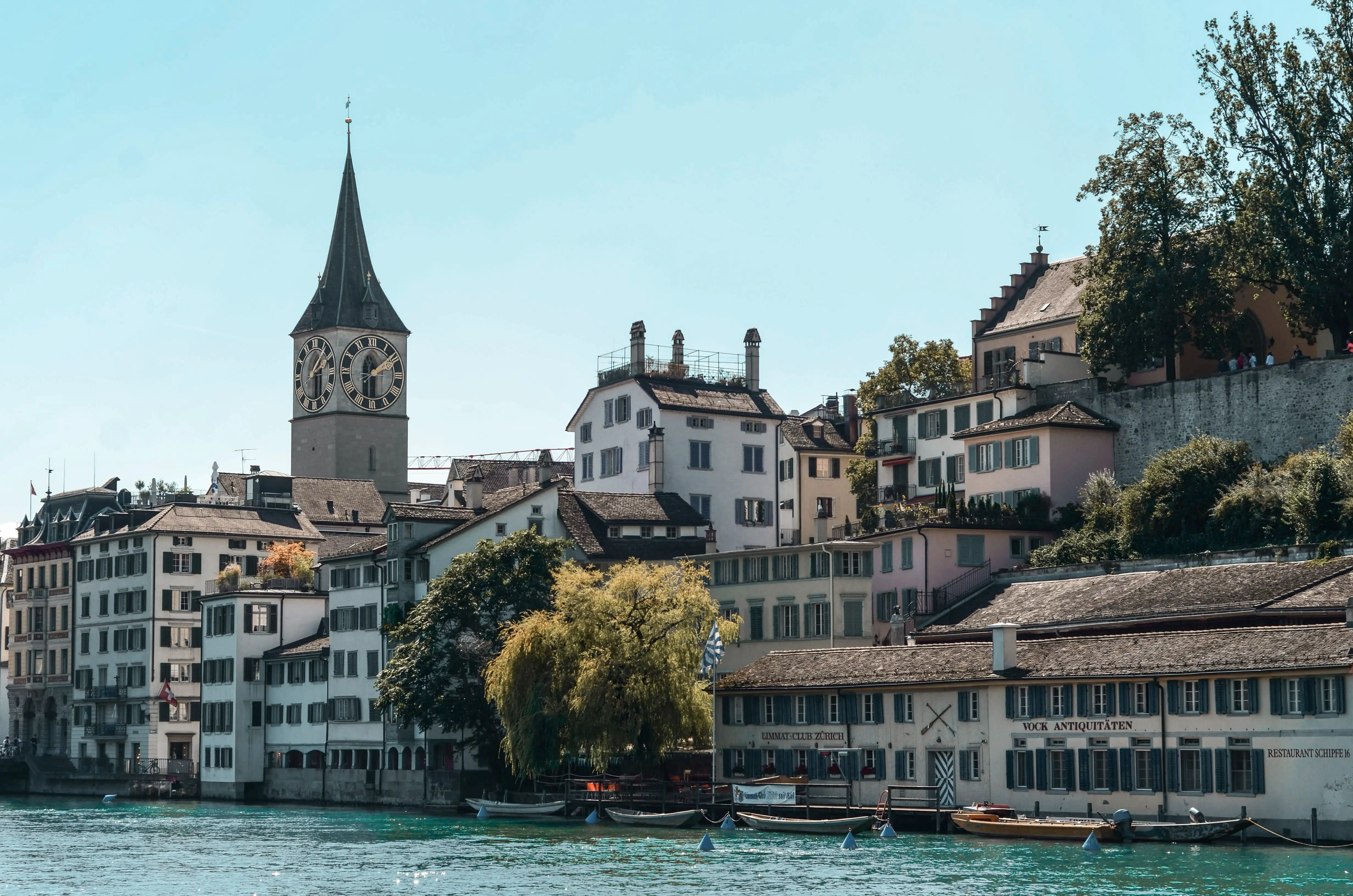
The old town is where Zurich keeps its most legible version of itself — the guildhalls, the Grossmünster, the narrow lanes running off Niederdorfstrasse — and staying here feels genuinely special for about the first week. After that, you start noticing what it doesn't have: affordable grocery shops, quiet mornings, and the sense that you're sharing the neighbourhood with locals rather than working around them.
Old Town for Remote Work: What the Romanticism Costs You
The old town offers excellent connectivity and a genuinely beautiful environment, but the daily economics are unforgiving and the tourist density is a real variable in your working day.
Café Odéon — coffees from CHF 5.50, grand Art Deco interior, opens 7am; arrives crowded by 9am on weekdays
ETH Zurich Main Building — five minutes uphill, student cafeteria lunches around CHF 12, reliable WiFi in the library zones
1-bed furnished apartments in Kreis 1 start at CHF 2,800/month — rarely below that in anything well-maintained
Manor on Bahnhofstrasse — the most central supermarket, CHF 8–14 for a basic lunch from the hot counter
The old town earns its reputation, but if your plan is to stay longer than three weeks, the gap between what it costs and what Zurich West offers at two-thirds the price becomes a hard argument to ignore.
Niederdorfstrasse and the East Bank: The Night Side of Kreis 1
Niederdorfstrasse is the town's most democratic street — cheap döner beside wine bars beside Swiss fondue houses — and it's the reason Kreis 1 feels liveable rather than purely monumental.
Rheinfelder Bierhalle — one of the few old town restaurants that locals still use, mains CHF 22–32, no booking needed most weeknights
Rathaus Market — Tuesday and Friday mornings along the Limmat, Swiss cheese and bread from CHF 4–8, worth arriving before 9am
Street noise on Niederdorfstrasse runs until midnight most nights — if you're a light sleeper, request a rear-facing apartment
The Lindenhügel hill sits at the heart of Kreis 1 and gives you a free panoramic view of the lake and the Alps that most tourists pay CHF 40 to see from a cable car elsewhere.
The east bank of Kreis 1 is where the town loosens up, and it's the part that makes a short stay feel like an experience rather than an exercise in historic tourism.
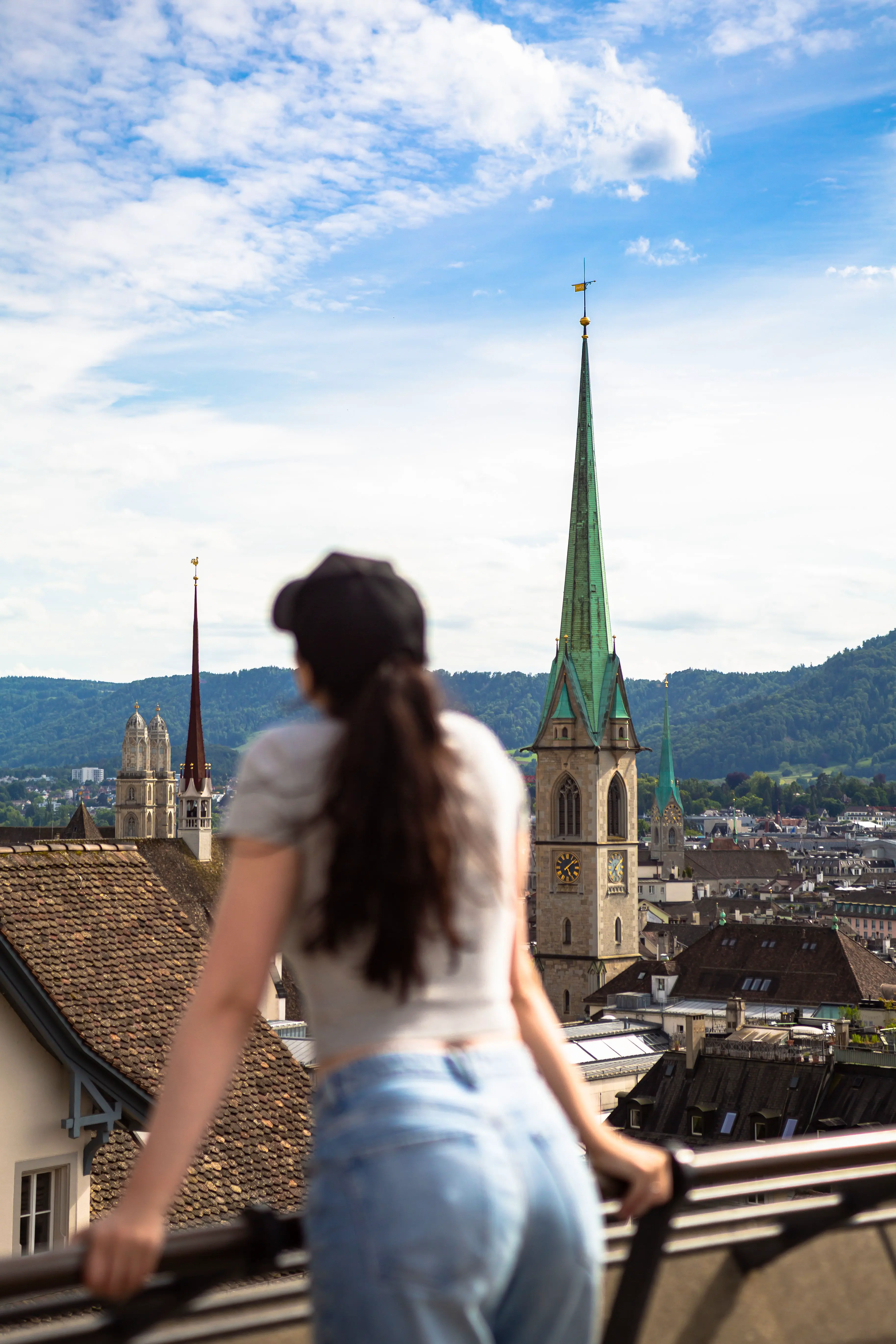
Zurich West (Kreis 5): The Best Neighborhood for Remote Workers Who Want a Life Outside Their Laptop
Zurich West is what happens when Swiss pragmatism meets post-industrial space: former factory buildings turned into coworking hubs, galleries, restaurants, and apartments that cost noticeably less than anything in Kreis 1. The Kreis 5 district doesn't have the old town's postcard credentials, but it has the infrastructure that actually makes remote working comfortable over a month rather than just a weekend.
Coworking and Cafés in Zurich West
The density of serious work spaces in Zurich West is the best in the city — not marginal best, but measurably so.
Kraftwerk — coworking and event space inside a converted power station, day passes from CHF 35, genuinely fast WiFi, open plan but quiet zones available
Café Kairo — flat whites CHF 4.80, small menu, neighbourhood regulars rather than tourists, best before 11am for a quiet table
Impact Hub Zurich — monthly memberships from CHF 250, strong international community, networking events most weeks
1-bed furnished apartments in Kreis 5 average CHF 2,200–2,600/month, dropping to CHF 1,900 for older stock near Hardstrasse
Impact Hub draws a genuinely international crowd — if building a professional network matters as much as finding a desk, Zurich West gives you both in the same district.
Zurich West is the most trendy part of the city right now — Langstrasse alone has seen six new restaurant openings in the past 18 months, most of them independently owned.
Langstrasse: The Part of Zurich West Nobody Warns You About (And Nobody Should)
Langstrasse has a reputation as Zurich's red-light district, which is accurate and also completely irrelevant to what it's like to live there after about day three.
Markthalle im Viadukt — covered market under the old railway arches, local produce and street food, CHF 10–16 for lunch, open Tuesday to Saturday
Coop at Lochergut — large, well-stocked, open until 8pm most days — the most practical grocery anchor in Kreis 5
Langstrasse is loud on Friday and Saturday nights past midnight — an apartment one block off the main street is the practical solution, not a different district
The creative community in Zurich West organises monthly events at Rote Fabrik and Im Viadukt, so meeting people outside your coworking space takes almost no effort.
The Bürkliplatz flea market is located right on the lakefront in Kreis 1, a 15-minute tram ride from Enge, and runs every Saturday from May through October.
Explore Zurich in our neighbourhood guide for street-level advice on where to stay within Kreis 5.
Lake Zurich and Enge (Kreis 2): When You Want the City and the Water
Enge sits between the lake and the city center in a way that sounds ideal on paper and genuinely delivers in practice, provided you accept that "calm" and "convenient" are different things. The Kreis 2 district is home to some of Zurich's most settled residential streets — wide pavements, established trees, Swiss families who have been here for decades — and the Lake Zurich shoreline is a 10-minute walk from most apartments in the area.
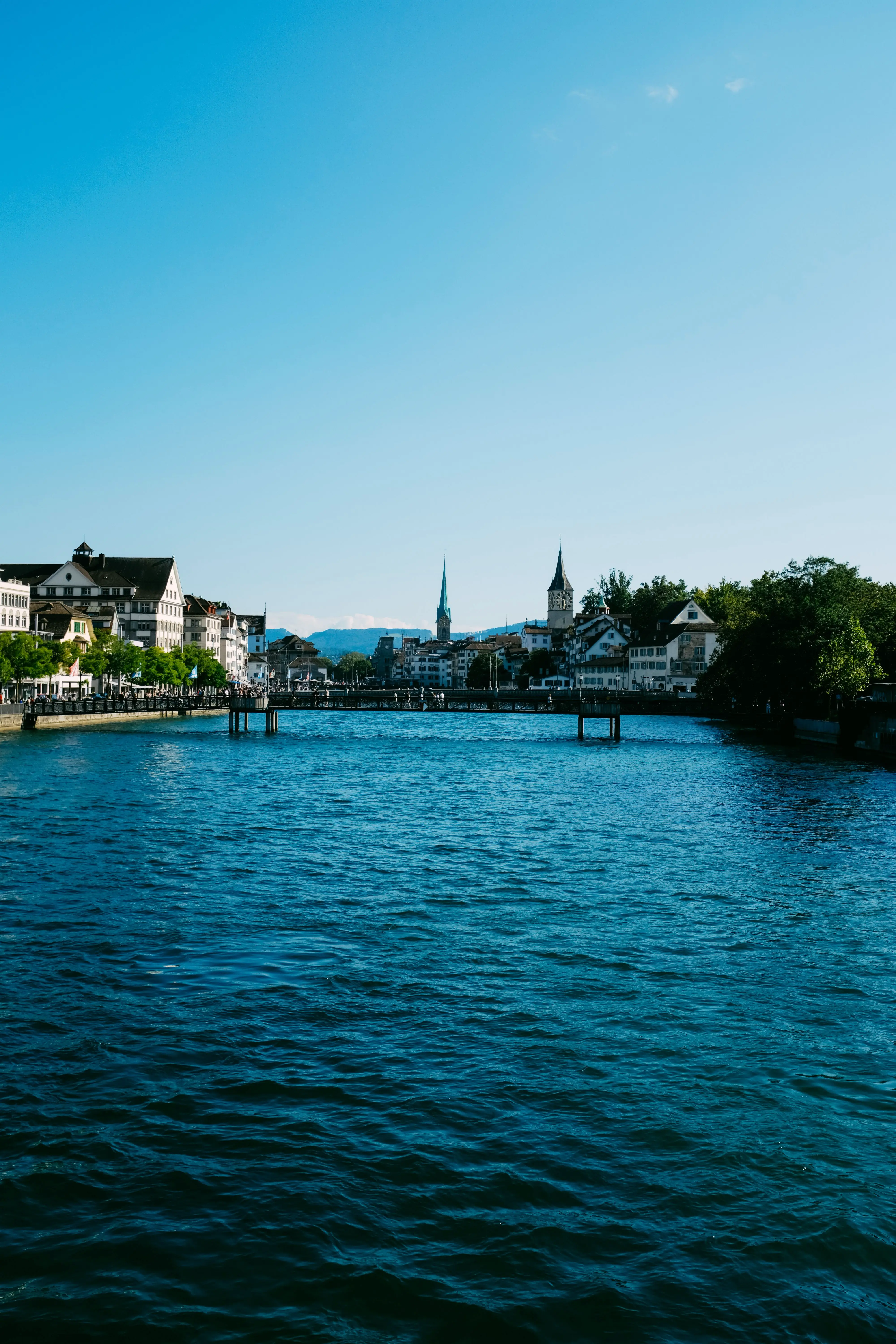
Living Beside Lake Zurich: Enge's Daily Rhythm
The lakeside access in Enge is the kind of amenity that changes how you feel about a city — not a tourist attraction you visit, but infrastructure you use before breakfast.
Strandbad Enge — public lido on Lake Zurich, CHF 8 entry, open May to September, uncrowded on weekday mornings before 9am
Brasserie Schiller — Swiss-French bistro in Enge, lunch menus CHF 22–28, popular with local professionals on weekdays
Migros Enge — the neighbourhood's main supermarket, solid Swiss produce section, prices 10–15% below Kreis 1 equivalents
Tram 7 and tram 13 make central Zurich 8–12 minutes from most Enge addresses — not walking distance, but not far
Enge is a district that rewards the kind of remote worker who genuinely uses the neighbourhood rather than just sleeping in it — the lake, the parks, the quiet streets — rather than someone optimising for café-hopping and nightlife access.
Enge is ideal for families because the Sihlfeld and Enge public schools consistently score above the cantonal average, and the lakeside playgrounds are genuinely usable year-round.
What Enge Costs and What It Trades Away
Kreis 2 isn't a bargain, and it doesn't pretend to be — but the value proposition is different from the old town or Zurich West, and worth understanding clearly.
1-bed furnished apartments in Enge: CHF 2,600–3,400/month — lakeside-facing units command a premium of CHF 300–500 above street-side equivalents
No significant coworking scene in Enge itself — you'll take the tram into central Zurich or Kreis 5 for serious desk time
Arboretum park — free, enormous, directly on the lake, reliable WiFi in the nearby pavilion if you prefer working outdoors in good weather
The Swiss school system and international school proximity makes this district consistently popular with families moving to Zurich
If your work happens at home rather than in coworking spaces, and you want a neighbourhood that doesn't feel like it's performing its own coolness at you, Enge is where the calculus tips in favour of Kreis 2.
Every Zurich district has a distinct personality — Seefeld leans polished and residential, while Old Town tilts toward tourism and heritage — so choosing between them depends entirely on your daily rhythm.
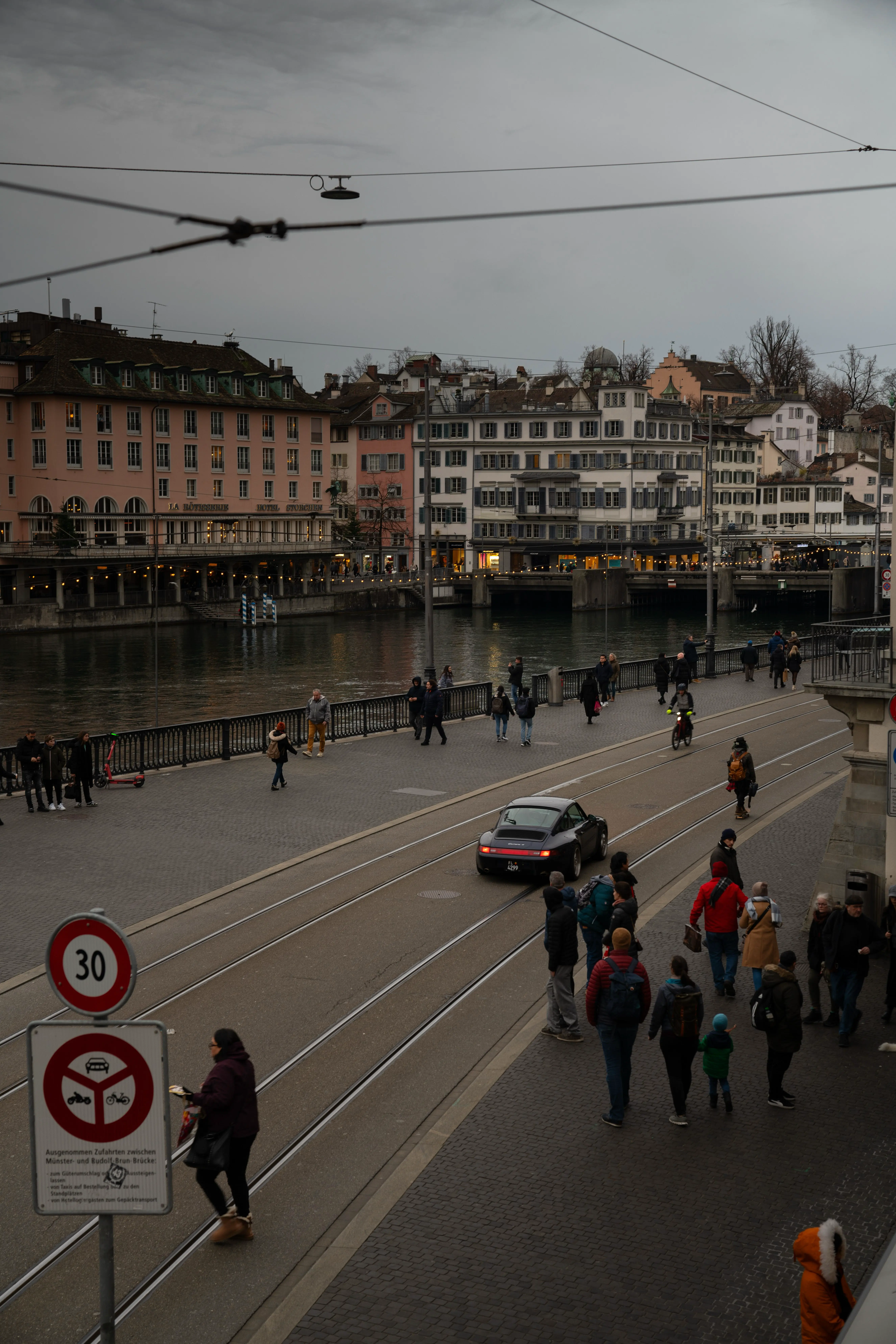
Zurich Old Town and Seefeld: Two Districts That Look Similar on a Map and Feel Nothing Alike
Zurich Old Town — Altstadt, Kreis 1 — is one of Zurich's most photographed quarters and one of its least liveable for anyone staying longer than a long weekend. Seefeld, east along the lake in Kreis 8, shares the same lakefront access and the same postcard aesthetic, but the daily texture is entirely different.
Zurich Old Town: Better to Visit Than to Base Yourself In
Zurich old town has the architecture, the river views, and the historical weight — but it also has the foot traffic, the hotel pricing logic embedded in every landlord's expectations, and almost no grocery infrastructure suited to actual residents.
Lindenhof View Point — the hill above Lindenhof square, free to sit on, genuinely one of Zurich's best views over the Limmat and the old church spires, best before 10am before the tour groups arrive
Café Literaturhaus — CHF 6.50 coffee, quieter than the Niederdorf strip, attached to a reading room that tolerates laptop work on weekday mornings
1-bed furnished apartments in zurich old town: CHF 3,200–4,200/month — prices that reflect location rather than square footage
The main train station, Hauptbahnhof, is seven minutes on foot from the heart of Zurich old town — that connectivity is real, but it also means the foot traffic never fully stops
Three weeks in Zurich old town will cost you more than three weeks in Seefeld and give you less quiet, less space, and roughly the same lake access — which makes it hard to justify as a base once you understand what you're paying for.
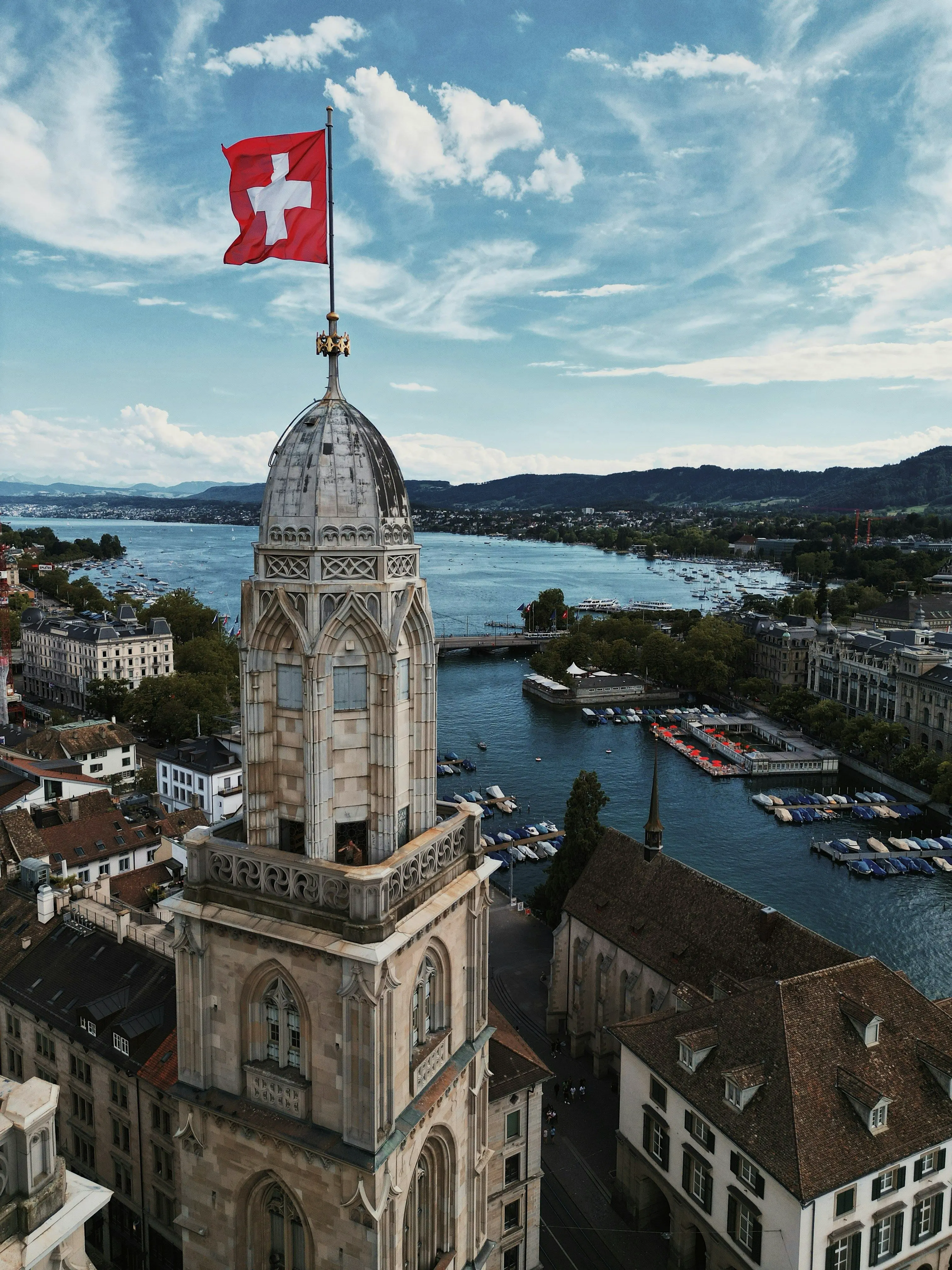
Old Town's history is physically present on every street — the Grossmünster dates to the 12th century and towers over the Limmat in a way that no photograph quite captures.
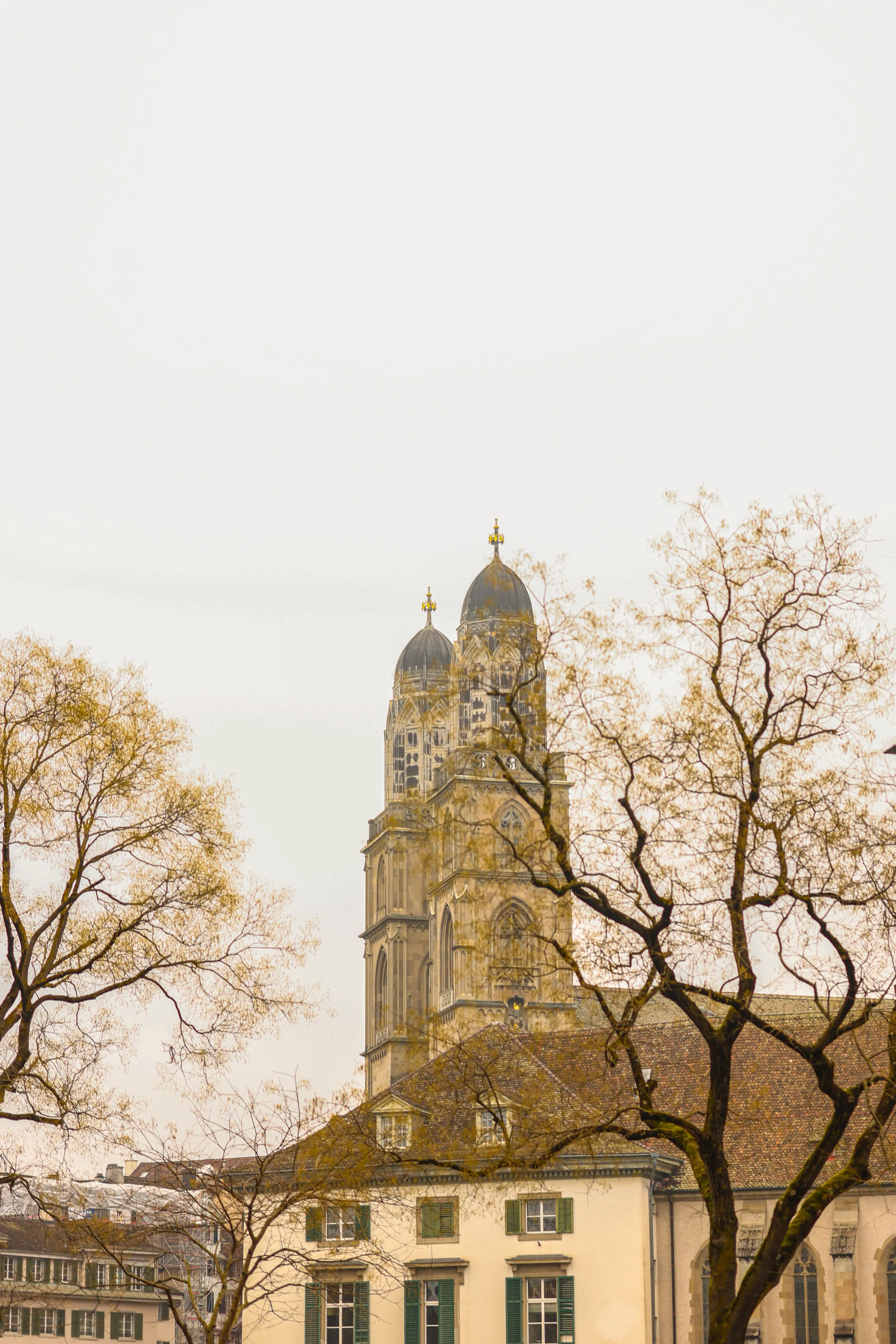
Seefeld: What Kreis 1 Could Be If It Weren't Quite So Aware of Itself
Seefeld sits on the north shore of Lake Zurich in Kreis 8, close enough to the old town that you can walk it in twenty minutes, far enough that the tourist density drops to something manageable.
Zürichhorn Park — free lakefront park in Seefeld, swimming in summer, open paths year-round, one of Zurich's better spots for a working lunch outside when the weather cooperates
Restaurant Bar Helvetia — CHF 5.80 flat white, strong WiFi, tables that face the street rather than a screen — go before noon on weekdays for a seat
Globus Seefeld — premium supermarket, not your daily shop, but useful for the kinds of ingredients Swiss supermarkets normally don't stock
Utoquai lakefront — the eastern lakeside promenade running through Seefeld, quick access to the lake on foot from most Seefeld addresses
Seefeld is where you end up when you've done the maths on Kreis 1 and realised the view from your apartment matters more than your postcode — it's quieter, slightly cheaper, and the lake is just as close.
Renting a house with a garden in Zürich-Schwamendingen runs CHF 3,800 to CHF 4,500 per month — cheaper than a comparable property in Enge, but you add 20 minutes to your commute.
Living Costs in Zurich: What the Numbers Actually Mean Month to Month
Zurich is not going to surprise you by being cheap — but the gap between a poorly planned month and a well-structured one is larger than you'd expect, and it's not about sacrifice.
Food and Groceries: Where the Real Decisions Happen
The difference between eating well in Zurich and overspending on food comes down to two habits: using the right supermarket and not defaulting to restaurants at lunch.
Aldi Zurich West — grocery basket roughly 20–30% below Migros and Coop on staples; not every neighbourhood has one, but Kreis 5 does, and it changes your monthly food number meaningfully
Menú del día equivalent in Zurich: the Tagesmenü — CHF 16–22 at most local restaurants, sometimes including soup and coffee; a better deal than the dinner menu at the same table
Helvetiaplatz Market — open Tuesday and Friday mornings, direct produce from Swiss farmers, prices comparable to supermarkets but quality noticeably higher
Restaurant dinner for two without wine: CHF 70–100 in Kreis 5 and Kreis 8; the same meal in Kreis 1 will run CHF 90–130 without changing what you ordered
Cook four dinners a week, use the Tagesmenü for lunch twice, and your food spend lands somewhere between CHF 600–800/month — which is tight by Zurich standards but entirely achievable if you treat it as a plan rather than an afterthought.
Zurich consistently ranks among the top three most expensive cities in the world, so budgeting CHF 4,500 per month for a single person is realistic, not pessimistic.
Transport, Coworking, and the Costs You Don't Think About
The ZVV monthly pass is CHF 84 for zones 110 and 121, which covers the entire city and lake — after day three you stop thinking about transport costs, which is exactly how it should work.
Westhive Coworking — Kreis 5, day pass CHF 35, monthly desk CHF 390, reliable fast internet, less loud than the café circuit
Public swimming at Flussbad Oberer Letten — free river swimming in Kreis 5 from late May through September, one of the genuinely free things in Zurich that locals actually use daily
SIM card with Swiss data: CHF 25–35/month on Sunrise or Salt prepaid — not a shared plan, a single-user SIM that covers the whole country including mountain areas
Health insurance if staying beyond 90 days: mandatory, CHF 300–500/month depending on plan and deductible — this is the cost most remote workers underestimate most severely
Budget CHF 4,500–5,500/month total for a single person living comfortably in a furnished apartment outside Kreis 1 — that number looks large until you map it against what it actually buys you, which is a city that functions at an unusually high level in every direction.
Free outdoor activities in Zurich — hiking on Uetliberg, swimming at Zürichhorn, and the Landiwiese park — mean you can decompress after a long work week without spending a franc.
Zurich for Remote Workers: Art, Nature, and What the City Feels Like to Actually Live In
Zurich has a reputation for efficiency that undersells how much texture the city actually has — the art scene is serious, the lake is central to daily life in a way that takes most newcomers a week to fully appreciate, and the nature access within twenty minutes of the city centre is one of the strongest arguments for staying beyond a first month.
The Art and Culture Infrastructure That Makes Long Stays Worthwhile
Zurich's museums are substantial enough that you won't exhaust them in a month, and the gallery scene in Kreis 4 and Kreis 5 runs on its own calendar independent of the tourist circuit.
Kunsthaus Zürich — one of Zurich's largest museums, permanent collection free on Wednesday evenings 17:00–19:00, one of the better uses of a quiet mid-week gap in your schedule
Luma Westbau — contemporary art space in Kreis 5, free entry, genuinely interesting programming, located right in the former industrial quarter of Zurich West
Museum Rietberg — non-European art collection in a Rieterpark setting, CHF 16 standard entry, quiet on weekday mornings, a useful reminder that Zurich's cultural life extends well beyond Swiss subject matter
There are plenty of smaller commercial galleries on Rämistrasse and in Niederdorf — they don't charge entry and they don't expect you to buy anything
Remote workers who make Zurich their home often cite the 20-minute forest walks from Zürichberg as the reason they stopped paying for gym memberships entirely.
The art infrastructure here isn't a weekend supplement to your stay — it becomes part of how you structure your weeks once you discover what's available and how easy it is to access.
Lake Zurich and the Natural Spaces That Change How the City Feels
The lake is not a feature of Zurich — it is the centre of gravity that the city has organised itself around, and once you're living close to it, the distance from your apartment to the water starts to feel like one of your most important daily variables.
Seebad Enge — lake swimming facility on the west shore, CHF 8 entry, one of Zurich's most popular summer spots; arrive before 9am or expect a queue from June through August
Lake Zurich itself stretches 28 kilometres southeast of the city — the upper lake is accessible by train in under 40 minutes, with lake villages like Rapperswil offering a quick half-day that feels nothing like a city trip
Uetliberg — Zurich's local mountain, 30 minutes by S-Bahn from Hauptbahnhof, free to walk, stunning views over the city and the lake on clear days, genuinely useful for resetting after a heavy work week
The Sihl river valley behind Uetliberg connects to a trail network that extends into the Albis hills — this is where Zurich residents go when they want nature without crowds and without a car
The access to the lake and the surrounding landscape is one of Zurich's strongest arguments as a long-term base — it is, without qualification, the city's best free infrastructure, and it takes about ten days of living here before you start building your week around it.
If you have never lived in a city where the trams run on time to the minute, that punctuality alone will change how you experience daily life in Zurich.
Is Zurich Right for You? An Honest Conclusion
Zurich suits remote workers who earn in a currency that doesn't collapse against the Swiss franc, who want a city that removes friction rather than providing entertainment, and who are prepared to treat the budget as a serious variable rather than an afterthought. The lake, the transport network, the coworking infrastructure, the nature access — none of it is overstated. The costs aren't either.
What Zurich doesn't offer is spontaneity on a budget, a neighbourhood that's simultaneously central, affordable, and quiet, or a city that forgives the decision to just land without a plan. The districts that work best — Kreis 5, Seefeld, Enge — work because they have specific, coherent logic to them. The districts that disappoint, mostly Kreis 1, disappoint because they were designed for visitors rather than residents.
If that sounds like a city you want to spend time in, you can browse fully furnished apartments in Switzerland and filter by district, lease length, and budget before you commit to anything. The right apartment in the right district is what makes Zurich feel like a base rather than an expensive experiment.
Frequently Asked Questions
Which neighbourhood in Zurich is best for remote workers on a tighter budget?
Wipkingen and Zurich West (Kreis 5) are the clearest answers — Wipkingen for quiet residential living from around CHF 1,900/month, Kreis 5 if you want coworking access and a livelier street scene from CHF 2,200/month. Both are close to the main train station by tram and neither requires you to compromise on the things that make Zurich function well.
Is Zurich Old Town worth the premium for a long stay?
Rarely, if you're staying more than two weeks. The zurich old town premium — roughly CHF 600–1,000/month above comparable Seefeld or Kreis 5 apartments — buys you a postcode, not meaningfully better daily infrastructure. The views are real, but so is the foot traffic and the absence of a real neighbourhood grocery shop at reasonable prices.
How far is Lake Zurich from the main residential districts?
In Seefeld and Enge, the lake is a five-to-ten-minute walk from most addresses. In Kreis 5 and Wipkingen, you're looking at a 15–20 minute tram or bike ride. It's close enough in every district that it becomes part of your routine — the question is whether you want it as your immediate backdrop or as a short journey at the end of the day.
Do I need a car to live comfortably in Zurich?
No — and in most districts, a car actively complicates your life through parking costs and permit complexity. The ZVV pass covers trams, buses, S-Bahn trains, and lake ferries for CHF 84/month, which handles everything you'll need within the city and most day trips. The main train station connects you to the rest of Switzerland in under three hours in every direction.