
Daniel
Productivity & Remote Living Analyst ·
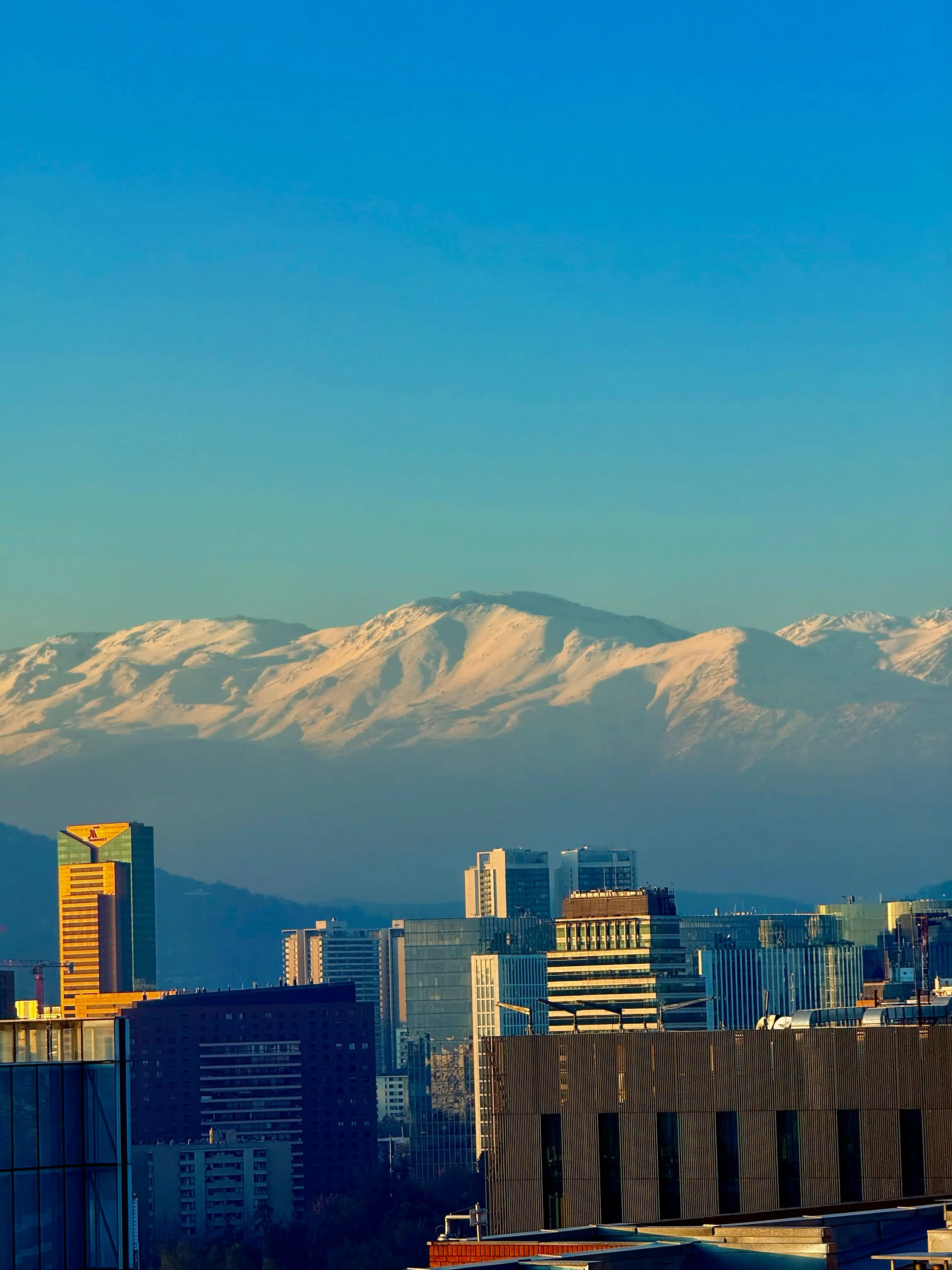
Santiago Chile doesn't get the same hype as Buenos Aires or Medellín, and that's precisely why it works for slow living. The city is large enough to offer real infrastructure — fast internet, good hospitals, direct flights — but unhurried enough that you can build a genuine daily rhythm here rather than just moving through one. The trade-off is that Santiago rewards patience. The best neighbourhoods, the best food, the best cafés — none of it announces itself. You have to stay long enough to find it.
This guide covers:
Which neighbourhoods actually suit remote work versus which ones just look good on Instagram
The best time to visit Santiago and how seasons affect your day-to-day
Where to eat, work, and feel like a local rather than a tourist
What Chile costs in real numbers, not averages
Whether Chile is safe enough to live in long-term
Accommodation options for stays of two weeks to six months
Slow Living in Santiago as a Digital Nomad: What This City Actually Offers
How Santiago's Comuna Structure Enables Slow Travel
Santiago is built in a way that accidentally suits slow living — each comuna functions like a self-contained town, which means you can stop optimising and start inhabiting.
Providencia offers a full week's worth of markets, cafés, and restaurants without requiring a metro ride
Barrio Italia draws a creative crowd and has the density of independent shops and lunch spots to justify staying put
Lastarria suits weekend stimulation but rewards longer stays once you move past the tourist-facing layer
The city's formal pace — restaurants closing between lunch and dinner, genuinely quiet Sundays — stops feeling like an obstacle once you adjust your expectations
Santiago won't perform busyness for you, and that restraint is exactly what makes it liveable for months rather than weeks.
Digital Infrastructure: What Remote Workers Actually Find Here
Chile's internet reliability is not a selling point that needs caveats — it is simply good, in a region where that is not guaranteed.
Furnished apartments in Providencia come with fibre optic as standard, not as an upgrade
Chile ranks consistently among the top countries in Latin America for internet speed and coverage
Coworking spaces across the city are well-equipped and priced below equivalent options in Lisbon or Mexico City
Most remote workers report the infrastructure meeting expectations within 24 hours of arrival
After one working week here, the developing-world internet anxiety that follows nomads across continents tends to quietly disappear.
Santiago's Timezone Advantage for Client-Facing Work
The timezone is an underrated reason to choose Santiago as a base — it removes scheduling friction that other South American cities quietly impose.
Chile Standard Time runs UTC-4 in winter and UTC-3 in summer, tracking daylight saving independently of neighbouring countries
Morning hours align with US East Coast business hours, making client calls straightforward without early starts
European afternoon hours overlap with Santiago's late afternoon, covering a second client window in the same working day
The dual alignment suits nomads managing transatlantic client lists better than cities further west in the Americas
It is the kind of logistical detail that only becomes visible once you have spent a month fighting a six-hour gap somewhere else.
Being in Santiago means you get a major Latin American capital at a pace that does not punish you for taking a two-hour lunch break — something that Bogotá or Mexico City rarely allows.
Best Neighbourhoods to Stay in Santiago for Remote Workers
Where you stay in Santiago determines what version of the city you experience. The wrong neighbourhood doesn't ruin the trip — but it adds friction that compounds over weeks. Here's what each main area actually feels like to live in, not just visit.
Neighbourhood | Monthly Rent (1-bed) | Vibe | Best For | Key Advantage |
|---|---|---|---|---|
Providencia | $700–$1,100 USD | Calm, residential, walkable | Long stays, slow rhythm | Best Metro access, parks, supermarkets |
Barrio Italia | $600–$950 USD | Creative, café-dense, younger | First month, café workers | Best café scene in Santiago |
Lastarria | $900–$1,400 USD | Polished, cultural, walkable | Short stays, cultural access | Museums, restaurants, nightlife nearby |
Las Condes | $1,000–$1,600 USD | Modern, corporate, quiet | Family stays, high security | Newest buildings, best gyms |
Ñuñoa | $550–$850 USD | Local, leafy, unhurried | Long stays, budget-conscious | Feels least like a nomad hub |
Providencia: The Default Base for Digital Nomads in Santiago Chile
Providencia is where most remote workers land eventually — not because it's exciting, but because it removes every logistical problem at once.
Café Mosqueto — espresso around CLP 2,500, reliable WiFi, quiet tables until noon
Furnished 1-beds on Calle Condell from $750/month, most with fibre optic included
Metro Pedro de Valdivia — Line 1 access, gets you to the centre in under 20 minutes
Mercado Vega Chica — local produce market, cheap lunch options, open daily except Sunday
Providencia suits the digital nomad who wants a city that functions predictably — and is willing to trade atmosphere for that reliability.
Browse Santiago homes near this area
Barrio Italia: Best Café Culture for Remote Work in Santiago
Barrio Italia has the best concentration of independent cafés in the city, which matters more than it sounds when your office is wherever you open your laptop.
Café Unión — flat white CLP 3,200, outdoor seating, gets loud after midday
Cowork del Centro — coworking day pass CLP 12,000, fast WiFi, professional crowd
Studios on Avenida Italia from $620/month, older buildings, check insulation before committing
Weekend antique markets on Calle Loreto — worth one Sunday, becomes background noise after that
If you're here for less than six weeks, Barrio Italia is probably the right choice; beyond that, Providencia's infrastructure starts to matter more.
Barrio Lastarria feels like home within a week if you are the kind of person who needs a bookshop, a wine bar, and a farmers market all within a ten-minute walk of your front door.
Explore Providencia in our neighbourhood guide
Browse Santiago homes near this area
Best Time to Visit Santiago Chile for Digital Nomads
The best time to visit Santiago depends almost entirely on what you're optimising for — not all seasons are equal, and two of them have real drawbacks that travel guides tend to understate.
Spring and Autumn: The Best Time to Visit for Long Stays
October–November and March–April give you the best version of Santiago: the Andes are visible most days, temperatures sit between 15°C and 24°C, and the city isn't in holiday mode.
October: cherry blossoms in Parque Forestal, low tourist density, best light for the mountains
April: harvest season in nearby wine valleys — Valle del Maipo is 45 minutes south, day trip or weekend
Apartment availability is highest outside December–February — more choice, slightly better prices
Neither season requires air conditioning or heavy heating — your electricity bill stays low
For remote workers on longer stays, spring is the single strongest argument for choosing Santiago over other South America bases.
Summer and Winter: What You're Trading When You Visit
Santiago in summer (December–February) is hot, smoggy, and half-empty — locals leave for the coast, which means restaurants close and energy drops, while winter (June–August) brings grey skies and cold that the city's old building stock handles poorly.
Summer smog can be severe — air quality alerts are common in January, which affects anyone working near open windows
Winter temperatures drop to 3°C at night; many furnished apartments lack central heating, so check before booking
July is the public holiday peak — Cerro San Cristóbal gets crowded on clear days, otherwise the city is quiet
Ski season at Valle Nevado runs June–September — 90 minutes from the city, worth one weekend if you're based here
You can make winter work — rents are slightly lower and the city is genuinely peaceful — but go in with realistic expectations about comfort in older apartments.
Food in Santiago: Where Digital Nomads Actually Eat
Food in Santiago is not the reason most nomads choose Chile, but it's better than its reputation suggests — and if you learn where the local lunch culture operates, you'll eat well for very little.
The Menú del Día: Your Best Budget Tool
Chile's version of the set lunch — starter, main, drink — runs CLP 4,500–7,000 at local spots, which is $5–8 USD at current exchange rates, and it's the single biggest lever on your weekly food budget.
Donde Augusto in the Mercado Central — CLP 8,000 for a full seafood lunch, touristy but genuinely good, go before 1pm
Restaurant El Naturista in Barrio Italia — vegetarian set lunch CLP 5,500, quiet, reliable, closes at 4pm
Side streets off Avenida Irarrázaval in Ñuñoa — neighbourhood lunch spots, CLP 4,500, no English menus, best local experience
Supermarket Jumbo Providencia — full weekly shop around CLP 35,000–45,000, imported goods available but expensive
The gap between eating at tourist-facing restaurants every night and using the set lunch culture daily is roughly CLP 150,000 a month — that's $180 USD you either spend or don't.
Coffee and Café Culture for Remote Work Hours
Santiago's specialty coffee scene is real but concentrated — know the neighbourhoods where it exists and don't waste time searching elsewhere.
Wonderland Café in Lastarria — CLP 3,800 for a flat white, small tables, good for two-hour focus sessions, fills up after 11am
Casa Salvo Café in Providencia — American-style, reliable WiFi, CLP 3,200 espresso, popular with local remote workers on weekday mornings
Avoid the coffee-with-legs (café con piernas) culture if you're looking for a work environment — it's a separate category entirely
Night options are thin: most independent cafés close by 9pm; food and work after that means either a restaurant or your apartment
Build your work-from-café rhythm around morning sessions — Santiago's coffee culture front-loads its energy before noon, and the afternoon belongs to restaurants and co-working spaces.
Mercado de Providencia is a great spot to eat a proper Chilean lunch for under $5, which makes it far more honest on your budget than the tourist menus in Bellavista.
fully furnished apartments in Santiago
Getting Around Santiago Without Thinking About It
Transport in Santiago is one of the things you stop noticing after the first week — which is exactly what you want from a city where you're trying to protect your mental bandwidth for actual work.
The Metro: Fast, Cheap, and Worth Structuring Your Life Around
The Santiago Metro is the backbone of the city, and if your apartment sits on Line 1 or Line 5, you will almost never need anything else on a weekday.
Baquedano Station — the intersection of Lines 1 and 5, puts you within two connections of almost anywhere worth going; orient your neighbourhood search around it
Single journey: CLP 810 off-peak, CLP 870 peak — under $1 USD either way
Bip! card top-up at any Metro station or corner shop — no friction, no app required
Runs until 11pm Sunday–Thursday, midnight Friday and Saturday — not 24 hours, so plan late nights accordingly
The Metro does not cover every neighbourhood equally — Barrio Yungay and parts of the western city are bus-only — but for the areas most nomads actually live in, the coverage is great.
Loading a Bip! card at any Metro station will help you avoid the $0.50 surcharge applied to every cash bus journey, which adds up faster than you expect across a full month.
Buses, Bikes, and When You Actually Need a Cab
The Transantiago bus network is functional and integrated with the Metro card, but the routes take local knowledge to navigate — give yourself two weeks before you rely on it.
BikeSantiago — public bike share, day pass CLP 1,500, works well between Providencia and the city centre on flat routes
Uber and Cabify both operate and are cheaper than equivalent rides in the United States — CLP 4,000–7,000 for most cross-city trips
Avoid taxis without meters on busy nights — they exist, they will charge what they like, and the apps remove all of that ambiguity
For a nomad whose life is essentially a two-kilometre radius with occasional longer trips, the combination of Metro and BikeSantiago covers most of it without spending more than CLP 30,000 a month on transport.
What to Do When You're Not Working: Santiago's Slower Side
Santiago offers more than it advertises in this department — but it gives up its better features slowly, which suits a nomad on a longer stay better than someone passing through for a week.
Parks, Hills, and the Kind of Free Time That Actually Restores You
The city's public green space is genuinely great, and the proximity to hills means a real walk — not a stroll — is available on most days without leaving the city.
Santa Lucía Hill — free entry, 15-minute climb from street level, views over the city centre, best before 10am before tour groups arrive
Parque Bicentenario in Vitacura — larger and quieter than most central parks, flamingos in the lagoon, good for a long weekend morning
Barrio Yungay Sunday street market — free, runs 10am–3pm, mix of antiques, books, and food stalls, genuinely local
San Cristóbal hill's northern face — less crowded than the main Bellavista entrance, accessible via Metro Einstein on Line 2, quieter trails
None of this costs much, and the rhythm of a Santiago week — work mornings, walk afternoons, neighbourhood evenings — is what slow living actually looks like in practice rather than in theory.
Culture, History, and the Neighbourhoods That Reward Curiosity
While Santiago is not a museum city in the way Buenos Aires leans into its architecture, there is a quiet Latin American cultural depth here that surfaces when you stop moving fast enough to miss it.
La Moneda Palace — free entry to the interior courtyard, changing of the guard at 10am every other day, worth one weekday morning
Museo Nacional de Bellas Artes — free permanent collection, strongest on Chilean 20th-century work, rarely crowded before noon on weekdays
Barrio Brasil — west of the centre, beautiful deteriorating republicano architecture, independent bookshops, slower pace than Lastarria with lower prices
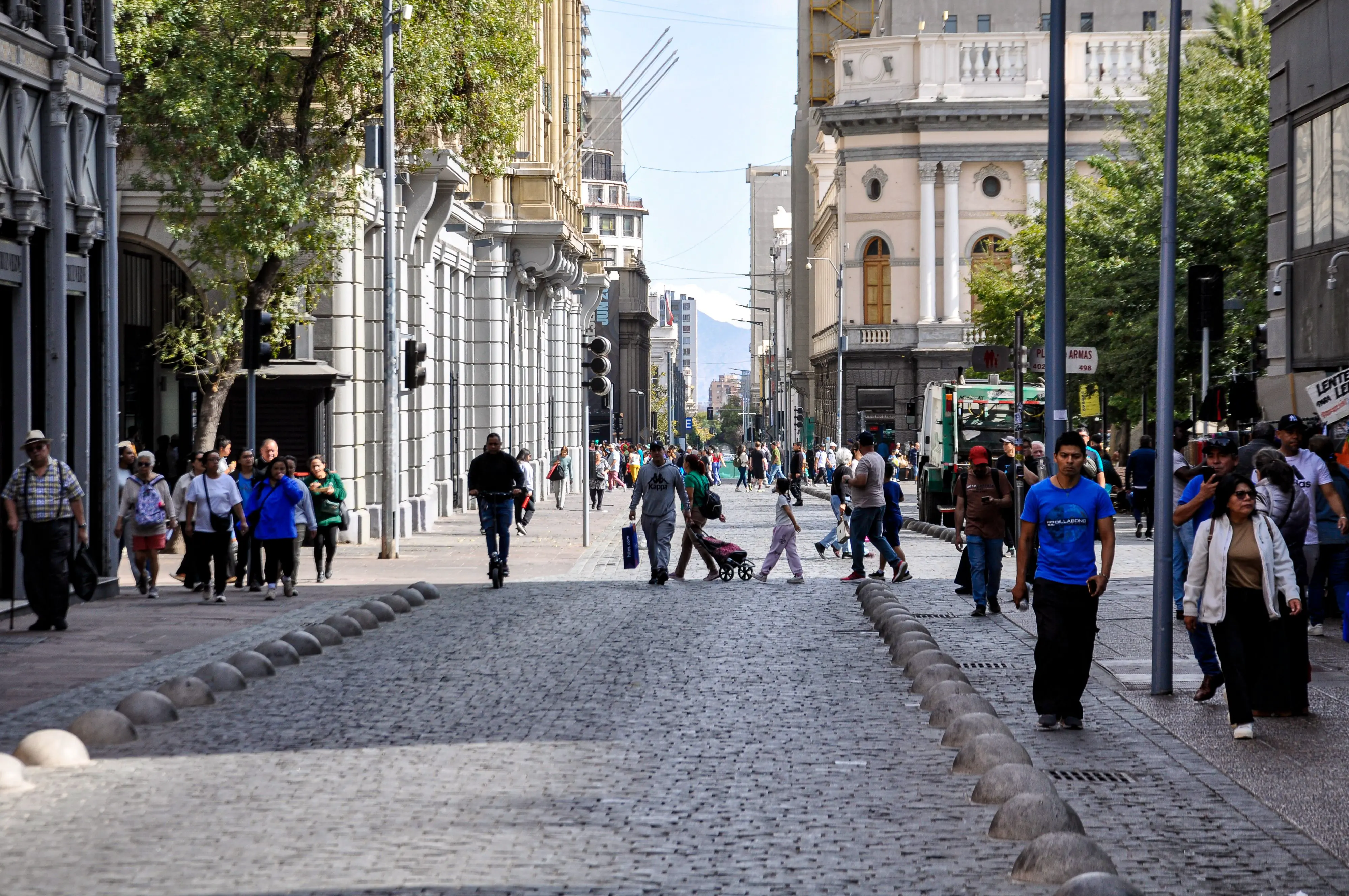
Plaza de Armas — the city's historic core, more functional than romantic, but the Correo Central building interior is worth five minutes of your afternoon
Santiago's cultural offer is not the draw — the draw is how little friction there is in daily life, and the culture is something you find once the friction stops occupying your attention.
If you finish a project early on a Friday, the next logical move is a Turbus to Valparaíso — tickets cost around $6 each way and the journey takes 90 minutes from Alameda terminal.
Evenings Out Without Spending Like a Tourist
Santiago's nightlife is late by most standards — dinner before 9pm marks you out — and the best evenings are the ones that start in a neighbourhood bar and never require a cab to get home.
Plaza de Italia bar strip — walk the stretch between Av. Vicuña Mackenna and Calle Condell on a Thursday night, bars from CLP 3,000 a drink, mostly local crowd
Zacarías - Cocina Chilena in Barrio Italia — no-frills neighbourhood bar, draft beer CLP 2,500, cash only, closes around midnight
Liguria in Providencia — classic Chilean restaurant-bar, pisco sour CLP 4,500, good for a long dinner, book ahead on weekends
A Santiago social budget of CLP 80,000–120,000 a month gets you a real evening out twice a week — and that number goes down the more local your social circle becomes.
Coworking Spaces and Where Nomads Actually Work in Santiago
Coworking spaces in Santiago have expanded quickly over the last five years — enough that you have real options, not just one tolerable fallback for when your apartment WiFi fails.
The Best Coworking Options by Neighbourhood
The coworking market here is not as saturated as in Mexico City or Buenos Aires, which means pricing is still reasonable and you can usually get a desk without booking three days out.
Spaces El Bosque Norte 200 in Las Condes — day pass CLP 15,000, corporate-leaning crowd, the fastest and most reliable internet of any coworking space in the city, good if you have a video-heavy day
La Compañia in Barrio Italia — day pass CLP 10,000, startup atmosphere, monthly desks from CLP 120,000, better community than the bigger spaces
Co-Work Latam Nueva Las Condes in Providencia — CLP 12,000 day pass, quiet, central, no-frills — the reliable option when you need to keep your head down
Most buildings offer month-to-month contracts with no lock-in — try two or three before committing to a monthly desk
For most nomads, the pattern that works is apartment-first for deep work and a coworking space two or three days a week for the social infrastructure — and Santiago's coworking spaces price themselves in a way that makes that split genuinely affordable.
Areatec in Providencia attracts a mix of local startups and world-roaming freelancers, and a hot desk runs about $120 per month — cheaper than most comparable spaces in Buenos Aires.
Cafés That Work for Remote Work (and the Ones That Don't)
Not every great café in Santiago is a great place to work — the city has a strong sit-and-talk culture, and some of the best coffee spots are genuinely hostile to laptops by 11am.
Cafe Haiti in Ñuñoa — CLP 3,500 flat white, wide tables, power at every seat, reliable WiFi, best kept nomad secret in the neighbourhood
Balmaceda Café near Metro Baquedano — CLP 3,000 cortado, good for morning sessions, gets loud after noon
Avoid working from the Lastarria terrace cafés on sunny days — beautiful, yes, but the WiFi is inconsistent and the ambient noise level makes calls difficult
The rule of thumb: if the café has a food menu that runs past 2pm and tables with power outlets, it's built for the laptop crowd; if the menu is coffee-only and the chairs are uncomfortable, it's built for a quick stop.
Providencia and Vitacura are genuinely safe neighbourhoods to walk at night, but avoid leaving a laptop bag visible on a café chair in Barrio Italia — petty theft is opportunistic, not rare.
Is Santiago Right for You? An Honest Conclusion
Santiago rewards a specific kind of nomad — one who finds stability energising rather than limiting, and who is willing to trade novelty for a city that simply works. The transport is reliable, the coworking spaces are affordable, the food budget is manageable, and the Andes sit at the end of every clear street. While Santiago will never compete with Buenos Aires for romance or with Medellín for social energy, it offers something those cities don't always deliver: a clean, functional base where you can actually get things done without constant friction.
It is not a perfect city. Air quality in winter is poor, English is less common than in other Latin American capitals, and the pace takes adjustment if you arrive from somewhere louder. But for nomads who have burned out on cities that perform excitement at you, Santiago's quiet confidence is the point. Find your neighbourhood, find your café, and give it a month before you decide.
Browse fully furnished apartments in Chile to find your base — most listings in the areas covered in this guide come furnished and available month-to-month, which is exactly how you want to start.
Making Santiago Your Slow Living Base
Santiago rewards those who take their time. The city has a rhythm that reveals itself gradually — in the morning light filtering through Lastarria's trees, in the ritual of a long Saturday lunch in Barrio Italia, in the quiet satisfaction of finding your corner café where the barista already knows your order. As a digital nomad, you don't just pass through Santiago; you settle into it, and that distinction makes all the difference.
The practical foundation of slow living here starts with the right accommodation. A month-to-month, fully furnished apartment in the right neighborhood removes the friction that turns travel into stress, and gives you the stability to actually be present.
Whether you stay for six weeks or six months, Santiago has a way of making you feel like a local before you expect it. Start slow, choose your neighborhood intentionally, and let the city come to you.