Sophia
Wellbeing & Living Editor ·
Santiago rewards the people who do their homework before they arrive. The city has genuine range — quiet residential streets ten minutes from coworking clusters, apartments with Andes views at rents that would embarrass any Western European landlord — but it also has neighbourhoods that look right on paper and feel wrong the moment you try to work from them. This guide cuts through that. It covers where to rent a one bedroom in Santiago, what you will actually pay, which areas suit different working styles, and how to navigate the rental process without handing money to the wrong person.
The four neighbourhoods worth seriously considering — and one to skip
What a one bedroom apartment in Santiago costs in each area, month by month
How the rental process works, from listings to signing
Security deposits, lease terms, and what landlords expect from foreign tenants
The best cafés and coworking spaces per neighbourhood
A neighbourhood comparison table so you can make the call in two minutes
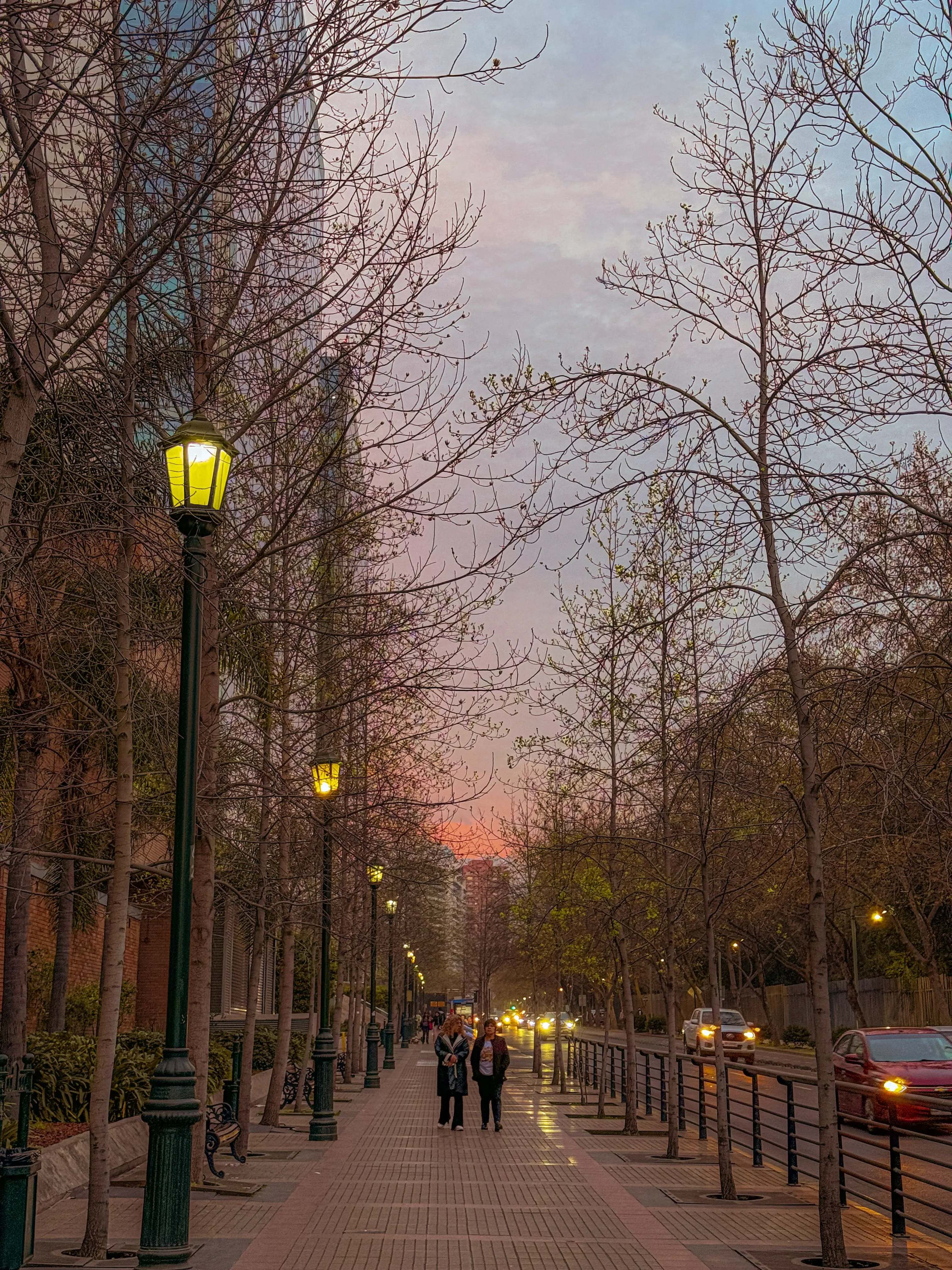
Where to Rent in Santiago de Chile: Four Neighbourhoods That Actually Work
Most people land in Santiago, spend three days in the wrong part of the city, and conclude it is harder to navigate than it is. The city's layout is not complicated — it runs east to west along the base of the Andes, and the further east you go, the quieter, greener, and more expensive it gets. The practical question when you want to rent a bedroom apartment in Santiago is which band of the city matches your budget and your working rhythm.
Neighbourhood | Monthly Rent (1-bed) | Vibe | Best For | Key Advantage |
|---|---|---|---|---|
Providencia | $700–$1,100 USD | Polished, walkable, calm | Solo workers who want convenience without noise | Best café-to-apartment ratio in the city |
Ñuñoa | $550–$850 USD | Residential, local, slower pace | Long-stay remote workers on a tighter budget | Genuinely quiet; Plaza Ñuñoa is walkable |
Las Condes | $950–$1,500 USD | Corporate, polished, car-friendly | Workers who need business district access | Fastest internet infrastructure in Santiago |
Barrio Italia | $600–$900 USD | Creative, café-dense, energetic | People who work better with ambient noise | Highest density of independent cafés in the city |
Santiago Centro | $400–$650 USD | Dense, transactional, loud | Budget-first stays under four weeks | Cheapest rents inside the metro area |
Providencia: The Most Consistent Choice for Remote Workers
Providencia is where most remote workers end up after trying somewhere cheaper first — it has the density of a city neighbourhood without the noise that makes deep work impossible.
Explore the neighbourhood in our neighbourhood guide for a deeper look at where to stay, eat, and work.
Café de la Candelaria — strong espresso, reliable WiFi, around 2,500 CLP per coffee, fills up after 10am
One-bedroom apartments on Calle General Holley run $750–$950/month furnished, quieter than the Avenida Providencia side
Work Café Manuel Montt — free coworking inside a bank branch, fast fibre, no day pass required
Mercado de Providencia is a ten-minute walk — lunch under 4,000 CLP on weekdays
Providencia is not the cheapest option, but it is the one that wastes the least of your time — and after two weeks, that trade-off starts to feel obvious.
Browse Santiago homes near this area
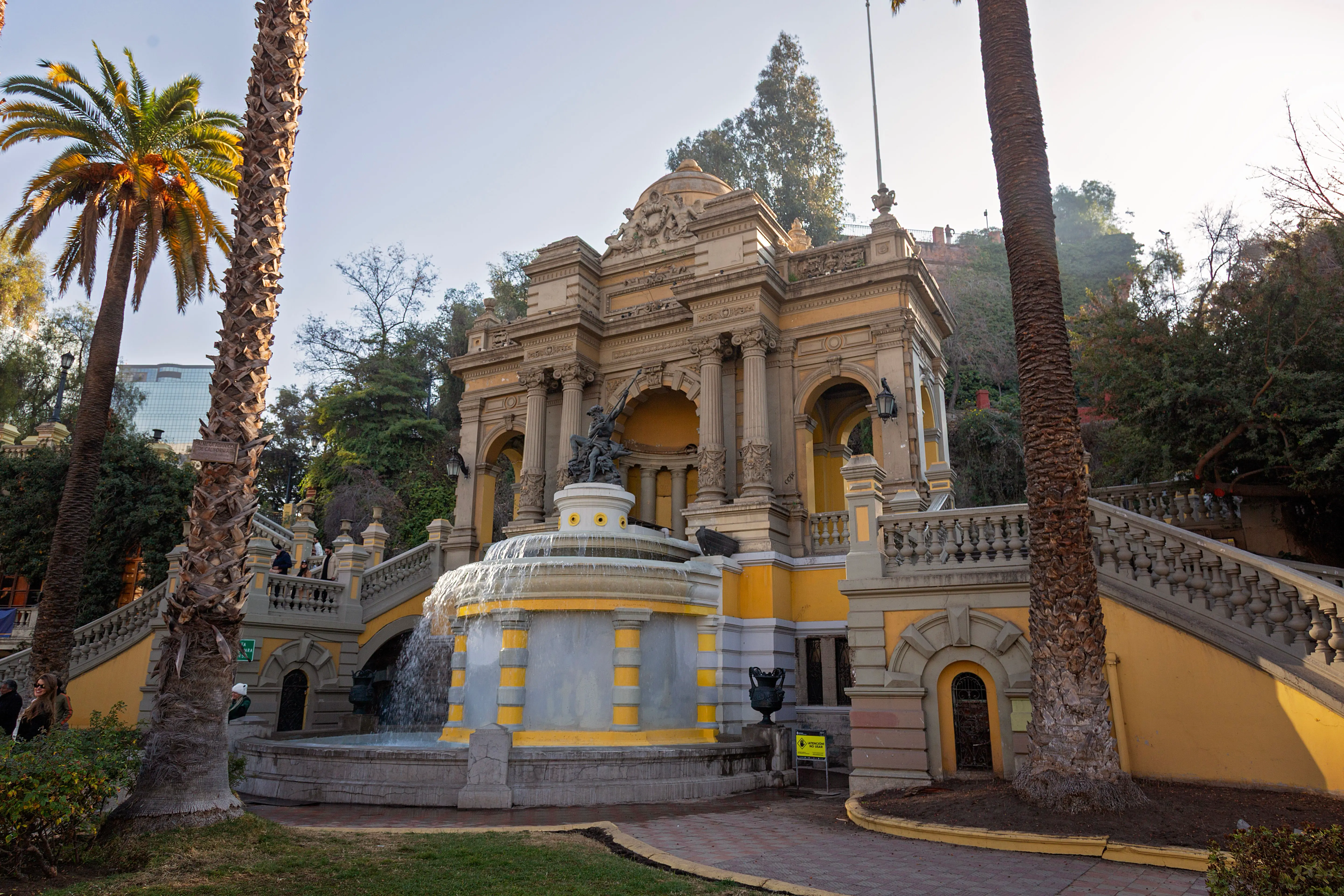
Ñuñoa: The Neighbourhood That Rewards Patience
Ñuñoa takes a week to understand and another week to appreciate — it is genuinely residential in a way that Providencia is not, and the rents reflect that honestly.
Plaza Ñuñoa — the social centre of the neighbourhood; cafés on the square run 1,800–2,500 CLP for coffee, lively evenings
One-bedroom apartments near Calle Exequiel Fernández from $580/month — older buildings but larger floor plans than Providencia equivalents
La Piojera Ñuñoa — a local lunch institution; set menu around 3,500 CLP, busy noon to 2pm
Metro Line 4 connects Ñuñoa to the centre in under 20 minutes — the Irarrazaval station is the practical hub
If you are staying more than six weeks and want to feel like you actually live in Santiago Chile rather than passing through it, Ñuñoa is the neighbourhood that delivers that.
Browse Santiago homes near this area
Barrio Italia: Good Coffee, Real Trade-offs
Barrio Italia has the best independent café scene in Santiago and weekend foot traffic that makes focused work between Friday afternoon and Sunday night essentially impossible.
Literary Cafe Balmaceda — second-hand books, strong filter coffee, 2,200 CLP, tends to stay quieter than its neighbours even on weekends
One-bedroom apartments on Avenida Italia from $620/month — expect street noise; rear-facing units are worth asking for specifically
Bella Ciao — French-Chilean café, pour-over coffee around 3,000 CLP, the most reliable WiFi in the barrio
Feria de Antigüedades runs on weekends along Avenida Italia — useful to know before you try to take a work call on Saturday morning
Barrio Italia suits people who produce their best work in a café rather than a desk — if that is not you, the noise-to-rent ratio stops making sense within a fortnight.
If you are ready to look at specific listings, browse fully furnished apartments in Santiago — filters for neighbourhood, lease length, and included utilities are all there.
Browse Santiago homes near this area
What You Actually Pay to Rent a Bedroom Apartment in Santiago
The numbers in rental listings for Santiago Chile are almost always quoted in Chilean pesos or UF (Unidad de Fomento, an inflation-linked unit). Neither makes immediate sense to someone arriving from Europe or North America, so here is what they translate to in USD at current exchange rates — and what each price point gets you in practice.
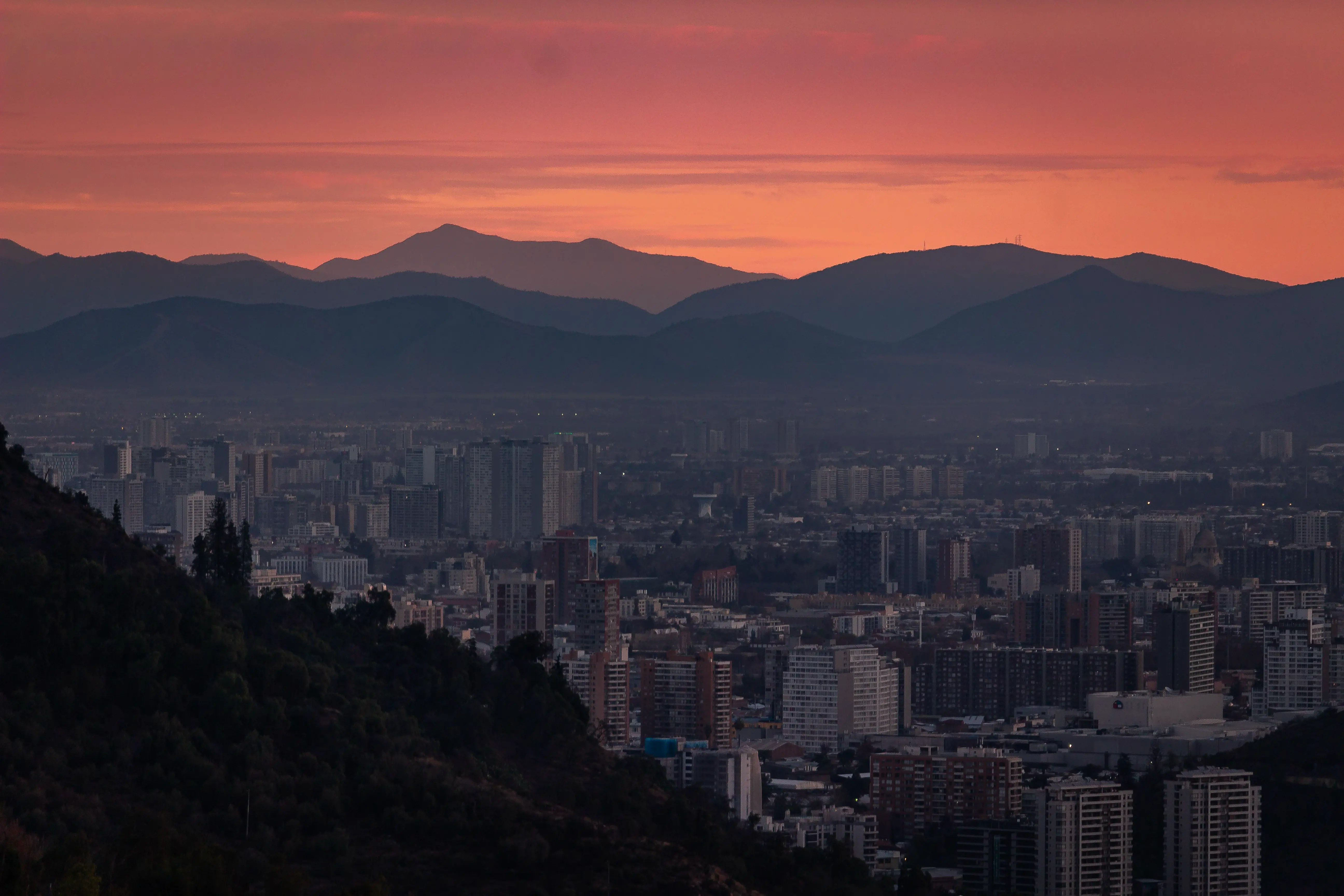
Budget Range: $400–$650 USD/Month
This range exists, but it is concentrated in Santiago Centro and the outer western barrios, and it comes with specific trade-offs that are worth naming plainly.
One-bedroom apartments near Plaza de Armas in Santiago Centro from $420/month — older buildings, no doorman, street noise is constant
Expect shared laundry, no gym, and internet that is functional rather than fast — plan on a coworking day pass budget if you need reliable fibre
Mercado Central is a short walk — lunch at the market counters runs 3,500–5,000 CLP, which is the best food-cost argument for this area
Most landlords in this range require two months' security deposit upfront and proof of income — the paperwork threshold is the same regardless of rent level
Budget range in Santiago works if you are spending under a month and prioritising cost above everything else — it stops being rational the moment you factor in coworking fees and commute time to the neighbourhoods where you will actually spend your days.
Mid-Range: $650–$950 USD/Month
This is where the city makes its real argument — a furnished one bedroom apartment in Santiago at this price point in Ñuñoa or Barrio Italia gives you more space and better quality than the equivalent in most Western European cities at twice the rent.
Furnished one-bedroom in Ñuñoa with building security and in-unit washer from $680/month — the standard, not the exception, at this price
iF Chile - Sede Italia — day pass 8,000 CLP, monthly desk from 80,000 CLP, fast fibre throughout
Utilities (electricity, water, gas) typically add 30,000–50,000 CLP/month on top of rent in winter months — gas heating is common and costs more than you expect in June and July
Lease terms at this level are usually six or twelve months — short-term furnished lets at mid-range prices exist on platforms but carry a 20–30% premium over direct landlord agreements
Mid-range Santiago Chile is one of the better value propositions in South America right now — the infrastructure has caught up to the price in a way that was not true five years ago.
Upper Range: $950–$1,500 USD/Month
Las Condes and Vitacura occupy this tier, and the premium buys you building quality, faster internet, and proximity to the corporate east side — which only matters if your work requires it.
One-bedroom apartments in Las Condes near Apoquindo Avenue from $980/month — typically newer buildings with gyms, concierge, and underground parking
Starbucks El Golf — not the most interesting recommendation, but it is consistently full of people on laptops before 9am, which tells you something about the neighbourhood's working culture
Grocery costs in Las Condes run roughly 15–20% higher than in Providencia for equivalent items — Jumbo supermarket on Kennedy is the default, not the budget option
The Andes views at this price range are real — apartments above the eighth floor on the east-facing side deliver a backdrop that does not become ordinary
Upper-range Santiago makes sense for people relocating with company support or those whose income is in USD or EUR and want to spend it on space and quiet rather than saving it.

How Rentals in Santiago Work: Leases, Deposits, and What Landlords Expect
The rental process in Santiago is more formalised than in most Latin American cities, which is mostly good news — there are standard contracts, a clear security deposit convention, and landlords who generally follow the same process. The friction comes from documentation requirements, which are higher than most foreign renters expect.
Security Deposit Rules and Lease Structures
The security deposit in Santiago is almost universally set at one month's rent, held until the end of the lease and returned within 30 days of departure if the apartment is left in good condition — get this in writing, because the informal norm and the legal requirement are the same, but the enforcement is easier with a signed clause.
Standard lease terms: 12 months minimum for direct landlord agreements; 1–6 months available on furnished short-let platforms at a premium
Rent is usually quoted in UF (Unidad de Fomento) — 1 UF equals roughly 36,000–37,000 CLP as of mid-2024, and it adjusts monthly with inflation
Foreign tenants without Chilean tax ID (RUT) will be asked for a guarantor or an additional deposit of one to three months — having a verified income document in Spanish translation helps significantly
Rent increases are typically tied to UF fluctuation rather than fixed percentages — your monthly payment in pesos rises with inflation, but your USD equivalent tends to stay stable
The deposit and lease mechanics are consistent enough that the real variable is your documentation — sort your RUT or have a clear income proof ready, and the process moves quickly.
Santiago by Owner vs. Platform Rentals
Renting Santiago by owner — meaning directly from a landlord rather than through a short-let platform — saves you 15–25% on monthly rent and gives you more flexibility on terms, but it requires more legwork and working Spanish or a local contact who can help with negotiation.
Owner listings appear on Portal Inmobiliario — the dominant local property site, entirely in Spanish, with the widest stock of long-term unfurnished and furnished lets
Platform rentals (Airbnb monthly, Furnished Finder equivalents) typically include utilities and WiFi — useful for the first month while you find something direct
Property management companies in Providencia and Las Condes often handle the paperwork in English for a fee of one month's rent — worth it if your Spanish is limited and your budget allows
Inspect the water pressure, heating system, and building internet infrastructure before signing — these are the three things listings consistently misrepresent
Most remote workers find that spending the first month in a short-let and the second month in a direct-landlord apartment is the sequence that costs slightly more upfront and significantly less over any stay longer than eight weeks.
Living in Santiago Centro on a Budget Lease
Santiago Centro has the cheapest rents in the city and a higher friction-to-convenience ratio than any other neighbourhood — it is worth understanding what that means at the lease level before you commit.
Many buildings in Centro are older residential towers converted from commercial use — check that the building has a working lift and that windows seal properly before winter
Off the Record Café near Lastarria — flat white 2,800 CLP, one of the few genuinely good cafés within walking distance of the Centro rental zone
Lease terms in Centro are more negotiable — landlords here expect higher turnover and will often do three-month agreements that Providencia landlords will not entertain
Street noise on major arteries like Alameda is significant — ask specifically which direction the bedroom windows face, not just which floor
Santiago Centro works as a base when your budget sets the terms — just be honest with yourself about whether you are choosing it or defaulting to it.
Find a Rental That Fits: Matching Your Work Style to Santiago's Neighbourhoods
The mistake most remote workers make in Santiago Chile is optimising for rent price first and working environment second. The city's neighbourhoods are distinct enough that a $150/month saving in the wrong area genuinely costs you more in coworking fees, commute time, and the low-grade friction of living somewhere that does not suit how you work.
Start Your Relocation: What to Line Up Before You Arrive
Arriving in Santiago without a short-term base confirmed is manageable for about 48 hours, after which the administrative overhead of finding a place while also functioning as a person starts to compound in ways that are entirely avoidable.
Book a furnished short-let for the first two to four weeks — it costs more per week but gives you time to walk neighbourhoods before committing to a twelve-month lease
Santiago Metro — monthly pass around 37,000 CLP; buy a Bip! card on arrival at any metro station, it works across bus and metro and removes one decision permanently
Get your RUT (Chilean tax identification number) at the Servicio de Registro Civil — it takes two to three business days and unlocks almost every formal rental agreement in the city
Open a Chilean bank account or confirm your international card works with Redcompra — most landlords accepting foreign tenants prefer bank transfer over cash
The first two weeks in Santiago are administrative; the sooner you treat them that way and tick through the list, the sooner the city starts to feel like somewhere you actually live.
Browse Santiago homes near this area
Relocation to Chile Today: What Has Changed for Foreign Renters
Relocation to Chile today is meaningfully easier for foreign remote workers than it was before 2022 — the introduction of the Digital Nomad Visa has changed what landlords expect and what documentation pathways are available.
Chile's Digital Nomad Visa allows stays of up to one year, renewable — it legitimises your income source for Chilean landlords who previously had no framework for remote foreign tenants
Visa holders can open a Chilean bank account faster and get a provisional RUT without the standard waiting period — check current processing times at the Extranjería office in Santiago before assuming timelines
Furnished apartment stock aimed at foreign workers has expanded significantly in Providencia and Las Condes since 2022 — more landlords are listing in USD and including English-language contracts
Browse Santiago homes near this area
Cost of Living in Santiago for Remote Workers: What You Actually Spend
Santiago is cheaper than most Western European capitals and most major cities on the East Coast of the United States — but it is not uniformly cheap, and the gap between a frugal month and a comfortable one is wider than you might expect.
Food and Coffee: The Day-to-Day Reality
What you spend on food in Santiago depends almost entirely on whether you cook, whether you find a good almuerzo spot near your apartment, and whether you develop the habit of the set lunch — because that habit alone can cut your food budget by a third.
Galindo in Barrio Bellavista — lunch set around 5,500 CLP, one of the more reliable spots in the neighbourhood, goes fast after 1pm
Mercado Tirso de Molina in Barrio Meiggs — fresh produce at wholesale-adjacent prices, worth the Metro ride once a week for anyone cooking seriously
Supermarket grocery run for a week: 25,000–40,000 CLP depending on neighbourhood — Jumbo in Las Condes runs 15–20% more expensive than Líder near Santiago Centro
Coffee in Bellavista: 2,500–3,200 CLP for a flat white; the neighbourhood charges a premium for atmosphere that Providencia cafés don't bother with
A realistic food budget for someone cooking four nights a week and eating almuerzos the rest is 200,000–280,000 CLP per month — call it $220–$310 USD at current rates, and that figure barely moves whether you are in Las Condes or Barrio Italia.
Transport: The Metro Does Most of the Work
The Santiago Metro is fast, air-conditioned, and covers the corridors where most remote workers actually live — the gaps matter less than you think until the one time you are staying somewhere they matter a lot.
Bip! card single journey: 800–940 CLP depending on peak hours; the fare structure rewards off-peak travel and you learn the rhythm quickly
Baquedano Metro station (Line 5) — the de facto interchange for Barrio Italia and Bellavista workers, connects to Providencia in under ten minutes
Monthly transport budget assuming Metro plus occasional Uber or Cabify: 40,000–60,000 CLP; Uber here is genuinely cheap by any European standard, roughly $3–5 USD for a 15-minute ride
Las Condes outer zones — the Metro reaches El Golf and Escuela Militar but not the full apartment corridor along Avenida Presidente Kennedy, which means more Uber reliance and a meaningfully higher transport spend
If your apartment is within three blocks of a Metro stop, your transport cost is predictable; if it is not, budget an extra 25,000–30,000 CLP a month and stop being surprised by it.
Utilities and Internet: What Landlords Bundle and What They Don't
Fully furnished apartments in Providencia and Las Condes increasingly bundle internet into the rent — but utilities are rarely included, and Chilean summers push electricity bills higher than most new arrivals expect.
Internet: 25,000–35,000 CLP per month standalone; most furnished apartments include it, but confirm speeds before signing — anything below 100Mbps is a conversation to have in advance
Electricity: 20,000–45,000 CLP per month, higher in summer (December–February) when air conditioning runs constantly in Las Condes high-rises
Water and gas: typically 8,000–15,000 CLP combined; rarely a surprise but worth checking whether the landlord meters individually or splits across the building
Buildings with a portero (concierge) often charge a monthly fee — 10,000–20,000 CLP — that appears in the contract fine print; ask before you sign
A comfortable all-in monthly budget for a one bedroom apartment in Santiago — rent, food, transport, utilities — lands between $1,200 and $1,800 USD depending on the neighbourhood, and the neighbourhood choice is by far the biggest lever.
Coworking and Cafés in Santiago: Where to Actually Work
Santiago's coworking scene has grown quickly since 2020, and the better spaces are genuinely good — but café working outside of a handful of spots is unreliable in ways that will frustrate you until you stop defaulting to it.
Coworking Spaces Worth the Day Pass
The coworking spaces in Santiago that attract Chile's remote-work community tend to cluster in Providencia and Las Condes — not because the other neighbourhoods lack them, but because the lease flexibility is better and the internet more consistently fast.
LAUNCH Coworking in Providencia — day pass around 15,000 CLP, multiple private booths for calls, reliable 200Mbps fibre; the most consistently recommended space among long-stay foreign workers
Co-Work Latam in Las Condes — monthly desk from 120,000 CLP, building has underground parking if you eventually rent a car, quieter than Providencia options on Mondays and Fridays
MUL Cafetería CoWork in Bellavista — smaller, cheaper at around 10,000 CLP per day, better suited to solo writers and designers than teams needing call rooms
Most spaces in Santiago offer trial days — use them; the WiFi speeds listed on websites are peak-hour claims, not what you get at 3pm when twelve other people are on video calls
If you are working in Santiago de Chile for longer than three weeks, a coworking membership almost always makes more financial and productivity sense than café-hopping — the monthly desk rate at AreaTres works out cheaper than daily café spending inside two weeks.
Cafés That Work for Remote Working (Without Destroying Your Afternoon)
The cafés in Santiago that tolerate laptop workers before noon often become genuinely inhospitable by early afternoon — not through policy but through noise, and you learn the rhythm or you lose half your working day to it.
Café Melba in Providencia — opens at 8am, good flat whites around 2,800 CLP, three long communal tables with power strips; best before 11:30am when the brunch crowd arrives
The Corner Café near Irarrázaval in Ñuñoa — quieter than anything in Providencia on weekday mornings, 2,400 CLP coffee, occasional patchy WiFi so bring a backup hotspot
Nube Café in Bellavista — better WiFi than most of its neighbours, 2,600 CLP, closes at 7pm which forces a natural end to the day if you need one
None of these are where you go to do eight hours of focused deep work — they are where you go to do two or three good hours, and Santiago's best remote workers treat them accordingly.
Finding a One Bedroom Apartment in Santiago: The Practical Process
The rental process in Santiago de Chile is more straightforward than most Latin American capitals — but it has specific friction points that catch foreign arrivals off guard, and ignoring them costs you time and occasionally a deposit.
Where to Search Beyond the Main Portals
The major listing sites only show you what landlords choose to photograph and price in writing — the better furnished apartments in Providencia and Las Condes increasingly move through word-of-mouth Facebook groups and WhatsApp chains that never reach the public portals.
GoPlaceIt — the most foreigner-friendly portal, allows USD-denominated searches, updated more frequently than most alternatives for furnished one bedroom apartment listings
Facebook group "Arriendos Santiago Extranjeros" — where landlords targeting foreign tenants post directly; listings move fast, respond within 24 hours or they are gone
Colliers Chile — for Las Condes corporate-grade apartments; expect $1,200–$2,000 USD per month but also proper lease agreements in English, building management, and actual recourse if something breaks
Walking Calle Isidora Goyenechea in Las Condes and looking for building management offices — several residential towers in chile's financial district manage their own furnished stock and never list it online
The best apartment you find in Santiago will probably not be the one you found first — budget one to two weeks of active searching and treat it as part of the relocation, not an obstacle to it.
What Landlords in Santiago Actually Want from Foreign Tenants
Most landlords renting furnished apartments to foreign remote workers in Santiago want three things: proof of income, proof of legal status, and someone who will not disappear after month two — and the way you present those three things matters more than the actual documents.
Proof of income: three months of bank statements or a letter from your employer on company letterhead; freelancers should show consistent invoicing history — a single large payment is harder to use than twelve regular ones
RUT and visa documentation: a Digital Nomad Visa plus provisional RUT is now widely accepted in Las Condes and Providencia; Santiago Centro landlords are less familiar with it and may ask for a guarantor
First month plus two months' deposit is standard — some buildings ask for three months' deposit for foreign tenants without a Chilean guarantor, which is legal and not a red flag on its own
Signing via a Notaría (notary office) adds roughly 30,000–50,000 CLP to the process but gives you legal standing in any dispute; do not skip it to save money on a six-month lease
Landlords in Santiago who have rented to foreign workers before are dramatically easier to work with — if a landlord is confused by your Digital Nomad Visa or has never heard of a RUT, that tells you something about what the next six months will look like.
Is Santiago Worth Committing To? An Honest Assessment
Who Santiago Actually Works For
Santiago rewards a specific kind of remote worker — one who trades novelty for stability and is willing to do the upfront work to unlock a city that largely functions on its own terms after that.
Strong preference for reliable infrastructure over chaotic charm
Comfortable front-loading bureaucracy in the first two weeks rather than dealing with it piecemeal
Wants serious outdoor access — the Andes are a forty-minute drive from Las Condes, not a weekend expedition
Values urban amenities alongside that access, not instead of them
The workers who thrive here are the ones who decided to engage with Santiago before they landed, not the ones who arrived hoping the city would meet them halfway.
Who Should Look Elsewhere
Santiago is not a city that performs for you, and if you need ambient energy to feel productive, you will find it genuinely frustrating rather than grounding.
Workers who need the street-level buzz of Buenos Aires or Mexico City to stay motivated
Anyone who finds a slow-burn city a personality flaw rather than a feature
People unwilling to treat the first month as an investment in getting the groundwork right
Those expecting Santiago to reveal itself without effort on their part
Santiago de Chile does not hide what it is — it simply does not explain itself, and that distinction matters more than most people expect before they arrive.
The Fastest Path From Arrival to Actually Working
If you are ready to commit to a neighbourhood and get the paperwork done early, the setup timeline here is more predictable than almost anywhere else in Latin America.
Commit to a neighbourhood before arrival — Las Condes, Providencia, and Ñuñoa each have distinct working rhythms worth researching in advance
Target the first two weeks for administrative tasks so weeks three and four are genuinely productive
Avoid short-let markup by securing longer-term housing from day one rather than bridging on nightly rates
A fully furnished apartment in Chile through RentRemote removes the setup friction without the cost penalty of going week-to-week
The first month in Santiago is either an investment or an inconvenience — which one it becomes is almost entirely a function of the decisions you make before you land.