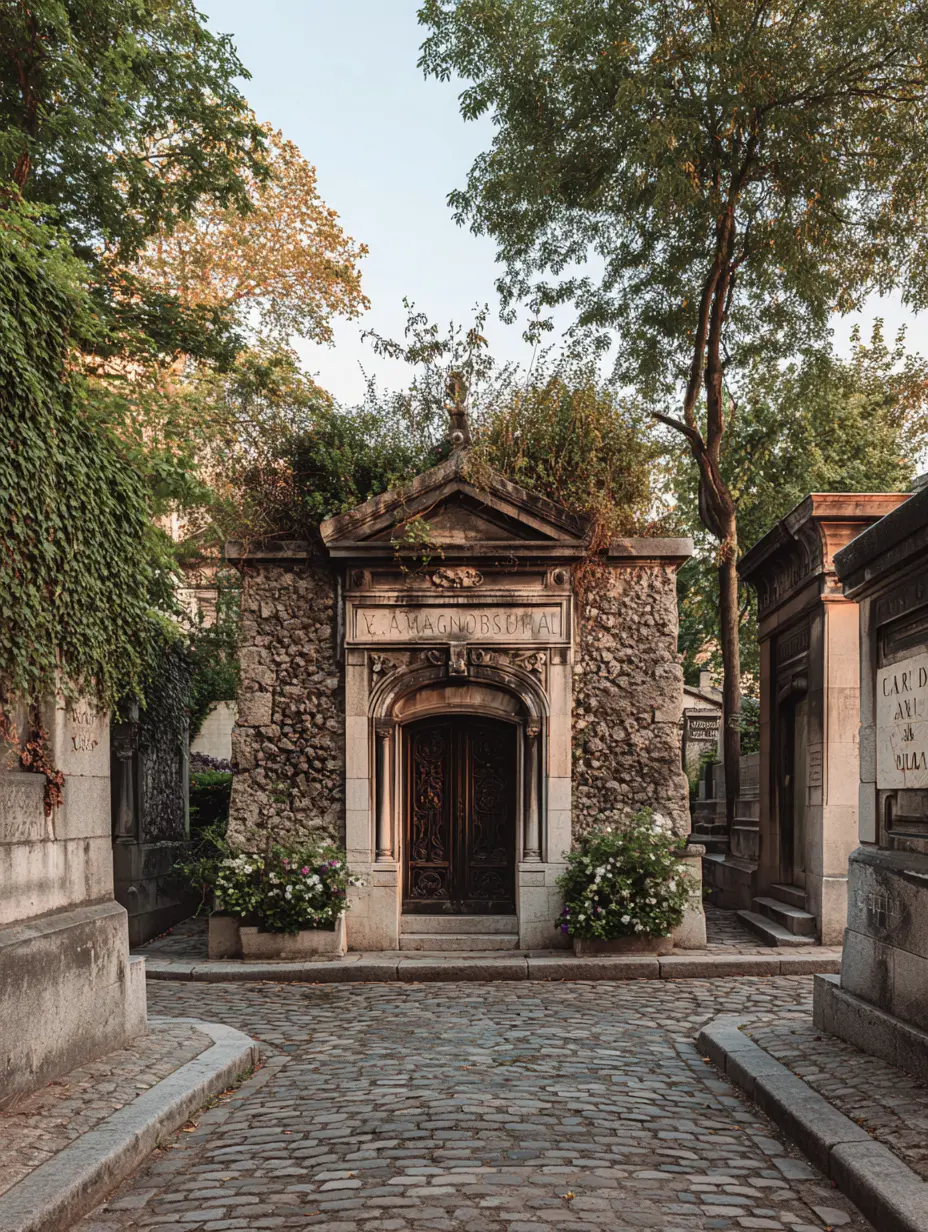
Père Lachaise Paris is more than a cemetery—it’s a cultural landscape shaped by centuries of architecture, memory, and quiet storytelling. As the largest garden cemetery in the city and the first municipal burial ground founded by Napoleon, Père Lachaise cemetery blends monumental design with the kind of stillness that makes you slow down without trying.
Set across 44 hectares in the 20th Arrondissement, the cemetery unfolds through winding paths, towering trees, sculpted tombs, and funerary art that shifts from Medieval Gothic to Art Nouveau in the space of a few steps. Travelers come here not only for history but also for the contemplative calm that urban Paris rarely offers.
A visit often includes:
-
A walk beneath chestnut and ginkgo trees
-
A pause at one of its striking funerary monuments
-
A moment of reflection among centuries of stories
Here, Paris speaks softly—through stone, sculpture, and the passage of time.
What Makes Père Lachaise a Global Icon? A Guide to the Legendary Père Lachaise Cemetery
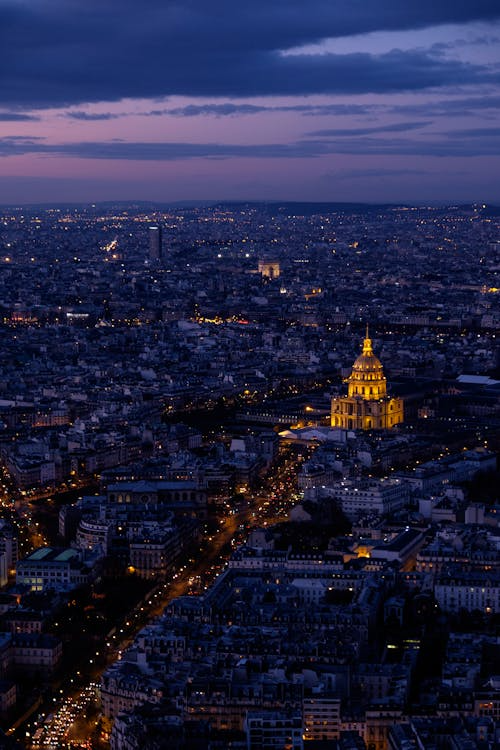
Père Lachaise Cemetery has a presence that lingers with you long after you leave. Part historic site, part open-air museum, it’s where Parisian architecture, political memory, and personal stories share the same sloping hillside. When Père Lachaise opened in 1804, many Parisians avoided it—too far from the city, too unconventional for traditional burials. But over time, it became the most visited necropolis in the world, a place where travelers wander not only to see famous graves but to understand how a cemetery can also feel like a living archive.
A Garden Cemetery Unlike Any Other
-
Designed by Alexandre-Théodore Brongniart, inspired by English landscaped parks
-
A true garden cemetery, with more than 5,000 diverse trees including chestnut, hazelnut, and ginkgo biloba
-
Winding cobblestone and uneven paths adorned with ivy, moss, and memorial sculptures
-
More than 70,000 burial plots arranged like a stone version of a miniature city
-
A blend of natural calm and artistic expression rarely found in urban Paris
The greenery softens the site’s monumental scale, creating an atmosphere that feels closer to a botanical garden than a burial ground.
Architectural Styles That Shape the Lachaise Cemetery
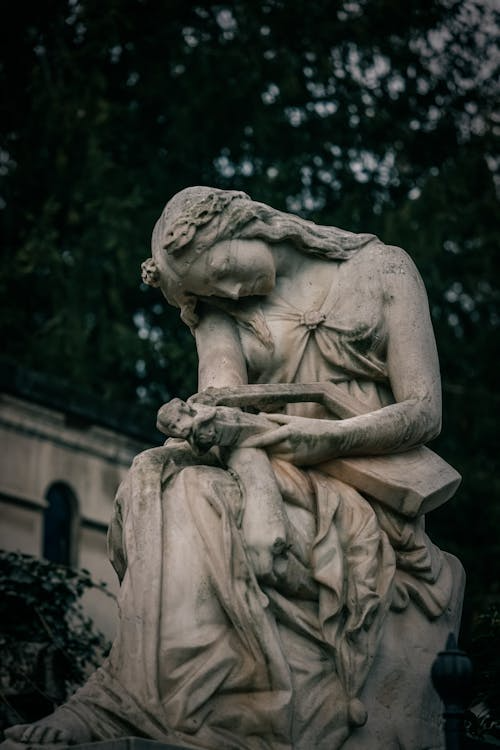
Père Lachaise is one of the few places in Paris where centuries of design coexist harmoniously. Visitors encounter:
-
Romanesque façades
-
Medieval Gothic tombs and chapels
-
Neoclassical and Italian Renaissance-inspired monuments
-
Second Empire mausoleums
-
Eastern Orthodox domes
-
Art Nouveau sculpture and relief work
-
The Byzantine Revival crematorium and columbarium designed by Jean-Camille Formigé
This layering of styles gives Lachaise Cemetery its distinctive theatricality—a setting where every turn reveals a new architectural era.
How Père Lachaise Became a Famous Cemetery in Paris
Today, Père Lachaise feels inseparable from Paris, but its reputation was far from guaranteed at the start. When Père Lachaise opened in 1804, the cemetery sat well outside the city center, on land once connected to a Jesuit house near Mont Louis. Many Parisians were reluctant to be buried there, and for years only a few funerals took place within its walls.
What changed was not public sentiment alone, but deliberate intervention.
Napoleon, French Officials, and a Calculated Turning Point
The cemetery was established under Napoleon, who had been proclaimed emperor just days before authorizing new burial grounds outside overcrowded city graveyards. While French officials initially struggled to attract burials, administrators devised a strategy that would permanently alter the cemetery’s fate.
Key decisions included:
-
Relocating the purported remains of celebrated historical figures
-
Promoting burials of artists, writers, and intellectuals
-
Framing the site as a prestigious resting place rather than a remote necessity
These moves, once French officials approved, reframed public perception and gradually drew more families to choose Père Lachaise Cemetery.
From Reluctance to Cultural Prestige
As Paris expanded, the once-distant burial grounds became embedded within the city itself. Over time, the cemetery grew in size and symbolism, evolving into one of Europe’s most important large cemeteries. Its reputation spread not through spectacle, but through association—linking memory, culture, and status.
By the mid-19th century, Père Lachaise had become synonymous with artistic and intellectual legacy, setting the template for what a famous cemetery could be: not merely a place of burial, but a public space shaped by history, design, and civic identity.
This transformation explains why the cemetery still feels curated yet organic—an archive shaped as much by planning as by chance.
Local Picks in the Père-Lachaise (Le Chaise) District — Less Obvious, More Local
The appeal of the Le Chaise district lies in its everyday usefulness. These are places people stop into mid-week, alone, without planning—exactly the kind of spots that make a neighborhood work for longer stays.
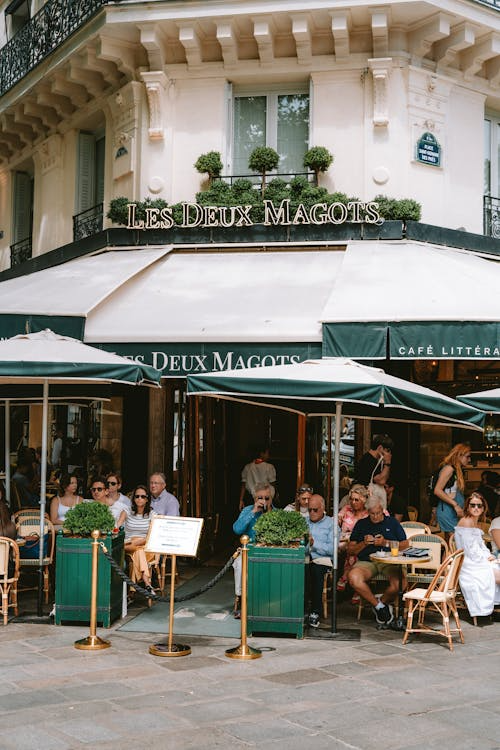
Cafés and Food Spots That Fly Under the Radar
These aren’t destination cafés; they’re dependable, quietly good, and mostly filled with locals.
-
Pause Café** (Rue de Charonne side)**
A relaxed all-day café with generous portions and a steady local crowd. Good for long lunches, casual dinners, or working through a coffee without feeling rushed. -
Le Jourdain
Neighborhood bistro energy, unfussy cooking, and prices that reflect the area rather than central Paris. Popular for weekday lunches. -
L’Atelier des Artistes
Small, warm, and low-key, with simple plates and a creative crowd. Feels more like a shared living room than a restaurant. -
Aux Ours
A true local haunt—dim, friendly, and ideal if you want something casual without noise or spectacle.
Bakeries and Everyday Food Stops
These are the kinds of places you end up visiting repeatedly once you’re based nearby.
-
**Maison Landemaine **(Charonne)
Consistently good bread and pastries without the tourist queues of more famous bakeries. -
Boulangerie Utopie** (bordering Belleville)**
Slightly farther walk, but worth it for standout sourdough and creative pastries if you’re in the area. -
Local épiceries along Rue des Pyrénées
Ideal for quick groceries, fresh produce, and ready-to-eat items without a full supermarket run.
Quiet Places to Sit or Take a Break
If you don’t want a café but need a pause:
-
Small squares near Rue de la Bidassoa — calm, shaded, and rarely crowded
-
Benches along the outer cemetery wall — especially peaceful in the afternoon
-
Residential side streets near Hotel du Mont Louis — surprisingly good for phone calls or journaling
These spaces are part of what makes the district feel breathable.
Light Walks That Feel Like Daily Life
Rather than sightseeing routes, these walks fit naturally into the day.
-
Toward Rue du Jourdain for village-like streets and local shops
-
Along Rue de Bagnolet for a mix of old Paris and newer neighborhood energy
-
Toward Belleville Park if you want a short uphill walk with a payoff view
None of these require a plan—just time.
Who These Spots Are Best For
These recommendations work especially well for:
-
Travelers staying more than a few nights
-
Remote workers who want routine over novelty
-
Visitors who prefer repeatable places to one-off experiences
-
Anyone looking to live around Paris, not consume it
The Le Chaise district rewards familiarity. The more often you pass through, the more it opens up.
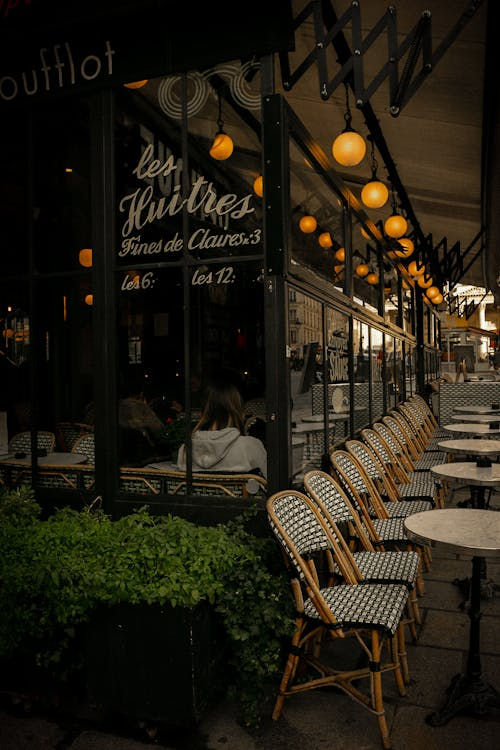
A Walk With Legends — Famous Graves and Stories at Père Lachaise
Père Lachaise holds one of the world’s richest collections of cultural history in a single place. More than a million people rest here, and the most visited paths lead to writers, singers, philosophers, and revolutionaries. For many travelers, it’s the mix of artistry and storytelling that defines the experience—every turn reveals another moment in time. Below are the most meaningful spots to seek out, whether you're visiting for a quiet wander or a full historical deep dive.
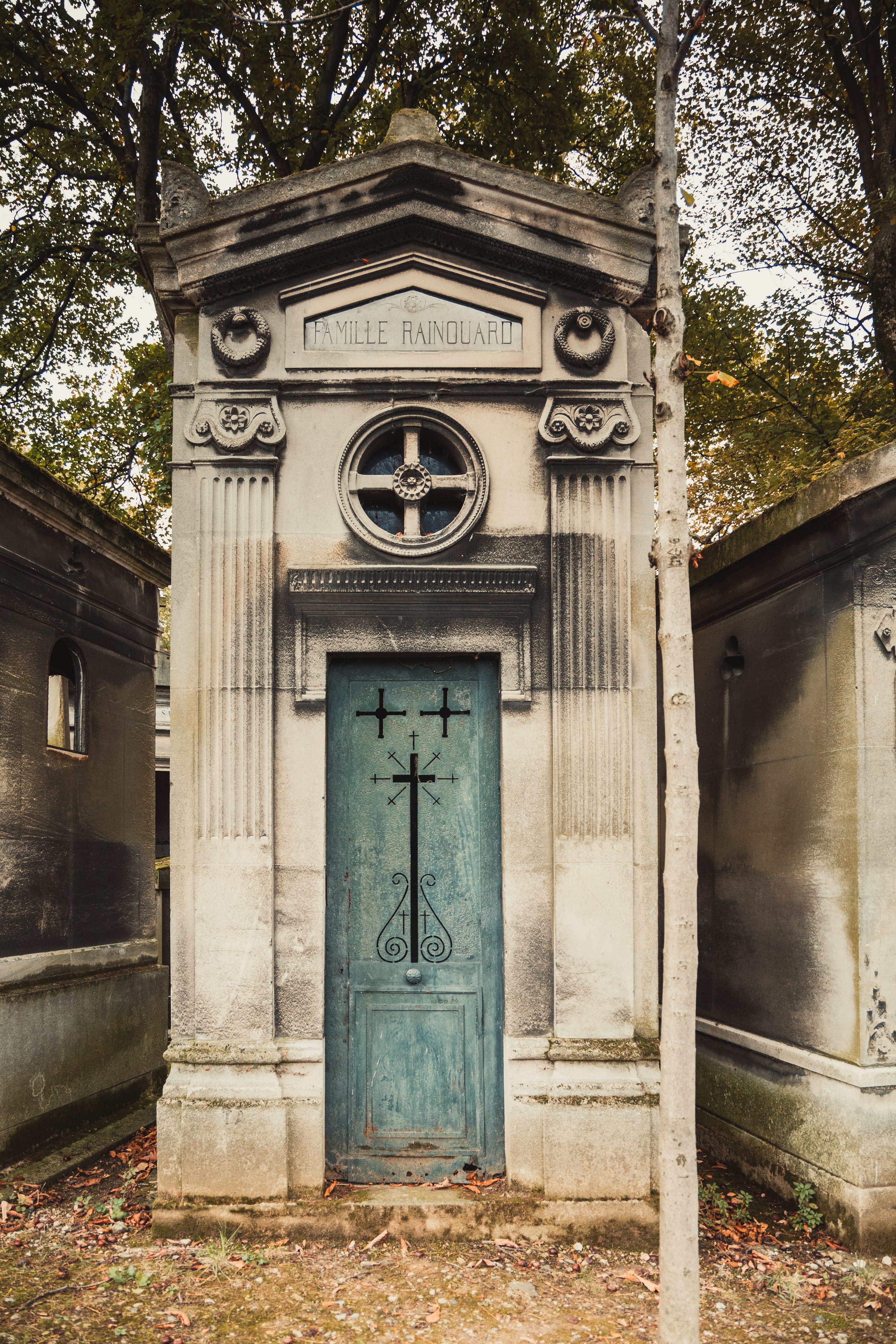
Jim Morrison — The Most Visited Grave in Pere Lachaise
Jim Morrison’s grave remains a magnetic pilgrimage site. Although modest in design, its energy is unmistakable and the traffic around it constant.
What to look for:
-
Stone slab marked by generations of tributes
-
Barriers installed to protect the site
-
Fans leaving handwritten notes, candles, or lyrics
Recommended nearby stops:
-
The row of 19th-century tombs just behind his plot
-
A short uphill detour toward the ancient sycamores shading Division 6
Oscar Wilde — The Tomb of Lipstick Kisses
Oscar Wilde’s tomb is one of the cemetery’s most photographed monuments—sleek, modernist, and instantly striking. Before barriers were added, admirers famously left bright lipstick kisses across the stone.
What to look for:
-
Jacob Epstein’s sculpted winged figure
-
Symbolic references to Wilde’s writing
-
Love notes and poems left at the base of the monument
Recommended approach route:
- Enter from the Porte des Amandiers side to experience the full procession of dramatic mausoleums leading up to Wilde’s tomb.
Édith Piaf, Marcel Proust, and Other Famous People of Cimetière du Père Lachaise
Many visitors come specifically to pay homage to France’s cultural icons.
Don’t miss:
-
Édith Piaf’s family grave (Division 97), one of the simplest yet most meaningful plots in the cemetery
-
Marcel Proust’s elegant black headstone—quiet, understated, and often covered with pebbles left by admirers
-
Graves of philosophers like Pierre Bourdieu and Auguste Comte
Recommended pairings:
After Piaf, walk toward Divisions 92–94 to see some of the cemetery’s most ornate chapels and carved graves.
Abelard and Héloïse — The Lovers Who Rest Together
The medieval lovers Abelard and Héloïse remain a highlight of Cimetière du Père Lachaise. Their Gothic canopy and sculpted effigies make their tomb feel like a standalone monument within the cemetery.
Why visit:
-
One of the earliest “attraction graves” relocated here to popularize the cemetery
-
Still a site where lovelorn singles leave letters
-
Beautiful example of neo-medieval funerary design
Recommended moment:
Visit early morning or late afternoon for the quietest atmosphere—the surrounding trees create dramatic shifting shadows over the monument.
Political Memory and Historical Echoes at Cimetière du Père Lachaise
Beyond artists and writers, Cimetière du Père Lachaise is deeply tied to France’s political history. The cemetery has long functioned as a space of remembrance, protest, and collective identity—particularly for movements aligned with social justice and the French political Left. These quieter corners often feel more solemn than the celebrity graves, offering context that many visitors overlook unless they know where to walk.
The Mur des Fédérés and the Bloody Week
One of the most historically significant sites inside the cemetery is the Mur des Fédérés. This wall marks the place where 147 Communards were executed during the Bloody Week of 1871, following the fall of the Paris Commune.
What to know before visiting:
-
The wall is a traditional rallying point for members of the French political Left
-
Memorial plaques and flowers are often placed here, especially in mid March and late May
-
The atmosphere is notably quieter and more reflective than other areas
Recommended route:
Approach from the Gambetta side for a calmer walk through tree-lined paths before reaching the wall.
Victor Noir and One of Paris’s Strangest Legends
Victor Noir, a journalist killed in 1870, is remembered not just for politics but for folklore. His grave features a life-size bronze statue, polished over time by visitors following a fertility legend.
What draws visitors here:
-
The realistic sculpture, complete with period clothing
-
The belief that touching certain parts brings fertility or romantic luck
-
A steady stream of curious travelers, often mixing humor with ritual
Recommended nearby stop:
Walk a few minutes uphill to see nearby various funerary monuments, where symbolism becomes more abstract and sculptural.
Common Graves, Collective Memory, and Civic Space
Not all remembrance at Père Lachaise centers on individuals. Some areas reflect shared loss and civic identity.
Look for:
-
Common graves dedicated to victims of uprisings and unrest
-
Memorial stones honoring unnamed citizens
-
Subtle markers that blend into the surrounding landscape
These spaces reinforce why Père Lachaise is more than a burial site—it’s a place where Paris remembers itself.
Navigating the Grounds — How to Visit Père Lachaise Cemetery
Père Lachaise Cemetery is vast, hilly, and intentionally unrushed. Covering 44 hectares, it rewards visitors who arrive with a loose plan and the patience to wander. Rather than treating it like a checklist of graves, most people enjoy it as a long walk—one where architectural surprises and quiet corners appear naturally along the way. Knowing where to enter, how to move, and when to visit makes a noticeable difference to the experience.
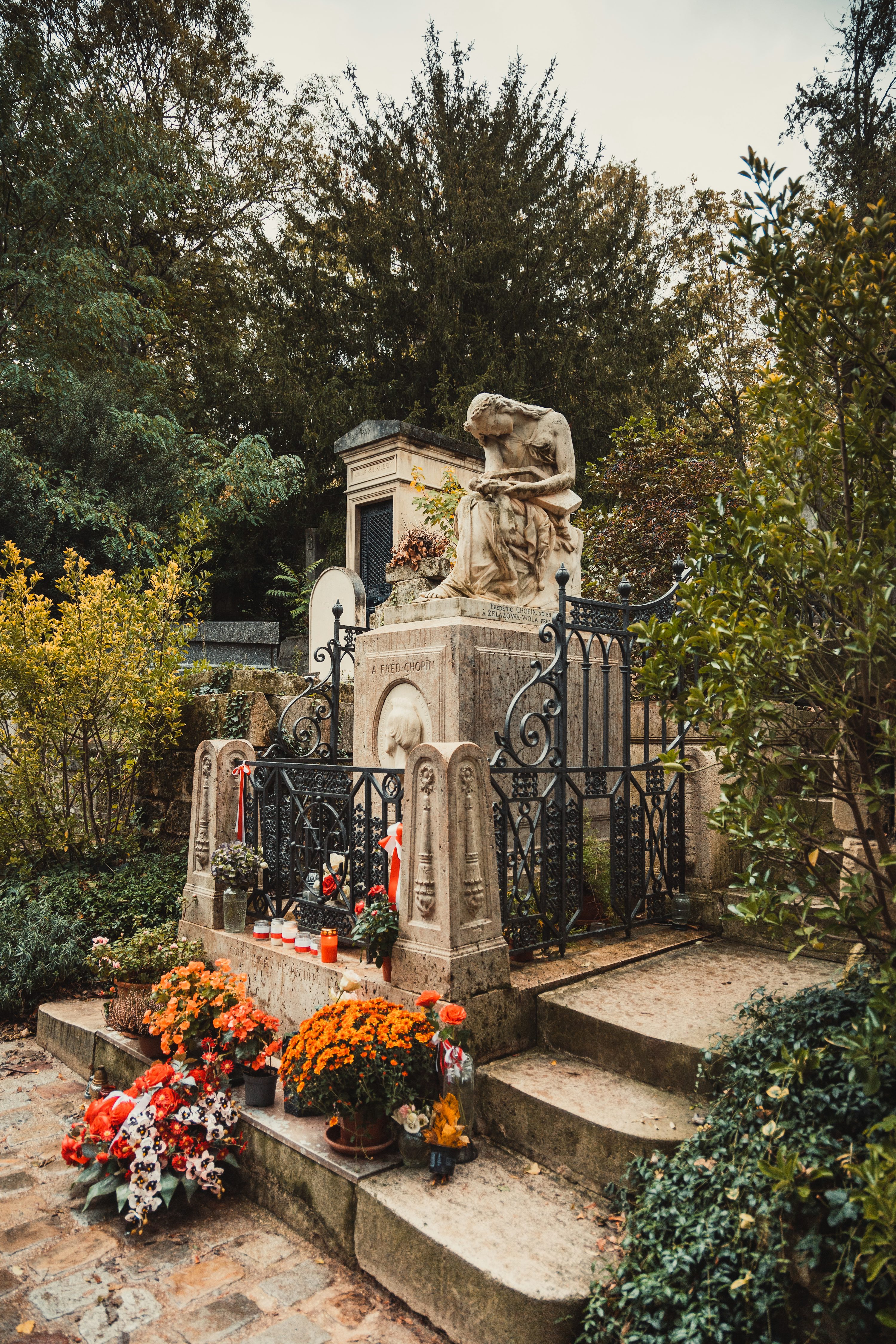
Entrances, Routes, and the Best Way In
There are multiple entrances to Lachaise Cemetery, each shaping the visit differently.
Main Entrance (21 Boulevard de Ménilmontant)
-
The most iconic gateway, marked by grand iron gates
-
Closest to the Père Lachaise Metro Station
-
Best for first-time visitors and shorter visits
-
Near restrooms and information boards
Gambetta Entrance
-
Accessed via Gambetta Metro Station
-
Quieter and less crowded
-
Ideal if you want to start with political memorials or long, scenic walks
-
Recommended for visitors planning a deeper exploration
Other smaller gates, including Porte de la Réunion and Porte des Amandiers, are useful if you’re approaching from nearby neighborhoods or targeting specific graves.
Opening Hours, Rules, and Practical Details
Before you arrive, it helps to know the basics.
-
Opening hours generally run from 8:00 AM to 6:00 PM, with earlier closing times in winter and extended hours on weekends
-
Admission is free
-
The cemetery is non-sectarian and open to visitors of all religious beliefs
-
Pets, bicycles, scooters, picnicking, and jogging are not permitted
-
Visitors are expected to move respectfully through burial grounds
Public restrooms are available near the main entrance and the Gambetta entrance.
Walking Tips for a Better Experience
-
Wear sturdy shoes—uneven paths and cobblestones are common
-
Download a map in advance; signage inside is minimal
-
Start uphill when possible, then let gravity guide you down
-
Late morning and mid-afternoon offer the best light for sculptures and monuments
Many visitors describe Père Lachaise as one of the best places in Paris for flânerie—a slow, observant walk where the city fades and stories quietly surface.
Local Life Around Pere Lachaise — Cafés, Walks, and Quiet Streets
A visit to Pere Lachaise rarely begins and ends at the gates. The streets surrounding the cemetery are calm, residential, and refreshingly untouristed—exactly the kind of Paris where daily life continues at its own pace. Many visitors step out of the Lachaise Cemetery and find themselves lingering nearby, easing back into the rhythm of the city before heading on.
This part of Paris rewards slow transitions rather than rush exits.
Cafés Near the Cemetery for a Post-Visit Pause
After walking among graves and monuments, nearby cafés offer a welcome reset.
Good options within a short walk include:
-
Café Martin – relaxed tables, reliable coffee, and a neighborhood feel
-
La Bellevilloise Café – larger space, cultural hub atmosphere, good for decompressing
-
Le Chéri Charlot – casual, unfussy, and popular with locals rather than visitors
These spots are ideal after a long loop through the cemetery’s uneven paths and cobblestone paths, especially if you entered via the Gambetta Entrance.
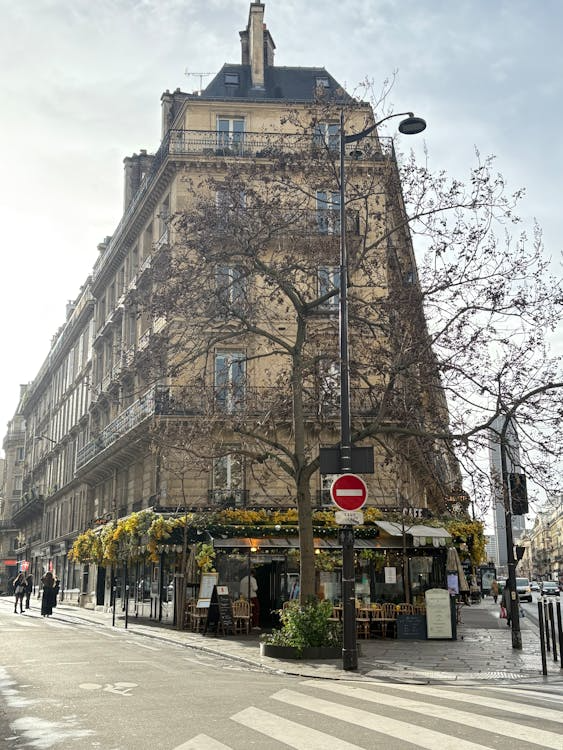
Walking Routes That Extend the Experience
Rather than heading straight for the metro, many people continue on foot.
Recommended walks:
-
From the Gambetta Entrance toward Belleville for elevated city views
-
Along quieter residential streets bordering Boulevard de Ménilmontant
-
A gentle downhill route from the main entrance toward Oberkampf
These walks help contextualize the cemetery within the surrounding city, showing how Paris filled outward over time, absorbing once-distant burial grounds into everyday neighborhoods.
Guided Tours and Self-Led Exploration Nearby
While the cemetery itself doesn’t operate official tours, several outside organizations offer guided tours that begin or end nearby. These walks often focus on:
-
Political history tied to the French political left
-
Literary figures and artists
-
The cemetery’s stature among large cemeteries worldwide
If you prefer to explore independently, pairing a self-guided visit with a neighborhood walk offers a quieter, more personal experience—especially on weekdays.
Why This Area Feels Different
Unlike other cemeteries folded into tourist circuits, this area retains a lived-in calm. Locals pass through daily. Residents sit outside cafés. Life continues alongside memory.
That balance—between remembrance and routine—is part of what makes du Père Lachaise more than a stop on a map. It’s a space where history settles gently into the present.
Where to Stay Near Père Lachaise — Neighborhoods Compared With Local Picks
Père Lachaise sits at the meeting point of several very different Paris neighborhoods. Choosing where to stay nearby isn’t just about distance—it’s about how you want your days (and evenings) to feel. Below is a practical comparison, paired with local recommendations that reflect each area’s character.
Père-Lachaise / Le Chaise District (Closest & Quietest)
This is the calmest base, ideal if you want Paris to feel routine rather than performative.
Best for:
Longer stays, remote work, early mornings, quiet evenings.
What daily life looks like:
-
Residential streets with steady local foot traffic
-
Small bakeries, corner grocers, pharmacies
-
Cafés used for lunch breaks, not lingering crowds
Local recommendations:
-
Pause Café – reliable all-day spot for casual meals
-
Aux Ours – low-key bar for a quiet evening drink
-
Rue de la Bidassoa side streets – good for walks without destination
This area suits travelers who want to live near Paris rather than constantly explore it.
Oberkampf (Social, Walkable, Night-Friendly)
Just downhill from Père Lachaise, Oberkampf shifts the mood quickly.
Best for:
Shorter stays, social travelers, evenings out without planning.
What daily life looks like:
-
Busy after work hours
-
Dense clusters of bars and casual restaurants
-
More noise, more energy
Local recommendations:
-
Café Charbon – classic meeting spot, lively late
-
Ave Maria – relaxed wine bar for early evenings
-
Rue Oberkampf itself – good for spontaneous food decisions
Oberkampf works well if you want contrast: quiet mornings near the cemetery, lively nights close by.
Belleville (Creative, Local, Food-Driven)
Uphill from Père Lachaise, Belleville offers one of the most distinctive neighborhood experiences in Paris.
Best for:
Food lovers, budget-conscious stays, creative energy.
What daily life looks like:
-
Multicultural streets and independent shops
-
Strong local identity
-
Less polished, more character
Local recommendations:
-
Aux Deux Amis – wine bar with serious food focus
-
Le Baratin – respected bistro, worth booking
-
Parc de Belleville – one of the city’s best sunset views
Belleville rewards curiosity and repeat visits more than quick stops.
République (Central & Transit-Friendly)
Not next door, but extremely convenient.
Best for:
First-time visitors, frequent cross-city plans, mixed itineraries.
What daily life looks like:
-
Busy streets and major metro lines
-
Easy access to multiple districts
-
Less neighborhood intimacy
Local recommendations:
-
Ten Belles – excellent coffee, reliable work stop
-
Marché des Enfants Rouges – casual food variety
-
Canal Saint-Martin – easy walking reset after busy days
République is practical rather than charming—but very efficient.
Quick Comparison at a Glance
| Area | Vibe | Best For | Evening Noise | Walk to Cemetery |
|---|---|---|---|---|
| Père-Lachaise / Le Chaise | Residential, calm | Long stays, remote work | Low | Yes |
| Oberkampf | Social, lively | Nightlife, short stays | High | Yes |
| Belleville | Creative, local | Food, value | Medium | Yes (uphill) |
| République | Central, busy | Transit access | Medium–High | Metro |
How to Choose
-
Choose Le Chaise if you value quiet routines and slow mornings
-
Choose Oberkampf if evenings matter more than silence
-
Choose Belleville if food and local texture outweigh polish
-
Choose République if convenience is your top priority
Each option offers a different version of Paris—none better, just better suited to different ways of traveling.
Explore fully furnished apartments in Paris that offer easy access to Père Lachaise and surrounding neighborhoods, making it easier to experience the cemetery at a slower, more thoughtful pace.
Lesser-Known Figures and Stories Hidden Within Père Lachaise
Not every story at Père Lachaise is tied to crowds or celebrity. Scattered across the cemetery are quieter graves and historical references that reveal how deeply French history is embedded here—sometimes in ways visitors only notice if they slow down.
Jean de La Fontaine, Louise de Lorraine, and Early Royal Echoes
Among the older graves, you’ll find references to Jean de La Fontaine, whose fables shaped French literature long before modern Paris took form. Nearby historical markers also point to figures like Louise de Lorraine, linking the cemetery to France’s royal past. These sections feel removed from spectacle, offering a glimpse into how burial grounds once reflected lineage, legacy, and proximity to power.
The land itself was once connected to estates frequented during the reign of King Louis XIV, and historical accounts suggest the king watched skirmishing from nearby heights during periods of unrest—long before the cemetery was finally built into its current form.
Artists, Performers, and the Quiet Side of Fame
Beyond the most visited graves, Père Lachaise also serves as the resting place for performers whose influence feels deeply Parisian rather than global. Yves Montand, for example, remains closely associated with the city’s cultural identity, even if his grave draws fewer visitors than international icons.
Together with writers, thinkers, and political figures, these famous men reflect how the cemetery balances notoriety with understatement.
Why These Stories Matter
These lesser-known graves and historical layers remind visitors that Père Lachaise was never meant to be a single narrative. What began as an experiment outside the city became, over time, a carefully shaped landscape—finally built into a space where memory, art, and history coexist.
It’s this accumulation of small stories, rather than one great spectacle, that gives the cemetery its lasting emotional weight.
Why Père Lachaise Paris Leaves a Lasting Impression
Père Lachaise Paris is not a place you simply “see.” It’s a place you move through slowly, absorbing layers of history, art, politics, and personal memory along the way. What begins as a visit to a cemetery often becomes something broader—a walk through Parisian identity itself, shaped by writers, musicians, revolutionaries, and everyday citizens who now share the same ground.
From monumental chapels to modest graves, from famous figures to nearly anonymous markers, the cemetery’s power lies in contrast. It balances grandeur with restraint, spectacle with stillness, and history with daily life unfolding just beyond its walls. Whether you come for a specific grave or wander without a plan, the experience tends to linger long after you leave the gates.
For travelers planning extended time in the country, staying nearby allows you to return at different hours and experience the space more thoughtfully.
Explore fully furnished apartments in France to build slower, more meaningful days around places like Père Lachaise.
Frequently Asked Questions
Is Père Lachaise Cemetery free to visit?
Yes. Admission to Père Lachaise Cemetery is free, and visitors can enter during posted opening hours without tickets or reservations.
What are the opening hours for Père Lachaise Cemetery?
Opening hours generally run from 8:00 AM to 6:00 PM, with seasonal variations and slightly extended hours on weekends. It’s best to arrive earlier in the day if you want a quieter experience.
How long should I plan to spend at Père Lachaise?
Most visitors spend between one and three hours. The cemetery is large, so shorter visits work best with a loose route in mind, while longer visits allow for slower wandering and exploration.
Which entrance is best for first-time visitors?
The main entrance on Boulevard de Ménilmontant is the most convenient for first-time visitors, especially if you want direct access to well-known graves and major paths.
Can you take photos inside the cemetery?
Yes, photography is allowed for personal use. Visitors are expected to remain respectful, especially around active burial grounds and memorial areas.
Are guided tours available at Père Lachaise?
The cemetery itself does not offer official guided tours, but several independent organizations provide walking tours focused on history, art, or famous graves.
What are the most visited graves at Père Lachaise?
Some of the most visited include Jim Morrison’s grave, Oscar Wilde’s tomb, and the resting places of Edith Piaf and Marcel Proust, though many visitors find quieter sections just as meaningful.