
Maya
Culture & Exploration Editor ·
Paris doesn't reward improvisation the same way other cities might. The best neighborhood to stay in Paris depends entirely on what you value — proximity to tourist attractions versus authentic Paris rhythms, hotel rooms in central Paris versus residential neighborhoods with breathing room. Most first-time visitors anchor themselves too close to the Eiffel Tower or Notre Dame and spend their trip commuting everywhere else.
This guide covers:
Which neighborhoods actually work for remote work versus sightseeing bases
Where hotel choices and furnished apartment options give you the most value
Trade-offs between central location and neighbourhood character
How proximity to metro stations changes your daily experience
Honest assessments of safety, noise, and grocery access in each area
Understanding Central Paris: The Arrondissement System and What It Means for Where You Stay
Paris arranges itself in 20 numbered districts spiraling outward from the centre — the first nine arrondissements contain most of what visitors consider "central Paris," but proximity alone doesn't determine livability. The 1st arrondissement puts you within walking distance of the Louvre and île de la Cité, but you'll pay premium rates for hotel rooms in a neighbourhood with limited grocery shops and almost no residential character. The 7th sits just west of the city center near the Eiffel Tower and offers residential calm at night, but lacks the density of cafés and restaurants that make other areas functional for extended stays.
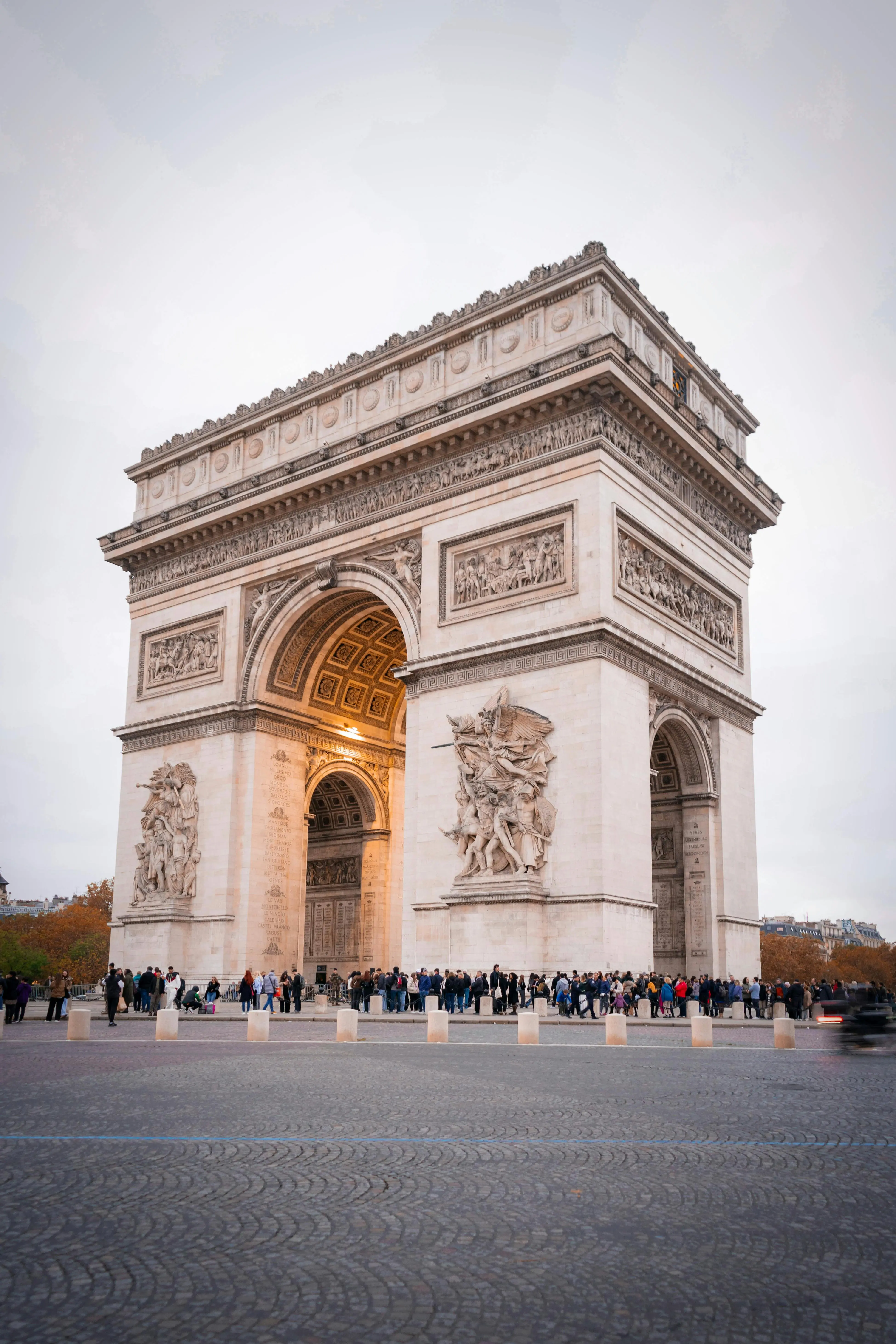
The Arc de Triomphe Area (8th and 16th Arrondissements): Hotel Territory, Near Bois de Boulogne
The 8th arrondissement around the Arc de Triomphe and Champs-Élysées reads impressive on paper but functions primarily as a business and tourism corridor.
First-time visitors who visit Paris often make the mistake of staying too far from Métro stations, adding 20+ minutes to every outing.
Knowing which arrondissement to stay in Paris will dramatically shape your daily experience, from morning café rituals to evening commutes.
Place de la Concorde — impressive to visit once, exhausting to cross daily on foot
Hotel rooms from €180/night in side streets off Avenue Montaigne, €300+ facing the Arc de Triomphe
The 16th arrondissement near Bois de Boulogne offers spacious rooms and quiet streets but limited dining within walking distance
Nearest functional grocery: 15-minute walk to residential pockets south of the Arc de Triomphe
This area works for three-night hotel stays focused on tourists stays and sites — not for anyone needing to replicate a daily routine.
Easy Access Versus Easy Living: The Central Location Trap
A "central location" in the 1st or 2nd arrondissement means you're equidistant to tourist attractions but often not actually close to any neighbourhood infrastructure that sustains daily life.
The 1st has excellent metro station coverage (Châtelet, Louvre-Rivoli) but thin café density outside museum hours
Convenient location for day trips and train station access (Gare du Nord reachable in 20 minutes) but limited character after 8pm
More central neighborhoods like the 2nd offer easy access to multiple metro lines but fewer residential amenities than Le Marais or the Latin Quarter
Budget hotels cluster near Gare du Nord (10th arrondissement) — convenient for trains, less so for feeling settled
If your priority is checking off tourist attractions quickly, these areas function. If you're staying more than a week, you'll migrate toward neighbourhoods with actual rhythms.
Where First-Timers Actually End Up Versus Where They Wish They'd Stayed
Most visitors initially target the 1st or 7th arrondissements for prime location near the Eiffel Tower and Notre Dame Cathedral, then realize they've optimized for sightseeing at the expense of neighbourhood life.
Saint Germain des Prés (6th) and Le Marais (3rd/4th) appear "less central" on a metro map but put you within walking distance of more daily infrastructure
The 7th arrondissement offers low crime rates and well-maintained streets (one of the safest neighborhoods in Paris) but closes down after dinner
The Latin Quarter (5th) balances proximity to Notre Dame with student-friendly cafés and affordable accommodation options
Invalides and Gros Caillou within the 7th provide residential calm but require metro rides for most errands
The pattern: hotel choices prioritizing "central Paris" often mean you're central to monuments but peripheral to everything else.
Best Neighborhoods for Remote Workers and Extended Stays in Paris
If you're staying more than two weeks, your calculus shifts from tourist attractions to WiFi reliability, grocery access, and whether you can establish a daily routine without constantly navigating new metro routes. The best neighborhoods for this are not the ones that maximize Eiffel Tower views.
Being a short walk from multiple bakeries and supermarkets—ideally both Franprix and a traditional boulangerie—makes daily life much easier. Living near Jardin du Luxembourg in the 6th gives you access to 25 hectares of green space perfect for lunch breaks and weekend reading.
When evaluating the best neighborhoods, consider proximity to Métro lines 1, 4, and 14, which offer the most reliable service. The cafés around St Germain des Prés offer iconic Parisian ambiance but come with premium prices—expect €5-7 for a café crème.
Remote workers who stay in Paris for more than a few weeks often gravitate toward the 11th and 10th arrondissements for their balance of affordability and connectivity.
Le Marais (3rd and 4th Arrondissements): The Default Base for Most Remote Workers
Le Marais works because it concentrates cafés with reliable WiFi, multiple grocery options, and walking distance access to both île de la Cité and the Latin Quarter without requiring constant metro rides.
Fragments — flat whites €4, dependable internet, laptop-friendly until 3pm
Studios from €1,100/month, 1-bed from €1,600/month near Place des Vosges
Broken Biscuits — coworking day pass €25, quieter than most cafés after 4pm
Nearest metro station (Saint-Paul or Chemin Vert) connects to Gare du Nord in 15 minutes
The narrow streets feel intimate compared to Haussmann boulevards, and the density of art galleries and food shops means you rarely need to leave a 10-block radius for daily errands.
Saint Germain des Prés (6th Arrondissement): Where Literary History Meets Reliable Infrastructure
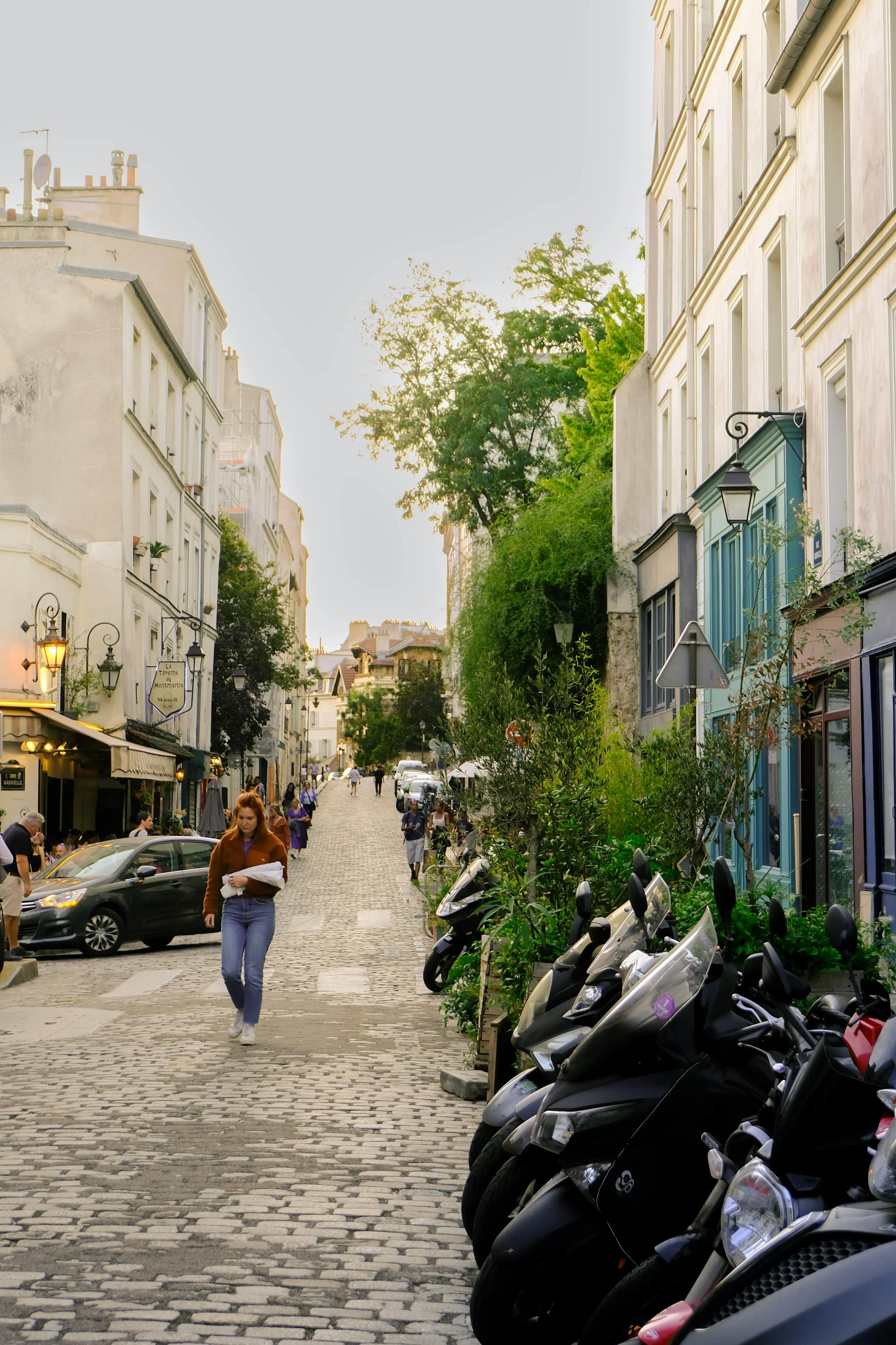
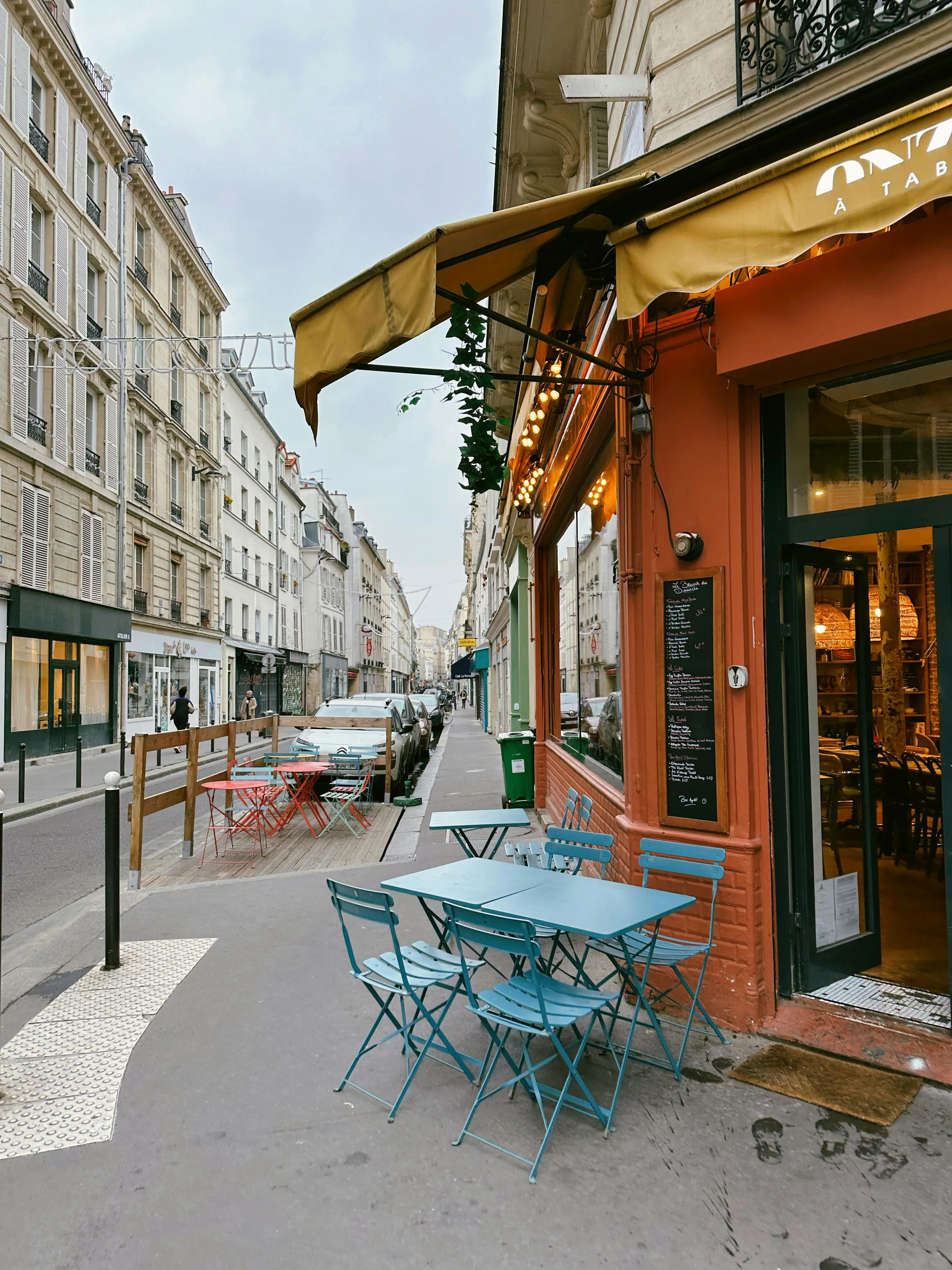
Saint-Germain-des-Prés — sometimes styled as St Germain des Prés or Germain des Prés — sustains longer stays better than trendier areas because the infrastructure wasn't built for tourists passing through.
Café de Flore — iconic but €7 espressos and tourists by 10am; better for once than daily
Furnished apartments €1,400-€2,200/month depending on proximity to Jardin du Luxembourg
Strada Café — €3.50 espresso, accepts laptop work before noon, locals outnumber visitors
Easy access to Left Bank residential streets where family suites and spacious rooms are more common than in Le Marais
Hemingway and Fitzgerald frequented these streets for a reason — the neighbourhood tolerates people who sit in cafés for hours.
5th Arrondissement aka The Latin Quarter : Student Energy With Established Infrastructure
The Latin Quarter offers budget hotels and affordable accommodation because it's built to absorb students, not just tourists visiting Notre Dame.
Shakespeare and Company Café — €4 coffee, WiFi works, view of Notre Dame Cathedral, crowded after 11am
Studios from €900/month in side streets south of the Panthéon, €1,300+ with Notre Dame views
Wild & The Moon — health-focused, reliable internet, €5 matcha, quieter than central cafés
Metro station Luxembourg or Cluny-La Sorbonne connects to Gare du Nord in 25 minutes, longer than Le Marais but still manageable
The charming streets retain youthful energy without the aggressive nightlife of the 11th arrondissement — you get bistros and bookshops, not club queues.
Neighborhood | Monthly Rent (1-Bed) | Vibe | Best For | Key Advantage |
|---|---|---|---|---|
Le Marais | €1,600 | Art galleries, narrow streets, mixed gay/Jewish heritage | Remote workers prioritizing walkability | Central location without hotel room pricing |
Saint Germain des Prés | €1,900 | Literary cafés, sophisticated, residential calm | Longer stays, established routines | Neighborhood infrastructure sustains daily life |
Latin Quarter | €1,300 | University energy, budget-friendly, tourist-adjacent | First long stay in Paris, testing the city | Affordable accommodation near Notre Dame |
7th (Eiffel Tower area) | €2,100 | Residential, quiet nights, monument views | Families, visitors prioritizing safety | Low crime rates, spacious rooms |
8th (Arc de Triomphe) | €2,400 | Business district, grand boulevards, limited character | Short hotel stays, business trips | Impressive address, less useful daily |
Explore the best neighborhoods to stay in Paris for remote workers on RentRemote's Paris neighborhood guide. Start with our in-depth guide on Le Marais to know everything the neighborhood and its vibrant streets have to offer for its residents.
Best Hotels and Where Hotel Choices Actually Make Sense in Paris
Hotels in Paris function differently than furnished apartments — you're paying for location and eliminating setup friction, but you're also committing to a neighbourhood before you know whether its rhythm suits you. The best hotels aren't always in the "best neighborhoods" for living.
When to Choose Hotels Over Apartments: The Three-Night Threshold
If you're staying less than five nights and your days are booked with tourist sites, hotels near the Eiffel Tower, Arc de Triomphe, or île de la Cité remove logistical decisions. Hotel Muguet in the 7th arrondissement offers Eiffel Tower views from €180/night and sits just two blocks from the Invalides Métro.
The best hotels for remote workers include properties with lobby workspaces and strong Wi-Fi, like Hoxton Paris in the 2nd arrondissement. Trendy boutique hotels in St Germain des Prés like Hôtel d'Aubusson start around €300/night but place you in the heart of literary Paris.
Budget hotels in the 9th arrondissement (near Opéra) from €90/night — central location, functional, no character
Mid-range options in Saint Germain des Prés €180-250/night — pays for the neighborhood as much as the room
The 1st arrondissement clusters luxury hotel rooms €300+ near Place de la Concorde and the Louvre — prime location for museum sprints
The 13th arrondissement offers some of the most affordable hotels in Paris (€70-100/night) but requires metro rides to reach tourist attractions
Beyond a week, hotel rooms feel like they're charging you rent for someone else's taste in furniture — and the lack of a proper kitchen becomes expensive.
Neighborhood-Specific Hotel Strategies for Authentic Paris Proximity
The gap between "convenient location" and "authentic Paris" is often just two metro stops — but those stops determine whether your trip feels like you're visiting a museum or living somewhere.
Le Marais boutique hotels (€200-280/night) put you in a residential neighborhood with walking distance to Notre Dame and the Left Bank
The 7th arrondissement near Invalides offers family suites and spacious rooms €250+ — quiet nights, safe streets, limited evening dining
Saint Germain des Prés hotels €220-350/night — you're paying for literary history and café density, not just a bed
The 11th arrondissement (Oberkampf, Bastille) €120-180/night — local vibe, trendy cafés and restaurants, less polished than more central neighborhoods
If "authentic Paris" means seeing where locals actually shop and eat, hotels in Le Marais or the 11th deliver that — hotels in the 1st or 8th do not.
Best Hotels for Easy Access to Multiple Paris Metro Lines and Train Stations
If your Paris stay is a base for day trips or you're arriving via Gare du Nord, proximity to transit hubs outweighs neighborhood charm.
The 10th arrondissement near Gare du Nord offers budget hotels €80-130/night — functional, not scenic, direct trains to Brussels and London
The 1st near Châtelet-Les Halles station connects to five metro lines and RER trains — useful for efficiency, soulless for atmosphere
Saint Germain des Prés hotels near Saint-Sulpice metro station balance Left Bank charm with easy access to Charles de Gaulle airport RER
Le Marais hotels near Saint-Paul metro reach Gare du Nord in 15 minutes, tourist sites on foot
The trade-off: neighborhoods optimized for train station access (10th, 19th) require extra caution at night — exercise caution in the 10th and 19th arrondissements is the standard advice, particularly near Gare du Nord after dark.
Île de la Cité, Notre Dame, and Whether Living Near Major Landmarks Makes Sense
Île de la Cité sits at the geographic heart of Paris, but being central to tourist attractions doesn't make it central to daily life. Notre Dame anchors the island, but almost no one actually stays here long-term — and there's a reason for that.
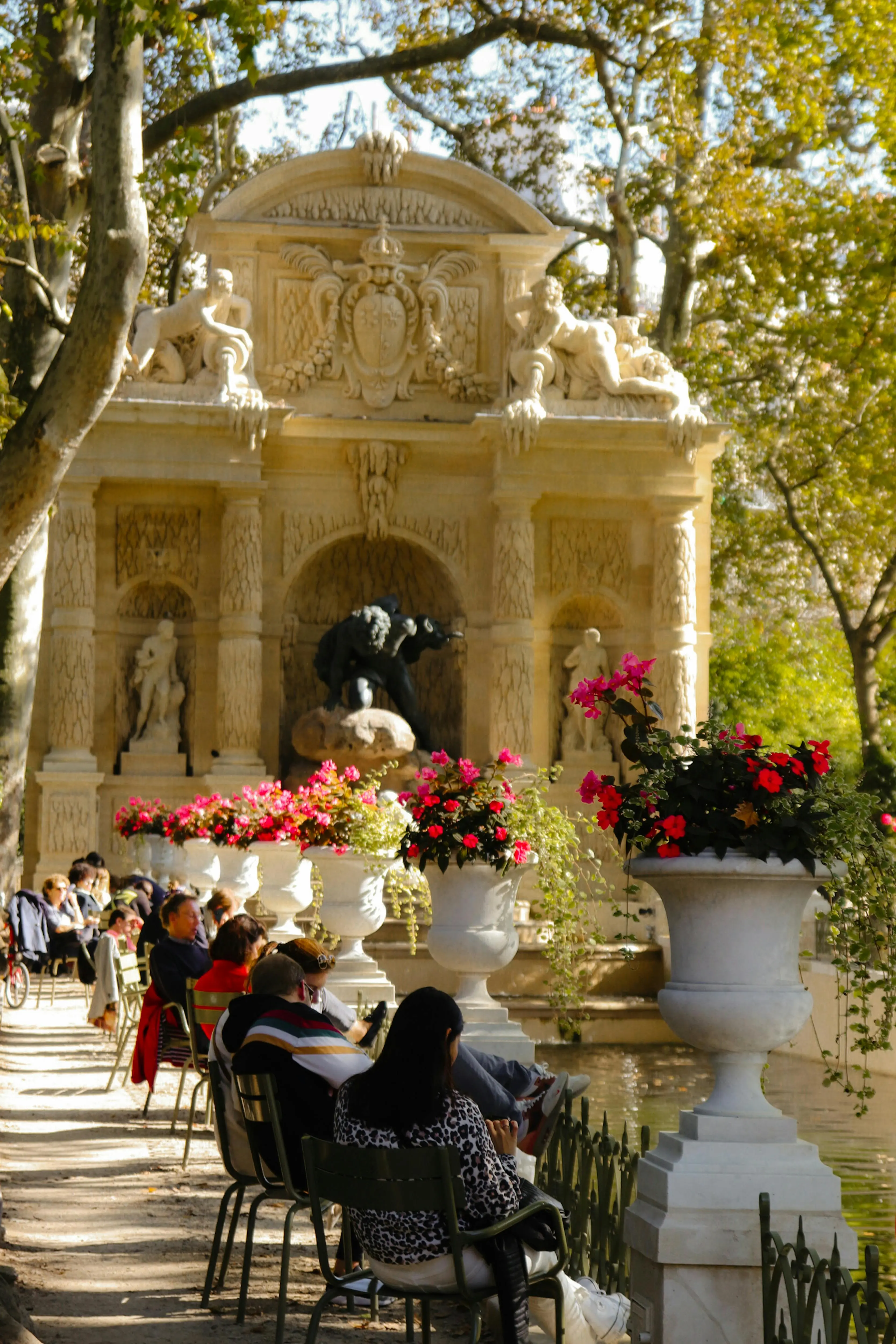
A 15-minute walk south from Notre Dame brings you to Jardin du Luxembourg, one of Paris's most beloved parks with free chairs and fountains.

Île de la Cité: Worth a Walk-Through, Not a Base
The island houses Notre Dame Cathedral, Sainte-Chapelle, and little else that sustains someone beyond a few hours of sightseeing.
No grocery infrastructure — nearest Franprix is a bridge-crossing into the Latin Quarter or Le Marais
Hotel options extremely limited and premium-priced (€400+/night for rooms overlooking Notre Dame)
Closest metro station is Cité or Saint-Michel, both immediately off-island — you're commuting even from "the centre"
Tourist volume 9am-7pm makes cafés impractical for work
Most people photograph île de la Cité from Saint Germain des Prés or Le Marais and never regret not staying on the island itself.
Living Near the Eiffel Tower: Residential Calm Versus Neighborhood Density
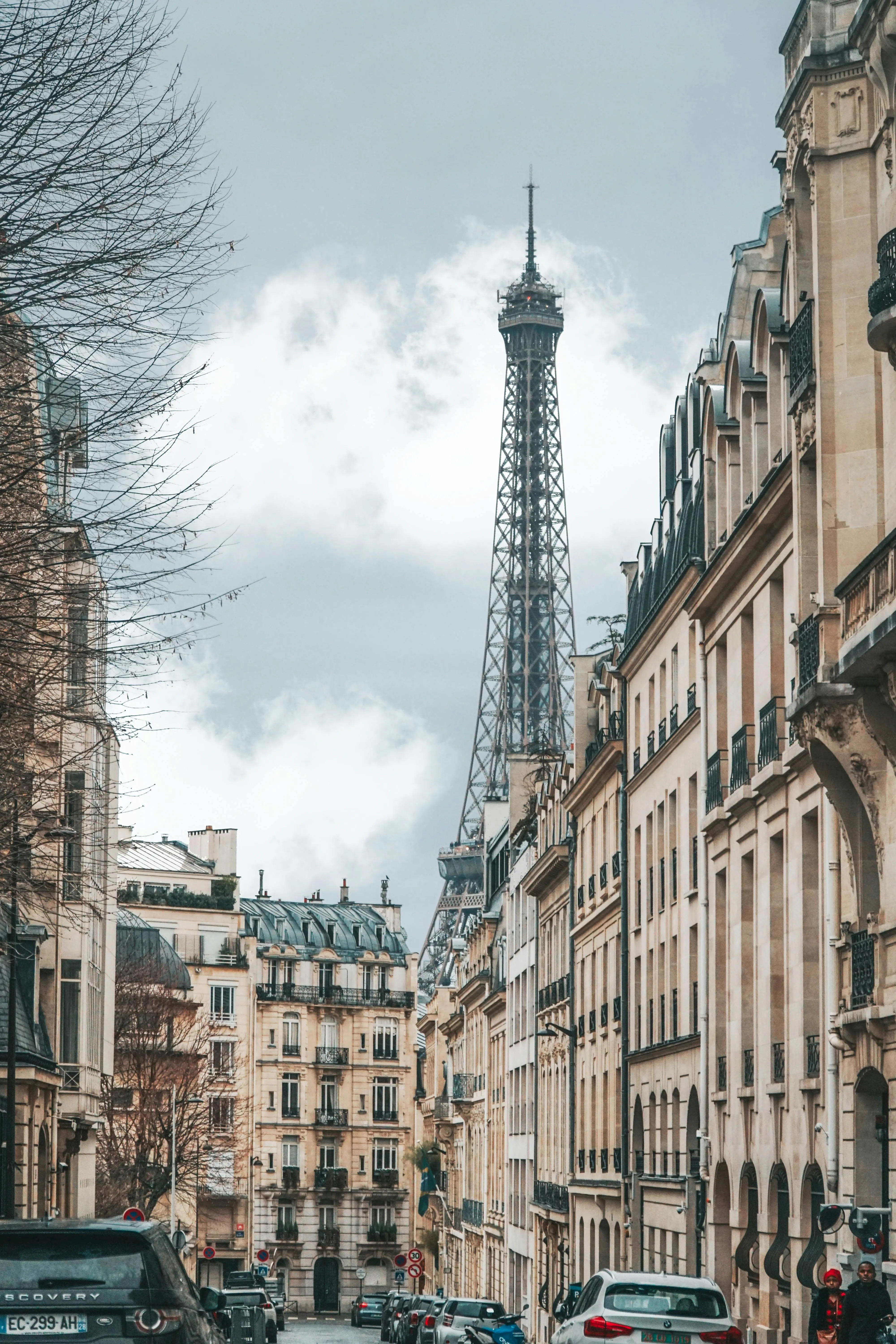
The 7th arrondissement around the Eiffel Tower offers well-maintained streets, low crime rates, and residential character — but "residential" here means quiet, not convenient.
Eiffel Tower area studios €1,800+/month — you're paying for the view and safety, not café culture
Nearest dense dining: 15-minute walk toward Saint Germain des Prés or across to the 16th (even quieter)
The 7th is one of the safest neighborhoods in Paris alongside the 6th — families raising children, academic institutions nearby, calm after dark
Works if your days are structured around remote work from home and occasional sightseeing — less so if you want spontaneous evening options
Staying near the Eiffel Tower makes sense for a long weekend maximizing monument proximity — beyond that, the lack of neighbourhood density becomes isolating.
Notre Dame Proximity Versus Latin Quarter Depth
Most visitors conflate "near Notre Dame" with "in the Latin Quarter," but the cathedral sits on the boundary — stay south of it to access actual neighborhood life.
Streets immediately surrounding Notre Dame (île de la Cité, Quai Saint-Michel) are tourist corridors with limited residential infrastructure
Two blocks south into the Latin Quarter (Rue de la Huchette, Rue Mouffetard) shifts from sightseeing to student cafés and food shops
The Latin Quarter balances walking distance to Notre Dame with budget-friendly dining and affordable furnished apartments in Paris
You lose monument views but gain functional daily routines — the trade-off most people prefer after their first three days in Paris
If Notre Dame is your anchor, stay in the Latin Quarter and walk to it — not the reverse.
How to Book a Furnished Apartment in Paris Without the Usual Frustration
Paris rentals operate under different rules than most European cities — shorter-term furnished lets face legal restrictions, and landlords expect you to move quickly once you express interest.
Understanding Paris Rental Timelines and Lease Structures
The difference between booking a flat in Saint Germain versus booking one in Berlin is that Paris landlords expect commitment within 24-48 hours of viewing.
Furnished rentals under 12 months ("location meublée") require one month deposit plus first month upfront — no negotiation on timing once you confirm
Most landlords on platforms list properties 2-4 weeks before availability — searching three months ahead yields almost nothing
Saint Germain des Prés and the Marais move fastest — if a reasonable price appears, assume it will be gone within two days
Budget €100-150 for agency fees if using a broker — direct bookings through RentRemote for fully furnished apartments in Paris avoid this
If you need to view before committing, book a week in a short-term rental first — trying to coordinate remote viewings from another country rarely works here.
What Documentation Paris Landlords Actually Require
French rental applications ask for more paperwork than most cities, but the standards relax slightly for furnished short-term lets versus traditional leases.
Passport copy, proof of income (last three pay stubs or bank statements), proof of employment — remote workers should have a signed contract or incorporation documents ready
Guarantor requirements apply mainly to unfurnished long-term leases — most furnished rentals under six months skip this for non-EU renters
Some landlords near major sites request "attestation d'hébergement" (proof of previous address) — a utility bill from your home country suffices
Expect landlords in Saint Germain and the 7th to ask more questions than those in the 10th or 11th — the arrondissement price point correlates with screening intensity
Have your documents translated into French if staying longer than three months — it accelerates the process and signals you understand how Paris operates.
When to Book Direct Versus Using a Platform
Direct landlord bookings in Paris save agency fees but require navigating French tenant law — platforms handle the legal framework for you at a reasonable price.
St Germain des Prés is one of the safest areas at night, with well-lit streets and consistent foot traffic until late hours.
Platforms provide standardized contracts in English, damage deposit protection, and metro lines proximity filters — worth the 10-15% markup for first-timers
Facebook groups (e.g., "Paris Apartment Rentals") list direct options but require vetting landlords yourself — scams target travelers seeking below-market rates
Well connected neighborhoods (Marais, Saint Germain des Prés, Bastille) have more platform inventory than residential areas like the 15th or 16th
Book direct only if you speak conversational French or have a local contact who can review the lease terms
The €200 you save booking direct often disappears in miscommunication or undisclosed utility costs — platforms justify their fees here.
Safety, Noise, and Practical Realities by Neighborhood
Paris safety varies less by violent crime (rare across the entire city) and more by petty theft concentration and evening street activity. St Germain des Prés attracts both tourists and locals, meaning streets can be noisy until midnight, especially near Café de Flore.
Where you choose to stay in Paris affects noise levels significantly—avoid ground-floor apartments on busy streets like Boulevard Saint-Germain.
Which Neighborhoods Have Persistent Noise Issues
Noise in Paris concentrates around nightlife corridors and major transit connections — the neighborhood reputation matters less than which specific block you choose.
Rue Oberkampf (11th), Rue de Lappe (11th), and streets surrounding Bastille stay loud past midnight Thursday-Saturday — avoid ground floor apartments here
Saint Germain des Prés side streets (Rue de Buci, Rue Grégoire de Tours) get tourist noise until 11pm but quiet down faster than the Right Bank party zones
Residential areas like the 7th, 15th, and 16th rarely have noise complaints — the trade-off is fewer dining options within a few blocks
Courtyards ("cours intérieures") reduce street noise significantly — prioritize apartments listing courtyard views if you need silence for calls
If you work late-night hours with US clients, slight neighborhood noise matters less than apartment positioning — a fifth-floor flat in the Marais sleeps quieter than ground floor in the 7th.
Pickpocketing Zones and What Actually Works to Avoid Them
Pickpocketing in Paris targets specific locations, not entire neighborhoods — knowing the five highest-risk spots reduces your exposure more than choosing between arrondissements.
Metro lines 1, 4, and RER B during rush hour (8-9:30am, 5:30-7pm) — keep bags front-facing, especially near Châtelet-Les Halles and Gare du Nord
Tourist perimeter: Eiffel Tower, Louvre Museum, Sainte Chapelle, Sacré-Cœur — thieves work the queues, not the museums themselves
Locals alike avoid checking phones near Gare du Nord platforms — distraction theft spikes here more than anywhere else in the city
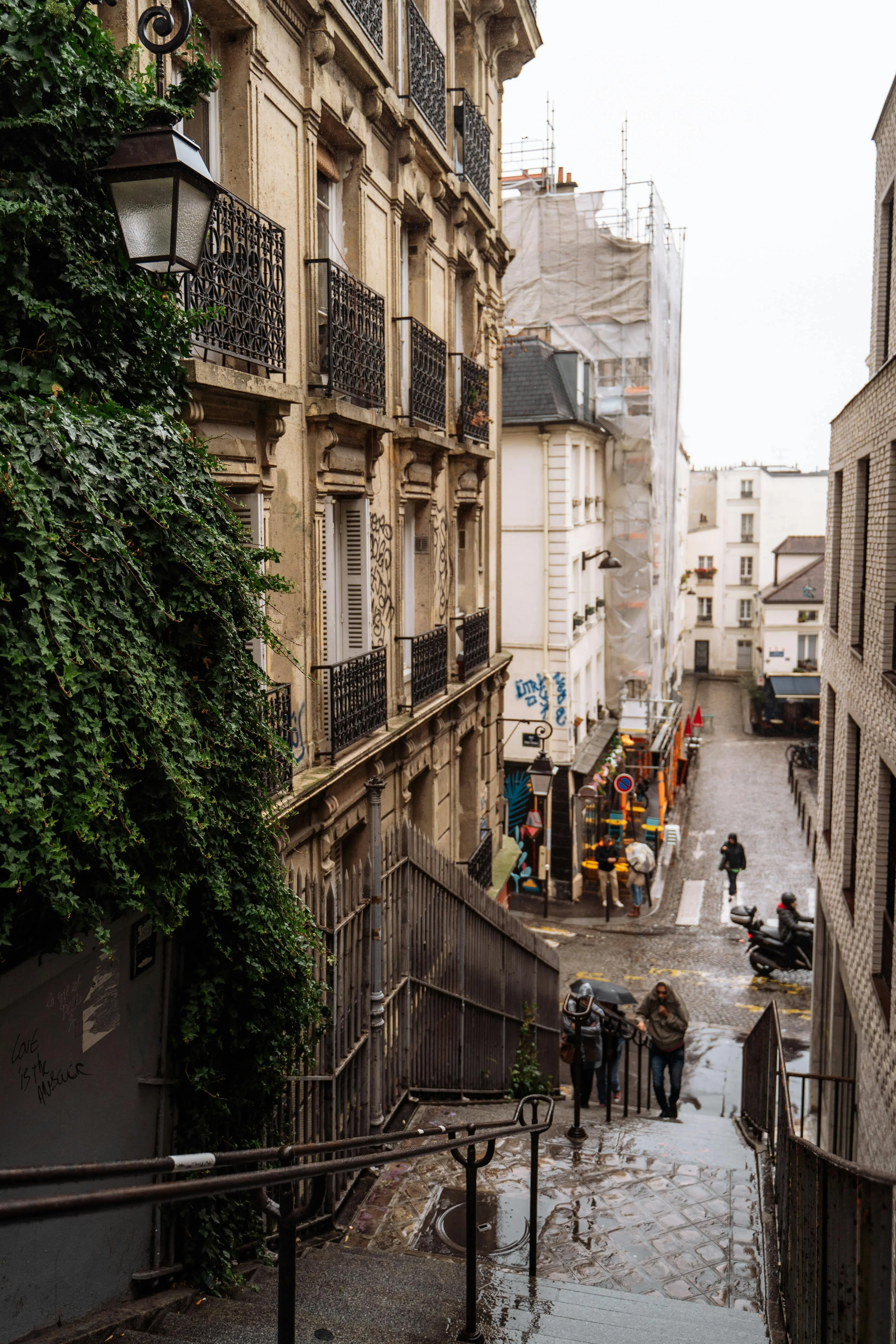
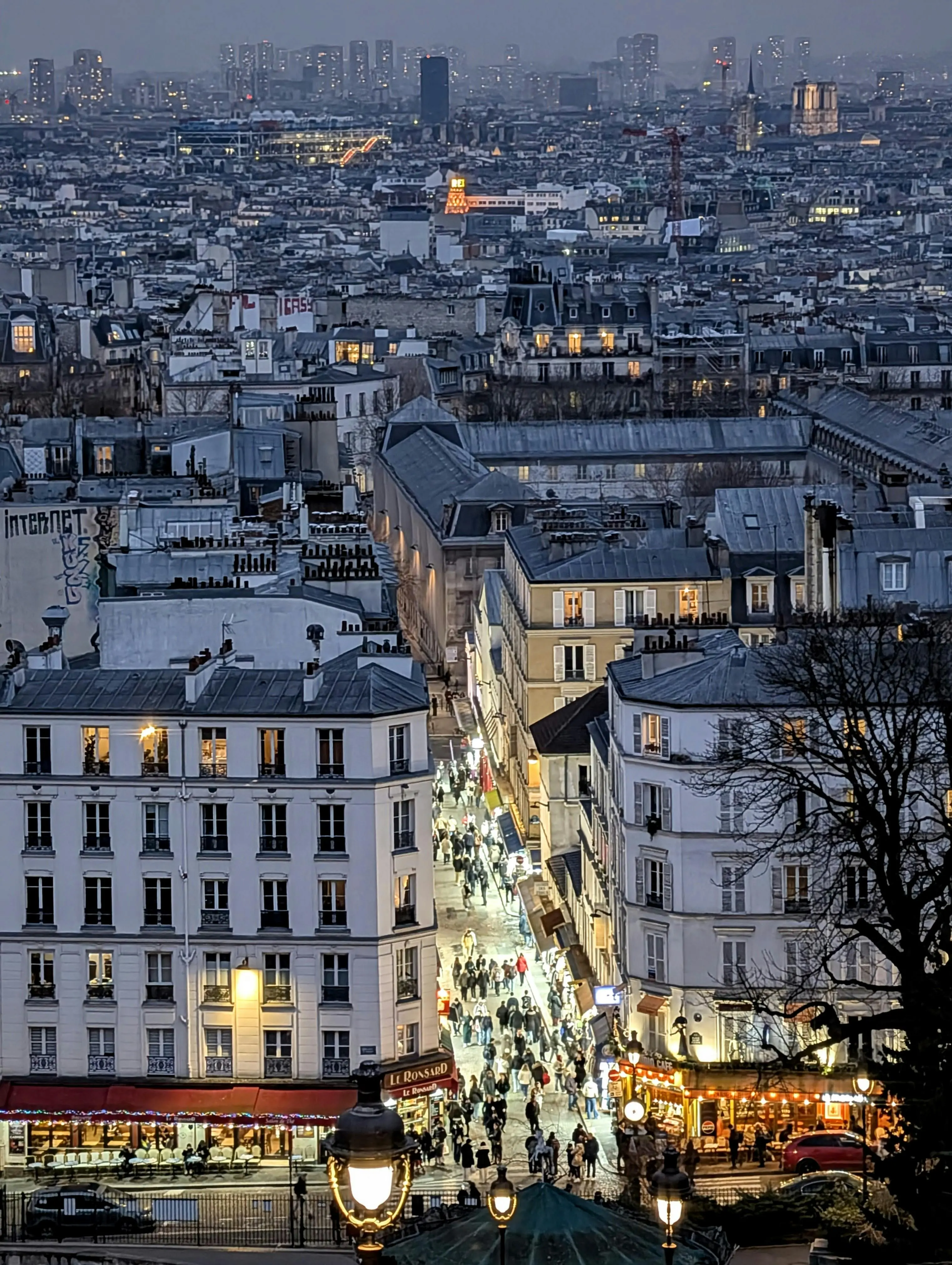
Montmartre steps below Sacré-Cœur and the pedestrian bridge to île de la Cité — crowded chokepoints where groups work together
After six weeks in Paris you will stop thinking about this — the learning curve is shorter than the warnings suggest.
How to Identify Safe Versus Uncomfortable Streets After Dark
Paris safety after dark depends more on pedestrian density than lighting or police presence — empty streets feel less safe here than in smaller European cities.
Saint Germain, the Marais, and the Latin Quarter maintain foot traffic past midnight — comfortable walking home from dinner or a cocktail bar at any hour
The Right Bank above République and the 18th beyond Montmartre's tourist center thin out after 10pm — not dangerous but noticeably quieter
The 15th and 16th feel residential rather than unsafe, but you will default to ride-sharing after evening events due to limited metro lines serving these areas late
Women walking alone report feeling safest in the 5th, 6th, 7th, and central Marais — these neighborhoods have the most consistent evening activity
If a street feels uncomfortable, it usually is — Paris rewards intuition more than guidebook reassurance.
Real-World Commute Times Between Neighborhoods and Major Work Hubs
Paris transit connections mean commute time matters more than geographic distance — some cross-city trips take less time than short distances with transfers.
Latin Quarter to Opéra (major coworking zone): 15 minutes direct on Line 4 — same time as Marais to Opéra despite being farther
Bastille to Champs de Mars: 25 minutes, one transfer — longer than it looks because no direct metro lines connect them
Saint Germain des Prés to Gare de Lyon (for weekend train trips): 10 minutes on Line 10 — well connected despite being in opposite directions from Notre Dame
Montmartre to Latin Quarter: 30 minutes minimum, always requires a transfer — the Seine River creates a psychological divide here
Test your potential commute on Google Maps during your first exploratory week — Paris metro frequency is excellent, but transfer points slow you down more than the distance suggests.
Spending a weekend exploring the best neighborhoods on foot—from Le Marais to Montmartre—helps you feel the distinct vibe of each area.
Choosing Between Short-Term Testing and Committing to One Neighborhood
Most remote workers either book one month in a single neighborhood or split their first month between two — both approaches work depending on how much you value stability versus comparison data.
Testing a neighborhood with a one-week stay in Paris before committing to a monthly lease can save you from costly mistakes.
The Case for Staying in One Neighborhood for Your Entire Trip
Committing to one neighborhood from the start works if you prioritize building routines over maximizing variety — Paris rewards familiarity more than most cities.
You skip the second-week reset (finding new bakeries, new café laptop policies, new grocery stores) — this matters more in Paris than cities with homogenous commercial districts
Landlords offer better rates for 2-3 month bookings than month-by-month extensions — committing upfront can save €200-400 across a quarter
Saint Germain, the Marais, and the Latin Quarter all support month-long stays without feeling repetitive — each has enough depth that you will still find new places in week eight
Travelers seeking to integrate with locals (language exchanges, regular yoga studios, Ground Control events) gain traction faster staying put
If your goal is settling into Paris rather than surveying it, pick one neighborhood and commit — the payoff is compounding familiarity, not variety.
When Splitting Your Time Between Two Neighborhoods Makes Sense
Booking two weeks in the Marais followed by two weeks in Saint Germain gives you comparison data without the friction of moving mid-month.
Best for first-time remote workers in Paris who want to make an informed decision before a longer return trip
Lets you test Right Bank energy (Marais, Oberkampf) versus Left Bank calm (Saint Germain des Prés, Latin Quarter) — your preference often surprises you
Costs €100-150 more than staying put (moving services, duplicate setup time) — worth it if you are deciding where to base yourself for a quarter or longer
Splitting between adjacent neighborhoods (10th and 11th, or 5th and 6th) reduces moving friction but limits the usefulness of the comparison
If you are planning a three-month stay but unsure which neighborhood suits you, spend the first month split-testing rather than guessing — you will still have eight weeks to settle in afterward.
How Weather and Seasonality Change Neighborhood Preferences
Paris in August versus Paris in February shifts which neighborhoods feel most livable — outdoor café culture is not just ambiance, it is infrastructure.
The best neighborhoods for remote work combine coworking spaces, reliable Wi-Fi cafés, and grocery stores within a 5-minute walk.
May-September: neighborhoods with parks and outdoor seating (Marais near Place des Vosges, Latin Quarter near Luxembourg Gardens) justify higher rent
November-February: indoor café density matters more — Saint Germain des Prés and the southern Marais have the most heated terraces and all-day work-friendly spaces
August sees locals leave for vacation — Saint Germain and the 7th quiet down noticeably, while tourist-dependent areas (Latin Quarter, Montmartre) stay busy
Winter travelers seeking fewer crowds get better value in residential areas (15th, 10th) where café culture does not depend on outdoor seating
If you are planning a group trip or romantic getaway in winter, prioritize neighborhoods with dense indoor options — summer visitors have more flexibility.
The best place to stay in Paris ultimately depends on whether you prioritize work-life balance, nightlife access, or cultural immersion. Most digital nomads find their ideal long-term stay in Paris falls somewhere between the 3rd, 10th, and 11th arrondissements.
Conclusion: Which Paris Neighborhood Matches Your Actual Priorities
Paris does not reward improvisation the same way Barcelona or Lisbon might — the neighborhood you choose shapes your daily routines more than your sightseeing plans. If you need work-life integration and walkable infrastructure, the Marais and Saint Germain des Prés justify their cost. If you prioritize budget and authentic residential rhythms, the 10th and 11th offer better value with minor trade-offs in polish.
The Latin Quarter splits the difference for most remote workers — enough density to avoid isolation, enough affordability to extend your stay. Test one neighborhood for two weeks rather than trying to see the entire city at once. Paris opens up when you stop treating it like a checklist. Browse fully furnished apartments in France and book a place that gives you a reason to stay longer than you planned.