

Daniel
Productivity & Remote Living Analyst ·
Paris Monthly Rentals: A Practical Guide to Finding the Right Place for Longer Stays
Paris is one of Europe’s most rewarding cities to settle into for a month or longer—but it’s also one of the most competitive. Paris monthly rentals sit at the intersection of high demand, strict regulations, and limited supply, which means finding the right apartment takes more than scrolling listings. Prices vary sharply by neighborhood, furnished contracts come with specific legal rules, and paperwork is often non-negotiable.

This guide is designed to help you understand how monthly renting actually works in Paris, so you can make informed decisions before you start reaching out to landlords or agencies. Whether you’re planning a one-month stay, a longer remote-work base, or a temporary move abroad, knowing what to expect upfront saves time, money, and frustration.
In this guide, you’ll learn:
-
What “monthly rentals” really mean in Paris and how furnished contracts work
-
Typical rent ranges for studios, shared rooms, and two-bedroom apartments
-
Which neighborhoods are well suited for longer stays, from Montmartre to the Marais
-
Where to search, including local platforms and expat groups
-
How to prepare your dossier and book with confidence
From morning walks along the Seine to working from a modern apartment near local cafés and bakeries, finding the right place can turn a short stay into a genuinely comfortable chapter in the city.
Understanding Paris Monthly Rentals and How They Work
Paris monthly rentals operate under a very specific legal and market framework. Unlike many cities where month-to-month renting is informal, Paris treats longer stays as regulated housing, even when the stay is temporary. Knowing how this system works upfront helps you avoid wasted applications and unrealistic expectations—especially in a city where demand consistently outweighs supply.
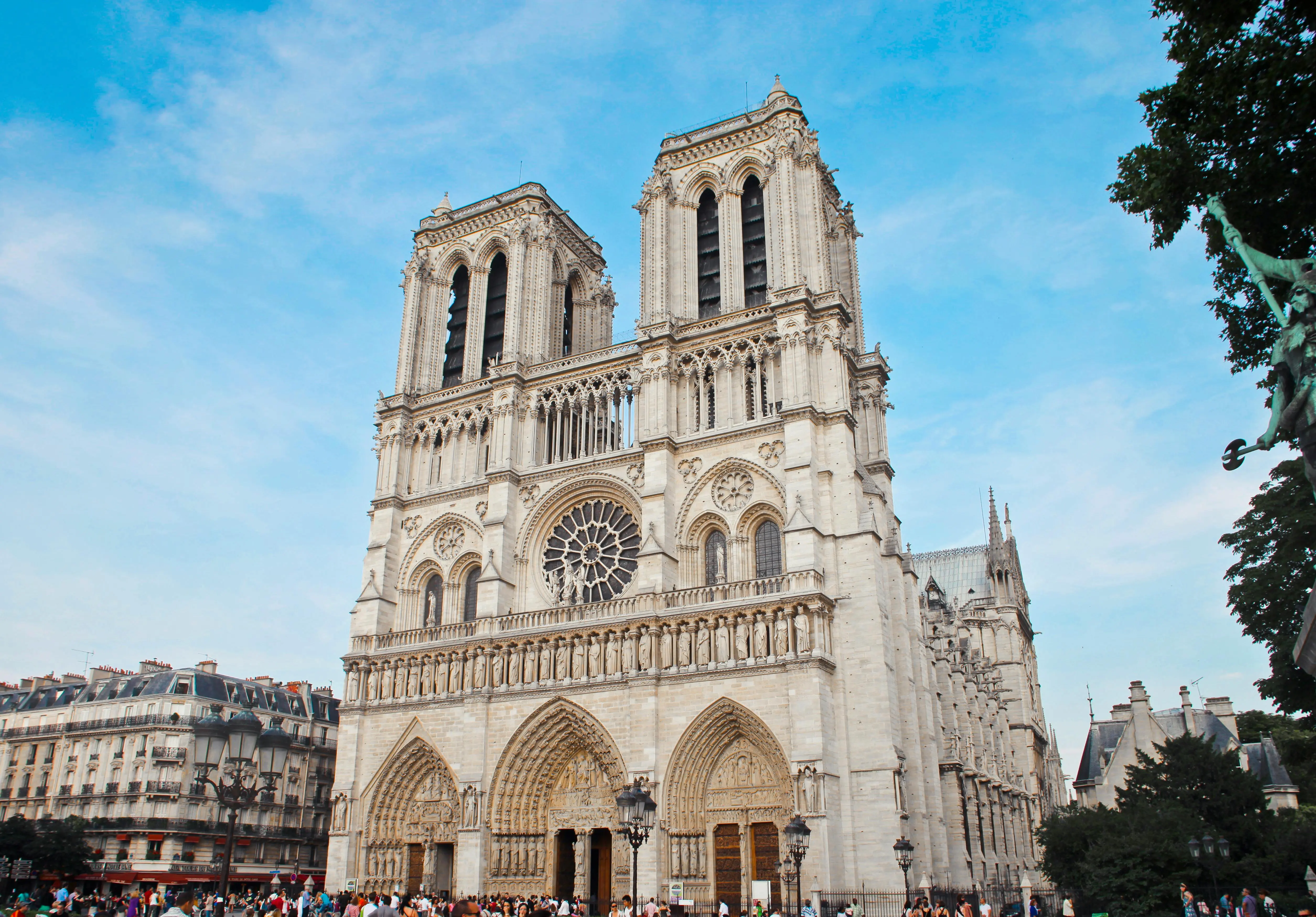
What Counts as Paris Monthly Rentals
In Paris, monthly rentals usually refer to furnished apartments rented for a defined period, most commonly between one month and ten months. These are not short tourist lets, and they are not traditional open-ended leases either.
Most paris monthly rentals fall under a furnished rental contract, often a bail mobilité, which is designed for:
-
Remote workers and professionals on assignment
-
Students enrolled at a university
-
Expats relocating temporarily
-
Travelers staying abroad for work or study
This contract type allows flexibility without long-term commitment, but it comes with strict documentation requirements and clearly defined start and end dates. Unfurnished long term rentals usually require multi-year commitments and are far less accessible to non-residents.

Monthly Rent, Utilities, and Real Costs
Monthly rent in Paris is among the highest in France, especially for furnished accommodation in central neighborhoods. Typical price ranges include:
-
€600–€900 for shared rooms
-
€800–€1,300 for a studio
-
€2,000–€3,000+ for a two bedroom apartment
On top of rent, utilities generally add €100–€200 per month, depending on building age and energy performance. Tenant insurance is mandatory, and security deposits for furnished apartments are usually one to two months of rent.
Rent is also legally capped based on the district and building type, which means prices near the Eiffel Tower, the Seine, or in historic areas like the Marais follow regulated limits—even if demand is extremely high.
Why Paperwork Matters More Than Location
Strong tenant protection laws mean landlords are cautious. A complete application dossier typically includes identification, proof of income (usually three times the rent), and sometimes a guarantor. Even well-located apartments in popular areas like Saint-Germain-des-Prés or near major transport hubs can be lost quickly if documentation isn’t ready.
This is why many renters start by narrowing their search to a few neighborhoods, then prepare paperwork before booking viewings or submitting requests.
Understanding how paris monthly rentals work turns the search from overwhelming into manageable—and sets you up to focus on finding the right apartment, not fighting the system.
Paris Furnished Apartments: What You Actually Get
Settling in for a longer stay is easier when you land somewhere that already functions like a home, not a temporary crash pad. Paris furnished apartments are built for that reality: you arrive with luggage, plug in, and get on with your week. But “furnished” can mean anything from bare-minimum basics to a space that actually feels comfortable for day-to-day life, so it’s worth knowing what’s standard—and what you should actively look for.
What Defines Furnished Apartment Rentals in Paris
At a minimum, furnished apartments must include core household items so tenants can live normally without buying furniture on day one. A fully furnished apartment usually covers sleeping, seating, storage, and kitchen basics. Many listings are also fully equipped for everyday life, often including internet access, cooking gear, and linens.
If you’re planning to work regularly from your place, prioritize listings that clearly show:
-
A real desk setup (not a corner of the dining table)
-
Stable internet details (router shown, speed noted, or confirmed in writing)
-
A quiet layout (bed away from the work area, doors that close, decent sound separation)
Local checks that help in real life: before you book, scan the map for practical anchors within a short walk—Monoprix for groceries, a neighborhood bakery, and a metro line that won’t turn every commute into a project.
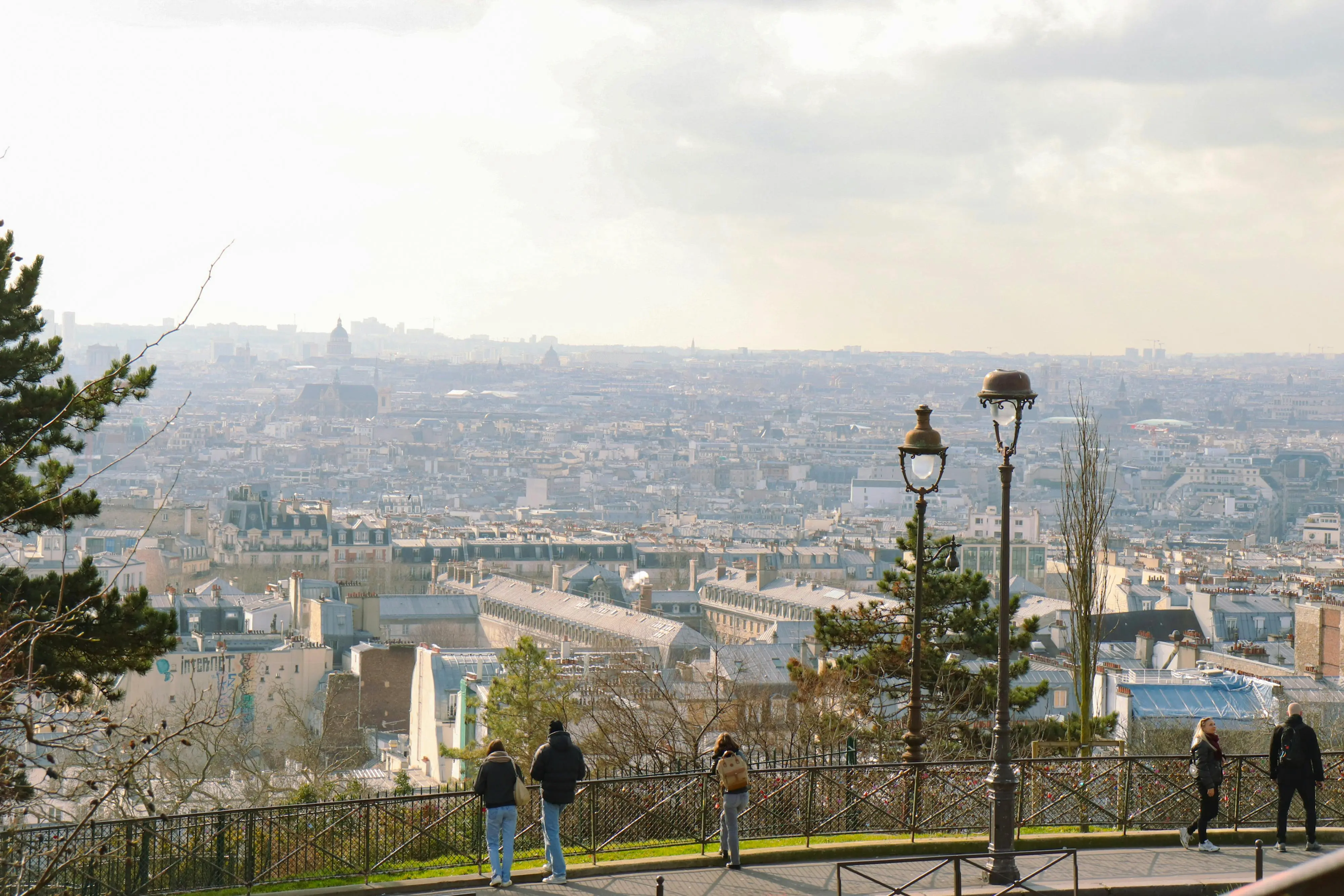
What Varies From One Apartment to Another
This is where quality differences show up fast. A modern apartment can mean better insulation, newer plumbing, and fewer surprises—while older buildings can be beautiful but quirky (stairs, smaller bathrooms, and heating that has its own personality).
To get a feel for the surroundings, use local “reality checks” based on the area:
-
Canal Saint-Martin** (10th Arrondissement):** If you want a neighborhood that’s easy to live in, walkable, and full of everyday energy, check what’s around Quai de Valmy and Quai de Jemmapes. The waterside is great for a morning reset, and the streets nearby are packed with cafés that make remote days more enjoyable.
-
Le Marais: For a stylish base with excellent food options, aim near Rue de Bretagne and Marché des Enfants Rouges. It’s a practical anchor for lunches, groceries, and quick meals without defaulting to tourist traps.
-
Latin Quarter: If you want to be near a university atmosphere and classic bookshop streets, look near Place de la Contrescarpe and along Rue Mouffetard, where daily life is built around markets, casual bites, and walkability.
-
7th Arrondissement** (Eiffel Tower area):** If you’re paying for postcard proximity, sanity-check the nearby daily routine: pick listings close enough to stroll to Rue Cler for groceries and simple meals, so the neighborhood feels livable—not just iconic.
When comparing listings, don’t just count bedrooms and rooms—scan for the small details that change your month:
-
Laundry access (in-unit vs shared vs none)
-
Building entry security (especially late evenings)
-
Natural light and ventilation
-
Pet rules (some places accept pets, others won’t consider it)
A quick shortlist rule: if you’re serious about landing the right place, pick at least three options that match your dates and budget, then compare their photos and descriptions side by side before you send a single message.
If you want to reduce friction, explore fully furnished apartments in Paris that are already set up for longer stays—so you’re not patching together basics during your first week.
The right furnished setup turns the month into something genuinely comfortable: mornings that feel routine, workdays that feel focused, and a neighborhood that starts to feel familiar fast.
Apartment Rentals in Paris: Layouts, Space, and What Works for Longer Stays
Not all apartment rentals function the same once you move past a few nights. Layout, separation, and how space is used matter far more when you’re settling in for longer. In Paris, older buildings, compact floor plans, and neighborhood density mean that understanding layouts upfront helps you avoid places that feel cramped or impractical after the first week.
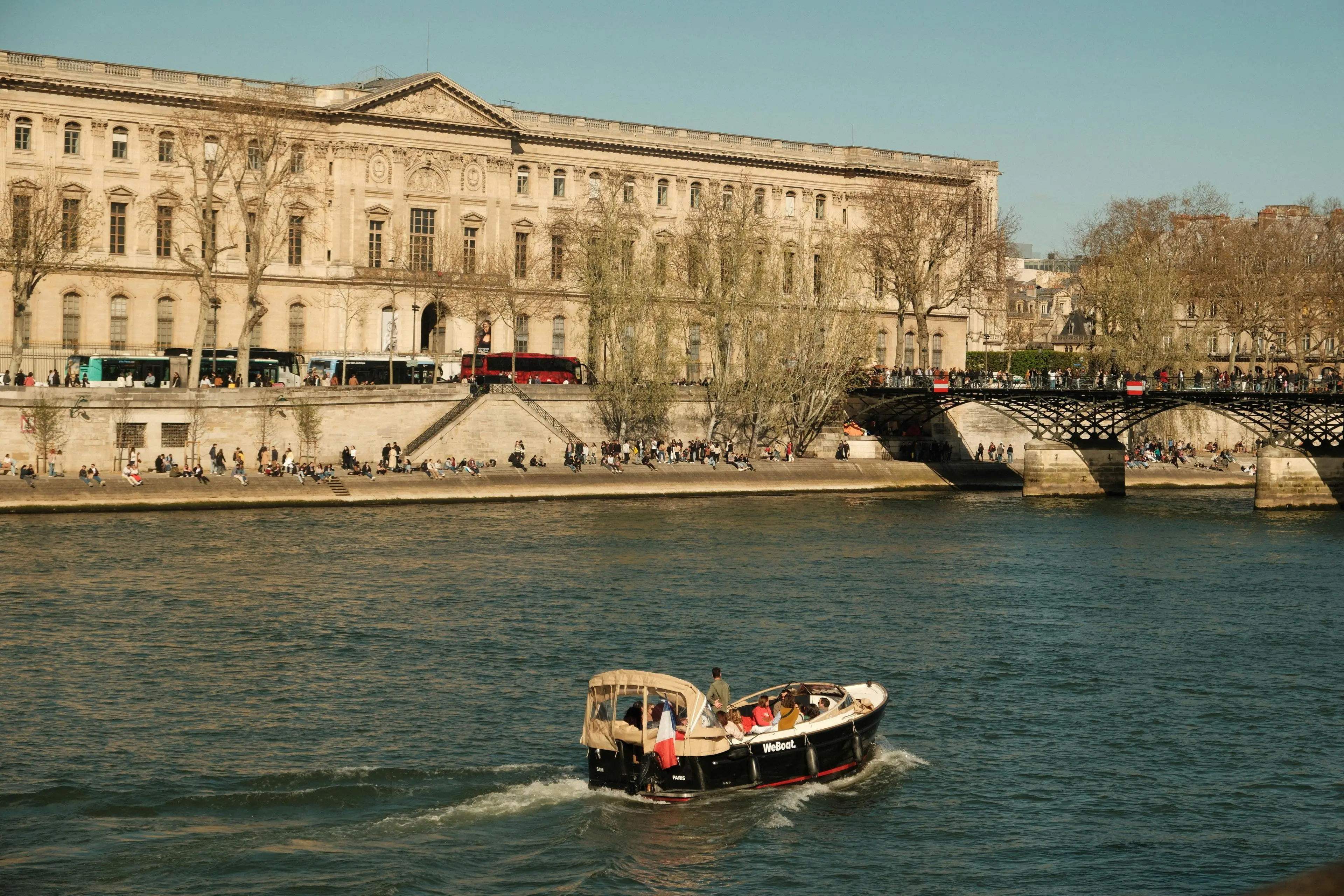
Studios and Compact Layouts for Long Term Stays
A studio is often the most accessible option, particularly in central districts. These layouts combine sleeping, living, and kitchen areas into one open space, which works well if you plan to spend most days outside or working from cafés.
Studios are common:
-
Near the Latin Quarter, close to university buildings and libraries
-
Around Arts et Métiers and République, where transport connections are strong
-
In parts of Montmartre, where location often matters more than size
Studios are best for solo travelers or students who value walkability and simplicity, but storage and separation can be limited.
One- and Two-Bedroom Apartment Rentals
If you’re planning longer long term stays, a separate bedroom makes daily life far easier. A two bedroom apartment is especially practical for couples, friends sharing, or remote workers who want a clear divide between work and rest.
These layouts are more common:
-
In the 14th Arrondissement, which feels residential and balanced
-
Along quieter streets near Parc Montsouris
-
In newer buildings closer to the city’s outer districts
More bedrooms usually mean better separation of rooms, improved comfort, and greater flexibility—especially if you’re sharing.
Modern Apartment vs Older Parisian Buildings
A modern apartment often comes with predictable layouts, better insulation, and easier maintenance. These are increasingly found near redevelopment zones or transport hubs, where buildings are newer and layouts more standardized.
Older buildings, particularly in areas like the Marais or Saint-Germain-des-Prés, bring charm and character but can include:
-
Narrow staircases
-
Smaller bathrooms
-
Limited sound insulation
Neither option is inherently better—the right choice depends on how you plan to live and work day to day.
Choosing the right layout is less about square meters and more about how well the space supports your routine. When apartment rentals match your needs, the city becomes far easier to enjoy.
Rentals in Paris by Neighborhood: Where Apartments Are Well Suited for Longer Stays
When choosing between rentals in Paris, neighborhood fit matters more than square meters. Some areas feel exciting for a weekend but exhausting over a full month. Others don’t photograph as well, yet quietly support everyday routines—groceries, cafés, walks, and workdays that feel manageable.
Below are neighborhoods that consistently work well for longer stays, along with practical, lived-in recommendations to help you picture daily life.
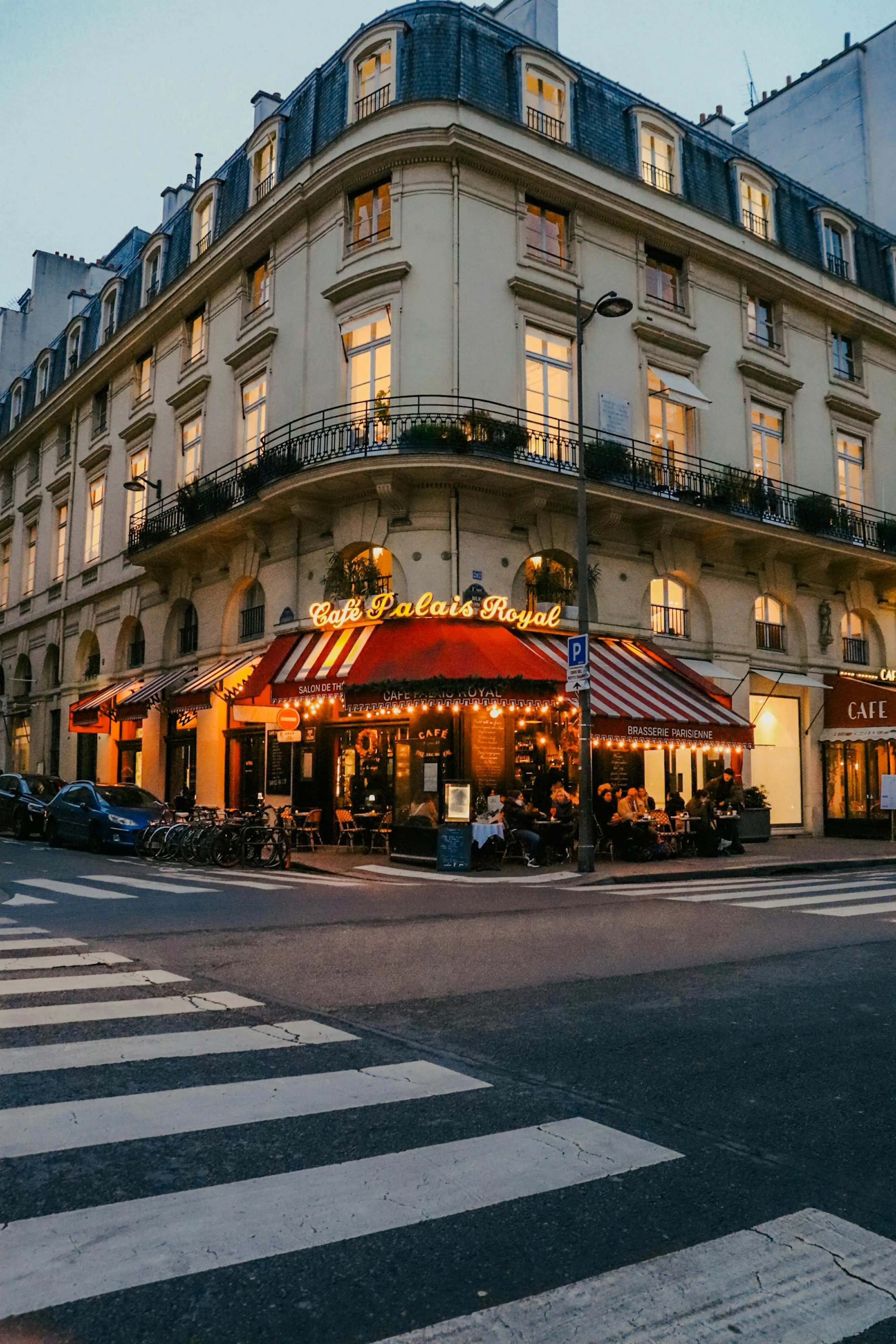
Apartments for Rent Near the Eiffel Tower and the Seine
The 7th Arrondissement offers one of the most stable living environments in the city. While the Eiffel Tower draws visitors, daily life happens a few streets back, especially near Rue Cler, where locals shop for produce, cheese, and bread without battling crowds.
Why this area works long term:
-
Easy routines anchored by Rue Cler and nearby bakeries like Maison Mulot
-
Quiet evenings once tour buses leave
-
Direct walking access to the Seine for breaks or evening resets
Apartments here tend to prioritize comfort and order. It’s a strong option if you value calm, structure, and predictable days over nightlife.
Le Marais: Central Living With Everyday Convenience
The Marais remains popular for a reason: it’s one of the easiest neighborhoods to live in without relying on transport. Streets around Rue de Bretagne and Square du Temple are especially practical for longer stays.
Daily-life anchors include:
-
Marché des Enfants Rouges for quick lunches and groceries
-
Independent bakeries and small food shops clustered within a few blocks
-
Flat streets that make walking realistic even after long days
Apartments here are often smaller, but the neighborhood compensates by reducing friction—you can run errands, eat well, and meet friends without planning your day around transit.
Montmartre: Character-Rich, Best for Slower Routines
Montmartre works best when you treat it like a village, not a viewpoint. Areas near Lamarck–Caulaincourt strike a better balance between charm and accessibility than streets closer to Sacré-Cœur.
What makes Montmartre livable:
-
Residential streets with local cafés rather than souvenir shops
-
Access to small markets along Rue Caulaincourt
-
A quieter pace once you move away from tourist flows
The trade-off is stairs and uneven terrain. If you’re comfortable with that, the neighborhood rewards you with atmosphere and a slower rhythm.
Residential Neighborhoods That Prioritize Space and Balance
For longer routines, districts like the 14th Arrondissement consistently outperform trendier areas. Streets near Alésia and Parc Montsouris offer a more local feel, better layouts, and easier day-to-day living.
Why these areas are well suited for longer stays:
-
Larger apartments with clearer separation of rooms
-
Better chances of finding pet-friendly listings
-
Everyday services—pharmacies, bakeries, markets—without tourist pressure
These neighborhoods don’t sell an image; they sell livability.
Neighborhood Comparison Table: Practical Living Factors
| Neighborhood | Typical Monthly Price | Noise Level | Walkability | Daily Trade-Off |
|---|---|---|---|---|
| 7th Arrondissement (Rue Cler area) | €1,800–€3,000+ | Low evenings | High | Higher price, quieter social life |
| Le Marais (Rue de Bretagne) | €1,500–€2,800 | Medium | Very high | Smaller apartments |
| Montmartre (Lamarck area) | €1,200–€2,400 | Low–medium | Medium | Hills and stairs |
| 14th Arrondissement (Alésia) | €1,100–€2,200 | Low | High | Less nightlife |
| If you want a deeper dive into daily life, housing styles, and price expectations, explore Charonne in our neighborhood guide. |
Choosing the right neighborhood first makes everything else easier—shortlisting apartments, setting expectations, and settling into a routine that actually feels sustainable.
How to Search Apartments for Rent in Paris Effectively
Searching apartments for rent in Paris is rarely about finding listings — it’s about filtering out the ones that won’t work once you start living there. Availability shifts quickly, many properties are taken after a single viewing, and vague descriptions often hide compromises that only surface after you arrive. A structured approach helps you focus on places that can realistically support a full month or longer.
Start With Channels That Match Long Term Rentals
Not every listing platform is designed for longer routines. Many sites mix short tourist lets with options that look flexible but aren’t intended for month-based living.
More reliable channels include:
-
PAP.fr, which allows tenants to deal directly with owners and avoid agency fees
-
Agencies that specialize in furnished accommodation rather than vacation rentals
-
Local Facebook groups such as Paris Expats Apartments, which can surface sublets but require quick responses and careful vetting
At this stage, the goal isn’t variety — it’s relevance. Fewer listings that actually fit your stay length save far more time than broad browsing.
Filter Early and Be Specific
Before reaching out to anyone, lock in your dates, budget range, and preferred neighborhoods. Then apply filters firmly instead of “seeing what’s out there.”
Useful filters include:
-
Specific neighborhoods rather than city-wide searches
-
Price ranges that leave room for utilities and insurance
-
Acceptance of pets, if applicable
-
Clear confirmation of internet access and included amenities
This step removes listings that might look appealing but won’t realistically be available or workable for your stay.
Read Listings for Livability, Not Just Style
Photos often emphasize design, but descriptions usually reveal how a place functions day to day. Look for clarity around:
-
How rooms are laid out and separated
-
What services are included in the rent
-
Whether the apartment is located on a quiet residential street or a busy axis
Listings that explain these details tend to be better managed and easier to secure. If the description avoids specifics, expect friction later.
When A Fully Equipped Work Setup Actually Matters
For people working remotely, one of the most common problems is discovering too late that an apartment technically “works,” but only if you turn the kitchen table into a desk and hope the Wi-Fi holds up. That’s fine for a few days — not for a month.
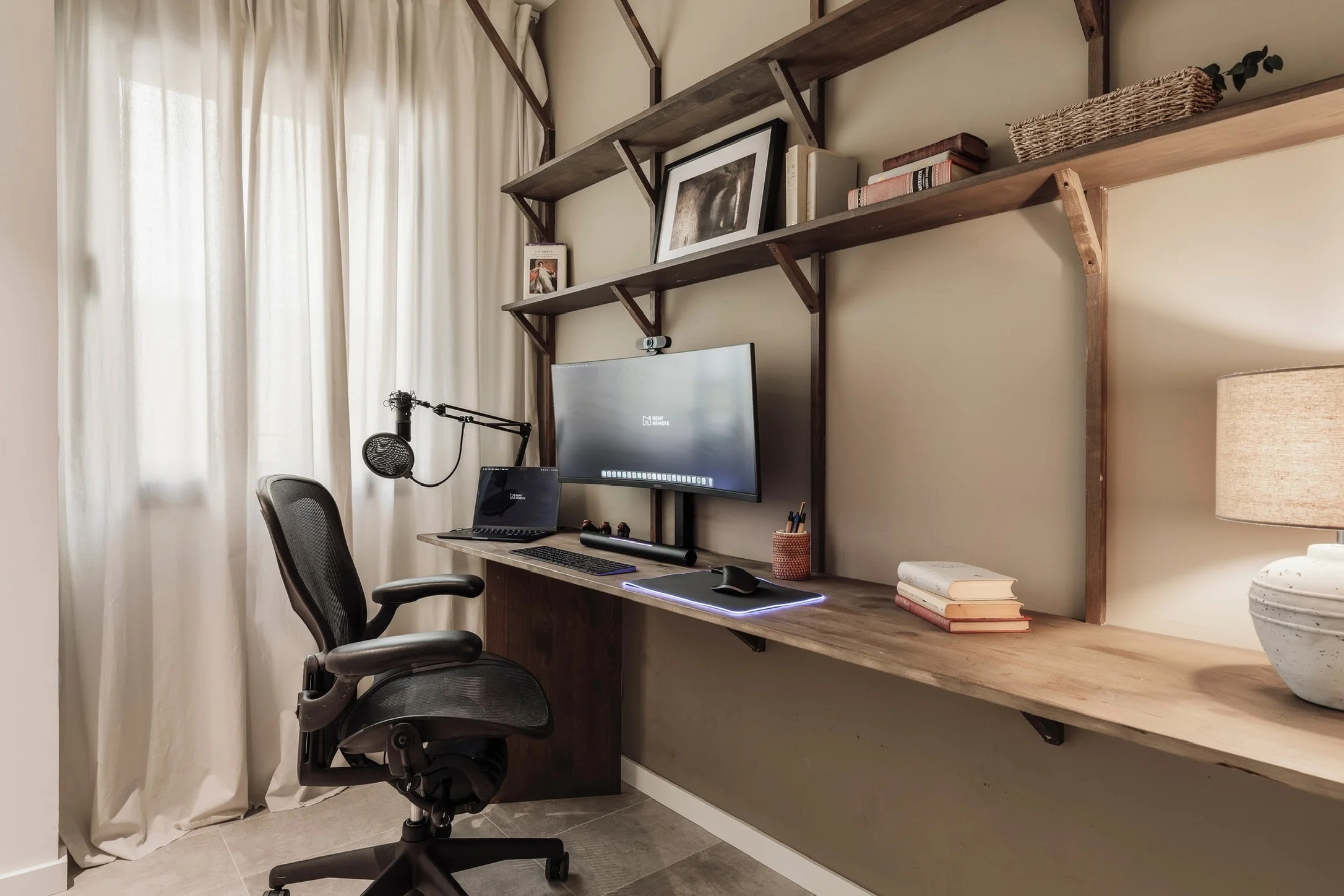
Some listings avoid this entirely by being set up in advance for remote work. Properties listed on RentRemote, for example, come with RentRemote offerings already in place, including fast Wi-Fi and ergonomic workstations, which makes them easier to live and work in without adapting the space after arrival. If that baseline matters to you, starting with fully furnished apartments in Paris that already meet it can save a lot of trial and error.
A good search isn’t rushed. It narrows early, reads carefully, and prioritizes spaces that support how you’ll actually live — not just how they look online.
Choosing a Fully Furnished Apartment Based on Your Stay Length
How long you plan to stay should directly shape the type of place you choose. A setup that works for a short reset can feel cramped after a few months, while something designed for longer routines may be unnecessary for a brief visit. Choosing a fully furnished apartment works best when the space, location, and rhythm of the neighborhood match your stay length.
One Month: Speed, Access, and a Small Daily Radius
For a one-month stay, efficiency matters more than depth. You want to arrive, settle quickly, and spend minimal time managing logistics. Compact layouts are common at this length, especially studios or smaller one-bedroom options in well-connected areas.
What usually works best:
-
Immediate availability for fixed dates
-
Simple confirmation and clear expectations
-
A short walking radius for daily needs
Neighborhoods near Saint-Germain-des-Prés or the edges of the Marais make sense here because errands are effortless. Being close to Rue de Seine, Rue de Buci, or Marché Sainte-Catherine means groceries, cafés, and transport are all within minutes, which matters when time is limited.
Three Months: Routine, Workability, and Neighborhood Feel
At three months, habits form. You start caring about where you buy groceries, which café you default to, and whether your place actually supports daily life. This is where layout and neighborhood character matter more than proximity to landmarks.
For a three-month stay, look for:
-
Clear separation between living and sleeping areas
-
Enough storage to avoid living out of bags
-
A neighborhood that feels consistent day to day
Areas like the 14th Arrondissement around Alésia or streets near Canal Saint-Martin tend to be perfectly suited for this length. You get local markets, bakeries, and quieter evenings, plus reliable transport without the constant churn of short-term visitors.
Six Months: Comfort, Space, and Living Like a Local
At six months, you’re no longer “staying” somewhere — you’re living there. The apartment needs to support full routines, and the neighborhood needs to hold up over time.
At this length, prioritize:
-
Comfortable seating and work areas used every day
-
A layout that supports privacy and routine
-
A residential environment with repeatable habits
Neighborhoods such as Batignolles, the residential parts of Montmartre away from the hilltop, or areas near Parc Montsouris are often well suited for longer stretches. These areas reward familiarity: the same bakery, the same produce stand, the same evening walk — things that matter once novelty fades.
Practical Details to Confirm Before You Book
Before committing, it’s worth slowing down and confirming a few practical details that are easy to overlook when listings look similar on the surface. These checks help ensure the accommodation you’re considering actually aligns with your expectations, stay length, and day-to-day needs.
Confirming Availability, Contact Details, and Next Steps
Once you’re interested in a property, the first step is to confirm availability for your exact dates and intended length of stay. Many listings appear current but are already under discussion, especially during peak months.
When you reach out, make sure you have:
-
A clear contact point for follow-up
-
A valid phone number or messaging option if clarification is needed
-
The full address, so you can verify the surrounding area
-
A reliable website or listing page to reference
It’s normal to send a short request expressing interest and asking about next steps. If something is unclear, don’t hesitate to ask—transparent responses early usually indicate smoother communication later.
Comparing Properties by Features, Not Just Price
When choosing between multiple properties, price alone rarely tells the full story. Two listings at the same rate can feel very different once you factor in layout, access, and shared resources.
When comparing apartments for rent, look beyond the headline number and check:
-
Included features such as internet quality or workspace setup
-
Building facilities, like laundry access or secure entry
-
Whether the unit is a furnished flat designed for longer routines
-
Proximity to the center of your daily activities rather than tourist sights
The most ideal option is often the one that reduces friction in everyday life, even if it isn’t the cheapest.
When It Makes Sense to Consult Advisors
If you’re booking from abroad, working to a tight timeline, or navigating unfamiliar requirements, it can help to consult someone who understands the local process. Some renters prefer to involve advisors or a support team to assist with clarification, documentation, or coordination.
This kind of support is especially useful if:
-
You’re balancing work commitments while planning
-
Multiple properties are under consideration
-
You want reassurance before confirming
A little assistance at this stage can prevent delays and misunderstandings later.
Finding the Right Monthly Rental in France Without Second-Guessing Your Choice
Finding the right place for a longer stay is less about chasing the perfect listing and more about aligning expectations early. Once you understand how monthly renting works, which neighborhoods support everyday routines, and what details matter before you book, the process becomes far more manageable. The best outcomes usually come from narrowing options calmly, confirming practical details upfront, and choosing accommodation that supports how you actually plan to live and work.
France offers a wide range of longer-stay options beyond short tourist lets, especially in cities where furnished rentals are designed for flexibility and comfort. When the setup matches your stay length and routine, the apartment stops feeling temporary and starts to feel settled much faster.
If you’re planning additional time in France or considering other cities beyond Paris, it’s worth exploring fully furnished apartments in France that are ready for longer stays and everyday living.