Mexico DF: Why the Name Still Shows Up
This isn’t a hidden city—it’s just the old name for today’s Mexico City. For decades, the capital was officially known as the Distrito Federal (or federal district), a term used in contracts, IDs, and by nearly all residents.
That changed in 2016, when reforms gave the country’s largest city more autonomy and a new constitution under the name Ciudad de México.
Still, the phrase hasn’t disappeared. You’ll hear people across Latin America and even local guides casually drop “DF” into conversation. It lingers in part because it was the way generations called the capital, and old paperwork still carries the wording.
You’ll still see DF referred to in:
-
Tour listings still tagged DF
-
Old apartment deeds
-
Locals in conversation
The truth is, “Mexico DF” is less about geography and more about memory. It’s shorthand for the same sprawling metropolis that has always been located at the heart of Mexico, layered with ruins, churches, parks, and neighborhoods stretching to the north, east, and on all three sides of the historic center.
It remains the seat of government and power, home to world-class museums, and the beating heart of the country—whatever name you choose to use.
Life in the Federal District Before 2016
For most of the 20th century and well into the 2000s, the federal district was the official way to describe what the world now knows as Mexico City. IDs, contracts, and utility bills all stamped the words “Distrito Federal,” and residents used them without thinking twice.
To say you lived in the “DF” was to tie yourself to the beating heart of the country’s capital, the largest metropolis in Latin America.
The name carried weight. It was how the federal government ran its business, how the population of millions was tallied, and how power and politics were concentrated at the site of an ancient empire.
Everyday Life in the Old Ciudad de Mexico
Life in the DF meant chaos and charm rolled into one. Traffic clogged the streets on all three sides of the historic center, yet just around the corner you could stumble on a hidden church, leafy parks, or Aztec ruins tucked under colonial period stonework.
The Spanish conquest and the era of New Spain left their mark, layering temples with churches and palaces with museums.
This wasn’t just history on display. It was part of daily identity. People proudly said, “Soy del DF”—I’m from the DF. That phrase meant more than geography.
It was pride in living at high elevation, on an ancient basin once ringed by lakes and islands, where the empire of Tenochtitlán once stood.
What People Living in the DF Remember Most
-
IDs and contracts always referred to the Distrito Federal
-
Cheap tacos at 5 pesos—compared to 25 pesos today
-
Neighborhoods buzzing with people living close to mercados and corner cafés
-
The pride of being called a chilango in the capital
-
A sense of power and politics centered right where the federal government sat
Pride in the Capital of Mexico
The DF was more than a label. It was a way to describe a city that remained the cultural and political anchor of the country.
Its residents carried the name like a badge, knowing they were part of something massive: a capital located at the crossroads of north, south, east, and west.
The nickname held because life in the DF was lived in extremes—half chaos, half magic. The streets were hectic, the population in the millions, the food cheap, and the museums world-class.
It was the capital in its own right, long before the political reforms of 2016 and the new acronym that would reshape the way the city was officially called.
After 2016: The Rise of Ciudad de México
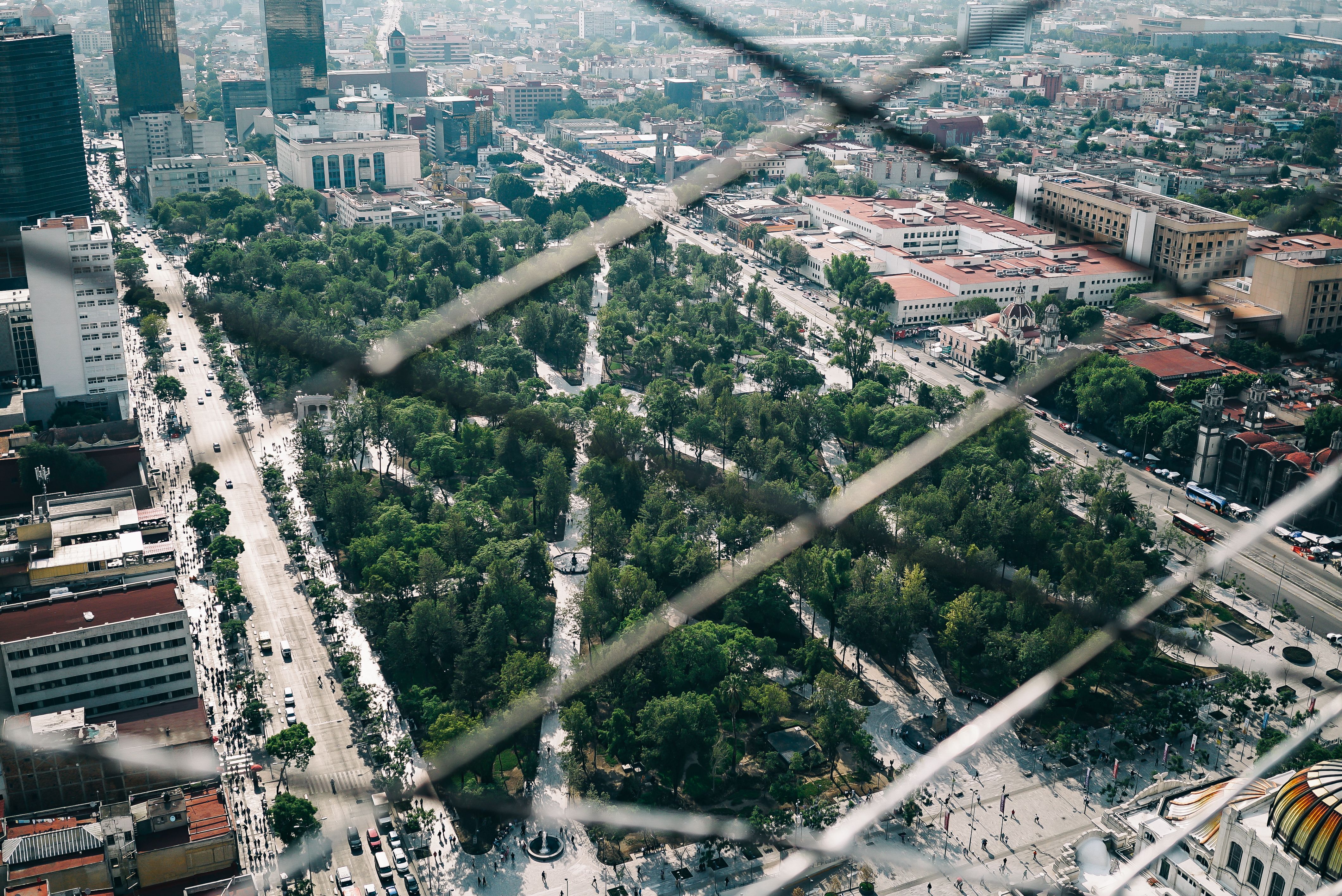
When the political reforms of 2016 kicked in, the Distrito Federal disappeared from official use. The city was rebranded as Ciudad de México, or CDMX for short. A new constitution confirmed its status as the capital in its own right, no longer just a district run by the federal government.
The change wasn’t just about paperwork. Overnight, DF city proper was called by a new acronym, and the population of millions quickly saw it splashed across billboards, metro stations, and even souvenir T-shirts. The reform was about politics and power, but it also reshaped daily life.
A City That Began to Show Off Its New Identity
CDMX branding is everywhere now. Tickets for museums, your driver’s license, even umbrellas at tourist kiosks—all referred to the new acronym within a year of the reform. It gave the city a modern, global identity, while keeping its history intact.
The residents didn’t all adjust instantly, but the government kept pushing the official name change. The city remained the capital, but it felt like a fresh start.
From Cafés to Coworking: Mexico City Proper Today
Roma and Condesa became the unofficial HQs for the coworking wave. Spaces like Blend Station or numerous WeWork hubs turned the site into a magnet for freelancers and startups.
Expect to pay around 300–400 pesos for a day pass, or 4,000–5,000 pesos a month if you want unlimited access.
The wealth of new cafés doubled as workspaces, with specialty coffee running 60–90 pesos a cup. For nomads, it’s an easy rhythm: mornings in coworking, afternoons in leafy cafés, and evenings exploring.
Dining, Museums, and Global Culture
Mexico City has always been a food capital, but the post-2016 era gave it even more shine. High-end restaurants like Pujol now sit comfortably alongside casual spots like Mercado Roma.
A tasting menu at Pujol runs close to $150 USD, while a taco dinner at Mercado Roma might cost $10–15.
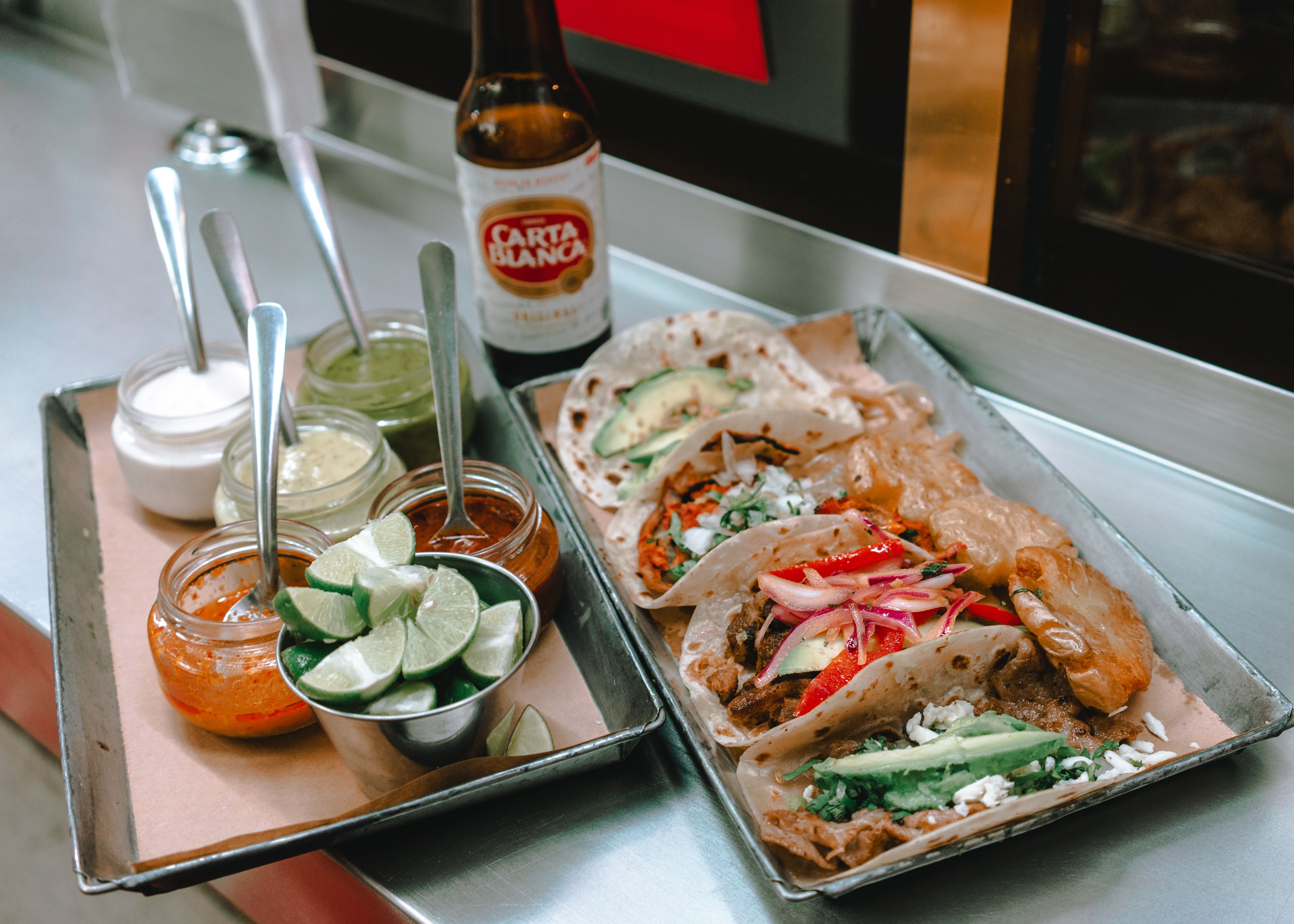
The museums—more than 150 across the valley—kept pace with the city’s growth. They showcase everything from ancient lakes and history to contemporary art. Together, they make Mexico City one of the most culturally dense capitals in the world.
Weekend Escapes from the Capital
Even with all this buzz, locals still escape the capital. The south and southwest lead into green mountains, while the southeast offers national parks and hidden convents. Just an hour west, the forest trails of Desierto de los Leones are a favorite getaway—hiking is free, but budget 200 pesos for transport and snacks.
What Changed After the Distrito Federal Era
-
CDMX logo and branding on metro signs, IDs, and merch
-
Growth of coworking and café culture in Roma and Condesa
-
Global dining: from Pujol’s tasting menus to Mercado Roma
-
Easy weekend escapes to the north, south, and west of the valley
-
A new constitution that made Ciudad de México the capital in its own right
Why Locals Still Say DF
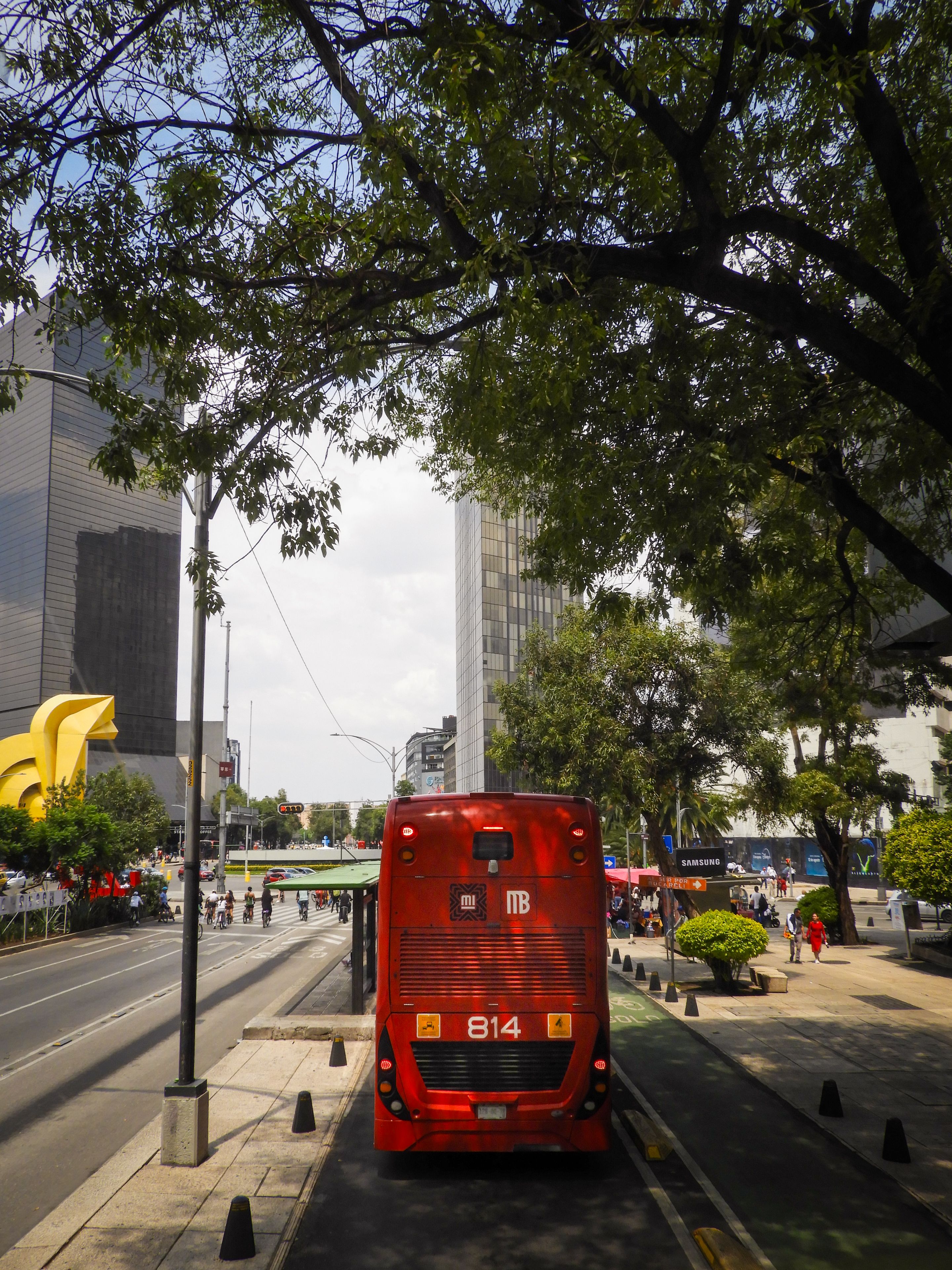
Even after the official switch to Ciudad de México, plenty of residents and even businesses still lean on “DF.” The name is woven into daily speech, memories, and the way the largest city in the country has been called for decades.
With millions of inhabitants, old nicknames die hard—especially when they roll off the tongue in easy Spanish.
The habit lingers for more than just nostalgia. From the National Palace to the museums that define Mexico City, the echoes of the federal district continue to shape how the capital is referred to in casual conversation and even official documents.
Why DF Still Sticks Around
-
Memory: People grew up proudly saying chilangos de la DF.
-
Recognition: Travel guides and tour operators keep it for search and SEO.
-
Scale: With millions of inhabitants, multiple names for the city coexist easily.
-
Everyday Spanish: DF is short, sharp, and still called out in conversations more often than the long form Ciudad de Mexico.
A Nickname Larger Than the City
The DF label lives on because it was never just an administrative term. It marked the capital as the largest city in Central America, located between mountains, old lakes, and even traces of ancient ruins and islands. To locals, that identity still matters.
For residents, whether they’re headed to the north, east, or even the northwest of the city, saying DF feels natural. It’s shorthand for the population and the power of a capital that has long been the center of the country’s life, even as Ciudad de México became the official name on paper.
Visiting and Staying in Mexico City (a.k.a. DF)
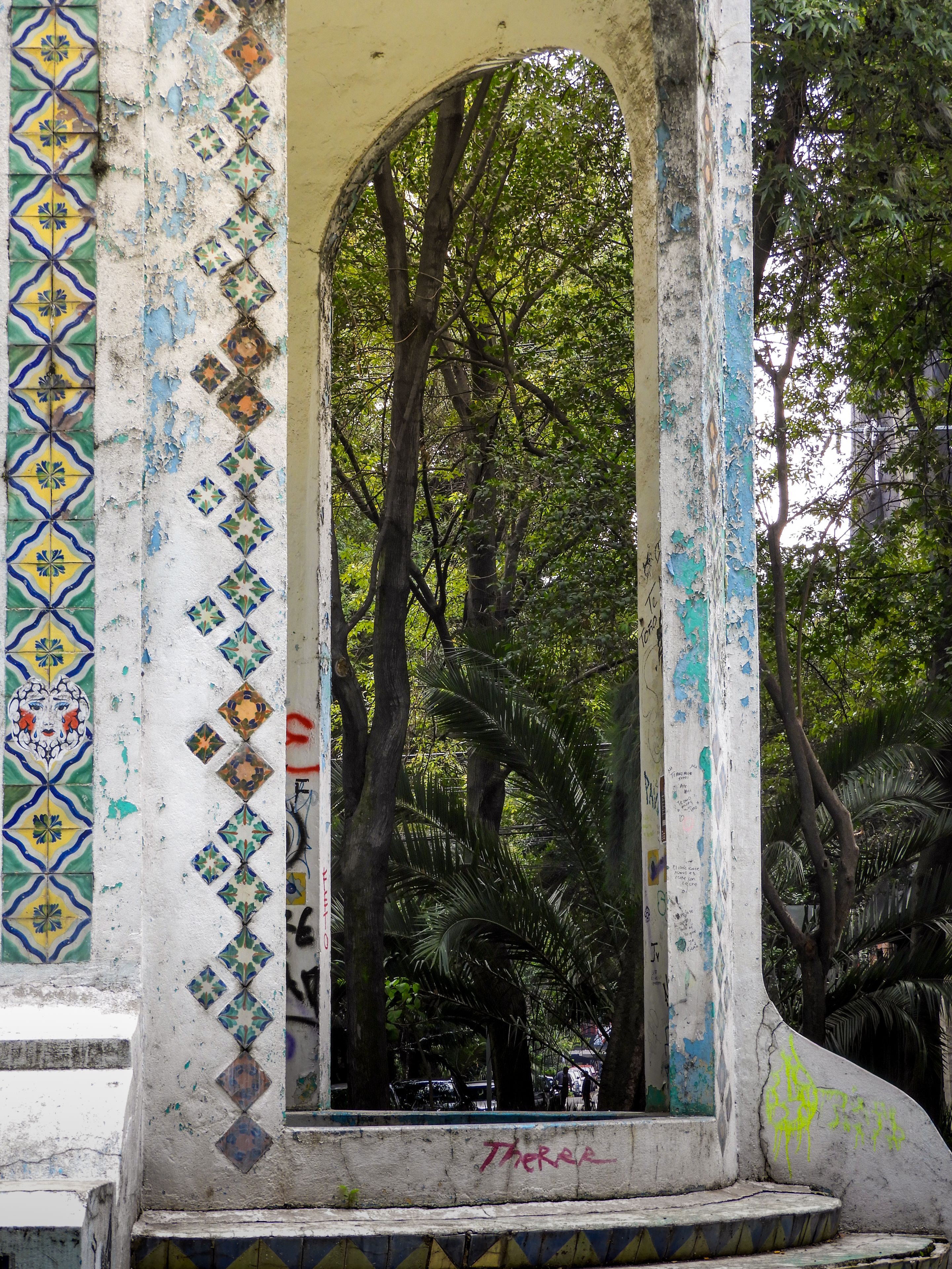
Travelers and digital nomads still referred to the area as the old federal district, but today the official name is Ciudad de México. Whichever term you use, this capital of the country offers a mix of historic charm, modern comforts, and local quirks that keep residents and visitors coming back.
The city is located in a basin surrounded by mountains and old lakes, once dotted with islands and ruins from centuries past. Today, it’s a hub where culture meets coworking, and where a quick menu del día still runs just 120–150 pesos ($7–9 USD). Rents range widely—from 15,000 pesos a month for a one-bedroom in Roma to well over 40,000 pesos in Polanco.
Roma: Cafés, Coworking, and Creative Energy
Roma is where the city began showing off its creative side. Think trendy cafés, leafy corners, and coworking hubs that are packed with nomads. Blend Station is a favorite—coffee is around 70 pesos, and you can plug in for hours without being rushed.
Pros: Walkable, full of food, connected to the city’s buzz.
Quirks: Higher rent than average, and traffic can get heavy at peak hours.
Condesa: Easy Living by Day, Social by Night
Condesa is stylish and social, known for its relaxed cafés and green avenues. Púbico Condesa doubles as a coworking space and casual restaurant—you’ll find lunch deals around 150 pesos. Check out RentRemote's Condesa neighborhood guide to see if it's the right fit for you.
Pros: Central location, cafés with strong Wi-Fi, lots of language exchange meetups.
Quirks: Can feel crowded on weekends; nightlife noise is part of the deal.
Coyoacán: Historic Heart with a Slower Pace
Coyoacán brings out the Spanish colonial flavor with cobblestone plazas and vibrant markets. It’s also home to UNAM’s main campus, which keeps the area lively with students and cultural events. Expect to pay less for rent than Roma or Condesa, often 10,000–20,000 pesos for a one-bedroom.
Pros: Lower costs, cultural richness, weekend markets, Frida Kahlo’s house-museum.
Quirks: Longer commute to central museums and coworking spots in the capital.
Polanco: Luxury and Business Power
Polanco has always been called the city’s luxury district. From fine dining to high-end shops, it’s where government offices, embassies, and business hubs cluster. Rents can push 40,000 pesos and beyond, but you’re steps from world-famous restaurants and galleries.
Pros: Upscale dining, international vibe, close to major museums.
Quirks: Pricey, and less relaxed than other areas.
Quick Take: Where to Stay in Ciudad de Mexico
-
Roma: Creative energy, cafés like Blend Station, 15,000+ pesos rent.
-
Condesa: Social vibe, coworking at Púbico Condesa, lunch around 150 pesos.
-
Coyoacán: Historic charm, near UNAM main campus, cheaper rent.
-
Polanco: Luxury district, fine dining, rents upward of 40,000 pesos.
Want to work, live, and explore with balance? RentRemote makes it easy to compare furnished apartments in Mexico City across these neighborhoods so you can pick the city rhythm that fits best.
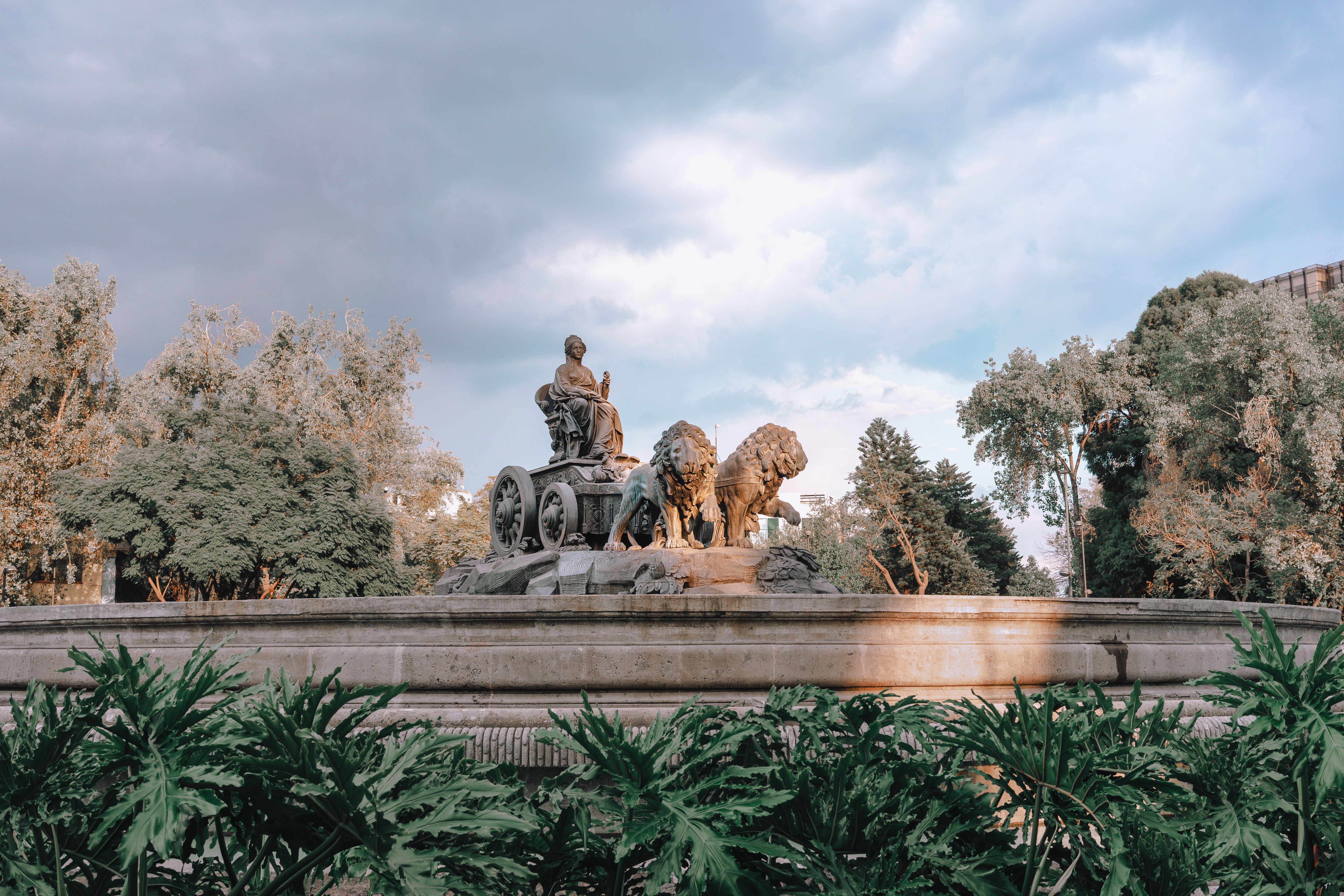
Things to Do in Mexico City
The capital of the country is layered like few others. The former federal district grew into Ciudad de México under its new constitution, but the city’s draw has always been in the mix of past and present. For residents and travelers alike, it’s a place where the main Aztec temple stands near colonial palaces, and where escapes like Desierto de los Leones sit just outside the bustle.
Exploring the city means finding balance: heritage on one corner, modern culture on the next, and green space for breathing room.
Historic Core: Where the Past Still Stands
The heart of Mexico City is where the city was first called a capital in its own right. It’s here you’ll feel the deepest connection to independence-era traditions.
-
Metropolitan Cathedral — towering above the plaza, still one of the most iconic spots of Ciudad de México.
-
Main Aztec Temple — remnants of the ancient capital at the Templo Mayor Museum, showing how the district began on sacred ground.
-
Public plazas — open spaces where celebrations of independence are still referred to each year.
Walk a few blocks here and you’ll see how centuries of culture overlap.
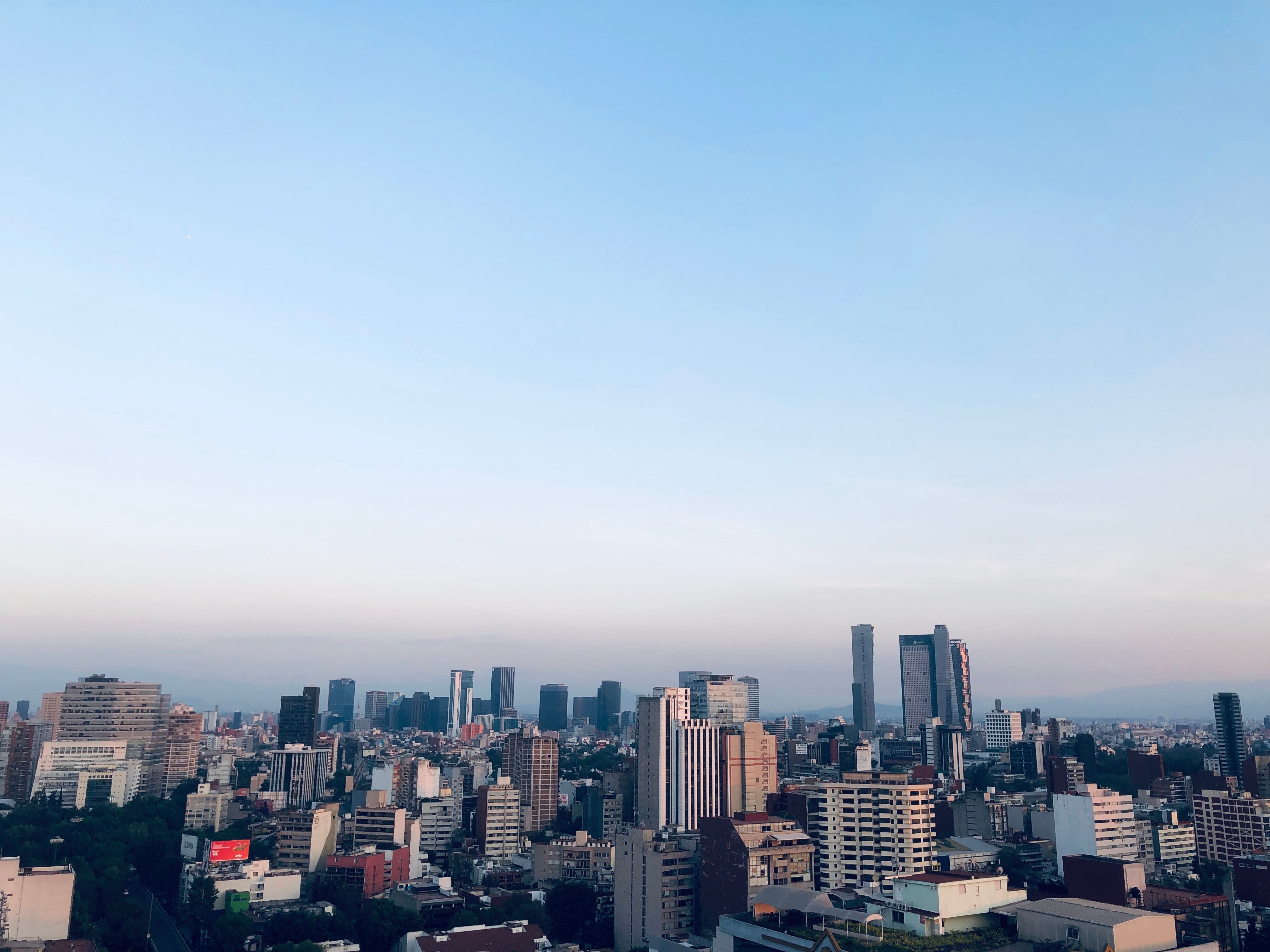
Chapultepec Park and the Cultural Spine of the Capital
If the historic center is the brain of Ciudad de Mexico, Chapultepec Park is its lungs. Spread across hundreds of acres, it’s one of the biggest urban parks in the world.
-
Chapultepec Castle — once home to rulers, now a museum filled with national memory.
-
Lakes and trails — a green escape right inside the city, popular for paddle boats and quiet afternoons.
-
Cultural institutions — major museums line the edges, giving locals and visitors endless options for a day out.
This is where the population of millions comes to recharge in between city errands and work.
Food: From Everyday Eats to Global Icons
The capital has earned its reputation as a food city. Whether you’re at a stand in Centro or in a fine dining hall, food is an anchor of Mexico City life.
-
Street tacos al pastor — about 20–30 pesos each, best eaten standing up.
-
Coyoacán mole — dishes that carry flavors born from Spanish and indigenous kitchens.
-
Fine dining — restaurants like Pujol and Quintonil, consistently listed among the best in the world, with tasting menus around $150 USD.
Here, cuisine moves as smoothly between everyday and luxury as the city itself.
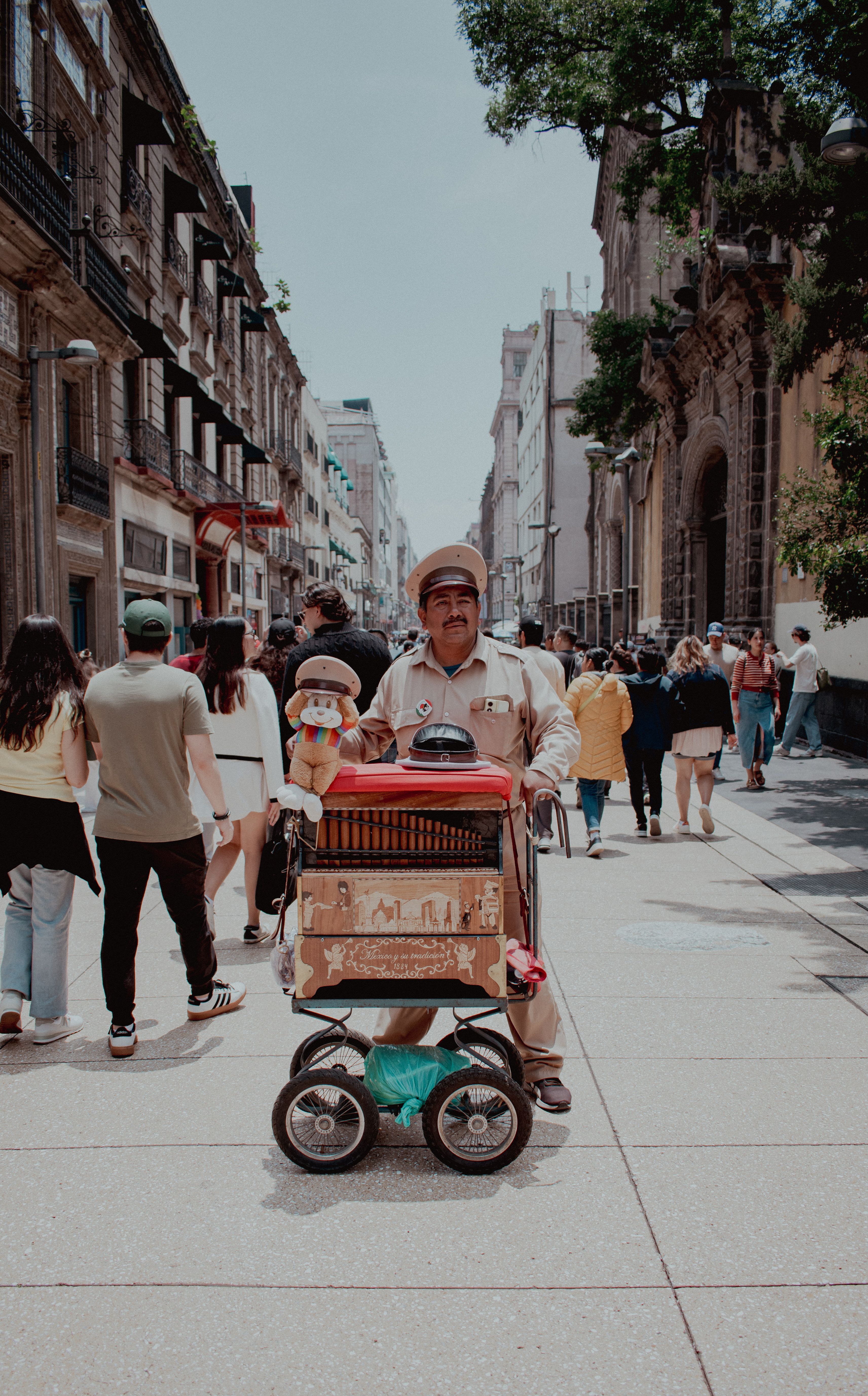
Escapes: Desierto de los Leones and Beyond
When the residents of the capital need to breathe, they head for the mountains. Desierto de los Leones, on the west edge of the district, is the classic escape. An official national park, the Parque nacional Desierto de los Leones offers everything from gothic ruins to sunny trails.
-
Forest hikes — cool, shaded paths that feel a world away.
-
Convent ruins — centuries-old remains hidden in the forest.
-
Picnic spots — locals bring food, often spending less than 200 pesos for a full day out.
This balance of city energy and natural quiet is why Mexico City is such a livable place.
Budget vs. Splurge in Ciudad de México
You can shape your trip to fit any budget in the capital.
-
Budget: A full meal at La Merced Market (Mercado de La Merced) under $10 USD (≈170 pesos).
-
Splurge: Pujol’s chef’s tasting menu for about $150 USD.
That’s the joy here—both feel equally authentic in the rhythm of Ciudad de México.
Wrapping Up a Day in Ciudad de Mexico
What makes Ciudad de México unique is how much fits into one place. It’s a capital where millions of residents and visitors flow through the same plazas, eat at the same stalls at de La Merced, and celebrate the same traditions. From its official landmarks to side-street secrets, the city isn’t just something to see—it’s something to feel.
Here, the district isn’t just part of the country; it’s a world of its own, always waiting to surprise you.
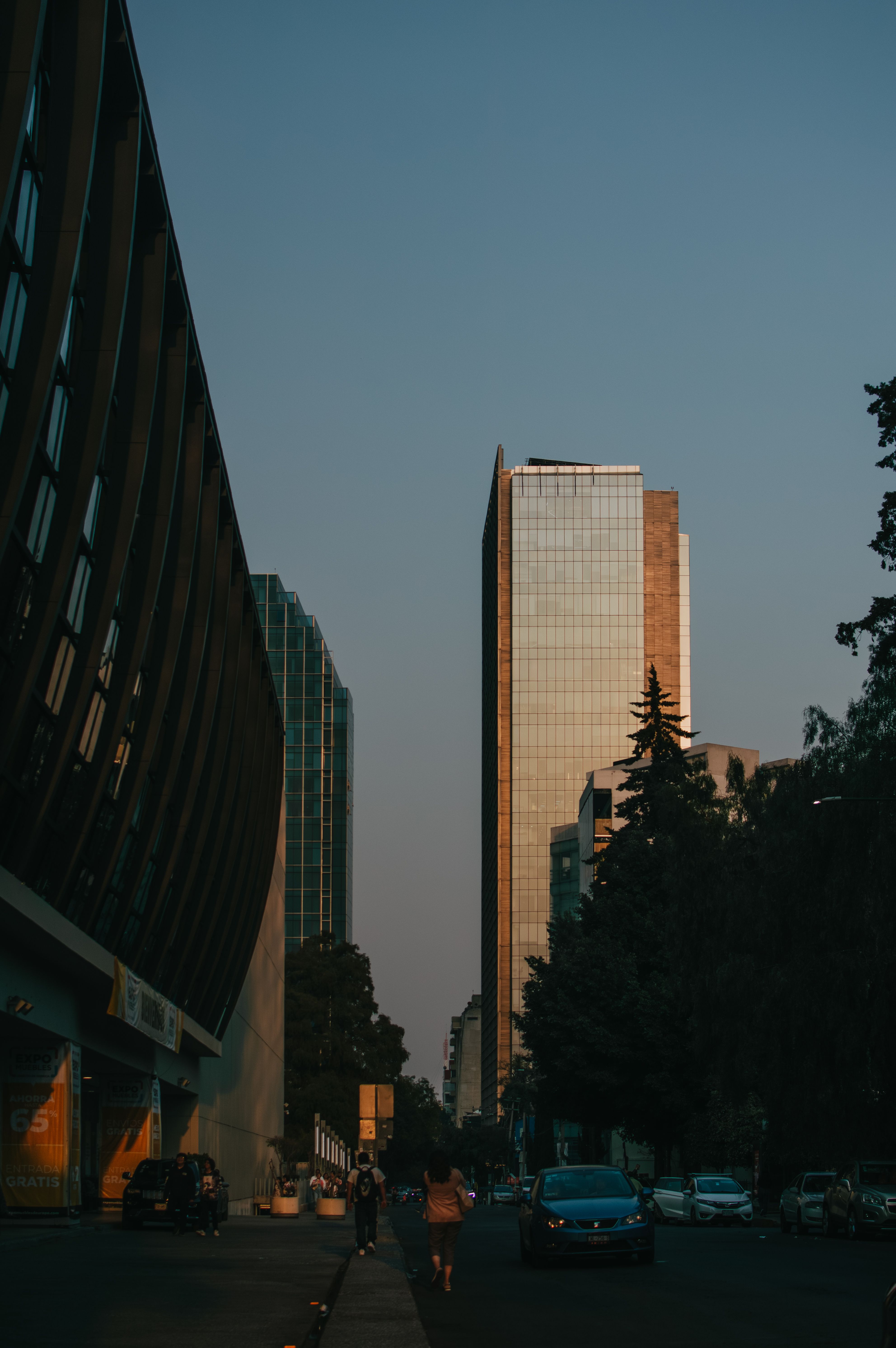
Living and Working as a Remote Professional in Districto Federal
Working remotely in Mexico City is an experience in itself. Even though the old federal district is now officially Ciudad de México, you’ll still stumble on quirky leases or mail labeled with the old Districto Federal name. Some cafés and coworking hubs are even referred to by their pre-2016 addresses. It’s a small reminder that while the city has modernized, echoes of the past remain.
Day to day, nomads mix work with lifestyle here. You’ll find coworking hubs like WeWork Reforma buzzing with start-ups, while Impact Hub hosts workshops that make collaboration easy. Coffee shops in Roma and Condesa blur the line between office and café. And in between, there are always escapes to the east or other corners of de México when you need fresh air.
Cost of Living in Ciudad de la Work-Life Balance
Expenses in Ciudad de México are reasonable compared to other world capitals. Coffee is 60–90 pesos at third-wave cafés, coworking day passes average 300–400 pesos, and apartments in Roma or Condesa range from 15,000–25,000 pesos per month for a one-bedroom.
Quick cost snapshot:
-
Coffee at Blend Station — 70 pesos
-
Coworking monthly pass — 4,000–5,000 pesos
-
Apartment rental — from 10,000 pesos in quieter districts up to 40,000 in luxury zones
-
Lunch menu del día near de La Merced market — 120–150 pesos

Coworking Hubs Called Out by Nomads
Digital nomads thrive on variety, and Mexico City doesn’t disappoint. You’ll find spaces that fit every style:
-
WeWork Reforma — sleek, central, and packed with international professionals.
-
Impact Hub — a hub called out for workshops, networking, and social enterprise.
-
Púbico Condesa — café meets coworking, flexible for a few hours or a day.
-
Selina — budget-friendly coworking paired with hostels, popular for travelers.
These places are as much about community as they are about Wi-Fi.
Lifestyle Balance Beyond the District
What makes the district work for remote professionals is the lifestyle balance. You can finish work in a coworking space and be at a taco stand five minutes later. Or head out for a weekend escape to greener areas east of the city.
It’s a rhythm that feels easy: work from where you live, and live where you work. The charm of Mexico City is that cafés double as offices, and the residents are used to seeing laptops alongside long conversations over espresso.
Is “Mexico DF” the Right Base for You?
Choosing Ciudad de México as your base depends on what you’re looking for. If you’re a nomad chasing coworking cafés, a foodie eager to taste tacos and fine dining in the same day, or a culture seeker drawn to landmarks like the National Palace, the city delivers on all fronts.
But it’s not for everyone. The sheer scale of the capital can overwhelm first-timers, and traffic across all three sides of the city can test even patient travelers. If you prefer quiet towns, this may not be your match.
For many though, the shift from the old Districto Federal label to the new acronym gave the country’s capital a refreshed identity under its own constitution. Call it DF, CDMX, or simply de México—the energy remains the same.
RentRemote makes it easy to fit into that rhythm. Explore traveling and living in Mexico City on RentRemote's Mexico City Digital Nomad Travel Guide.