Lukas
Tech & Digital Nomad Cultural Editor ·
San Rafael works because it sits just outside the spotlight — close enough to everything that matters in Mexico City, far enough that you are not paying the Roma Norte tax on rent or navigating weekend crowds at every café. The neighbourhood has real infrastructure, not just hype: functioning metro access, a food market that opens before 7am, and a block-to-block mix of Art Deco buildings and Porfirian-era apartments that have not been turned into boutique hotels yet. The trade-off is atmosphere — this is not where you go for rooftop bars or design-forward coworking spaces, and some blocks feel unfinished in ways that Roma and Condesa do not.
What makes San Rafael worth considering as a base for remote work in Mexico City
Where the neighbourhood sits in relation to the city center and other colonias
Which blocks deliver the most functional day-to-day living and which feel incomplete
What the local dining and café options actually look like for repeat visits
How rent prices compare to neighbouring areas and what that buys you in practice
Whether the cultural infrastructure — theaters, galleries, markets — matters to someone staying a month or longer
Why San Rafael Mexico City Makes Sense for Remote Workers
San Rafael sits west of the historic center and north of Reforma, which puts you within 15 minutes of Chapultepec, 20 minutes of Roma, and walking distance to famous museums most tourists skip. The colonia was established in 1891 on land from a former ranch and became one of Mexico City's first planned residential areas outside the old core. By the 1940s it earned the nickname "the Broadway of Mexico" due to its concentration of live theaters and movie houses, most of which have since closed or been repurposed into churches, shops, or abandoned sites like Cine Opera, an Art Deco relic that photographers seek out. That theater history left behind density — the neighborhood has real foot traffic without feeling like a stage set for tourists.
Location Context: Where San Rafeal Sits in Relation to the Rest of Mexico City
San Rafael occupies the space between two versions of Mexico City — the polished western neighbourhoods like Polanco and the grittier central colonias that feel less curated.
Bordered by Paseo de la Reforma to the south, Circuito Interior to the west, Ribera de San Cosme to the north, and Avenida Insurgentes to the east
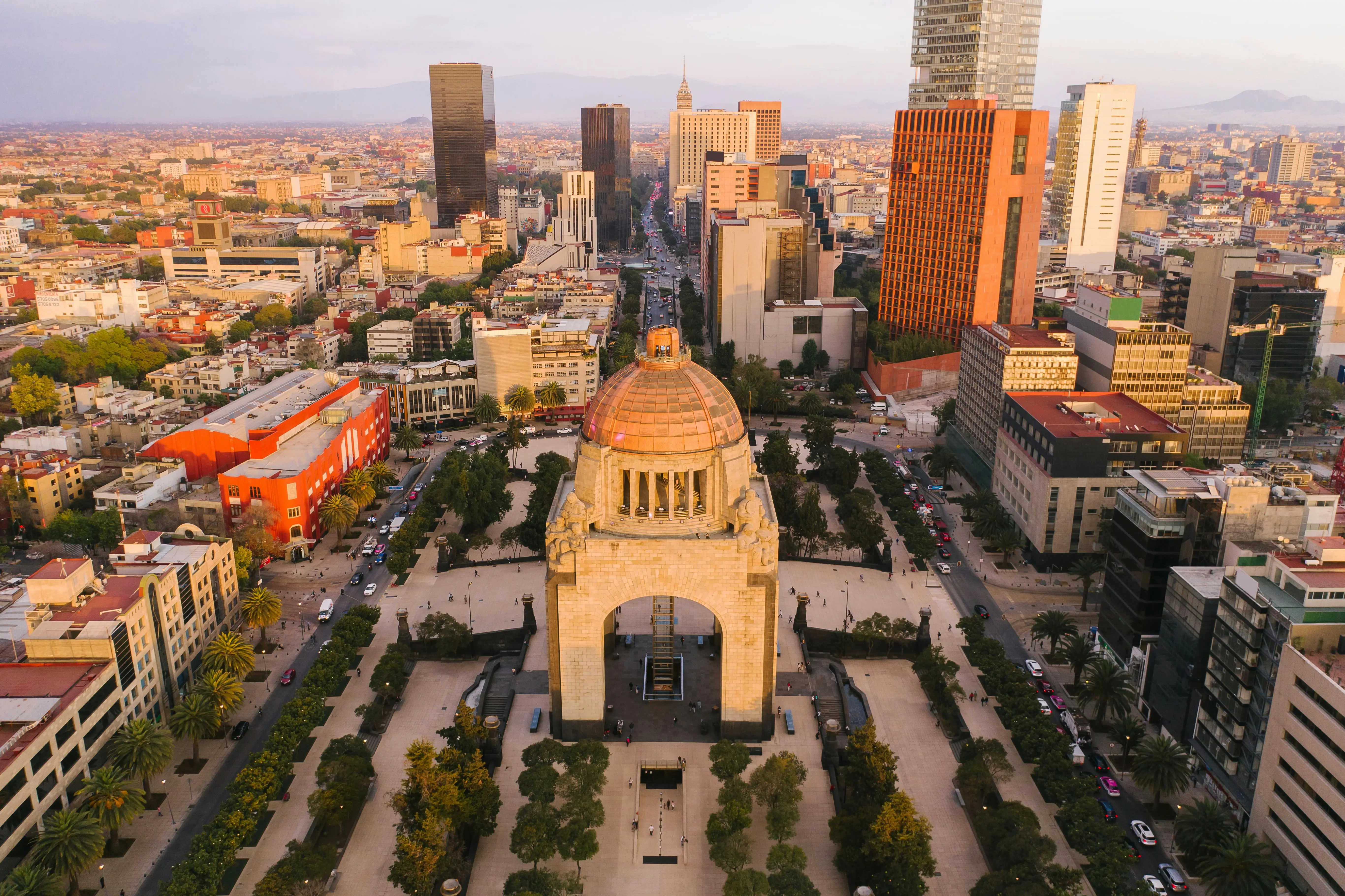
Metro Line 2 runs through the neighbourhood with San Cosme and Revolución stations offering direct access to the city center
15-minute walk to Monumento a la Revolución, 20 minutes to the edge of Roma Norte
Santa María la Ribera sits directly north — quieter, more residential, with Kiosco Morisco as a Sunday destination
The location removes friction if your work requires being in different parts of the city on different days — you are not locked into one neighbourhood's bubble.
Who San Rafael Works For (and Who Should Look Elsewhere)
This neighbourhood suits people who want proximity to popular attractions without paying for it in rent or dealing with weekend noise, but it requires accepting that some blocks feel half-developed.
Remote workers staying 1–3 months who prioritize metro access and lower rent over design-forward cafés
Not ideal for first-time Mexico City visitors who want everything within a single walkable grid
Works if you cook half your meals — Mercado San Cosme has produce vendors and food stalls open early
Skip it if you need late-night café options or consistent coworking spaces with day passes
Most people who test San Rafael for a week either commit to a longer stay because the infrastructure works, or they move to Roma after realizing they value density and foot traffic more than they thought.
What the Architecture and Street Layout Tell You About Living Here
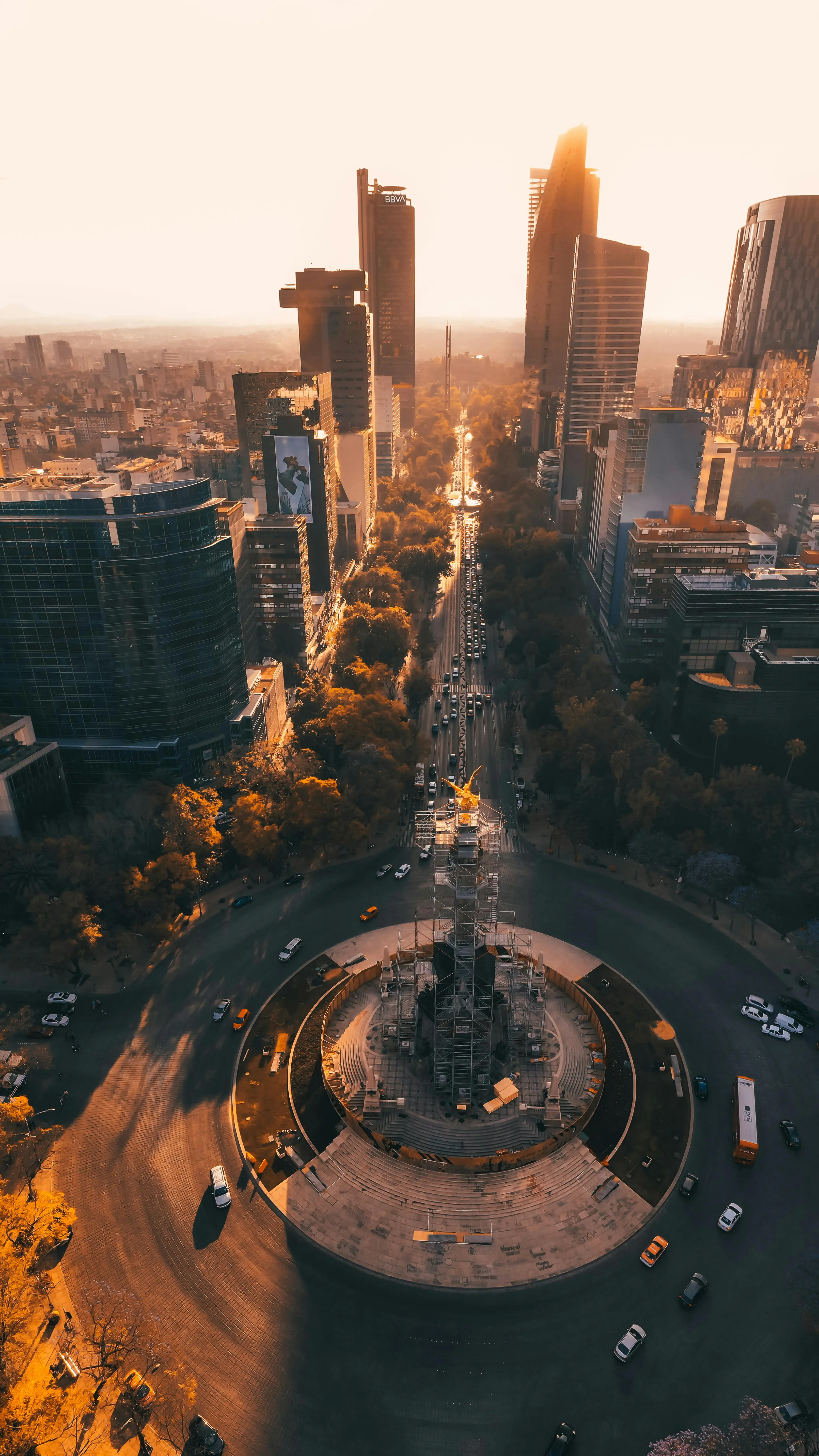
San Rafael's architectural mix — French neoclassical, Art Deco, Modernist — reflects its evolution from a Porfirian-era neighbourhood for the wealthy to a mid-century cultural hub to its current state as a residential area absorbing young artists priced out of other colonias.
Porfirian-era mansions still stand on Avenida Ribera de San Cosme, now divided into apartments or repurposed into galleries
Art Deco buildings concentrated around former theater sites, many showing wear but structurally sound
El Eco Experimental Museum — located on Calle James Sullivan and designed by Mathias Goeritz in 1953 — El Eco remains the most architecturally significant site in the colonia
Side streets north of Reforma have fewer trees and less consistent sidewalk maintenance than Roma or Condesa
The eclectic mix of architectural styles gives the neighbourhood character, but it also means some blocks feel polished and others feel like they are waiting for development that may or may not arrive.
Neighbourhood Breakdown: Where to Focus Your Apartment Search in Colonia San Rafael
San Rafael does not have a single "best" area the way Roma Norte has a core grid everyone recognizes. The neighbourhood stretches across enough blocks that location within it determines whether you walk to a market in five minutes or fifteen, and whether your street feels residential or like a pass-through route. The blocks closest to Reforma and Insurgentes have more foot traffic and amenities, while the northern sections near San Cosme feel quieter but less connected.
Neighbourhood | Monthly Rent | Vibe | Best For | Key Advantage |
|---|---|---|---|---|
South San Rafael (near Reforma) | $650–$900 | Busy, mixed-use, metro access | Access to Reforma, metro, and museums | Walking distance to Chapultepec and city center |
Central San Rafael (theater district) | $550–$750 | Residential with cultural sites, fewer cafés | Proximity to galleries, theaters, and El Eco | Lower rent, still close to Insurgentes metro |
North San Rafael (near San Cosme) | $500–$650 | Quiet, more local, fewer tourists | Budget-conscious stays, market access | Lowest rent in the colonia, real barrio feel |
Roma Norte (comparison) | $850–$1,200 | High foot traffic, design cafés, expat density | First-time visitors, café-based work | Established infrastructure and social scene |
La Condesa (comparison) | $900–$1,300 | Tree-lined, upscale, weekend crowds | Park proximity, polished neighbourhood feel | Green space and consistent sidewalk quality |
South San Rafael: Closest to Paseo de la Reforma and Metro Access
The blocks between Reforma and Avenida Alzate put you within a 10-minute walk of Insurgentes metro and Paseo de la Reforma, which matters if your work requires moving between neighbourhoods or accessing the airport line quickly.
Studios from $650/month, 1-bedroom apartments from $800/month near Insurgentes metro station
El Califa de León on Ribera de San Cosme — Michelin star taco spot, $4–$6 per taco, expect lines after 1pm
More street noise than northern blocks, especially on weekends when Reforma traffic peaks
Property options include Art Deco buildings converted into apartments with original details still intact
This section works if metro access and proximity to Chapultepec matter more than neighbourhood quiet — you trade some residential calm for infrastructure.
Browse Mexico City homes near this area
Central San Rafael: The Theater District Core
The blocks around Avenida Mosqueta and Sullivan hold most of the neighbourhood's remaining active theaters and the repurposed sites that give San Rafael its cultural identity.
1-bedroom apartments from $550/month on side streets near Teatro Aldama, which hosts live performances most nights
El Eco Museum — free entry most days, contemporary art installations in a Brutalist-adjacent structure designed by Mathias Goeritz
Galería Hilario Galguera showcases local and international artists, open afternoons Tuesday–Saturday
Fewer cafés with WiFi than Roma Norte, but Mercado San Cosme is a 10-minute walk for breakfast and groceries
The theater infrastructure means you will hear about performances, gallery openings, and the Jardín del Arte Sunday market — whether you attend is another question, but the cultural density exists without feeling forced.
Browse Mexico City homes near this area
North San Rafael and Santa María la Ribera: Budget-Focused and More Residential
The blocks near Ribera de San Cosme and the border with Santa María la Ribera offer the lowest rent in the colonia and the most residential feel, but you sacrifice walkability to cafés and some evening foot traffic.
Studios from $500/month, 1-bedroom from $600/month in older buildings without elevators
San Cosme metro station provides access to Line 2, but the walk from some side streets takes 15 minutes
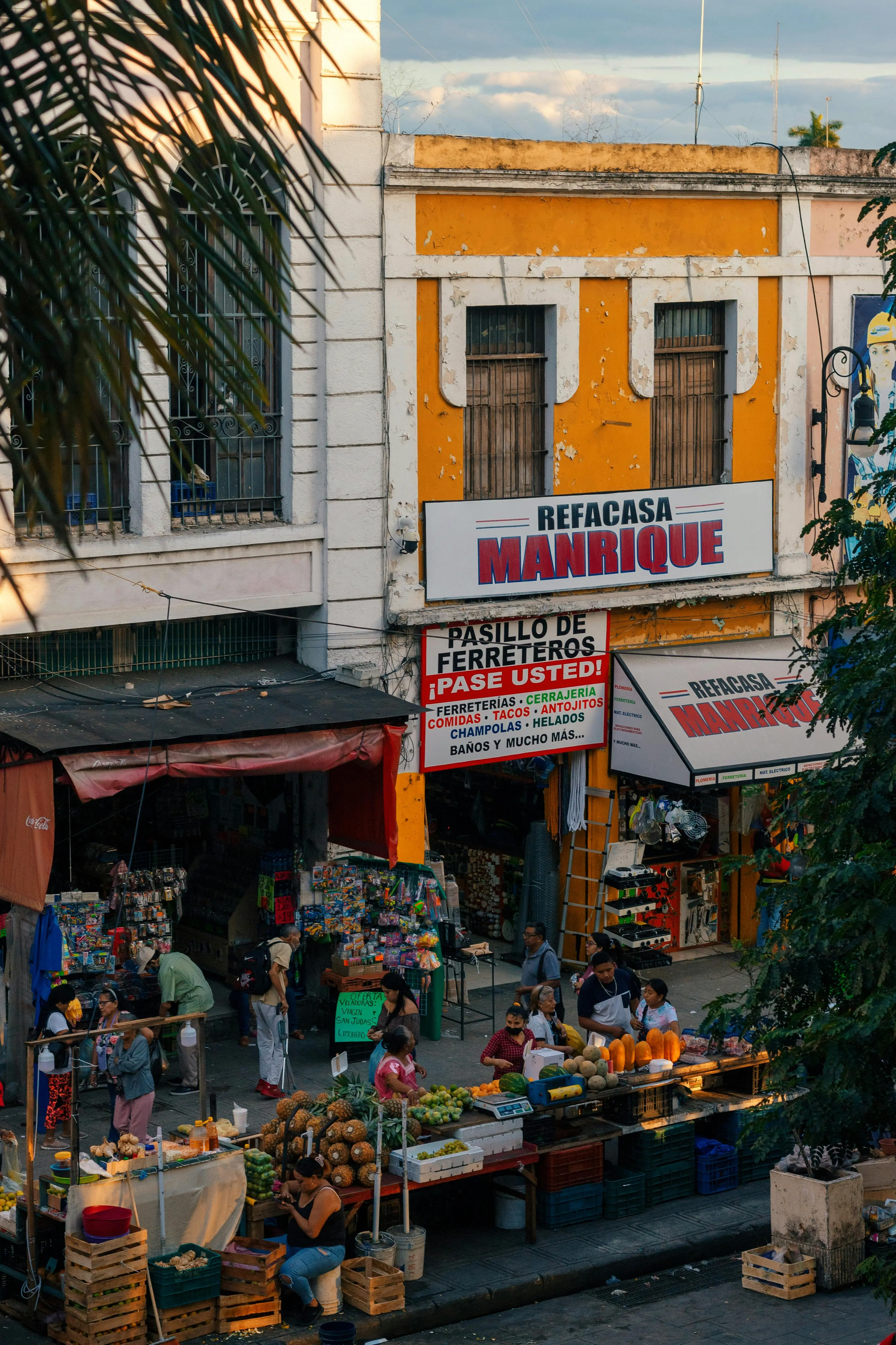
Mercado San Cosme anchors this section with produce vendors, taquerías, and juice stands open by 7am
Fewer tourists and less English spoken — this is where the neighbourhood feels more like a working-class residential area than a cultural destination
If your budget is tight and you are comfortable navigating a neighbourhood that does not cater to remote workers, this section delivers the most value — but it requires accepting that you will walk or metro to reach most amenities.
Where to Eat in San Rafael: Tacos, Markets, and Local Spots That Matter for Repeat Visits
San Rafael's dining infrastructure is built around neighbourhood staples rather than destination restaurants — you will find yourself returning to the same market stalls and taquerías because they open early, stay consistent, and do not require planning. The colonia has a few high-profile spots like El Califa de León, but most eating happens at places that do not show up on travel blogs. That works if you cook half your meals and want reliable options within a ten-minute walk, but it does not work if you expect the density of restaurants you would find in Roma or Condesa.
El Califa de Leon: The Michelin Star Taco Spot Everyone Asks About
El Califa de Leon gained international attention after receiving a Michelin star, which changed the line situation but not the format — it is still a corner taquería with a small menu focused on beef tacos.
Located on Ribera de San Cosme near the southern edge of the neighbourhood
Tacos $4–$6 each, gaonera (rib eye) and costilla (short rib) are the standouts, served on flour tortilla
Lines form after 1pm and stretch longer on weekends — go at 11:30am or after 3pm to avoid the wait
No seating, standing room only, cash preferred
The Michelin star made this a tourist destination, which means you will hear English and see people taking photos — if that bothers you, skip it, but the tacos justify one visit.
La Polar: Birria Since the 1930s
La Polar has been serving birria — slow-cooked goat or beef in a chili-based broth — since the 1930s, and it remains one of the best places in Mexico City to order the dish without worrying about inconsistency.
La Polar on Calle Pino, open daily from 9am until the birria runs out (usually by 4pm)
Birria tacos $3 each, consommé bowl $5, order both and dip the tacos in the broth
Seating is basic — shared tables, no frills, get there before noon on weekends
Cash only, no WiFi, not a place to sit and work but worth building your Sunday around
This is the kind of spot you return to once a week because it solves the "what should I eat" question without requiring research — just go, order birria, leave satisfied.
La Tonina: Seafood Tostadas and Ceviche
La Tonina operates as a casual seafood counter serving tostadas, ceviche, and aguachile — the format works for a quick lunch or takeaway when you do not want tacos again.
La Tonina near Insurgentes metro, open Tuesday–Sunday from 11am to 6pm
Tostadas from $3, ceviche cups $5, aguachile $6 — order at the counter and eat standing or take it to go
Fresh fish brought in daily, shrimp and octopus options rotate based on availability
No seating beyond a small counter, but the quality matches sit-down marisquerías charging twice the price
La Tonina fills the gap when you want something other than meat-heavy Mexican food — it is not a destination, but it becomes part of your weekly rotation if you are in the neighbourhood for more than two weeks.
Cochinita Power: Budget Yucatecan Plates Under 40 Pesos
Cochinita Power focuses on cochinita pibil — slow-roasted pork from the Yucatán — served in tacos, tortas, and over chilaquiles, with every item priced under 40 pesos ($2.50).
Cochinita Power on Avenida Insurgentes, open Monday–Saturday from 8am to 5pm
Cochinita tacos $1.50 each, torta $2.50, chilaquiles with cochinita $3
Portions are generous — two tacos and a torta will keep you full until dinner
Order at the counter, grab a seat if available, or take it to go
If you are on a tight food budget and tired of repeating the same taco spots, Cochinita Power delivers variety without adding cost — and the chilaquiles work as a breakfast option that lasts into the afternoon.
Mercado San Cosme: Where You Will Shop and Eat Most Mornings
Mercado San Cosme functions as the neighbourhood's anchor for produce, prepared food, and morning routines — it is not picturesque, but it is where you go when you need avocados, fresh juice, or a $2 breakfast before 8am.
Mercado San Cosme on Ribera de San Cosme, open daily from 6am to 6pm
Produce vendors in the center, taco and quesadilla stalls along the perimeter — breakfast plates $2–$3
Juice stands near the entrance make fresh orange or green juice for $1.50, no sugar added unless you ask
Avoid the food stalls after 2pm when they start running out of ingredients — mornings are when everything is freshest
The market becomes part of your routine if you are staying longer than a week — you will find yourself returning to the same juice vendor, the same taquería, and the same produce stall because they remember your order and the prices stay consistent.
Fully Furnished Apartments in San Rafael Mexico City: What to Expect for Rent and Where to Search
San Rafael's rental market splits between older buildings that have not been renovated and newer apartment conversions aimed at remote workers and students. Prices sit 20–30% below Roma Norte and Condesa for comparable space, but you sacrifice some amenities — fewer buildings have elevators, rooftop access, or updated kitchens. The colonia has seen a growing number of fully furnished apartments in Mexico City aimed at month-long stays, particularly in the blocks near Insurgentes and Reforma where investors are targeting short-term rental demand. The property market here has a submarket score of 97/100 for short-term rentals, which means competition exists but inventory still exceeds what you will find in saturated neighbourhoods.
Rent Ranges by Property Type and Location Within the Colonia
Rent depends more on proximity to metro stations and street noise than on building age — some older Art Deco buildings near Insurgentes charge more than newer builds in quieter northern blocks.
Studio apartments: $500–$700/month in the northern section near San Cosme, $650–$850 near Insurgentes metro
1-bedroom apartments: $600–$800/month in central San Rafael, $800–$1,000 closer to Reforma
2-bedroom apartments: $900–$1,200/month, usually in converted Porfirian-era buildings or newer developments near Monumento a la Revolución
Furnished short-term rentals add $100–$150/month compared to unfurnished long-term leases
For context, the average price per square meter in Mexico City sits at $3,246 as of 2023, significantly lower than Barcelona or Los Angeles, which makes the city attractive for real estate investment and keeps rental prices more accessible than comparable cities in other parts of the world or the U.S.
What You Get (and Do Not Get) at San Rafael's Price Point
San Rafael apartments often include original architectural details — high ceilings, tile floors, Art Deco windows — but updated appliances and modern bathrooms are less common unless the building was recently renovated.
Most rentals include WiFi (20–50 Mbps), but confirm upload speed if your work requires video calls
Buildings near Ribera de San Cosme and Sullivan tend to be walk-ups without elevators — check floor number before committing
Kitchens range from basic two-burner setups to full-size with ovens, depending on the building's renovation status
Street-facing apartments near Insurgentes and Reforma deal with traffic noise — ask for interior units if noise is a concern
The trade-off is character for convenience — you get beautiful architecture and lower rent, but you may be climbing stairs and dealing with older plumbing.
Where to Search for Furnished Rentals and Month-Long Stays
San Rafael does not have the same density of short-term rental listings as Roma or Condesa, but options exist if you know where to look and are willing to message multiple properties.
Airbnb and RentRemote list furnished apartments, but inventory turns over quickly — book 3–4 weeks ahead if possible
Facebook groups like "Mexico City Apartments" and "Housing in CDMX" post month-long rentals with lower prices than listing platforms
Local real estate agencies near Insurgentes metro sometimes handle short-term furnished rentals aimed at business travellers
Explore Roma Norte in our neighbourhood guide for more granular block-by-block recommendations
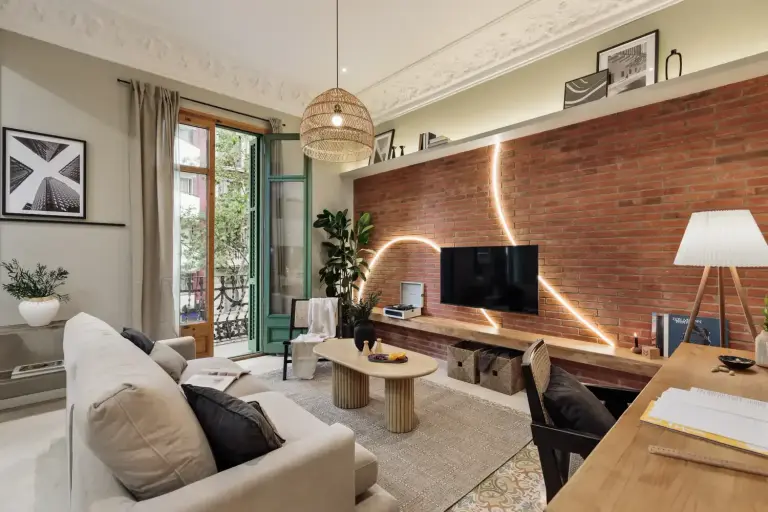
Expect to negotiate on price if you are staying longer than a month — landlords in this neighbourhood are more flexible than in higher-demand areas where tourists fill vacancies faster.
Booking Your Stay Without Overcomplicating It
San Rafael works best when you test it first — the neighbourhood feels different depending on which block you land on, and a two-week stay clarifies whether the trade-offs suit your rhythm.
Book Short First, Then Extend If It Fits
Most people who commit to a month-long lease before visiting Mexico City end up switching neighbourhoods within two weeks — San Rafael rewards testing before locking in.
Book 10–14 nights through Airbnb or Booking.com to start, ideally near Plaza de la República or Sullivan Park
Use the first week to walk the neighbourhood at different times — morning quiet versus Friday night noise tells you more than any review
Once you know which section works, message landlords directly through Facebook groups for better month-long rates ($500–$650 versus $800+ on booking platforms)
Properties near Insurgentes metro fill faster in April and September when the city sees a growing number of business travellers and students
The savings from going direct after a short trial stay often cover half the cost of that initial booking — and you avoid committing to a block that turns out to face a busy street.
What Landlords Actually Care About in San Rafael
San Rafael landlords tend to prefer longer-term tenants over short-term tourists, which works in your favour if you plan to stay a month or more.
Offer two months upfront if negotiating a discount — landlords in this colonia value stability over maximising nightly rates
Spanish-language communication helps, but most property managers in buildings near Reforma have enough English to handle logistics
Buildings with older infrastructure sometimes require a deposit for utilities — confirm whether that is separate from the security deposit before transferring money
If the listing mentions "no parties," the building likely shares walls with long-term residents who complain about noise — respect that or rent elsewhere
The landlords who work in this neighbourhood run small-scale operations, not corporate rental businesses, so responsiveness varies — messaging three or four options improves your odds of locking something down quickly.
Peak Seasons and When Prices Shift
San Rafael does not experience the same seasonal price swings as beach destinations or tourist-heavy colonias, but availability tightens during specific months when students and business travellers flood the city.
April and September bring university exchanges and corporate relocations — book at least three weeks ahead during these months
December sees fewer tourists than Roma or La Condesa, but prices inch up 10–15% as local demand increases around the holidays
July and August offer the best availability and flexibility for negotiating month-long rates — landlords prefer filling units over holding out for higher prices
Weekend rates on short-term platforms spike before major events at nearby venues like Arena México, but month-long leases stay stable
If your schedule allows it, arriving in late June or early July gives you the widest selection and the most leverage to negotiate — the rest of the year, expect to move faster or compromise on location.
Safety, Logistics, and What Actually Matters Day-to-Day
San Rafael sits in Cuauhtémoc, one of Mexico City's central boroughs, where petty theft happens but violent crime targeting residents or travellers remains uncommon — awareness reduces risk more than avoiding the neighbourhood entirely.
What to Watch and What to Ignore
The blocks south of Avenida Hidalgo near Insurgentes feel safer at night than the northern edge near Ribera de San Cosme, where foot traffic drops after 10pm and streets empty out faster.
Walk-up buildings without street-level security see more package theft — if your property lacks a lobby attendant, use a coworking space or café for deliveries
Pickpocketing clusters around Insurgentes metro during rush hour — keep phones and wallets in front pockets or inside bags, not back pockets
Streets west of Sullivan Park toward Avenida de la Revolución feel quieter after dark but remain well-lit and patrolled
Avoid showing laptops or expensive cameras on the street after 11pm near the Circuito Interior — common sense, not paranoia
Most people who live here for a month or longer report zero incidents — it is a residential area with families and working professionals, not a high-crime zone that demands constant vigilance.
Getting Around Without Burning Time or Money
San Rafael connects to the rest of Mexico City through three metro lines and dozens of bus routes, but walking often beats public transport for trips under 20 minutes.
Metro Line 1 at Insurgentes reaches Centro Histórico in 15 minutes, Roma in 10 minutes — single rides cost $0.25
Metrobús Line 1 along Insurgentes runs express routes to Condesa and Polanco — faster than the metro during non-peak hours
Uber and Didi cost $2–$4 for trips to neighbouring colonias like Santa María la Ribera or Roma Norte — reliable and safer than hailing street taxis at night
The city's bike-share system, Ecobici, has stations near Sullivan Park and Monumento a la Revolución — $5/month for unlimited 45-minute rides
Walking distance covers most errands — groceries, cafés, coworking spaces all sit within a 10-minute radius if you rent near the southern half of the neighbourhood.
Practical Details That Save You Frustration Later
Mexico City's infrastructure works well in central colonias like San Rafael, but small gaps exist that catch people off guard during their first month — knowing these ahead avoids wasted time.
Water pressure drops in older buildings above the third floor — ask landlords before booking if showers matter to you
Electricity runs on 127V, same as the U.S. and Canada, but outlets lack grounding pins in buildings constructed before the 1980s — bring a surge protector
Street markets near Sullivan Art Market close streets to cars on weekends, which adds 5–10 minutes to rideshare pickups — walk to Insurgentes for faster access
Buildings near Paseo de la Reforma deal with street noise from protests and parades, especially on weekends — interior-facing units block most of it
The quirks here are neighbourhood-specific, not city-wide problems, so asking renters in your building or the local Facebook group usually surfaces faster answers than generic expat forums.
Healthcare, Pharmacies, and Staying Functional
San Rafael has enough pharmacies and clinics to handle routine health needs without leaving the colonia, though serious medical care requires heading to Roma or Polanco.
Farmacia Guadalajara near Insurgentes stocks most over-the-counter medications and stays open until midnight — pharmacists speak limited English
Walk-in clinics inside Farmacias del Ahorro offer doctor consultations for $3–$5 — useful for prescriptions or minor illness, not emergencies
Hospital Español in Polanco sits 15 minutes away by Uber and handles serious medical issues with English-speaking staff — travel insurance should cover it
Dentists and optometrists cluster near Avenida Insurgentes Centro, with prices 50–70% lower than U.S. or European equivalents
Most remote workers in Mexico City use private insurance or pay out-of-pocket for clinics and pharmacies — the cost stays low enough that navigating the public system is not worth the complexity unless you plan to stay long-term.
Making San Rafael Work for Your Routine
San Rafael suits people who want a base in Mexico City that does not require constant navigation — the neighbourhood removes friction from daily logistics, which frees up mental space for work and exploration.
Building a Routine Without Burning Out on Decisions
Returning to the same cafés, markets, and restaurants reduces decision fatigue and creates a sense of belonging that makes a month-long stay feel less transactional.
Pick one café near your apartment for morning work sessions — regulars at Café Cuadrante and Negro Café recognise faces within a week
Shop the same market stalls on Sundays at Tianguis Sullivan — vendors remember you and sometimes discount prices or recommend seasonal produce
Anchor your week around a coworking space like Impact Hub Reforma if cafés feel too inconsistent for focused work
Walk the same evening route through Sullivan Park and down to Plaza Río de Janeiro in Roma — it clarifies whether San Rafael holds enough to keep you engaged or whether you need a louder neighbourhood
People who treat San Rafael like a temporary stop tend to leave faster — the ones who settle into a rhythm often extend their stay because the neighbourhood stops feeling like work.
When to Move On and When to Stay Longer
San Rafael works for specific types of routines — if yours does not align, switching to Roma or Condesa after two weeks makes more sense than forcing it.
If you need nightlife within walking distance, move to Roma Norte or Juárez — San Rafael's bar scene exists but does not compare
If you value quiet evenings and affordable rent over trendy restaurants, staying in San Rafael past a month saves money and reduces overstimulation
If you work U.S. or European hours and need 24/7 café access, Condesa or Polanco offer more options — San Rafael's cafés close by 8pm
If you appreciate architecture, history, and proximity to museums, this colonia justifies a longer stay — the Museo Nacional de San Carlos and nearby galleries in Santa María la Ribera keep cultural engagement high
Most remote workers who land in San Rafael either extend to three months or leave after one — the neighbourhood does not sit in the middle, which tells you something about fit.
Connecting with Other Remote Workers and Locals
San Rafael attracts fewer digital nomads than Roma, which means less coworking churn but also fewer spontaneous meetups — you have to be more intentional about building a network here.
Join "Digital Nomads Mexico City" or "Remote Workers CDMX" on Facebook and post your arrival date — people organise coworking days and dinners weekly
Attend Spanish conversation exchanges at Casa del Poeta in nearby Santa María — locals outnumber expats, which improves language practice
Drop into El Eco, an experimental museum and event site that hosts talks, film screenings, and art installations — admission is free and draws a mix of creatives and academics
Volunteer or attend events through local cultural centres like Casa de Cultura Cuauhtémoc — the programming skews toward residents but welcomes outsiders
Building connections in San Rafael takes slightly more effort than in tourist-heavy neighbourhoods, but the relationships tend to last longer because the crowd is less transient.
Day Trips and Weekend Escapes Worth Taking
San Rafael's central location makes it easy to explore the rest of the country without burning a full travel day — buses and flights leave from nearby terminals.
Teotihuacán pyramids sit 90 minutes north by bus — tours leave from Terminal Central del Norte, which is 10 minutes from San Rafael by metro
Puebla makes a strong weekend trip for colonial architecture and food — buses run every 30 minutes from TAPO bus terminal, reachable in 25 minutes via metro
Toluca and Valle de Bravo offer mountain escapes and paragliding — both sit under two hours by car or bus from Mexico City's west side
Oaxaca and San Miguel de Allende work as 4–5 day breaks — flights from Benito Juárez International Airport cost $60–$120 round-trip if booked a week ahead
The ability to leave the city for a weekend without complicated logistics keeps Mexico City from feeling overwhelming — San Rafael's proximity to transit hubs makes that easier than living farther out.
Who San Rafael Actually Suits
San Rafael works for people who prioritise affordability, access, and quiet over being at the centre of nightlife or expat social scenes — it is a neighbourhood that rewards settling in rather than passing through. If you need constant stimulation or want to be surrounded by other remote workers, Roma or Condesa make more sense.
But if you prefer a residential rhythm with enough infrastructure to work efficiently and explore the city on your terms, San Rafael removes friction without demanding you participate in a scene. The trade-off is less spontaneity for more stability — and for stays longer than a month, that usually tilts in your favour. Explore more options for fully furnished apartments in Mexico if you want to compare other cities before committing to the capital.