Maya
Culture & Exploration Editor ·
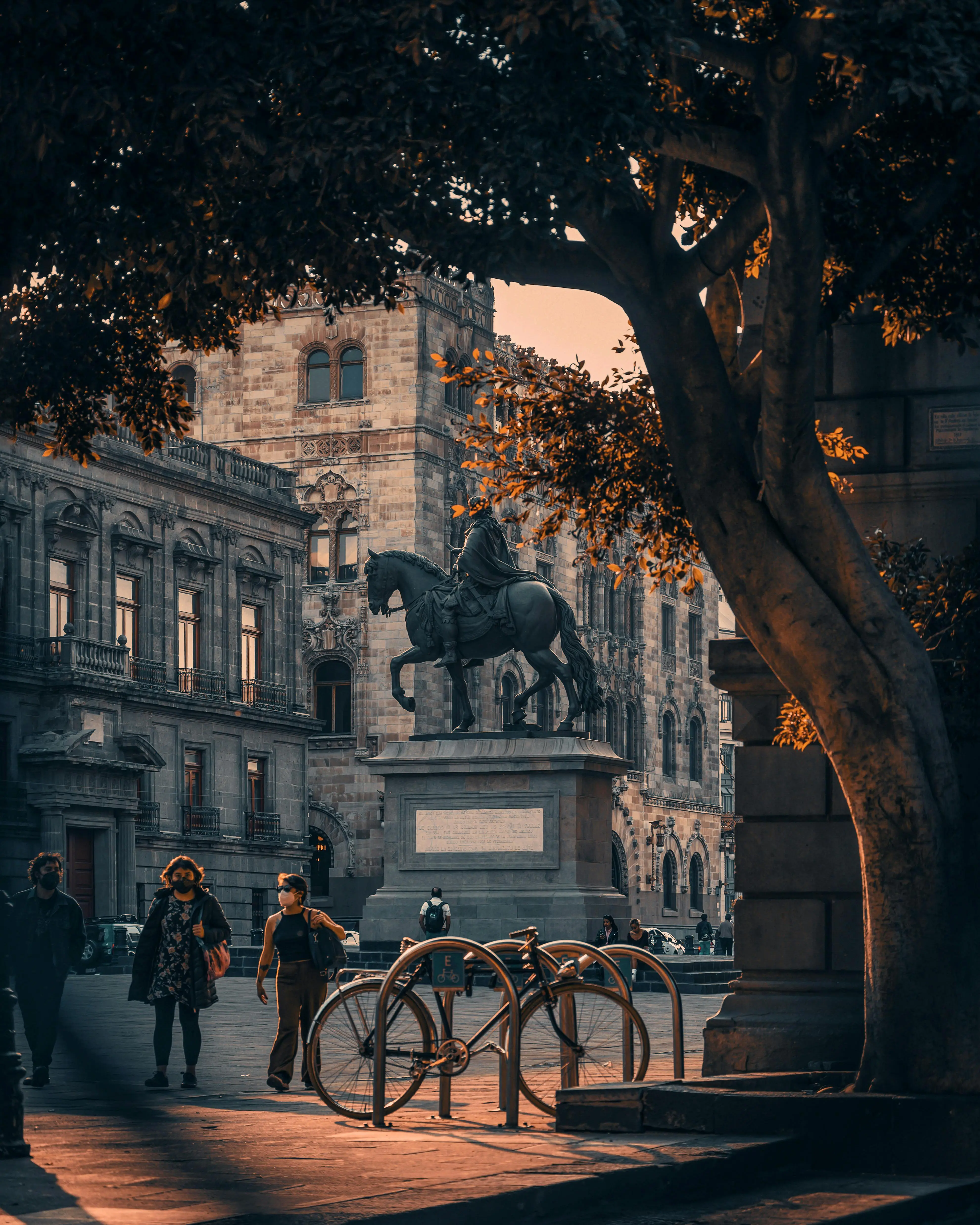
Mexico City doesn't reward improvisation the same way other cities might. This vast metropolis of over 1,500 colonias spreads across a footprint larger than some countries, and the neighborhood you choose determines whether you spend two hours a day commuting or ten minutes walking to everything you need. The best neighborhoods in Mexico City cluster in a handful of central colonias — Roma Norte, La Condesa, Polanco, Coyoacán — where infrastructure, safety, and density of cafés align with what remote work actually demands. Pick wrong, and you're isolated in residential sprawl with unreliable WiFi and no walkable food options after dark.
This guide covers:
Which neighborhoods in Mexico City offer the best balance of cost, safety, and work infrastructure
Where to find furnished apartments under $1,000/month with reliable internet
The trade-offs between central colonias like Centro Histórico and residential zones like San Ángel
What each neighborhood actually feels like to live in — noise levels, street safety at night, laptop-friendly cafés
How Mexico City's layout affects your daily routine and where you'll realistically spend your time
When to use the Metro versus Uber, and which neighborhoods make public transport viable
Understanding Mexico City's Layout and How Neighborhoods Work
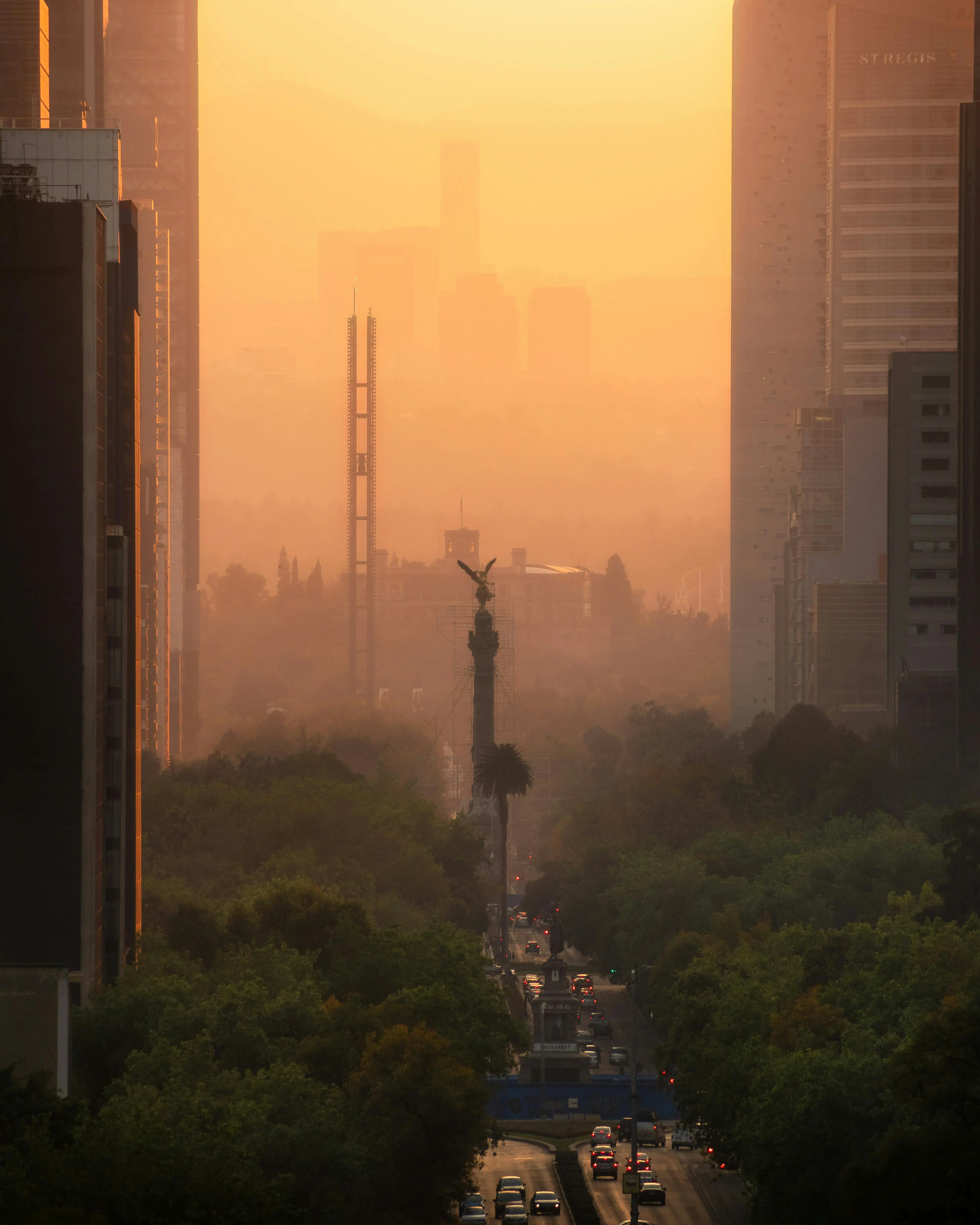
Mexico City is defined by its colonias — distinct neighborhoods that function almost like small towns within the Mexican capital. The city's urban sprawl extends for miles in every direction, but remote workers cluster in a relatively compact area west and south of the historic center. Paseo de la Reforma acts as the city's main artery, cutting diagonally from Chapultepec Park through Zona Rosa and into the financial district, with the best neighborhoods radiating out from either side of this axis. Understanding this geography matters because a 5km difference in location can mean the gap between a 15-minute walk to dinner and a 40-minute Uber ride.
The Core Remote Work Zone: Where Most Digital Nomads Actually Live, Centro Histórico to Coyoacán
If you map where digital nomads and expats concentrate, you get a triangle bounded by Polanco in the west, Centro Histórico in the east, and Coyoacán in the south — everything you need sits inside this zone.
Unlike many sprawling Latin American capitals, the best neighborhoods in Mexico City for digital nomads are concentrated in a walkable central corridor stretching from Centro to Polanco.
Roma Norte and La Condesa form the default base — 90% of coworking spaces, cafés with reliable WiFi, and furnished apartments targeting remote workers are here
Paseo de la Reforma provides the north-south transit spine with Metrobus lines running every 3 minutes during peak hours
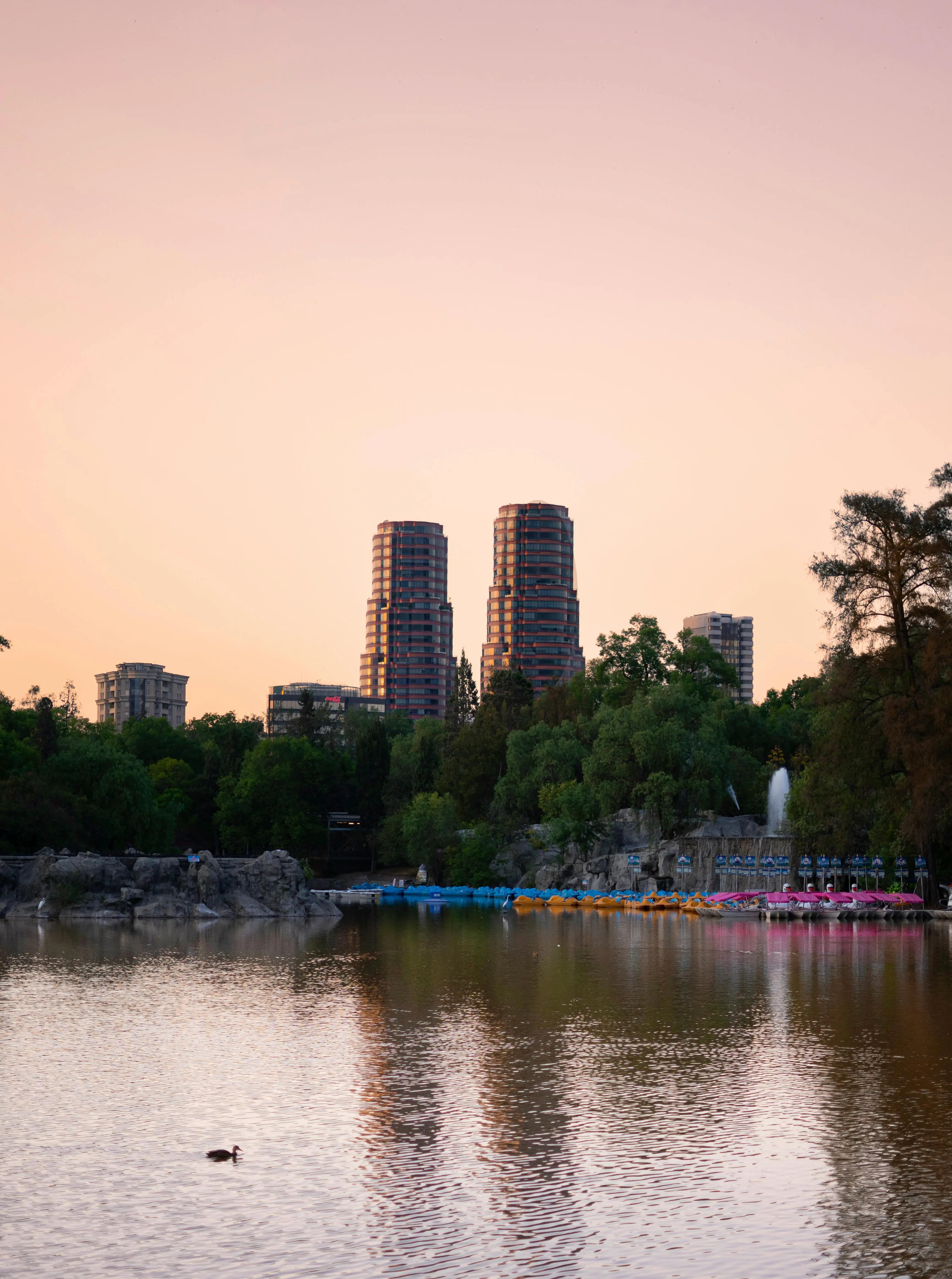
Bosque de Chapultepec sits at the western anchor — 1,600 acres of park with museums, lakes, and weekend markets where locals actually spend time
Centro Histórico holds the city's administrative and cultural center but empties out after 8pm on weeknights
Polanco offers the highest concentration of coworking day passes, Michelin-starred restaurants, and luxury apartments — expect to pay 40% more than Roma for the same square footage
Neighborhoods Outside the Core: When Distance Actually Works, San Angel and Beyond
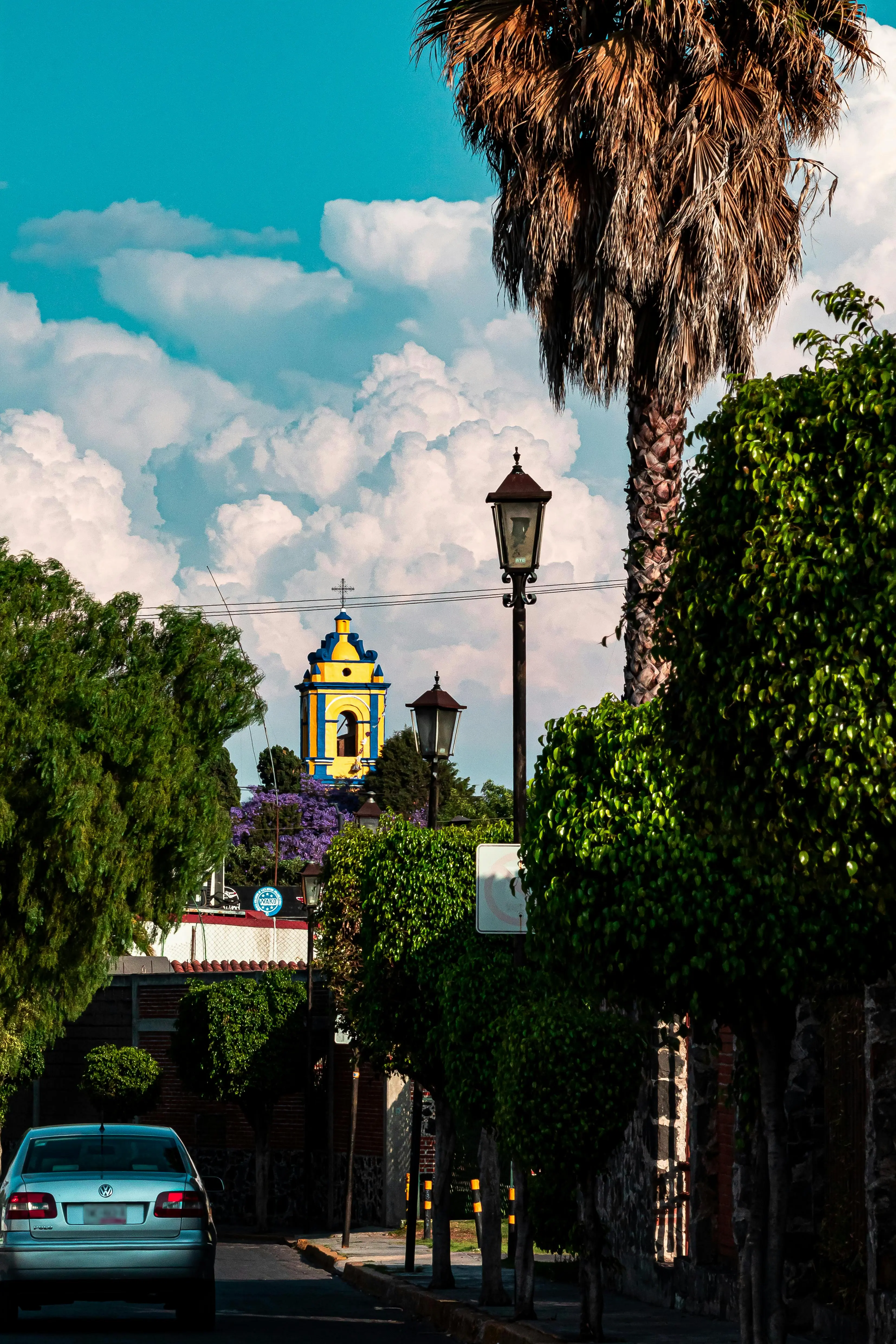
San Ángel, Coyoacán, and colonias south of the center offer cobblestone streets and quieter residential blocks, but you'll rely on Uber for most trips after dark.
Coyoacán sits 30 minutes south by Metro — village charm, La Casa Azul (Frida Kahlo Museum), and Sunday markets, but limited late-night food options within walking distance
San Ángel works for a weekend visit to the Saturday Bazar Sábado folk art market — living here full-time means accepting isolation from the rest of the city's rhythm
San Rafael and Juárez border the core zone just north of Paseo de la Reforma — 20% cheaper rent than Roma, but fewer English-speaking services and coworking options
Zona Rosa offers proximity to nightlife and luxury hotels but feels more like a tourist district than a residential neighborhood — loud most nights
Santa Fe, the business district west of the city, has modern buildings and corporate coworking but is completely car-dependent with 90-minute commutes to central neighborhoods
Browse Mexico City homes near this area
How the Metro System Shapes Where You Can Realistically Live
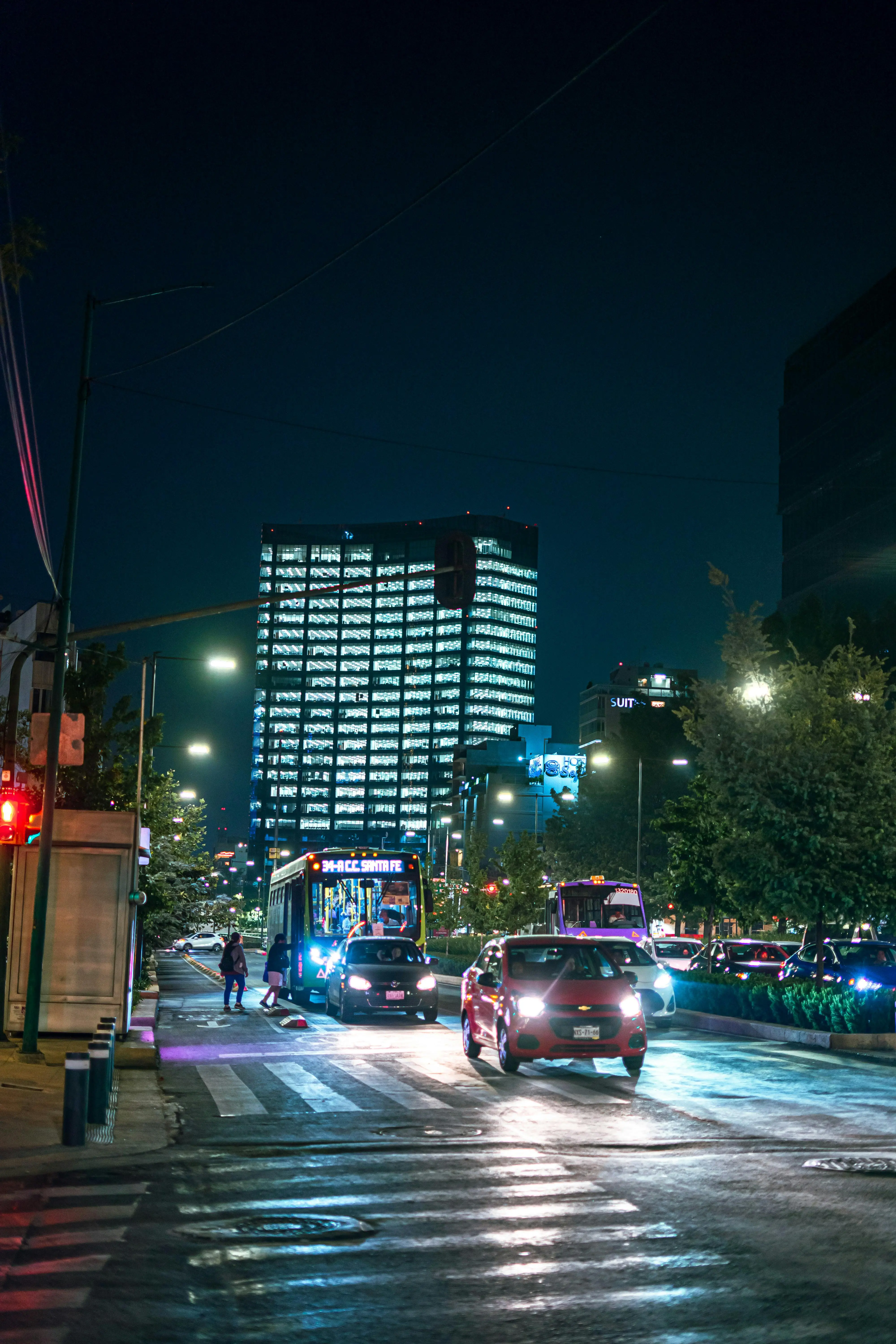
Mexico City's Metro moves 5 million people daily, but not all neighborhoods connect equally — some colonias require two transfers to reach the center, others sit within a 5-minute walk of multiple lines.
Line 1 runs east-west through Insurgentes and Chapultepec, connecting Roma, Centro Histórico, and the airport in 45 minutes
Line 3 cuts south from the city center through Coyoacán — the most efficient way to reach southern neighborhoods without Uber
Metrobus Line 1 along Insurgentes Avenue provides cleaner, faster service than the Metro but only runs north-south — critical for Roma and Condesa
Most remote workers use the Metro for airport runs and Uber for everything else — the system gets uncomfortably crowded during rush hour (7–9am, 6–8pm)
Plan 25 pesos ($1.50) per Metro trip, 80–150 pesos ($5–9) per Uber within the core zone
Once you understand the city's layout, the next decision is which specific neighborhood matches your tolerance for noise, walkability, and monthly rent.
Best Neighborhoods in Mexico City: Your Complete Neighborhood Guide
The best neighborhoods in Mexico City for remote workers share three things: density of cafés with consistent WiFi, walkable access to restaurants and groceries, and streets where you feel comfortable walking after dark. That eliminates most of the city's 1,500+ colonias and leaves you with roughly ten viable options. Each trades off cost against convenience — Roma Norte puts everything within a 10-minute walk but costs $900+/month for a one-bedroom, while San Rafael offers similar access for $650/month but with fewer English-speaking services. This section breaks down the neighborhoods that actually work for full-time remote living, not just weekend visits.
Neighborhood | Monthly Rent | Vibe | Best For | Key Advantage |
|---|---|---|---|---|
Roma Norte | $700–$1,200 | Bohemian, hipster culture, loud on weekends | Digital nomads wanting walkable everything | Highest café and coworking density in the city |
La Condesa | $800–$1,400 | Tree-lined, Art Deco, quieter than Roma | Remote workers prioritizing green space | Parque México and Parque España for outdoor breaks |
Polanco | $1,200–$2,500 | Upscale, business-focused, sterile after dark | Corporate nomads, families, luxury seekers | Safest neighborhood, high-end dining, Museo Soumaya |
Centro Histórico | $500–$900 | Historic, chaotic, empties at night | Budget travelers, culture focus, short stays | Lowest rent, walkable to 1500+ historic buildings |
Coyoacán | $600–$1,000 | Residential, cobblestone streets, bohemian | Slower pace, Mexican culture immersion | Village charm, Frida Kahlo Museum, weekend markets, Mexico City's oldest neighborhood |
Juárez | $650–$1,000 | Transitional, edgier, fewer tourists | Budget-conscious nomads okay with grit | Near Zona Rosa and Paseo de la Reforma, cheaper than Roma |
Roma Norte: The Default Base for Most Remote Workers
Roma Norte works because everything you need is within a 10-minute walk — and you will find out within a day whether it suits your tolerance for street noise and weekend crowds.
Polanco is located in the northwest part of the city and contains high-end hotels, embassies, and some of the most expensive real estate in Latin America.
Condesa is located just west of Roma, centered around Parque México and Parque España, with tree-lined oval streets that date back to the 1920s.
Roma Norte is located between Avenida Insurgentes and Avenida Cuauhtémoc, making it one of the most accessible neighborhoods in Mexico City for remote workers.
Madre Café — flat whites 60 pesos ($3), reliable WiFi, tables with power — go before noon before the laptop crowd fills it
Studios from $700/month, 1-bed from $900/month on Calle Colima and side streets near Álvaro Obregón
Impact Hub Roma — coworking day pass 250 pesos ($15), quieter than most cafés, community of other digital nomads
Metrobus Line 1 at Álvaro Obregón station — 3-minute walk from most apartments, runs every 4 minutes
Louder on Friday and Saturday nights — side street apartments one block off Álvaro Obregón reduce noise by half
Mercado Roma — gourmet food hall, 80–150 pesos ($5–9) per meal, open until 11pm most nights
La Condesa: Quieter Alternative with More Green Space
La Condesa costs slightly more than Roma Norte but delivers tree-lined streets, two major parks, and residential blocks where you can actually hear yourself think at night.
Parque México — 5-hectare park with running paths, outdoor exercise equipment, dog-friendly — morning runs here replace gym memberships
Café Nin — oat milk cappuccino 65 pesos ($3.50), WiFi password on receipt, no laptop cutoff time — side street location keeps it quiet
1-bed apartments $800–$1,100/month along Avenida Amsterdam circular boulevard
Art Deco and Porfirian architecture dominates — many buildings from the 1920s converted to apartments with high ceilings and original details
Contramar — tuna tostadas 180 pesos ($10), best before 2pm before the wait hits 90 minutes — one of the best restaurants in the neighborhood
Metro Chilpancingo (Line 9) sits at the southern edge — 8-minute walk from central Condesa, connects to airport in 35 minutes
Polanco: High-End Option, Museo Soumaya to the Best Coworking Spots
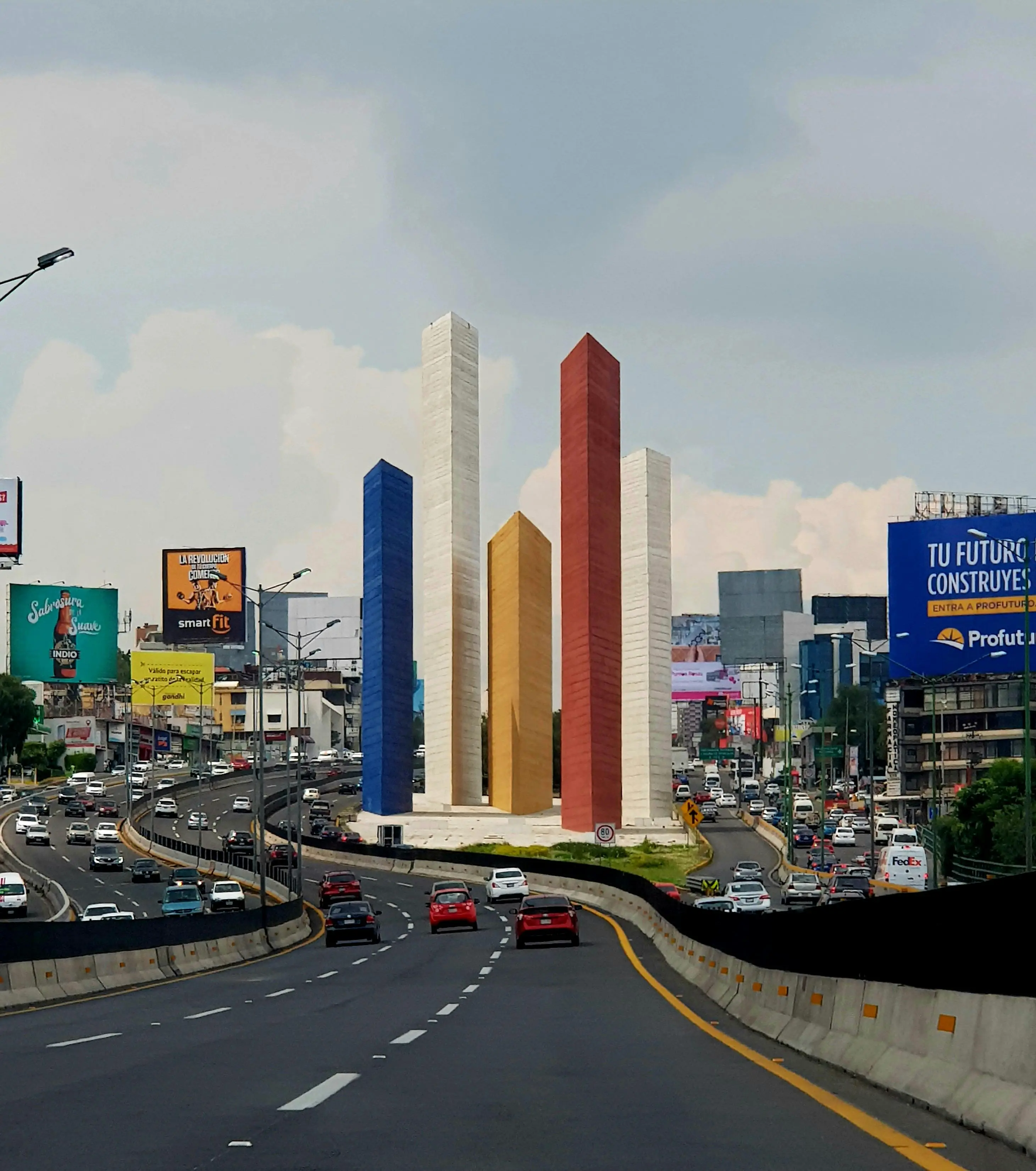
Polanco is often called the Beverly Hills of Mexico, and the comparison is accurate — this is where you go if you want the safest neighborhood, Michelin-starred restaurants, and don't mind paying double Roma's rent.
Studios from $1,200/month, 1-bed from $1,600/month near Parque Lincoln — expect doormen, gyms, and rooftop pools
Museo Soumaya — free admission, world-class collection including Rodin sculptures and Diego Rivera murals — go on weekday mornings to avoid crowds
Pujol — tasting menu 3,800 pesos ($220), ranked among Latin America's best restaurants — book 6 weeks ahead
Engine Workplace coworking — day pass 400 pesos ($23), quietest workspace in the city, English-speaking community managers
Metro Polanco (Line 7) connects to city center in 20 minutes — station sits in the middle of the neighborhood's main commercial strip
Feels sterile after 9pm on weeknights — this is a business district that empties out, not a residential neighborhood with street life
Centro Historico: The Heart of Ciudad de México
Centro Histórico offers the lowest rent in central Mexico City and puts you within walking distance of over 1,500 historic buildings, ancient Aztec ruins at Templo Mayor, and the Palacio Nacional — but it empties out after dark and requires more caution with belongings during the day.
Studios from $500/month, 1-bed from $700/month near Zócalo plaza — check for street-facing windows to gauge noise levels before signing
Palacio de Bellas Artes — Art Nouveau building with murals by Diego Rivera, 75 pesos ($4) entry — worth a visit even if you skip the ballet performances
Café de Tacuba — traditional Mexican food, 120 pesos ($7) for enchiladas, historic setting but inconsistent WiFi — not a work café
Use taxis after 8pm — the historic center gets quiet at night, and while major streets stay safe, side streets empty out completely
Metro Zócalo (Line 2) and Allende (Line 2) provide access to the entire system — every major line connects through downtown Mexico City
Street vendors and crowds peak between noon and 7pm — mornings before 10am offer the most peaceful walking conditions
Choosing between these neighborhoods comes down to whether you prioritize walkability and density (Roma Norte, Condesa) or safety and quiet (Polanco, residential Coyoacán). Check out our detailed Roma Norte neighborhood guide for street-by-street breakdowns of where to find the best apartments and cafés.
Browse Mexico City homes near this area
Where to Work: Cafés, Coworking Spaces, and WiFi Reality
Mexico City's café culture supports remote work better than most cities, but reliability varies wildly by neighborhood. Roma Norte and La Condesa pack the highest density of laptop-friendly spots with power outlets and WiFi that actually holds a video call — venture into residential neighborhoods like San Miguel Chapultepec or south to Coyoacán, and your options narrow to one or two viable cafés with inconsistent internet speeds. Coworking spaces cluster in the same central zone, with day passes ranging from 150 pesos ($9) in shared community spaces to 400 pesos ($23) in Polanco's corporate hubs. This section covers where you'll realistically work when you need a change from your apartment.
Roma Norte: Highest Density of Laptop-Friendly Cafés
Roma Norte has become the center of hipster culture and remote work infrastructure in Mexico City — you can walk five minutes in any direction and find a café with WiFi, but quality and crowd levels vary by time of day.
Blend Station — specialty coffee 70 pesos ($4), dedicated coworking tables with reservations, 100mbps WiFi tested consistently — best before 2pm
Cardinal Casa de Café — cortado 55 pesos ($3), no laptop policy after 3pm on weekends, quieter back room for focused work
Quentin Café — oat milk latte 65 pesos ($3.50), all-day laptop seating, power at every table — gets crowded after 11am
Lardo — Mediterranean food, 180 pesos ($10) lunch, WiFi available but designed for meals not all-day sitting
Most cafés enforce a soft 2-hour limit during peak times — order a second drink or pastry to extend your stay
Coworking Spaces: When You Need Guaranteed WiFi and Quiet
Coworking day passes in Mexico City range from budget community spaces to corporate offices with private phone booths — all offer better internet reliability than cafés but vary significantly in atmosphere and who actually works there.
The Pool in Polanco — day pass 400 pesos ($23), dedicated desks, meeting rooms, English-speaking staff — corporate remote workers and startup teams dominate
Impact Hub Condesa — day pass 250 pesos ($15), community events, standing desks, rooftop terrace — more social than focused work environment
Publico near Paseo de la Reforma — day pass 300 pesos ($17), quiet pods for calls, 200mbps fiber, coffee included — best for heads-down work
Homework in Roma Norte — day pass 200 pesos ($12), casual vibe, unreliable AC in summer, younger digital nomad crowd
Monthly coworking memberships run 3,500–6,500 pesos ($200–$375) depending on location and desk type — compare that to café spending if you work out 5+ days per week
Condesa and Polanco: Quieter Café Options
La Condesa and Polanco offer fewer cafés overall but tend toward larger spaces with better seating and less aggressive laptop turnover than Roma's packed coffee shops.
Inolvidable Café in Condesa — cold brew 60 pesos ($3.50), long communal tables, no time pressure, strong morning light for video calls
Panadería Rosetta in Roma/Condesa border — pastries 45 pesos ($2.50), WiFi code on receipt, better for morning sessions before lunch rush fills it
Au Pied de Cochon in Polanco — French bistro, 220 pesos ($12) breakfast, WiFi available but not designed for lingering — treat this as a change-of-scenery meal break
Most Polanco cafés cater to business meetings and shoppers, not remote workers — coworking day passes make more sense here than café-hopping
WiFi Reality: What Speeds to Expect and Where
Mexico's fiber internet infrastructure reaches most central neighborhoods, but advertised speeds and real-world performance during peak hours diverge significantly — especially in older buildings with shared connections.
Furnished apartments in Roma Norte and Condesa typically include 50–100mbps Telmex or Totalplay fiber — confirm actual speeds before signing, not just what the listing claims
Most cafés run on residential connections and throttle during busy periods — expect 10–20mbps download, enough for browsing and Slack but not reliable for video calls with screen sharing
Coworking spaces guarantee 100–200mbps dedicated lines — worth the day pass cost when you have client calls or large file uploads
Mobile data via Telcel or AT&T Mexico delivers 20–40mbps in central neighborhoods — useful as backup but not a primary work solution
Test WiFi at any café within the first 10 minutes — if you can't load a video call, move on rather than wasting an hour hoping it improves
Once you have your workspace routine sorted, the next question is where to eat when you're tired of cooking and want to explore the city's food scene without burning through your monthly budget. Explore RentRemote's curated fully furnished apartments for digital nomads and remote workers in Mexico City.
Food, Restaurants, and Where Locals Actually Eat
Mexico City's food scene splits between high-end destinations that draw international attention and neighborhood taquerías where you'll eat most of your meals — the gap between the two determines how much you'll spend and whether you tire of the options within a month. Roma Norte, La Condesa, and Polanco pack the highest density of restaurants, but they also charge 30–50% more than the same quality food in Juárez, San Rafael, or residential pockets of Coyoacán. This section covers where to find both the celebrated spots worth the splurge and the everyday places that keep your food budget under 6,000 pesos ($350) per month.
Everyday Eating: Taquerías and Market Food
Street tacos and market stalls deliver the best value in Mexico City — 15 pesos ($0.85) per taco, 80 pesos ($4.50) for a full meal — and the quality often exceeds sit-down restaurants charging triple the price.
El Califa de León in Condesa — costras (cheese-crusted tacos) 45 pesos ($2.50) each, outdoor seating, open until 2am on weekends
Los Cocuyos in Roma Norte — campechano tacos 20 pesos ($1.20), standing room only, locals queue here after midnight
Mercado de Coyoacán — tostadas 60 pesos ($3.50), fresh juice 35 pesos ($2), chaotic but authentic, go before 2pm for the full selection
Por Siempre Vegana Taquería — plant-based tacos 25 pesos ($1.50), mole and adobada options, Condesa location
Markets close by 6pm in most neighborhoods — plan lunch or early dinner to catch them open
Mid-Range Restaurants: Where Quality Meets Reasonable Prices
Roma and Condesa dominate this category with bistros, Japanese spots, and contemporary Mexican restaurants charging 250–450 pesos ($15–25) per person — enough variety to avoid repetition but not so expensive you feel guilty going twice a week.
Máximo Bistrot in Roma Norte — tasting menu 950 pesos ($55), a la carte mains 320 pesos ($18), book a week ahead for dinner
Fonda Fina — modern Mexican, 280 pesos ($16) per dish, mezcal selection, intimate space — go for lunch when it's quieter
Lalo! — brunch institution, chilaquiles 180 pesos ($10), long waits on weekends, arrive before 10am or after 2pm
Mog Bistro in Juárez — Korean-Mexican fusion, bibimbap 220 pesos ($12), less crowded than Roma spots with comparable quality
Many restaurants add 15% service charge automatically — check the bill before adding an additional tip
High-End Dining: When You Want the Full Experience
Mexico City holds multiple world-class museums and equally impressive restaurants — Pujol, Quintonil, and Sud 777 rank among Latin America's best, but you'll pay 2,500–4,500 pesos ($145–260) per person for tasting menus that justify their reputation.
Quintonil in Polanco — tasting menu 3,200 pesos ($185), seasonal Mexican ingredients, book 4–6 weeks ahead, the best restaurants require patience
Rosetta in Roma Norte — Italian-Mexican, 380 pesos ($22) pasta, 650 pesos ($38) mains, casa setting with garden patio
Sud 777 near San Ángel — contemporary Mexican, 2,800 pesos ($160) tasting menu, chef Édgar Núñez's ingredient-focused approach
Polanco concentrates the highest number of Michelin-quality spots within walking distance — if food matters to your trip, staying here provides access without Uber fees
Neighborhood Food Differences: What Changes by Location
Where you live determines not just restaurant access but food costs — the same chilaquiles that cost 95 pesos ($5.50) in San Rafael run 180 pesos ($10) in Condesa, and options narrow significantly outside the core neighborhoods.
Centro Histórico offers the cheapest meals — fondas and cafeterías serve comida corrida (set lunch) for 70–90 pesos ($4–5) within two blocks of Palacio Nacional
Polanco adds 30–40% to most dishes compared to Roma — you pay for safety, cleanliness, and English menus, not necessarily better food
Coyoacán's cobblestone streets hide excellent neighborhood spots but limited late-night options — most restaurants close by 10pm except on weekends
Zona Rosa skews toward tourist-focused restaurants with inflated prices and inconsistent quality — walk 10 minutes to Juárez for better value
Finding fully furnished apartments in Mexico City within walking distance of good neighborhood food reduces your reliance on delivery apps and Uber — factor meal access into your location decision
Food in Mexico City rewards exploration beyond the hyped spots, but you'll spend less time searching for meals if you base yourself in Roma, Condesa, or the edges of Polanco where density of options lets you walk out your door and choose from a dozen places within five minutes.
Safety and Practical Realities in Mexico City Neighborhoods
Mexico City's reputation precedes it, but the actual safety picture depends entirely on which neighborhood you're in and what time you're out — Roma and Polanco feel safer than many European capitals at night, while parts of Centro Histórico empty out after dark and require more awareness.
Safety varies significantly across Mexico City neighborhoods, with Roma, Condesa, and Polanco generally considered very safe for walking day and night.
Which Neighborhoods Feel Safest Day and Night
Polanco and Lomas de Chapultepec have visible private security, well-lit streets, and almost zero street crime targeting residents — you pay a premium for this, but if personal safety is non-negotiable, these neighborhoods deliver it.
Polanco allows evening walks without concern — streets stay active until midnight, restaurants have valet parking, most buildings have 24-hour doormen
Roma Norte feels safe on main streets (Álvaro Obregón, Orizaba) but side streets get quieter after 11pm — stick to avenues at night or take Uber for three-block trips
La Condesa's tree-lined streets around Parque México stay populated until late, but the western edge near Insurgentes sees more opportunistic phone theft — keep devices out of sight while walking
San Rafael after dark requires more caution — the neighborhood is gentrifying but not fully there yet, and poorly lit blocks between Reforma and the center attract different crowds at night
Centro Histórico empties dramatically after 9pm except around Bellas Artes — walking from Zócalo to your apartment alone at midnight is inadvisable regardless of experience
Petty Crime: What Actually Happens and Where
Violent crime against foreigners is rare in central neighborhoods, but phone theft, bag snatching, and Uber scams happen frequently enough that locals adjust behavior accordingly — you should too.
Phone theft peaks in Condesa and Roma on Friday and Saturday nights between 11pm–2am — thieves on motorcycles grab devices from pedestrians, always walk with phone in inside pocket
Metro pickpocketing concentrates on Lines 1, 2, and 3 during rush hours (7:30–9:30am, 6–8pm) — keep backpack in front, wallet in front pocket, avoid crowded cars if carrying laptop
Fake Uber drivers wait outside popular bars in Zona Rosa and Roma — always verify license plate matches app before getting in, scammers drive similar vehicles
ATM skimming occurs at standalone machines in tourist areas — use bank-attached ATMs during business hours, preferably inside the building vestibule
Most building thefts happen during the first week when you're still learning the area — don't leave laptops visible through ground-floor windows, and actually lock your door even for 10-minute errands
Browse Mexico City homes near this area
Earthquake Preparedness: Not Optional Context
Mexico City sits in an active seismic zone, and the September 19th date carries weight here after major earthquakes in 1985 and 2017 — buildings constructed after 1985 follow strict codes, but older structures in Centro Histórico and Roma Sur show visible damage.
Monthly earthquake drills sound sirens on the 19th of each month — if you hear it mid-month, it's a test, but locals still evacuate buildings to practice
Check building construction date before signing a lease — post-1985 buildings in Roma Norte and Condesa have seismic reinforcement, pre-1970 buildings may not
Download the SkyAlert app — it provides 60–90 second warnings before tremors reach the city, enough time to get to a doorway or outside
Ground-floor apartments in older buildings carry slightly higher risk during major quakes — upper floors in modern construction are engineered to sway safely
Browse Mexico City homes near this area
Air Quality: The Thing No One Mentions Until You're There
Mexico City's altitude (7,350 feet) combined with surrounding mountains traps pollution, and you'll notice it within three days — some visitors adapt, others spend the entire trip slightly short of breath.
December through March brings the worst air quality — check daily AQI levels on IQAir, anything above 150 means skip outdoor exercise
Chapultepec Park and neighborhoods to the west (Polanco, Lomas) have noticeably cleaner air than eastern areas due to prevailing winds
Budget for an air purifier if staying over a month — most furnished apartments don't include them, and you'll sleep better with one running at night
The altitude compounds the pollution effect — if you're coming from sea level, expect headaches and fatigue for the first week regardless of air quality
Rainy season (June–September) clears the air temporarily after storms, but also brings humidity that makes pollution feel heavier on bad days
The vast metropolis rewards those who learn its patterns quickly, but unlike cities where you can wing it, Mexico City punishes carelessness — understanding which streets to avoid at which times is part of living here successfully, not paranoia.
Browse Mexico City homes near this area
Booking Apartments and Navigating Mexico City's Rental Market
Finding an apartment in Mexico City splits between short-term furnished options on Airbnb and longer leases through local agents — the sweet spot for remote workers is 1–3 months, which gives you negotiating room but limits your choices to neighborhoods where furnished inventory actually exists.
Furnished vs. Unfurnished: What the Market Actually Offers
Most local rentals come unfurnished, which works for expats planning to stay a year but creates friction for digital nomads testing the city — furnished apartments concentrate in Roma Norte, Condesa, and Polanco, often at 40–60% premiums over equivalent unfurnished units.
Roma Norte has the highest density of furnished month-to-month apartments — studio $700–900, 1-bed $900–1,200, building quality varies dramatically even on the same block
Polanco furnished rentals start at $1,400/month for studios and climb quickly — you're paying for turnkey convenience and building amenities (gym, security, rooftop terrace)
Condesa sits between the two — expect $850–1,100 for furnished studios, with better inventory near Parque México than the outer edges
San Rafael and Juárez offer 20–30% savings on furnished apartments but require more vetting — some buildings have noise issues or unreliable water pressure
Airbnb monthly discounts typically hit 40–50% off nightly rates, but you'll still pay more than direct rentals — use it for the first month while you find a better deal locally
What "Furnished" Actually Means in Different Neighborhoods
Furnished standards vary wildly — a Polanco apartment includes high-speed fiber, comfortable work chair, and full kitchen equipment, while a Centro Histórico listing might have a bed, table, and nothing else.
Always confirm internet speed before booking — many older buildings in Roma Sur and Condesa max out at 10–20 Mbps, insufficient for video calls
Work chair quality matters more than you think at altitude — cheap furniture combined with thin air means neck pain by week two, ask for photos of the desk setup
Kitchen equipment in budget rentals often means two gas burners and a microwave — if you plan to cook regularly, verify what's actually included
Hot water systems vary by building age — newer buildings have on-demand heaters, older ones use rooftop tanks that run out during morning rush, ask neighbors before signing
Washing machines are common, dryers are rare — expect to line-dry clothes, which takes longer in humid months but works fine most of the year
Booking Timing and the Most Efficient Way to Search
The rental market moves faster in January–March when northern hemisphere remote workers arrive — inventory disappears within days for well-priced units in Roma and Condesa, while Polanco and San Ángel move slower due to higher prices.
Book 3–4 weeks ahead for peak season (January–March), 1–2 weeks ahead for other months — owners in best neighborhoods rarely list more than 30 days out
Facebook groups like "Mexico City Apartments" and "Expats in CDMX" often have better deals than Airbnb, but require more back-and-forth and trust
Visit the neighborhood before committing to anything over a month — photos hide noise, smell, and street activity that determine whether you'll actually enjoy living there
Most landlords want first month + deposit upfront — negotiate a lower deposit if booking 2+ months, some will accept one month total upfront for longer stays
Viewings happen in person or via video tour — if a landlord refuses to show the space before payment, walk away, legitimate rentals always allow inspection
Finding Explore Polanco in our neighborhood guide helps you understand block-by-block differences that make or break a rental experience — two buildings on the same street can feel completely different at night
Red Flags and What to Actually Verify Before Signing
Rental scams exist but are less common than in other cities — the bigger risk is overpaying for an apartment that photos make look better than reality, or discovering after move-in that the building has issues the landlord didn't mention.
Check water pressure in person — many older buildings in Centro Histórico and parts of Roma have terrible pressure above the second floor
Ask about building noise before 8am and after 10pm — ground-floor units near popular restaurants inherit all the delivery motorcycle noise and sidewalk conversations
Verify who pays utilities — some rentals include everything, others charge electricity separately, which can add $30–60/month depending on AC use
Confirm the cancellation policy for stays under 3 months — Airbnb protects you, direct rentals may not refund if you leave early
Street parking doesn't exist in most central neighborhoods — if you're bringing a car, confirm dedicated parking comes with the unit, not street access
Once you've sorted out where to stay and work, the next question becomes how to actually spend your time beyond the obvious tourist sites that most visitors check off in the first week.
Museums, Markets, and How to Spend Time Beyond the Obvious Sites
Mexico City holds more museums than any city in the world except London, and the difference here is that locals actually visit them regularly — understanding which ones justify your time versus which exist purely for tourists determines whether you spend a Saturday morning well or waste it.
The Museo Nacional de Antropología in Chapultepec is a world class museum that holds the most important collection of pre-Columbian art in the Americas, including the iconic Aztec Sun Stone.
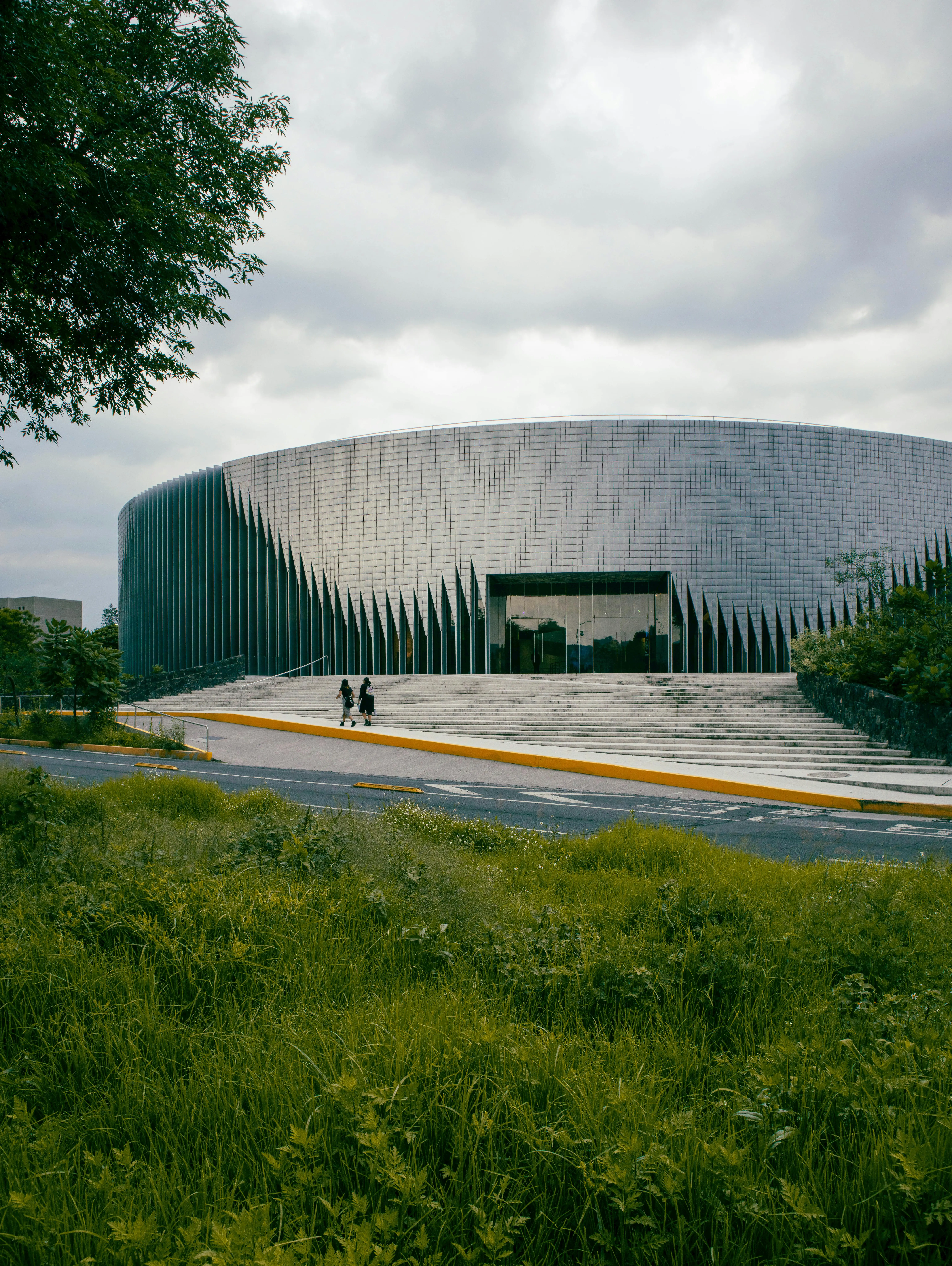
The Museo Soumaya in Polanco houses Carlos Slim's private art collection and offers free admission daily, featuring works from Rodin to Diego Rivera in a striking aluminum-clad building.
Museums Worth Visiting vs. Museums You Can Skip
The National Museum of Anthropology ranks among the world's best and delivers on its reputation, but many other museums in Chapultepec Park and Centro Histórico feel more like obligations than experiences — choose selectively based on actual interest, not guidebook pressure.
National Museum of Anthropology — 90 pesos ($5), plan 3–4 hours minimum, the Aztec calendar stone and Maya hall alone justify the trip, go Tuesday or Wednesday to avoid weekend crowds
La Casa Azul (Frida Kahlo Museum) in Coyoacán — 270 pesos ($15), book online days ahead, the house reveals more about Frida Kahlo's life than her paintings, visit early or late to avoid tour groups
Museo Soumaya in Polanco — free entry, striking building designed by Fernando Romero, collection feels random (Rodin sculptures next to folk art), worth 45 minutes if you're already in the neighborhood
Palacio de Bellas Artes — 75 pesos ($4), Diego Rivera murals on the third floor are the main draw, architecture exterior is more impressive than most exhibitions inside
Templo Mayor museum next to Palacio Nacional — 85 pesos ($5), Aztec ruins in downtown Mexico City with artifacts found during excavation, combines well with a morning in the historic center
Chapultepec Park contains multiple museums within walking distance — if you visit more than two, buy the combined ticket at the first one and save 30%
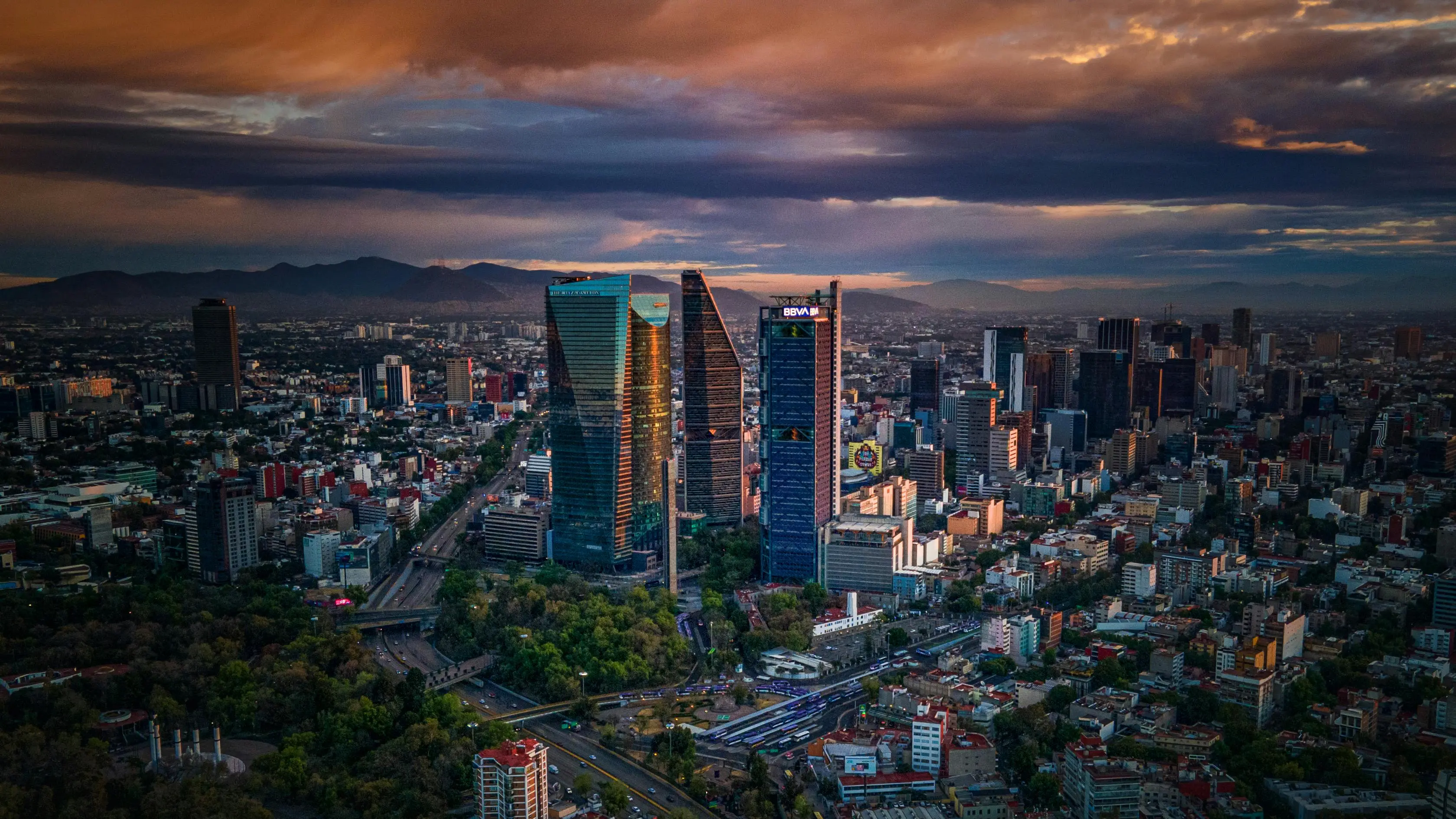
Markets That Work for Living, Not Just Sightseeing
Every neighborhood has at least one market, but the difference between Mercado Roma (designed for Instagram) and local mercados (designed for residents buying groceries) determines whether you'll return or visit once and never again.
Mercado Roma — gourmet food hall, tacos 80–120 pesos ($4.50–7), weekends get unbearably crowded, it's fine once but locals rarely go
Mercado de Coyoacán — traditional market, tostadas 40 pesos ($2.20), fresh produce, go Saturday morning to see it at full energy, the cobblestone streets around it are better for exploring than the market itself
Mercado San Juan near Alameda — specialty ingredients (exotic meats, imported cheeses), locals who cook seriously shop here, not tourist-friendly but fascinating if food sourcing interests you
Tianguis Cultural del Chopo — Saturday punk/alternative market, records, vintage clothes, street food, feels completely different from upscale Roma markets
Neighborhood tianguis (weekly street markets) rotate through most areas — Roma's Saturday market on Orizaba has fresh produce and prepared foods locals queue for, arrive before noon for best selection
Day Trips and Nearby Towns Worth the Effort
Staying in Mexico City for over two weeks makes Teotihuacán and nearby colonial towns accessible, and spending a full day outside the urban sprawl reminds you why Mexico works as a long-term base — history and nature exist an hour away, not five.
Teotihuacán pyramids — 85 pesos ($5) entry, 1 hour north by bus from Terminal Central del Norte, go early (8am) before heat and crowds, climbing the Pyramid of the Sun at midday will destroy you at this altitude
San Miguel de Allende — 4-hour bus ride, colonial town popular with American expats, cobblestone streets and art galleries, overnight trip works better than a rushed day visit
Puebla — 2 hours by bus, cheaper and less touristy than San Miguel de Allende, mole poblano and Talavera pottery, doable as a day trip but better with one night
Xochimilco canals in the south — trajinera boat rides 500–600 pesos ($30–35) per hour per boat, bring friends to split cost, weekends feel like floating parties, weekdays are quieter and cheaper
Most towns outside the city require Spanish — unlike Roma and Polanco where English works in restaurants, day trips mean ordering food and asking directions in Spanish or pointing at things
Nightlife Beyond the Tourist Traps in Zona Rosa
Zona Rosa built its reputation on LGBTQ+ nightlife and still delivers that, but the neighborhood also attracts the worst kind of tourist bars with inflated drink prices and aggressive promoters — better nightlife exists in Roma, Condesa, and the western parts of Centro Histórico if you know where to look.
Patrick Miller in Condesa — '80s/'90s night, no cover before 11pm, mix of locals and expats, less pretentious than most clubs, gets packed after midnight
Pulquería Insurgentes — traditional pulque bar, drinks 40–60 pesos ($2.20–3.50), pulque is an acquired taste but the atmosphere works, locals bring their own snacks
Salón Tenampa in Plaza Garibaldi — mariachi central, 150 pesos ($8.50) cover includes first drink, tourist-heavy but authentic experience, avoid walking there alone after midnight
Juárez neighborhood has the city's best cocktail bars — Limantour (ranked among the world's best), mezcal flights 250–400 pesos ($14–23), reservation required on weekends
Most clubs charge covers (100–200 pesos) and have minimums at tables — standing room is free entry most nights, but expect to spend 500+ pesos ($30+) per person on drinks to make the night worthwhile
Returning to the same favorite neighborhoods and streets reduces decision fatigue and creates a sense of belonging — Roma and Condesa's nightlife scenes reveal themselves over multiple visits, not one big night out
The city's cultural depth extends far beyond the standard sightseeing circuit, but accessing it requires choosing where to spend your limited time — museums and markets work better when they align with your actual interests rather than someone else's top-ten list.
Mexico City is a great city for remote workers who want culture, affordability, and community without sacrificing urban sophistication or quality of life.
Conclusion: Who Mexico City Actually Works For
Mexico City rewards people who treat it as a base rather than a destination to conquer — the neighborhoods in Mexico reveal themselves slowly, and the city works best when you pick one area, learn its rhythm, and let the rest wait for your next trip. If you need everything to be easy immediately, Bangkok or Lisbon might suit you better. If you're comfortable with a learning curve and want world-class food, walkable streets, and reasonable rent in exchange for altitude headaches and the occasional earthquake drill, few cities deliver more for the effort. The best neighborhoods in Mexico City cluster together, which means choosing well the first time determines your entire experience — pick Roma or Condesa if you want plug-and-play convenience, Polanco if safety and polish matter more than budget, or take a month to test whether the Mexican capital fits your version of remote work before committing longer. Finding the right fully furnished apartments in Mexico solves half the equation; actually understanding which blocks to avoid and which cafés to return to solves the rest.