
Daniel
Productivity & Remote Living Analyst ·
Medellín is not the city it was in the 1990s — but it is not entirely without risk either, and conflating those two facts in either direction will cost you. The transformation is real: homicide rates have dropped dramatically, the infrastructure is genuinely good, and the digital nomad community here is one of the most established in Latin America. What remains are specific, manageable risks that respond well to common sense and local knowledge. This guide covers exactly that.
How safe Medellín actually is in 2026 — and where the real risks come from
Which neighbourhoods suit expats and remote workers, and what each one costs
Essential safety tips that go beyond the generic advice
The Pablo Escobar question and why it still matters for how tourists are perceived
How to meet people and build a life here without becoming a target
What daily costs actually look like month to month
Is Medellín Safe for Expats? The Honest Answer
Medellín spent decades on lists of the most dangerous cities in the world. It is not on those lists anymore — and that matters, but it does not mean the question of safety is settled. The risks have changed in character, not disappeared.
How Medellín Colombia Has Changed — and What Has Not
The decline in gang violence and homicides since the early 2000s is one of the more dramatic urban turnarounds in South American history, and it is legitimate.
Homicide rates have fallen by more than 90% since the peak years — the city is no longer among the most dangerous cities in the hemisphere by that measure
The Metro system, cable cars, and escalators in hillside comunas were built as deliberate infrastructure investments in previously neglected areas
Drug traffickers and gang activity still exist in specific peripheral zones — but these are not the areas expats move into
What remains is petty crime: street robberies, pickpocketing in crowded areas, and opportunistic theft — the same profile as many cities at this income level
The city that killed journalists in the 1990s and the city that hosted the World Urban Forum in 2014 are the same place — understanding both versions of that history makes you a more realistic resident, not a more frightened one.
What Most People Get Wrong About the Risk Profile
Most people either over-fear Medellín based on its past or under-fear it based on the renovation narrative — and neither position serves you well.
Petty theft is the dominant risk, not violent crime — your phone matters more than your personal safety in El Poblado on a Tuesday afternoon
Scopolamine (also called burundanga) is a serious concern: a drug used in scams that renders victims highly suggestible, used for robbery — it appears in drinks, on surfaces, and increasingly through dating app encounters
Drink spiking in nightlife areas is a documented and recurring problem, not an urban myth — foreign visitors are specifically targeted in some venues
Criminals have begun using dating apps to arrange meetings that end in drugging and robbery — foreign men are disproportionately targeted
None of this makes Medellín unusually dangerous by global standards — it makes it a city where you pay attention, the same as you would in any major urban environment where you do not know the terrain.
Compared to other Colombian cities, Medellín's El Poblado neighbourhood reports fewer muggings per visitor than central Bogotá — though that advantage disappears if you take unlicensed taxis after midnight.
Medellin Colombia Neighbourhoods: Where Expats Actually Live
Safety in Medellín is highly localised — the entire city is not uniform, and where you live determines roughly 70% of your daily experience here, including risk exposure. The four neighbourhoods below cover most of what expats actually choose.
Neighbourhood | Monthly Rent (1-bed) | Vibe | Best For | Key Advantage |
|---|---|---|---|---|
El Poblado | $700–$1,200 USD | Expat-heavy, polished, walkable | First-time arrivals, nightlife access | Safest area, highest English density |
Laureles | $500–$900 USD | Residential, local, calmer | Long-term stays, digital nomads | Better value, more Colombian feel |
Envigado | $400–$700 USD | Quiet, suburban, fewer tourists | Families, longer stays with Spanish | Lowest cost, calmer street life |
Sabaneta | $350–$600 USD | Local residential, artisan market area | Budget-conscious long-termers | Authentic pace, very low tourist footprint |
El Poblado: The Best Neighbourhood for Most Expats Arriving Without Local Knowledge
El Poblado is where most people land, and for a first month it is the right call — the infrastructure removes friction while you figure out the city.
Parque El Poblado — the social centre of the neighbourhood; coffee from $2, good for orientation walks before 10am
Shared apartment rooms from $200 USD/month; private 1-beds from $700 USD — luxury buildings with 24/7 doormen available at the upper end
Pergamino Café — specialty coffee, solid WiFi, $3–4 per drink; fills up by 10am on weekdays
Highest concentration of many foreigners, which makes it easier to meet people — and also makes it the primary target area for scams directed at tourists
El Poblado is the safest area in Medellín by most measures, but "safest" is relative — the nightlife strip around Parque Lleras still warrants the same drink-watching vigilance you would apply anywhere with heavy tourist foot traffic.
Explore El Poblado in our neighbourhood guide
Laureles: Where the Digital Nomad Community Actually Puts Down Roots
Laureles is where expats who have been in Medellín for a few months tend to migrate — it is quieter than El Poblado, cheaper, and feels more like living in a Colombian city than an expat enclave.
Avenida Laureles — lined with good restaurants and bars; a room here from $200 USD/month makes the cost comparison with El Poblado stark
Semilla Cafe Coworking — coworking day passes around $15, consistent internet, popular with remote workers on medium-term stays
Digital nomad community is strong here — coffee shops, coworking spaces, and a regular rotation of meetups mean you are not building a social life from scratch
Public transport links are good — the Metro is accessible, and a 20-minute taxi or Uber costs roughly $3 USD
If you are staying longer than six weeks, Laureles almost always beats El Poblado on value without sacrificing meaningfully on safety or lifestyle.
In Medellín, safety depends almost entirely on which neighbourhood you choose — renting in Laureles puts you in a quieter residential zone where street crime is rare, while an apartment in Castilla for $300 less per month comes with genuine trade-offs after dark.
Find fully furnished apartments in Medellín
Browse Medellin homes near this area
The Pablo Escobar Question and What It Means for How You Are Perceived
You will be asked, at some point by a local, whether you came to Medellín because of Pablo Escobar — and how you answer that question says something about how seriously you are taking Colombian culture versus the city's trauma industry.
Why Most People Who Live Here Find the Narco-Tourism Industry Uncomfortable
The Pablo Escobar tours exist, are legal, and are heavily marketed to foreign visitors — that does not mean locals view them neutrally.
Many Colombians, particularly those who lived through the cartel years, find narco-tourism reductive at best and offensive at worst — this is not a fringe view
The tours are run by family members and operators who profit from the mythology, which itself is contested inside Colombian society
Engaging with this part of the city's history is not inherently wrong — but doing it without awareness of why it is complicated will mark you as someone who sees Medellín as a backdrop rather than a place
The city has invested heavily in reframing its identity around innovation, urban renewal, and the eternal spring climate — understanding that investment makes you a better guest
You are not obligated to avoid the history, but you will have better conversations — and better relationships with locals — if you engage with it as contested rather than as entertainment.
Medellín was once ranked the most violent city in the world, with a homicide rate above 380 per 100,000 in 1991 — today that number sits below 20, which tells you more about the city's transformation than any tour does.
Essential Safety Tips for Medellín That Go Beyond "Be Careful"
Generic safety advice — stay aware, do not flash your phone — applies everywhere and tells you nothing specific about Medellín. The tips below address the risks that are particular to this city.
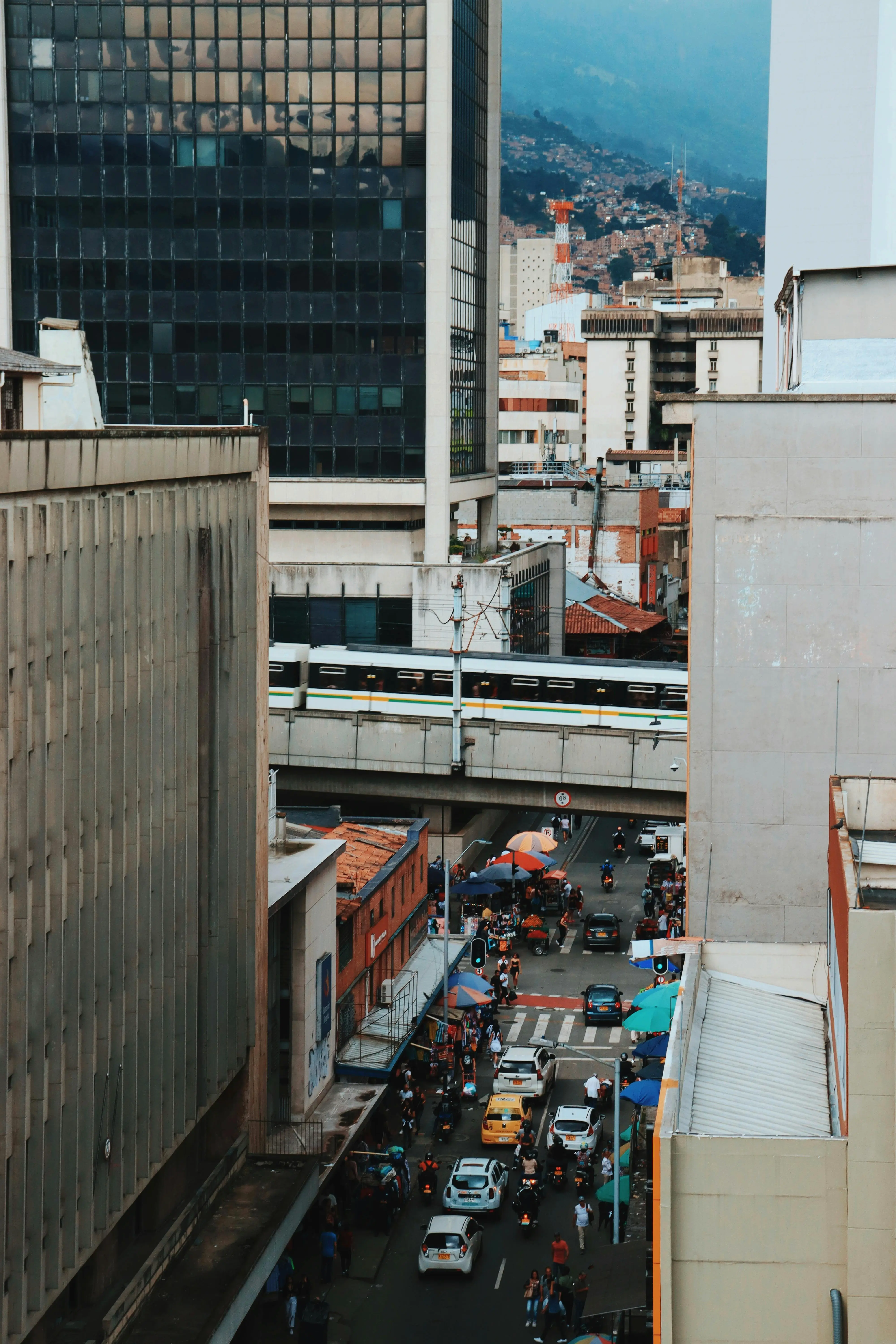
Essential Safety Tips for Moving Around the City Center
How you move through Medellín — which apps you use, which transport you take — is more consequential here than in many cities.
Use Uber or InDriver exclusively — hailing taxis directly from the street creates exposure to express kidnapping, which, while rare, does occur; taxi drivers operating informally have been implicated in some cases
Limit cash to what you need that day — ATMs in El Poblado are safer than those near the city center; withdraw during daylight hours only
The Metro and cable cars are genuinely safe and well-monitored — plain clothes officers operate on the system; it is one of the better public transport networks in South America
Save 123 (local police) in your phone on day one — memorising it is less important than having it accessible; exercise caution in any situation where you feel pressure to respond quickly
Common sense precautions here are specific to the context — the point is not to be paranoid but to make decisions that do not rely on things going well.
Essential Safety Tips for Nightlife and Social Situations
Nightlife in Medellín is genuinely good — and it is also the primary environment where the city's more serious risks concentrate.
Never leave your drink unattended, and do not accept drinks from people you have just met — scopolamine can be administered in drinks or even on physical contact in some documented cases
Foreign men are disproportionately targeted through dating apps and street encounters where individuals with ulterior motives initiate contact — this is not rare enough to ignore
Avoid displaying your phone, camera, or expensive electronics in crowded areas, particularly at night — the local phrase "no dar papaya" (do not make yourself an easy target) is genuine cultural advice, not a tourism slogan
Go out with people you already know, at least until you have a feel for specific venues — the digital nomad community organises regular social events where this is easy to arrange
Common sense precautions applied consistently get most people through Medellín's nightlife without incident — but "consistently" is the operative word, and the cases where things go wrong almost always involve a moment where someone decided the risk was lower than it was.
Police officers are stationed at the main Parque Lleras entrances after 9pm, and staying within two blocks of those posts on a Friday night genuinely reduces your risk compared to wandering toward Avenida 33.
Learn Spanish: Why Basic Spanish Changes Your Safety Profile
Learning Spanish — even basic Spanish — is not just a cultural nicety in Medellín; it materially affects how you move through the city and how vulnerable you appear.
Being able to speak Spanish fluently is not required — basic Spanish that covers directions, prices, and simple negotiation means you are not visibly dependent on strangers for navigation
Envigado and Sabaneta require working knowledge of Spanish for daily life — residents who cannot speak Spanish in those neighbourhoods face genuine practical friction, not just social awkwardness
Nearby towns around the Valle de Aburrá are rewarding to explore but are not set up for English speakers — day trips work better when you learn basic Spanish first
Toucan Language and local schools in El Poblado and Laureles offer group classes from around $8/hour; one-on-one lessons with local tutors via apps like Preply run $10–15/hour
The expats who integrate fastest in Medellín — and who feel most comfortable in the entire city, not just in El Poblado — are almost always the ones who committed to learning Spanish in the first four weeks.
Practical Safety Habits That Actually Make a Difference in Latin America
Most expats who have lived here more than a month stop thinking about safety as a separate subject — it becomes a set of habits you run on autopilot. The ones who struggle are usually trying to apply the same instincts they used in a different city, in a different context.
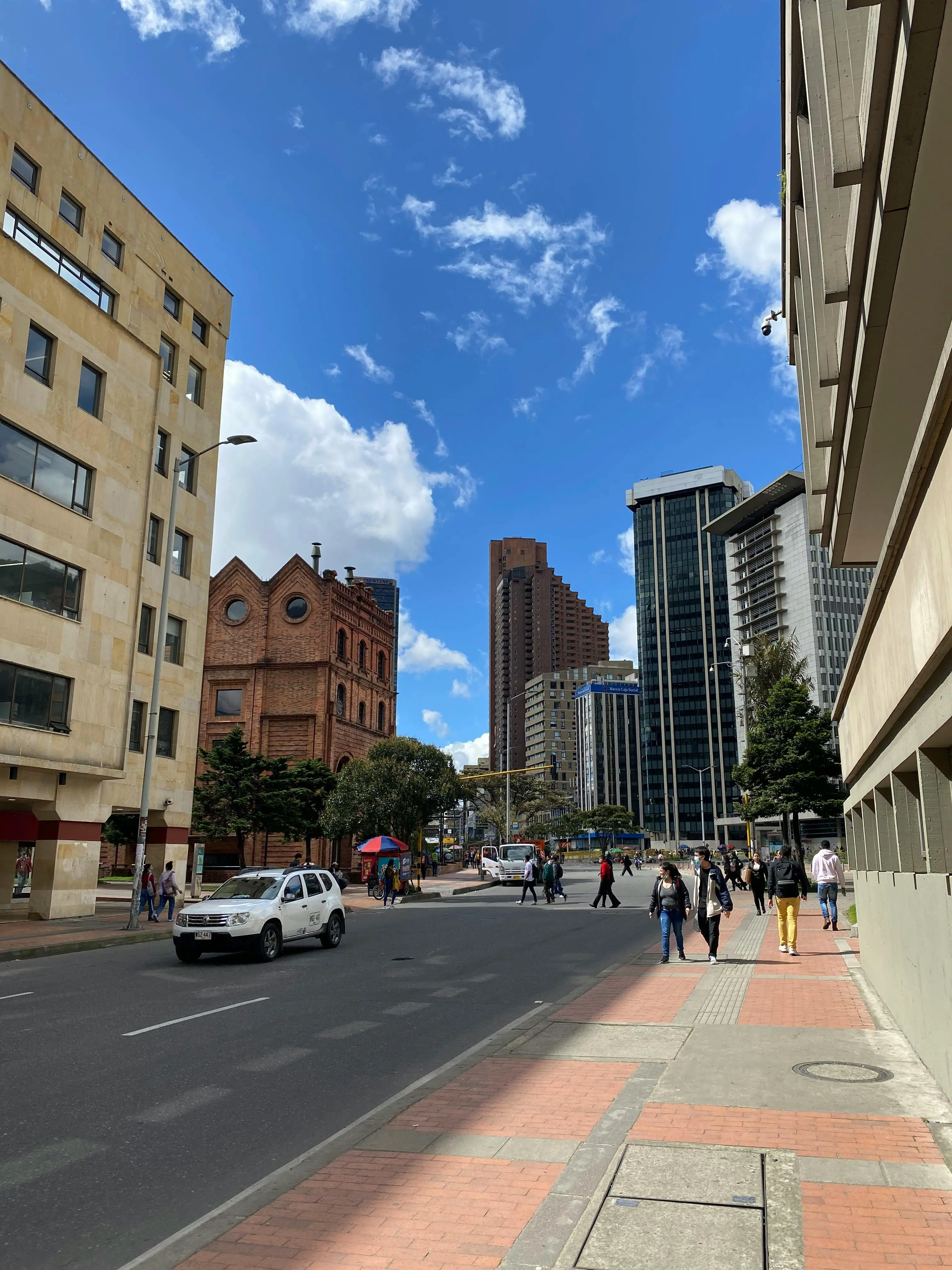
What Not to Carry: The Decoy Wallet Argument
The decoy wallet is a real tactic used by many long-term residents, and it is worth taking seriously rather than dismissing as paranoia.
A decoy wallet with a small amount of cash — around 20,000–50,000 COP — and an expired card satisfies most opportunistic thieves without escalation; carry lots of nothing on a night out and leave the rest at home
Avoid wearing expensive jewelry in any public setting — a watch that costs $300 in a European city reads as significantly more valuable on the street in Medellín, and you will be noticed
Your cell phone is the item most likely to be snatched — use it quickly, put it away, and never walk while looking at the screen in an unfamiliar area
Keep one card separate from your wallet — in a phone case or inside pocket — so a theft does not leave you completely without money
None of this is unique to Medellín — but the city does not forgive the same casual displays that many European capitals would absorb without consequence.
Giving Out Personal Information: Where to Draw the Line When You Meet People
Scopolamine-based scams — where a drug is used to incapacitate a target — are rare but documented in Colombia, and they almost always begin the same way: with a stranger asking personal questions.
Be cautious about giving out your WhatsApp number to people you have just met in bars, particularly if they approached you — the more persistent the ask, the more cautious you should be
Avoid answering personal questions about where you live, how long you have been here, or whether you live alone — these are not always idle conversation
Never accept drinks from strangers you met minutes ago, and do not leave a drink unattended — this applies as much to men as to women
Coworking spaces and expat events are the right place to meet new people and build a social circle; picking up friends at a bar at midnight is a different risk calculation
If you take the time to learn basic Spanish — even just enough to ask for directions on Avenida El Poblado — locals treat you noticeably differently and you become a far less obvious target for opportunistic scams.
The vast majority of locals you meet will be exactly what they appear to be — warm, curious, and generous — but the small percentage of encounters that go wrong tend to follow these specific patterns.
Finding an Apartment in Medellín: What the Booking Process Actually Looks Like
Medellín's rental market rewards people who move slowly and penalises those who book the first thing they find. Arrive with a month's accommodation sorted, then find your long-term place on the ground.
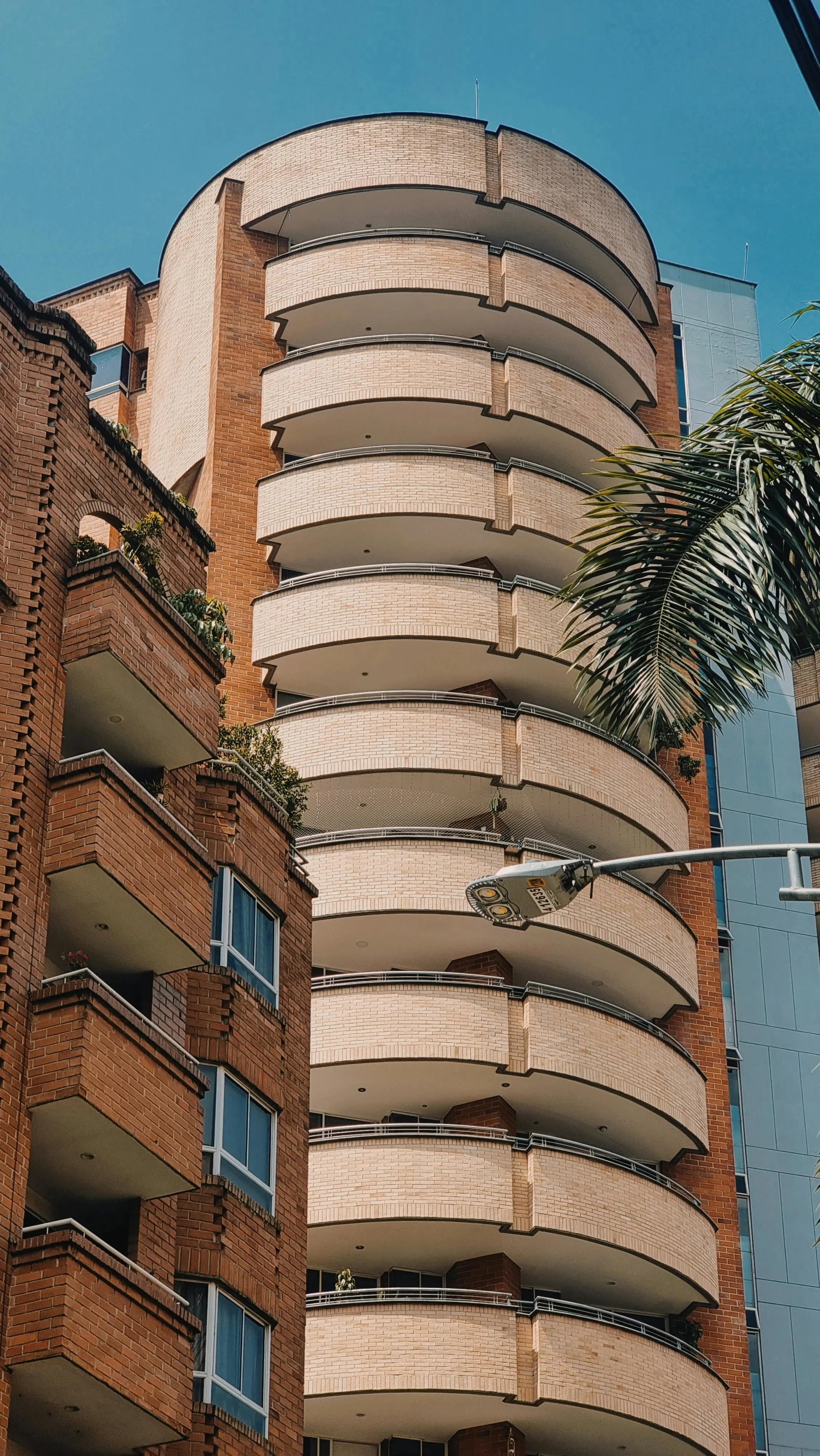
Short-Stay First, Long-Stay Second
Booking a furnished apartment for your first month before committing to a longer lease is not just sensible — in Medellín, it is almost always the cheaper and safer path.
Furnished monthly rentals in El Poblado run $700–$1,100 for a one-bedroom — search via RentRemote for fully furnished apartments in Medellín that include utilities and WiFi, which simplifies the first month considerably
The Laureles neighborhood offers comparable quality for $500–$800/month and is generally safer for solo movement at night than parts of El Poblado near the Parque bar strip
Airbnb works for two weeks; it becomes expensive beyond that — landlords almost always offer better rates direct, and the savings at six weeks are significant enough to justify the negotiation
Unfurnished long-term leases require a Colombian guarantor (fiador) or a substantial deposit — most expats on three-to-six-month stays avoid this route entirely and stay in the furnished market
The expats who overpay in Medellín almost always locked into the wrong neighbourhood before they understood what the city's different zones actually feel like to live in.
El Poblado is widely called the best neighborhood for new arrivals, but you will pay a premium — a one-bedroom near Parque Bello Horizonte runs $700 to $900 a month, compared to $450 for a comparable flat in Laureles across the river.
Neighbourhoods Worth Knowing Before You Book
El Poblado is the obvious default, but it is not the only neighbourhood that works for remote workers — and for some people, it is not even the best one.
Neighbourhood | Monthly Rent (1-bed) | Vibe | Best For | Key Advantage |
|---|---|---|---|---|
El Poblado | $700–$1,100 | Expat-heavy, polished | First-timers, networkers | Most English-speaking infrastructure |
Laureles neighborhood | $500–$800 | Local, quieter | Long-stay, Spanish learners | Generally safer at night, calmer streets |
Envigado | $450–$700 | Residential, Colombian | Families, slow-travel types | Lowest cost of living in the metro area |
El Centro | $300–$500 | Dense, commercial | Budget-focused, Spanish fluent | Metro access, authentic city life |
Explore Laureles in our neighbourhood guide if you want to understand why many long-stay expats quietly migrate there after their first month in El Poblado.
Day-to-Day Life in Medellín: What the City of Eternal Spring Actually Costs
The city of eternal spring earns its nickname — the weather is genuinely one of the best arguments for being here year round — but the budget calculus is more specific than most guides admit.
Food, Coffee, and Eating Well Without Overpaying
Medellín rewards people who eat where locals eat — the price difference between a tourist-facing restaurant and a neighbourhood spot is not marginal.
Mercado del Río in El Poblado is a food hall with good quality and fair prices — expect 25,000–40,000 COP per meal; it is busiest on weekends but manageable on weekday lunch visits
A set lunch (bandeja paisa or corrientazo) at a local spot in Laureles or Envigado runs 10,000–15,000 COP — roughly $2.50–$4 — and is almost always more food than you need
Urbania Café in Laureles serves reliable espresso from around 5,000 COP with strong WiFi and an outdoor terrace; go before 10am if you want a quiet table
Grocery shopping at Éxito runs 250,000–400,000 COP/month for one person cooking most meals — imported food costs roughly three times the equivalent local product
A solo traveler eating thoughtfully — local lunches, cooking dinners, one or two restaurant meals a week — lands around $400–$500/month on food without any particular sacrifice.
Most expats who have a safe trip through Medellín's metro system credit the Línea A, which runs from Niquía to La Estrella and keeps you above street level — it costs 3,000 COP per ride and is consistently safer than any taxi hailed from the curb.
Coworking Spaces and Working From Medellín
Medellín's coworking spaces are legitimately good — better than many European cities at the same price point — and the community overlap between them is a real secondary benefit.
NOI Coworking offers day passes from around $15 with reliable fibre, a pool, and enough foot traffic that you will meet other remote workers within an hour — not the quietest option but the most social
CoWorking Inspira- Sede Laureles in Laureles is smaller, quieter, and preferred by expats doing focused work — monthly memberships start around $120
Most furnished apartments in El Poblado and Laureles include 100Mbps+ fibre; test it on arrival and have a coworking backup ready if the building connection is shared and unstable
The digital nomad community in Medellín is active year round — Meetup and Facebook groups for Medellín expats list free events weekly, which is a faster way to build a social network than coworking alone
Medellín's infrastructure for remote work is solid enough that most people stop noticing it — which is exactly the point.
Is Medellín Right for You? An Honest Answer
Who Medellín Actually Works For
This city rewards a particular kind of remote worker — patient, adaptable, and willing to learn how a place operates before judging it.
Long-stay visitors of four weeks or more integrate quickly into established expat and local networks
Remote workers on European or North American salaries live comfortably for a fraction of what they'd spend at home
People who treat the city's climate — consistent, warm, and genuinely spring-like year-round — as a genuine quality-of-life factor rather than a marketing line
Those who take modest, habitual precautions without letting them dominate daily life
Medellín tends to hold people longer than they planned, which is usually the clearest sign that a city is delivering something real.
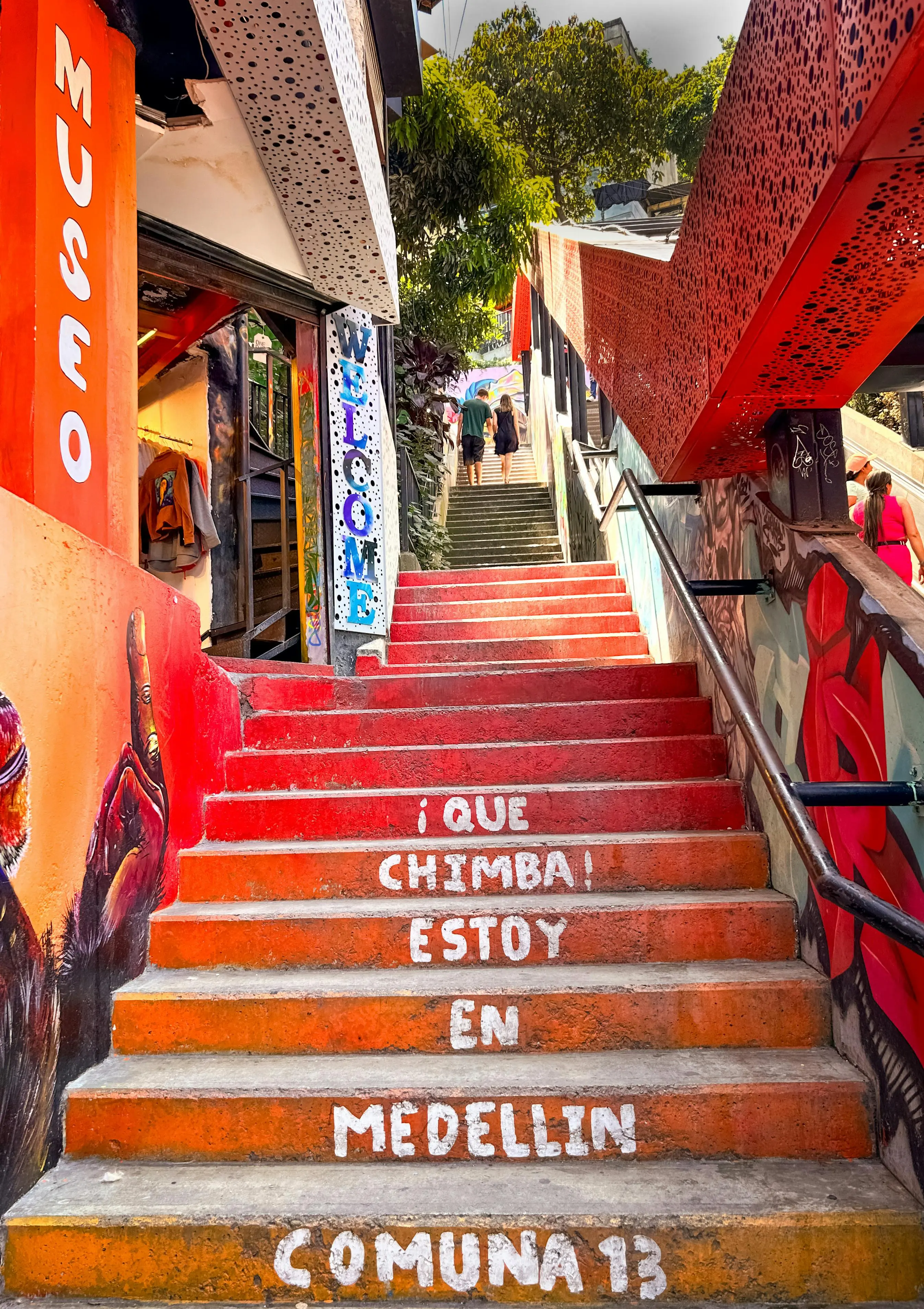
Where Medellín Falls Short
If you need a city where safety is entirely invisible and you never have to think about it, Medellín will create a low-level friction that some people find genuinely tiring.
Neighbourhood awareness matters more here than in comparably priced cities in Portugal or Spain
The city's reputation, however exaggerated, shapes the experience — you will be asked about it, and you will think about it
First-time visitors staying under two weeks rarely get past the surface and often leave with an incomplete picture
Those expecting European infrastructure standards at Latin American prices will find the trade-off uneven in places
The city is generally safer than its reputation suggests, but it asks more of you than most alternatives at the same price point — that is a fair thing to know before you book.
If you value consistent infrastructure, other cities like Bogotá or Cartagena may suit you better, but neither offers Medellín's combination of a 22°C year-round climate and a cost of living under $1,500 a month.
How to Approach Your First Stay
Medellín makes the most sense when you commit to it properly — two weeks is a visit, but a month is enough time for the city to actually start working for you.
Start with a fully furnished apartment rather than a hotel so you build routine rather than tourist habits
Use fully furnished apartments in Colombia to find a stable base before exploring neighbourhoods on your own terms
Budget for genuine comfort — El Poblado and Laureles both offer high-quality furnished options without the cost of equivalent European cities
Engage with the city on its own terms: the trade-off between cost, climate, and community is compelling, but only if you give it time to become clear
Colombia's second city has a way of converting sceptics, but it does that gradually and on its own schedule, not yours.