
Daniel
Productivity & Remote Living Analyst ·
Medellín is significantly cheaper than most cities in North America or Western Europe — but "cheap" is doing a lot of work in that sentence, and it deserves a number. A single person living comfortably here spends roughly $1,200 to $1,800 USD per month in 2026. The range is that wide because neighbourhood choice alone can swing your rent by $400 a month before you've made any other decision. This guide breaks down what the cost of living in Medellín actually looks like — housing, food, transport, healthcare, and the extras most people don't budget for until month two.
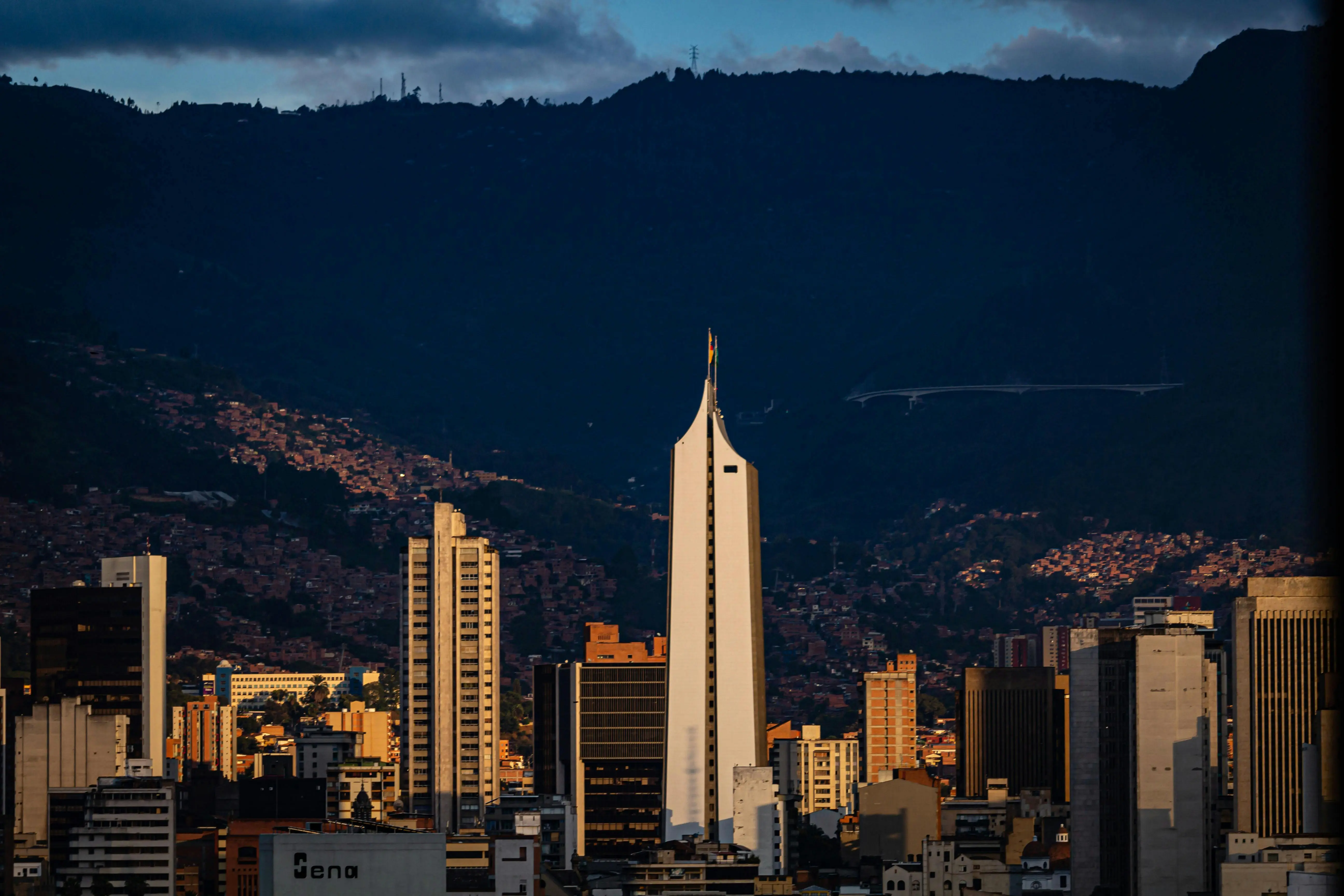
Monthly rent by neighbourhood and how far off Airbnb pricing is from the real market
Food costs from street arepas to fine dining, and where the gap compounds
Transport: the Metro, cable cars, taxis, and what a monthly pass costs
Healthcare and private health insurance options for expats and remote workers
What most people actually spend versus what the low-cost estimates assume
Visas, hidden costs, and what inflation is doing to the numbers right now
Cost of Living Medellin: The Honest Numbers for 2026
What "$800 a Month in Medellín" Actually Means
That number is technically accurate and practically useless for most remote workers.
The $800 figure assumes shared housing in a strata-3 neighbourhood like Belén, cooking every meal, zero coworking, and no social spending — a life most digital nomads abandon within weeks
A realistic budget floor is $1,200 USD per month; mid-range spending with a private apartment, occasional restaurants, and a coworking membership runs $2,000–$2,500
Medellín now runs roughly 7% more expensive than Bogotá on a like-for-like basis — a reversal from just a few years ago, driven by expat and nomad demand
The Colombian peso is volatile; a 10% exchange rate swing moves your monthly costs by $100–$150 at mid-range spending, so always check the current rate before locking in a budget
The gap between what Medellín costs on paper and what it costs in practice is where most people's budgets quietly collapse.
The Real Numbers: Rent, Food, and Transport by Spending Level
Colombia's strata system means your address determines not just rent but what you pay for utilities — and that structural difference compounds across every category.
Rent for a one-bedroom apartment: $400–$500 USD at budget (strata 3, longer lease, local platforms) versus $600–$900 USD mid-range (strata 4–5, El Poblado, short-term rental platforms)
Groceries: $120–$180 USD per month shopping at local markets like Plaza Minorista versus $250–$350 USD at premium supermarkets such as Carulla or Éxito
Eating out: $80–$120 USD per month on menú del día lunches at neighbourhood spots versus $200–$350 USD dining regularly in El Poblado restaurants
Transport: $25–$40 USD per month using the Metro and integrated bus system versus $80–$120 USD relying on Uber or InDriver for most trips
Tourism-driven inflation has hit El Poblado hardest, and short-term rental prices there now bear almost no relationship to what locals actually pay for the same square footage.
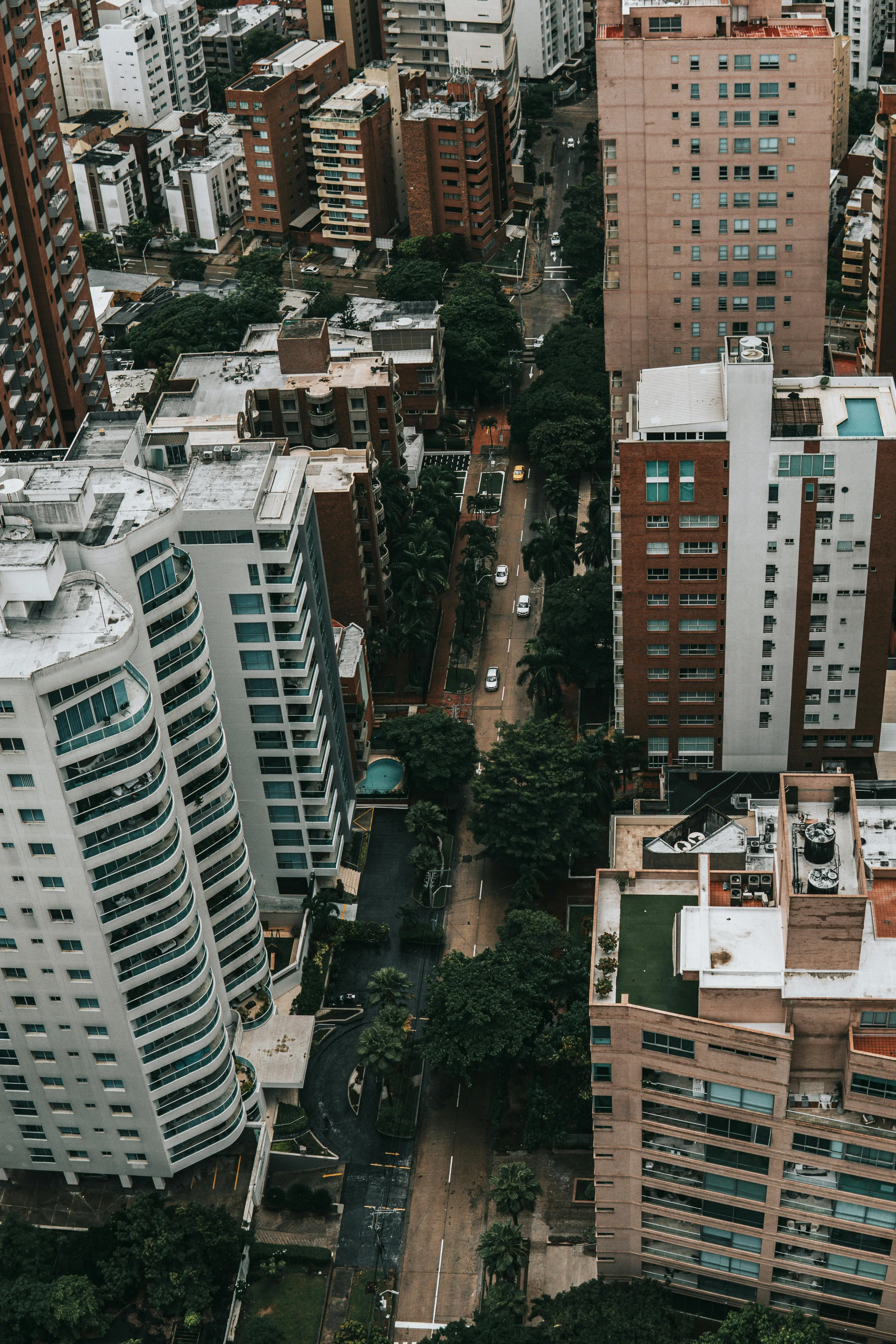
Where Your Neighbourhood Strata Changes Everything
The strata system is the single most important variable in your Medellín budget, and most newcomers don't understand it until they've already signed a lease.
Strata 1–3 neighbourhoods charge lower utility rates by design — a government subsidy structure that makes a Belén or Laureles apartment meaningfully cheaper to run than an equivalent unit in El Poblado
Strata 5–6 areas like El Poblado and parts of Envigado carry higher utility costs alongside higher rents, so the gap between budget and mid-range spending widens beyond just the headline rent figure
Laureles and Estadio (strata 4) hit a practical sweet spot: quieter than El Poblado, better value than strata-5 zones, and well-connected by Metro to the rest of the city
Short-term platforms like Airbnb price El Poblado listings for tourist demand, not local market rates — searching Facebook groups or local Colombian rental sites cuts rent by 20–35% for the same apartment
Choosing a neighbourhood one strata below your instinct is the fastest single adjustment most newcomers can make to bring their actual monthly spend in line with what they budgeted before arrival.
Medellín offers a monthly cost of living between $1,200 and $1,800 for a single remote worker who rents in Laureles, eats out regularly, and isn't cutting corners.
Housing Costs: What Most People Spend on Rent in Medellín
Accommodation is the largest variable in your monthly expenses, and the spread between what you can pay and what you need to pay is wider in Medellín than almost anywhere else in Latin America. Getting this decision right saves you $300 to $400 a month — or costs you that much if you get it wrong.
El Poblado: The Default for Most People, and Why It Costs More
El Poblado is where most incoming remote workers land, and the pricing reflects that demand without apology.
Explore the neighbourhood in our neighbourhood guide for a deeper look at where to stay, eat, and work.
Long-term one bedroom apartment (local listing): $600–$800 USD/month on platforms like Zona Rosa streets — negotiate in person where possible
Airbnb / Furnished Finder equivalent: $900–$1,400 USD/month for the same unit — the 30–50% premium is real
Coliving spaces: $550–$650 USD/month including shared amenities — suits the first month while you find a long-term place
Luxury apartments and penthouses: $1,500–$3,000 USD/month — that's international pricing, not a Colombian discount
El Poblado works because it has great restaurants, security guards on most residential buildings, and enough English spoken on the main streets that you can function before your Spanish is ready — but you are paying a meaningful premium for all of that.
Laureles and Envigado: The Decent Place Most Long-Term Residents Choose
Laureles and Envigado give you 80% of El Poblado's infrastructure at 20–40% lower rent, and most people who stay longer than three months quietly migrate in this direction.
Laureles (near Estadio) — one bedroom apartment from $450–$650 USD/month on local listings; quieter than El Poblado after 10pm
Envigado Centro — one bedroom from $400–$550 USD/month; lower strata means lower utilities too
Shared housing in either area: $150–$300 USD/month — available but increasingly competitive as the nomad population grows
Local rental websites (Fincaraiz, Metrocuadrado): consistently 30–50% cheaper than international platforms for the same apartments
The commute to El Poblado from Laureles is 20 minutes on the Metro or a $4–5 taxi — that matters if you're going there for good nightlife several nights a week, but it stops mattering if your social life migrates to where you live.
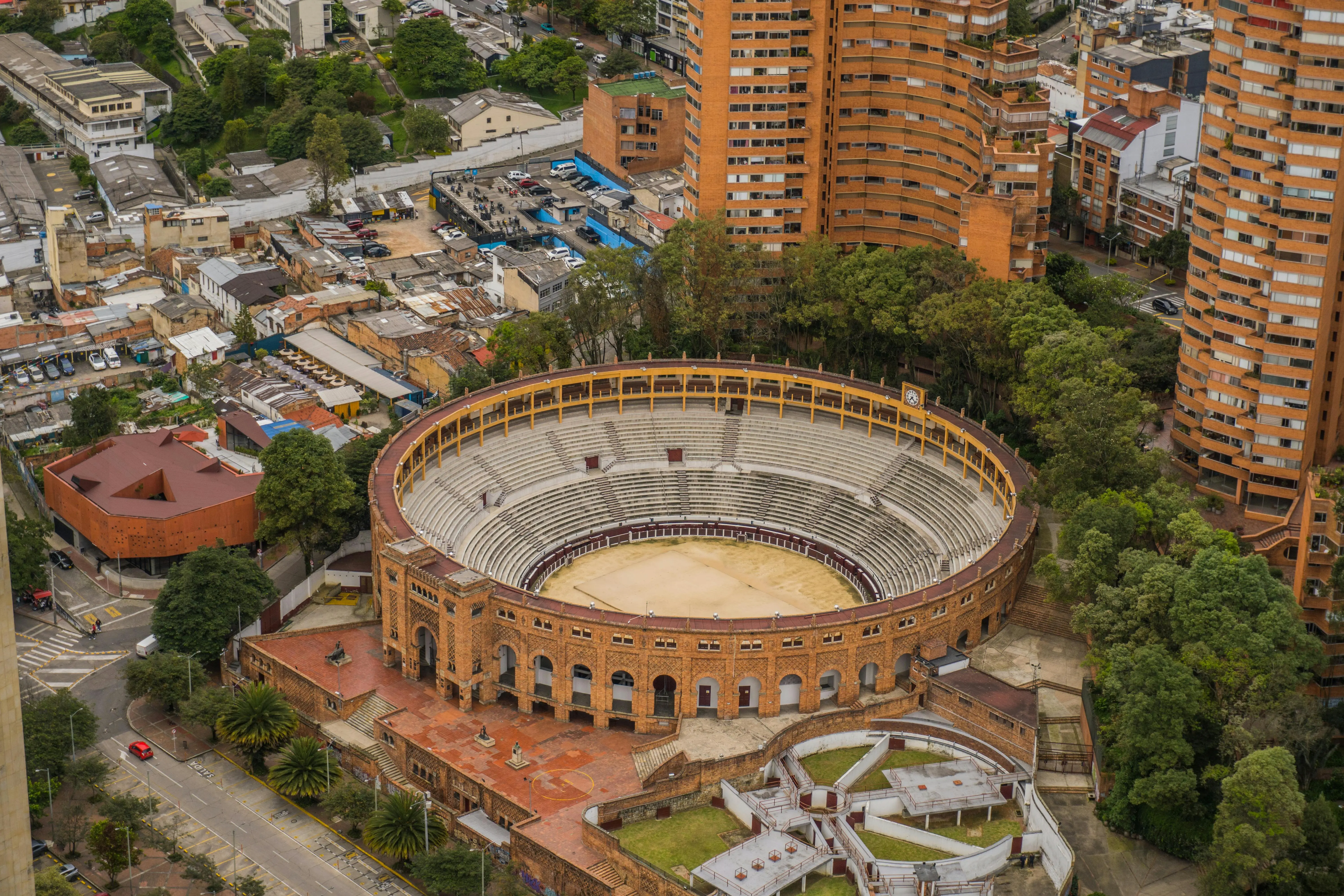
Belén and La América: Low Cost and Genuinely Local
Belén and La América are where you go if the budget is the constraint and you're willing to trade convenience for it.
One bedroom apartment: $300–$450 USD/month — lower strata, lower utilities, fewer amenities in the building
Access to local markets with cheaper groceries than in El Poblado by a noticeable margin
Fewer coworking spaces nearby — you'll need a reliable home internet service or a commute to work
Less English spoken day-to-day — which is either an obstacle or a language exchange opportunity, depending on your Spanish level
Retired foreigners on fixed incomes have driven up rents in El Poblado's nicer buildings over the past five years, which is why many newer arrivals now start their search in Envigado or Laureles where the price-to-quality ratio is still genuinely strong.
Most apartments in El Poblado and Laureles don't include air conditioning because Medellín's year-round temperature of 22–26°C rarely demands it — which also keeps utility bills under $30 a month.
Browse fully furnished apartments in Medellín to compare what's available across neighbourhoods before committing to a lease.
Food and Drink: What Remote Workers Actually Pay to Eat in Medellín
Food in Medellín is one of the most genuinely affordable parts of the cost of living here — if you eat where people who live here eat. The moment you shift to El Poblado restaurant rows and imported wine lists, the numbers start looking more like a mid-tier European city.
Street Food and the Menú del Día: Where the Real Value Lives
The menú del día — soup, main dish, rice, salad, juice, sometimes dessert — runs $3 to $6 USD at local restaurants across the city, and it is the most reliable budget anchor in Medellín.
Mercado del Río — food hall in El Poblado; individual dishes $4–$10 USD; worth it for variety, not for daily eating
Street arepas and empanadas: $0.50–$1.50 USD — available on most main streets from mid-morning; eating at the counter costs less than sitting down
Local restaurants in Laureles or Belén: full menú del día lunch under $5 USD without exception
Eating the same lunch in El Poblado at a tourist-facing restaurant: $10–$16 USD — the dish is similar, the address is not
If you eat the menú del día five days a week and cook the rest, a single person can keep monthly food costs under $200 USD without any real sacrifice.
Groceries: The Supermarket Gap Is Real
Budget-friendly chains like Éxito and Jumbo keep monthly grocery costs between $120 and $180 USD for a single person — but premium supermarkets in El Poblado can push that closer to $400–$500 USD if you're buying imported goods and international brands.
Éxito (standard chain): weekly shop for one person, $30–$45 USD — covers basics without imported items
Local markets (Plaza Minorista, neighbourhood markets): 20–30% cheaper than supermarkets on produce, meat, and staples
El Poblado premium options (Carulla, specialty stores): noticeably higher on anything imported — olive oil, good cheese, wine
Wine: local South American bottles $5–$10 USD; anything European, $15–$25 USD minimum
The monthly grocery gap between shopping smart and shopping conveniently is $150 to $200 USD — that's close to two months of public transport costs, which puts it in perspective.
A set lunch — a bandeja with soup, rice, protein, and juice — costs 12,000 to 18,000 COP at a local tienda in Laureles, and when you add all that up over a month of eating lunch out daily, you're looking at well under $60 USD.
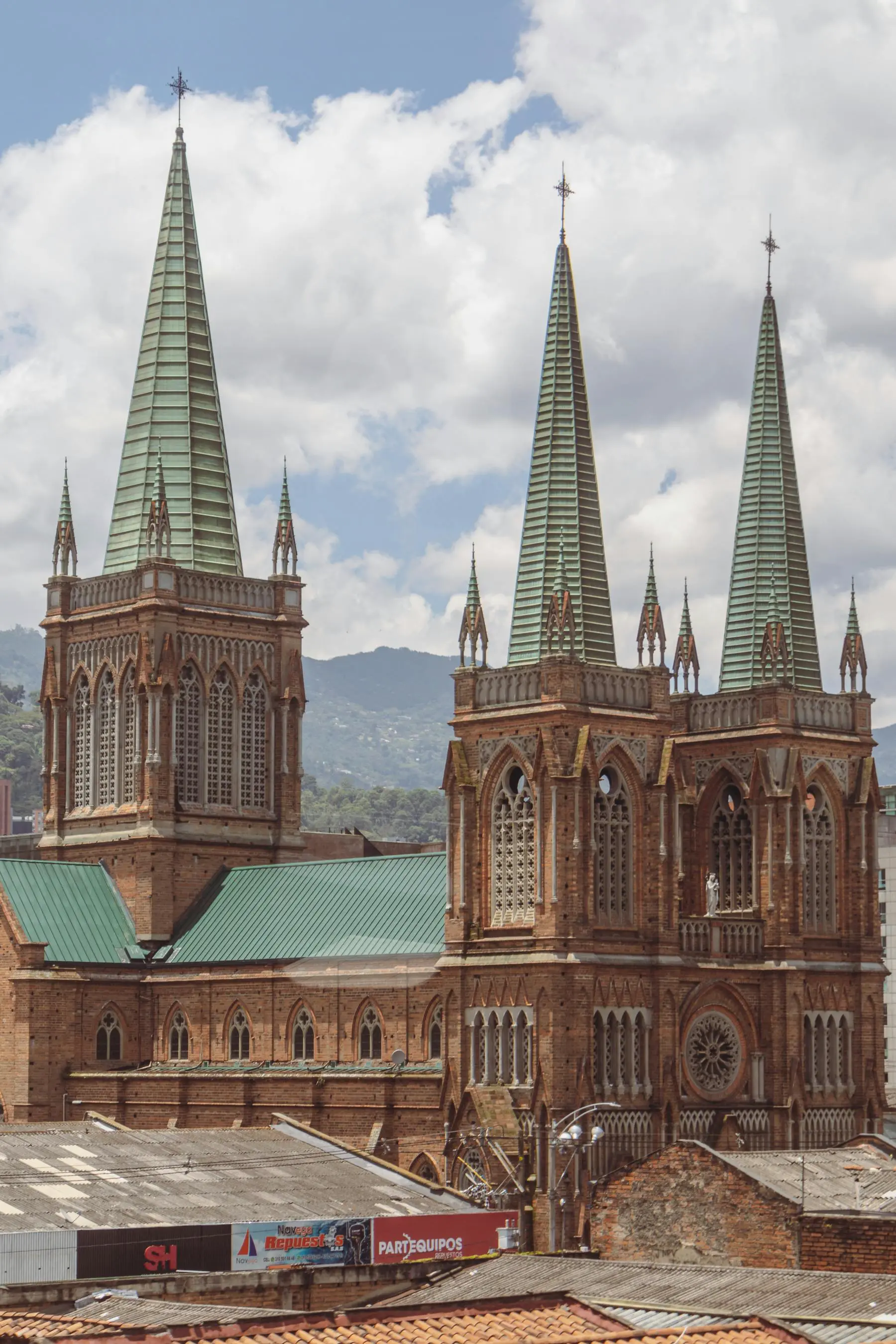
Fine Dining and Good Nightlife: What It Costs to Go Out Properly
Medellín has genuinely good nightlife and a real fine dining scene, and neither is incredibly affordable by local standards once you're inside the right venues.
El Cielo — tasting menu around $60–$80 USD per person; the benchmark for fine dining in the city
Mid-range dinner in El Poblado (two people, wine): $40–$70 USD — comparable to a casual dinner in Madrid or Lisbon
Good nightlife in El Poblado on a Friday: cover charges $5–$15 USD, drinks $4–$8 USD each — the bill reaches $50 USD before midnight without difficulty
Bars in Laureles or Envigado: drinks $2–$4 USD, no cover — the gap versus El Poblado is significant and compounds across a month
Tipping is not legally required in Colombia, but the 10 percent service charge added to restaurant bills in El Poblado is technically optional — most long-term residents pay it anyway because stiffing staff over 8,000 COP is not a big deal worth making.
The Metro cable cars — Metrocable lines J and M — are pretty good for getting between hillside barrios and the main Metro line for just 3,200 COP, which is the same price as a regular Metro trip and one of the better transit deals in any Latin American city.
Transport Costs for Digital Nomads and Remote Workers in Medellín
Public transport in Medellín is one of the strongest arguments for keeping your monthly costs low — if your neighbourhood connects to it. The Metro doesn't cover the whole city, and if you're somewhere it doesn't reach, you are taking taxis or ride-hailing apps every day, and that math changes fast.
The Metro, Cable Cars, and the Civica Card
The Medellín Metro is clean, reliable, and cheap by any standard — a single ride costs around 2,600 Colombian pesos, roughly $0.80 USD, and the Civica card gives you a slight discount on that.
Civica card (reloadable): buy at any Metro station for a small deposit; discounted fares on every Metro and cable cars trip
Monthly public transport pass: $33–$50 USD for regular users — covers Metro, buses, and cable cars integrated into the system
Cable cars (Metrocable): included in the integrated fare; connect hillside comunas to the Metro line — relevant for sightseeing, not daily commuting for most remote workers
Rush hour on the Metro (7–9am, 5–7pm): genuinely crowded — if your schedule is flexible, avoid it
If you live near a Metro station and work from home or a nearby coworking space, $35 USD a month covers your transport entirely — that's one of the better deals in any big city in Latin America.
Some informal taxi drivers near El Poblado nightlife spots have a habit of taking advantage of drunk or distracted foreigners with inflated fares — use InDriver or Cabify instead and set the price before you get in.
Taxis, Ride-Hailing, and Car Ownership
Taxis in Medellín are cheap relative to North America or Europe, but they add up faster than the Metro if you're using them daily.
Taxi base fare: around $2 USD; typical ride within the city $3–$8 USD depending on distance and traffic
InDrive and Cabify: marginally cheaper than metered taxis; useful late at night when public transportation stops running
Daily taxi habit (2 rides/day): $180–$300 USD/month — this is where choosing the wrong neighbourhood punishes your budget
Car ownership: unnecessary for most remote workers — parking costs, traffic, and the pico y placa restrictions (alternating number plate bans on weekdays) make it more friction than it's worth
The honest version: if you're in El Poblado or Laureles and your Metro station is walkable, you don't need taxis more than a few times a week — but if you're in a neighbourhood without Metro access, budget $100–$150 USD more per month in transport and factor that into your rent decision.

Your cell phone service will matter on the Metro — the Claro network holds signal through most underground stations, which means you can actually take calls between Industriales and El Centro without dropping.
Safety in Medellín: What the Numbers Actually Mean for Daily Life
Medellín's murder rate has dropped by more than 95% since the early 1990s — that context matters, and so does the fact that it hasn't reached zero. The city is navigable and, in the right neighbourhoods, genuinely comfortable for daily life. But it rewards attention.
Neighbourhood Safety Is Not Uniform
El Poblado has the lowest street crime of any popular neighbourhood in the city — it also has the highest concentration of tourists, which makes it a target for petty theft rather than violence.
Phone snatching on foot in El Poblado: the most common incident reported by expats — don't walk with your phone in your hand near Parque El Poblado at night
Laureles and Envigado: consistently lower incident rates than central El Poblado, less tourist density, calmer after 10pm
Popular neighborhoods further north (Aranjuez, Manrique): higher risk — not a trade-off worth making for a lower rent unless you know the area well
Scopolamine (burundanga): real but rare — don't accept drinks from strangers at bars you haven't chosen yourself; this applies everywhere, not just Medellín
The city is not dangerous the way the old reputation suggests — but carrying lots of cash, wearing visible jewellery, or pulling out an expensive camera on a quiet street is inviting a problem that didn't need to exist.
Do not carry lots of cash in El Centro or on the Metro during rush hour — withdraw 200,000 to 300,000 COP at a time from a Bancolombia or Davivienda ATM inside a mall rather than on the street, and keep the bulk of it in your accommodation.
Blue Eyes, Blonde Hair, and Standing Out
If you have blue eyes or light features, you are visibly foreign in most of Medellín — that's not a reason to avoid the city, but it does change how you move through it.
Dressing down matters: leave the expensive watch and laptop bag at home when you're not heading to a coworking space — a plain backpack changes the risk profile immediately
Speaking Spanish, even badly: changes how vendors, taxi drivers, and strangers interact with you — take three weeks of lessons and it pays back the entire year
Tourist zones late at night: the police arrived faster and in greater numbers when reports came from El Poblado — this is real infrastructure, not just a reassurance
Travelling alone after midnight: use InDrive or Cabify rather than flagging a street taxi — the app creates a record, which matters
Many expats who have lived here for an entire year and left Colombia will tell you they felt safer than they expected — and that the adjustment took about two weeks before the city stopped feeling unfamiliar.
Petty crime — phone snatching in particular — is the most common risk for visitors in El Centro and on crowded Metro platforms, not violent robbery, which means basic habits like keeping your phone in your pocket go a long way.
What to Actually Watch For
Most of what happens to remote workers in Medellín is opportunistic, not targeted — and most of it is avoidable with habits you'll form in the first week.
ATM usage: use machines inside banks or shopping centres, not street ATMs — skimming still happens and it's not worth the saved 90 seconds
Expressing Hemingway or other outdoor bars in El Poblado: phone theft spikes on Friday and Saturday nights in crowded outdoor areas — keep your phone in a front pocket or bag
Mototaxi: cheap and fast in non-Metro areas, but unregistered and unregulated — not recommended for late-night travel
Emergency number in Colombia: 123 — save it; you probably won't need it but the few people who did were glad they had it already in their phone
The social life here is good enough that you'll spend more time out than you planned — just build the right habits in the first week and they'll run on autopilot for the rest of your stay.
The Flower Festival in early August — Feria de las Flores — fills El Poblado and Laureles with silleteros parades and turns short-term rental prices up by 20 to 30 percent, so either book two months ahead or plan around it.
When to Come and How Long to Book
Medellín sits at 1,500 metres, which gives it the "City of Eternal Spring" title — but eternal spring still has a wet season, and the dry season makes a real difference to how you'll spend your days and what you'll pay to rent.
Dry Season vs. Wet Season: What Changes for You
The dry season runs roughly December through February and June through August — during those months, afternoon rain is the exception rather than the daily 4pm disruption it becomes in April and October.
December–February: peak demand from tourists and Colombian nationals on holiday — rent prices for short-term apartments in El Poblado climb 20–35% above the annual average; book six to eight weeks ahead
June–August: the calendar year's second dry window, lower tourist volumes than December, better availability — this is the underrated entry point for remote workers
April and October: heaviest rainfall months — if outdoor café working matters to your daily life, these months test that habit; indoor coworking becomes more valuable
Temperature stays 17–28°C year-round regardless of season — you're adjusting for rain frequency, not cold
If you have flexibility in when you arrive, June gets you dry weather, better pricing, and a city that isn't running at peak tourist capacity — it's the right call for a first stay.
Air pollution peaks between January and March when winds drop and traffic exhaust gets trapped in the Aburrá Valley — if you have a choice, arriving in April or October puts you in Medellín during cleaner, greener conditions.
How Long to Book Your First Apartment
One month is the minimum that makes financial sense — shorter bookings cost more per night and don't give you enough time to figure out whether the neighbourhood actually works for you.
One-week Airbnb stay: useful for orientation, but you'll pay $60–$90 USD/night for a decent one-bed in El Poblado — it's a reconnaissance cost, not a living cost
One-month furnished apartment: $700–$1,200 USD depending on neighbourhood and spec — this is where the economics of Medellín start to make sense
Three-month commitment: unlocks 10–20% discounts from most landlords in popular neighborhoods; the city rewards staying
Shared apartment for three bedrooms split between two or three people: drops individual rent to $300–$500 USD/month — many expats arrive solo and find flatmates in the first week through Facebook groups and coworking spaces
The people who get the most out of Medellín are rarely the ones who booked two weeks — give yourself a month minimum and you'll understand within ten days whether you want to extend.
If good night life matters to you, aim for weekends in El Poblado from Thursday onward — that's when venues like Vintrash and the Provenza strip actually fill up.
Practical Setup: Wi-Fi, Banking, and What to Sort in the First Week
Medellín's infrastructure for remote workers is good — not perfect, but good enough that setup friction disappears within a few days if you know what to tackle first.
Wi-Fi and Mobile Data
Most furnished apartments in El Poblado and Laureles include fibre internet — the weak point is that "100 Mbps" in the listing and 100 Mbps on your speed test are not always the same number.
Claro and Movistar: the two dominant providers; Claro has broader coverage including hillside areas, Movistar is marginally more reliable in urban cores
SIM card on arrival: Claro prepaid SIM available at El Dorado or José María Córdova airports for around $5 USD; 10 GB data plan runs $8–$12 USD/month
Speed test before you commit: any apartment you rent for remote work — run a speed test on Ookla within the first 24 hours; if it's below 20 Mbps consistently, you have grounds to negotiate or leave
Coworking backup: Quokka Coworking in El Poblado offers day passes ($15–$20 USD) with guaranteed fibre and a backup connection — worth knowing when your apartment Wi-Fi fails before a call
Resident visas in Colombia — including the digital nomad visa introduced in 2022 — are processed through Cancillería and require proof of income above roughly $750 USD per month, which is a lower bar than most comparable programs in Europe or Southeast Asia.
Mobile data in Colombia is cheap enough that a hotspot is a real backup plan — $12 USD a month for 10 GB is the insurance policy most remote workers here carry without thinking much about it.
Banking and Getting Money
Colombia's banking system is functional but not frictionless for foreigners — the first week involves a few queues you won't have to repeat.
Bancolombia and Davivienda: most ATMs in El Poblado and Laureles — Bancolombia charges around 13,000–15,000 COP ($3.50–$4 USD) per foreign withdrawal; budget for it rather than being surprised
Wise or Revolut card: reduces foreign transaction fees significantly — if you're staying more than two weeks, set one up before you arrive from your home country
Cash vs. card: most restaurants and supermarkets in popular neighborhoods accept card; markets, small tiendas, and some taxis are cash only — carry 50,000–100,000 COP ($13–$26 USD) on you as a baseline
Nequi account (Colombian digital wallet): some long-term expats open one after getting a Cédula de Extranjería — not necessary for a one-month stay, but worth knowing exists if you stay longer
The ATM fee is annoying but not ruinous — withdraw larger amounts less frequently rather than running to the machine every two days, and the cost stays manageable.
Most co-working space staff in El Poblado and Laureles speak English well enough to help you set up a bank account or sort a SIM card, but outside those neighbourhoods you will need basic Spanish to get anything done at a government office.
Healthcare and What It Actually Costs
Healthcare in Medellín is meaningfully cheaper than in most Western countries, and the quality at private clinics is higher than most people expect before they arrive.
GP consultation at a private clinic: $25–$50 USD — no appointment necessary at most walk-in centres in El Poblado; you'll often be seen within the hour
Clínica El Rosario and Clínica Las Américas: the two private hospitals most expats use — English-speaking staff available, costs a fraction of equivalent care in the US or UK
Travel insurance with medical coverage: non-negotiable — a hospitalisation without it would cost more in a single night than a month's rent; SafetyWing runs $42–$56 USD/month for most nationalities
Pharmacy costs: basic medications are substantially cheaper than in most places — ibuprofen, antibiotics (with prescription), and antihistamines are all available at Drogas La Rebaja for a fraction of home country prices
Despite rising rents and a louder tourist scene in El Poblado, Medellín remains one of the few Latin American cities where a remote worker earning $3,000 USD a month can rent a decent one-bedroom apartment, eat out daily, and still save money.
Most long-term remote workers in Medellín pick up private health insurance through Assist Card or a local provider like Sura for around $50–$80 per month — far cheaper than equivalent cover in the US or UK.
Is Medellín Still Worth It in 2025? A Realistic Verdict
What Medellín Actually Costs in 2025
The bargain-basement Medellín of 2019 is gone, but the value proposition is still real if you're staying long enough to do it properly.
Rent in El Poblado for a furnished one-bedroom now runs $800–$1,200 USD/month — expect the lower end only if you book outside peak season or negotiate a 3-month lease
A comfortable monthly budget for a remote worker — rent, food, transport, coworking, social life — sits at $1,500–$2,200 USD
Laureles and Envigado offer comparable quality to El Poblado at 20–30% less rent, with fewer tourists at the coffee shops
Social infrastructure — rooftop pools, coworking spaces, restaurant density — is priced into the neighbourhood, not just your apartment
You will spend more than you planned, because the city makes it easy to spend, and that's not entirely a bad thing.
Compared to other major cities popular with remote workers — Lisbon, Mexico City, Bangkok — Medellín still offers a lower cost per square foot of apartment and faster average fibre speeds for the price bracket most nomads are working with.
Who Medellín Actually Works For
Medellín rewards people who come with a plan and some patience — it quietly punishes those who treat it as a two-week experiment.
Remote workers with a month minimum get the pricing, the routines, and the social network that make the city click
Intermediate Spanish speakers integrate far faster and spend noticeably less than those who stay inside the English-speaking bubble of El Poblado
People who want urban texture — real neighbourhoods, local markets, a commute that teaches you something — will find it here in a way European digital-nomad cities no longer offer
Those who need legal certainty, seamless infrastructure, or zero friction in daily life will find the city a persistent low-grade headache
This is a city that gives back in proportion to how seriously you take it.
Medellín offers good night life concentrated in Parque Lleras and the Naranjal strip, where bars stay open past 3am on weekends without the $20-cover-charge culture you'd find in Miami or London.
The Honest Trade-Off Before You Commit
Medellín's quality-to-cost ratio is genuinely hard to match in Latin America right now, but it comes with conditions that aren't optional.
Neighbourhood awareness is non-negotiable — what you carry at night, which streets you take, which areas overpromise on safety matter more here than in most comparable cities
El Poblado delivers convenience but insulates you from the city; staying there exclusively means you're paying Medellín prices for a generic expat experience
Explore your options for fully furnished apartments in Colombia before you land — arriving without accommodation sorted costs you both money and the first week of momentum
Come with a month minimum, a willingness to figure things out on the ground, and the city will make sense — arrive expecting it to be easy, and it won't be.