Lukas
Tech & Digital Nomad Cultural Editor ·
Medellin doesn't work the way a city trip works. Two weeks here tells you almost nothing — you need a month before the rhythm makes sense, before you stop treating every café decision like a tourist and start treating it like a commute. The trade-off is real: Medellin rewards people who slow down, and it has almost no patience for people who don't. This guide is written for digital nomads and remote workers planning a stay of three weeks to three months.
Which neighbourhoods actually suit remote work — and which ones just look good in photos
Where to find coworking spaces that are worth the day pass
What a realistic monthly budget looks like
Safety by neighbourhood, not by reputation
Getting around without defaulting to taxis every day
What a slowcation here actually feels like to live, not just visit
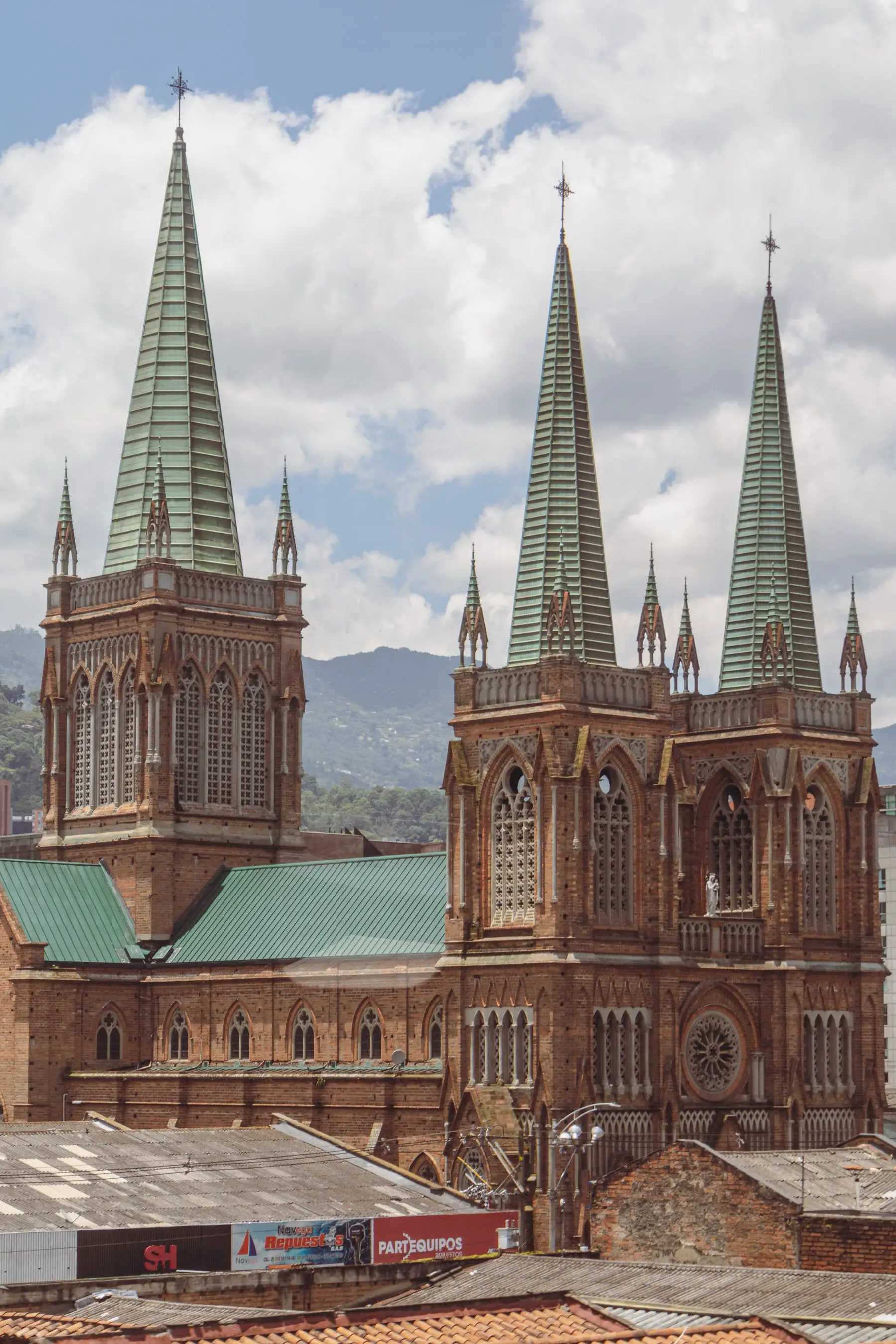
Your Complete Digital Nomad Guide to Medellín Colombia
Medellin Colombia sits at 1,495 metres in the Aburrá Valley, which means the weather stays between 17°C and 28°C year-round — it's the "city of eternal spring" label, and for once the marketing is accurate. That spring climate is not a small thing when you're choosing where to base yourself for a month. It means no air conditioning bills, no winter gear, and an outdoor café culture that functions every day of the year.
The city has changed faster than most international coverage reflects. The digital nomad infrastructure — fibre internet, coworking spaces, furnished apartment supply — arrived in earnest after 2018 and has been accelerating since. What you're landing into now is a city that has built for remote workers without fully pricing itself up to match. That gap is closing, but it hasn't closed yet.
The Honest Case for Medellin as a Slowcation Base
The numbers are what convince most people, but the daily texture is what keeps them.
Furnished 1-bedroom apartments in El Poblado run $700–$1,100/month — less in Laureles, less still in Envigado
A coffee at a local café costs 3,000–5,000 COP (under $1.50); a flat white at an expat-facing café runs 8,000–12,000 COP
The Medellin Metro system covers more of the city than most people expect — and a single ride costs 3,200 COP
Coworking day passes start around $8–$12; monthly hot desks from $80
None of those numbers are exceptional in isolation — it's the combination that makes Medellin work: reliable internet, affordable rent, a real food scene, and weather that doesn't punish you for wanting to sit outside at noon.
What the Language Barrier Actually Looks Like
Spanish is not optional if you want to live here rather than tourist here — but the learning curve is survivable in El Poblado and almost steep everywhere else.
El Poblado: enough English in cafés, coworking spaces, and apartment agencies that you can function on arrival
Laureles and Envigado: less English, lower prices — one week of Duolingo before arrival makes a real difference
Nueva Lengua — Spanish group classes from $5/hour, popular with the expat community, central Laureles location
Learning even 200 words of Spanish changes what the city gives you access to — local markets, neighbourhood restaurants, transport conversations
The digital nomad community here is social and well-organised, which helps in the first two weeks — but relying entirely on English-speaking circles limits both the experience and your budget.
Medellín's transformation from one of the world's most dangerous cities to a global innovation hub is not just a talking point — it directly explains why the infrastructure for remote workers here is unusually good.
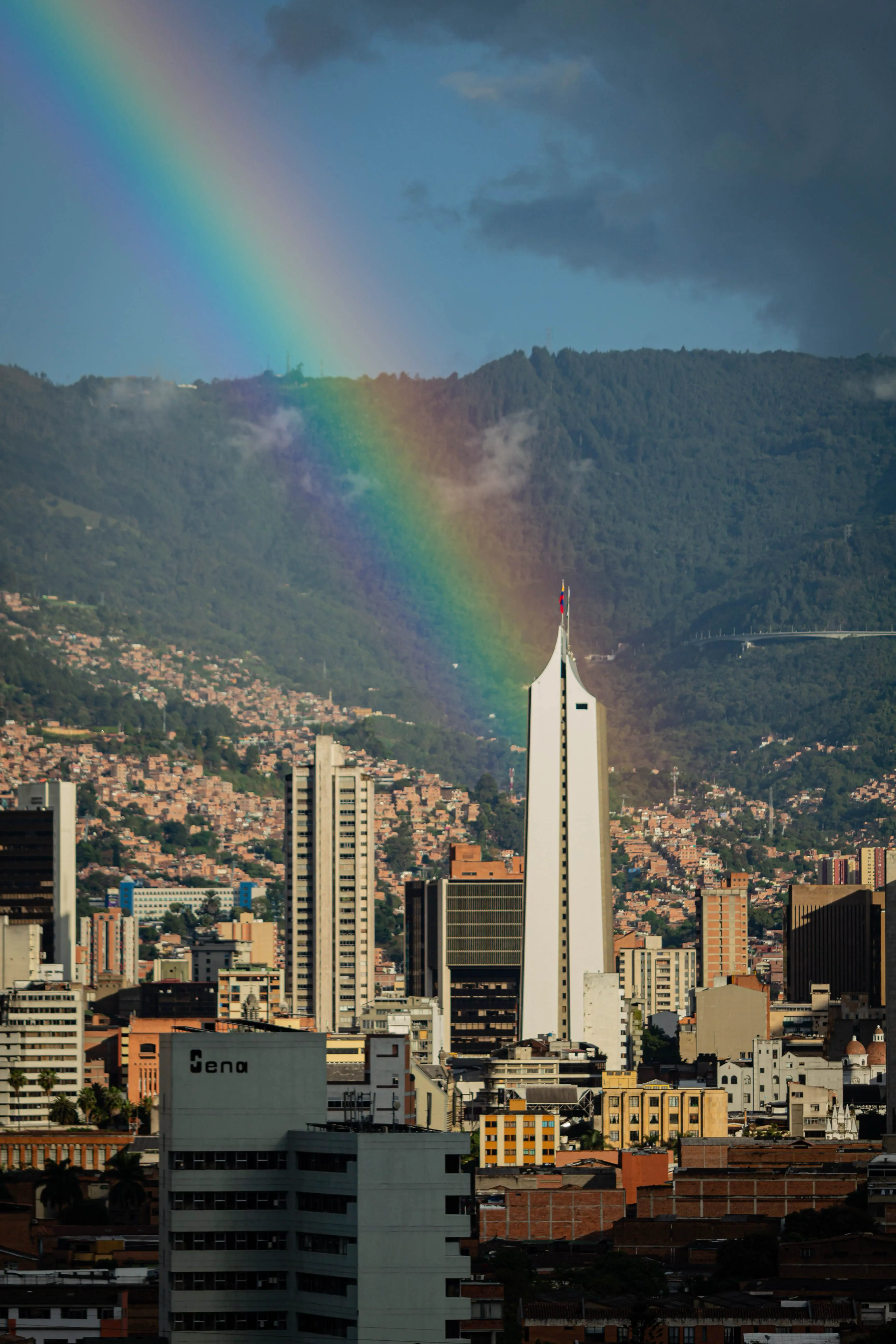
Best Neighborhoods to Stay in Medellin for Digital Nomads
El Poblado gets the most coverage because it's the easiest neighbourhood to arrive into — the infrastructure is dense, the English is passable, and the apartment supply is large. But El Poblado is not always the best choice, and for longer stays it's often not even the right one. Here's where different types of remote workers actually land.
Neighbourhood | Monthly Rent (1-bed) | Vibe | Best For | Key Advantage |
|---|---|---|---|---|
El Poblado | $700–$1,100 | Expat-heavy, café-dense, lively nights | First-time nomads, short stays | Highest coworking density, English accessible |
Laureles | $500–$800 | Local residential, quieter, more Colombian | Longer stays, budget-conscious workers | Better value, genuine neighbourhood feel |
Envigado | $400–$700 | Suburban, family-oriented, slow pace | Heads-down work months, families | Lowest cost, very safe, Metro access |
El Centro | $300–$500 | Urban, dense, culturally rich | Experienced travellers, short-term | Cheapest rent, central Metro hub |
Sabaneta | $350–$600 | Quiet, local, emerging nomad scene | Long-stay minimalists | Authentic Colombian daily life |
El Poblado: Where Digital Nomads Start (and Many Stay)
El Poblado is the default base for a reason — everything you need in the first week is within 15 minutes on foot, and the density of cafes with reliable internet means you're never forced to work somewhere bad.
Pergamino Café — best single-origin Colombian coffee in the neighbourhood, 9,000 COP for a pourover, go before 10am or share your table
Socialtel Provenza Medellin — coworking day pass $12, rooftop pool access included, popular with the nomad crowd
Furnished studios from $700/month on Calle 10 and surrounds — look for buildings with 24-hour security and included internet
Parque El Poblado as a reference point — everything worth knowing in the neighbourhood radiates from here within 8 blocks
After two weeks, either El Poblado becomes your home or you start looking at Laureles — very few people are neutral about it.
fully furnished apartments in Medellin
Laureles: The Neighbourhood for Remote Workers Who've Done This Before
Laureles is what El Poblado would be if you subtracted the party tourists and added Colombian families — and for remote workers on a second or third slowcation, that trade is usually an easy one.
Café Zorba — strong WiFi, local coffee under 5,000 COP, opens at 7am, never overrun with laptops
Todo Fresa — local fruit market on Circular 73, fresh produce cheaper than any supermarket chain
1-bed furnished apartments $500–$800/month around Avenida Laureles — buildings are newer than the prices suggest
Metro access via Estadio station keeps you connected without relying on taxis
If you're staying more than six weeks and you're comfortable with less English around you, Laureles saves you money and gives you more city in return.
No nomad guide to Medellín is complete without flagging that Laureles rents run 20–30% cheaper than El Poblado for equivalent apartment quality — a difference that adds up to roughly $200 a month.
Explore El Poblado in our neighbourhood guide
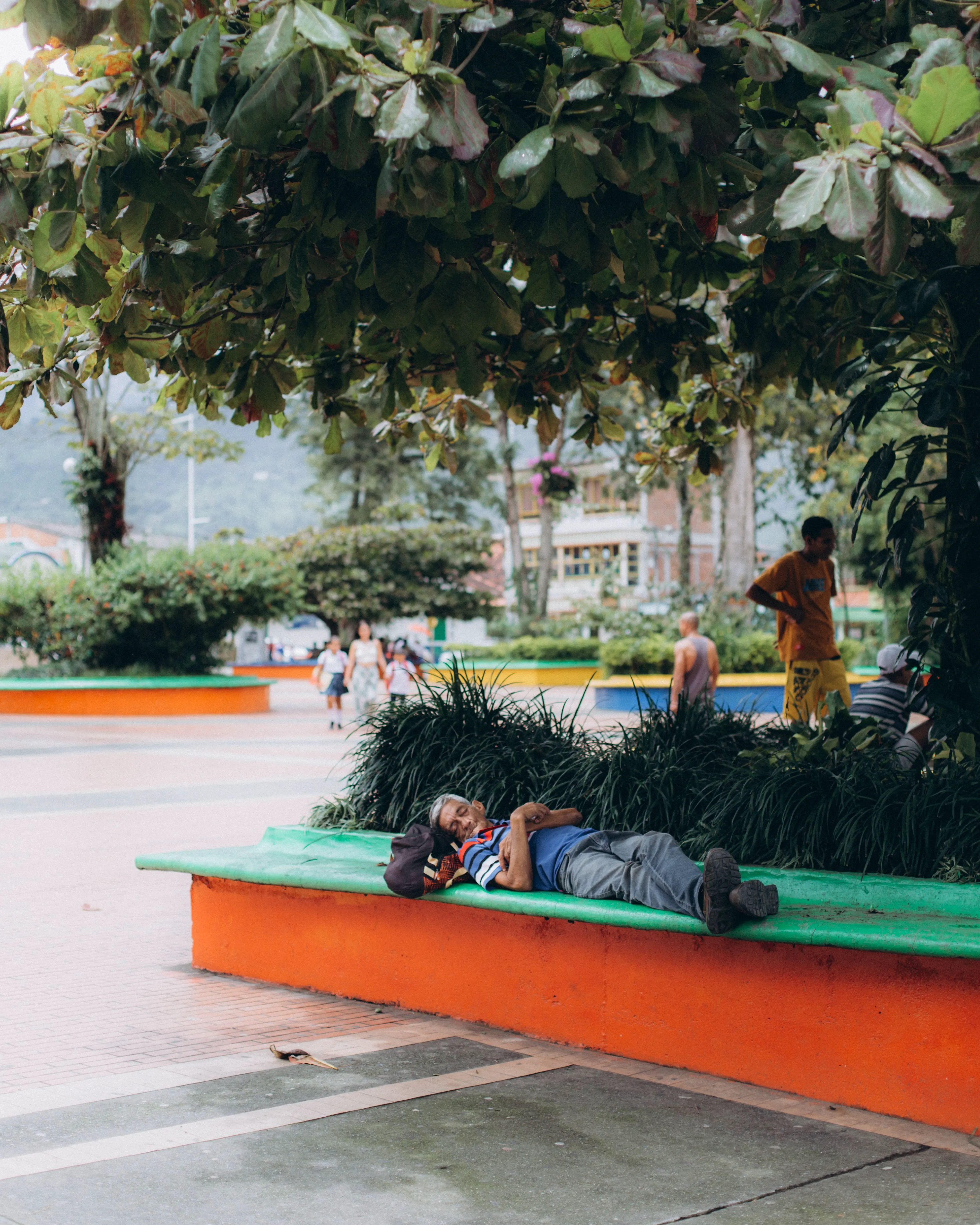
Browse Medellin homes near this area
Coworking Spaces in Medellin: Where to Actually Work
Medellin has more coworking spaces than it did three years ago, and not all of them have caught up with the demand. The good ones sell out fast — especially the month-long hot desks. The rule here is book before you arrive, not after.
Best Coworking Spaces in El Poblado
The El Poblado coworking scene is dense enough that you have real options, but the popular ones fill their monthly desks by mid-month for the following month.
Co-Work Latam — day pass $10, monthly hot desk from $80, strong fibre internet, rooftop terrace for calls, book a month ahead
NOI Coworking on Avenida El Poblado — 24-hour access on monthly plans, private offices from $200/month, quieter than Selina
Quokka Coworking — design-focused space, day pass $12, weekly events for the local startup and nomad community
Most spaces include high-speed internet (50–100Mbps is standard), filtered water, and Colombian coffee — confirm backup power before committing
If you're working across European time zones, the 24-hour access at The Spot matters more than any other feature.
Cafes That Work as Offices in Medellin
Not every work session needs a coworking desk — several cafes in El Poblado and Laureles are genuinely good for two to four hours of focused work, not just one coffee.
Semilla Cafe Coworking — natural light, power at every table, 6,000 COP pour-overs, stays calm until noon
Café Rev in Laureles — internet is fast, local clientele, 4,000 COP tinto, no one stares at your laptop hours
Cliché Café — smaller, quieter after 2pm, great for calls if you grab the corner seats
Weekend café culture in El Poblado flips — what's a work space Monday to Friday becomes crowded and noisy Saturday morning
Selina Medellín in El Poblado offers great day-pass flexibility at around 40,000 COP, which is useful when you only need a desk for a half-day between calls.
Every digital nomad guide recommends Selina El Poblado as a first stop, but locals will tell you that Atom House in Laureles has faster fibre (300 Mbps tested) and a quieter back room that actually lets you take calls without echo.
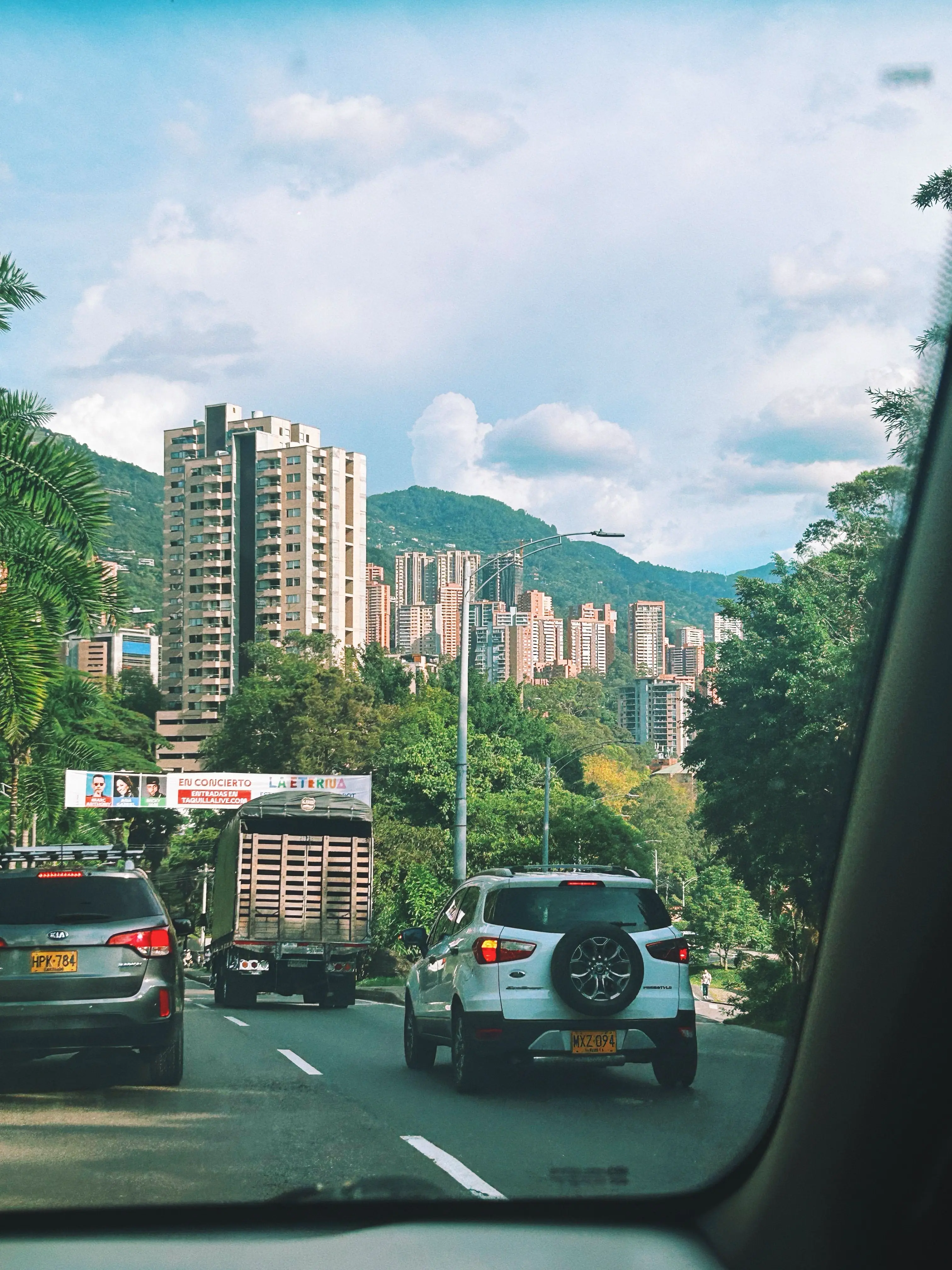
Safety in Medellin: A Practical Guide for Digital Nomads in Medellin
Safety in Medellin is real and it's context-dependent — which means the blanket warnings and the blanket reassurances are both wrong. The city has specific patterns, and knowing them changes your daily decisions more than any generalised advice.
Safety by Neighbourhood: Where Remote Workers Actually Live
The neighbourhoods where most digital nomads stay are genuinely safe for daily life — the risks shift significantly when you move outside them or make avoidable decisions at night.
El Poblado: considered the safest neighbourhood for expats and nomads — petty theft exists, mostly phone snatching on busy streets at night
Laureles: safe for daily life, lower tourist profile means less targeted theft, common sense applies after dark
Envigado: quieter and safe, local residential, lower risk profile than anywhere in El Poblado on a Friday night
El Centro: safe during daylight hours for confident travellers — not recommended after dark for your first weeks in the city
The honest version: Medellin is safe for remote workers who live like residents, not like tourists who've had three aguardientes and are walking home at 2am with their phone out.
Medellín, Colombia still has neighbourhoods — like parts of Comuna 13 beyond the tourist graffiti tour route — where solo walking after dark is genuinely inadvisable, so asking your coworking community for current neighbourhood-specific advice beats anything written six months ago.
Day-to-Day Safety Habits That Digital Nomads Use
Most of the safety infrastructure here is about habit, not hypervigilance — and within two weeks it becomes automatic.
Use a secondary phone or keep your main phone inside your bag in markets and on the Metro — not in your hand, not in your back pocket
Taxis via InDriver or Cabify rather than street hails — price fixed before you get in, driver details logged
Establish a local SIM with data on arrival — being able to navigate without stopping to check your phone reduces exposure considerably
The security guards at apartment buildings in El Poblado are part of the infrastructure — buildings without them are cheaper for a reason
The digital nomad community in Medellin shares safety updates actively in Telegram and WhatsApp groups — joining one in your first week gives you real-time local knowledge that no guide can replicate.
Coworking and Community: How Medellín Became a Modern Hub for Remote Workers
The coworking infrastructure in Medellin has matured significantly — but the more important thing is that the nomad community itself fills the gaps that no coworking space can. Within a few weeks of being here, most people have a regular café, a coworking spot for calls, and a WhatsApp group that tells them everything else they need.
Coworking Spaces Worth a Day Pass Before You Commit
Not every coworking space in Medellin is worth a monthly commitment — try a day pass first, because the vibe between them varies more than the price does.
Selina Cowork Laureles — day pass ~$10, reliable Wi-Fi, good for focused working, fills up by 10am with longer-stay nomads
CoWorking Inspira — monthly hot desk from $85, quieter than most Poblado options, strong on community events if you want to join regular meetups
Coworking La Madriguera — Laureles-based, monthly from $90, used heavily by medellin digital freelancers and local startups, less nomad-tourist mix than El Poblado spaces
Dedicated phone booths for calls available at most spaces — check before booking if this matters for your working day
The spaces in Laureles and Envigado consistently run cheaper than equivalent El Poblado options, and the longer-stay nomads tend to migrate toward them after the first month.
Where the Nomad Community Actually Meets
Medellin's nomad community is one of the most active in South America — but it runs through informal channels more than organised events, and the best connections happen when you show up consistently to the same places.
The Social Hub Medellin — weekly nomad meetups, free to attend, held in El Poblado — good first-week contact point before you've built your own network
Facebook groups "Medellin Expats" and "Digital Nomads Colombia" — search either and join both — real, current, locals answer questions within hours
Parque Bello (Laureles) — not a venue, but the stretch of café-lined streets around it is where longer-stay nomads congregate on weekend mornings without the El Poblado crowd
Yoga communities — studios like Yogalab Medellin run mixed local-expat classes and consistently function as social infrastructure beyond the mat
The community here rewards consistency — show up to the same spots for two weeks and you will know more people than most travellers meet in a month of actively trying.
The Medellín Digital Hub initiative has connected over 40 local startups with international remote workers through monthly meetups at Ruta N, making it easier to find accountability partners within your first two weeks in the city.
Using Laureles as a Working Base: What Changes After Week One
Laureles doesn't have the coworking density of El Poblado, but it has something more useful for longer stays: a walkable neighbourhood that doesn't feel like it was designed around nomads.
Café Vallejo — Laureles staple, strong local coffee under 5,000 COP, no laptop curfew, quieter than Poblado cafés on weekdays
Carrera 70 — the main commercial street — has everything you need within six blocks: supermarkets, pharmacies, restaurants, and always a table available at one of the café terraces
Apartments in Laureles book up faster than the rental listings suggest — search early if you want a longer stay, especially anything available from furnished stock under $700/month
The Metro's Estadio station puts you 20 minutes from El Centro and 15 minutes from Poblado — working from Laureles doesn't mean being cut off
Most nomads who choose Laureles after their first Medellin stay don't go back to Poblado — not because Poblado is bad, but because Laureles is what they were actually looking for when they arrived.
What a Typical Slowcation Month Actually Costs in Medellin
The money question in Medellin is not whether it's affordable — it is — but how quickly your spending adjusts upward to match the expat-facing economy if you're not paying attention. The gap between living like a resident and living like a tourist is real, and it shows up most in food and transport.
Eating Well Without Defaulting to Expat Restaurants
The restaurants in El Poblado are good, but eating at them every day is not how you keep Colombia's cost advantage working in your favour.
Plaza Minorista (El Centro) — Medellin's main produce market, open daily, where locals buy fruit, vegetables, and street food — a full bag of groceries costs what a single coffee does in Poblado
Leña y Carbón (Laureles) — bandeja paisa with drink under 20,000 COP (~$5), local crowd, no English menu, no tourist markup
El Cielo — Colombia's best-known fine dining restaurant is in Medellin and costs around $80–$100 per person — worth it once, not a weekly habit
Set lunch menus (corrientazos) at local spots run 12,000–18,000 COP (~$3–$4.50) — soup, main, juice — available everywhere off the main tourist streets before 2pm
If you cook four days a week using market produce and eat corrientazos the other three, your monthly food spend stays comfortably under $250 — and the food is better than most of what you'd eat in a European capital for three times the money.
Honest Monthly Budget for a Working Nomad in Medellin
These are real numbers, not the optimistic version — always build in a buffer for the months when something breaks or you travel to the coffee region for a week.
Furnished 1-bed apartment in Laureles: $550–$750/month — the right apartment makes everything else cheaper by keeping your commute and grocery run walkable
Coworking (hot desk monthly): $80–$100 — skippable if your apartment has reliable Wi-Fi, but useful for the community access alone
Food (mixed home cooking + local restaurants): $200–$300/month — the upper end includes a few nicer meals and is still well under what you'd spend being frugal in Lisbon
Transport (Metro + occasional Cabify): $30–$50/month — almost everything in Laureles or Poblado is walkable; the Metro handles the rest
Activities, Spanish classes, day trips: $100–$200/month — this is where the real value of Colombia shows up; a weekend in Guatapé costs less than a night out in Barcelona
A realistic all-in monthly budget for comfortable, non-austere stays in Medellin lands between $1,100 and $1,500 — and most nomads who've been here a while will tell you the lifestyle at that number beats what $2,500 buys in Western Europe.
Medellín's eternal spring climate, often cited as one of the world's best urban climates, means you can work with your apartment windows open in July without air conditioning — a detail that genuinely changes your monthly electricity bill.
Where Nomads Lose Money Without Noticing
The spending creep in Medellin is real and it works the same way in every nomad city: you arrive thinking you'll live cheaply, and within three weeks you're eating at the restaurants you'd eat at back home.
Brunch culture in El Poblado is genuinely good — and genuinely expensive — $15–$25 per person before drinks is normal at the popular spots on Calle 10
Short-term Airbnb stays cost 40–60% more than equivalent monthly furnished apartments — even a few weeks on a short-term lease adds up to significant money over a month
Weekend travel adds up quickly if you're treating Colombia as a base for regional travel — which you should, but budget for it separately rather than assuming it comes out of food savings
The nomads who love Medellin and can't stop talking about the value are always the ones who committed to a monthly apartment, did their groceries at a local market, and stopped pretending they weren't going to stay longer than planned.
Getting Out of the City: Day Trips and Weekend Travel That Make a Slow Stay Richer
Part of what makes Medellin work as a slowcation base is that staying put doesn't mean staying still. Antioquia — the department Medellin sits in — has enough within three hours to fill a year of weekends, and the eternal spring climate means there's no bad season to leave the city for a day.
Day Trips Worth Blocking a Friday or Monday For
The best day trips from Medellin reward the nomads who treat them as actual breaks — phone down, laptop closed, no guilt about the inbox.
Guatapé and El Peñol — 1.5 hours by bus from Terminal del Norte, entry to the rock ~$3, views across the reservoir are genuinely extraordinary — go on a Tuesday when the tour groups aren't there
Santa Fe de Antioquia — colonial town, 2 hours northwest, warmer climate (it sits lower than Medellin), corrientazo lunch under $4, good for a long Saturday with no agenda
Jardín — 3 hours south, coffee town, mule rides optional but worth considering, the plaza at dusk is everything the travel photographs promise — stay overnight if you can
Terminal del Sur and Terminal del Norte handle most intercity buses — confirm which terminal serves your destination before travel, they are on opposite sides of the city
The nomads who get the most out of Medellin are almost always the ones who leave it regularly — the city resets when you come back to it after a weekend somewhere with no Wi-Fi.
Guatapé makes for a great one-day reset — the bus from Terminal del Norte takes about 90 minutes and a return ticket costs roughly 25,000 COP.
Longer Trips That Work With a Colombia Base
If you're staying in Colombia for two or three months, Medellin makes a better hub than Bogotá for regional travel — the domestic flight network is strong, and the distances are manageable without losing a full working week to transit.
Cartagena: 1-hour flight, $40–$80 return — too hot for daily laptop work but perfect for a long weekend; book the apartment in Getsemaní, not the hotel zone
Salento and the coffee region: 5-hour bus, worth every minute — rent a furnished place for a week and work from the fincas, the Wi-Fi is better than you'd expect
José María Córdova Airport — Medellin's main international airport, 45 minutes from El Poblado — always check whether your flight uses this or Olaya Herrera (the smaller urban airport) before booking a taxi
Colombia rewards slow travel in a way that fast itineraries can't access — the best version of being here is always the one where you stop trying to see everything and start going deeper into a few places.
Is a Slowcation in Medellin Right for You?
Who Medellin Actually Works For
This city rewards nomads who want to slow down and let a place reshape their rhythm — not those chasing a cheaper replica of home.
Nomads staying a month or longer in furnished apartments in Laureles or Envigado get the most from the cost-to-lifestyle ratio
The working nomad community here is one of the most established in Latin America, with genuine infrastructure behind it
The eternal spring climate removes the seasonal pressure to keep moving — it's easy to stay longer than planned
Medellin suits those who treat travel days as punctuation, not the main event
The city's reputation isn't hype — but it only pays out to people who are actually ready to receive it.
Where Medellin Will Frustrate You
Not everyone should come here, and being honest about the friction points saves you a wasted month.
If you need the predictability of Northern European infrastructure, the gaps will wear you down before the city wins you over
Without at least basic Spanish, the corrientazo lunch spots, local markets, and neighbourhood restaurants stay closed off to you
Nomads who need constant novelty will chafe against the slow pace that makes Medellin work for everyone else
The city opens up in direct proportion to how much you meet it halfway
If your work requires only a laptop and a stable connection, Medellín is a near-perfect fit — most coworking spaces in El Poblado and Laureles guarantee speeds above 100 Mbps, which handles video calls without drama.
The streets and markets that make Medellin worth staying for are the same ones that punish people who arrive expecting the city to do all the work.
How to Start Your Medellin Slowcation
A 30-day stay in a furnished apartment is the threshold where Medellin stops being a destination and starts being somewhere you actually live.
Commit to at least one month — that's when the working routine settles and the neighbourhood becomes familiar
Base yourself in Laureles or Envigado for a cost-to-lifestyle ratio that more talked-about cities haven't matched
Build a working routine early: the city's ease makes it tempting to drift, which erodes the focus that makes slowcations sustainable
Browse fully furnished apartments in Colombia and lock in a 30-day stay before arrival
The nomads who get the most from Medellin aren't the ones who planned the least — they're the ones who committed earliest.
For accommodation, your options narrow quickly if you book late — furnished monthly rentals in Laureles through platforms like Airbnb or local Facebook groups fill up fast, especially January through March.
Planning Your Medellin Slowcation
Medellin rewards the traveler who slows down. The neighborhoods are walkable, the coffee is strong, the co-working scene is mature, and the locals are genuinely warm toward people who make an effort to settle in rather than pass through. None of that shows up in a long weekend — it reveals itself over weeks of routine, repetition, and the small discoveries that only come when you stop rushing.
The practical side is easier than most people expect. Furnished apartments in El Poblado, Laureles, and Envigado are plentiful, well-equipped, and priced well below comparable stays in Europe or North America. A 30-day commitment is usually enough to qualify for monthly rates, set up a SIM card, find your regular café, and start feeling like a resident instead of a tourist.
If you're ready to stop planning and start living somewhere new, browse fully furnished apartments in the country and lock in a stay long enough to actually feel the difference. Medellin is at its best when you give it time.