
Daniel
Productivity & Remote Living Analyst ·
Madrid is a city where your location shapes your entire stay. Base yourself in La Latina and your mornings might start with coffee near Plaza de la Cebada, followed by a walk to El Rastro or tapas at Casa Lucio. Around Plaza de España, you’re close to Gran Vía, the Royal Palace, and sunset views at Temple of Debod—ideal if you want a central, well-connected base. Malasaña leans creative, with work-friendly cafés like Toma Café and Federal Café offering strong WiFi, while Salamanca delivers a quieter, more refined lifestyle with spacious apartments in Madrid and upscale streets.
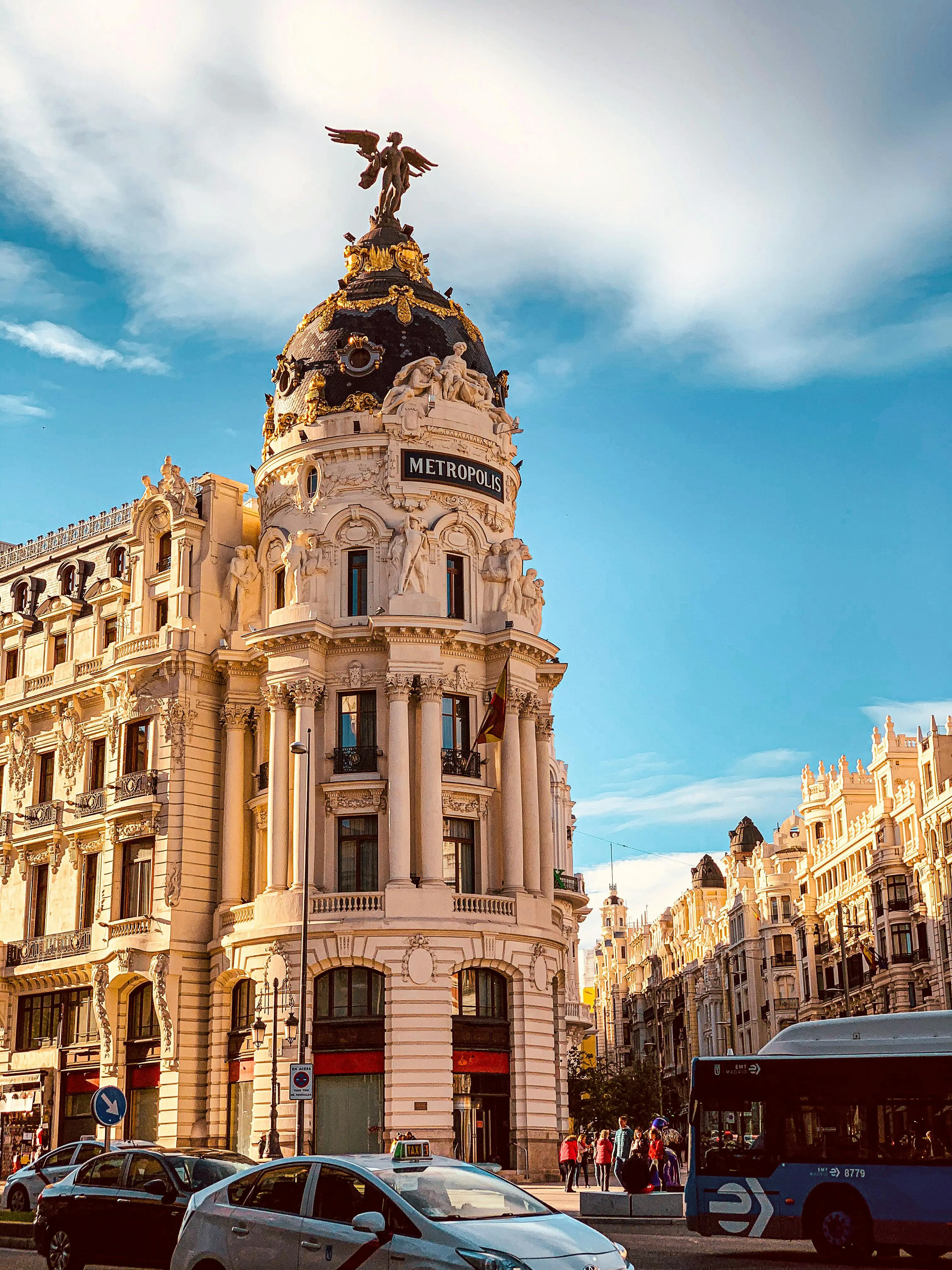
The growth of short term rentals Madrid has made it easier to move, settle, and live comfortably without long commitments. Many short term rentals and mid term rentals come fully furnished, with Wi Fi, kitchen facilities, linens, and flexible terms, so you can arrive and start living immediately. Whether you’re relocating, working remotely, or staying a few months, the right apartment should feel like a functional home, not just temporary accommodation.
In this guide, you’ll:
Find the best neighborhoods in Madrid for your kind of stay
Compare short term rentals, mid term rentals, and term rentals vs a hotel
Understand pricing, amenities, and what’s typically included
Learn how to book secure rentals in Madrid and avoid common risks
Choose a property that supports your work, comfort, and daily routine
A good rental in Madrid should make it easy to drop your bags, connect to wifi, and start enjoying the city from day one.
What Counts as Short Term Rentals in Madrid (and How They Compare to Mid Term Rentals)
Short stays in Madrid aren’t one-size-fits-all. The difference between short term rentals, mid term rentals, and longer term rentals affects everything from your rent and utilities to how flexible your dates can be. If you’re moving, relocating for work, or testing a neighborhood before committing, understanding these categories helps you choose the right setup without overpaying or getting locked into the wrong kind of contract.
Short Term vs Mid Term Rentals in Madrid
Short term rentals: typically 32 days to 3 months
Mid term rentals: 1 to 11 months, often with flexible terms
Term rentals (longer stays): 12+ months, stricter contracts
Short stays often include more service (cleaning, support), while mid term options balance cost and stability
Expect higher monthly rent for shorter stays, but fewer long-term commitments
This flexibility is why short term rentals Madrid continues to grow—especially among expats, students, and professionals staying a few months.
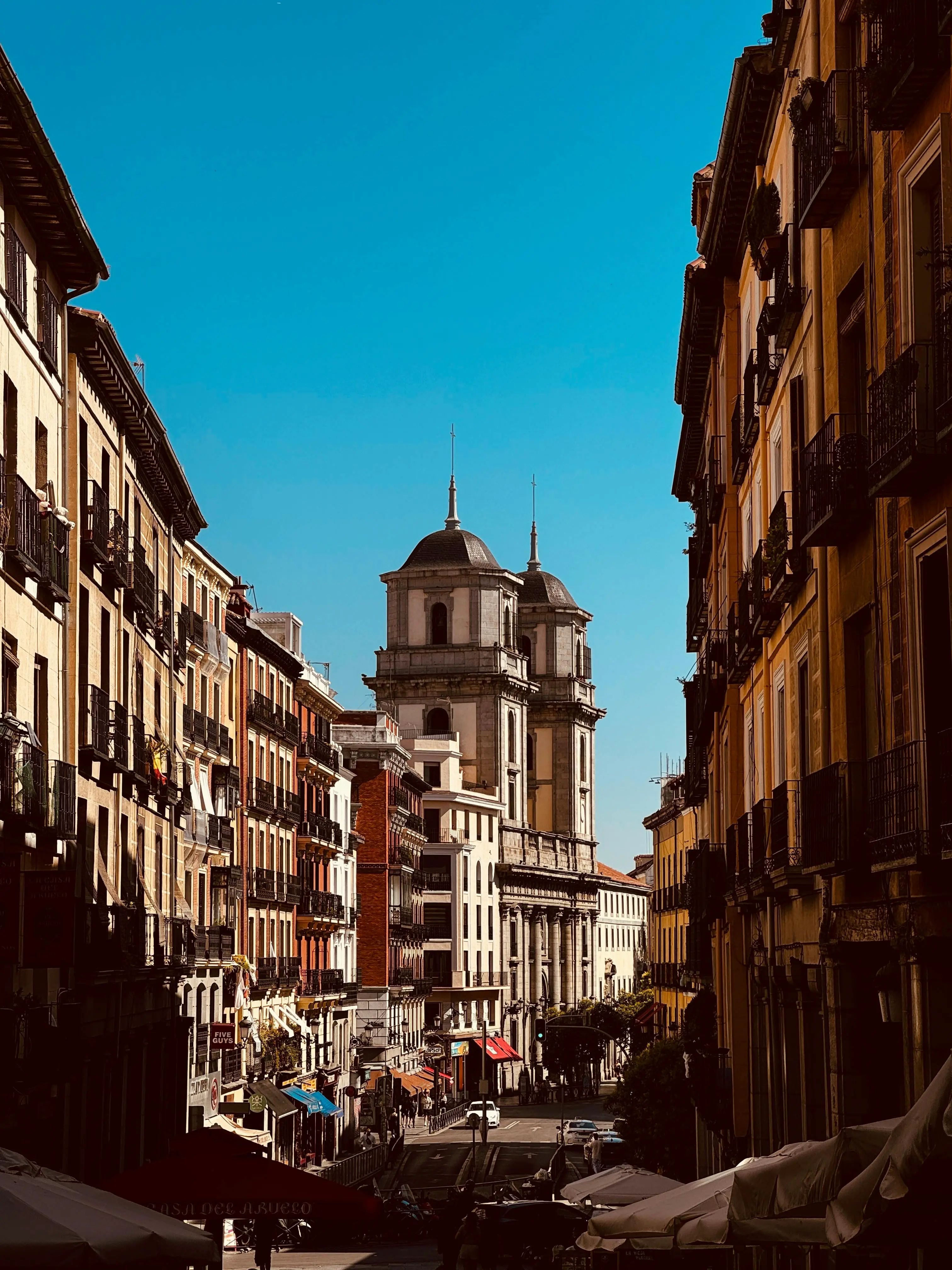
Why Fully Furnished Apartments Make the Process Easier
Most apartments in Madrid for short or mid stays are fully furnished and ready to move into.
No setup needed: everything is provided, from kitchenware to linens
High-speed wifi and wi fi are standard in most listings
Many include a dedicated space or desk for remote work
Utilities, maintenance, and sometimes cleaning are included
Makes relocating smoother for anyone moving without a permanent base
You’ll see this especially in central neighborhoods, where demand for ready-to-live accommodation is highest.
Legal Rules and What to Watch Before Booking
Madrid has tightened regulations around short stays, so not every listing you see is fully compliant.
Properties must have a valid registration number (as of 2026)
Rentals under 90 days often require a tourist license and separate entrance
Many rentals in Madrid listed on platforms still operate in gray areas
Never send money before verifying the property and booking details
Use platforms that allow you to confirm safely before arrival
If you’re planning to stay close to major areas like Gran Vía, Puerta del Sol, or near Atocha Station for transport access, double-check compliance—central listings are the most regulated.
Where These Rental Types Work Best in the City
Different parts of Madrid naturally suit different rental durations:
Centro: best for short stays, walkable and close to landmarks
Chamberí: strong option for mid term rentals, quieter but still central
Argüelles (near Plaza de España): ideal balance of access and residential feel
Lavapiés (Barrio): more affordable, multicultural, and full of everyday life
Grab lunch at Mercado de San Fernando in Lavapiés or work from a quiet corner at Monkee Koffee in Chamberí to get a feel for how different areas support daily routines—not just sightseeing.
Choosing between short and mid term rentals isn’t just about duration—it’s about how you want your home to function while you’re in the city.
Best Neighborhoods for Short Term Rentals in Madrid (From La Latina to Salamanca)
Where you stay in Madrid determines how easy your days feel—whether that’s walking to a morning café, jumping on the metro in under 5 minutes, or having quiet streets after work. For short term rentals and mid term rentals, the right neighborhoods aren’t just about attractions—they’re about daily rhythm, accessibility, and how livable the city feels over time.
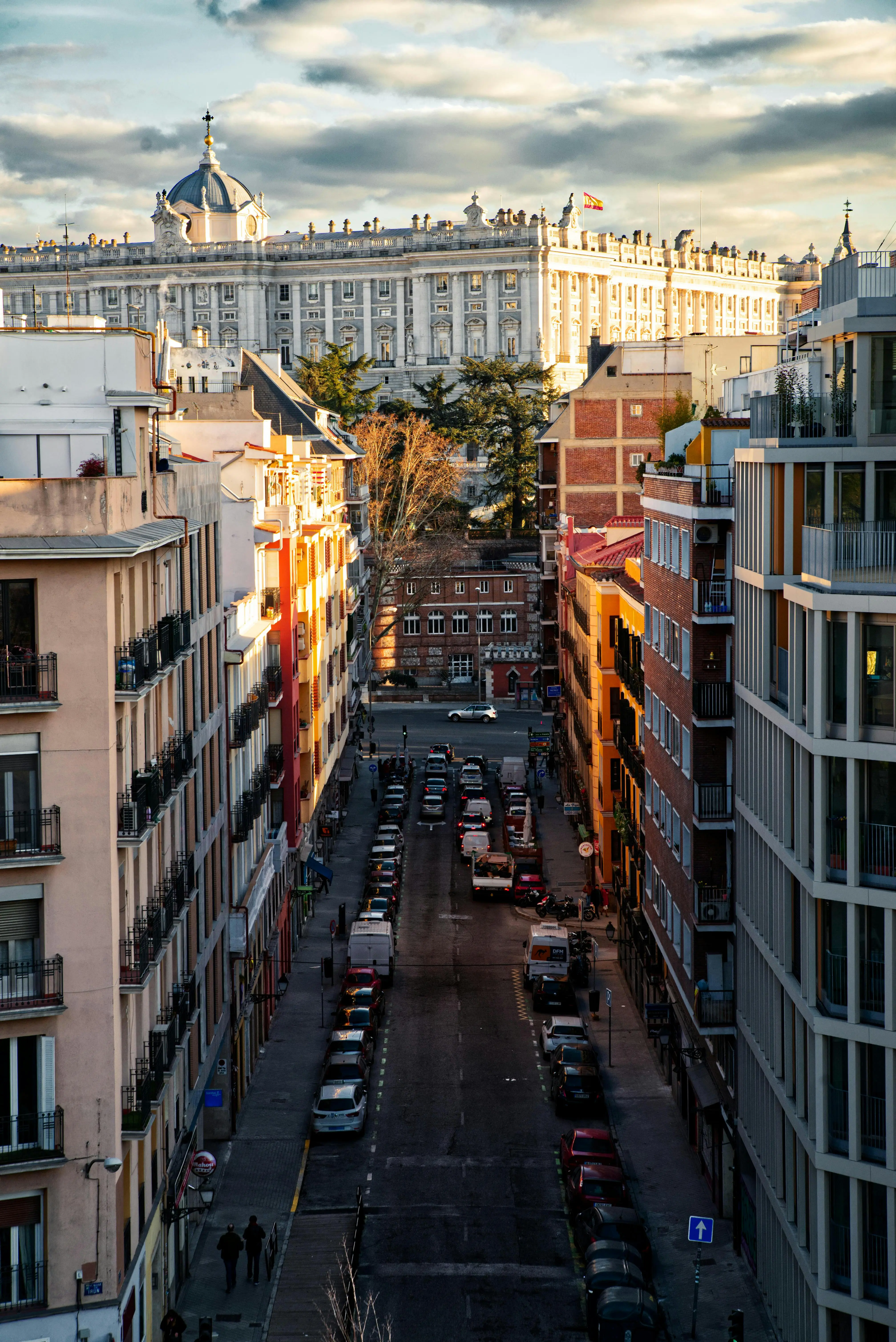
La Latina and Plaza de España (Historic Core with Everyday Energy)
If you want classic Madrid without feeling overly touristy, this part of the city is a strong starting point.
La Latina: tapas culture, walkable streets, and proximity to Plaza Mayor
Try Taberna La Concha for vermouth or Juana La Loca for tortillas
Plaza de España / Argüelles: wider streets, greener spaces, better balance
Walk to Temple of Debod for sunset or grab coffee at Café del Art
Strong public transport links and easy access to central landmarks
Best for: short stays, first-time visitors, and anyone who wants a central location without sacrificing livability.
Malasaña and Chueca (Creative, Social, and Well-Connected)
These neighborhoods attract a mix of creatives, remote workers, and younger guests.
Malasaña: vintage shops, indie cafés, casual work spots
Work from Hola Coffee Lagasca or grab pastries at La Bicicleta Café
Chueca: vibrant, inclusive, and slightly more polished
Close to Gran Vía and packed with restaurants and boutique stores
Strong wifi availability across cafés and coworking spots
Best for: social stays, flexible schedules, and people who want energy outside their apartment.
Salamanca (Upscale Living and Spacious Apartments)
For a quieter, more refined lifestyle, Salamanca offers some of the most comfortable apartments in Madrid.
Wider streets, luxury shops, and cleaner building stock
Cafés like East Crema Coffee double as calm work environments
Higher rent, but more spacious layouts and premium amenities
Best for: professionals, longer term rentals, and anyone prioritizing comfort and quiet.
Retiro and Chamberí (Balanced, Livable, and Local)
These areas offer a middle ground between energy and calm.
Retiro: green space, relaxed pace, strong residential feel
Walk to Retiro Park or work near Panod café
Chamberí: local vibe, less crowded, still central
Try Miga Bakery or ÖSS Kaffe for quieter work sessions
Ideal mix of accessibility and everyday convenience
Best for: mid term rentals, remote work, and settling into a routine.
Neighborhood Comparison
Neighborhood | Vibe | Avg Rent | Best For | Key Advantage |
|---|---|---|---|---|
La Latina | Historic, lively | €900–1200 | Short stays | Walkability |
Plaza de España | Central, balanced | €1000–1300 | Flexible stays | Transport + space |
Malasaña | Trendy, creative | €1000–1300 | Social stays | Café culture |
Salamanca | Upscale, quiet | €1400+ | Professionals | Spacious apartments |
Retiro | Calm, green | €1100–1400 | Longer stays | Quality of life |
If you’re narrowing down your options, exploring how daily life feels in each area matters just as much as price or square footage.
Explore Retiro in our neighborhood guide to see if it fits your kind of stay.
Types of Apartments in Madrid for Short Term and Term Rentals
Not every apartment in Madrid is built for the same kind of stay. Once you’ve narrowed down your neighborhoods, the next decision is choosing the right type of property—one that matches how long you’re staying, how much space you need, and whether you’re living, working, or both. With thousands of active rentals in Madrid, understanding the differences helps you filter faster and avoid overpaying for features you don’t actually use.
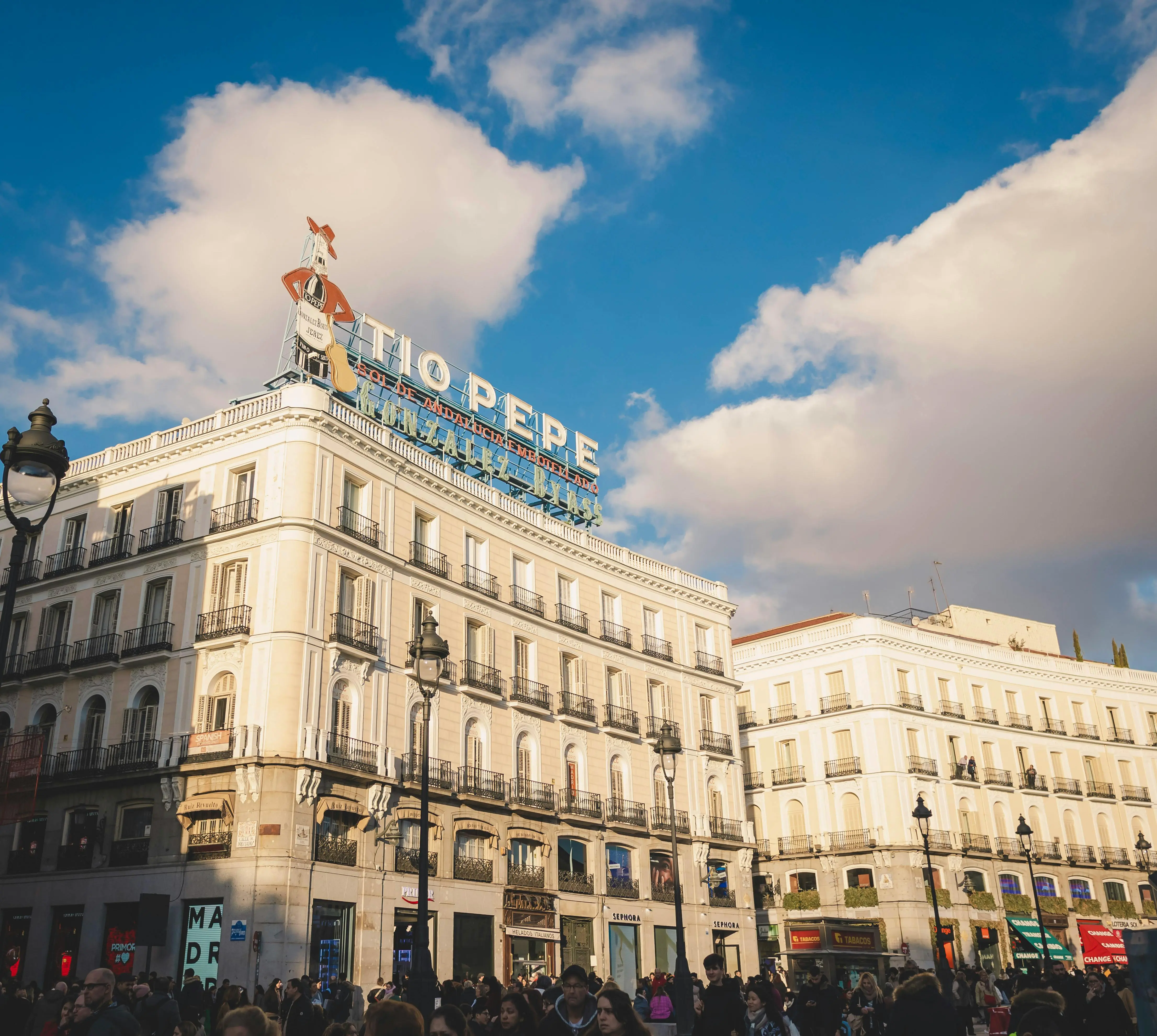
Studio and One-Bedroom Apartments (The Most Common Options)
A large share of short term rentals in Madrid are compact but efficient.
Studios and 1-bedroom units make up roughly 40%+ of the market
Ideal for solo guests, couples, or short work assignments
Easier to rent with flexible dates and shorter booking windows
Often located in central areas with strong transport access
Look around Lavapiés or near Antón Martín Market, where smaller apartments are common and daily essentials are within walking distance—including produce stalls, bakeries, and casual lunch spots like Yokaloka.
Serviced Apartments vs Standard Rentals
This is where short term convenience meets hotel-style service.
Serviced apartments:
Regular cleaning and maintenance provided
Concierge or support team
Utilities and wifi included
Standard rentals:
More independence
Lower monthly cost for mid term rentals
Fewer ongoing services
Serviced setups are more common near business-friendly zones like AZCA (Madrid’s financial district), where professionals prioritize convenience over cost.
What Fully Furnished Actually Means
Most apartments in Madrid listed for short stays are fully furnished, but the quality varies.
Kitchen setup: cookware, utensils, appliances
Bathroom essentials and storage
Wi Fi or wifi installed and ready
Basic furnishings like sofa, bed, dining area
Linens and sometimes cleaning included
Many modern units are designed for immediate move-in, especially in central parts of the city, making them ideal for anyone relocating or arriving without belongings.
Features That Make a Real Difference
Beyond the basics, certain amenities and facilities change how comfortable your stay feels.
In unit laundry vs shared building machines
Natural light or a balcony (rare but valuable in older buildings)
Secure entry systems or concierge access
Air conditioning (important during summer months)
Optional parking in less central districts
In areas like Chamartín, you’ll find newer developments with more modern layouts, larger units, and better access to parking—something harder to find in the historic center.
Choosing the Right Setup for Your Stay
Short stays → serviced or studio apartments
Mid-length stays → standard mid term rentals with lower costs
Work-focused stays → apartments with dedicated workspace and strong wifi
Longer relocations → larger, more spacious properties in quieter zones
The right apartment isn’t just about size—it’s about how well the space supports your routine once you’re settled into Madrid.
Amenities That Matter: Wi-Fi, Workspaces, and Everyday Comfort
Once you’ve narrowed down your neighborhoods and chosen the right apartment, the next filter is how well the space supports your daily routine. In Madrid, many short term rentals and mid term rentals are fully furnished, but not all are designed for how people actually live and work. For digital nomads and professionals, the difference between a decent stay and a perfect apartment often comes down to internet reliability, workspace quality, and overall comfort.
Reliable Wi-Fi and Dedicated Workspaces
Fast, stable internet is essential if you’re working remotely in Madrid.
Most apartments in Madrid include high-speed Wi-Fi, often fiber-based
Look for listings that confirm speeds (100–300 Mbps is common)
Dedicated desks or ergonomic chairs are increasingly provided
Quiet interiors matter just as much as connection speed
For backup work spots, La Fábrica in Barrio de las Letras is great for focused mornings, while Café Comercial near Glorieta de Bilbao offers more space for longer sessions without constant noise.
Work-Ready Apartments vs Standard Rentals
Many short term rentals Madrid listings are livable but not optimized for productivity.
Kitchen tables are often used as desks
Seating and lighting may not support long work sessions
Internet quality can vary between buildings
This is where curated accommodation makes a difference. Platforms like RentRemote focus on workation apartments in Madrid that are set up for remote work from day one, with proper desks, ergonomic setups, and stable Wi-Fi already in place.
If your priority is productivity, it’s worth exploring fully furnished apartments in Madrid that are designed for working—not just staying.
Everyday Comfort: Kitchen, Bathroom, and Living Space
A good apartment should support daily life without friction.
Fully equipped kitchens with appliances and cookware
Clean, functional bathroom layouts with storage
Comfortable living space that doesn’t feel cramped
Air conditioning or heating depending on the season
For groceries, Mercado de San Antón in Chueca is a reliable option, while Supercor Express locations across the city make quick restocks easy.
Practical Features That Improve Your Stay
Some features don’t stand out in listings but matter once you move in.
In-unit laundry or accessible laundry nearby
Secure entry systems or concierge buildings
Reliable maintenance and responsive service
Optional parking in less central districts
Newer developments around Chamartín or Nuevos Ministerios tend to offer more consistent facilities and better layouts.
What’s Included vs What to Confirm Before Booking
Not all rentals in Madrid include the same essentials, so check details carefully.
Utilities may or may not be included
Cleaning and linens are often included in serviced setups
Internet is usually included—but verify quality
Some listings bundle everything into one monthly rent
If you’re moving for a few months, these details impact both cost and comfort more than the headline price.
Choosing Amenities Based on Your Lifestyle
Remote workers → strong Wi-Fi, proper workspace, quiet environment
Short stays → convenience and services included
Mid-length stays → balance between cost and independence
Social stays → proximity to cafés and central areas
The right amenities turn a rental into a functional home, not just a place to sleep in Madrid.
How Much Do Short Term Rentals in Madrid Cost?
Pricing in Madrid varies more than most people expect. The same apartment can feel like a great deal or a poor choice depending on the location, length of stay, and what’s actually included. For anyone comparing short term rentals, mid term rentals, or even a hotel, understanding cost isn’t just about monthly rent—it’s about total value across amenities, utilities, and how comfortable the home feels over time.
Average Rent by Apartment Type and Area
Across rentals in Madrid, pricing is shaped heavily by neighborhood and apartment size.
Studio apartments: €800–€1,100/month
1-bedroom apartments: €1,000–€1,500/month
Larger or more spacious units: €1,600+ depending on area
Premium areas like Salamanca or near Paseo de la Castellana trend higher
If you’re trying to find better value, look just outside the tourist-heavy city core—areas like Delicias or Prosperidad often offer more space for the same price while still being well connected.
What’s Included in the Price (and What’s Not)
Not all short term rentals Madrid listings are priced the same way, even if they look similar.
Some apartments bundle everything into one monthly rent
Others charge separately for utilities, cleaning, or service
Wi Fi, kitchen setup, and linens are usually included
Maintenance may be provided, but response times vary
Always check what’s included before confirming your booking, especially if you’re staying multiple months.
Seasonal Trends and Best Dates to Book
Timing plays a big role in pricing across Madrid rentals.
Peak demand: June–August and December/January
More options and lower prices during shoulder seasons
Booking earlier gives you more flexibility with dates and better choices
If your schedule allows, shifting your move by even a few weeks can help you choose from a wider variety of listings.
Deposits, Fees, and the Booking Process
Costs don’t stop at monthly rent—understanding the full process matters.
Short stays may require higher deposits
Some platforms include service or booking fees
Long-term contracts no longer require agency fees (post-2023 reforms)
Always review payment terms before taking any action
Use trusted platforms or verified listings to build trust in the process and avoid unnecessary risk.
Where to Get Better Value in the City
If you’re balancing cost and comfort, certain areas stand out.
Arganzuela (near Madrid Río): more affordable, great for longer stays
Tetuán: strong value and improving infrastructure
Moncloa–Aravaca: quieter but still well located
Barrio de Las Letras: slightly higher cost, but strong central positioning
Grab lunch at Distrito Vegano in Conde Duque or coffee at Hanso Café in Malasaña to explore areas outside your shortlist—sometimes the best area isn’t the one you expected.
Choosing the Right Cost Setup for Your Stay
Short stays → higher monthly cost, more services included
Mid-length stays → better pricing with fewer extras
Longer stays → more negotiation room on rent
Work-focused stays → worth paying more for reliable setup
A good apartment in Madrid isn’t just about price—it’s about how well the cost aligns with your daily routine, comfort, and ability to settle into the city.
How to Find and Book Rentals in Madrid Safely
Finding a place to stay in Madrid is easy. Finding one you can actually trust is where things get more nuanced. With thousands of listings across different platforms and a growing number of people moving to the city, the process of securing a reliable home comes down to knowing where to look, what to check, and how to protect yourself before taking action.

Where to Search and Compare Options
There’s no shortage of platforms offering rentals in Madrid, but not all are equal in terms of verification and transparency.
Airbnb: largest selection, especially for short stays
Spotahome: offers verified listings with video tours
Uniplaces: popular with students and longer stays
Direct agency website listings: often more curated but limited in variety
Each platform offers different levels of support during the booking process, so compare before you choose.
Steps to Book Safely Without Risk
Before confirming any accommodation, follow a few basic steps to avoid common issues.
Verify listing details and cross-check photos
Confirm the registration number required in Spain
Avoid sending money outside official platforms
Review cancellation policies and exact dates
Ask clear questions before confirming
These small steps reduce risk significantly and help you feel more confident about your choice.
What to Check Before Confirming Your Stay
Even when a listing looks good, details matter.
Distance to metro or Cercanías (ideally within 10 minutes)
Whether utilities and services are clearly provided
Internet reliability if you’re working remotely
Building condition and surrounding area
If you’re planning to spend time near cultural spots like the Prado Museum or Reina Sofía, make sure your place is realistically close—not just “central” on paper.
Avoiding Common Rental Mistakes
Many first-time renters make the same avoidable errors.
Rushing the process without comparing enough options
Overlooking hidden costs beyond monthly rent
Not confirming what’s actually included
Choosing based on photos instead of functionality
Taking a bit more time upfront leads to a far more comfortable experience once you arrive.
A Smarter Way to Book Work-Ready Apartments
If your priority is finding a place that actually works for daily life—not just something that looks good in photos—curated platforms make a difference.
Instead of filtering through hundreds of inconsistent listings, you can find apartments where key details are already handled: reliable wifi, proper workspaces, and layouts that support both living and working. This is especially useful for anyone relocating, staying for several months, or trying to avoid the trial-and-error that comes with standard platforms.
If you want a smoother booking experience, it’s worth exploring fully furnished apartments in Madrid that are already vetted and set up for remote work. It removes a lot of friction from the process and helps you start your stay without needing to fix things on arrival.
Choosing the right place isn’t just about availability—it’s about confidence in the process and knowing your stay in Madrid will start smoothly from day one.
Short Term Rentals vs Hotel Stays in Madrid: Which One Fits Your Stay?
Choosing between an apartment and a hotel in Madrid comes down to how you actually plan to live during your stay. If you’re out all day and just need a place to sleep, a hotel works. But if you’re staying longer, working remotely, or want to settle into a routine, the difference becomes obvious within a few days.
When a Hotel Makes More Sense
Hotels are practical if your schedule is tight and your stay is short.
A standard 3–4 star hotel near Gran Vía or Puerta del Sol costs around €120–€250 per night
Areas like Callao or near Plaza Mayor keep you within walking distance of major landmarks
Daily cleaning and reception service are included
No setup required—just check in and go
Grab breakfast at Chocolatería San Ginés before heading out, or a quick coffee at Levaduramadre—this setup works if your time in Madrid is more about exploring than settling.
Why Apartments Work Better for Longer Stays
Apartments become the more practical option once your stay extends beyond a few days.
A one-bedroom apartment in central Madrid typically ranges from €1,000–€1,500 per month
Weekly grocery runs from Mercado de San Ildefonso or Carrefour Market reduce daily costs
You get a full kitchen, living space, and room to work
It’s easier to maintain a routine, especially for remote work
Instead of eating out for every meal, you can cook at home, grab takeaway from Honest Greens, or work from your own space without relying on cafés.
Real Cost Comparison Over Time
The difference becomes clear when you compare total spend over a month.
Hotel (30 nights at €150 avg): ~€4,500
Apartment (monthly rent): €1,100–€1,400
Food costs drop when you’re not eating out daily
Utilities may be included or add ~€100–€150/month
Even with added costs, apartments offer significantly better value for longer stays.
Lifestyle Differences That Actually Matter
Hotels and apartments create completely different daily experiences.
Hotel stays are structured—you leave, return, and repeat
Apartments let you build a routine: morning coffee, work blocks, evening walks
For example:
Start your day working from home, then walk through El Retiro Park
Grab lunch at B13 Bar in Malasaña
Finish with a quiet evening instead of navigating crowded hotel areas
That rhythm is difficult to replicate in a hotel setup.
Which Option Fits Your Stay Best
A hotel works if you’re in Madrid for a few days and want simplicity
An apartment makes more sense if you’re staying weeks or months
Remote workers benefit from having space and control over their environment
Anyone relocating or testing a neighborhood will find apartments more practical
If your goal is to experience Madrid beyond a quick visit, apartments give you the flexibility to actually live in the city—not just move through it.
Who Short Term Rentals in Madrid Are Best For
Not every stay in Madrid looks the same. The right setup depends on why you’re here—whether you’re working, relocating, or just testing life in a new city. The flexibility of furnished apartments has made them a strong fit for different kinds of travelers, especially those staying longer than a few days.
Remote Workers and Digital Nomads
Madrid has become a strong base for remote work, especially for those balancing productivity with lifestyle.
Many apartments are located near coworking hubs like Impact Hub Gobernador or The Shed Coworking in Conde Duque
Work-friendly cafés like Hola Coffee (Fourquet) and Nomade Café offer reliable environments outside your apartment
High-speed internet and workspace setups are typically provided in better-quality listings
This setup is ideal if you’re staying for several months and need consistency without sacrificing flexibility.
Expats and Professionals Relocating
For expats or anyone relocating for work, furnished apartments remove friction during the transition.
No need to set up utilities or buy furniture
Easier to secure housing before arrival through a verified website
Simplifies the early stages of settling into Madrid
Areas like Chamartín or Prosperidad are popular here—quieter, well-connected, and easier to navigate during your first few weeks.
Students and Academic Stays
Madrid attracts international students for both short programs and longer academic studies.
Apartments near Ciudad Universitaria or Moncloa are practical
Flexible contracts make it easier to align with semester schedules
Shared or compact units help reduce costs
This is one of the most common use cases for mid-length stays in the city.
Travelers Who Want to Live, Not Just Visit
Some travelers don’t want a packed itinerary—they want to experience daily life.
Shop at Mercado de Vallehermoso instead of eating out every meal
Spend evenings in quieter areas like Argüelles rather than tourist-heavy zones
Build routines instead of relying on short visits
This approach shifts your experience from tourism to something closer to living in Madrid.
Why This Setup Works for Different Lifestyles
Remote workers get stability and control over their environment
Professionals relocating avoid unnecessary setup time
Students align housing with academic timelines
Long-stay travelers experience the heart of the city beyond surface-level visits
In addition, this type of accommodation allows you to settle in at your own pace rather than rushing through a fixed schedule.
A good apartment isn’t just a place to stay—it supports how you live, work, and move through Madrid on your own terms.
Choosing the Right Short Term Rental in Madrid for Your Stay
By now, the decision should feel clearer. The right setup in Madrid isn’t just about price or aesthetics—it’s about how well a place supports your daily rhythm. Whether you’re working remotely, relocating, or staying a few months, the goal is to find a space that feels functional from day one.
The strongest options tend to be centrally located, well-connected, and thoughtfully designed for real use—not just short visits. From morning routines to late evenings, living in Madrid works best when your apartment supports both comfort and consistency. That’s especially true if you’re staying longer or transitioning into a new routine.

At the heart of it, this decision is about reducing friction. You want a place where everything is already in order, where key details are handled, and where you don’t have to spend your first week fixing issues. Taking the time to compare options, verify details, and approach the process with a bit of care makes a noticeable difference.
In addition, choosing a setup that matches your lifestyle—whether that’s quiet residential areas or more central zones—helps you settle in faster and enjoy your time in the city without unnecessary trade-offs.
If you’re planning to stay beyond a short visit, it’s worth exploring fully furnished apartments in Spain that are built for flexibility, comfort, and a smoother transition into everyday life.