
Maya
Culture & Exploration Editor ·
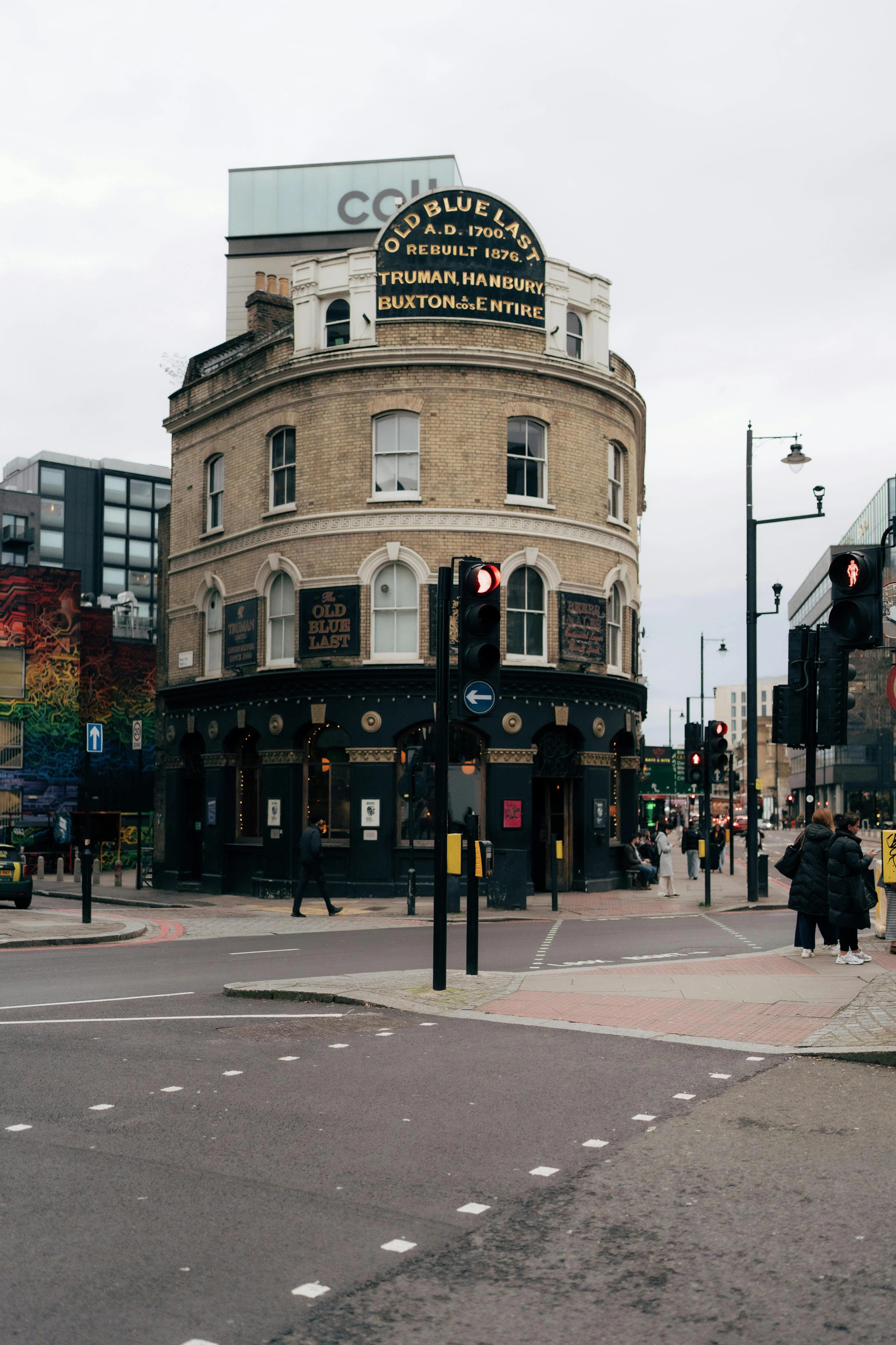
Shoreditch doesn't ease you in gently. Within a day you'll have walked past a Banksy mural, queued for a bagel at 2am, and sat in a converted warehouse café where the WiFi is faster than your last office. The trade-off is noise, weekend crowds, and rents that have followed the area's reputation upward. But for remote workers who want to be inside London's creative and tech energy rather than adjacent to it, nowhere else makes the same case.

Where to stay in Shoreditch — hotels, furnished apartments, and what each costs you
Getting around: Shoreditch High Street Station, Old Street, Liverpool Street, and the Elizabeth Line
Where to eat and drink, from Beigel Bake at midnight to Clove Club on a client budget
Markets, street art, and the Columbia Road Flower Market — what's worth your Sunday morning
Shopping: Brick Lane, BOXPARK Shoreditch, and the independent fashion scene
The honest version of Shoreditch nightlife and live music — who it suits and when to avoid it
Why Shoreditch London Works — and What It Will Cost You
Shoreditch sits at the intersection of the City of London's financial pull and East London's creative identity, which is exactly why the rents here are what they are. You're paying for geography as much as anything else.
Monthly Rent and the Real Cost of Living in Central Shoreditch
Furnished studios in central Shoreditch run £2,000–£2,500 per month; one-beds on the better streets push £2,800–£3,400 depending on how close you are to the Overground.
Studios near Shoreditch High Street Station: £2,000–£2,500/month — competitive for inner East London
One-beds on Great Eastern Street or Curtain Road: £2,800–£3,400/month — expect exposed brick and a small living room
Shares in the area drop your housing cost to £900–£1,300/month per room, but co-living is easier to find than traditional house-shares
Grocery bills at the local Sainsbury's or Waitrose on Liverpool Street run £250–£350/month for one person cooking regularly
If your client work is London-based, the commute logic tips strongly in Shoreditch's favour — you're a short walk from the City of London and 25 minutes from most of central London by Overground or tube.
The Hotel London Option: Staying Short-Term Before Committing
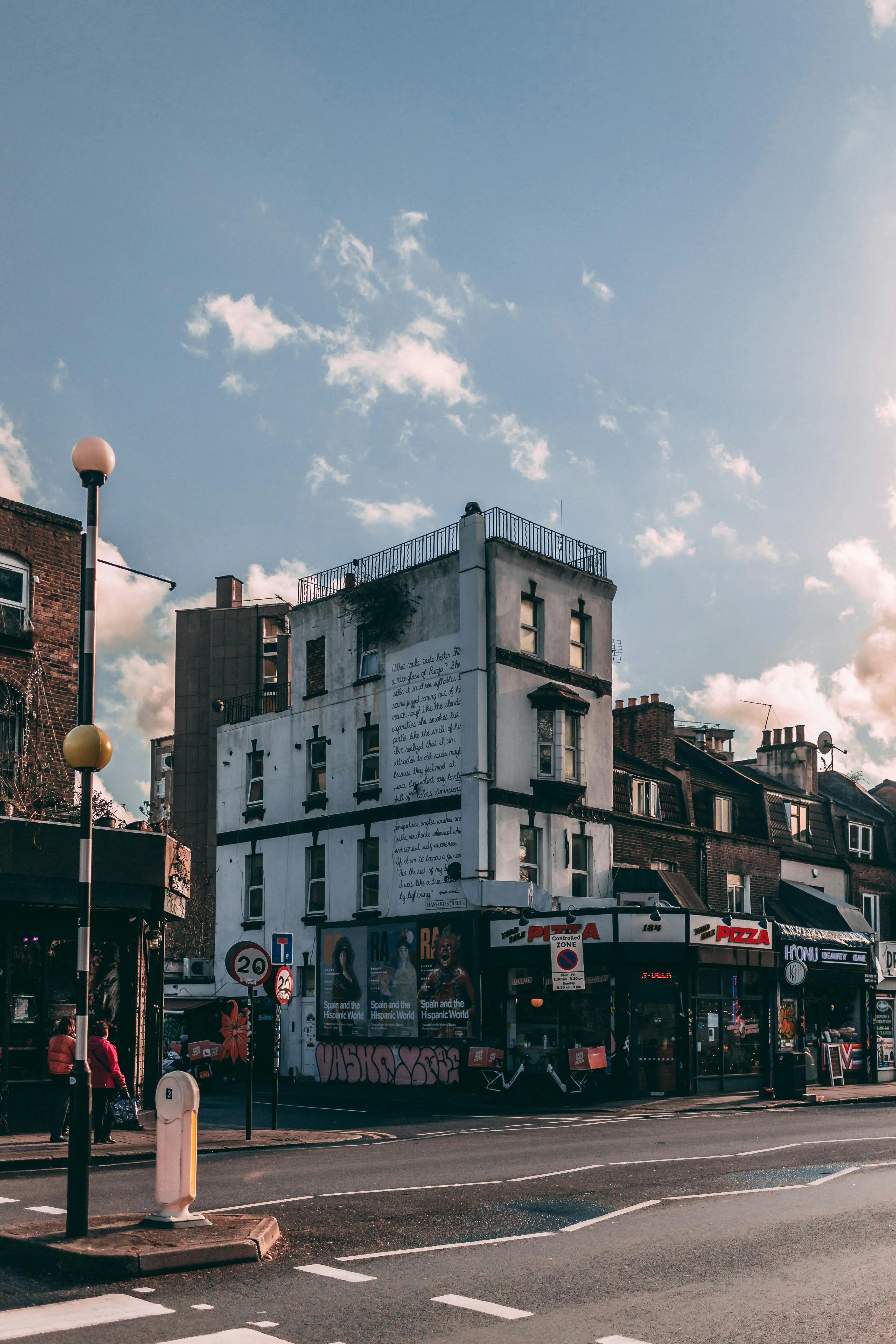
Three weeks in a hotel will cost you significantly more than a furnished apartment, but it buys you time to learn which streets you actually want to live on.
CitizenM London Shoreditch — compact smart rooms, well-designed, rates from £120/night — good for the first week
One Hundred Shoreditch — beautifully designed rooms and a rooftop terrace, from £200/night — this is a boutique hotel worth the premium if you're working with clients in town
Mondrian London Shoreditch — rooftop pool and a restaurant that draws non-guests, from £180/night — it functions as a social hub more than a quiet base
Z Hotel Shoreditch — pocket-friendly rates near nightlife, from £80/night — small rooms, but the location is hard to beat at that price
The maths changes at day 21 without exception — at that point, a fully furnished apartment in London is cheaper than any hotel London Shoreditch offers, and you get a kitchen.
Shoreditch delivers the full big city energy of London — late bars on Curtain Road, gallery openings on Redchurch Street, and a Overground connection to Liverpool Street in under four minutes — without the sterile corporate feel of the City itself.
London Liverpool Street connects Shoreditch directly to the Elizabeth line, putting Heathrow under 45 minutes away — a genuinely useful detail if you are flying in and out regularly.
Getting Around: Shoreditch High Street, the City of London, and Beyond
Shoreditch's transport setup is better than most people expect from an area that feels slightly removed from the main tube map — and once you understand the three-station triangle, you stop thinking about it.
The Three Stations You'll Actually Use
Most days you'll rotate between three options depending on where you're going, and each one serves a different slice of the network.
Shoreditch High Street Station — London Overground, connects directly north to Dalston and south toward Canada Water; this is your default exit for most journeys
Old Street Station — Northern Line of the Underground, plus National Rail services; Old Street puts you on the tube proper in under two minutes' walk from the northern edge of Shoreditch
Liverpool Street Station — a 10-minute walk from central Shoreditch, and the most powerful connection point: Elizabeth Line, Central Line, National Rail services, and buses that serve Shoreditch directly; London Liverpool Street is where you go when you need to move fast
Travel from Leicester Square takes about 25 minutes on a good day — long enough that you feel the distance, short enough that it doesn't limit where you can take meetings.

Day-to-Day Movement: Buses, Bikes, and Old Street Records
The bus network along Old Street and Great Eastern Street fills the gaps between stations — you won't always need to go underground.
Bus routes 55, 243, and 149 connect Old Street toward central London and northeast toward Stoke Newington — useful if you're avoiding the tube
Old Street Records on the roundabout — not a transport node, but a useful landmark for navigating; you'll walk past it more than you'd expect
Santander Cycle docks are dense around Shoreditch High Street and Liverpool Street — a day's cycling is £2, and it's faster than buses for short hops to the City of London
The Elizabeth Line from Liverpool Street to Paddington runs in 10 minutes — if you're taking calls with European clients, this connection to Heathrow Express matters
The Northern Line from Old Street Station covers your south London trips; everything else, you'll find faster above ground.
Liverpool Street Station is a ten-minute walk from the heart of Shoreditch, which means you can be on a Greater Anglia train to Stansted Airport within 40 minutes of leaving your flat.
Where to Eat in East London: From Beigel Bake to the Clove Club
Shoreditch eats well at every price point, but the range is wide enough that you can spend £4 and feel satisfied or £90 and feel like you've earned it — and both experiences are legitimate.
The Breakfast Club and Everyday Eating
The Breakfast Club is the kind of place you'll visit twice in your first week and then every few weeks when you want something reliable and not precious about it.
The Breakfast Club on Shoreditch High Street — full plates from £10, queues after 10am on weekends; go before 9:30am or expect to wait
Beigel Bake on Brick Lane — open 24 hours, salt beef bagel with cream cheese under £5, no seating, no WiFi, no apologies; it's been here since before Shoreditch was fashionable and it shows
Dishoom on Boundary Street — breakfast naan from £8, famous for flavorful Indian dishes; the queue moves faster at lunch than at dinner
Poppies Fish & Chips on Hanbury Street — serving since 1952, cod and chips from £14, genuine East End institution rather than a tourist recreation
Weekday mornings in Shoreditch, before the laptop crowd fills every available surface, are when the neighbourhood eats best and most honestly.
The Clove Club and Dinner Worth Planning Around
The Clove Club is the reason food writers still pay attention to East London — it's technically in the Shoreditch Town Hall building and the tasting menu sits at £175 per person, which is either a monthly treat or a client dinner depending on your situation.
Clove Club, Shoreditch Town Hall — tasting menu from £175, book at least four weeks ahead; the snacks at the bar before you're seated are worth arriving early for
Manteca on Charlotte Road — fresh pasta and nose-to-tail cooking, mains from £18, no reservations for solo diners at the bar; this is where you eat when you want something serious but not ceremonial
Spitalfields Market food stalls — international cuisines, lunch from £8, Thursday and Friday are the best days for food vendors; busier but more varied than weekend visits
Old Truman Brewery food halls — massive space, diverse street food, best on Sunday afternoons when the market is at full capacity
Shoreditch Grind at Old Street roundabout opens from 7am and does a better breakfast espresso than most of the trendier spots further down Curtain Road — expect to pay around £4 for a cortado.
Coqfighter on Kingsland Road serves some of the best fried chicken in East London for around £12 a plate — crispier and considerably less greasy than anything you will find in the tourist-facing spots near Liverpool Street.
Markets, Street Art, Boxpark Shoreditch, and the Columbia Ro
Sunday in Shoreditch is its own category of experience — it's the day the neighbourhood runs hardest, which means it's either exactly what you came for or exactly what you need to leave the area to avoid.
Columbia Road Flower Market and the Columbia Road Morning
Columbia Road Flower Market operates every Sunday from around 8am, and by 11am the street is so densely packed that moving through it becomes an activity in itself.
Columbia Road Flower Market — cut flowers from £5 a bunch, plants cheaper than any garden centre in London; arrive before 9am if you want to move freely and hear the traders calling
The independent shops along Columbia Road open their doors on Sundays only — ceramics, art prints, homewares; budget £20–£60 if you're the kind of person who buys things in markets
Royale café on Columbia Road — coffee from £3.50, delicious cakes, standing room only by 10am; the kind of place that makes you want to stay in the neighbourhood
Columbia Road connects directly to Broadway Market via a 20-minute walk through London Fields — worth continuing if you have the morning free
Columbia Road Flower Market and Brick Lane Market together form the core of Shoreditch's Sunday pull — doing both in one morning is possible, but you'll need to start before 9am and move with purpose.

Brick Lane, Old Spitalfields Market, and the High Street Shopping Circuit
Brick Lane on a Sunday is the historic market that launched a thousand weekend visits to London Shoreditch — and it's still worth it, but only if you know what you're actually there to find.
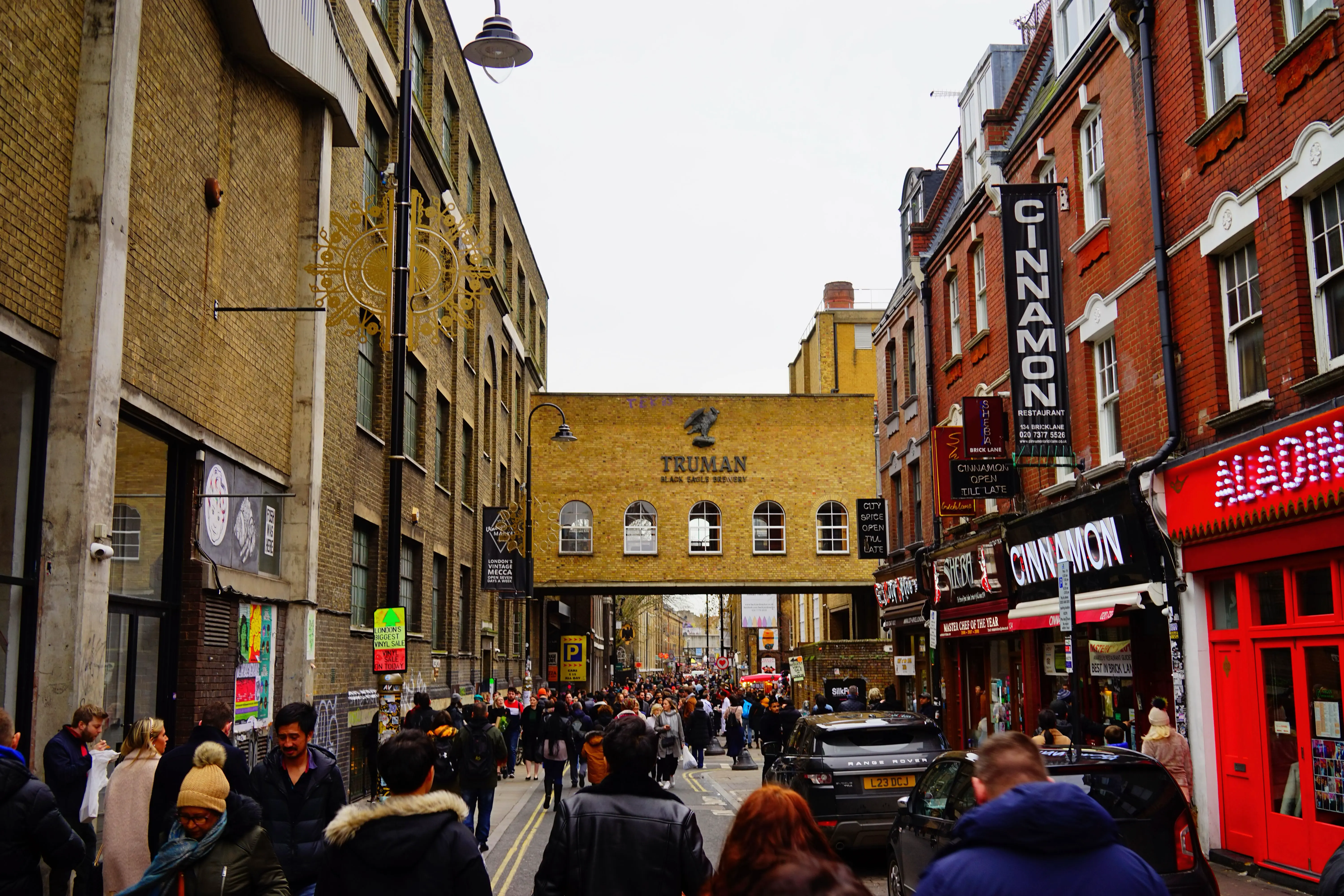
Brick Lane Market — vintage clothing, retro clothing, and boutique fashion from independent sellers, plus street food stalls from £4; the southern end near Bethnal Green Road has the better vintage finds
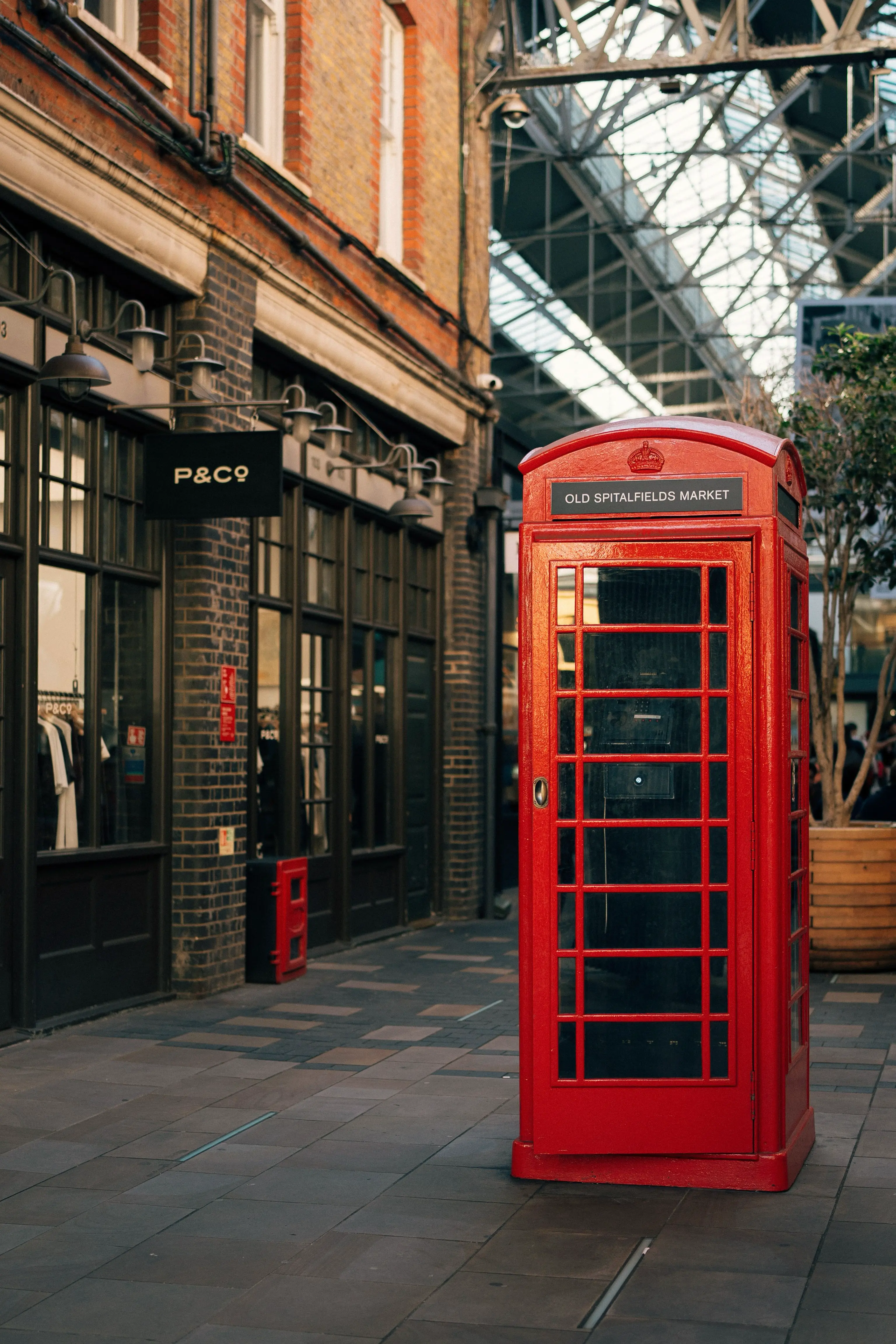
Old Spitalfields Market — open daily, busiest on weekends; independent boutiques, artisan vendors, and a historic market hall that's been trading in various forms since 1638; browse on a weekday if you want the space to think
BOXPARK Shoreditch — pop-up mall made from shipping containers on Shoreditch High Street, street food and independent retail from around £6 for lunch; best during the week when it's not overrun
Street records and independent music shops cluster around the Shoreditch High Street end of Brick Lane — if vinyl is part of your life, budget a morning and a carrier bag
The Shoreditch high street shopping circuit — BOXPARK, Brick Lane, and Old Spitalfields Market — can all be done on foot in an afternoon, but each one rewards a slower visit than most people give it.
Brick Lane Market on Sunday mornings is the most concentrated place for vintage fashion in East London — you can pick up a decent leather jacket for £25 to £45 if you arrive before 10am before the serious buyers have cleared out the good stalls.
Street Art: Rivington Street to Brick Lane
Shoreditch is the epicentre of London's street art scene, and the difference between stumbling across it and understanding it is about 90 minutes and a guided tour.
Rivington Street — politically charged murals change every few months; Banksy has left his mark here and across the wider area, though specific works appear and disappear without notice
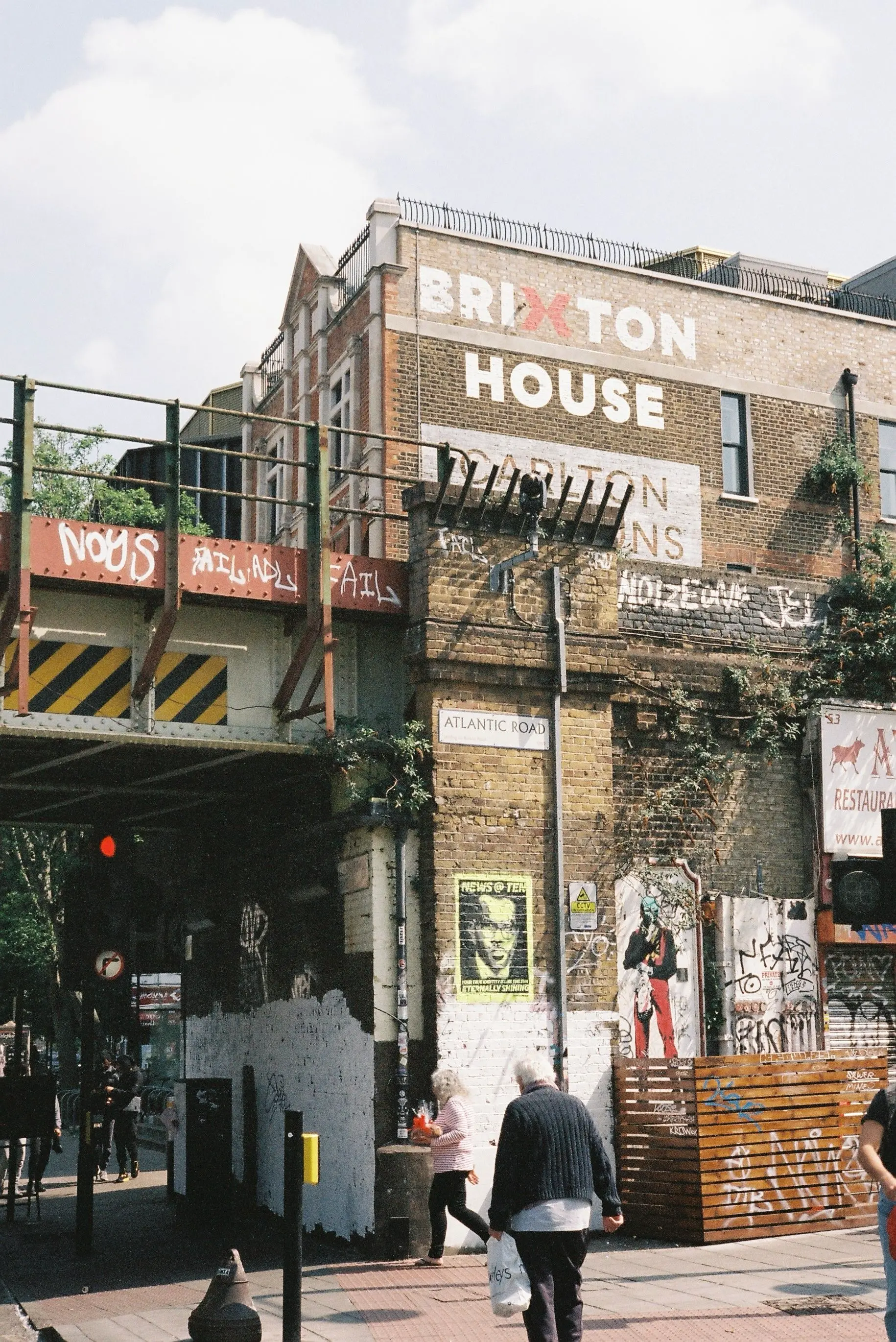
Brick Lane's eastern wall running toward Bethnal Green — the highest concentration of large-format pieces in East London; notable street art locations include this stretch and the railway arches nearby
Shoreditch Street Art Tours — depart from BOXPARK Shoreditch most weekends, £15–£20 per person; if you're spending more than two weeks in the area, this reorients how you read the neighbourhood
The walls around the Old Truman Brewery are refreshed regularly — what you see in March won't be there in September
Street art in Shoreditch is not decorative — it's historically and politically rooted in an area that has been working class, immigrant, and countercultural in turns, and the best pieces reflect exactly that.
Neighbourhood Comparison: Where to Base Yourself in East London
Before you commit to a neighbourhood, it's worth seeing the full spread — because the difference between Shoreditch and Dalston isn't just £800 a month, it's a completely different relationship with East London.
Central Shoreditch runs £2,800–£3,400/month for a one-bed — you're paying for walkability to the City and the highest café density in East London
Spitalfields sits at £2,600–£3,200/month and gives you Elizabeth Line access at Liverpool Street plus Old Spitalfields Market on your doorstep
Bethnal Green (£2,200–£2,700/month) and Hackney (£2,100–£2,600/month) offer genuine residential quiet while keeping Shoreditch ten minutes away by bike
Dalston is the best-value option at £2,000–£2,500/month, with Overground direct to Shoreditch High Street and Liverpool Street
The gap between Shoreditch and Dalston looks small on a map but feels significant when you're trying to sleep on a Friday night.
If You're Here to Work: Shoreditch and Spitalfields
Remote workers who take client calls, need fast espresso between meetings, or want to feel plugged into London's tech and creative ecosystem will find Central Shoreditch the most functional base — Spitalfields is the quieter, slightly cheaper version of the same logic.
Central Shoreditch puts you walking distance from the City of London — useful if you have any in-person obligations or want to network in that direction
Spitalfields gives you the Elizabeth Line at Liverpool Street, which means Heathrow in 40 minutes and Canary Wharf in under 15
Both neighbourhoods have enough cafés with reliable Wi-Fi that you won't need to rely on your flat's broadband on deadline day
Spitalfields is often overlooked precisely because it sits between two louder identities — tourist-facing and working-class East End — but that tension is exactly what keeps rents slightly more honest than Shoreditch.
St Leonard's Church on Shoreditch High Street is one of the oldest landmarks in the area and sits at the boundary between Shoreditch proper and Hoxton — useful for orienting yourself when the two neighbourhoods blur together on maps.
Browse London homes near this area
If You're Here for Space or a Longer Stay: Bethnal Green, Dalston, and Hackney
Anyone staying three months or more will start to feel the cost of paying Shoreditch prices for a flat they're actually living in rather than just sleeping in — Bethnal Green, Dalston, and Hackney all offer more room to breathe for less money.
Hackney gives you the most square footage per pound and direct access to London Fields and Victoria Park — non-negotiable if outdoor space matters to your daily routine
Bethnal Green is the compromise choice: quieter than Shoreditch, ten minutes by bike to Shoreditch High Street Station, and with Victoria Park close enough to use regularly
Dalston suits people who work remotely during the day and want a genuinely diverse, night-focused neighbourhood around them — it doesn't try to be Shoreditch, which is part of its appeal
All three areas sit below £2,700/month for a one-bed, which on a longer stay represents a meaningful difference in how much of your budget is left for actually experiencing London
Hackney in particular rewards the people who choose it deliberately — it's not a consolation prize for those who couldn't afford Shoreditch, it's a different kind of East London life.
What Shoreditch Actually Costs to Live In Day to Day
The rent figure is the number everyone fixates on, but it's not where Shoreditch gets you — it's the £15 lunches and the £7 flat whites that compound into a real budget problem if you're not paying attention.
Food and Coffee: What You'll Spend Without Trying
Shoreditch has better coffee than almost anywhere else in London, but that quality has a floor price you're unlikely to escape.
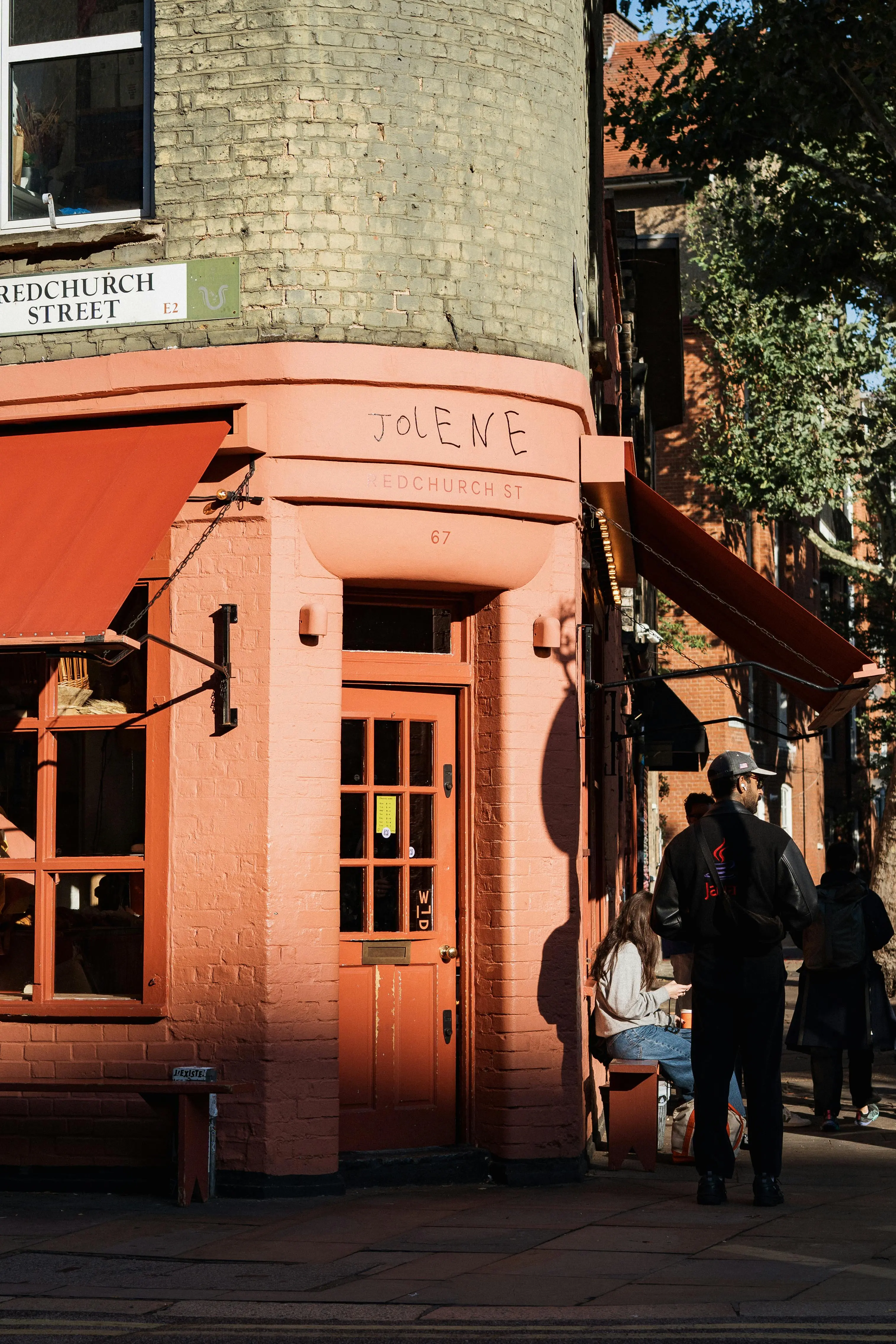
Allpress Espresso Roastery on Redchurch Street — flat white £4.50, roastery on-site, genuinely worth it before 10am when it's quiet enough to work
Nude Espresso on Hanbury Street — £4 flat white, reliable WiFi, but fills by 9:30am; go early or expect a standing spot
Lunch on Brick Lane or Bethnal Green Road runs £8–£14 if you stick to the Bangladeshi and Turkish spots rather than the sit-down concept restaurants
Dinner out two or three times a week in Shoreditch will run £35–£55 per person with drinks — it's not a cheap city, and this part of it doesn't pretend to be
The one honest budget move: E. Pellicci on Bethnal Green Road has been serving full English breakfasts at pre-gentrification prices since 1900 — around £8 — and it's a legitimate reason to walk ten minutes east.
Groceries, Markets, and Fresh Produce
Getting your fresh produce right in Shoreditch is a logistics decision more than a lifestyle one — the nearest big supermarket is not particularly close.
Broadway Market in Hackney — Saturday only, outstanding fruit and vegetables, bakery stalls, and cheese; budget £25–£35 for a week's worth of fresh produce if you're selective
Tesco Express on Old Street — convenient for top-ups but priced accordingly; not where you do a full week's shop
Whole Foods Stoke Newington — 20 minutes by bus, genuinely good for bulk and specialty items, but the price-per-item will make you reconsider your values
Bethnal Green Road has a handful of independent grocers and Turkish supermarkets with better prices and more interesting stock than anything in the E1 postcode — worth the 15-minute walk
If domestic life in Shoreditch starts feeling expensive, the answer is almost always to go one stop further east — the same ingredients cost measurably less the moment you leave the E1/EC2 bubble.
Transport Costs Beyond the Tube
The Madrid Metro this is not — London's transport costs add up in ways that catch people off guard, even in a well-connected area like this.
Oyster or contactless daily cap: £9.40 for Zones 1–2, which covers all of Shoreditch's stations — you'll hit this cap fast on days with multiple meetings
Monthly Travelcard for Zones 1–2: £185 — makes sense from week three if you're commuting daily; breaks even at roughly 20 single journeys
Santander Cycles (Boris Bikes) — £3.30/month membership plus £1 per 30-minute ride; a viable daily-use option given the flat terrain between Shoreditch and Bethnal Green, Hackney, and the City
Heathrow Airport from Shoreditch: Tube via Central or Circle line, around 50–60 minutes and £6–£13 depending on time of day — budget the full hour, not 40 minutes
Heathrow Airport runs are the one journey where the cab arithmetic actually makes sense if you have luggage and a 6am flight — Uber from Shoreditch to Heathrow runs £40–£60 at off-peak, and the time saved is real.
Where to Work, Catch Live Music, Drink, and Spend Time Whe
Shoreditch built its reputation on being cutting edge, and that word gets used lazily — but there's something true in it. The bars and venues here cycle faster than in most parts of London, which means a go to spot from 18 months ago may already be somewhere else. These are the ones that have earned a longer run.
Coworking and Coffee for Focused Days
The café-as-office culture runs deep in Shoreditch, but the places with reliable WiFi and power points are a smaller subset of the places with good coffee.
Second Home Spitalfields on Commercial Street — coworking day pass from £35, plant-filled vibrant settings, unusually good acoustics for an open-plan space; genuinely calmer than most alternatives at this price
Fora Shoreditch on Paul Street — monthly memberships from £350, private call booths, a serious go to spot for people doing client calls; no day passes, so commit before you join
Workshop Coffee Spitalfields — excellent single-origin coffee around £4.50, limited seating, no laptop policy after 12pm on busy days; best for morning work only
The small chain Wolf & Badger on Redchurch Street doubles as a browse-and-sit space — not coworking, but quiet enough for reading and email on a slow afternoon
If you're doing serious focus work five days a week, a fixed desk at a coworking space makes more sense than cycling between cafés — the saved decision-making alone is worth the cost.
Bars Worth Returning To
The bar scene in Shoreditch runs from excellent to cynically overpriced, and the line between them is thinner than it looks on a Friday night.
Nightjar on City Road — cocktails £14–£18, no standing, reservations required; the kind of bar that justifies a bigger city price tag because the craft is genuinely there
Callooh Callay on Rivington Street — more relaxed, cocktails from £11, walk-ins usually fine before 9pm on weekdays; a better option if you're meeting someone for the first time
Barrio - Shoreditch near the railway arches on Rivington Street — live music most weekends, outdoor courtyard, entry £8–£15 depending on the night.
The railway arch venues along Rivington Street and Kingsland Road — including those built from repurposed shipping containers — aged better than the rooftop bars that came after them, mostly because they kept a focus on music over spectacle.
Art, Vinyl Records, and What Shoreditch Does Well Without Trying
The art scene here is less about galleries you book in advance and more about the street, the market stalls, and the small commercial spaces that are worth pushing a door open on.
Rough Trade East inside the Old Truman Brewery complex — vinyl records, books, in-store gigs; prices are retail but the curation is serious and the staff know what they're talking about
Labour and Wait on Redchurch Street — a shop selling well-made functional objects at premium prices; worth 20 minutes for what it says about what this part of London values
Hoxton Square — sits between Shoreditch's busiest streets and one of London's calmer residential corners; art openings happen in the surrounding gallery spaces, usually free, usually on Thursday evenings
Allpress Espresso on Redchurch Street is the most reliable coffee shop for working in Shoreditch — fast Wi-Fi, plenty of seating, and a flat white that costs £3.80 without the Soho markup.
Shoreditch's history as a textile industry hub — workshops and warehouses that the creative economy later colonised — is still readable in the buildings if you walk east toward Bethnal Green rather than west toward the City of London.
Practical Details: Hotels, Salt Beef, and a Few Honest Caveats
One Hundred Shoreditch got the coverage it deserved in Part 1, but it's not the only hotel benchmark worth knowing in this part of London — and a few practical details about the neighbourhood don't fit neatly into any category.
Hotels for Short Stays Beyond the Obvious Options
If you need a hotel base for a week before an apartment comes available, the choices beyond the headline names are narrower than the neighbourhood's reputation suggests.
Ace Hotel London Shoreditch on Shoreditch High Street — doubles from £150/night, lobby bar that functions as a de facto coworking space, genuinely useful if you need somewhere to work from immediately on arrival; One Hundred Shoreditch has better rooms, but Ace has the better ground floor
Qbic London City near Aldgate East — from £90/night, compact but well-designed, technically just outside the Shoreditch boundary but close enough to matter; the right call if the budget is genuinely tight
Neither option has a rooftop pool — if a rooftop pool is the priority, you're looking at West London hotel prices, which is a different trip entirely
For stays beyond three weeks, the furnished apartment calculation reasserts itself regardless of which hotel you're in — the monthly cost gap is not close.
Two Things Shoreditch Gets Right That No Guide Mentions Enough
Salt beef is one of them. The other is the quality of the street food on the eastern edge of the neighbourhood where the tourist traffic thins out.
Ely Food Hallon Commercial Street — covered market, rotating vendors, quality varies by day; the Vietnamese and Japanese stalls are the reliable anchor, £8–£12 per plate
The beautiful blooms at Columbia Road Flower Market are well-documented, but less discussed is the row of independent shops on Columbia Road itself — ceramics, books, vintage prints — that are open on Sunday mornings and worth the walk even without the flowers
Shore Ditch — the historical spelling that appears in older street maps — is worth knowing if you want to understand why the neighbourhood's character still feels caught between its industrial past and its current iteration
The Hoxton Shoreditch on Great Eastern Street hosts live jazz music in its lobby bar on weekend evenings, which makes it worth booking a drink there even if you are not a guest.
The version of Shoreditch that existed before the tech and creative economy arrived is still visible if you're spending real time here rather than a weekend — and that's what separates a short hotel stay from actually understanding the place.
Is Shoreditch the Right Base for You in London?
Who Shoreditch Actually Works For
This neighbourhood suits remote workers who want to be inside the city's energy, not orbiting it from somewhere cheaper and quieter.
You're on a budget that absorbs East London pricing without weekly recalculation
Your work involves the people, industries, or culture that cluster in central London
You're staying weeks, not months — the premium is easier to justify on a shorter timeline
You want walkable access to co-working, clients, and evenings out without planning around transit
If that profile doesn't fit, Shoreditch will feel like paying for a postcode rather than a place.
If you visit London primarily to eat, drink, and explore independently rather than to tick off museums, Shoreditch gives you a better daily experience than staying near the South Bank or Covent Garden.
Cheaper Alternatives Worth Considering First
Greater London gives you real options if Shoreditch's costs would mean compromising elsewhere in your budget.
Hackney offers more space for less money and stays genuinely connected to East London's scene
Dalston runs cheaper still and has its own density of food, bars, and creative industry
Bethnal Green splits the difference — easterly enough to stay affordable, close enough to matter
For stays of three months or more, the savings across any of these neighbourhoods become significant
The east is large enough that leaving Shoreditch doesn't mean leaving the version of London you came for.
When Shoreditch Justifies the Cost
Some of what Shoreditch gives you doesn't show up on a spreadsheet, but it does show up in how productive and connected your time in London actually feels.
Proximity to the people and work that make London one of Europe's most useful cities to base yourself in
A neighbourhood dense enough that most of what you need is within walking distance on any given day
The kind of ambient professional and creative energy that's genuinely harder to manufacture from quieter areas
Find your fully furnished apartments in the UK before you start compromising on location
London rewards the decision to be well-placed inside it — Shoreditch is one of the cleaner ways to make that call.