
Maya
Culture & Exploration Editor ·
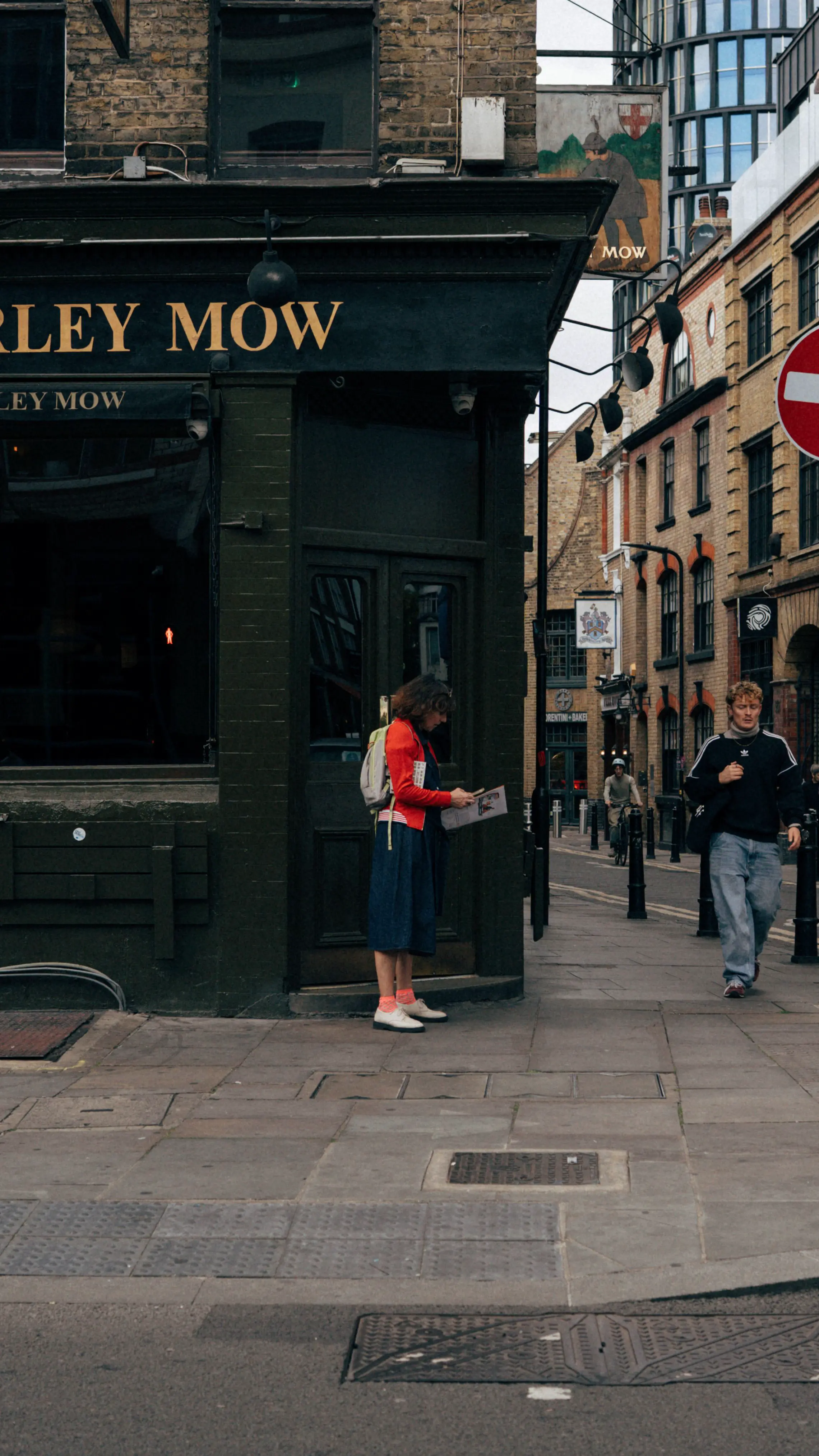
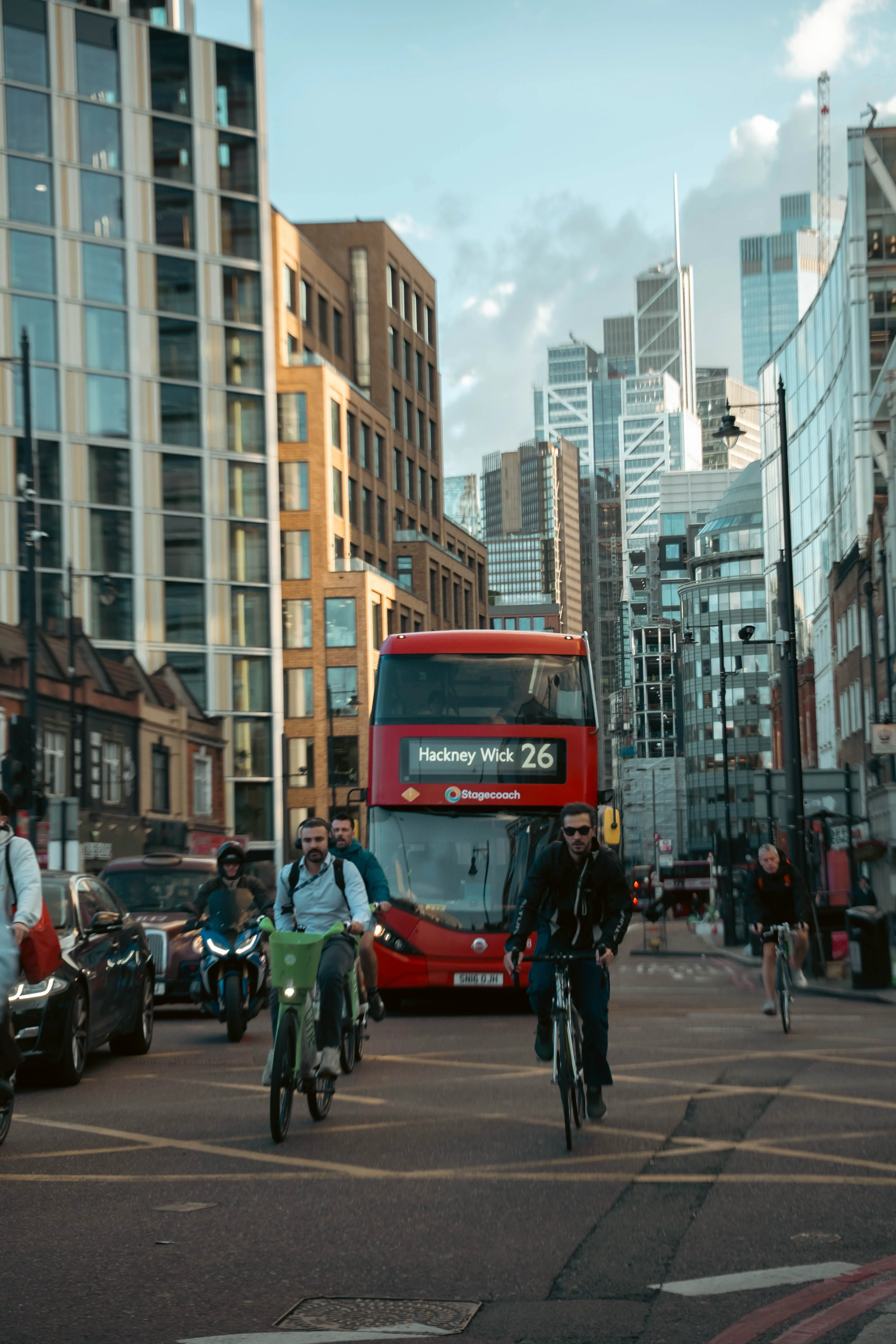
Hackney rewards people who stay long enough to understand its rhythms — and it punishes people who expect it to behave like Zone 1. The commute into the City takes 20 minutes. The rent is lower than Islington or Shoreditch. But Hackney is not a compromise. It has its own logic, its own pace, and more green space than any borough its size has any right to. The trade-off is that it sprawls — Hackney Central, Hackney Wick, Stoke Newington, Dalston, and London Fields are all inside the same borough boundary, and they feel like different cities.
Which neighbourhoods suit remote workers and which suit tourists
What rent actually costs across the borough's main areas
Where to eat, work, and spend a Saturday without resorting to chains
The parks, landmarks, and history that give the place its character
What Hackney Council rules and council tax mean for your budget
How to get around, and which overground lines matter
What Makes Hackney London a Real Base — Not Just a Cool Postcode
Most people treat Hackney as a spillover from Shoreditch — cheaper, edgier, slightly further out. That reading misses the point. Hackney is a fully functional east London borough with its own infrastructure, its own markets, and a population that was 374,000 by 1900, long before any creative industry decided it was interesting.
The London Borough of Hackney: Size, Shape, and What That Means Day to Day
The London Borough of Hackney was created in 1965 and covers a long north-to-south strip of east and north London that most people only ever cross, not stay in.
Borders: Islington to the west, Tower Hamlets to the south, Haringey to the north — you can reach three other London Borough areas by overground or bus inside 15 minutes
58 parks and green spaces covering 282 hectares — that is not marketing; it changes how a long weekend feels
Historical records date back to Saxon times, when it was described as a rural retreat, which explains the persistence of village pockets inside a dense city
Hackney Town Hall on Mare Street — the practical centre of local services, worth knowing where it is for council registration
The borough's unusual shape means your daily experience depends almost entirely on which part you pick — a point the rest of this guide will press repeatedly.
The East End Heritage That Still Shows Up on the Street
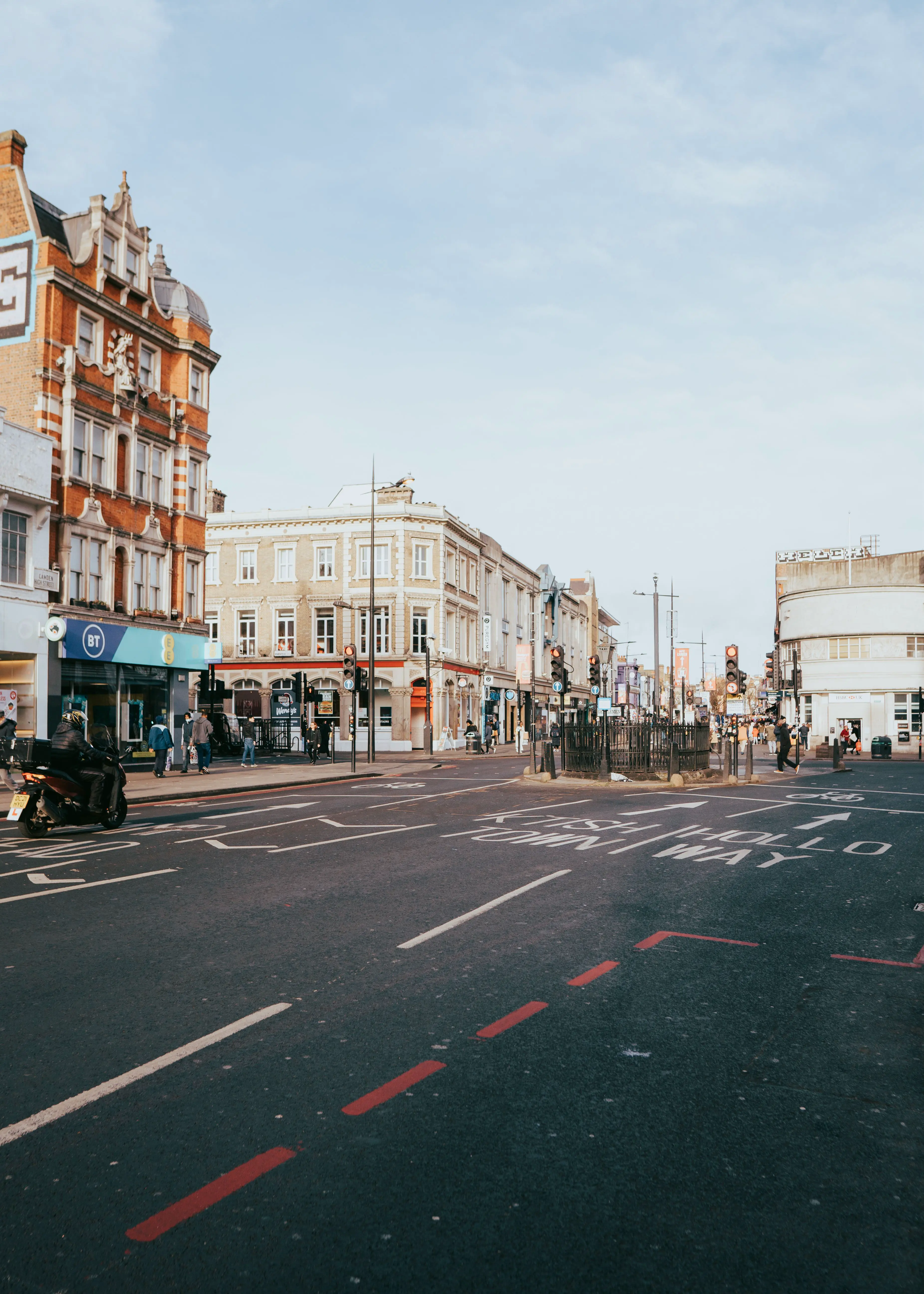
Hackney's multicultural identity is not recent — it has been shaped by successive migrant communities for over a century, and the east end character runs deep in its market culture and street-level architecture.
Sutton House, built in 1535, is Hackney's oldest surviving dwelling — a Tudor-period National Trust property on Homerton High Street that most residents walk past without registering
Victorian terraces dominate the residential streets between Dalston and Stoke Newington — the housing stock is genuinely old, which means character but also variable insulation
Hackney was described as Britain's poorest borough in the 1980s; the regeneration since then is real, but the borough has not been entirely smoothed out, which is part of what makes it interesting
The east end artistic heritage is anchored in Hackney Wick, where former industrial buildings along the River Lea now house more creative studios per square metre than anywhere else in London
That history is not nostalgia — it is why rent in Hackney still makes sense when Shoreditch no longer does.
The London Borough of Hackney and the neighbourhood of the same name are not the same thing — the borough stretches from Stoke Newington in the north all the way down to Haggerston, which catches many first-time visitors off guard when booking accommodation.
Hackney's Neighbourhoods: Where to Base, from Chatsworth Road to Clapton
Hackney Central, London Fields, Stoke Newington, Hackney Wick, Dalston — each of these has a distinct character, a distinct price point, and a distinct kind of weekday. Picking the wrong one for how you actually work is a mistake you will feel by week two.
Neighbourhood | Monthly Rent (1-bed) | Vibe | Best For | Key Advantage |
|---|---|---|---|---|
Hackney Central | £1,600–£1,950 | Practical, mixed, functional | Long stays, good transport links | Two overground stations; best connectivity in the borough |
London Fields | £1,800–£2,200 | Café-dense, young crowd, weekend energy | Social remote workers who want proximity to Broadway Market | Walking distance to the park, lido, and the Saturday market |
Stoke Newington | £1,500–£1,850 | Quieter, village feel, families | Anyone who needs silence during the working day | Church Street is genuinely pleasant; less transient than Dalston |
Hackney Wick | £1,400–£1,750 | Industrial, creative, weekends-heavy | People in creative industries; proximity to the River Lea | Cheapest end of the borough; coworking culture built in |
Dalston | £1,650–£2,000 | Dense, loud at night, central | People who want nightlife access without paying Zone 1 prices | Dalston Junction overground is one of the best-connected stops in east London |
Hackney Central: Best Transport, Most Practical Base
Hackney Central has two overground stations — Hackney Central and Hackney Downs — which makes it the easiest part of the borough to leave when you need to, and the easiest to come back to.
Hackney Empire on Mare Street — built in 1901, now a working theatre; knowing it is there tells you something about the neighbourhood's investment in culture over pure gentrification
1-bed furnished apartments on and around Mare Street: £1,600–£1,950/month; prices drop noticeably east of the overground line
Well Street Common — a small green space five minutes from the station; not a park you go to, but one you pass through, which matters on a lunch break
Bus routes on Mare Street run south toward Shoreditch and north toward Stoke Newington — the overground is faster, but the bus is useful when you are not in a hurry
If your priority is getting somewhere else quickly, Hackney Central is where you base yourself; if your priority is staying put and enjoying where you live, London Fields or Stoke Newington will serve you better.
Looking to move to London as a Digital Nomad? Explore fully furnished apartments in London on RentRemote.
Browse London homes near this area
Stoke Newington: The Quietest Part of the Borough, and What That Costs You
Stoke Newington sits at the northern end of the borough and feels, on a Tuesday afternoon, like a market town that was accidentally absorbed by London — which is both its appeal and its limitation.
Stoke Newington Church Street — the main strip; independent bookshops, decent Turkish restaurants, cafés that are not yet full of people with ring lights; quieter than Broadway Market on a weekday by a wide margin
Stamford Hill sits directly to the north and is notably more affordable; if you are budgeting tightly, the 15-minute walk from Stamford Hill toward Stoke Newington gives you access to the same amenities at lower rents
Clissold Park — 54 acres of green space with a café, a lido, and deer; the park is the reason people stay in this part of the borough once they find it
No overground station directly in Stoke Newington — you are on buses or cycling; this is the one real inconvenience, and it is worth factoring before signing a lease
Stoke Newington is where you go when you have decided that quiet mornings and a functioning high street matter more than being two stops from Liverpool Street.
Want to check out other London neighborhoods? Explore Shoreditch in our neighbourhood guide.
Broadway Market, London Fields Lido, and the
The southern end of Hackney — London Fields, De Beauvoir Town, the stretch along the canal — is where the borough's reputation was built, and where most of the café infrastructure that remote workers actually use is concentrated.
Broadway Market and the Saturday Rhythm It Sets
Broadway Market runs every Saturday and is not a tourist market — it is a working neighbourhood market with food vendors, independent bakers, and local produce, and the streets around it are busy enough on a Friday night that you feel it in your sleep if your flat is close.
Broadway Market — Saturday only, roughly 10am–5pm; arrive before noon for cheese and bread without a queue; it draws a genuinely mixed crowd and has done for years
Climpson & Sons on Broadway Market — flat white £3.80, reliable WiFi on weekdays, tables at the back away from the street noise; go before 10am on Saturdays or not at all
Brat x Climpson's Arch on Warburton Road — useful to know for evenings; the taproom is quieter than the pubs on the market street itself
Rent on and immediately around Broadway Market sits at the top of the London Fields range — £2,100–£2,300/month for a 1-bed; one street back drops noticeably
The Saturday market sets the energy of the whole neighbourhood, which is a feature if you like that energy and a problem if you work weekends.
London Fields: The Park, the Lido, and What Living Here Actually Feels Like
London Fields is a popular park for summer afternoons, but writing it off as seasonal undersells what it does for the neighbourhood's daily quality of life across the other eight months.
London Fields park — 26 acres; good for a midday walk, consistently less crowded than Victoria Park on weekday mornings, accessible from most of the surrounding streets in under five minutes
London Fields Lido — heated outdoor pool, open year-round; £5.50 for a swim before 9am on weekdays; one of the few places in east London that makes a 7am start feel worth it — the London Fields Lido is the clearest signal that this part of the borough invests in infrastructure over aesthetics
De Beauvoir Town sits to the west of London Fields and is worth knowing — quieter than the market streets, with Victorian terraces, good cycling access to Islington, and slightly lower rents than the park-adjacent blocks
De Beauvoir Deli on Northchurch Road — sandwiches from £6, coffee that is genuinely good, tables without the laptop-crowd density of Broadway Market cafés on a Tuesday
London Fields makes the most sense as a base if you cycle — the flat terrain and the canal towpath mean you can reach Shoreditch, Islington, or Hackney Wick without touching a bus.
Hackney Wick, Mare Street, and the Borough's Landmarks Worth Knowing
Hackney Wick and the streets around Mare Street carry the borough's oldest fabric and its newest creative infrastructure in the same ten-minute walk — which is unusual enough to be worth understanding before you decide it sounds too far east.
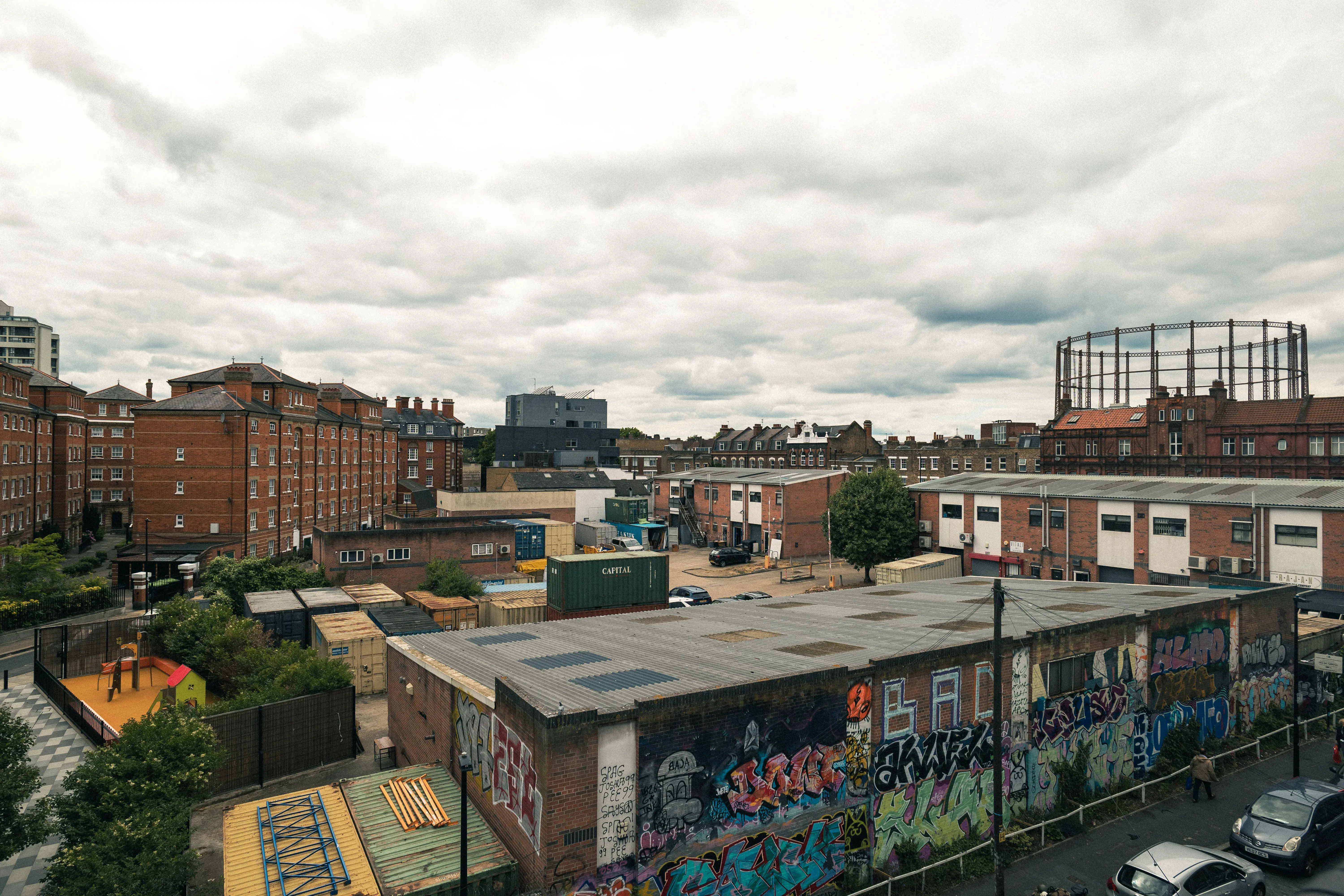
Hackney Wick: Cheapest Rents, Strongest Creative Infrastructure
Hackney Wick is at the southern end of the borough, bordered by the River Lea and Victoria Park, and it runs on a different clock to the rest of Hackney — quieter midweek, very loud on Friday nights.
Hackney Wick Overground Station — one stop from Stratford, two from the City; the transport link is better than the area's reputation suggests
Mainyard Studios on Queen's Yard — coworking day passes available, £15; the café operates weekday mornings with reliable WiFi and a quieter crowd than most purpose-built coworking spaces in the borough
Victoria Park is one of the oldest and largest public parks in east London — 86 hectares, running along the western edge of Hackney Wick; it is where you go when London Fields feels too crowded on a Sunday
Studios from £1,400/month; warehouse conversions from £1,600/month — the price difference from London Fields is real, and the River Lea towpath means London Fields is a 25-minute cycle, not a commute
Hackney Wick suits people who need cheap space more than they need a café on every corner — the infrastructure is thinner, but the creative community that has built up around the river makes up for some of that.
St Augustine's Tower, Hackney Churchyard Gardens, and Mare Street's History
St Augustine's Tower is Hackney's oldest building — a 16th-century Tudor-period tower that is all that remains of the original parish church, and one of the few things on Mare Street that has been there longer than anyone alive.
St Augustine's Tower on Mare Street — open for occasional guided visits; the tower was originally built as part of a medieval church and is correctly described as Hackney's oldest building; it sits inside Hackney Churchyard Gardens, which is a small but genuinely calm green space for a lunch break
Hackney Churchyard Gardens — free, open daily, underused by people who do not live immediately nearby; the gardens are quiet enough on a weekday morning to work outside if the weather cooperates
Chatsworth Road Market — Sunday market on Chatsworth Road, with food stalls and vintage shops; smaller than Broadway Market, more local in character, and worth the overground to Clapton if you want a slower weekend morning
Mare Street is the borough's commercial spine — it runs south from Hackney Central and carries the practical infrastructure (banks, supermarkets, pharmacies) that the more curated streets around London Fields lack
Mare Street is not the most photogenic street in the borough, but it is the one that tells you most honestly what Hackney Council has prioritised and what daily life here actually runs on.
Hackney Council, Council Tax, and What You Actually Owe Before You Move In
Hackney Council runs the borough and collects council tax on all occupied properties — and if you are staying more than a few weeks in a furnished apartment, you are liable, full stop.
Council tax in Hackney for 2024–25: Band C (typical 1-bed) runs approximately £1,650/year — roughly £137/month on top of rent; this is higher than some other London Borough areas to the east, so budget for it explicitly
Single-person discount: 25% reduction if you are the sole adult occupant — worth claiming immediately on arrival; Hackney Council processes these online and the reduction applies from the date of your claim
Short-stay furnished apartments where the landlord pays council tax do exist in the borough — confirm this in writing before signing, because the liability defaults to you if it is not covered
Hackney Service Centre on Mare Street — for in-person council queries; most things are faster online, but the walk-in is useful if you have a registration problem in the first week
Council tax is the cost that catches most short-term renters off guard in London — knowing the Hackney rate before you commit to a lease is the difference between a budget that works and one that does not.
Hackney Wick pulls in young people specifically because warehouse rents are still cheaper than Shoreditch — a studio workspace here runs around £300 a month compared to £600 across the border in Tower Hamlets.
Getting Around Hackney: Transport, Overground, and What the Map Doesn't Tell You
Hackney's transport picture is better than its reputation suggests — but only if you understand which parts of the borough the railway network actually serves, and which it skips entirely.
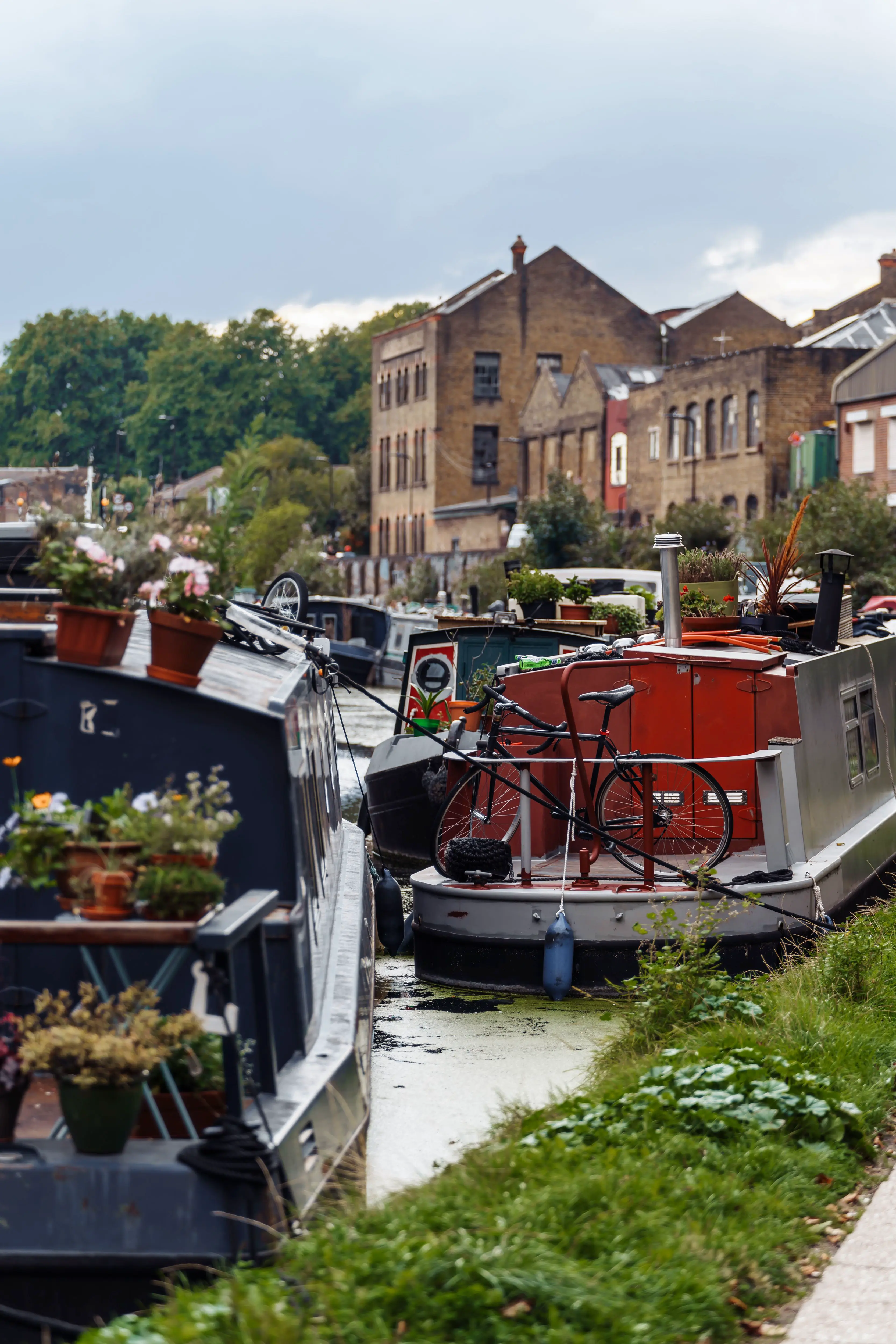
Overground, Buses, and the Gaps Worth Knowing
The London Overground does most of the heavy lifting here, but it does not reach every corner of the borough with equal reliability.
Hackney Central Overground — connects to Liverpool Street in around 8 minutes, Highbury and Islington in around 10; this is the fastest route out of the central borough for most remote workers with central London meetings
Hackney Downs station — National Rail, not Overground; runs to Liverpool Street and north to Clapton, Stamford Hill, and beyond; useful if you are based in the north of the borough
Clapton Overground sits on the Weaver line and gives you a direct north–south corridor without touching the Tube — underrated for how fast it moves mid-morning
Buses fill the gaps between the railway stops — the 38, 56, and 242 cover Mare Street, Dalston, and the fringes — but buses are slower than the overground at peak hours and you should not plan your working day around them if time matters
The absence of an Underground station in the central borough is real, but once you have tested the overground commute for two or three days, it stops feeling like a problem.
Cycling and the Marshes Route
The Hackney Marshes cycle path is not a leisure amenity — it is one of the most genuinely useful commute routes in east London, and remote workers who figure this out in week one are better placed than those who rely on transport alone.
Hackney Marshes — the flat towpath along the Lee Navigation runs south from the marshes to Hackney Wick and on toward Stratford; 30–40 minutes by bike to Canary Wharf without a single traffic light on the canal section
Santander Cycle hire docks exist at several points near the marshes — useful for occasional use, but if you are staying more than three weeks, a second-hand bike from Hackney Cycles on Queensbridge Road pays for itself fast
The route to Homerton and then east is flat and quick — the terrain in Hackney does not punish you the way hills in south London or Islington do
If you are the kind of remote worker whose productivity depends on getting outside for an hour mid-afternoon, the marshes route makes that habit genuinely low-friction.
Hackney Central's location puts you 12 minutes from Liverpool Street on the Overground, which makes morning meetings in the City genuinely manageable without owning a car.
Planning Your Base Around Transport, Not Just Rent
The cheapest flat in the borough is not the best deal if getting to your one weekly in-person meeting costs you 90 minutes and two connections.
Homerton sits between Hackney Central and Hackney Wick on the Overground — rents are slightly lower than London Fields and the station is a quieter, less busy interchange than Hackney Central at 8am
If your work takes you to the City or Canary Wharf more than twice a week, London Fields or Hackney Central is worth the premium over Stoke Newington, which adds 15 minutes to both journeys
Planning your lease around transport zone boundaries matters — Hackney sits in Zone 2 throughout, which keeps monthly travelcard costs predictable; the Zone 2–3 boundary starts north of Stamford Hill and east of Hackney Wick near the Stratford border
Transport in Hackney rewards the people who study the map for 20 minutes before signing a lease — not those who assume one overground line covers everything.
Where to Eat, Drink, and Work in Hackney Without Defaulting to the Obvious
Hackney has more good food and coffee than it had five years ago, and more than Shoreditch has had at any consistent price point in the last decade — but the best places are not the ones the weekend press covers.
Coffee and Day-Workable Cafés
The café density in Hackney is high enough that you will find a workable space within ten minutes of most addresses — the question is which ones are worth returning to after the first visit.
Press Coffee on Well Street — flat whites around £3.50, small and focused, no table service theatre; reliable WiFi and enough space to set up a laptop without being asked to move on by noon
The Common Press near Homerton — a quieter option than the London Fields strip; better for focused work on a Tuesday than for a team call, the background noise level stays low until lunchtime
Clapton Hart on Lower Clapton Road — not strictly a café, but opens early enough and serves coffee well enough to use as a morning base; the space is large and the crowd is mixed rather than exclusively laptop-heavy
The cafés that stay worth visiting are the ones that haven't built their identity around being in a café guide — the charm is that most of them haven't changed their prices or their format in three years.
Bars, Pizza, and Eating Well Without Spending Too Much
Eating in Hackney does not require a budget compromise, but it does require knowing which streets are still priced for people who actually live here rather than visit on Saturdays.
107 Wine Bar on Lower Clapton Road — a narrow wine bar that doubles as one of the best neighbourhood restaurants in east London; bottles from £20, small plates, no booking system on weeknights; arrive before 7pm or wait at the door
Dusty Knuckle on Abbot Street — pizza and bread from a railway arch bakery; pizza from around £12, best before 1pm when the loaves are still warm; the space is industrial but the food is not a gimmick
The Star By Hackney Downs just off Clarence Road — neighbourhood wine shop with a short, rotating food menu; a place that the local mix of residents uses for exactly the kind of low-key Tuesday dinner that keeps a neighbourhood functioning
Lower Clapton Road between the Overground and Powerscroft Road has the highest density of genuinely good, genuinely affordable bars and restaurants in the borough right now — more so than the stretch around London Fields, which has shifted upmarket faster
You will spend less eating well in Hackney than in Islington, and the food is frequently better — that gap has been closing for three years but has not closed yet.
The Walthamstow Wetlands, reachable in under 30 minutes from Hackney, feels like an island of genuine quiet — worth the trip when the Broadway Market crowds on Saturday become overwhelming.
Green Space and Leisure Beyond the Parks
The park infrastructure in Hackney is not just decorative — it is the leisure budget for a significant share of the people who live here, and using it well costs you nothing.
Springfield Park in Upper Clapton — steep drop to the River Lea towpath, a café at the top with outdoor seating, and almost no tourist foot traffic; better for quiet mid-week walks than Victoria Park on a Sunday
Community Sauna Baths — pool, gym, and fitness classes; membership from around £40/month; the facilities are not boutique but they are consistent and significantly cheaper than private gyms in the Tower Hamlets stretch toward Canary Wharf
The canal network built along the Lee Navigation gives you a continuous leisure corridor from Hackney Marshes south to the Olympic park and north toward Tottenham — no fee, no crowd management, genuinely useful for clearing your head between work blocks
Hackney's green space is not Britain's most polished park infrastructure, but it is genuinely large, genuinely free, and genuinely within walking distance of nearly every address in the borough.
Is Hackney Right for You? Honest Trade-offs Before You Sign a Lease
Hackney suits a specific kind of remote worker — not every kind. Getting that judgement right before you sign a lease is more useful than any neighbourhood ranking.
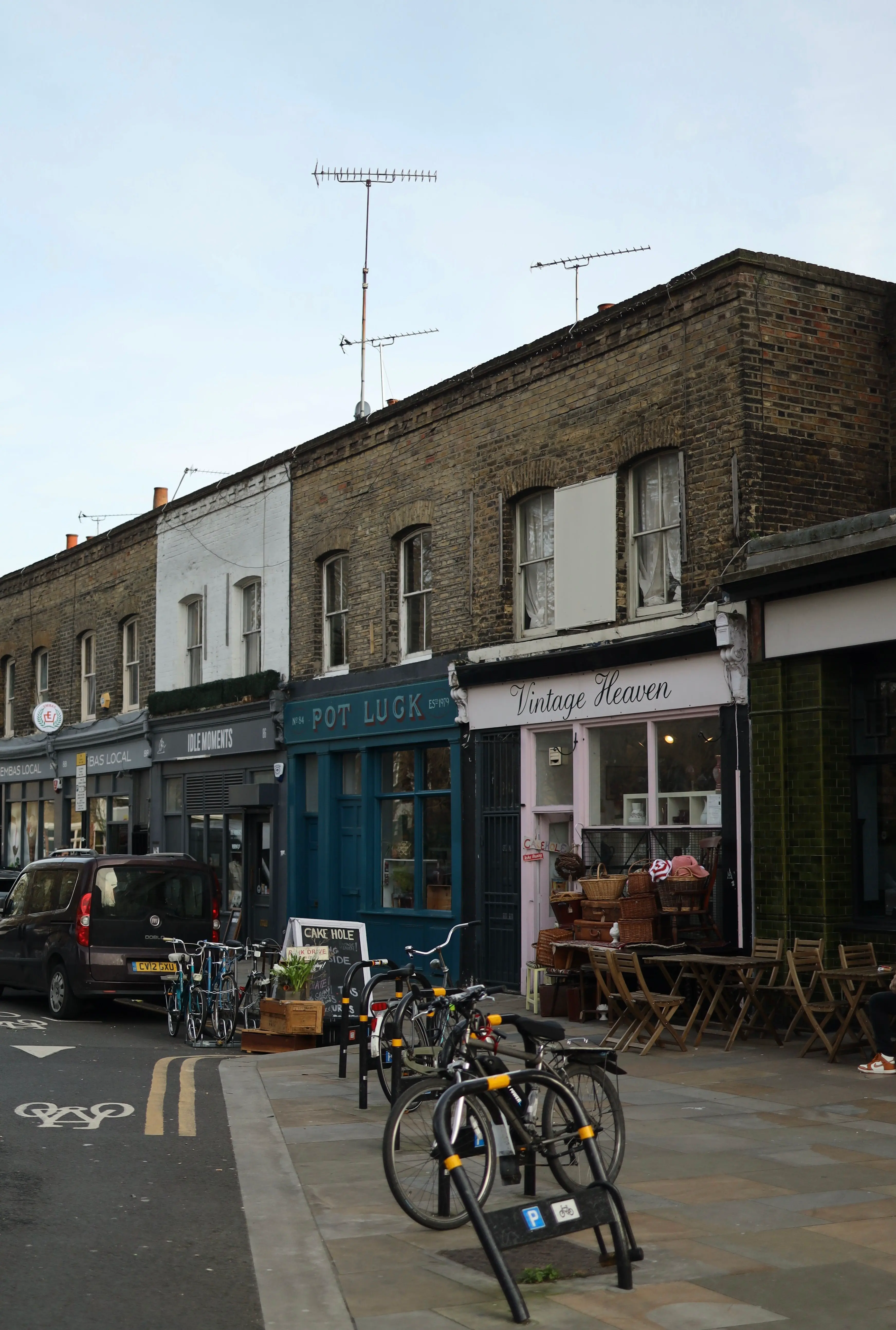
Who Hackney Works For
The borough rewards people who want to live somewhere with an existing local mix — not a neighbourhood built around newcomers.
Remote workers who need to reach the City or Canary Wharf one to three days a week — the overground and rail services make this workable without living in the financial district itself
Anyone putting together a budget that needs rent below £2,000/month for a furnished one-bed in Zone 2 — Hackney Wick and Homerton remain the most competitive options in that bracket in east London right now
People who work well in a neighbourhood with independent industry — the creative and maker economy around Hackney Wick and the railway arches gives the borough a texture that purely residential areas lack
Those who value access to outdoor space in the working day — the canal, the marshes, and Springfield Park are all usable mid-afternoon without planning, which matters more than it sounds over a six-week stay
If you want a central London postcode, Hackney will not give you that — but it will give you most of the infrastructure at a materially lower cost, which is the trade most remote workers who have lived here once will make again.
Hackney is a great place to be based if you want Zone 2 prices — typically £1,800–£2,200 per month for a one-bedroom flat — with genuine walking access to both Shoreditch and Victoria Park.
Who Should Look Elsewhere
Hackney is a busy, dense borough with real noise, real housing competition, and a transport network that has gaps — if those trade-offs matter to your working pattern, acknowledge them before committing.
If you need Underground access daily — Hackney has none; the overground is good but the map is the map, and the nearest Tube stations (Old Street, Bethnal Green) are a bus or bike ride from most of the borough
If silence is a hard requirement for your working day — the residential streets around London Fields and Dalston are not quiet, and the nightlife on Kingsland Road and Ridley Road means weekend mornings start earlier than you expect them to
The council housing density in parts of the borough — particularly around Homerton and parts of Clapton — reflects decades of planning decisions that produced a built environment that is uneven in ways that matter when you are walking home after dark
If your work requires reliable, fast broadband and you are renting a furnished apartment, confirm the connection speed in writing — provision is not uniform across the borough and some older converted properties have infrastructure that reflects their age
None of these are reasons to dismiss Hackney — they are reasons to choose your specific address within it carefully, which is a different and more useful exercise.
Hackney, London: The Honest Conclusion for Remote Workers
Hackney is a working borough that happens to have become one of the more interesting places to live in London — in that order. The industry came before the coffee shops, the community came before the bars, and the infrastructure came before the remote workers. That sequence matters, because it means Hackney has a foundation that is not dependent on its own trendiness to remain liveable.
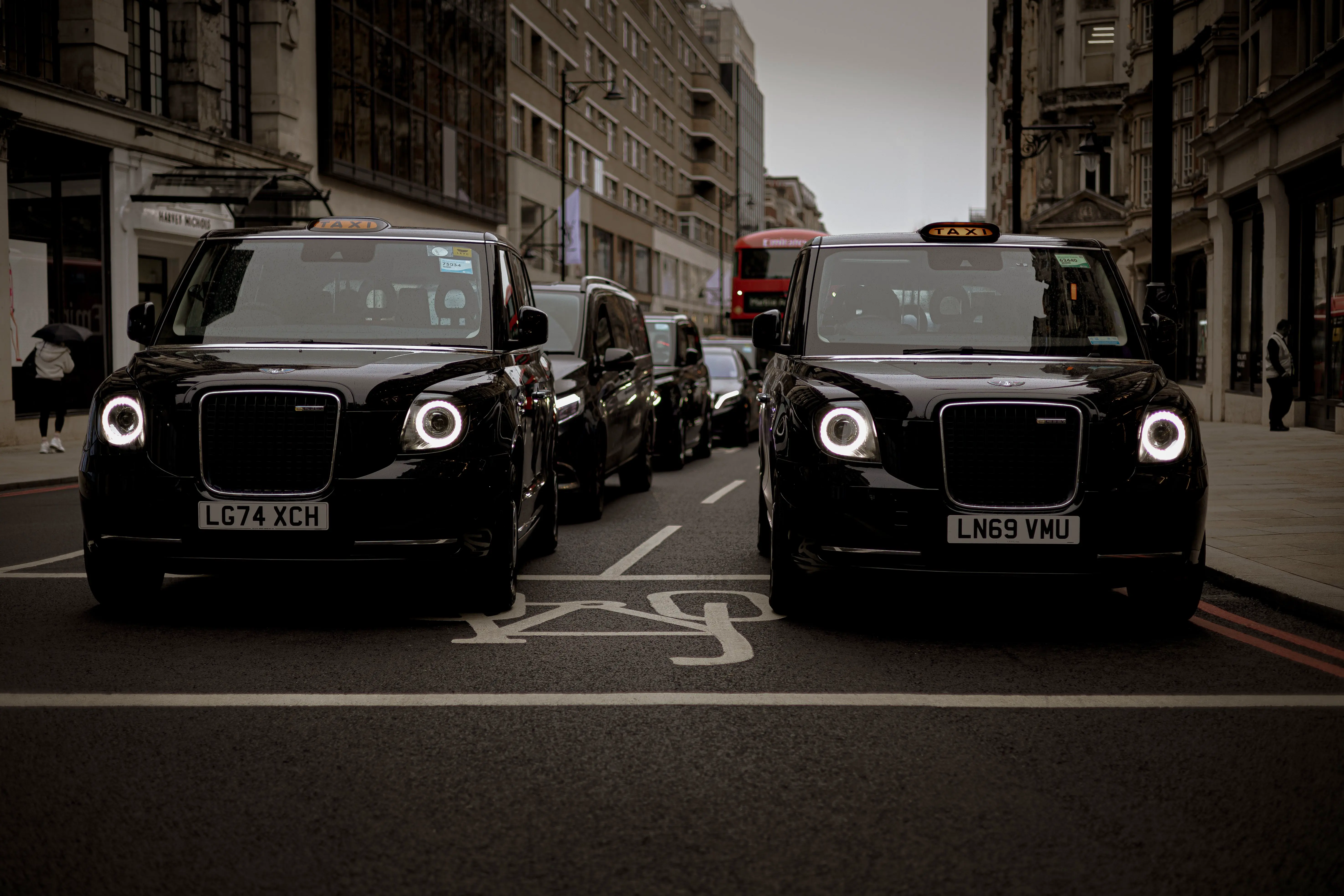
What it offers remote workers is straightforward: Zone 2 rent at a discount to equivalent postcodes in Islington or Southwark, genuine green space, overground connections that work, and a food and leisure scene that has not yet fully priced out the people who built it. What it asks in return is that you pick your specific neighbourhood with care and understand that the borough's sprawl means a flat in Homerton and a flat in Stoke Newington are functionally different decisions.
If that level of specificity sounds like work, it is — but it is the kind of work that pays off in months of genuinely good days rather than weeks of a mistake. Find your fully furnished apartments in the UK and start with the neighbourhood, not the postcode.