Lukas
Tech & Digital Nomad Cultural Editor ·
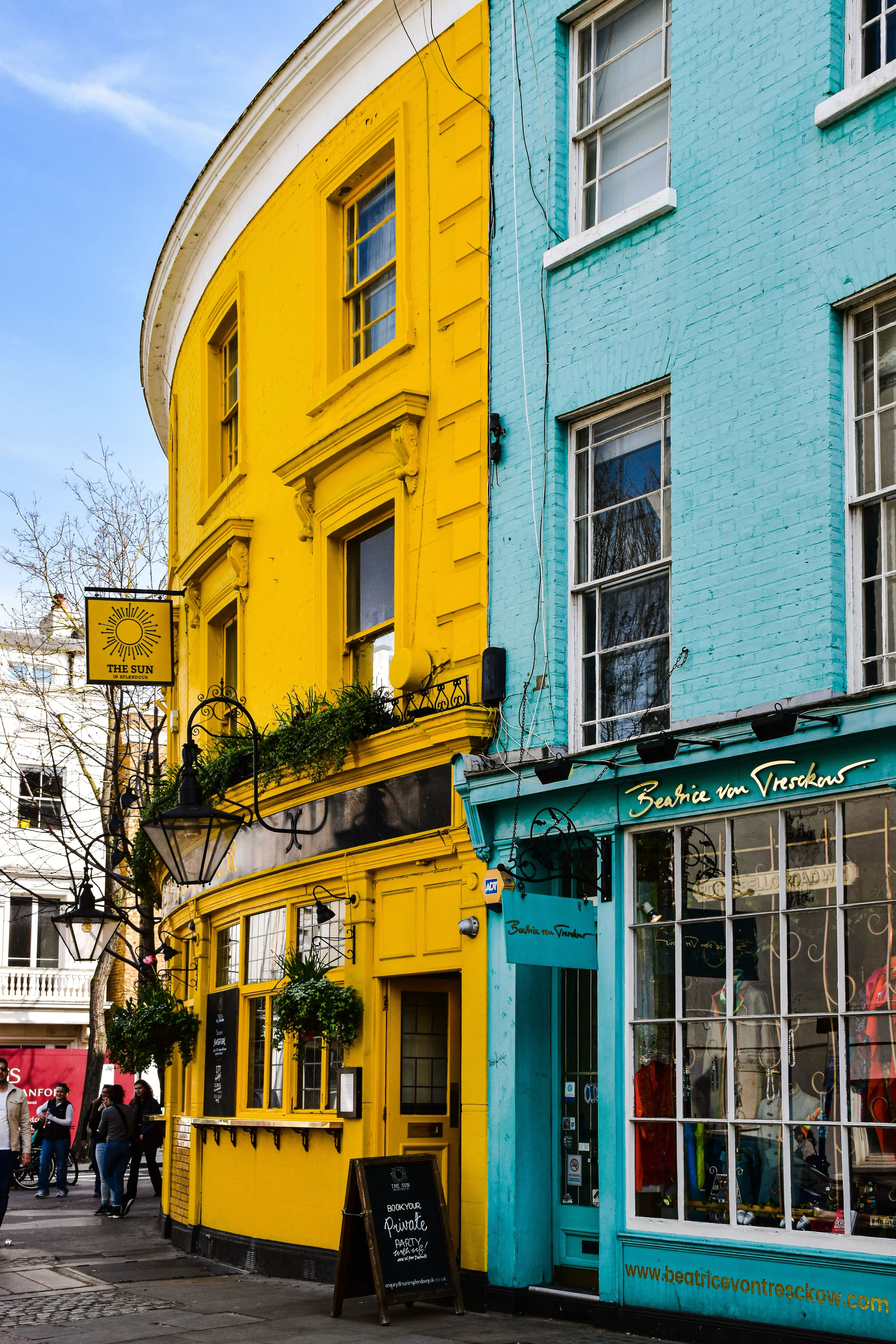
Notting Hill London earns its reputation — the pastel terraces, the market, the carnival energy — but none of that tells you what it's actually like to live and work here for a month. It's quieter than its cultural weight suggests, expensive in ways that catch people off guard, and genuinely beautiful in a way that doesn't wear off after the first week. The trade-off is simple: you pay Central London prices for a neighbourhood that operates at a pace just below it.
Which streets and pockets of Notting Hill actually suit remote work versus which are better for a weekend visit
What to budget realistically for rent, food, and transport around Notting Hill
How the colorful houses, mews houses, and garden squares translate into actual living costs
Where to eat, work, and walk — with specific venues and honest context
How the Grand Union Canal, Holland Park, and Kensington Gardens fit into a daily routine
What the neighbourhood comparison looks like across West London
What Makes Notting Hill London Worth Serious Consideration
The Film Myth and What's Actually Here
The 1999 movie did Notting Hill a disservice by turning a real neighbourhood into a postcard, but the substance underneath the film trail is worth taking seriously on its own terms.
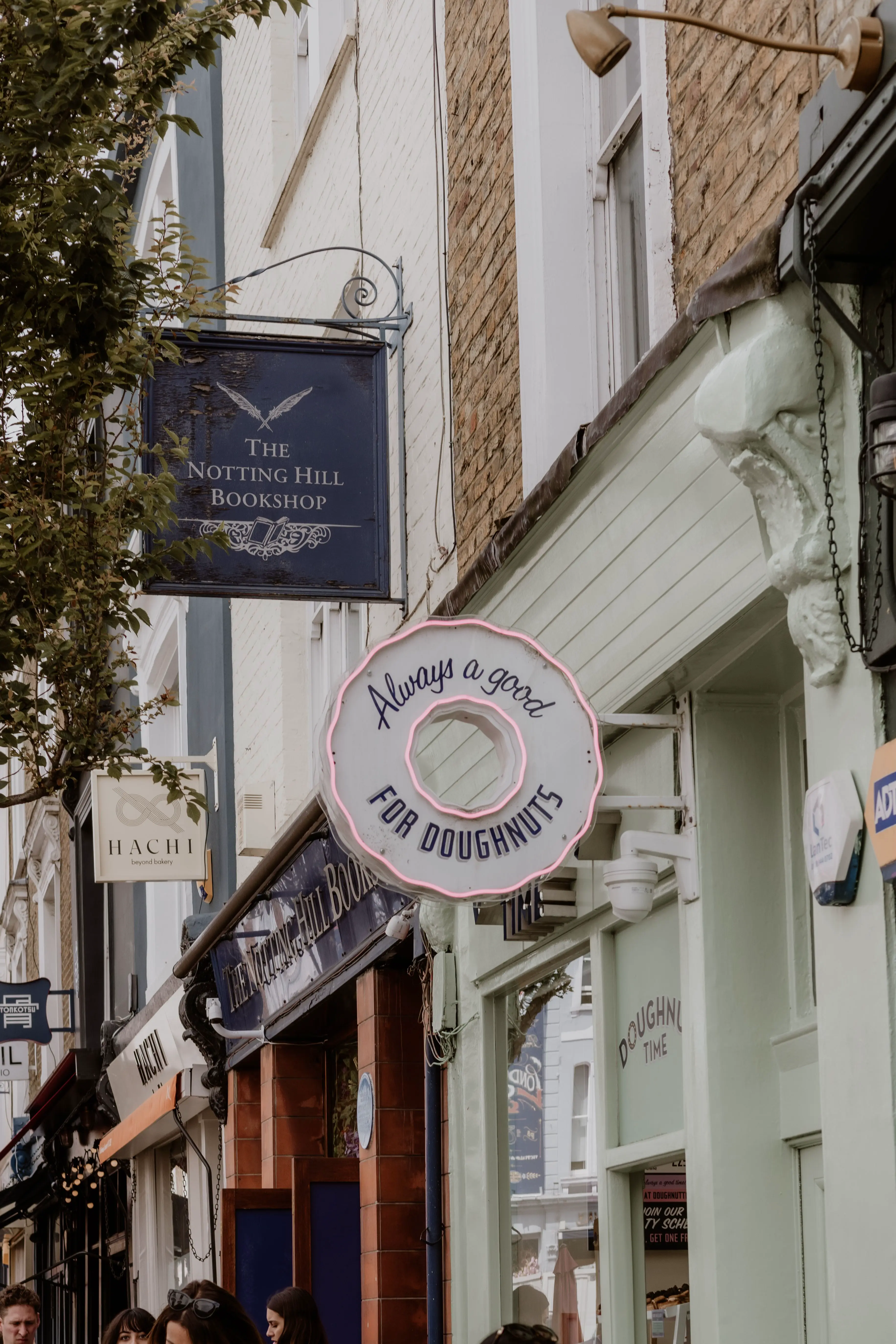
The Notting Hill Bookshop on Portobello Road is genuinely good, tourist traffic aside — worth visiting once for the shop, not the story
St Luke's Mews draws weekend photographers but is a quiet residential cut-through the rest of the time
Portobello Road runs from antique markets in the south to fruit stalls and independent cafés further north — the full stretch earns its reputation
The bohemian character that defined the neighbourhood before gentrification hasn't been entirely smoothed away, which is rarer in London than it should be
Most neighbourhoods this famous collapse under the weight of their own mythology — Notting Hill is one of the few that doesn't.
The History That Explains the Neighbourhood's Edge
Notting Hill's current character — affluent but not sterile, polished but not entirely so — only makes sense if you understand where it came from.
The Victorian street grid and garden squares were laid out from the 1820s by James Weller Ladbroke — the bones of the neighbourhood are unusually coherent for London
Caribbean immigration after World War II gave the area its cultural depth; the 1958 race riots are part of that history and shouldn't be edited out
Notting Hill Carnival has run since 1965 — Europe's largest street festival, and a direct expression of that community's presence here
The royal borough designation and the property prices came later; the neighbourhood earned its standing before the money arrived
What you're renting into is the result of decades of genuine tension and change, which is why it feels lived-in in a way that Mayfair simply doesn't.
Why Remote Workers Actually Function Well Here
The practical case for Notting Hill is stronger than the aesthetics, and that's what puts it above comparable neighbourhoods that look good on a shortlist but frustrate you by week two.
Notting Hill Gate station covers the Central Line and the Circle and District Lines — three separate routes from one stop
Westbourne Park station adds the Hammersmith & City line two minutes from the canal, removing any single-line dependency
Street-level infrastructure is genuinely functional: independent grocery options, parks you'll actually use, and enough café density to rotate your working spots without repeating
Five tube stations across the neighbourhood mean you're choosing based on direction, not rationing your options
Knightsbridge looks better in photographs; Notting Hill is easier to live in on a Tuesday afternoon when you need to get somewhere and get back.
Yes, Richard Curtis filmed the 1999 romantic comedy here, and yes, the blue door from the movie still draws tourists to Westbourne Park Road, but the neighbourhood has enough substance — independent bookshops, serious restaurants, and a world-class antiques market — to justify staying even if you have never seen the film.
The colorful houses and Architecture Along Landsdowne Crescent and Lancaster Road
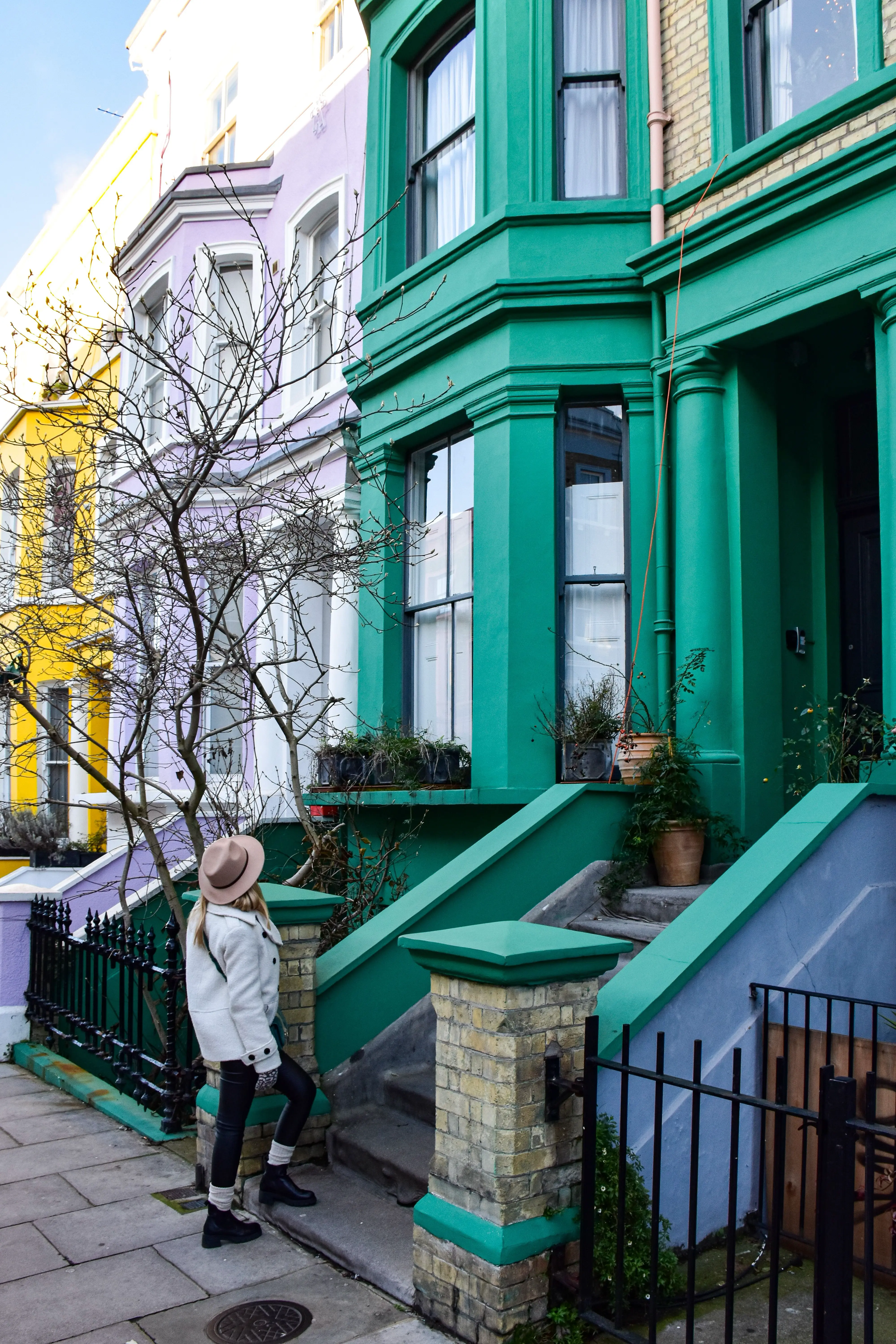
The colorful houses that define the visual identity of this neighbourhood aren't decorative — they're a useful navigation system once you've spent a few days here. The pastel terraces run in gradients across different streets, and which street you're on changes the feel significantly.
Landsdowne Crescent: Where the Architecture Is Best and the Quiet Garden Square Earns Its Price
Landsdowne Crescent features elegant Georgian and Victorian townhouses arranged around a private garden that residents access by key — the quiet garden square format that appears across this part of London is not a selling point to everyone, but if you value a green space with no tourists, it's genuinely useful.
Apartments here run £3,500–£5,500/month for a one-bed, depending on garden access and floor
The crescent itself is car-light and quiet on weekdays — good for walking calls
Closest tube: Ladbroke Grove (10 minutes on foot) or Notting Hill Gate (12 minutes)
Not a street that has cafés or shops — you're paying for the architecture and the private green
If you can afford it and you need a calm base for focused work, Landsdowne Crescent is as good as London residential gets — but you'll walk 10 minutes before you find a flat white.
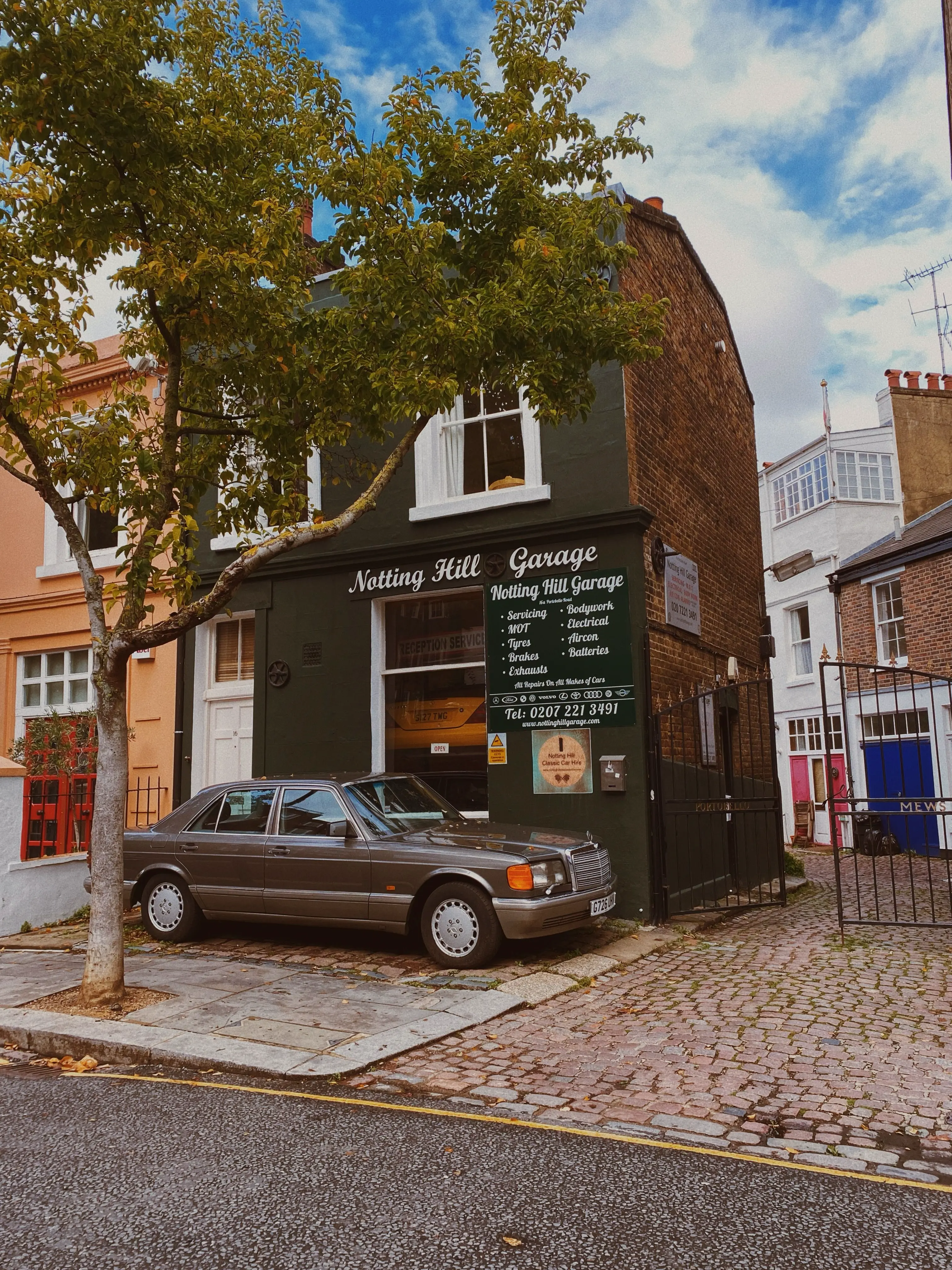
St Luke's Mews, tucked behind Talbot Road, is one of the quieter cobbled backstreets where the pastel-painted mews houses photograph particularly well in morning light — it also appeared briefly in the film, which has not hurt its foot traffic.
Lancaster Road: The More Liveable Edge of the Hill London Aesthetic
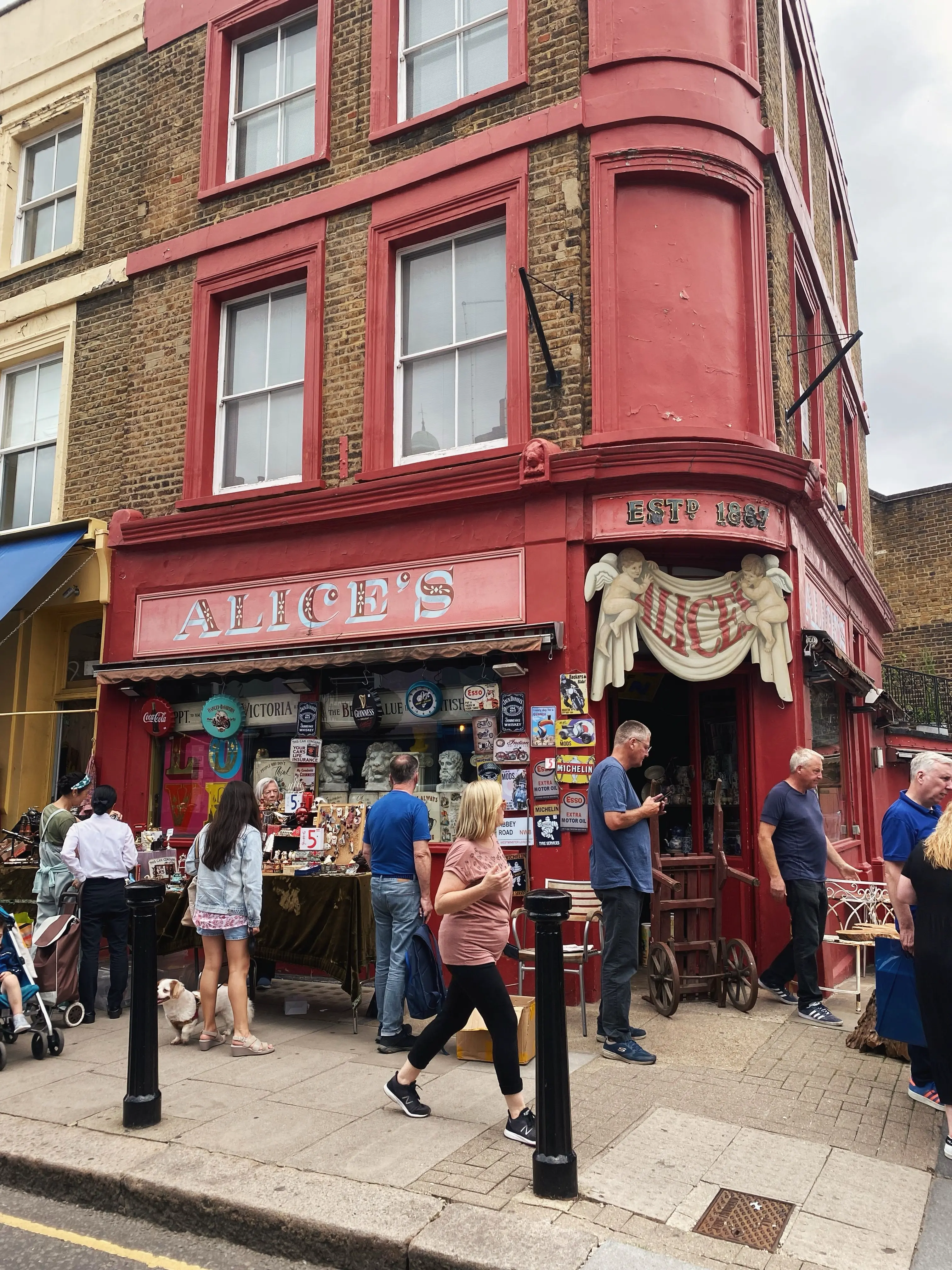
Lancaster Road runs along the northern slope of the hill London sits on, and it gives you the picturesque streets without the full premium — closer to Ladbroke Grove's energy and slightly more mixed in its housing stock.
Studios and one-beds from £2,200–£3,200/month — more realistic for a 3–6 month stay
Café Garcia on Portobello Road is 5 minutes away — Spanish deli, good espresso, opens at 8am
Ladbroke Grove is the main north-south road in Notting Hill and Lancaster Road crosses it directly — orientation becomes instinctive fast
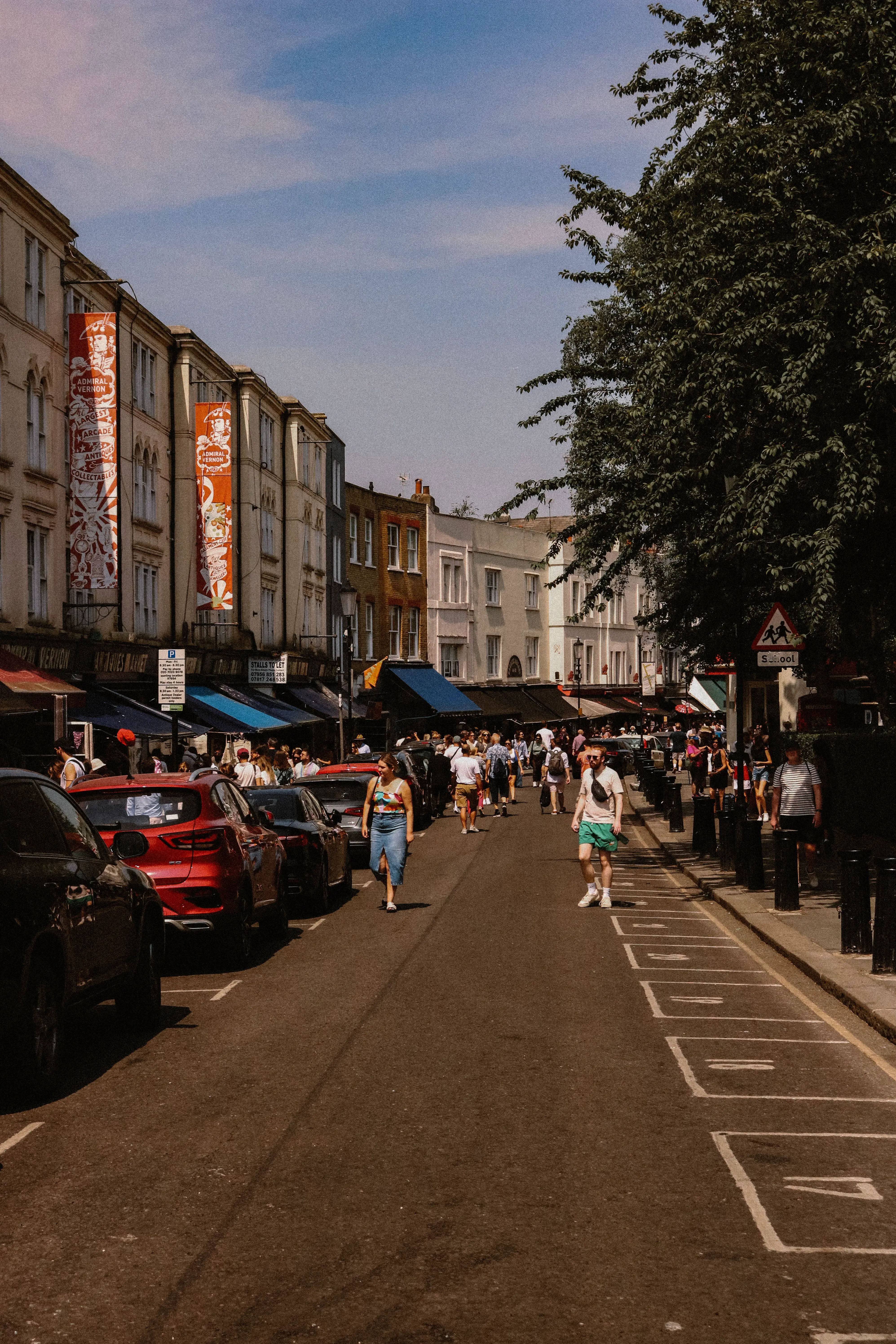
Weekend foot traffic from Portobello Road market spills down this way on Saturdays — vendors start setting up around 8:30am, plan your morning accordingly
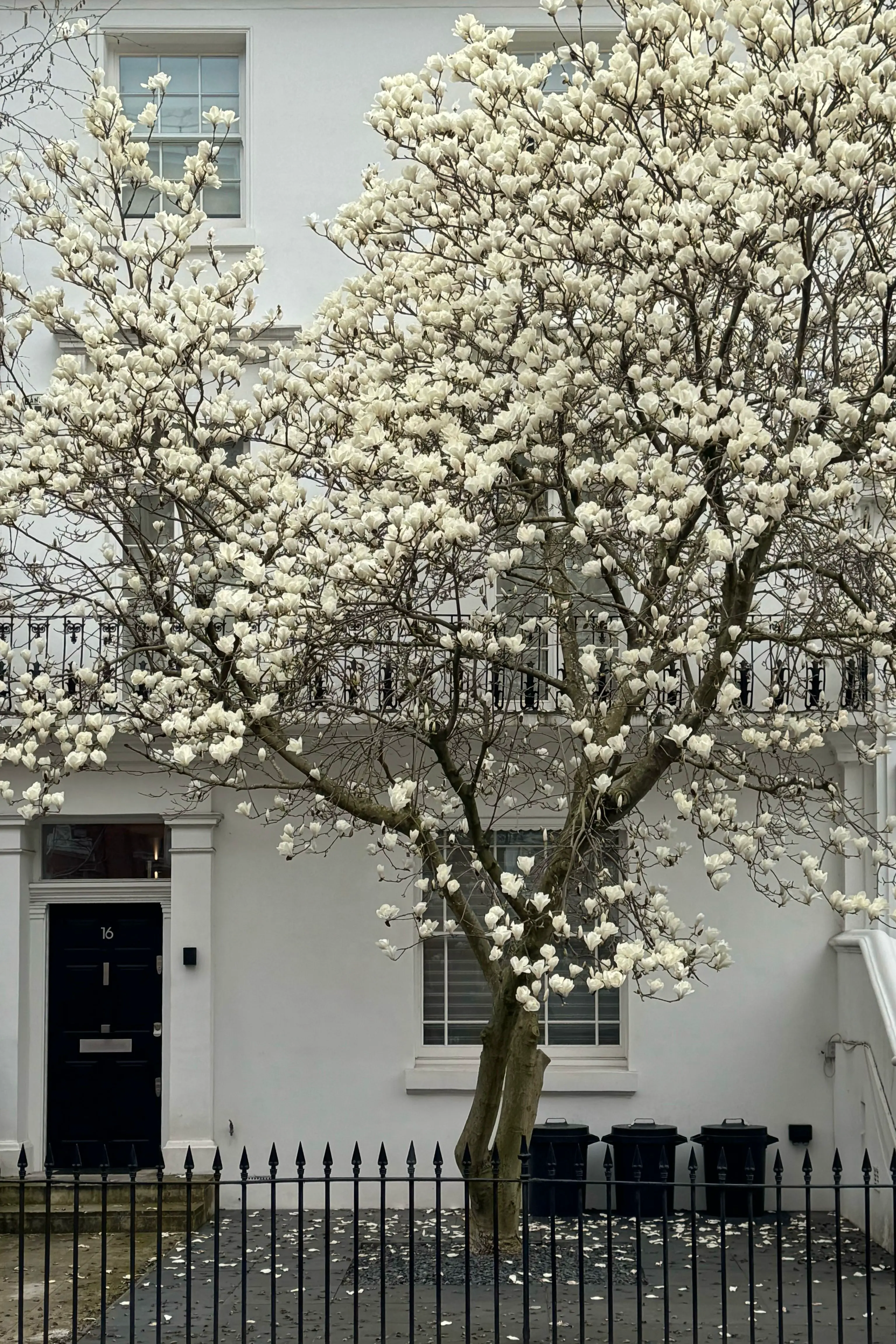
Holland Park Avenue runs along the southern edge of the neighbourhood and is lined with grand Victorian stucco terraces that make even a routine supermarket run feel slightly cinematic.
The pastel-painted terraces along Lansdowne Road are at their best on a Saturday morning, when foot traffic from Portobello Road Market spills into the quieter residential streets and you can actually stop to look up at the architecture without someone walking into you.
Around Notting Hill: From the Grand Union Canal to Little Venice
The geography around Notting Hill extends further than most people realise on their first visit. Head north-west from Westbourne Park Station and the city changes register entirely — quieter, waterside, less photographed.
The Grand Union Canal and Westbourne Park: Where Around Notting Hill Gets Surprisingly Calm
The Grand Union Canal runs through this section of west London and it's genuinely underused by people staying in the neighbourhood — which works in your favour if you find the Portobello crowds wearing.
You can rent paddleboards and kayaks on the Grand Union Canal — operators based near Westbourne Park Road, from around £20/hour
The towpath between Westbourne Park Station and Ladbroke Grove is a clean 20-minute walk with almost no traffic noise
Westbourne Park Road has a lower density of cafés than Portobello — Atlas Café is the standout, good WiFi, less busy than anything on Westbourne Grove
Rent drops noticeably north of the canal — studios from £1,800/month in this pocket versus £2,800+ just south of it
The canal gives remote workers something the rest of the neighbourhood doesn't: a reason to leave the desk that doesn't involve a crowd.
The stretch of Portobello Road where Hugh Grant's character runs a travel bookshop in the film — the one where Julia Roberts walks in — is about a five-minute walk from the Grand Union Canal path, so it is easy to combine both on a single morning loop.
Little Venice: One Stop on the Grand Union Canal, and Worth the Walk Around Notting Hill
Little Venice sits where the Grand Union Canal meets the Regent's Canal — technically in north west London, about 20 minutes on foot from Notting Hill Gate, and worth the walk for anyone who needs a change of scene mid-week.
Café Laville overlooks the canal junction directly — coffee around £4, one of the few places in west London where you can work with a genuine waterside view
Narrowboat moorings make the street level feel genuinely unlike Central London — good for a reset afternoon
Not a base for remote work (limited café options, no coworking) — treat it as a half-day escape rather than a daily option
Walk or take the tube one stop to Warwick Avenue on the Bakerloo line — 12 minutes back to Notting Hill Gate
Little Venice doesn't solve a work problem — it solves the problem of feeling like you've been staring at the same three streets for two weeks.
Kensington High Street, Kensington Palace, and North Kensington: Understanding the Full Range
Notting Hill sits between two very different neighbours — Kensington to the south, North Kensington to the north — and which direction you drift shapes the cost and texture of your stay substantially.
Kensington High Street and Kensington Palace: The Southern Edge of the Hill London Orbit
Kensington High Street is a 15-minute walk south from Notting Hill Gate and it functions more like a high-functioning town centre than a neighbourhood — useful for errands, less interesting for living.
Kensington Palace sits at the western edge of Kensington Gardens — free to walk through, opens at 6am, one of the better morning run routes in west London
Kensington High Street has a Whole Foods, a Waitrose, and multiple pharmacy chains — practical anchor for weekly shopping when Notting Hill's independent shops feel expensive
The Royal Borough of Kensington and Chelsea boundary runs through here — rents on the Kensington side of the line reflect it
Megan's on Kensington High Street — brunch around £15, good WiFi, busier after 10am so arrive before if you want a table with a power point
Kensington High Street is where you go to solve practical problems — it's not where you go to feel like you're living in Notting Hill.
North Kensington and Ladbroke Grove: The More Affordable, Less Polished Version
North Kensington is where the neighbourhood gets more honest — cheaper, less manicured, and with a cultural density that the southern end has largely traded away for boutique hotel lobbies and designer label outlets on Westbourne Grove.
Ladbroke Grove is the main north-south road in Notting Hill and it runs all the way into North Kensington — the energy shifts noticeably north of the Westway overpass
The Tabernacle on Powis Square — community arts space, hosts cultural events, café inside, good option for a working afternoon with a different crowd
One-bed rentals in North Kensington from £1,700–£2,400/month — meaningfully cheaper than the Landsdowne Crescent end of the same postcode
The Museum of Brands on Colville Mews — covers British consumerism history, entry around £10, genuinely worth two hours if you've been here long enough to want something non-tourist
North Kensington is where notting hill remains what it was before the film crew arrived — and for longer stays, that version of the neighbourhood holds up better.
Holland Park Avenue connects Notting Hill Gate directly to Kensington High Street and is one of the few roads in this part of London with a bus lane that actually keeps the number 94 moving during rush hour.
The Electric Cinema and Westbourne Grove: Culture and Cost on the Same Street
The Electric Cinema on Portobello Road is one of the oldest working cinemas in the UK, built in 1898 — it's also one of the most useful evening anchors for remote workers who need a reason to close the laptop at a fixed time.
Electric Cinema — tickets from £15–£22, armchairs and sofas instead of standard seats, screens mostly independent and arthouse films
Westbourne Grove runs east from Portobello Road and is known for its designer label outlets — useful context: it's not where you do casual shopping, it's where you go when you've decided to spend money
Daylesford Organic on Westbourne Grove — coffee £4.50, breakfast plates around £18, expensive but one of the more comfortable working spots before the lunch crowd arrives at noon
The Coronet Theatre, built in 1898, sits nearby on Notting Hill Gate — films, dance, and theatre events; check listings rather than walking past and assuming it's closed
Westbourne Grove rewards a single deliberate visit more than it rewards using it as your daily infrastructure — save it for when you want to feel like you live in a film rather than when you need to get work done.
Neighbourhood Comparison: Where to Stay Around Notting Hill
The Premium End: Quiet Streets, Garden Squares, and the Notting Hill Postcode at Full Price
If budget isn't the constraint, the streets immediately around Landsdowne Crescent and south toward Kensington offer a genuinely rarefied version of London residential life — but you're paying for the address as much as the apartment.
Landsdowne Crescent: £3,500–£5,500/month for a one-bed; access to private garden squares is real and worth it for long stays where you need outdoor space without leaving the building footprint
Kensington (south): £2,800–£4,500/month; polished and practical, with Kensington High Street for groceries and errands, but the neighbourhood feel thins out quickly — this is more postcode than community
Lancaster Road: £2,200–£3,200/month; the visual payoff is high — handsome stucco terraces, a short walk to Portobello Road — and Saturday mornings here are genuinely one of London's better experiences
The jump from Lancaster Road to Landsdowne Crescent in rent rarely reflects a jump in livability — it reflects the garden square and the prestige, both of which matter more on a six-month stay than a four-week one.
Visitors comparing London Notting Hill with Shoreditch will find the former quieter after 10pm and better connected by Tube, but with fewer co-working spaces per square mile and noticeably higher café prices.
Rental Logistics: Monthly vs. Short-Stay and Where to Start Looking
Most remote workers who've actually lived here for a month or more end up wishing they'd gone slightly west or north — close enough to the market and the cafés, far enough from the weekend tourist pressure.
Westbourne Park / Canal: £1,800–£2,800/month; Grand Union Canal access makes morning runs and afternoon walks genuinely restorative, and the lower tourist footfall means it stays quiet enough to actually work
North Kensington: £1,700–£2,400/month; the most affordable entry into this postcode cluster, with a more diverse, less curated street-level feel — the trade-off is some distance from the Notting Hill core
Lancaster Road (lower end): at £2,200/month this sits at the crossover point — you get the aesthetics of the neighbourhood without the full premium, and Portobello Market is walkable on Saturdays
Westbourne Park in particular is underrated by people who book based on Instagram rather than on what it's like to be there at 8am on a Tuesday with a full day of calls ahead.
If you stay in Ladbroke Grove rather than Pembridge Road, you will be closer to the Notting Hill Carnival route, which makes August bank holiday weekend either very exciting or very loud depending on your tolerance for steel drums at 9am.
Browse London homes near this area
The Middle Ground: Walkable, Cheaper, and Honest About What Notting Hill Actually Is Day-to-Day
The fully furnished apartment market across these neighbourhoods is mature, but the pricing structure rewards commitment — the longer you stay, the more dramatically the per-night cost drops.
Short-stay options exist across all five pockets, but once you're past three weeks the monthly rental maths tilts decisively in your favour. Explore fully furnished apartments in London to see what's currently available across these neighbourhoods.
In a market this strong, the best apartments across all five of these pockets move quickly — having a clear sense of which neighbourhood priority matters most to you (budget, calm, aesthetics, access) before you start enquiring saves a significant amount of time.
Want to check out other neighborhoods before making a move? Explore Shoreditch on RentRemote's digital nomad neighborhood guide.
What Notting Hill Actually Looks Like to Live In
The official boundaries of Notting Hill are genuinely contested — residents, estate agents, and the Royal Borough of Kensington and Chelsea all draw the lines differently. What that means in practice: the area north of Notting Hill Gate tube bleeds into Ladbroke Grove, the west side merges with Shepherd's Bush faster than you'd expect, and the southern part drifts toward Kensington without a clean break. Where you actually land within those fuzzy edges will determine your day more than any postcode.
The Streets That Earn the Reputation
The stunning architecture that draws people here is concentrated in a surprisingly small grid — and knowing which streets to prioritise changes how you feel about paying the rent.
Colville Mews — a private cobbled lane with pastel-fronted houses, originally built as stable yards; no through traffic, genuinely quiet on weekday mornings
Rosmead Gardens — one of the locked garden squares only accessible to local keyholders; walking past it is free, sitting in it requires a local lease
Pembridge Crescent — the curved Victorian terrace that photographed well enough to become a filming location in the 1999 Hugh Grant film; still a private residence street, not a tourist attraction
Bayswater Road on the east edge — broad, fast, and a hard boundary; apartments facing it trade the view for road noise that no double glazing fully solves
Garden squares in Notting Hill are not public parks — they are gated, maintained by residents' committees, and the key is often an extra cost on top of rent, sometimes £200–£400 a year; ask before assuming access is included.
The travel bookshop that inspired the movie Notting Hill is now a children's bookshop at the same address on Portobello Road, so the blue door and the bench outside are the closest you will get to the film set.
The North End vs. the South: Two Different Postcodes in One Name
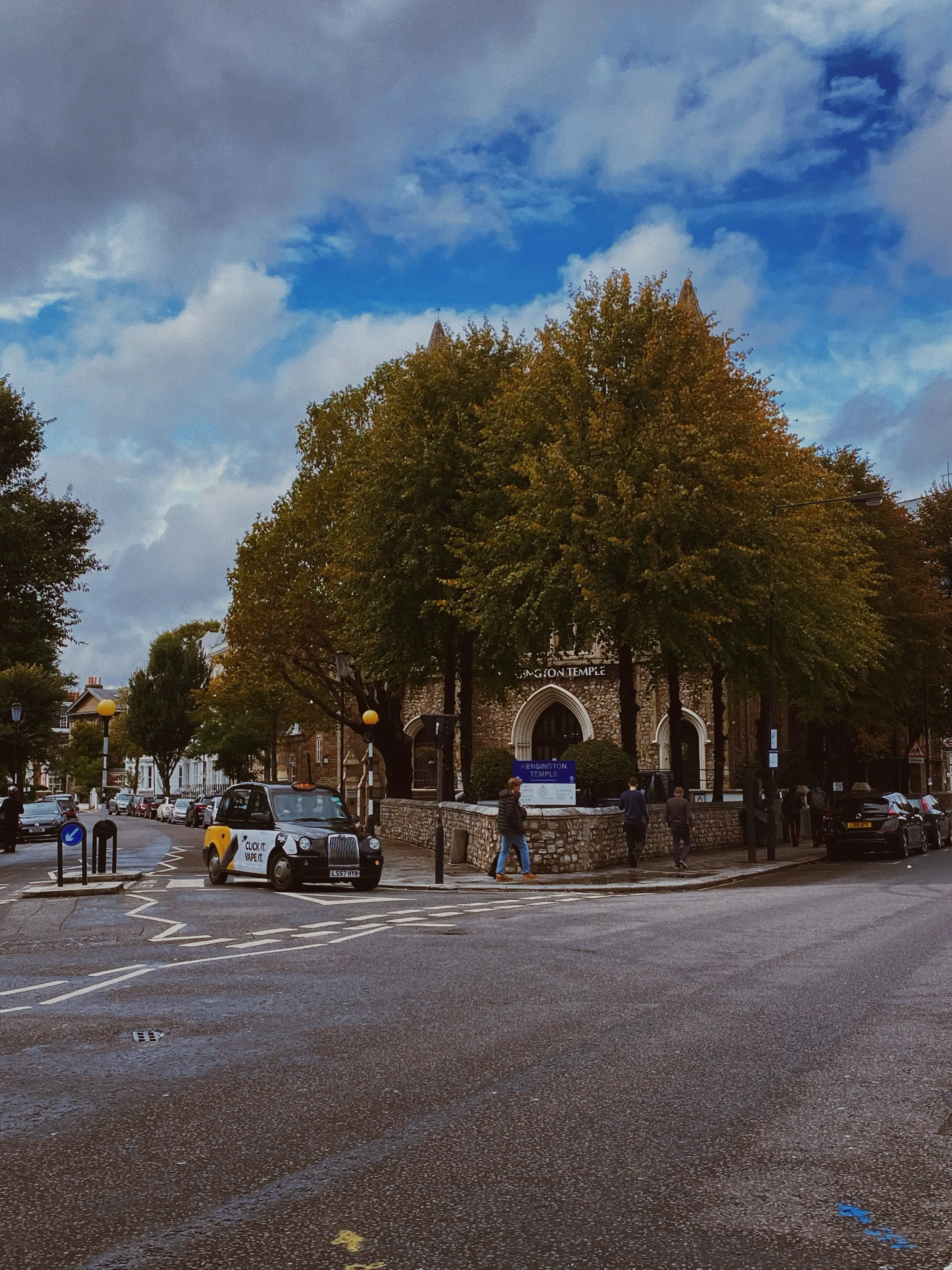
The north end of Notting Hill, above the Westway overpass, operates as a different neighbourhood from the south — cheaper, less photogenic, and significantly less touristed.
North Kensington above the Westway: rents drop by 20–30% compared to the Landsdowne Crescent belt, and the street-level character shifts accordingly — more chicken shops, fewer artisan cheese counters
Portobello Farm — community urban farm on Golborne Road, free to visit, a useful reminder that the area north of the market has its own slower rhythm entirely
The southern part below Notting Hill Gate tube tilts toward Kensington proper — the streets widen, the density drops, and you lose the neighbourhood feel that makes the middle section worth paying for
Golborne Road at the north end of Portobello: Portuguese cafés, antique dealers, and a Saturday market that draws far fewer visitors than the Portobello Market sections further south — which is either a selling point or a sign you're too far out, depending on what you came for
If your budget puts you north of the Westway, be honest with yourself about whether you're in Notting Hill or just using the postcode — the walk back from Notting Hill Gate tube at night is longer than the map suggests.
The area called Notting Hill covers a surprisingly small footprint — roughly bounded by Westbourne Grove to the south, Ladbroke Grove to the west, and Holland Park Avenue to the east — which means you can walk end to end in under 20 minutes.
Getting Around: Tube Lines, Day Passes, and the Reality of London Transport
Notting Hill sits on the Circle and District lines at Notting Hill Gate, plus the Central line — and the practical implication of having the city line and district lines both accessible from the same station is that you can reach most of Central London without a change. That matters more after a few weeks than it does on day one.
Which Station to Use for Which Journey
Choosing the wrong station for your journey is the kind of friction that accumulates — knowing the network from the start saves you twenty minutes a day you'd otherwise lose on platforms.
Notting Hill Gate: Central line east to Oxford Circus in 12 minutes, Circle and District lines south to South Kensington in 4 minutes — your main commuting station for anything east or south
Holland Park tube — Central line only, quieter platform, useful if you're based on the west side above the gate; not always worth the detour from further north
Shepherd's Bush Market station on the Hammersmith and City line: one stop from Latimer Road, underused by most Notting Hill residents, but the fastest route to Paddington if you're catching Heathrow Express
Monthly Travelcard for Zones 1–2: £148.80 — after day four of regular commuting you stop doing the per-journey arithmetic and just buy it
Notting Hill Gate gives you the District, City and Circle lines from a single station, which means you can reach Canary Wharf in around 35 minutes without changing trains — useful if you have occasional in-person client meetings in the east.
Notting Hill Gate station gives you direct access to the Central, District, and Circle Lines — the City and Circle Lines alone put you at Liverpool Street in around 25 minutes and at Paddington in under 10, which covers most practical journeys without a change.
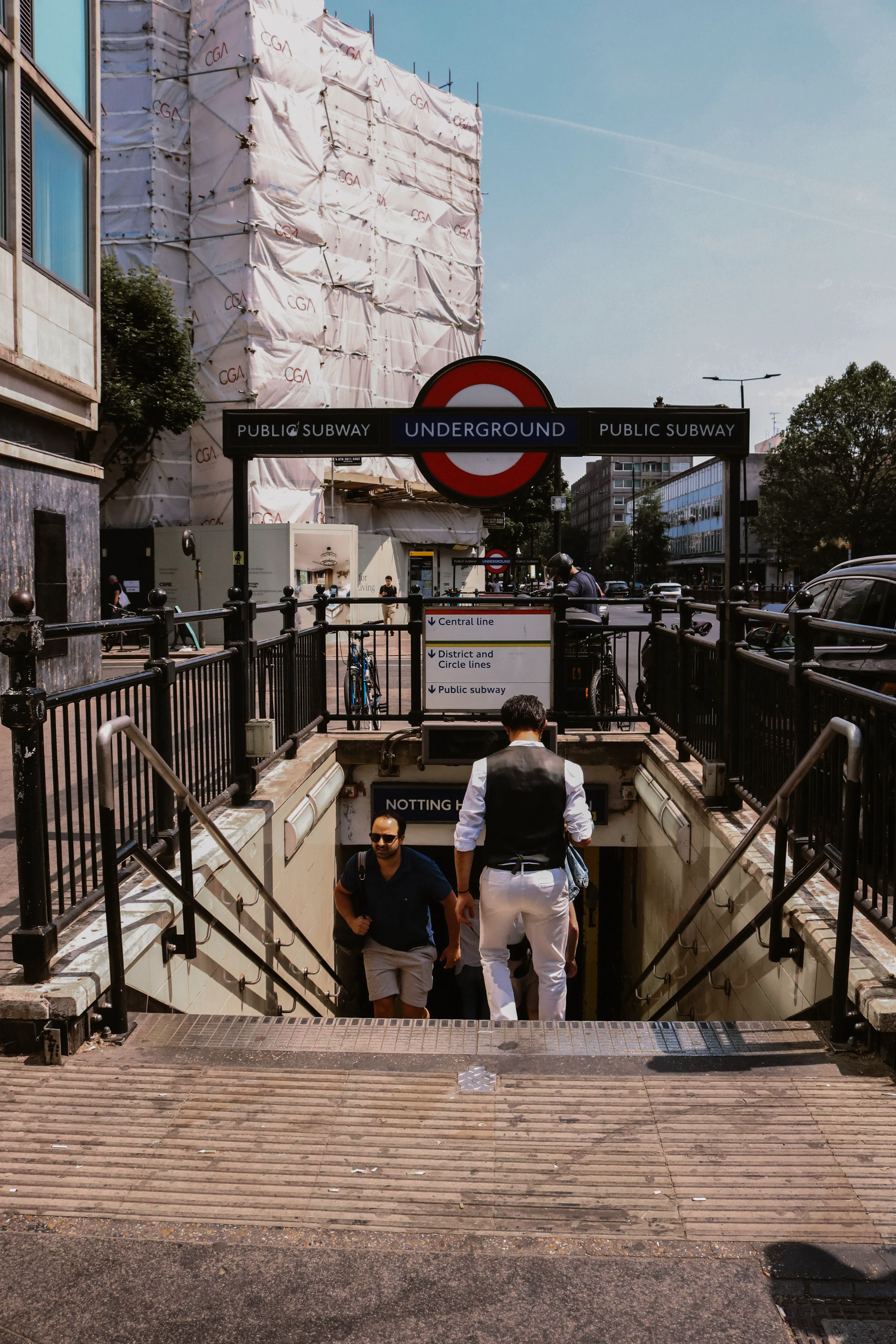
Walking vs. Tube: When the Map Lies
London's tube map distorts distances so consistently that first-time remote workers routinely underground journeys that would take 12 minutes on foot — Notting Hill is one of the few areas where walking is often faster than waiting for a train.
Notting Hill Gate to Holland Park: 9-minute walk, versus two tube stops that rarely run on a tight headway on the Central line on weekends
Portobello Road to Bayswater Road along the street: 15-minute walk that passes the best of the neighbourhood; taking a bus adds waiting time without adding much speed
Santander Cycles docking stations at Pembridge Villas and Chepstow Road — £3.30 for a day pass, unlimited 30-minute rides; for anyone working south of Hyde Park the bike is frequently the fastest option before 9am
On Saturdays, the street around Portobello Market closes to through traffic — which makes walking the neighbourhood faster than any bus, and means you should plan your groceries or work café for before 10am if you want to move without crowds.
Where to Work and What to Eat: The Practical Short List
Notting Hill has a high concentration of independent cafés but a lower concentration of serious work venues than the numbers suggest — the leather armchairs and exposed brick often come without reliable WiFi or power sockets, which is a trade-off the aesthetic doesn't advertise.
Cafés That Actually Work for Working
The vintage clothing boutiques and antique stalls on Portobello Road are better browsed after noon — the cafés worth working in are best claimed before 10am, before the area becomes a time tunnel of tourists walking through frame.
The Grain Shop on Portobello Road — wholefood café, tables with power points near the back, flat white around £3.80, quieter than the street outside suggests; go before 11am for a reliable seat
Lisboa Patisserie on Golborne Road — pasteis de nata at £1.50, no WiFi, but the best place in a six-street radius for a focused hour without a laptop temptation; cash only
Granger and Co. on Westbourne Grove — Australian café, reliable WiFi, power accessible at window seats, breakfast from £9; loud by noon on weekends, workable on weekday mornings
Vintage clothing shops along Portobello regularly double as social spaces — which is interesting at 3pm and counterproductive at 9am if you have calls
If you need a proper desk and a door that closes, the nearest serious coworking option is a walk or short tube ride toward Shepherd's Bush or Paddington — Notting Hill itself doesn't have a dedicated coworking hub in its centre.
Avoid the gift shop cafés clustered around the Portobello Road tourist stretch — instead, walk two minutes to Golborne Road where a flat white at Golborne Deli costs around £3.80 and the Wi-Fi is reliable enough for a full morning of calls.
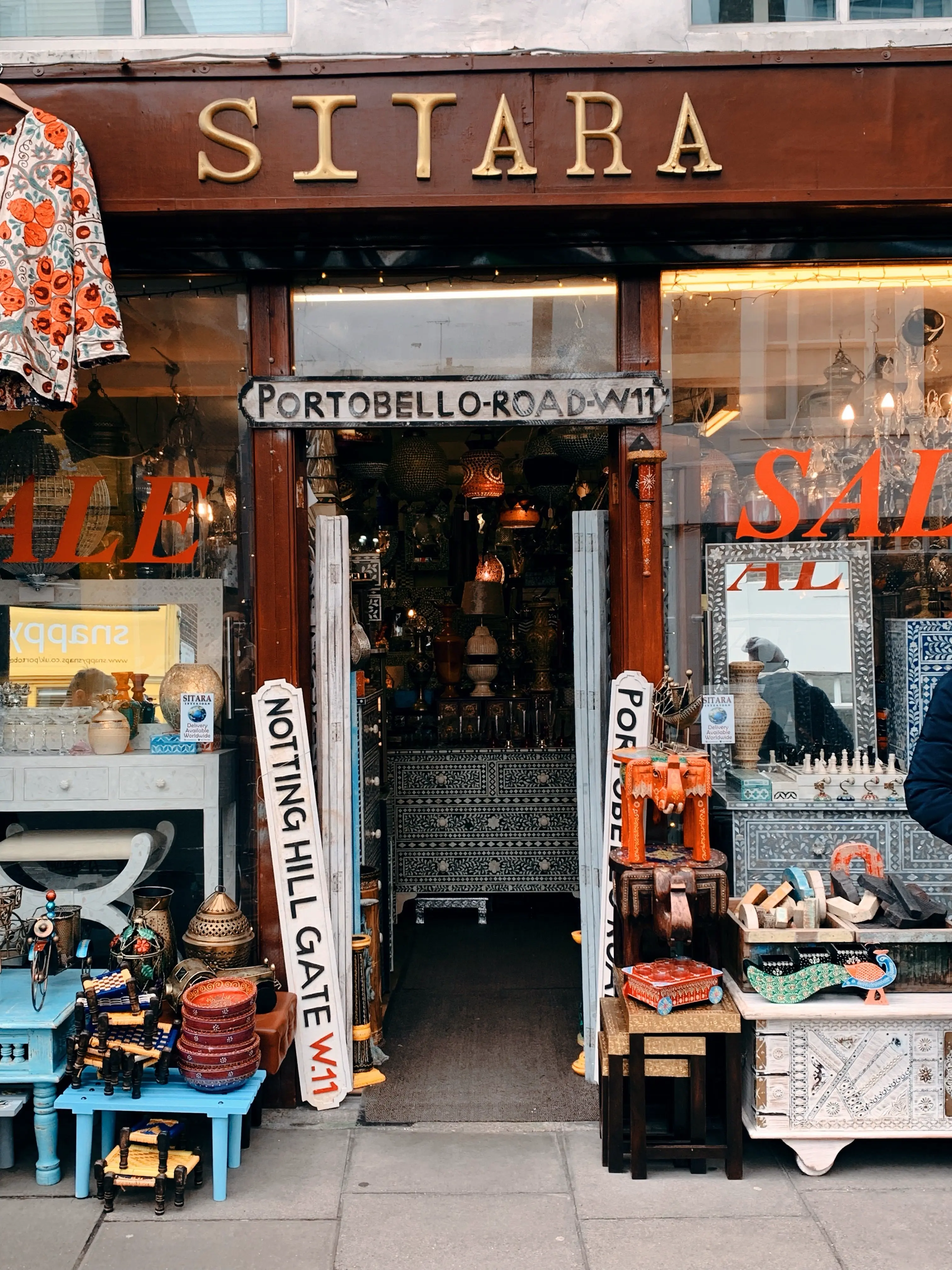
Eating Without Spending Like a Tourist
There is no menú del día equivalent in London, but Notting Hill has enough independent lunch options that you can eat well on £10–£14 without touching the restaurant end of Westbourne Grove, where mains start at £20 and a bottle of wine is not optional in the room's atmosphere.
E. Mono on Portobello Road — small plates, lunch from £8, reliable daily changing menu, closes early evening; misses nothing from the tourist-priced restaurants nearby
Farmers' stalls at Portobello Market — fruit and vegetables cheaper per unit than any nearby supermarket, best selection between 9am and noon Saturday before the vintage clothing crowd thins the stalls
Market Thai on Portobello Road — Thai food, mains £11–£14, reliably good, no-frills room; one of the few genuinely affordable sit-down dinners in the immediate neighbourhood
Co-op on Notting Hill Gate and the Lidl in Shepherd's Bush Garden are the realistic daily shop options — Waitrose is two minutes further and runs £30–40 more a week if you're not watching it
For remote workers who bill in euros or dollars, Notting Hill offers a quality-of-life-to-cost ratio that is hard to match in Zone 1 — you are paying Zone 2 prices for a neighbourhood that feels considerably more liveable than most of Zone 2.
The gap between what Notting Hill's independent restaurants charge and what you'd pay two streets west in Shepherd's Bush is real — knowing where that boundary sits saves money without requiring you to leave the neighbourhood you're paying to be in.
Is Notting Hill Right for Your Next Remote Stay — Beyond the Movie Notting Hill Fantasy?
Who Actually Thrives Here
Notting Hill rewards remote workers who already know London well enough to understand what they're paying for.
Works best for those who've done a cheaper postcode first — Shepherd's Bush or Westbourne Park — and are consciously trading up
Suits people who work well in calm, residential settings rather than buzzy co-working clusters
Fits remote workers who value walkable streets and independent infrastructure over a lively evening economy on the doorstep
Less suited to anyone who needs cheap lunches, a coworking desk within five minutes, or a neighbourhood that performs like Central London
If you need to be talked into it, a month in Westbourne Park will tell you whether proximity to Notting Hill is worth the cost of actually being in it.
Despite rents averaging £2,800 per month for a one-bedroom flat, Notting Hill remains one of the few central London neighbourhoods where you can walk to a proper farmers' market, a Tube station, and a decent espresso bar without crossing a main road.
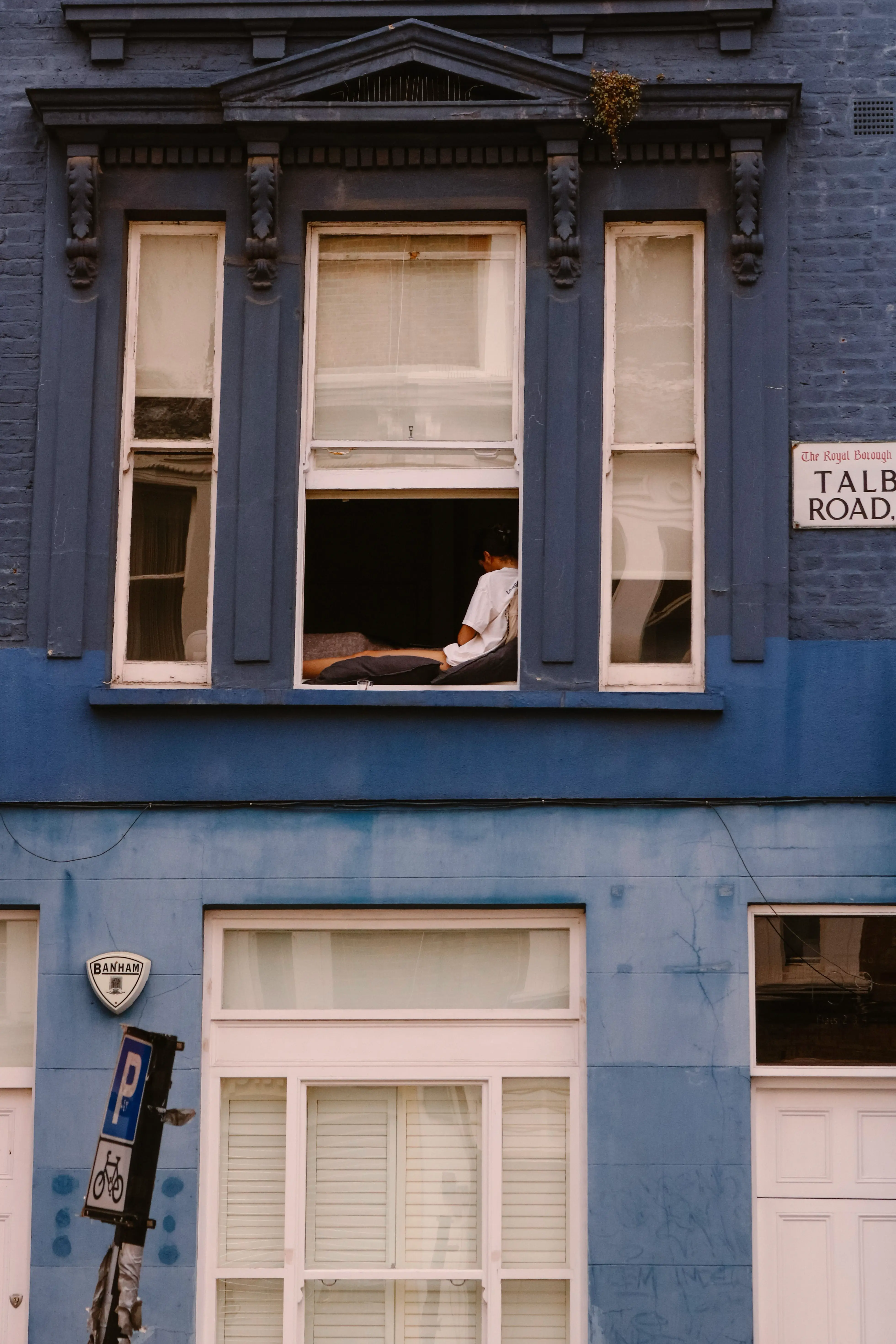
What the Neighbourhood Gets Right
Notting Hill's day-to-day infrastructure is better than it has any right to be for a postcode this expensive.
Transport is strong — Notting Hill Gate sits on the Central, Circle, and District lines, putting most of London within 20–30 minutes
Independent food and coffee options along Portobello Road and Westbourne Grove mean you're not relying on chains to fill a workday
The streets are genuinely beautiful in a way that makes a lunchtime walk feel like a reasonable productivity investment
The residential calm keeps distraction low, which matters more than most people admit when they're choosing a base
It doesn't perform like a central neighbourhood, but for focused work with a high quality of daily life, that's actually the point.
The Honest Cost Calculation
Notting Hill costs what it costs, and there's no version of this postcode that comes cheap.
Fully furnished apartments in the UK span a much wider price range than this postcode will — budget accordingly before committing
Renters who resent paying Central London prices for a neighbourhood that doesn't have Central London energy will feel that resentment weekly
The premium makes most sense for stays of a month or more, where the quality of the residential environment compounds over time
Shorter stays are harder to justify — the neighbourhood reveals itself slowly, not immediately
For remote workers who've done the maths and still want to be here, it's one of the more genuinely liveable bases London offers.