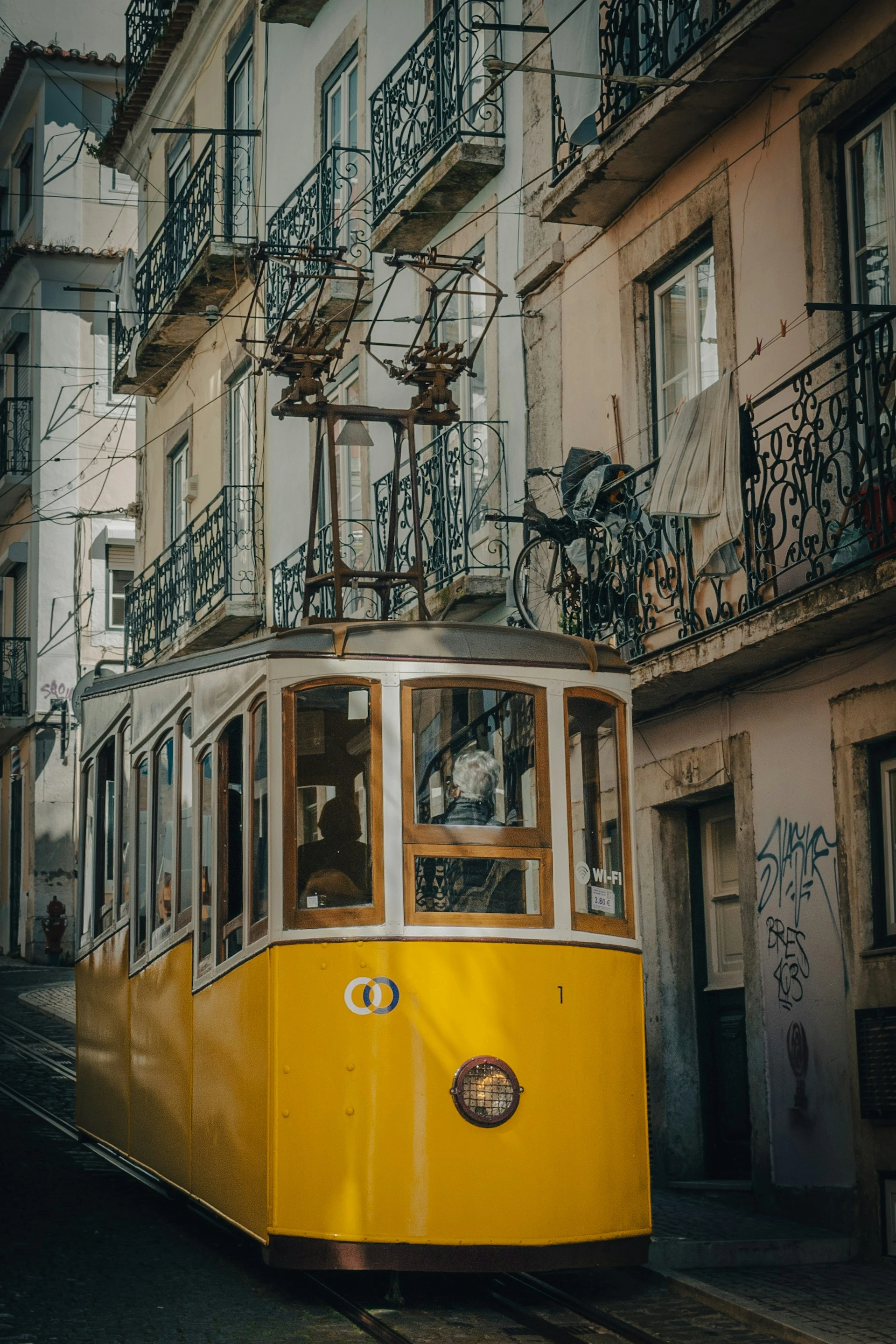
Unique Things to Do in Lisbon: Hidden Gems, Local Life, and Unexpected Adventures
Lisbon Portugal is a vibrant city that hums between centuries. Trams climb steep cobbles, sea breeze drifts from the Tagus River, and tiled façades glow after sunset. For anyone visiting Lisbon who wants more than postcards, the city reveals itself in side streets, neighborhood cafés, and art tucked in plain sight. This guide focuses on hidden gems and creative spots that make the capital feel personal—places to pause, taste, and look twice.
-
Wander riverside lanes in Central Lisbon for surprise viewpoints over the Tagus River.
-
Slip into tile-lined alleys in the Alfama District to hear fado spill from doorways.
-
Hunt street art murals and small studios run by a local artist.
-
Try a just-baked pastéis de nata at a bench instead of a crowded square.
-
Browse a flea market for vintage tiles and books that tell the city’s story.
-
End days on a quiet rooftop bar where the skyline turns copper.

Beyond the Famous Landmarks, Rediscover Lisbon’s Icons
Lisbon’s beauty lies in its balance between grandeur and simplicity. The famous landmarks are more than postcard stops—they are living symbols of the city’s layered story. Exploring them with a slower pace reveals details most visitors miss: centuries of stonework, the hum of the tram below, and views that never look the same twice. These sights define Lisbon Portugal’s spirit, yet every visit still feels new.
Landmarks to Check Out When In Lisbon
| Landmark | Why Visit | Local Tip |
|---|---|---|
| Belém Tower / Torre de Belém | The maritime fortress that guarded the Portuguese Republic during the Age of Discovery, one of Lisbon’s most famous landmarks. | Go late afternoon when the Tagus River reflects gold across its walls. |
| Castelo de São Jorge | A fortress of ancient Lisbon watching over the city center and Alfama District. | Arrive early for uncrowded ramparts and panoramic views across Central Lisbon. |
| Arco da Rua Augusta | A monumental gateway connecting Baixa to the riverfront. | Take the lift to the top terrace for sweeping city centre views. |
| Lisbon Cathedral | Romanesque church that survived earthquakes and time. | Combine with a private tour of nearby cloisters or a guided walk through Alfama. |
| April Bridge / Golden Gate Bridge twin | Lisbon’s red suspension bridge that mirrors San Francisco’s skyline. | Watch it glow at sunset from Cais do Sodré or a ferry on the Tagus River. |
| Ways to Experience More |
-
Pair the Belém Tower with a stroll to the Jerónimos Monastery and nearby gardens.
-
Stop at the Royal Palace of Ajuda to see Portugal’s royal heritage up close.
-
Catch the lift at the Arco da Rua Augusta for unmatched skyline photos.
-
End the day with a tram ride across the bridge for views few tourists take the time to find.
Lisbon’s icons stand as anchors in a city constantly reinventing itself—proof that even the most photographed places still have corners left to uncover.

The Alfama District — Lisbon’s Beating Heart
No place captures Lisbon’s soul quite like the Alfama District. It’s the oldest neighborhood in the city, a maze of cobbled streets built long before maps could keep up. Here, the sound of trams mingles with distant guitar strings, and the scent of grilled sardines drifts from hidden courtyards. Walking Alfama feels less like sightseeing and more like stepping into a living museum—layered, intimate, and full of colourful buildings and stories still being told.
What to See
Every turn in Alfama opens to something unexpected: a view, a doorway, or a detail that makes you pause. These are the stops that show why this district defines visiting Lisbon.
-
Miradouro de Santa Luzia – a sun-drenched terrace with blue azulejos and panoramic views of the Tagus River.
-
Street art walls – murals bloom beside centuries-old tiles, blending modern expression with tradition.
-
Colourful buildings – façades painted coral, lemon, or turquoise, each crowned with hanging laundry and iron balconies.
-
Tiny workshops – meet a local artist painting tiles or shaping clay by hand.
-
Hidden chapels – quiet spaces behind wooden doors where the air smells faintly of wax and incense.
Where to Eat and Pause
The best way to feel Alfama’s rhythm is to stop often—snack, listen, and watch the neighborhood move.
-
Pastelaria Santo António – locals claim it makes the best pastéis de nata in the city, especially warm from the oven.
-
Quase Café – a slow, book-lined coffee shop perfect for unwinding after hill climbs.
-
Clube de Fado – dinner with live fado in an intimate setting where the music carries down the lane.
-
Café da Garagem – tea, views, and sunlight spilling through theater windows high above the rooftops.
Alfama remains the city’s heart because it refuses to change too quickly—a neighborhood that greets everyone like an old friend, and reminds you why Lisbon Portugal feels timeless.

LX Factory — Lisbon’s Creative Hub off the Beaten Path
Between the old docks of Alcântara and the arches of the April Bridge, LX Factory turns industrial Lisbon into a creative playground. Once a 19th-century fabric mill, it now hosts concept stores, coworking lofts, and open-air cafés that make visiting Lisbon feel both local and new. This is the city’s modern creative hub, where every corner rewards exploration.
Hidden Gems and Local Artists at LX Factory
Not everything here shouts for attention—some of the best finds hide in plain sight.
-
Ler Devagar – a soaring bookstore where staircases twist around shelves, and paper sculptures hang above the aisles.
-
The Art Studio – meet a local artist shaping ceramics from recycled clay and glass.
-
Wish Slow Coffee House – minimalist café located inside a renovated print shop; perfect for a slow morning.
-
Ementa mural – bold street art stretching across a warehouse façade, celebrating Lisbon’s creative rebellion.
Street Art, Flea Markets, and the Pulse of Central Lisbon
LX Factory hums with energy from weekend stalls and warehouse galleries.
-
Explore the flea market on Sundays for hand-printed posters and vintage leather.
-
Visit the Village Underground next door—old buses stacked into studios, covered with murals by Lisbon’s best street artists.
-
Use Google Maps to find the main gate near the parking garage, marked by graffiti rather than a sign.
-
Plan extra time; this corner of Central Lisbon is built for wandering, not rushing.
Rooftop Bars and Views of the Tagus River
When the light softens, head up. LX Factory’s rooftops frame Lisbon’s skyline like nowhere else.
-
LX Rooftop – half-meeting place, half-bar, this rooftop bar sits near the Tagus River and offers views of the April Bridge.
-
Restaurante Doca de Santo – upscale dining in a former weaving hall, mixing Portuguese flavors with fantastic riverside seating.
-
Grab a drink at sunset—the iron towers and river glow with the same copper warmth that defines the city.
LX Factory proves that Lisbon’s past isn’t gone—it’s been redesigned into a community of creators who keep reinventing what the city can be.

From Pastel de Nata to Pink Street: Flavors and Nightlife
Lisbon Portugal has a way of turning simple pleasures into rituals. A flaky pastel de nata eaten standing at the counter, the hum of conversation drifting through a food market, or a midnight stroll under the neon glow of Pink Street—each moment belongs to the rhythm of the city. Whether you’re visiting Lisbon for a weekend or staying longer, this is where its flavor and nightlife come alive.
Pastel de Nata, Pastéis de Belém, and the Sweet Soul of Lisbon
Every district has its bakery, but none rival the heritage of those that gave the Pastéis de Belém their name.
-
Pastéis de Belém – the legendary bakery called Pastéis de Belém, open since 1837, still guards its custard recipe like state treasure.
-
Manteigaria – another Lisbon favorite serving a lighter pastel de nata, best eaten warm while you watch the bakers at work.
-
Fábrica da Nata – a modern spot in the city centre where visitors can pair a de nata with a coffee or even a chocolate cup for dipping.
-
Confeitaria Nacional – an old-world charm bakery near Praça da Figueira, blending history with the smell of cinnamon and sugar.
Each of these pastry stops is part of Lisbon’s story—proof that tradition here is best tasted, not told.

Food Markets and Seafood Restaurants Worth the Visit
Lisbon’s food markets are social centers where produce, music, and chatter fill the air. They’re as essential as any famous landmark, giving visitors a glimpse into everyday life.
-
Time Out Market – the city’s most famous food market, offering gourmet bites from Lisbon’s best chefs and seafood dishes cooked fresh to order.
-
Mercado de Campo de Ourique – smaller and more local, known for family-run stalls and trendy restaurants tucked between wine bars.
-
Mercado da Ribeira – a blend of traditional fishmongers and global flavors that capture the vibrant city at lunch hour.
-
LX Factory Market – not just design; weekends also bring pop-up food stalls that showcase new twists on Portuguese culture.
Each market feels like a different version of Lisbon: relaxed, talkative, and endlessly inventive with what’s on the plate.
Pink Street and Lisbon’s Nightlife by the Tagus River
When night falls, Lisbon glows. The Pink Street in Cais do Sodré—once the city’s red light district—has evolved into its nightlife heart.
-
Pensão Amor – a cabaret-style bar that keeps the spirit of the street’s past alive with velvet curtains and vintage shows.
-
4 Caravelas – small, casual, and local; grab a glass of vinho verde and people-watch until late.
-
Musicbox – the underground club beneath the railway arches, famous for Lisbon DJs mixing house, funk, and Afro beats.
-
Park Bar – a rooftop bar on top of a parking garage with skyline views of the Tagus River, the April Bridge, and the city lights.
Pink Street captures what Lisbon does best: blending history and reinvention into something that feels both familiar and brand new. The city’s pulse slows here—not because the night ends, but because no one’s in a rush for it to.

Bairro Alto: Rooftops, Street Art, and Late-Night Soul
Bairro Alto sits above the city like a stage, its lanes glowing with light and laughter long after midnight. It’s where Lisbon’s creative streak meets its nightlife—the kind of neighborhood that hums with guitars, spray paint, and espresso. Visiting Lisbon isn’t complete without at least one evening spent getting lost here, where rooftops, galleries, and small taverns turn into gathering places for everyone from locals to digital nomads.
Rooftop Bars with Views of the Tagus River
There’s a reason Lisbon is called the city of light: the sunsets here seem designed for slow drinks and long stories. Bairro Alto’s rooftops capture that better than anywhere else.
-
Topo Chiado – a chic rooftop bar framed by Carmo Convent’s stone arches; perfect for watching the skyline glow pink.
-
Park Bar – hidden atop a parking garage, this garden-style bar faces the April Bridge and the Tagus River.
-
Lost In – a colorful terrace wrapped in mosaics and plants, offering panoramic views of Central Lisbon.
-
Zé dos Bois Gallery Terrace – part art space, part bar, with live performances that keep the night electric.
Street Art and Contemporary Culture in Central Lisbon
By day, Bairro Alto turns into a walking gallery. Murals and paste-ups transform the walls into open-air exhibitions of Lisbon’s identity.
-
Rua da Rosa – bursts of street art from both emerging names and visiting international artists.
-
Calçada da Glória – ride the graffiti-covered tram to see a hillside museum curated by the city’s own painters.
-
Zé dos Bois Gallery – blending exhibitions and live music; its recent shows have featured nods to Andy Warhol and other icons.
-
State Contemporary Art Collection – small but powerful displays that tie Lisbon’s creativity to the broader world.
Bairro Alto’s Hidden Gems for Night Owls
This district is more than just bars; it’s an ecosystem of late-night culture.
-
A Capela – a converted chapel where candlelight sets the mood for quiet cocktails.
-
Foxtrot – Art Deco interiors, jazz soundtrack, and a bar menu that feels like time travel.
-
1399 LIVE • ART • ROOM – a boutique space supporting a local artist collective that rotates every few weeks.
-
Tasca do Chico – old-school fado that draws everyone from poets to students.
Bairro Alto’s magic lies in its mix of edge and ease. You come for the rooftops and murals, but you stay because it feels like a crossroads—between art and everyday life, between noise and quiet, between Lisbon’s past and what it’s still becoming.

Lisbon’s Contemporary Art and Royal Heritage
Lisbon’s creative pulse doesn’t stop at street level—it runs through its museums, palaces, and galleries. The city blends innovation with legacy, offering travelers a rare mix of bold ideas and royal history. Whether you’re drawn to the clean lines of contemporary art or the ornate carriages once used by Queen Maria, Lisbon Portugal presents both as part of the same story.
Contemporary Art Spaces Worth Visiting in Lisbon
From industrial warehouses to elegant museums, the city’s art collections reveal the restless imagination of the Portuguese Republic.
-
Gulbenkian Museum – a world-class gallery with a wonderful collection spanning Egyptian artifacts, Renaissance art, and modern works. It’s quiet, curated, and ideal for slow exploration.
-
State Contemporary Art Collection – showcases local and international masters, including pieces inspired by Andy Warhol and Lisbon’s evolving identity.
-
Teixeira de Freitas Collection – a private initiative that feels more like an artist’s diary than a museum, often hosting temporary exhibits that challenge what “modern” means.
-
MAAT** (Museum of Art, Architecture and Technology)** – a riverside landmark combining futuristic curves with cutting-edge installations and light shows.
Each venue demonstrates how the city uses art to question, not just display—a reflection of Lisbon’s habit of turning its walls, docks, and palaces into canvases.

Royal Palaces and Museums with Old-World Charm
Lisbon’s grandeur isn’t only modern. The city’s royal heritage lives in collections that pair history with design, creating a contrast as striking as any gallery.
-
Royal Palace of Ajuda – once home to the Portuguese monarchy, still decorated with gilded halls, crystal chandeliers, and portraits of Queen Maria II.
-
National Coach Museum– an extraordinary display of gold-trimmed royal carriages, each one built to impress visiting dignitaries and foreign courts.
-
Foz Palace – a 19th-century gem near Restauradores Square, Foz Palace is used for concerts and exhibitions that tie music to Lisbon’s artistic past.
From the minimalist halls of the Gulbenkian Museum to the grandeur of Ajuda, Lisbon’s art scene spans centuries with ease. It proves that creativity here isn’t a modern invention—it’s a tradition constantly reinvented.
Flea Markets and Finds: Lisbon’s Treasure Hunt
Lisbon Portugal rewards curiosity. Behind the grand avenues and iconic landmarks, there’s a world of hidden gems—markets, antiques, and courtyards where the city’s rhythm slows and history hums quietly in the background. Visiting these spaces feels like stepping into a living archive of Portuguese life, a reminder that culture here isn’t staged—it’s traded, repurposed, and passed hand to hand.
The Flea Markets That Define Central Lisbon
No guide to visiting Lisbon is complete without a morning spent at its markets, each a window into everyday life.
-
Feira da Ladra – the city’s oldest and most famous flea market, spread across Campo de Santa Clara. Browse handmade ceramics, vintage vinyl, and centuries-old postcards under the shadow of the National Pantheon.
-
LX Factory Market – a design-focused flea market held in the city’s industrial quarter, where pop-up art stalls and food stands line the warehouses.
-
Anjos 70 Market – the bohemian side of Central Lisbon, full of independent designers and local art collectives.
-
Mercado de Santa Clara – part bazaar, part gallery, where antiques sit beside freshly pressed linens and secondhand books.
Each market is a secret garden of stories—part commerce, part conversation. You go looking for souvenirs and leave with glimpses of Lisbon’s collective memory.
What Makes These Markets Worth a Stop
They’re less about polished tourist attractions and more about connection. Each one is a hidden gem in its own right, balancing authenticity with the city’s effortless charm.
-
Come early for the best finds; late morning belongs to crowds and music.
-
Bring cash—bargaining remains a ritual, not a competition.
-
Pair your market morning with a detour to nearby cafés or viewpoints; most are walking distance from Bairro Alto or Alfama.
-
Many vendors speak English, but a polite “obrigado” always earns a smile.

Why You Should Finally Visit Lisbon’s Markets
They reveal a side of Lisbon that no guided tour can match. Between stacks of azulejo tiles and weathered novels, you’ll meet the true collectors, storytellers, and wanderers that give this vibrant city its soul. Whether you’re shopping, browsing, or people-watching, these markets remind you that Lisbon’s culture thrives far beyond its famous landmarks—alive in the hands of those who keep its past close and its future open.
Elevador de Santa Justa: Lisbon’s Most Photogenic Ride
In the heart of Central Lisbon, the Elevador de Santa Justa stands as both a marvel of design and one of the city’s most famous landmarks. Built in 1902, this neo-Gothic tower was engineered to connect the city centre of Baixa with the hilltop district of Carmo—saving residents from the steep climb that once divided daily life. Today, it remains one of Lisbon’s most photographed tourist attractions, offering views that prove the city’s best moments often come from a different angle.
A Journey Through Lisbon’s Iconic Landmarks
The elevator itself feels like a time capsule: polished wood cabins, brass fittings, and the hum of machinery that once symbolized innovation in the Portuguese Republic.
-
The short ascent opens to panoramic views of the city center, Alfama rooftops, and the April Bridge over the Tagus River.
-
Combine your visit with a guided tour of nearby monuments such as the Arco da Rua Augusta and Lisbon Cathedral, both minutes away.
-
Architecture enthusiasts will spot design echoes of the Eiffel era—iron lacework and spiral stairs that lead to the viewing terrace.
-
From the top, you can trace the city’s layers: medieval streets below, Belle Époque façades around you, and modern towers on the horizon.
Tips for Experiencing the City from Above
A ride on the Elevador de Santa Justa is more than a shortcut—it’s a chance to see how old and new Lisbon fit together.
-
Go early in the morning to avoid lines; evenings are beautiful but crowded.
-
Bring a camera—the panoramic views stretch from the Tagus River to the distant hills of Graça.
-
The upper platform connects directly to the ruins of Carmo Convent, another of Lisbon’s iconic landmarks and a must for architecture lovers.
-
Finish with a coffee nearby; the cafés at the base offer perfect vantage points for people-watching as the elevator rises and falls.
A century after it was built, the Elevador de Santa Justa remains the bridge between eras—a symbol of movement in a city that never stops rising.

Day Trips from Lisbon — Castles, Coastlines, and Calm
For travelers who’ve already visited Lisbon’s hills and viewpoints, the city’s surroundings offer a different kind of beauty—slower, greener, and just an hour away. These day trips reveal how easily you can trade tiled streets for castles, vineyards, and ocean air without leaving the rhythm of Lisbon Portugal behind.
Castles and Palaces Worth a Short Escape
Portugal’s countryside glows with color and craftsmanship, a reminder that every royal palace and estate once shaped the nation’s identity.
-
Sintra** & Quinta da Regaleira** – fairytale architecture, secret tunnels, and gardens filled with mythic sculptures. It’s a famous place that feels otherworldly, and just a 40-minute day trip by train from the city centre.
-
Cascais – a coastal resort lined with pastel mansions and Atlantic cliffs. Stop by the Belém Tower viewpoint on your return for sunset light over the river.
-
Mafra National Palace – one of Europe’s grandest baroque palaces, echoing through marble halls and hidden libraries.
-
Azenhas do Mar – a cliffside village that looks carved from a dream; ideal for an unhurried lunch before heading back to Central Lisbon.
Bridges, Oceans, and the Modern Edge of the Portuguese Republic
Not all escapes are rural—some of Lisbon’s best views come from modern marvels that shape its skyline.
-
Vasco da Gama Bridge – the longest in Europe, a feat of engineering best appreciated from Parque das Nações, where you’ll find river walks and breezy cafés.
-
Lisbon Oceanarium – one of the largest aquariums in the world and a must for families or marine-life lovers. Its design mirrors a floating vessel on the Tagus River, showcasing hundreds of species in natural light.
-
Royal Palace of Ajuda – a glimpse of history in motion, often included in small-group or private tours that link the past to the city’s ongoing story.
How to Plan Your Day Trip Like a Local
A good day trip from Lisbon is less about checklists and more about rhythm—start early, linger over lunch, and let trains or coastlines guide you.
-
Catch early trains to Sintra (Rossio Station) or Cascais (Cais do Sodré). Both routes are scenic and affordable.
-
If driving, take the coastal N6 for sea views that rival the famous landmarks back in the capital.
-
Pair Sintra with the Lisbon Oceanarium or Parque das Nações on your way back to see how history and modern Lisbon coexist.
Each of these escapes stands in its own right—a reminder that even beyond the capital, Portugal’s charm keeps unfolding. You don’t have to go far to feel the shift; sometimes, the best discoveries are the ones waiting just past the last tram stop.
Explore Lisbon’s Neighborhoods — From Central Buzz to Riverside Calm
Each corner of Lisbon Portugal feels like a different rhythm of the same song. From the steep alleys of Alfama to the café-lined streets of Príncipe Real, the capital’s neighborhoods balance energy, artistry, and quiet refuge in equal measure. For anyone looking to explore Lisbon’s character beyond its famous places, here’s where to wander when you want to see how locals actually live.
Central Lisbon: Tradition Meets a Modern Beat
At the city’s heart, Central Lisbon offers the mix of heritage and convenience that makes staying here irresistible.
-
Baixa and Chiado – elegant boulevards, grand squares, and boutiques surrounded by tiled façades. The city centre here still carries traces of the 18th-century rebuild after the great earthquake.
-
Avenida da Liberdade – tree-lined and cosmopolitan, filled with designer stores and rooftop terraces where the vibrant city hums beneath you.
-
Cais do Sodré – once a dockside haunt, now a lively hub of bars, restaurants, and creative spaces by the Tagus River.
Browse Lisbon homes near this area
Alfama, Graça, and the City’s Soul
These districts are the living museum of Lisbon—streets built before symmetry, alive with sound and scent.
-
Alfama District – history wrapped in hills, best for street music, fado, and tile-covered stairways that feel timeless.
-
Graça – known for its hidden gems like Jardim da Cerca da Graça, a secret garden of citrus trees and panoramic views.
-
São Vicente – close to the National Pantheon and the city’s most beloved flea market, a mix of markets, locals, and laundry lines.
Where Lisbon Slows Down
To the west and north, neighborhoods trade crowds for calm.
-
Estrela – leafy streets, a domed basilica, and family-run cafés that define the charm of Lisbon located just outside the tourist trail.
-
Príncipe Real – elegant gardens, weekend fairs, and concept stores that make it one of Lisbon’s most hidden gems for slow days.
-
Belém – riverside museums, gardens, and bakeries, including the Pastéis de Belém shop that still serves pastries warm from the oven.
Lisbon’s neighborhoods don’t compete—they complement. Each one adds a shade to the city’s palette, proof that the magic of visiting Lisbon lies not only in its landmarks but in how effortlessly life fills the spaces between them.
Explore our neighborhood guides in Lisbon to dive deeper into each district’s personality. Start with Chiado and Bairro Alto on RentRemote's guides curated for digital nomads.
Where to Stay: Work-Ready Comfort Across Portugal
Finding the right base can define how you experience Lisbon Portugal. Many travelers choose stylish hotels or boutique guesthouses in Central Lisbon, drawn to their design, breakfast spreads, and proximity to tram lines. They’re great for short breaks—but for longer stays, comfort and connectivity matter more than room service.
Boutique Hotels and Local Charm
Lisbon has a strong tradition of small, character-driven hospitality.
-
Baixa Heritage Houses – set among the city’s tiled façades, offering balconies over the city centre.
-
Estrela Guest House – leafy courtyards and quiet rooms away from traffic.
-
Altis Belém Hotel & Spa – elegant rooms beside the Tagus River, ideal for weekend travelers.
These stays deliver warmth and convenience, but most cater to sightseeing rather than sustained remote work. Desks are small, Wi-Fi can be uneven, and space to focus often means the hotel lobby.
Why Digital Nomads Prefer RentRemote
For travelers who want to stay productive while exploring a vibrant city, RentRemote bridges the gap between home comfort and mobility.
-
Fully furnished apartments across Lisbon’s best neighborhoods, ready for extended stays.
-
Dedicated workstations with ergonomic chairs, large monitors, and reliable high-speed Wi-Fi.
-
Kitchens and laundry facilities designed for real living, not quick visits.
-
Locations chosen for balance—close to cafés, coworking spots, and tram routes that connect you to the rest of the city.
RentRemote makes visiting Lisbon simpler: you can live, work, and unwind without compromise. Explore RentRemote's fully furnished apartments in Lisbon to find your next home base.
A City That Keeps You Coming Back
Lisbon Portugal is a vibrant city that rewards curiosity as much as planning. You might set out for one viewpoint and stumble into a new café, or take a simple day trip and end up wishing you had stayed longer. Its neighborhoods shift with the light, its people with the weather, and its charm with every conversation. What begins as exploration soon feels like belonging.
Every tram line, terrace, and tide on the Tagus River leads to another story—proof that the capital’s beauty exists in its motion. In its own right, Lisbon isn’t just a destination. It’s a rhythm that keeps calling you back.
Keen on exploring Portugal outside the capital? Check out RentRemote's fully furnished remote ready apartments in Portugal so you never have to compromise on the quality of work you get in while on your adventures.