Lisbon is having its moment — and then some. Once a sleepy seaside capital, the Portuguese capital is now the heartbeat of Europe’s remote-work boom. The Portuguese government has encouraged startup visas and flexible residency options, making it one of the easiest gateways for anyone starting a new life in a new country.
Today, digital nomads, freelancers, and remote workers from around the world are moving to Lisbon for its great weather, café culture, and lifestyle that’s still affordable compared to other European capitals. The city’s charm hides a few realities — rising property prices, a competitive housing market, and the slow rhythm of Portuguese bureaucracy — but for many expats and many Americans, it’s a trade-off worth making.
This guide breaks down everything you need to know about moving to Portugal — from neighborhoods and rentals to healthcare, visas, and how to feel at home in your new base.

Why So Many Are Moving to Portugal’s Capital
Lisbon has become shorthand for balance — good quality living, great weather, and creative freedom all rolled into one. Whether you’re a startup founder, designer, or writer tired of cramped city apartments, moving to Lisbon offers both cultural depth and practical comfort.
Lisbon vs. Other European Capitals
Living costs remain a huge draw. Here’s what makes moving to Portugal appealing:
-
Daily life is still affordable compared to Berlin, Paris, or Amsterdam.
-
Espresso: €1
-
3-course lunch: €12–15
-
Metro pass: €40/month
-
-
The Portuguese capital offers sea views and sunshine for free — about 300 days a year.
-
Despite its popularity, Lisbon still feels personal — the kind of city where café owners remember your order.
Why Many Expats Love It
Expat life in Lisbon comes with its quirks but few regrets. Locals are warm yet reserved, bureaucracy is slow but rarely unfriendly, and the pace — once you match it — becomes addictive.
-
Pros: Friendly locals, thriving expat community, strong Wi-Fi, and coastal access.
-
Cons: Portuguese bureaucracy can test your patience; government offices often give mixed instructions.
-
Tip: Keep printed copies of everything — it helps when you’re navigating the system.
Culture and Local Life
Lisbon is layered:
-
Listen to Fado in Alfama’s candlelit taverns.
-
Shop the local markets at Campo de Ourique or Mercado da Ribeira.
-
Try a €1.50 pastel de nata at Manteigaria, still warm from the oven.
-
Catch sunset from Miradouro da Senhora do Monte — the city’s best free view.
Learning the Portuguese language or joining expat groups on Facebook (like Lisbon Digital Nomads or Americans in Portugal) speeds up your transition. The people are curious, the culture layered, and every conversation — even halting ones in Portuñol — makes you feel more at home.

Cost of Living and Financial Realities When Moving to Lisbon
For all its charm, Lisbon isn’t as cheap as it once was. The boom in many expats and US citizens moving to Portugal has reshaped the housing market, driving up property prices and limiting rentals in the city center. Still, daily life — food, public transport, and socializing — remains an affordable cost compared to New York or London.
Rent and the Housing Market
Finding a long-term place can take weeks, especially in central Lisbon.
Landlords often ask for proof of income or a local bank account, and some long-term rentals require a small down payment or months of rent upfront — a norm that surprises newcomers moving to Portugal.
-
Average rent (1-bedroom): €1,000–€1,500/month in central districts like Príncipe Real or Santos; €850–€1,100 in Areeiro or Alvalade.
-
Expect: Upfront costs of one to two months’ deposit, agency fees, and proof of income.
-
Tip: Check RentRemote listings for verified apartments.
-
Neighborhood note: The housing market is competitive — arrive with documents ready (passport, NIF, recent utility bill, and sometimes a local guarantor).
Utilities, Internet, and Groceries
You can pay most bills or top up services through your account online, which simplifies monthly planning once you’re set up locally.
-
Utilities: €100–€150/month (electricity, water, Wi-Fi).
-
Internet: High-speed and good quality; providers like NOS and MEO dominate.
-
Groceries: Around €250–€300 per person/month.
- Local produce markets (e.g., Mercado de Arroios) are cheaper and fresher than supermarkets.
-
Dining out: €12–€20 for mid-range restaurants; €8 for a daily menu do dia.
Transport and Mobility
Lisbon’s public transport system covers metro, tram, and train.
-
Monthly pass: €40, valid for most metro lines and suburban trains.
-
Apps: Bolt and Uber are cheaper alternatives to taxis.
-
Cycling: Still rare due to hills, but e-scooters fill the gap.

Lifestyle Costs
Coffee culture is strong and inexpensive, nightlife ranges from Bairro Alto’s casual bars to the jazz clubs in Alfama, and gym memberships start at €30/month. It’s a city where you can live richly — even without a big budget.
Thinking about setting up your new base here? Explore our Arroios and Campo de Ourique guides to see which part of the Portuguese capital fits your lifestyle and budget best.
Where to Live in Lisbon — Best Neighborhoods for Digital Nomads and Expats
Lisbon isn’t one city — it’s a patchwork of hills, trams, and distinct personalities. Choosing your base depends on what you value most: charm, convenience, or community. Here’s how to navigate the housing market and find a home that feels right.
Alfama – History and Authentic Portuguese Experience

If waking up to church bells and river views sounds ideal, Alfama delivers the classic authentic Portuguese experience.
-
Vibe: Cobbled lanes, tile-clad walls, and live Fado drifting from taverns.
-
Why live here: Central yet old-world; every turn feels cinematic.
-
Rent range: €1,000–€1,400 for small flats; expect stairs, quirks, and views.
-
Local tips: Visit Clube de Fado, or grab seafood at Farol de Santa Luzia (€20–25).
Pros: Culture, charm, walkability.
Cons: Touristy, limited parking, steep climbs.
Areeiro – Balanced Living for Remote Workers

Areeiro sits between residential calm and central access — ideal for remote workers seeking focus.
Its central location and metro connectivity make it a favorite among EU citizens and visa holders waiting to finalize residency status.
-
Why it works: Lower property prices than the city center but easy metro access.
-
Amenities: Local bakeries, gyms, and coworking spaces like LACS Anjos.
-
Average rent: €1,000–€1,200 for one-bed apartments.
Pro tip: It’s popular among digital nomads who value routine over nightlife.
Príncipe Real & Bairro Alto – Creative Core

If you prefer your mornings quiet and nights loud, this duo delivers both.
-
Príncipe Real: Upscale, leafy streets with concept stores, rooftop bars, and organic local markets.
-
Bairro Alto: A nightlife legend — small apartments but big energy.
-
Coworking: Check out Second Home Lisboa for design lovers.
Average rent: €1,400–€1,700. Upfront costs may be higher due to demand.
Parque das Nações – Modern Comfort by the River
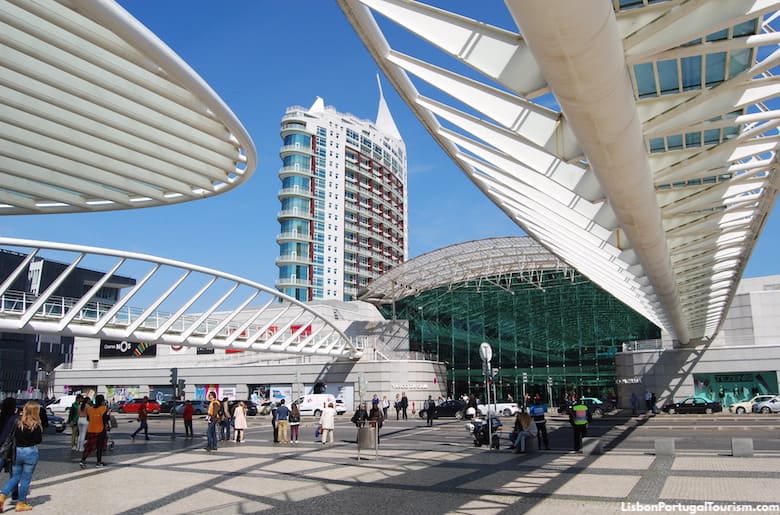
A complete contrast to old Lisbon — think glass towers, bike lanes, and family-friendly parks.
-
Vibe: Business-meets-leisure; perfect for long-term expat life or families with kids in an international school.
-
Rent range: €1,500–€2,000 for modern units with elevators and parking.
-
Highlights: Oceanário de Lisboa, riverside promenade, and Vasco da Gama Mall.
Why it’s great: Smooth infrastructure, reliable public transport, and strong Wi-Fi — proof that moving to Lisbon doesn’t mean sacrificing convenience.
Campo de Ourique & Estrela – Quiet Corners, Local Charm
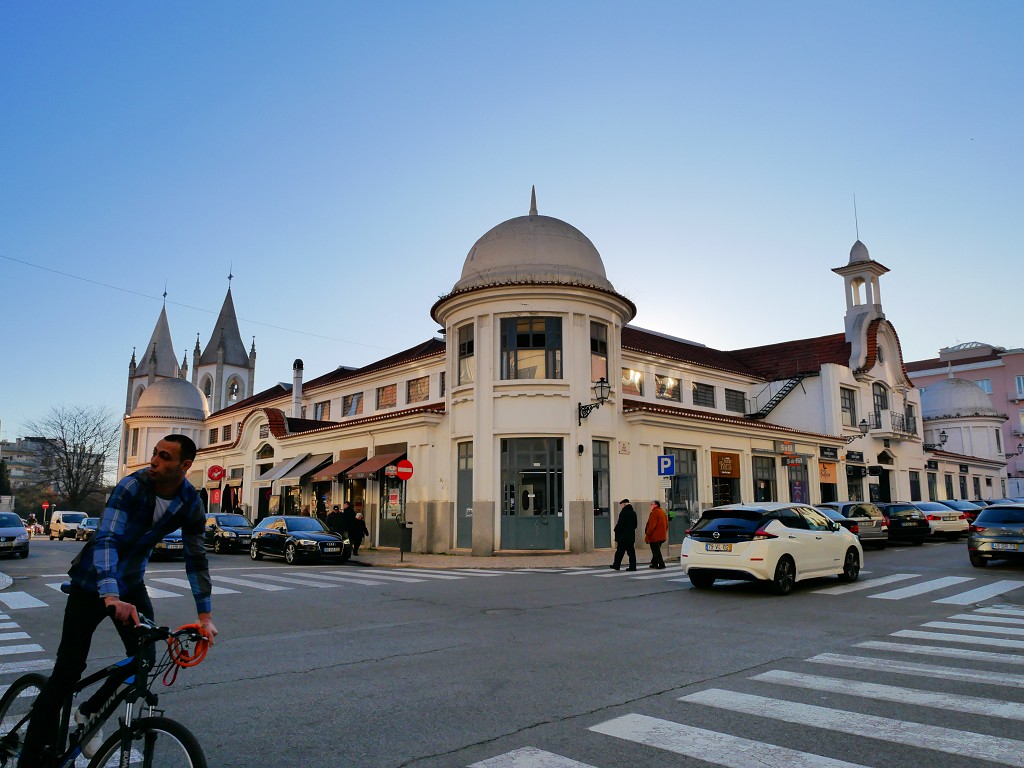
These residential areas are loved by many expats for their safety and slower pace.
-
Campo de Ourique: Full of local cafés and traditional shops; perfect for local life immersion.
-
Estrela: Elegant architecture and a massive garden ideal for morning runs.
-
Rent: Around €1,100–€1,400, depending on renovation.
Looking for your next home? Compare Lisbon’s top neighborhoods and explore RentRemote’s fully furnished apartments in Lisbon with high speed wifi and ergonomic desks preinstalled to see which area fits your lifestyle and budget.

Bank Account, Health, and Everyday Practicalities — From Private Health Insurance to the Serviço Nacional de Saúde
Once you’ve arrived, setting up the basics—finances, healthcare, and phone service—is what turns moving to Lisbon into actually living here.
Opening a Portuguese Bank Account
Everyday life runs smoother once you have a Portuguese bank account.
-
Where to go: Millennium BCP, Caixa Geral de Depósitos, and Novo Banco are leading Portuguese banks with English-speaking staff.
-
What you’ll need: passport, NIF number, visa or residence permit, and a recent utility bill.
-
Online setup: most banks let you manage your account online for easy bill payments and financial transactions.
Tip: keep proof of sufficient funds—it’s often requested when extending your visa or Portuguese residence permit.
Healthcare Options: Public vs Private
Portugal’s public healthcare, the Serviço Nacional de Saúde (SNS), is accessible to legal residents and expats with a NIF and user number.
-
Public care: strong in Lisbon’s hospitals, affordable, and includes full emergency services coverage.
-
Private facilities: modern clinics like CUF Descobertas or Hospital da Luz offer shorter wait times.
-
Private health insurance: premiums range €40–€200 monthly and cover extras like dental and specialists.
-
Private medical insurance is popular among US citizens seeking faster appointments and English-speaking doctors.
You’ll register with a local health center to be assigned a family doctor; bring your NIF and residence card.
Staying Connected
You’ll need a Portuguese phone number for deliveries, rentals, and banking SMS codes. Vodafone and MEO offer flexible SIM plans for €10–€20/month.
Pro tip: once your utilities and health coverage are linked to your Portuguese bank account, day-to-day payments, taxes, and financial transactions become simple—even from abroad.

Education and Family Life — Finding an International School or Bilingual Program in Lisbon
Lisbon isn’t just for digital nomads; families and long-term expats thrive here too. Whether you’re enrolling kids in an international school or taking classes to learn Portuguese, education shapes your integration into local life.
Top International Schools
-
Carlucci American International School: US curriculum + International Baccalaureate, 30 minutes from central Lisbon.
-
Oeiras International School: STEM-focused, teaches in English and Portuguese.
-
Lycée Français Charles Lepierre: great for French-speaking families.
These schools fill fast, so apply early and prepare for registration fees.
Bilingual Programs and Language Schools
Lisbon offers public bilingual programs alongside private language schools such as CIAL or Portuguese Connection. Adults often learn Portuguese through evening courses or tandems found on online expat groups.
Integrating Into Expat Life and Local Life
Building a routine around schools, cafés, and parks makes integration natural. Join parent meet-ups or expat groups on Facebook to swap tips about healthcare and neighborhoods.
Lisbon balances expat life and local life beautifully — kids pick up Portuguese fast, and adults gain a network that feels like home.

Visas, Residency, and the Path to Portugal Citizenship
Long-term living means thinking beyond the move. Portugal’s visa pathways make it possible to live legally, earn income, and even gain citizenship without losing your nationality.
Digital Nomad Visa and Other Residency Routes
For remote workers, the Digital Nomad Visa requires monthly earnings four times the minimum wage and proof of accommodation.
Other popular options:
-
Golden Visa: grants a one-year residence permit renewable for two; ideal for investors outside the European Union.
-
D7 Visa: for retirees or anyone with regular passive income.
-
Student Visa: for those joining universities or language schools.
Key benefits: you can enter Portugal, work, and bring family members under most visas.
Residence Permit and Tax Resident Status
Once in Portugal, apply for a Portuguese residence permit and register as a tax resident if you stay over 183 days per year.
-
The double taxation agreement with the U.S. prevents dual tax burdens on foreign income and capital gains.
-
The NHR (Non-Habitual Residency) program offers 10 years of reduced income tax on certain earnings.

Permanent Residency and Citizenship
After five years of legal residence, you can apply for permanent residency and then for Portugal citizenship or Portuguese citizenship.
-
If married to a Portuguese citizen, eligibility shortens to three years.
-
Applicants must show basic knowledge of the Portuguese language.
-
Dual status is permitted—American citizens can keep their passport the same way while becoming Portuguese citizens.
Golden Visa Investments and Passive Income Paths
The Golden Visa remains one of the most popular options for non-EU nationals who want a residence permit and eventual Portugal citizenship. It’s designed for investors who plan to contribute to Portugal’s economy—not just buy property.
Investment routes that qualify:
-
€250,000 → Support for arts or cultural heritage projects.
-
€500,000 → Venture-capital or innovation funds (real-estate rehab only in approved zones).
-
Business creation: Founding or co-founding a company that generates jobs in Portugal.
For many retirees or remote workers, passive income visas (D7 or Digital Nomad Visa) offer an easier path.
-
Show steady income—pension, dividends, or contract work.
-
Keep a Portuguese bank account and record clean financial transactions.
-
Demonstrate sufficient funds for long-term stay.
Why it’s worth it:
Both paths lead to permanent residency and ultimately Portuguese citizenship. You gain the freedom to live, work, and travel across the European Union—and enjoy Lisbon’s good quality of life all year.
Why Lisbon Still Offers an Affordable Cost of Living
Even with rising rents, Lisbon remains one of the few European capitals where everyday comfort is still attainable. What you spend here buys a better quality of life — sun, sea, and space to breathe.
Everyday prices that make it doable
-
Coffee: Still €1 in most corner cafés, especially around Arroios, Alvalade, and the old city center.
-
Lunch menus: €10–€15 for two courses and wine in neighborhood tascas like Zé dos Cornos or Adega das Mercês.
-
Groceries: Around €250 per month at neighborhood local markets like Mercado de Arroios or Mercado de Campo de Ourique — fresher and cheaper than supermarkets.
-
Public transport: €40/month for unlimited metro, tram, and suburban trains; routes cover central Lisbon to the beach in under 40 minutes.

What keeps Lisbon balanced
-
Healthcare: Public coverage through the Serviço Nacional de Saúde is low-cost and reliable; private clinics and private facilities remain budget-friendly.
-
Utilities: Electricity and mobile plans stay affordable compared to other European capitals, with providers like EDP and Vodafone offering competitive rates.
-
Dining out: Dinner for two with wine still lands around €30–€40 outside tourist zones — try Mouraria or Graça for authentic meals.
-
Leisure: Outdoor life is free — from Miradouro sunsets to weekend markets, surf sessions at Costa da Caparica, or live Fado under €10 in Alfama.
For anyone moving to Lisbon with steady foreign income or a remote salary, the city’s affordable cost of living means your money stretches further. It’s easy to build a new life rich in texture and experience, not expenses — one that rewards curiosity more than consumption.
Moving to Portugal Long-Term — Path to Dual Citizenship and Lasting Expat Life
Once you’ve adjusted to Lisbon’s rhythm, long-term life in Portugal becomes about paperwork, community, and confidence in your new home. Here’s what to expect when transitioning from temporary to permanent residency—and eventually dual citizenship.
The Immigration Process Step-by-Step
Portugal’s immigration process is straightforward but detail-heavy. To move from a temporary visa to Portugal citizenship, you’ll need to follow key steps with patience and precision.
Checklist:
-
Valid residence permit renewed on schedule.
-
Proof of continuous stay (rental contracts, utility bills).
-
A clean criminal record certificate.
-
Evidence of tax filings as a tax resident.
-
Basic understanding of the Portuguese language (A2 level).
Most legal residents start with the D7, Golden Visa, or Digital Nomad Visa, and later transition to permanent residency. Each route offers stability—and with time, a gateway to European freedom of movement.

Applying for Portugal Citizenship
After five years of legal residence, you become eligible for Portugal citizenship.
-
Applications go through the Conservatória dos Registos Centrais in Lisbon.
-
Required documents include proof of income, NIF, and your residence permit history.
-
If married to a Portuguese citizen, the wait drops to three years.
Citizenship brings you full rights as an EU member, from travel to work flexibility across the European Union—a major draw for many expats and retirees moving to Portugal long-term.
Dual Citizenship for American Citizens
Portugal allows dual citizenship, which means you can retain your original passport.
For an American citizen, this means holding both Portuguese and U.S. nationality at once—the same way many Europeans manage multiple citizenships. You’ll need to:
-
Keep tax filings current in both countries under the double taxation agreement.
-
Maintain your legal residence documentation for renewal cycles.
This status offers the key benefits of global mobility while preserving your original ties—a balanced way to build a new life abroad.
Finding Your Place in Lisbon’s Expat Community
Legal status is only half the story. Feeling at home comes from belonging. Lisbon’s expat community thrives through coworking meetups, cultural exchanges, and online groups that answer everything from visa questions to grocery recommendations.
Join local clubs or volunteering programs to meet many expats who’ve walked the same path. Their stories reflect the city’s promise: that moving to Portugal is less about escape and more about arrival—a gradual settling into comfort, connection, and culture.

Living the Lisbon Way — Why Staying Feels Better Than Leaving
Lisbon rarely lets you stay temporary. What begins as a few weeks of curiosity often turns into a new life full of rhythm, sunshine, and slow mornings by the river. It’s the kind of good quality living that reminds you why you chose to move in the first place: fewer commutes, more light, and enough balance to enjoy it.
Yes, bureaucracy takes patience, and permanent residency paperwork can stretch your tolerance, but life here pays you back daily—in espresso-fueled work sessions, warm greetings from your family doctor, and impromptu street music that costs nothing at all. Even essential services like the Serviço Nacional de Saúde or public transport keep things affordable compared to bigger European capitals, proving that the affordable cost of Lisbon isn’t just about money—it’s about value.
It’s a city built for people who want to work hard and live well, where many Americans and expat groups find community fast, and the great weather keeps you outdoors year-round.
If you’re thinking about moving to Portugal or extending your stay, now’s the time to make it official. Browse RentRemote's apartments in Portugal to find the best apartments in the curated suit the needs of the remote work community.