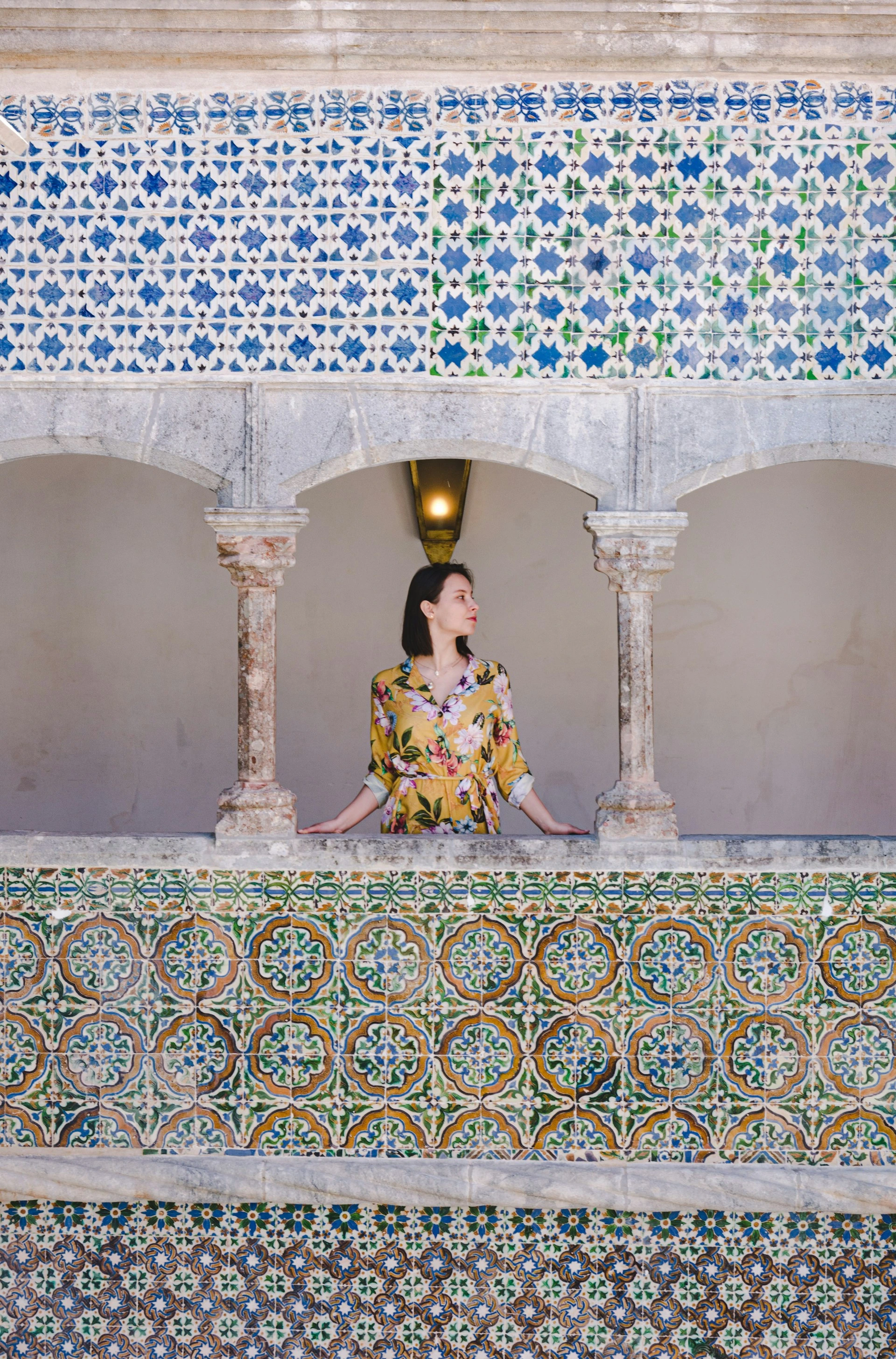
Lisbon Portugal has become one of Europe’s most talked-about destinations, but many travelers still pause before booking their tickets and ask a simple question: is Lisbon worth visiting?
The short answer is yes — but not for the reasons you might expect. This is a vibrant city built on hills, wrapped around the Tagus River, and shaped by layers of rich history visible in everything from tiled facades to winding streets.
It’s a place where old world charm exists alongside modern cafés, rooftop viewpoints, and districts full of energy. If you’ve been comparing Lisbon with other European capitals or planning your next trip through Portugal, this guide breaks down what makes the city worth visiting and who will enjoy it most.
What you’ll learn here:
-
What makes Lisbon Portugal unique for travelers
-
Whether the whole city lives up to the hype
-
Which neighborhoods and attractions define central Lisbon
-
Why many visitors say they absolutely loved their first time in Lisbon
-
How to plan day trip ideas from the coast to the Douro Valley
Is Lisbon Worth Visiting: Key Reasons Travelers Choose This Vibrant City
Lisbon stands out because its scenery, history, and rhythm all work together. The city center is compact enough to explore on foot, yet layered enough to feel new each day. It’s one of the few European capitals where hilltop viewpoints, quiet alleys, and waterfront paths sit only minutes apart.
Travelers often say the city feels welcoming and easy to settle into — a place where you can spend a morning at a miradouro, an afternoon wandering winding streets, and an evening discovering local culture without needing elaborate plans.
Scenic Highlights and Incredible Viewpoints
Lisbon’s landscape is a major reason many visitors consider it worth visiting. The whole city folds across seven hills, creating natural terraces and incredible viewpoints at almost every turn. It’s one of the few European capitals where everyday strolls feel cinematic.
Top spots to add to your list:
-
Miradouro de Santa Luzia — classic tilework and sweeping river views
-
São Jorge Castle — best vantage point over the city center
-
Rua Augusta Arch — panoramic rooftop access (small fee)
-
Belém Tower / Belem Tower — waterfront scenery at the river’s edge
-
Rooftop terraces across Alfama and Bairro Alto with amazing views
Lisbon’s Historic Core and Old World Charm
Walking through central Lisbon reveals centuries of Portuguese history layered onto narrow, winding streets. Alfama, Baixa, and Chiado feel like open-air museums, yet they remain lived-in rather than staged. Just off the main lanes you’ll find some of Lisbon’s best street art, especially between Alfama’s staircases and hidden viewpoints.
Essential stops:
-
Lisbon Cathedral — one of the city’s oldest landmarks
-
Jeronimos Monastery — unmatched Manueline architecture
-
National Pantheon — monumental dome and river-facing terraces
-
Neighborhood street art routes winding through Alfama
-
Scenic lanes and overlooks around Bairro Alto
Culture, Food, and Local Experiences
Lisbon’s everyday culture is just as compelling as its tourist attractions. From bakeries to fado bars, the city blends tradition with creativity in ways that feel grounded and approachable.
Local experiences to try:
-
Pastel de nata from Manteigaria or classic pastéis de belém
-
An evening fado show in Bairro Alto
-
A tasting menu at legendary restaurants admired by Anthony Bourdain
-
Small art gallery visits in Chiado
-
Brunch at Dear Breakfast before exploring nearby viewpoints
Taken together, these viewpoints, historic streets, and local food rituals make central Lisbon worth visiting for anyone who wants scenery, heritage, and everyday culture woven naturally into the city.
Where to Go in Lisbon Portugal — Neighborhoods, Landmarks, and Tourist Attractions
Lisbon Portugal is a city where historic architecture, coastal light, and lively streets all intersect within a compact area. Most visitors spend their time between central Lisbon’s squares, waterfront promenades, and the hilly paths that connect Baixa, Alfama, and Bairro Alto. Because the tourist attractions sit so close together, exploring the city centre never feels rushed — you can wander from one landmark to the next and still pause for a pastel de nata along the way.
Whether you prefer culture, food, or scenic viewpoints, these areas offer a strong introduction to what makes Lisbon worth visiting.
Bairro Alto — Nightlife, Local Culture, and Bar Hopping
Bairro Alto is one of Lisbon’s most atmospheric districts, especially after sunset. The neighborhood’s grid of narrow lanes fills with music, conversation, and people drifting between tiny bars and late-night eateries. It’s lively without being chaotic, and it’s one of the easiest places to meet travelers and locals without planning ahead.
Places worth your time:
-
A Tasca do Chico — intimate fado performances in a humble, authentic setting; arrive early to squeeze in.
-
Pavilhão Chinês — an eclectic bar filled with vintage curiosities, cocktails, and quiet alcoves for long conversations.
-
The Old Pharmacy — a wine bar set inside a former pharmacy, known for Portuguese bottles and knowledgeable staff.
-
Park Bar — a rooftop bar on top of a car park, great for sunset views and late drinks overlooking the whole city.
-
A Cultura do Hamburguer — reliable, casual food before (or after) bar hopping.
-
Foxtrot — a classic cocktail bar dating back to the 1970s, tucked into a quiet street with art deco touches.
-
Zé dos Bois Gallery** (ZDB)** — part art space, part venue, hosting experimental music and gallery shows.
These real, lived-in spots show why Bairro Alto remains one of the city’s most characteristic areas — a place where nightlife, art, and local culture blend into the kind of evening that feels uniquely Lisbon. If you prefer a louder night, walk down to Pink Street afterward — bars here stay open late and attract a mix of visitors and locals.
Lisbon Praça & Historic Squares Worth Visiting
Lisbon’s squares form the backbone of central Lisbon, connecting major neighborhoods with wide open spaces framed by classical Portuguese architecture. Each praça has its own mood, from grand river views to smaller pedestrian hubs full of movement.
Squares to explore:
-
Rossio Square for lively crowds and patterned stonework
-
Praça do Comércio overlooking the Tagus River
-
Lisbon Praça routes that link Baixa with Chiado
-
Pathways leading toward Rua do Carmo and surrounding cafés
-
Open plazas perfect for a few hours of relaxed wandering
From Praça do Comércio, it’s an easy walk to Cais do Sodré and Pink Street, an area known for color-splashed nightlife and late-evening bars.
Essential Landmarks for Your First Trip
Lisbon’s most important landmarks sit within easy walking distance of one another, making it simple to plan a full day without feeling rushed. These sites offer a blend of Portuguese history, waterfront scenery, and some of the city’s best-known viewpoints.
Places not to miss:
-
Belem Tower / Belém Tower along the riverfront
-
Jeronimos Monastery for its ornate cloisters
-
São Jorge Castle overlooking the city center
-
Gulbenkian Museum for art and quiet garden spaces
-
Historic avenues such as Avenida da Liberdade
If you’re planning to stay close to these areas, consider exploring fully furnished apartments in Lisbon that keep you within walking distance of the city’s most iconic sights.
Lisbon’s central districts combine centuries of architecture with everyday energy, giving travelers an easy, engaging starting point for understanding the city’s character.
Best Day Trip Ideas from Lisbon — Coastlines, Castles, and the Douro Valley
Lisbon Portugal sits within easy reach of beaches, forests, palaces, and wine regions, making day trips a natural part of visiting the city. Public transportation is reliable, distances are short, and most routes allow you to step into a different landscape within an hour or two.
Whether you want a quiet coastal afternoon, a few hours of palace-hopping, or a slower day surrounded by vineyards, these destinations give you options without over-planning.
These are the places that show why Lisbon is worth visiting even beyond its city limits.
Sintra’s Pena Palace and Surroundings
Sintra is the classic day trip, and for good reason — it feels like stepping into another world. The town’s misty hills hide royal estates, forest paths, and palaces painted in bold colors. It’s a strong pick if you enjoy architecture and scenic views without needing a long journey.
What to see:
-
Pena Palace — bright, imaginative, and set above the clouds on clear days
-
Moorish Castle — stone walls with sweeping views over the region
-
Quinta da Regaleira — gardens, tunnels, and the famous Initiation Well
-
Sintra town center — narrow streets and small cafés for a quick lunch
-
Scenic cliff-side views that feel absolutely stunning on clear afternoons
Coastal Spots for a Few Hours or One Night
Lisbon’s coastline is an easy escape when you want sea air and a slower tempo. These towns are connected by frequent trains and make good choices for solo travelers, couples, or anyone wanting a quiet walk along the Tagus River before heading back to the city.
Where to go:
-
Cascais — beaches, boardwalks, and relaxed seafood restaurants
-
Estoril — coastal promenades and gentle swimming spots
-
Carcavelos Beach — wide sands ideal for surfers and early morning swims
-
Belém waterfront — even closer to the city, great for a few hours
-
Scenic restaurants along the waterfront offering spectacular views
Douro Valley Wine Country
The Douro Valley is farther than most day trips from Lisbon Portugal, but it’s one of the most rewarding landscapes in the country. Terraced vineyards, winding river curves, and small villages make it ideal for travelers who want a quieter day grounded in food, scenery, and Portuguese history. Many visitors say this was the most memorable part of their trip — even if it meant an early departure.
Where to go and what to try:
-
**Quinta do Bomfim **(Pinhão) — well-known for its port tastings and riverfront gardens.
-
Quinta da Pacheca** (Lamego)** — a historic estate offering tastings and a strong introduction to the region’s wine traditions.
-
Quinta do Vallado** (Peso da Régua)** — one of the oldest and most respected wineries in the valley.
-
DOC Restaurant** (by Chef Rui Paula)** — a refined, river-edge spot known for fresh regional dishes and incredible views.
-
Linha do Douro river cruises — short journeys from Peso da Régua or Pinhão with viewpoints only visible from the water.
-
Miradouro de São Leonardo da Galafura — one of the most famous lookouts, frequently described as absolutely stunning on a clear day.
If you want a long but well-paced day, aim for Peso da Régua or Pinhão as your base. Both towns have tasting rooms, cafés, and easy access to vineyards and river cruises, making the whole experience more relaxed than trying to cover too many stops.
If you’re planning to combine Lisbon with other regions, explore our fully furnished apartments in Portugal so you can keep the same level of comfort and workspace wherever your trip takes you.
What Makes Lisbon Worth Visiting Compared to Other European Capitals?
Lisbon stands out among other European capitals because it balances scale, beauty, and accessibility in a way few cities manage. The city center is compact enough to explore on foot, yet filled with historic layers, gorgeous viewpoints, and neighborhoods that feel distinct from one another. Costs are generally lower than in larger cities like Paris or London, while food, culture, and coastal scenery remain strong highlights.
For travelers comparing one city to another or planning a next trip through Europe, Lisbon offers a thoughtful mix of affordability, atmosphere, and ease.
Cost, Convenience, and Public Transportation
Lisbon is one of the more budget-friendly European capitals, especially when it comes to food, transit, and day-to-day expenses. Public transportation is reliable and straightforward, which helps travelers save money and cover more ground without stress.
Practical reasons it makes sense:
-
Metro lines linking Baixa, Alfama, and central Lisbon efficiently
-
Historic Tram 28 connecting key neighborhoods through winding streets
-
Carris buses for reaching further districts and Belém
-
Affordable rides on ferries crossing the Tagus River
-
Simple train links for day trip routes (Sintra, Cascais, Estoril)
Food Culture and Incredible Food Experiences
Lisbon’s food scene is a major draw, offering both classic dishes and newer cafes that appeal to travelers who want quality without high prices. Whether you’re after seafood, pastries, or small neighborhood spots, Lisbon rarely disappoints.
Where to eat:
-
Cervejaria Ramiro — one of the city’s most famous seafood restaurants
-
Time Out Market Lisbon — dozens of local vendors under one roof
-
Taberna da Rua das Flores — small, beautifully executed Portuguese plates
-
Zé dos Cornos — traditional, unfussy barbecue perfect for a casual dinner
-
Manteigaria — a must-stop for fresh pastel de nata
-
Dear Breakfast — a modern brunch spot ideal between sightseeing stops
-
Nicolau Lisboa — healthy plates and good coffee in Chiado
Is Lisbon a Large City or a Compact Base?
Lisbon feels like a large city in terms of culture and history, but its layout is surprisingly walkable. You can move between landmarks quickly, and the whole city has enough rhythm to stay interesting without becoming overwhelming. Travelers coming from smaller cities often say Lisbon feels just right — lively but not exhausting.
Quick comparison:
-
Everything in the city centre is within a 20–30 minute walk
-
Neighborhoods like Alfama, Baixa, and Bairro Alto sit close together
-
Hilltop routes lead to viewpoints that help you orient yourself easily
-
Side streets hide bakeries, wine bars, and cafés that reward wandering
If you want a simple way to compare neighborhoods at a glance, here’s a snapshot:
| Neighborhood | Best For | Notable Spots |
|---|---|---|
| Alfama | Scenic views + old world charm | Miradouro das Portas do Sol, street art lanes |
| Baixa / Chiado | Central access + classic squares | Rua Augusta, Praça do Comércio, Arco |
| Bairro Alto | Nightlife + bar hopping | A Tasca do Chico, Park Bar |
| Lisbon’s ease of movement, approachable prices, and atmospheric neighborhoods make it feel welcoming for both first-time visitors and returning travelers who want a city with character rather than scale. |
For a closer look at where to base yourself, start with our Bairro Alto** neighborhood guide** before you book.
Jeronimos Monastery, Belem Tower, and the Best Spots for Great Views
The Belém district sits west of the city center and offers some of the most iconic examples of Portuguese history. Unlike the hilly central neighborhoods, this area unfolds along the Tagus River with grand monuments, wide promenades, and some of the best waterfront walks in Lisbon Portugal. It’s an easy part of the city to explore for a few hours, whether you’re visiting museums or simply enjoying the fresh river breeze.
This area is also home to some of the city’s most photographed landmarks — places that help define why Lisbon is worth visiting for scenery, architecture, and old world charm.
What to See in Belém
Belém is the heart of Portugal’s Age of Discoveries, and the architecture reflects that era’s expressive style. The district is relaxed, open, and full of places where history and water views sit side-by-side.
Top sights to explore:
-
Belém Tower / Belem Tower — a striking fortress positioned directly on the river, best visited early to avoid crowds
-
Jeronimos Monastery — one of Portugal’s greatest architectural achievements, featuring cloisters carved with detailed stonework
-
Pastéis de Belém — the original home of the pastry, serving de nata since 1837
-
MAAT** (Museum of Art, Architecture and Technology)** — contemporary installations inside a dramatic riverfront building
-
Monument to the Discoveries — climb to the top for a wide-angle view of the Tagus River and the whole district
Near these sights, you’ll also find casual cafés and small bakeries — Flor de Belém is a good choice if you don’t want to queue at Pastéis de Belém but still want something reliably good.
Where to Get the Best Views in the Whole City
Lisbon’s hills create viewpoints that feel unique even among European capitals. Whether you’re watching the sun rise over Alfama or catching sunset from a rooftop, these areas give you a look at Lisbon’s layers — tiled roofs, river light, and winding streets.
Viewpoints to prioritize:
-
Miradouro de Santa Luzia — azulejos, bougainvillea, and views over Alfama
-
São Jorge Castle — one of the highest and most complete city panoramas
-
Arco da Rua Augusta — a paid rooftop platform with clear views of Praça do Comércio
-
Miradouro da Senhora do Monte — a quieter alternative with equally brilliant views
-
Rooftop terraces around Bairro Alto and Chiado for late-afternoon drinks
These viewpoints, along with the riverside monuments of Belém, show how much variety sits within one city — from medieval overlooks to wide waterfront paths that feel open and modern.
Dear Breakfast, De Nata, and Lisbon’s Best Cafés for a Quick Break
Café culture is a big part of life in Lisbon Portugal. Whether you want a quiet corner before exploring the city centre, a light brunch between viewpoints, or a de nata to break up a long walk through winding streets, the city is full of places that make it easy to pause without losing momentum. Many cafés blend modern style with Portuguese classics, giving visitors the choice between specialty coffee and traditional flavors.
These stops are great additions to your trip, especially if you prefer exploring neighborhoods at a relaxed pace.
Cafés Perfect for Solo Travelers
Lisbon is welcoming for solo travelers, and its cafés reflect that. Most offer counter seating, small tables, and a calm environment where you can enjoy a coffee without feeling rushed. Whether you want a quiet morning or a quick stop between attractions, these spots work well in almost any itinerary.
Worth trying:
-
Dear Breakfast — a popular brunch café with multiple locations; strong coffee, bright interiors, and all-day breakfast plates
-
Hello, Kristof — a minimalist café serving specialty coffee, magazines, and light meals
-
Heim Café — Scandinavian-inspired brunch and friendly staff; good for an early start
-
Copenhagen Coffee Lab** (Alfama or Baixa)** — reliable pastries and strong espresso
-
Seagull Method Café — cozy tables ideal for a mid-morning break
Bakeries for the Best Pastel de Nata
Few things define Lisbon more than a still-warm pastel de nata. Whether you’re comparing recipes or simply grabbing something sweet between sights, these bakeries serve some of the city’s best. Each has its own style, but all deliver the essential flaky crust and creamy custard that visitors travel for.
Where to go:
-
Manteigaria — often named the best pastel de nata in the city; open kitchens let you watch the baking process
-
Pasteis de Belem — the original bakery, famous for its recipe and lively atmosphere
-
Aloma — award-winning nata in a quieter setting
-
Fábrica da Nata — multiple central locations, convenient for a quick stop
-
Pastelaria Santo António — a local-favorite bakery near São Jorge Castle
These cafés and bakeries make it easy to slow down for a moment before heading back into Lisbon’s neighborhoods. Whether you’re stopping for brunch or grabbing a de nata on the go, the city rewards the travelers who take time for the small rituals.
Why Lisbon Is Absolutely Worth Visiting
Lisbon Portugal is one of those beautiful cities that rewards curiosity from the moment you arrive. Its viewpoints, tiled facades, and winding streets create a rhythm that feels both historic and quietly modern, and it’s easy to explore Lisbon either slowly or on a packed schedule.
From Torre de Belem rising over the river to the cafés scattered across hilly neighborhoods, the whole city feels built for wandering. Even places known mostly through photos — like Pink Street or the cloisters of Jeronimos Monastery — feel different when you finally see them in person.
Many travelers become huge fans of the city after their first visit, and for good reason: it blends old world charm with experiences that feel grounded and real. If you’re planning your next trip and wondering if Lisbon is worth it, my personal opinion is that it’s absolutely stunning — one of those places that lingers long after you’ve left.