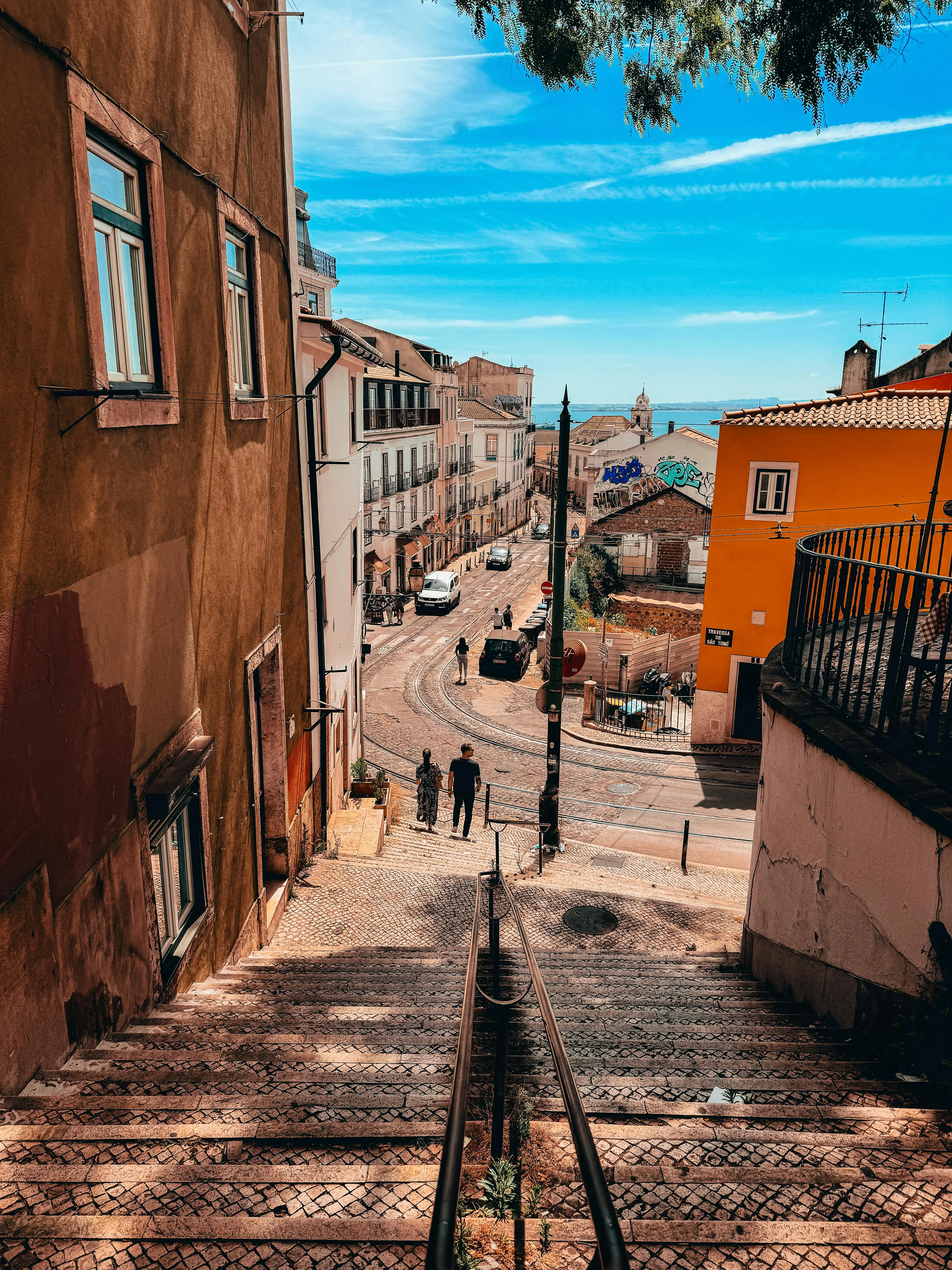
The cost of living in Lisbon is one of the main reasons the city continues to draw remote workers, long-stay travelers, and expats from across Europe and beyond. Portugal, known as a beautiful country with stunning scenery and a vibrant lifestyle, offers an attractive environment for people seeking an ideal place to live. While Lisbon is now the most expensive city in Portugal, it remains far more affordable than many major capitals in Western Europe. In fact, Portugal has the lowest cost of living in Western Europe. Housing has become the biggest expense, but daily living costs—from food to transport—are still relatively manageable compared to other countries.

For anyone considering living in Lisbon in 2025, understanding realistic monthly costs is essential. This guide focuses on what people actually pay today, not outdated averages or short-term tourist pricing. Drawing on data from international living sources and expat experiences, you’ll find clear breakdowns, neighborhood context, and comparisons that help you plan with confidence.
In this article, we’ll cover:
-
Estimated monthly costs for a single person and families
-
Rent prices in the city center versus outer neighborhoods
-
Everyday living expenses like food, utilities, and transport
-
Healthcare costs and medical insurance options
-
How Lisbon compares to other European and global cities
By the end, you’ll have a practical view of what it really costs to build a life in Lisbon.
Living in Lisbon: Why It’s a Global Hotspot
Living in Lisbon means choosing a city that feels grounded and livable while still offering the energy of a European capital. The city’s appeal isn’t built on spectacle—it comes from daily routines that are easy to settle into. Portuguese people value daily routines, socializing, and local culture, which creates a welcoming and vibrant atmosphere for newcomers. Short commutes, neighborhood cafés, and access to green spaces make Lisbon especially attractive for people planning to stay longer than a typical trip.
However, to live comfortably in Lisbon, you'll need an above-average, well-paying job, as the cost of living can be high relative to local salaries. This financial stability is important for maintaining a comfortable lifestyle in the city.
Neighborhoods That Shape Daily Life
Lisbon is a city of distinct districts, each with its own rhythm. Many residents choose areas that balance proximity to the city center with a more local feel.
Popular places to base yourself include:
-
Campo de Ourique, known for its central market and residential streets
-
Areeiro, with good transport links and slightly lower rent than riverfront areas
-
Alcântara, close to LX Factory and the waterfront walking paths
-
Príncipe Real, popular for cafés, small parks, and independent shops
Some central neighborhoods, like Príncipe Real and parts of the riverfront, are associated with high prices, while areas further from the center, such as Areeiro, tend to offer more affordable options.
These neighborhoods make everyday living feel manageable, even as Lisbon prices continue to rise. Rent prices in Lisbon are rising slowly, making the market more stable in 2025 than in previous years.
Everyday Habits That Keep Costs Reasonable
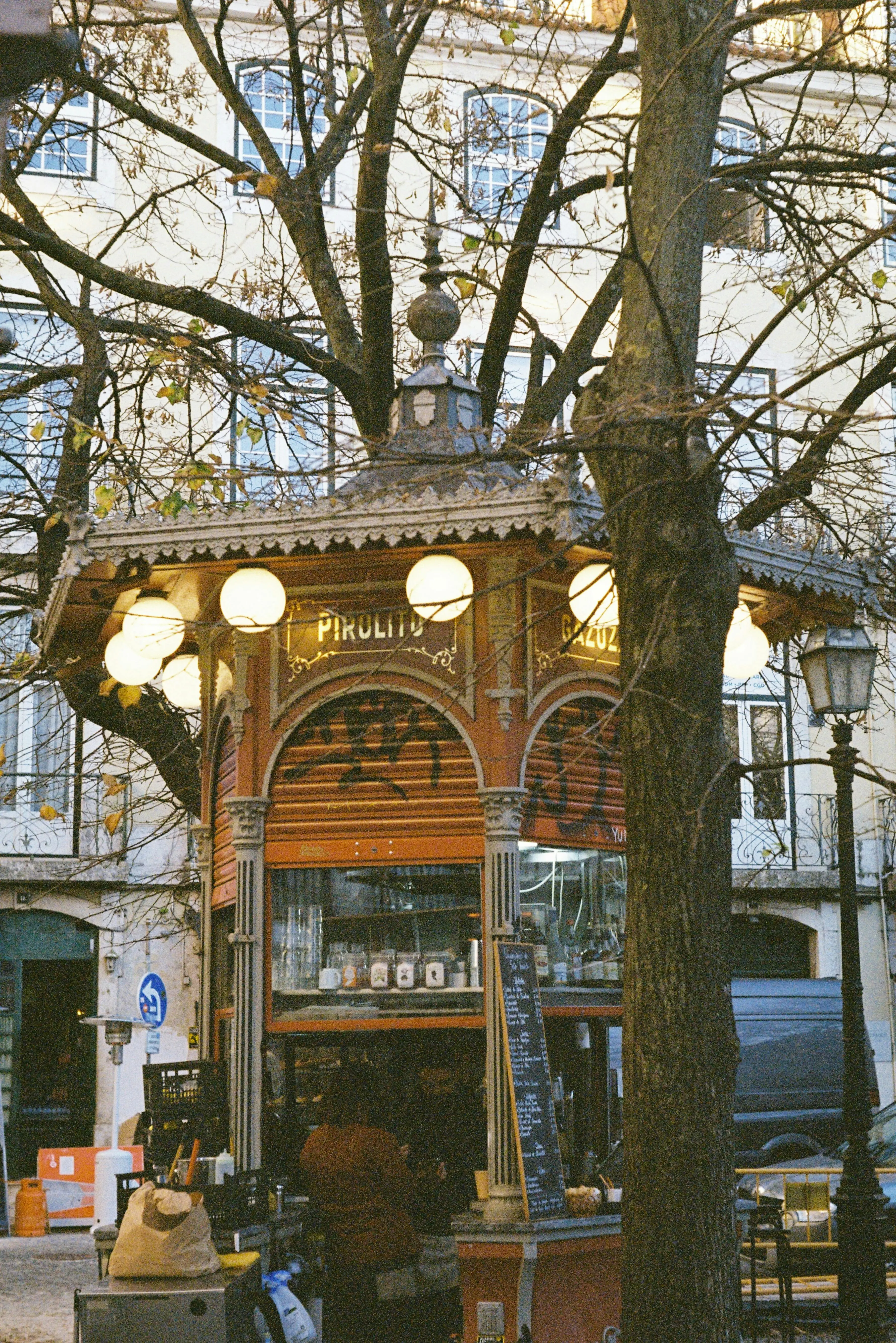
Despite being the most expensive city in Portugal, many daily expenses remain accessible for both Portuguese residents and newcomers.
Common local routines include:
-
Morning coffee at neighborhood cafés like Pastelaria Versailles or Café Tati
-
Grocery shopping at Mercado de Campo de Ourique or local Pingo Doce stores, where fresh fruit such as oranges and apples is affordable and widely available
-
Evening walks along the river near Cais do Sodré or Belém
-
Using public transport instead of owning a car
These habits help keep living expenses under control without sacrificing quality.
Why Long-Term Residents Stay
For many locals and expats, Lisbon offers something harder to measure than price alone: stability. Compared to other countries and major cities in Western Europe, Lisbon delivers a slower pace, reliable services, and strong community ties.
While Lisbon is sometimes labeled a 'cheap city', this can be misleading—actual living costs often differ from online estimates, and perceptions of affordability depend on individual backgrounds and expectations. Lisbon’s global appeal isn’t about being the cheapest option—it’s about offering a balanced, livable city where day-to-day life still feels human and sustainable.
Estimated Monthly Costs: What It Really Takes to Live in Lisbon
Understanding estimated monthly costs is the first step to deciding whether Lisbon fits your lifestyle and income. While the city has become more expensive over the past few years, the overall cost of living remains lower than in many other Western European capitals. On average, individuals spend a significant portion of their budget on utilities, food, entertainment, and other day-to-day living costs in Lisbon. The key is knowing where your money goes and how different living choices affect your monthly budget.
Monthly Costs for a Single Person
For a single person living in Lisbon, the average cost of living sits between €1,500 and €2,000 per month, depending on housing and lifestyle. This range reflects what most long-term residents actually pay in 2025.
Typical monthly costs include:
-
Rent for a small apartment or one bedroom: €1,000–€1,400. A 1-bedroom apartment in Lisbon's city center averages around €1,200–€1,700 per month, and the average rent for a one-bedroom apartment can vary between €991 and €1,420 depending on the location.
-
Food and groceries: €300–€400. Monthly groceries for one person generally cost around €180–€300 in Lisbon, and some items can be a bit cheaper depending on where you shop.
-
Public transport with a monthly pass: €40
-
Utilities and internet: €140–€180
-
Leisure, eating out, and personal spending: €150–€250
Excluding rent, average living expenses are around €745 per month for a single person.
The cost of living in Lisbon is around €1,835 per month for a single person, including rent.
Monthly Costs for Couples and Families
Household costs rise quickly with space and schooling needs, especially in central areas.
Estimated monthly costs:
-
Couple: €2,400–€2,800 including rent
-
Family of four: around €3,000–€3,200 excluding rent, closer to €4,500 with housing
Families often live outside the city center to manage rent while keeping access to schools and transport.
Four Estimated Monthly Costs at a Glance
-
Single person, modest lifestyle: ~€1,500
-
Single person, central location: ~€1,835
-
Couple, shared apartment: ~€2,600
-
Family with children: ~€3,100 excluding rent
Lisbon’s monthly costs are manageable by European capital standards, but housing choices play the biggest role in how affordable daily life feels.

Rent in Lisbon: Apartments, Neighborhoods, and Realistic Prices
Rent is the single biggest factor shaping the cost of living in Lisbon. When you compare Lisbon to other major cities like London, Berlin, or even Porto and cities in Spain, you'll find that while everyday expenses remain relatively affordable, housing has pushed Lisbon into expensive city territory within Portugal. Prices vary sharply depending on neighborhood, apartment size, and how close you are to the city centre, so understanding local patterns matters.
What Rent Looks Like in 2025
Lisbon prices have stabilized compared to the sharp increases of previous years, but demand remains high—especially for renovated units.
Typical monthly rent ranges include:
-
One bedroom apartment in the city centre: €1,200–€1,700
-
One bedroom outside the city center: around €1,090
-
Small apartment or studio in residential areas: €900–€1,200
-
Three bedroom apartment suitable for families: around €1,700
Most rental apartments require documentation such as payslips, tax returns, and proof of income, which can slow the process for newcomers.
Neighborhoods That Balance Rent and Lifestyle
Choosing the right area can significantly reduce your monthly costs without sacrificing quality.
Well-priced, well-connected neighborhoods include:
-
Areeiro, popular for transport access and mid-range rent
-
Campo de Ourique, central but more residential than tourist zones
-
Alcântara, close to LX Factory and riverfront paths
-
Benfica, slightly farther out but budget friendly and well served by public transport
Many locals opt for these areas to keep rent manageable while staying connected to the city.
Renting Smart as a Newcomer
Short-term renters and digital nomads often face higher upfront costs when searching independently. Platforms offering month apartment options and ready-to-move-in spaces can simplify the process and reduce friction.
If you’re planning a longer stay, explore fully furnished apartments in Lisbon that are designed for remote work and flexible living.
Rent defines your Lisbon cost more than any other expense. Choosing the right neighborhood—and the right apartment setup—can be the difference between stretching your budget and living comfortably.
Lisbon Compared: Cost of Living Against Other Countries
Looking at Lisbon compared to other countries helps put its prices into context. While the city has become the most expensive in Portugal, it remains noticeably more affordable than many major cities across Western Europe and the United States. For remote workers and long-term travelers, this balance is often what makes Lisbon the best deal among European capitals.

Lisbon vs Major Cities in Western Europe and Beyond
When comparing Lisbon cost to other global hubs, the differences are clear—especially in housing and daily expenses.
Key comparisons:
-
Lisbon is around 55% cheaper than London for a single person
-
Living in Lisbon costs roughly 40% less than in the United States overall
-
Lisbon is more affordable than Berlin when rent and food are combined
-
Compared to San Francisco, Lisbon offers dramatically lower rent and transport costs
-
Lisbon is more expensive than many cities in South America, but offers stronger infrastructure and public services
Despite rising Lisbon prices, the city still sits comfortably below the cost levels of most European Union capitals.
How Lisbon Compares Within Portugal
Within Portugal, Lisbon is the priciest city, especially for rent. Other Portuguese cities remain slightly cheaper and are often chosen by locals looking to reduce housing costs.
Cost differences to note:
-
Lisbon vs Porto: around 17% higher overall cost
-
Lisbon vs Braga or Coimbra: significantly lower rent outside the capital
-
Lisbon vs Faro: higher rent, but more job opportunities and services
Many Portuguese residents work in Lisbon while living just outside the city to manage costs.
Cost Comparison Snapshot
| City | Relative Cost of Living | Rent Pressure | Daily Expenses |
|---|---|---|---|
| Lisbon | Mid-range | High | Moderate |
| London | Very high | Very high | High |
| Berlin | High | High | Moderate |
| San Francisco | Extremely high | Extremely high | High |
| Porto | Lower | Moderate | Low |
| Lisbon compared to other countries stands out as a rare case—an expensive city within Portugal, yet still a low cost option when viewed against major cities across Western Europe and the US. |
Food and Dining Costs in Lisbon: Where Locals Actually Eat
Food is one of the few areas where the cost of living in Lisbon still feels clearly in your favor. Eating out is woven into daily life here, and many Portuguese residents rely on neighborhood restaurants rather than cooking every meal at home. If you follow local habits, food spending stays predictable and relatively low.

When grocery shopping, you'll find a wide range of organic products available in Lisbon's stores and supermarkets, though prices for organic items are generally higher than for conventional goods.
Eating Out: Real Restaurants, Real Prices
Lisbon offers a wide range of inexpensive and mid range restaurant options across the city, especially outside the most tourist-heavy streets. If you're looking for an inexpensive restaurant, you'll find plenty of affordable dining choices where a meal is budget-friendly and accessible.
Reliable everyday spots include:
-
Zé da Mouraria (Mouraria) – Traditional Portuguese dishes like bitoque and bacalhau for €9–€12
-
A Provinciana (Alvalade) – Popular with locals, serving grilled fish and meat plates around €10–€13
-
O Velho Eurico (near Martim Moniz) – Hearty tavern-style food, most mains between €12–€15
-
Cantinho do Aziz (Mouraria) – Mozambican-Portuguese cooking, generous plates around €11–€14
A meal in an inexpensive restaurant in Lisbon typically costs around €10.
At these types of places, a full meal with drink rarely exceeds €15 per person, keeping restaurant visits affordable even several times a week.
Mid Range Restaurants for Social Dinners
For evenings out or casual celebrations, Lisbon’s mid range restaurant scene remains accessible compared to other major cities.
Good mid range options include:
-
Taberna da Rua das Flores (Chiado) – Small plates and wine, €18–€25 per person
-
Prado (Baixa) – Seasonal Portuguese cuisine, mains around €20–€24
-
Sea Me (Chiado) – Seafood-focused menu, dinner for two around €45–€50
A mid range restaurant dinner for two with wine typically costs between €45–€50, which is noticeably lower than similar meals in other Western European capitals.
Lunch Culture and Daily Cafés
Lunch menus are one of the best ways to keep food costs low while eating out regularly.
Common lunch options include:
-
Prato do dia menus at local tascas for €7–€10
-
Time Out Market stalls offering full meals for €10–€15
-
Neighborhood cafés serving soup, sandwich, and drink combos for €6–€8
Everyday café stops are inexpensive:
-
Espresso at local cafés like Café Tofa or Pastelaria Versailles: €1–€1.50
-
Pastry and coffee combo: €2–€3
How Food Costs Compare
Compared to major cities in other countries, Lisbon remains budget friendly for dining:
-
Restaurant meals cost significantly less than in London or Berlin
-
Daily eating out is far cheaper than in San Francisco
-
Grocery and restaurant prices are higher than in some Portuguese cities, but still manageable
Lisbon’s food scene makes it easy to eat out often without driving up your monthly costs. By choosing neighborhood restaurants over tourist-focused spots, you can enjoy good quality meals at prices that still feel grounded and sustainable.
Utility Costs and Internet in Lisbon: What Monthly Bills Look Like
Utility costs in Lisbon are generally predictable and easier to manage than in many other major cities. The regular price for basic utilities—such as electricity, water, and gas—remains affordable for most residents, especially when compared to other European capitals. While electricity prices can fluctuate seasonally, most households find that basic services remain affordable—especially when paired with energy-conscious living and smaller apartments, which are common across the city.

Typical Utility Costs for Apartments
For a standard apartment in Lisbon, monthly utility costs usually fall between €100 and €140. This typically covers electricity, water, gas, and waste collection.
What most residents pay each month:
-
Electricity: €50–€80, depending on usage and season
-
Water and waste: €25–€40
-
Gas (if applicable): €20–€30
Many apartments rely heavily on electricity rather than gas, so heating in winter can raise costs slightly. Residents in older buildings often offset this by using portable heaters and managing usage during peak hours.
Internet and Mobile Plans
Reliable internet is one of Lisbon’s strong points, especially for remote workers. High-speed connections are widely available across the city, including residential neighborhoods outside the city center.
Common options include:
-
Home internet plans with providers like MEO, NOS, or Vodafone: €30–€50 per month
-
Fiber connections available in most central and residential areas
-
Mobile plans with unlimited data starting around €25–€35 per month
Cafés, coworking spaces, and libraries across neighborhoods like Areeiro, Campo de Ourique, and Santos also offer dependable WiFi, making it easy to stay connected throughout the day.
Keeping Utility Costs Low
Many locals keep monthly costs down by adapting to apartment size and lifestyle.
Typical habits include:
-
Choosing a small apartment to reduce heating and electricity use
-
Air-drying clothes instead of using dryers
-
Relying on natural ventilation rather than air conditioning
Utility costs and internet in Lisbon remain reasonable by European capital standards. With modest usage and the right apartment setup, monthly bills stay manageable and rarely become a major burden on overall living expenses.
Healthcare Costs and Medical Insurance in Lisbon
Healthcare costs are one of the areas where living in Lisbon continues to feel reassuringly accessible. Portugal’s healthcare system is well regarded internationally, and both public and private options are widely used by Portuguese residents and newcomers alike. Compared to many other countries in Western Europe, the overall cost of care remains low while maintaining good quality standards.
Public Healthcare and What Residents Pay
Portugal’s public healthcare system is supported by the Portuguese government and is available to residents at very low cost. Portuguese citizens and registered residents typically pay small fees for consultations, with many services either heavily subsidized or free.
What to expect with public care:
-
General doctor appointments often cost €5 or less
-
Routine medical exams typically start around €5–€10
-
Specialist visits may involve small co-payments
-
Emergency care is affordable and widely accessible
Public hospitals such as Hospital de Santa Maria and Hospital de São José are commonly used by many locals, especially for non-urgent and long-term care.

Private Healthcare and Medical Insurance Options
Private healthcare is popular among expats, digital nomads, and professionals who want shorter wait times and more flexibility. Even then, healthcare costs remain reasonable by European standards.
Typical private healthcare prices include:
-
Private doctor appointment: €20–€30
-
Medical exam: around €40
-
Minor procedures starting from €5
Medical insurance is not mandatory, but many people choose it for peace of mind. Basic plans generally start around €400 per year, while more comprehensive coverage can reach €1,000 annually.
Well-known private providers include CUF, Lusíadas Saúde, and Hospital da Luz, all of which operate modern facilities across Lisbon.
How Healthcare Fits Into the Cost of Living in Lisbon
When factoring healthcare costs into the cost of living Lisbon presents a clear advantage. Even with private care and insurance, healthcare remains far more affordable than in many other countries, particularly when compared with systems in the European Union and the United States.
Lisbon’s healthcare system combines accessibility, quality, and affordability. Whether you rely on public services or choose private medical insurance, healthcare costs are unlikely to be a major financial burden for most people living in Lisbon.
Public Transport and Getting Around Lisbon
Public transport plays a major role in keeping the cost of living in Lisbon manageable. The city’s compact layout and reliable network mean many people living in Lisbon rarely need a car, especially if they stay in or near the city centre. Compared to transport costs in other European capitals, getting around Lisbon remains straightforward and budget friendly.
Public Transport Prices and Passes
Lisbon’s public transport system covers metro, buses, trams, and suburban trains, all integrated under the same pricing structure.
Typical transport costs include:
-
One way ticket on metro, bus, or tram: around €1.50
-
Monthly pass covering most public transport: approximately €40
-
Occasional users can pay per ride, but regular commuters benefit most from the monthly pass
The metro connects key areas like Saldanha, Alameda, and Cais do Sodré, while buses and trams fill in gaps across older neighborhoods.
Trams, Walking, and Daily Mobility
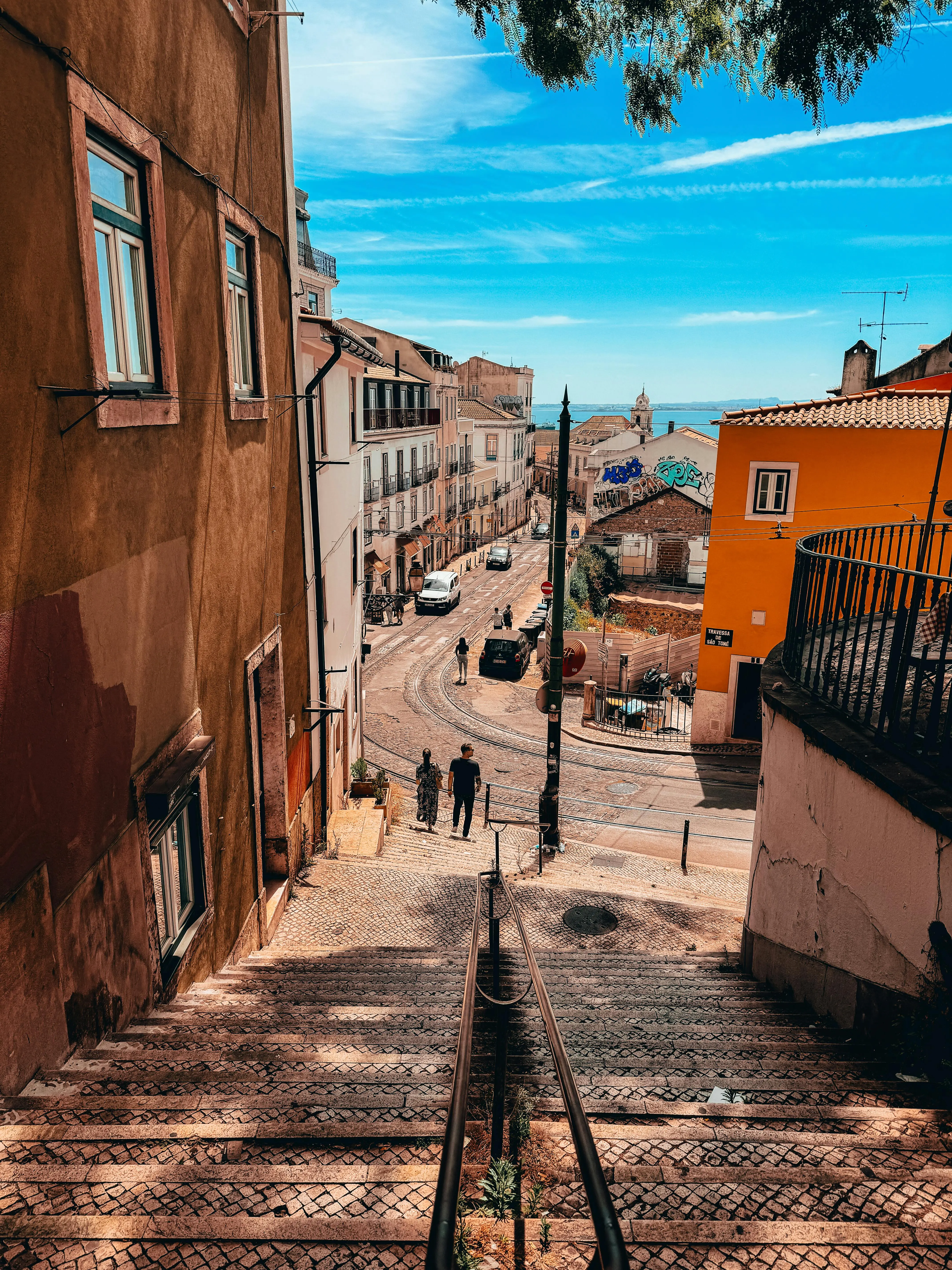
Walking is often the fastest way to move through central Lisbon, particularly in neighborhoods like Baixa, Chiado, and Alfama. Historic trams, such as Tram 28, are part of daily transport for many locals, not just visitors.
Common local habits include:
-
Walking between cafés, shops, and markets in the city center
-
Using buses in hilly areas like Graça and Campo de Ourique
-
Combining metro and walking for daily commutes
Living close to your workplace or coworking space can significantly reduce transport spending.
Taxis and Ride-Sharing
Taxis in Lisbon are reasonably priced, especially for short trips. A typical taxi start fare is around €3.50, with fares increasing gradually by distance. Ride-sharing apps like Uber and Bolt are widely used and often slightly cheaper than traditional taxis, particularly outside peak hours.
Transport Costs in Context
Compared to other countries and major urban hubs, Lisbon’s transport system offers strong value. Even when living slightly outside the city centre, public transport keeps travel costs predictable and low.
Affordable public transport is one of the reasons Lisbon remains easy to live in. With a reliable network and low fares, getting around rarely adds much pressure to monthly budgets.
Living Expenses in Lisbon: Everyday Spending That Adds Up
Living expenses are where Lisbon still feels workable, even as housing has pushed the city into expensive city territory within Portugal. Once rent is covered, day-to-day spending tends to be steady rather than surprising. Many Portuguese residents manage their budgets through routine choices that keep costs predictable without cutting quality.
What Daily Spending Looks Like
Outside housing, most people find that Lisbon prices for essentials remain reasonable compared to many places across Western Europe.
Typical everyday spending includes:
-
Groceries and household basics bought locally at regular price
-
Electricity, water, and internet scaled to smaller apartments
-
Coffee, snacks, and casual meals that don’t inflate weekly budgets
-
Occasional restaurant visits rather than daily dining out
For a single person, this approach keeps living expenses aligned with average incomes and avoids sudden spikes in spending.
How Locals Keep Costs Balanced
Many locals adapt by choosing convenience over prestige. Living slightly outside the city centre, shopping at neighborhood markets, and relying on public transport all help control monthly outgoings. These habits matter more than chasing the lowest possible prices.
Areas like Campo de Ourique are popular because they offer a strong balance between residential life, walkability, and access to everyday services without the premium of riverfront districts.
If you want to understand how neighborhood choice affects daily spending, explore Campo de Ourique in our neighborhood guide.
Living Expenses in Lisbon: How Lisbon Prices Change by Neighborhood
Living expenses in Lisbon can look very different depending on where you choose to base yourself. While headline Lisbon prices often focus on averages, daily spending is highly local. Neighborhood choice affects not just rent, but how much you spend on food, transport, and everyday services—and how convenient life feels once you settle in.

Central Neighborhoods: Higher Spend, Shorter Distances
Areas closer to the city center tend to push living expenses higher, mostly through rent and dining.
What to expect in places like Príncipe Real, Chiado, and parts of Santos:
-
Higher rent for a one bedroom or small apartment
-
Groceries skewed toward smaller shops with less price flexibility
-
More frequent restaurant visits due to density of cafés and bars
-
Easy walking access that reduces transport spending
A coffee at spots like Café Tati or Linha d’Água usually runs €1.50–€2, while casual meals in these areas can edge toward mid-range pricing more often than elsewhere.
Browse Lisbon homes near this area
Residential Areas: Better Balance for Everyday Costs
Many Portuguese residents choose neighborhoods slightly outside the core to manage living expenses without sacrificing access.
Common choices include:
-
Campo de Ourique, where grocery shopping at the local market keeps food costs steady
-
Areeiro, known for affordable cafés and strong metro connections
-
Alvalade, popular with families for predictable prices and daily services
In these areas, lunch menus at local restaurants often cost €7–€9, coffee stays closer to €1, and weekly grocery spending feels more controlled. Public transport use increases slightly, but overall costs often come out lower than living closer to the river.
Browse Lisbon homes near this area
Outer Neighborhoods: Lower Daily Spend, Longer Commutes
Further out, places like Benfica or Olivais offer noticeably lower day-to-day spending.
Here, residents benefit from:
-
Larger supermarkets with consistent pricing
-
Fewer tourist-driven price spikes
-
Lower average food and service costs
The tradeoff is time, not money. Commutes are longer, but many people find the overall cost savings worth it.
Browse Lisbon homes near this area
Budget Tips for Living in Lisbon on Different Incomes
Living in Lisbon can work at very different income levels, but the way you structure your housing and daily routines matters more than almost anything else. While the city is now the most expensive city in Portugal, many people still manage their money carefully and live comfortably by prioritizing stability over lifestyle inflation.
Living in Lisbon on a Local Salary
For Portuguese people earning closer to the minimum wage, budgets are tight but manageable with the right setup. Many locals focus on controlling fixed costs rather than cutting essentials.
Common strategies include:
-
Sharing a small apartment or choosing older buildings with lower rent
-
Buying fresh white bread and staples from neighborhood bakeries
-
Shopping for fresh fruit and seasonal produce at local markets
-
Limiting restaurant visits to lunch menus and inexpensive restaurant options
This approach allows many locals to pay bills and cover daily needs without taking on debt.
Remote Workers, Expats, and Passive Income
Those earning foreign salaries or passive income have more flexibility, but Lisbon prices can still add up quickly without structure. The most sustainable approach is choosing convenience over prestige.
Typical habits include:
-
Living outside the city centre to reduce rent pressure
-
Locking in utilities at normal tariff rates
-
Relying on public transport instead of frequent taxis
-
Treating dining out as occasional, not automatic
Housing plays a major role here. Choosing a setup that’s ready for long stays reduces friction and unpredictable expenses.
Families and Child-Related Costs
For families, childcare options are an important part of the budget. Public and semi-private childcare is widely used and significantly more affordable than in many other European countries, helping parents balance work and family life without extreme monthly strain.
With the right housing choice and realistic routines, Lisbon remains a city where different income levels can still build a stable, livable lifestyle.
Cost of Living in Lisbon: Is It Worth Moving to the City?
The cost of living Lisbon presents right now reflects a city in transition. Lisbon is now firmly established as the most expensive city in Portugal, largely due to housing pressure, yet it remains affordable when viewed against other capitals in Western Europe. For a single person, living in Lisbon typically requires careful planning around rent, while everyday living expenses such as food, transport, and healthcare remain relatively stable and accessible.
What ultimately defines Lisbon’s appeal is balance. Daily life is walkable, public services are reliable, and healthcare costs stay low compared to many other countries. While it may no longer qualify as a cheap city, Lisbon continues to offer strong value for people seeking international living without the financial strain common in larger global hubs.
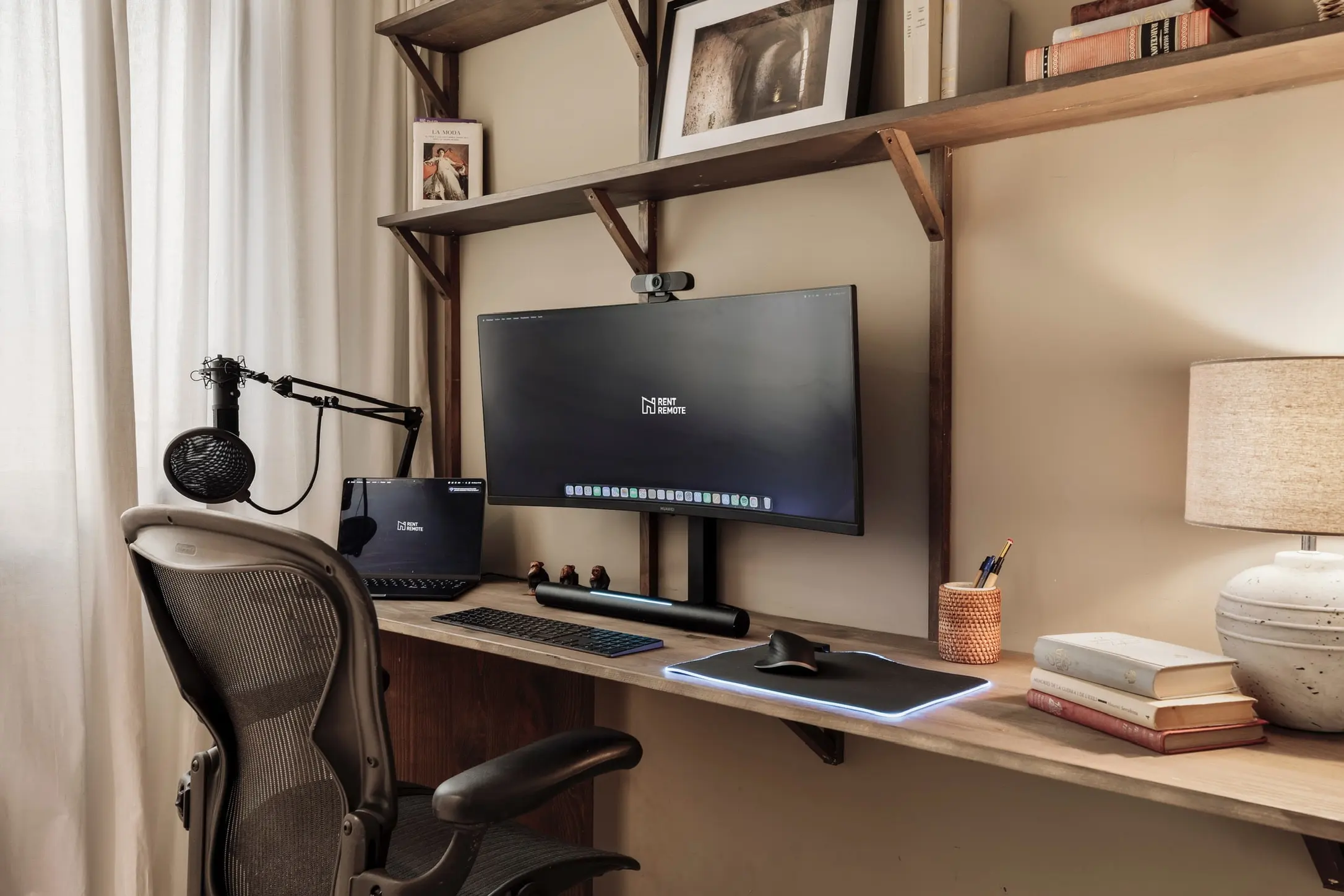
For those planning a longer stay or relocating within Europe, housing choice is the biggest variable. If you want flexibility without navigating complex local rental processes, explore fully furnished apartments in Portugal through RentRemote and settle in with confidence.